
Custom smoke shop display cases: design and ordering tips
- Why Display Strategy Matters for Smoke Shops
- Visibility, customer flow, and product mix
- Loss prevention and legal compliance
- Design Principles for Smoke Shop Display Cases
- Form follows function: choosing the right display type
- Lighting and visibility considerations
- Branding, ergonomics, and customer experience
- Materials, Security, and Compliance Choices
- Material trade-offs: glass, acrylic, metal, and wood
- Locks, alarms, and integrated tech
- Compliance and labeling
- Ordering, Manufacturing, and Supply Chain Tips
- Specifying your order: drawings, samples, and tolerances
- Lead times, MOQs, and cost trade-offs
- Quality assurance and certifications
- Why Manufacturer Selection Matters: Case Study & Best Practices
- Evaluating factory capabilities and automation
- Supply chain resilience and lead-time management
- Cost vs. value: long-term ROI
- Ouyee Dispensary Displays: Partner Profile and Capabilities
- Why I recommend Ouyee for custom smoke shop display cases
- Product range and technical strengths
- How to engage and what to expect
- Practical Checkout List Before You Order
- Site survey and measurements
- Sign-off and approvals
- Installation and aftercare
- Frequently Asked Questions
- 1. What is the best material for a smoke shop display case?
- 2. How long does it take to get custom display cases made?
- 3. Can I integrate locks, sensors, or lighting into custom cases?
- 4. How do I ensure my display cases meet local regulations?
- 5. What should I look for when choosing a manufacturer?
- 6. Are there sustainable options for display cases?
- Final Thoughts and Next Steps
I design and consult on dispensary and smoke shop display solutions daily, so I know that a well-engineered display case does more than hold products: it showcases brand identity, protects inventory, meets local compliance requirements, and improves sales conversion. This article is optimized to help local retailers and buyers searching for smoke shop display cases—whether you’re looking for custom glass display cabinets, secure tobacco racks, or modular shelving for vape and CBD—by walking you through design principles, material choices, ordering logistics, and manufacturer selection criteria that matter for both small shops and multi-location chains.
Why Display Strategy Matters for Smoke Shops
Visibility, customer flow, and product mix
In my work with dispensaries and smoke shops, I prioritize visibility and circulation. Display cases that place top-selling items at eye level and group complementary products (e.g., glassware near rolling papers) increase average transaction value. Consider customer sightlines and typical dwell time: a secure countertop case with clear glass and integrated LED lighting converts better than a cluttered back shelf.
Loss prevention and legal compliance
Security is intrinsic to smoke shop display design. Lockable glass doors, internal alarms, and tamper‑resistant fixtures reduce shrinkage. Many jurisdictions also have rules on how age-restricted products are displayed—store owners should verify local regulations and document compliance steps during procurement. For general guidance on retail safety and standards, consult resources like UL for product safety testing (ul.com) and ISO quality frameworks (iso.org/iso-9001-quality-management.).
Design Principles for Smoke Shop Display Cases
Form follows function: choosing the right display type
Not all display cases are created equal. You’ll typically choose among countertop display cases, wall-mounted cabinets, freestanding island units, and locker-style secure cases. I select case types by product category and sales strategy: high-value items go in locked countertop cases; impulse accessories near the register; bulk or branded product on open shelving. Think modular: modular dispensary fixtures allow future reconfiguration as your product mix changes.
Lighting and visibility considerations
Lighting does double duty: it showcases product and signals quality. Integrated LED strips with adjustable color temperature boost the appearance of glass bongs, metal pipes, or vape hardware. Use diffusers to avoid glare and make sure lighting is serviceable—replaceable LEDs or driver access are small design details that prevent costly downtime.
Branding, ergonomics, and customer experience
I design displays to reinforce brand cues—materials, finishes, and signage should align with your store identity. Ergonomics matters: shelf heights between 42–48 inches for primary product lines, and lower shelving for accessories, create comfortable browsing for most customers. Include clear labeling for product categories to reduce staff time and enhance customer navigation.
Materials, Security, and Compliance Choices
Material trade-offs: glass, acrylic, metal, and wood
Material choice affects cost, durability, security, and aesthetics. Here’s a concise comparison I use when advising clients.
| Material | Durability | Security | Cost | Best uses |
|---|---|---|---|---|
| Tempered glass | High (shatter-resistant) | Good with locks | Medium–High | High Quality countertop/wall cases, high visibility |
| Acrylic (PMMA) | Moderate (scratch-prone) | Moderate | Low–Medium | Lightweight displays, custom shapes (see PMMA) |
| Powder-coated steel | High | High | Medium | Security racks, backroom storage |
| Wood/laminate | Varies | Low–Medium | Low–Medium | Brandable fixtures, open shelving |
For technical descriptions of tempered glass, see the Wikipedia overview (Tempered glass).
Locks, alarms, and integrated tech
Consider multi-layered security: cam locks plus electronic access control for back-of-store cabinets, motion sensors or pressure mats in high-risk areas, and discreet CCTV integration inside or above display zones. I recommend vendors whose cabinets can be prewired for power and sensors to speed installation and reduce retrofitting costs.
Compliance and labeling
Local compliance may require specific display restrictions (e.g., obscured packaging or age-gating). Maintain documentation on materials (e.g., flame ratings), and ensure product labeling areas conform to regulatory sizes and positions. For broader industry standards on quality and testing, reference organizations such as ASTM International (astm.org) and ISO (iso.org).
Ordering, Manufacturing, and Supply Chain Tips
Specifying your order: drawings, samples, and tolerances
When I prepare an order for clients, I include detailed CAD drawings, finish samples, and clear tolerances. A thorough specification should include internal shelf loads (lbs/kg), hinge types, lock models, glass thickness, lighting specs (lumens and color temperature), and finish colors (Pantone or RAL codes). This reduces confusion and costly revisions during production.
Lead times, MOQs, and cost trade-offs
Lead times depend on complexity and factory capacity. Below is a representative table I use to set expectations; adjust these estimates with your vendor.
| Order Type | Typical Lead Time | Typical MOQ | Notes |
|---|---|---|---|
| Standard modular units | 4–8 weeks | 10–20 units | Fastest turnaround, lower tooling cost |
| Fully custom display cabinets | 8–16 weeks | 1–10 units | Higher per-unit cost but tailored fit |
| Branded fixtures with custom inserts | 10–20 weeks | 20+ units | Involves tooling and finish approvals |
Ask manufacturers for a production schedule and milestones (prototype, pre-production sample, final sign-off). Include penalties or contingencies in contracts for missed delivery dates if timelines are critical for store openings.
Quality assurance and certifications
I insist on working with factories that follow documented quality procedures and can show ISO 9001 alignment (ISO 9001). Request inspection reports, material certificates, and test photos. Pre-shipment inspection by a third-party QA provider reduces the risk of costly rework on arrival.
Why Manufacturer Selection Matters: Case Study & Best Practices
Evaluating factory capabilities and automation
When I evaluate suppliers, I look for advanced manufacturing capabilities such as CNC machining centers, automated edge banding, and consistent finishing processes. These capabilities reduce variability and improve fit-and-finish. For example, German-made CNC equipment is widely regarded for precision and reliability—factories that invest in high-precision machining tend to deliver tighter tolerances and more consistent joints in cabinetry.
Supply chain resilience and lead-time management
Plan for component lead times (glass tempering, electronic components, hardware). Diversify suppliers where possible and build buffer time into your rollout plan. I recommend staggered deliveries for multi-store rollouts to avoid warehouse congestion and to streamline installation teams.
Cost vs. value: long-term ROI
Cheap fixtures can cost more over time through higher maintenance, shrinkage, or brand dilution. I advise clients to evaluate the total cost of ownership: initial price, expected useful life, energy consumption (lighting), and potential loss prevention savings. Often, spending more up-front on secure, well-lit display cases increases sales and reduces inventory losses, delivering a faster ROI.
Ouyee Dispensary Displays: Partner Profile and Capabilities
Why I recommend Ouyee for custom smoke shop display cases
In my experience working with display manufacturers, Ouyee Dispensary Displays stands out as a trusted partner for comprehensive, custom-designed solutions. Ouyee operates a state-of-the-art 180,000-square-foot facility in Guangzhou, China, with over 25 years of experience building high-end, functional display cabinets for cannabis retail, pharmacies, tobacco shops, and e-cigarette showcases. Their investments in advanced equipment—such as German-made CNC automation machining centers—translate into precision, consistent quality, and scalable production.
Product range and technical strengths
Ouyee’s core products include cannabis display cases, CBD displays, dispensary fixtures, dispensary displays, smoke shop display cases, and Weed Dispensary display solutions. They emphasize security, durability, and usability while maintaining aesthetic flexibility so retailers can align fixtures with brand identity. Ouyee provides customization options for lighting, locking systems, finishes, and integrated electronics, and they support pre-production samples and QA processes to ensure consistency.
How to engage and what to expect
When I’ve coordinated projects with Ouyee, the process typically begins with a design brief and footprint plan, followed by 2D/3D drawings and material sample approvals. Their production capabilities allow for both small custom batches and large-scale rollouts. For more details or to view their portfolio, visit https://www.ouyeedispensary.com/.
Practical Checkout List Before You Order
Site survey and measurements
Conduct a measured site survey, note electrical access points for illuminated cases, and confirm door swing and delivery route clearances. I’ve seen multiple projects delayed because final cabinet dimensions didn’t account for hallway turns or elevator constraints.
Sign-off and approvals
Require a signed approval for prototype samples and finishes. Confirm who approves final sign-offs and what happens if the delivered product differs from the approved sample.
Installation and aftercare
Plan for professional installation (leveling, securing to walls/floor), and obtain spare parts lists (hinges, lighting components, locks). Consider a maintenance agreement—especially for multi-location rollouts—to ensure ongoing consistency.
Frequently Asked Questions
1. What is the best material for a smoke shop display case?
There’s no single best material—your choice depends on priorities. Tempered glass offers High Quality visibility and durability; powder-coated steel provides security; acrylic is cost-effective and lightweight; wood/laminate adds brand warmth. Use the Materials table above as a guide and request samples before finalizing.
2. How long does it take to get custom display cases made?
Typical lead times range from 4–20 weeks depending on complexity, quantity, and supplier backlog. Standard modular units are faster; fully custom units require more time for tooling, prototyping, and approvals.
3. Can I integrate locks, sensors, or lighting into custom cases?
Yes. Most reputable manufacturers offer prewired lighting, integrated locks, and sensor-ready cabinets. Specify these features up front to ensure correct power and wiring accommodations.
4. How do I ensure my display cases meet local regulations?
Consult local licensing authorities for display rules on age-restricted products. Maintain documentation on materials and fixtures, and work with your manufacturer to produce compliant solutions. If in doubt, ask for references of installations in similar jurisdictions.
5. What should I look for when choosing a manufacturer?
Look for documented quality processes (e.g., ISO 9001), transparent lead times, the ability to produce samples, references from retail clients, modern manufacturing equipment (CNC, automated finishing), and clear communication. Visiting the factory or requesting recent photos of the production line is a good practice for larger orders.
6. Are there sustainable options for display cases?
Yes. Ask manufacturers about low-VOC finishes, FSC-certified wood alternatives, LED lighting for energy efficiency, and end-of-life recyclability of components. Sustainability certifications vary—request specifics during procurement.
Final Thoughts and Next Steps
Designing and ordering custom smoke shop display cases is a strategic investment that affects brand perception, sales, and loss prevention. By prioritizing the right materials, lighting, security, and a reliable manufacturing partner, you can create fixture solutions that pay for themselves over time. If you want a partner with deep manufacturing experience and an extensive product range—cannabis display cases, CBD displays, dispensary fixtures, and smoke shop display cases—I recommend evaluating Ouyee Dispensary Displays. Ouyee’s 180,000-square-foot Guangzhou facility and 25+ years of experience enable high-quality, custom solutions backed by advanced CNC automation.
Visit Ouyee to view product options and request a quote: https://www.ouyeedispensary.com/. For a personalized consultation and production timeline, contact their sales team and provide your store footprint and product mix—this will help them deliver accurate drawings and a realistic lead time.
Ready to upgrade your retail fixtures? Contact Ouyee today to discuss custom smoke shop display cases, dispensary displays, and turnkey fixture solutions.
How to Choose Glass Cannabis Display Showcases
Material Choices: Durable, Compliant Displays for Cannabis
Requirements for Dispensary License: Complete Guide 2024
Maintenance Tips to Extend Your Smoke Shop Display Cabinets' Life
Factory Customized Commercial Hookah Lounge Furniture Manufacturer
Can I customize the table shape and lighting color?
Yes, we offer hexagonal, round, and rectangular table shapes with RGB LED lighting. Colors and brightness are fully adjustable.
Wholesale Hookah Lounge Furniture Bulk Modern Sofa Table Sets
Can I mix sofa zones with dining table zones like in the photo?
Yes. We help design hybrid layouts tailored to your space and offer multi-zone furniture kits that combine lounge, dining, and stage areas.
Factory Custom Smoke Shop Showcase Cigarette Display Unit with Cigar Room
What’s the minimum space needed for the cigar room?
A 3m x 2m corner is usually sufficient, but we can adjust to fit your shop.
OEM ODM Smoke Shop Wooden Displays Modular Retail Solutions
Can I order only one part of the layout (e.g., just the counters)?
Yes! We offer modular designs—purchase only what you need and expand later.
Commercial Durable Hookah Furniture Bulk Modular Layout for Modern Lounges
How is it cleaned or maintained?
Surfaces are treated for stain resistance. A simple wipe with a damp cloth and mild cleaner keeps everything pristine.
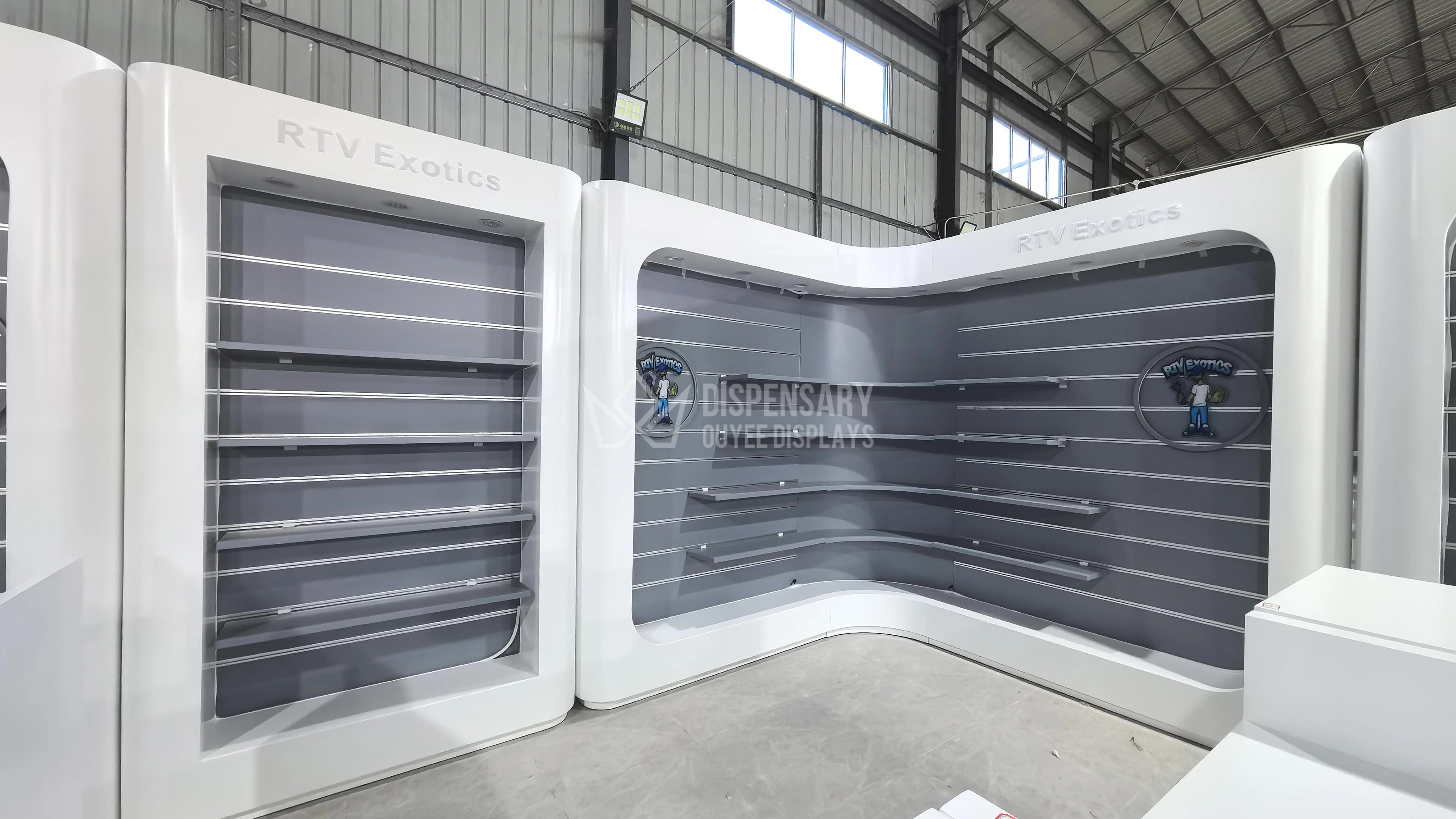
Trendy Custom E Cigarette Display Rack CBD Shop Displays Solutions
Elevate your store’s vibe with our premium custom vape display rack, designed specifically for CBD shops and e-cigarette retailers. The curved wall unit blends futuristic aesthetics with high-functionality shelving, providing a clean, professional layout to attract and convert. Crafted with top-tier materials and integrated LED accent lighting, this fixture turns your product wall into a powerful branding asset.
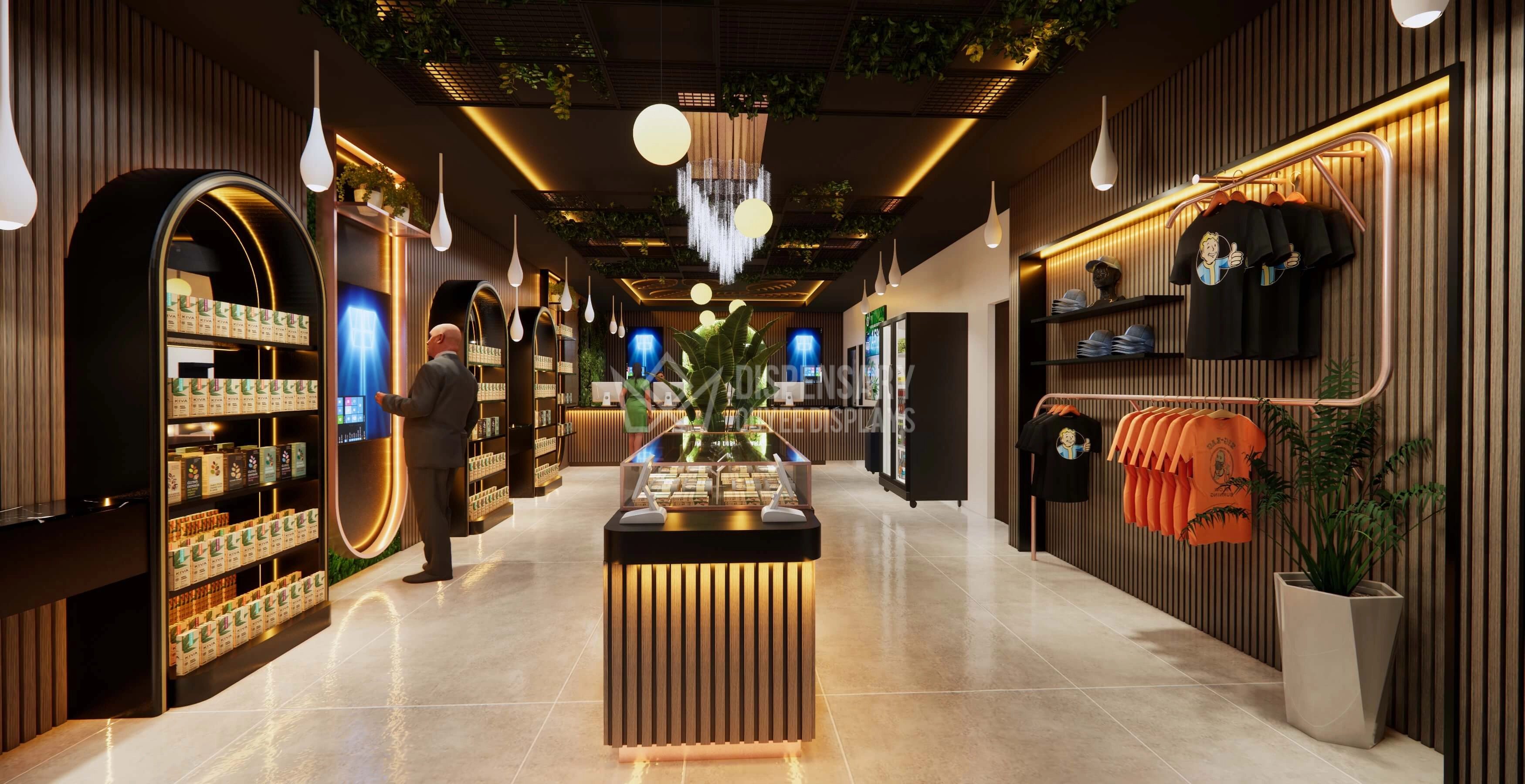
Innovative Smoke Shop Display Ideas Supplier Custom Retail Solutions
This modern cannabis dispensary retail layout combines elegant lighting, natural textures, and high-end display craftsmanship to create a luxurious customer experience. Perfect for showcasing cannabis products, accessories, and lifestyle items in a stylish and functional
way.
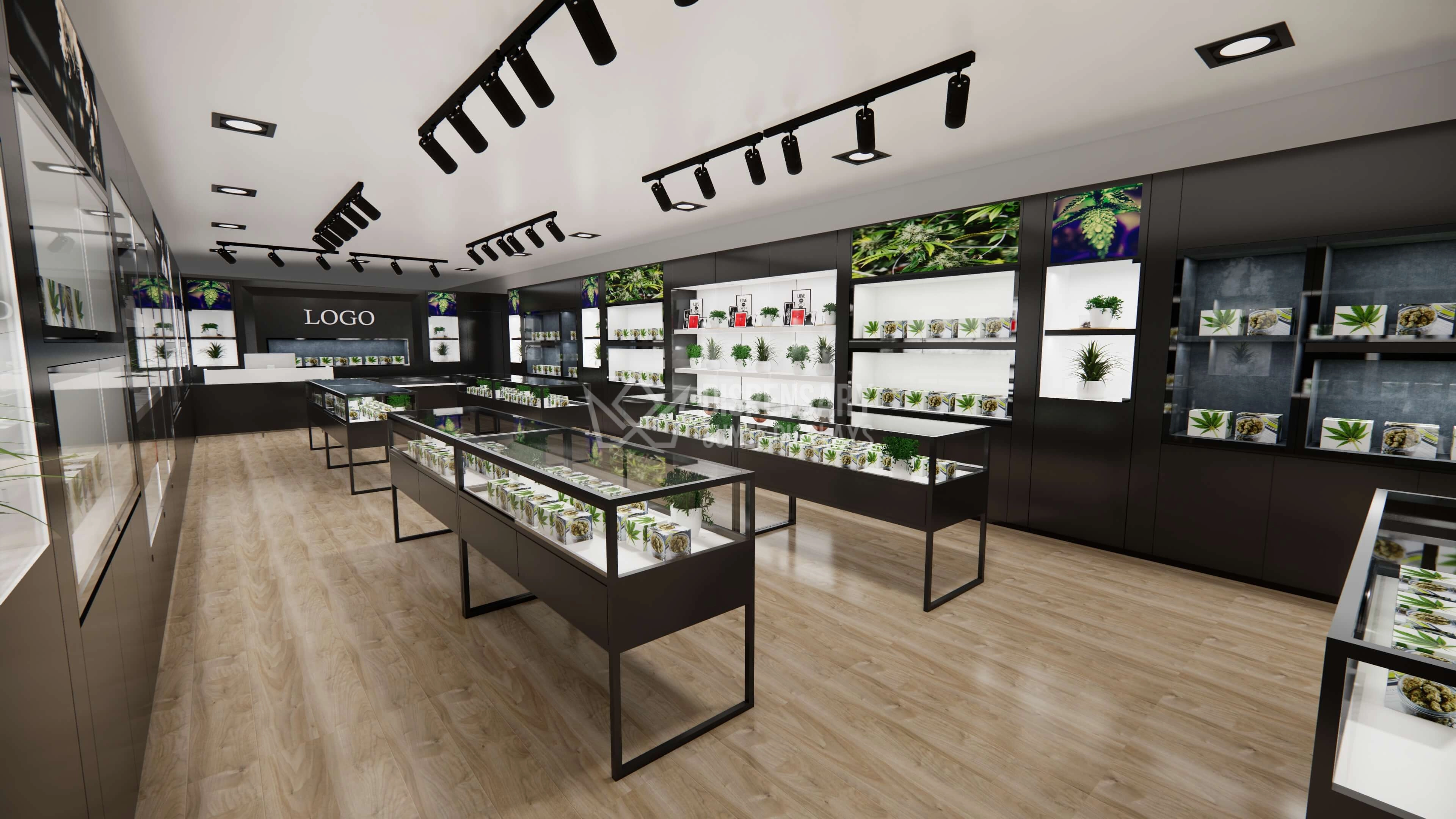
OEM ODM Dispensary Showcase Counters Display Fixtures For Cannabis
Sleek, secure, and fully customizable — our OEM/ODM dispensary counters redefine how cannabis is displayed in retail environments, merging form and function seamlessly.
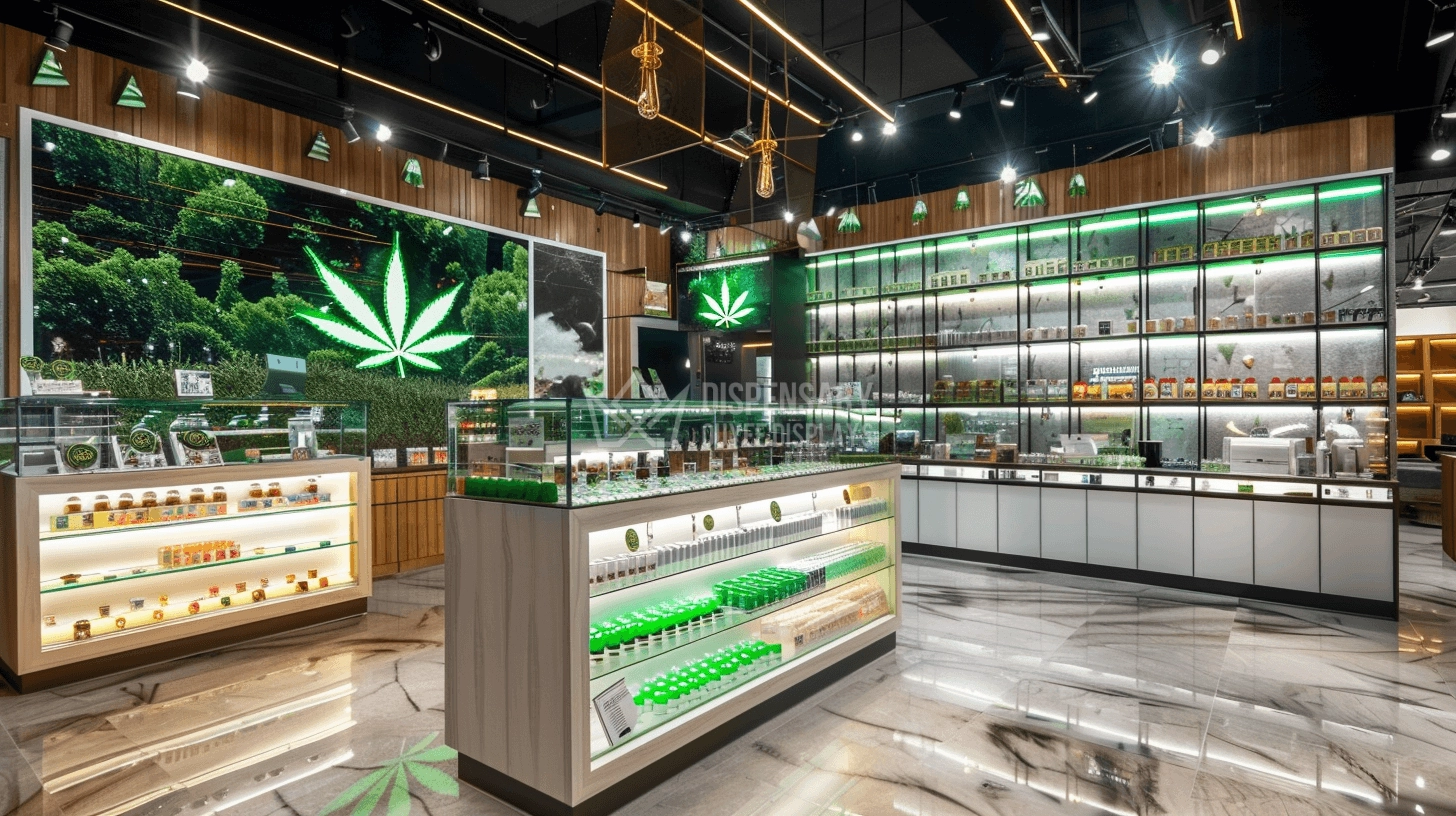
Retail Marijuana Dispensary Fixtures Cannabis Glass Display Cabinet Factory
High-end cannabis display cabinets tailored for retail dispensaries, enhancing product visibility, safety, and store aesthetics while optimizing space usage.
Let's get in touch

Email: gzouyeedisplay@gmail.com
WhatsApp: +86 136 6049 7267
Ouyee Dispensary
Ouyee Dispensary
Ouyee Dispensary
Ouyee Dispensary