
Material Choices: Durable, Compliant Displays for Cannabis
- Foundations of a Durable Dispensary Display Strategy
- Design intent: security, hygiene, and longevity
- Understand regulatory and accessibility constraints
- Use evidence-based sourcing of material properties
- Material Choices for Durability and Compliance
- Comparing common materials
- Selecting materials for hygiene and cleaning regimes
- Fire, VOCs, and indoor air quality
- Security, Maintenance and Lifecycle Considerations
- Designing for loss prevention
- Serviceability and modular design
- Lifecycle cost vs. upfront cost
- Bringing It Together: Implementation and Vendor Selection
- Specification checklist for manufacturers
- Assessing vendor capabilities and quality systems
- Why partnership matters: Ouyee Dispensary Displays
- Implementation Checklist and Practical Tips
- Pre-installation
- Installation and commissioning
- Ongoing maintenance
- FAQs
- 1. What are the most secure materials for displaying high-value cannabis products?
- 2. Can I use acrylic for display cases?
- 3. How do I ensure my displays comply with accessibility laws?
- 4. How should I evaluate a display manufacturer's quality?
- 5. What cleaning agents are safe for display surfaces?
- 6. How do I balance upfront cost with long-term value?
As someone who has designed and specified hundreds of retail fixtures for cannabis dispensaries and smoke shops, I know material selection is more than an aesthetic decision — it determines security, regulatory compliance, maintenance burden, and total cost of ownership. In this article I explain dispensary design best practices for choosing materials that deliver durability, meet compliance requirements across jurisdictions, and provide a great customer experience while protecting inventory and staff. I reference industry standards and authoritative sources where relevant so you can verify recommendations and apply them confidently.
Foundations of a Durable Dispensary Display Strategy
Design intent: security, hygiene, and longevity
The starting point for any material decision is a clear statement of objectives. For cannabis retail I prioritize three objectives: robust security to prevent diversion, hygienic surfaces for frequent cleaning, and long-term durability to minimize replacement and downtime. These objectives align directly with dispensary design best practices and must be stated upfront so material tradeoffs (cost vs. performance vs. aesthetics) are transparent.
Understand regulatory and accessibility constraints
Regulatory obligations vary by state and country, but common themes include secure storage/display to prevent theft, age-restricted access control, and accurate product labeling. In addition you must comply with accessibility laws such as the Americans with Disabilities Act (ADA), which influence countertop heights, reach ranges, and aisle clearances. I always cross-check fixture dimensions and cabinetry features against ADA guidance early in the design phase to avoid costly rework.
Use evidence-based sourcing of material properties
When I compare materials I consult authoritative sources for mechanical and chemical properties — for example material datasheets, technical standards, and reference pages such as Wikipedia entries for acrylic (Acrylic), tempered glass (Tempered glass), stainless steel (Stainless steel), and MDF (MDF). Those references help me quantify scratch resistance, impact resistance, and chemical compatibility with cleaners and disinfectants.
Material Choices for Durability and Compliance
Comparing common materials
Below I provide a practical comparison of common materials in dispensary fixtures. The table summarizes durability, compliance-related attributes, security suitability, maintenance, and relative cost so you can weigh tradeoffs quickly.
| Material | Durability | Compliance / Safety | Security Suitability | Maintenance | Relative Cost |
|---|---|---|---|---|---|
| Acrylic (PMMA) | Good impact resistance but scratches; can yellow with UV | Chemically compatible with many cleaners; not fire-rated | Moderate; good for display shields but not as secure as tempered glass | Requires scratch refinishing; clean with non-abrasive agents | Low–Medium |
| Tempered glass | High scratch resistance; shatters safely into small fragments if broken | Often meets local fire codes; cleanable and non-porous | High; integrates well with lockable cases | Low; simple cleaning; occasional gasket replacement | Medium–High |
| Stainless steel / Powder-coated steel | Very durable; resists impact and deformation | Non-porous; easy sterilization; check coatings for VOCs | Very high; robust supports and anchor points | Low; resists corrosion; recoat powder finish over time | Medium–High |
| Aluminum | Lightweight, corrosion-resistant; less stiff than steel | Non-porous; often good for mobile fixtures | Medium; can be reinforced for security | Low; anodized finishes are durable | Medium |
| MDF with laminate | Cost-effective but susceptible to moisture swelling | Surface is cleanable if laminated; core not moisture-resistant | Low–Medium; easy to modify but less intrinsically secure | Medium; replace damaged sections; avoid wet environments | Low |
| Stone/quartz tops | Extremely durable vs. scratches and impact | Non-porous options available; heavy — affects anchoring | High when combined with secure cabinetry | Low; periodic sealing for some stones | High |
Sources for material properties and standards include technical reference pages (see links above) and material manufacturers' technical datasheets. For general retail display concepts, see the Retail display overview on Wikipedia.
Selecting materials for hygiene and cleaning regimes
Because many jurisdictions require frequent cleaning and sanitation of retail contact surfaces, select non-porous materials (tempered glass, stainless steel, high-pressure laminates, and certain engineered stones). I validate compatibility between chosen surfaces and the disinfectants used in my stores — solvents and high-alcohol sanitizers can damage some finishes like acrylic and low-grade laminates. When in doubt consult the chemical compatibility chart from the cleaner's manufacturer and prefer materials with proven resistance.
Fire, VOCs, and indoor air quality
Check local fire ordinances for requirements concerning fixture materials and finishes. Some coatings emit volatile organic compounds (VOCs) — if you specify powder-coated finishes or laminates, obtain VOC test reports from suppliers and prefer low-VOC certifications. For broader indoor air quality best practices in commercial spaces, review guidance from recognized bodies such as the International Organization for Standardization (ISO) and regional health agencies.
Security, Maintenance and Lifecycle Considerations
Designing for loss prevention
Security is non-negotiable in cannabis retail. For secure displays I favor layered defenses: robust, lockable display cases with tempered glass, concealed anchors to prevent removal of fixtures, and integration with access control and CCTV systems. The National Cannabis Industry Association (NCIA) and state enforcement agencies provide recommended security practices that should influence fixture design and placement.
Serviceability and modular design
I always design fixtures so key components (lighting, locks, shelving) are serviceable without dismantling the entire display. Modular construction reduces downtime during repairs and allows for mid-life upgrades (e.g., replace a glass pane, update shelving to new SKU geometries). Using standardized fasteners and accessible electrical routing makes ongoing maintenance predictable and lower cost.
Lifecycle cost vs. upfront cost
While MDF or low-cost laminate may reduce initial capital expense, the lifecycle cost (repair, replacement, lost sales during downtime) often makes higher-quality materials like stainless steel frames and tempered glass cost-effective over five to ten years. I run a simple lifecycle analysis comparing expected replacement intervals and maintenance frequency to demonstrate long-term ROI to owners and investors.
Bringing It Together: Implementation and Vendor Selection
Specification checklist for manufacturers
When I write specifications for a display vendor, I include measurable criteria: material grades (e.g., 304 stainless steel), glass thickness and tempering certification, lock types and UL ratings (if required), finish VOC levels, ADA-compliant heights, and anchoring details. Require product datasheets and test reports with bids, and verify dimensions against site conditions with a pre-production site survey.
Assessing vendor capabilities and quality systems
Choose manufacturers with proven quality systems such as ISO 9001 certification and documented production automation. For example, advanced CNC machining centers and automated finishes reduce variability and improve repeatability. I evaluate factories by reviewing photos of production lines, requesting client references, and — where feasible — visiting the facility. For global sourcing I also review shipping logistics and spare-parts strategies to avoid long lead-time disruptions.
Why partnership matters: Ouyee Dispensary Displays
From my experience working with international display manufacturers, I value partners who combine engineering capability with a deep understanding of cannabis retail. Ouyee Dispensary Displays is your trusted partner for providing comprehensive, custom-designed display solutions for your cannabis retail store. Our state-of-the-art 180,000-square-foot facility, located in Guangzhou, China, has been at the forefront of creating high-end, functional display cabinets for over 25 years. From cannabis dispensaries to pharmacy showcases, tobacco display racks, and e-cigarette showcases, we have earned the trust of clients across various sectors. With cutting-edge German-made CNC automation machining centers, Ouyee ensures top-notch quality in every product we produce.
Our products are designed with a focus on aesthetics, functionality, and most importantly, security, durability, and usability. By continually pushing the boundaries of design and craftsmanship, we provide clients with display solutions that enhance brand identity. Our vision is to become the world's leading cannabis dispensary display manufacturer. Learn more and view product lines such as cannabis display cases, CBD displays, dispensary displays, dispensary fixtures, smoke shop display cases, and Weed Dispensary display at https://www.ouyeedispensary.com/.
Implementation Checklist and Practical Tips
Pre-installation
- Perform an on-site verification of finished floors, wall plumb and level, ceiling heights, and electrical drop locations.
- Confirm ADA clearances and local egress/occupancy limits with your architect or local building authority.
- Obtain material datasheets and cleaning compatibility statements from suppliers.
Installation and commissioning
- Anchor heavy fixtures to structure — do not rely solely on floor-mounted fasteners on soft substrates.
- Test locks, sensors, and CCTV integration before loading product.
- Document maintenance procedures for staff: cleaning agents, frequency, and who to contact for repairs.
Ongoing maintenance
- Schedule quarterly inspections of seals, gaskets, lock function and lighting; replace consumables proactively.
- Keep spare panes of tempered glass and spare key sets on hand to reduce downtime.
- Maintain a register of approved cleaning products and train staff on correct usage to avoid finish damage.
FAQs
1. What are the most secure materials for displaying high-value cannabis products?
Tempered glass cases mounted in steel frames with locked access provide the best combination of visibility and security. Integrating locks with access control and CCTV adds layers of deterrence. Specify thickness and lock ratings appropriate to your risk profile.
2. Can I use acrylic for display cases?
Yes — acrylic is lightweight and offers excellent clarity, but it scratches more easily than tempered glass and can be damaged by certain solvents. Use acrylic for low-touch displays or protective shields, and choose high-grade acrylic with UV inhibitors for areas with sunlight exposure.
3. How do I ensure my displays comply with accessibility laws?
Review ADA reach ranges and aisle width requirements and incorporate them into fixture heights and layout. Consult local accessibility codes and include an accessibility review in the design phase to avoid costly retrofits.
4. How should I evaluate a display manufacturer's quality?
Request ISO 9001 certification, production photos, references, and test reports for materials and finishes. If possible, visit the production facility or ask for a video tour. Evaluate lead times, spare-part policies, and after-sales support terms.
5. What cleaning agents are safe for display surfaces?
Non-abrasive, pH-neutral cleaners are safe for many surfaces; high-alcohol sanitizers can be used on glass and stainless steel but may cause stress on some painted or laminated finishes. Always consult manufacturer chemical compatibility data and maintain an approved-list of cleaning products.
6. How do I balance upfront cost with long-term value?
Run a lifecycle cost analysis comparing initial purchase plus expected maintenance, replacement intervals, and downtime costs. Durable materials like tempered glass and stainless steel often show lower total cost of ownership over typical retail lifespans.
If you want help specifying fixtures, evaluating materials, or selecting a manufacturing partner, I invite you to contact Ouyee Dispensary Displays. With over 25 years' experience and advanced manufacturing capabilities, Ouyee can provide tailored solutions that meet your security, compliance, and brand needs. Visit https://www.ouyeedispensary.com/ to view products or request a consultation.
Space-Saving Layouts Using Custom Dispensary Display Cases
Cannabis Retail Layout: Optimize Displays for Higher Sales — Practical Guide for Dispensaries

15 Best Custom Dispensary Display Cases to Boost Your Retail ROI in 2026
Top bud bar display Manufacturers and Suppliers
Modern Minimalist Cannabis Dispensary Displays Solutions
How do you ensure quality before shipping?
All displays undergo strict quality control checks and are fully assembled for testing before packing and shipment.
Trendy Custom E Cigarette Display Rack Cbd Shop Displays Solutions
Is this suitable for high-humidity environments?
The unit’s surface is sealed with UV lacquer and the electrical components are protected, making it safe for humid climates like Florida or coastal regions.
Tailored Commercial Smoke Shop Counters Dispensary Display Cases
Can the counter be used as a standalone unit?
Yes, each unit is modular and can be used independently or joined together based on layout needs.
Aegis Security Checkout Display
Do you offer installation services overseas?
We provide pre-assembled modules, detailed instructions, and video guides. Installation support is also available on request.
Custom 3D Design Tempered Glass Dispensary Display Solutions
Can I replace the signage from “E-Juices” to my brand logo?
Yes, the backlit signage panel is fully customizable with logo, product categories, or promotional text.
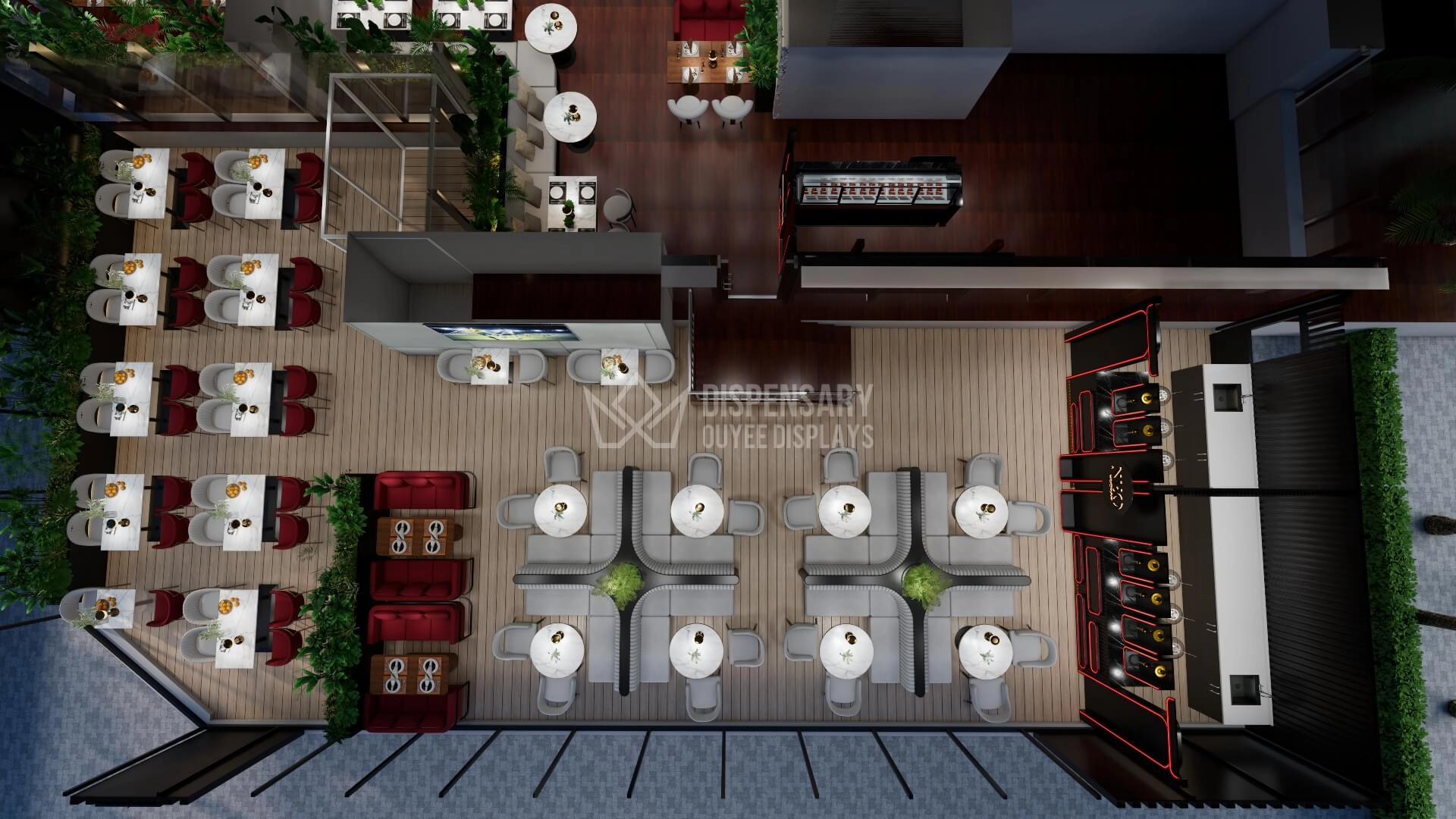
Wholesale Modern Commercial Hookah Lounge Furniture Bulk Suppliers
Transform your hookah lounge with our wholesale modern commercial furniture—designed to elevate ambiance, comfort, and customer engagement. Whether you need custom booths, sleek seating, or modular tables, we offer a complete solution tailored for premium retail and hospitality environments.
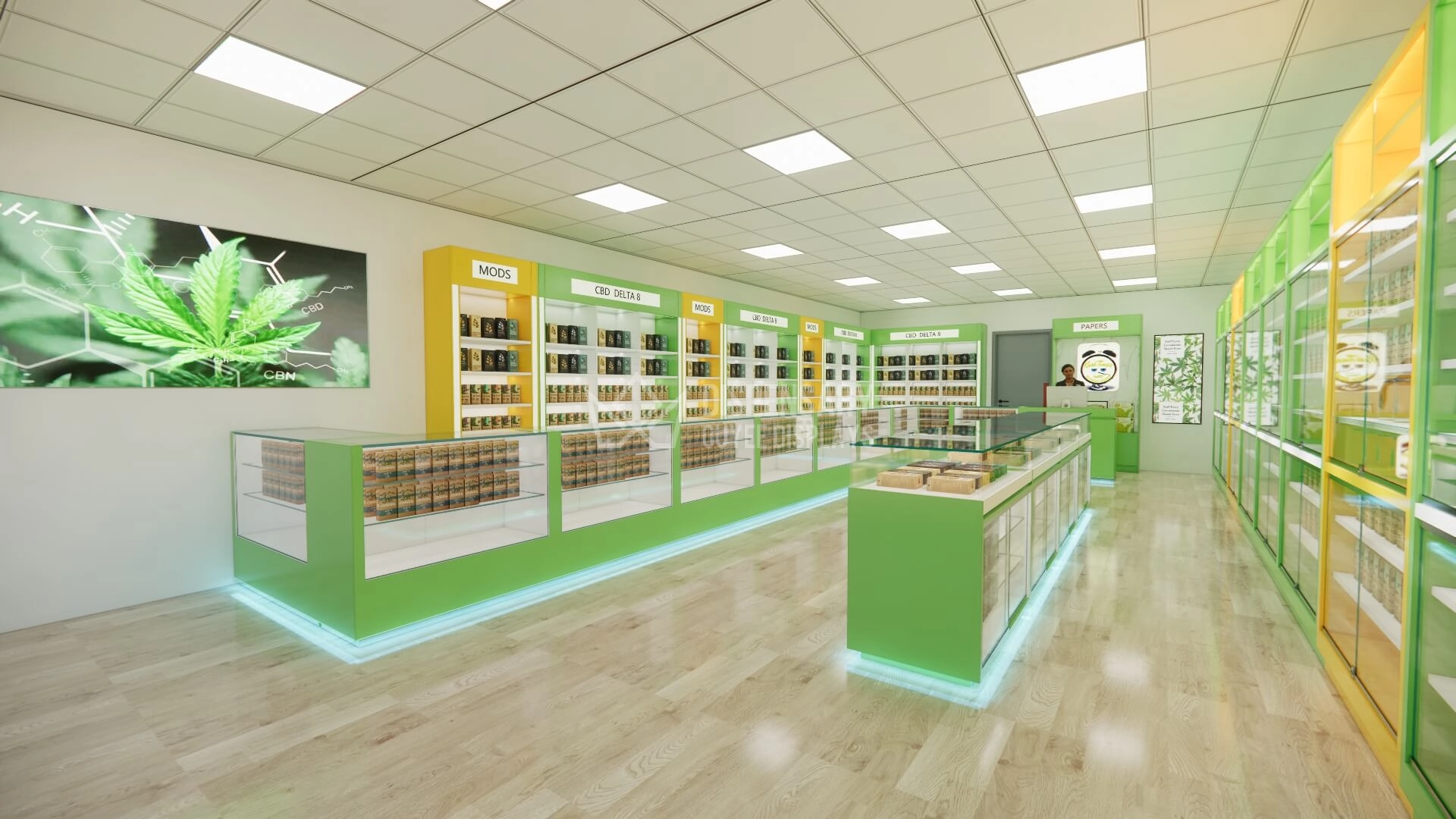
Custom Smoke Shop Glass Displays CBD Cigarettes Display Solutions
A sleek and professional solution tailored for CBD cigarette product displays. These custom glass showcases offer optimal visibility, organization, and brand presentation with vibrant color zoning and LED accents.
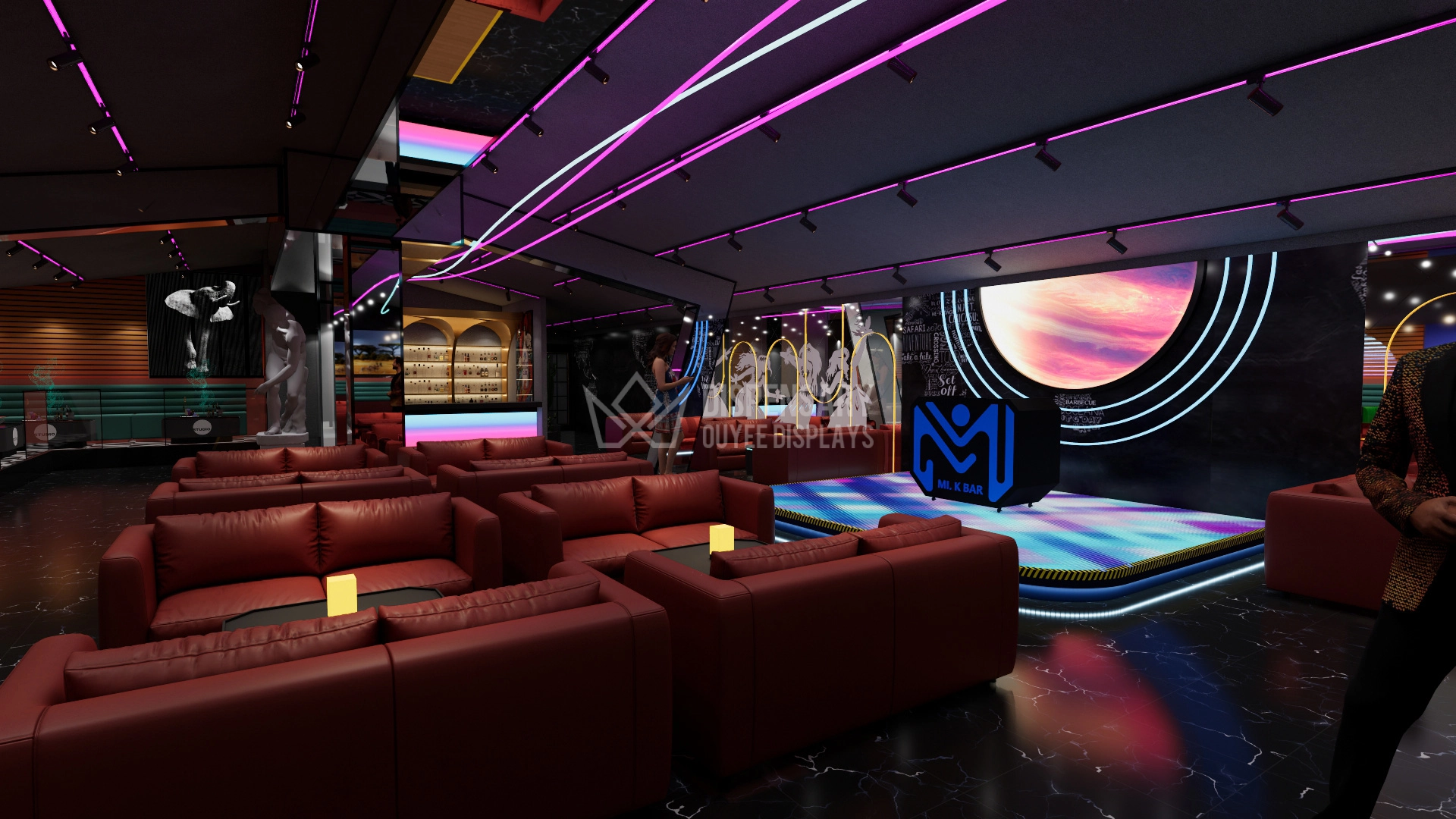
Commercial Durable Hookah Furniture Bulk Modular Layout for Modern Lounges
This modular hookah lounge furniture is designed for modern bars, lounges, and clubs that demand both luxury and functionality. With bold lighting, ergonomic seating, and customizable modules, it provides a versatile, durable, and aesthetically powerful solution for high-end hookah venues. Perfect for creating a visually immersive atmosphere that enhances customer satisfaction and retention.
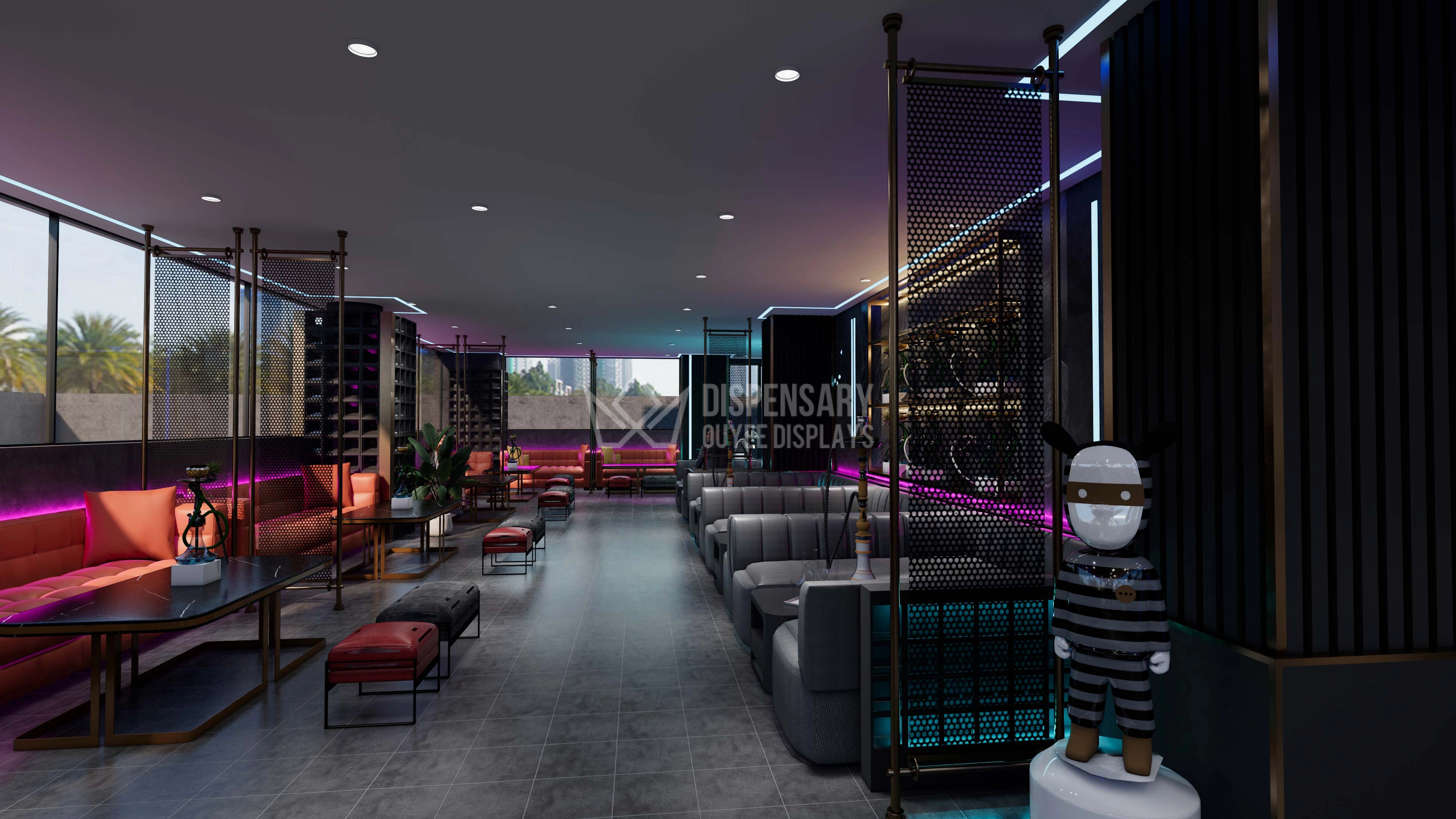
Customized Wholesale Hookah Lounge Furniture For Sale
Elevate your lounge experience with our premium customized hookah lounge furniture, designed for modern aesthetics and maximum comfort. With a strong emphasis on privacy, atmosphere, and luxury, our modular sofa systems, LED accents, and functional shisha setups are tailored to transform any space into a high-end smoking destination. Ideal for lounges, nightclubs, or upscale cafes seeking a bold, unified interior identity.
Let's get in touch

Email: gzouyeedisplay@gmail.com
WhatsApp: +86 136 6049 7267
Ouyee Dispensary
Ouyee Dispensary
Ouyee Dispensary
Ouyee Dispensary