
The Psychology of Cannabis Retail: How Advanced Dispensary Design Drives Customer Loyalty
This 2026 guide explores the neuro-architecture behind successful cannabis retail. Discover how strategic floor plans, sensory branding, and biophilic design elements reduce anxiety and boost sales.
- Key Takeaways: The Science of Dispensary Design
- What is cannabis retail dispensary design from a psychological perspective?
- The Psychology of the 'Decompression Zone'
- How to optimize the transition:
- Neuro-Architecture: Designing for the Subconscious
- The Power of Biophilic Dispensary Design
- Optimizing Flow: Floor Plans That Guide the Journey
- Selecting the Right Layout:
- Future-Proofing Your Dispensary: Trends for 2026 and Beyond
- Emerging Trends:
- Expert Tips & Common Design Mistakes to Avoid
- Avoid These Pitfalls:
- Conclusion & Call to Action
In the hyper-competitive market of 2026, cannabis retail dispensary design is no longer just about compliance or aesthetics—it is a sophisticated exercise in behavioral psychology. To capture Position Zero in the minds of consumers, retailers must pivot from transactional layouts to neuro-aesthetic experiences that actively reduce anxiety and foster trust.
Key Takeaways: The Science of Dispensary Design
Dispensary design is a psychological tool used to influence dwell time, lower cortisol levels, and increase basket size through strategic spatial planning.
By leveraging the subconscious triggers of your customers, you can transform a simple store into a destination. Here is what matters most for the modern dispensary:
- Anxiety Reduction: The primary goal of your layout must be to destigmatize the experience immediately upon entry.
- The Transition: The "Decompression Zone" is the most valuable non-selling space in your footprint.
- Nature Integration: Biophilic dispensary design significantly increases perceived product quality.
- Tech Friction: In 2026, technology must be seamless, not a barrier to human interaction.
What is cannabis retail dispensary design from a psychological perspective?
Cannabis retail dispensary design is the strategic application of interior architecture, spatial psychology, and sensory branding to create a compliant, safe, and engaging environment. Unlike traditional retail, it prioritizes "anxiety reduction" and "education" to overcome stigma, guiding the consumer from entry to transaction through a carefully orchestrated neuro-aesthetic journey.
To succeed, your design must solve the unique friction points of the cannabis buyer: overwhelm, privacy concerns, and choice paralysis. A well-designed space acts as a silent salesperson, subtly directing traffic flow and highlighting high-margin items without aggressive signage.
The Psychology of the 'Decompression Zone'
The decompression zone is the first 5 to 15 feet inside a store entrance where customers mentally transition from the outside world to the retail environment.
According to retail anthropologist Paco Underhill, customers in this zone are adjusting to lighting and spatial changes, meaning they are virtually blind to products or signage placed here. Ignoring this psychological reality is a common failure point for new dispensaries.
How to optimize the transition:
- Keep it Clear: Avoid placing kiosks, check-in desks, or product displays immediately inside the door. Give the customer space to "land."
- The Right-Turn Bias: 90% of consumers naturally drift to the right after entering a space. Position your "power wall" or seasonal highlights on the right-hand side, just past the decompression zone.
- Security without Intimidation: Most states require a secure check-in vestibule or "man-trap." Instead of a prison-like holding cell, design this as a hotel lobby. Use softer materials and warm lighting to begin the brand experience before the ID check is even complete.
Neuro-Architecture: Designing for the Subconscious
Neuro-architecture in retail is the practice of designing environments that account for the brain's response to built spaces, specifically targeting emotional regulation and stress reduction.
For cannabis retailers, this is critical. Many customers still feel a lingering stigma or nervousness when shopping. If your design feels clinical or chaotic, their subconscious "fight or flight" response may trigger, reducing their willingness to browse.
The Power of Biophilic Dispensary Design
Biophilic dispensary design involves incorporating natural elements—such as living walls, natural wood grains, and sunlight—to normalize the cannabis experience.
Research indicates that biophilic environments can have a profound impact on the bottom line. According to studies cited by Terrapin Bright Green, retail customers judge businesses surrounded by nature to be worthy of prices up to 25% higher than those without.
Key biophilic strategies include:
- Living Walls: Real plants improve air quality and soften the acoustics of a busy shop.
- Circadian Lighting: Use lighting systems that mimic natural daylight cycles to keep staff alert and product colors accurate.
- Organic Textures: Replace cold metal shelving with natural wood veneers or stone textures to evoke a sense of grounding and safety.
Optimizing Flow: Floor Plans That Guide the Journey
Dispensary floor plan psychology focuses on directing customer movement patterns to maximize exposure to merchandise while preventing congestion.
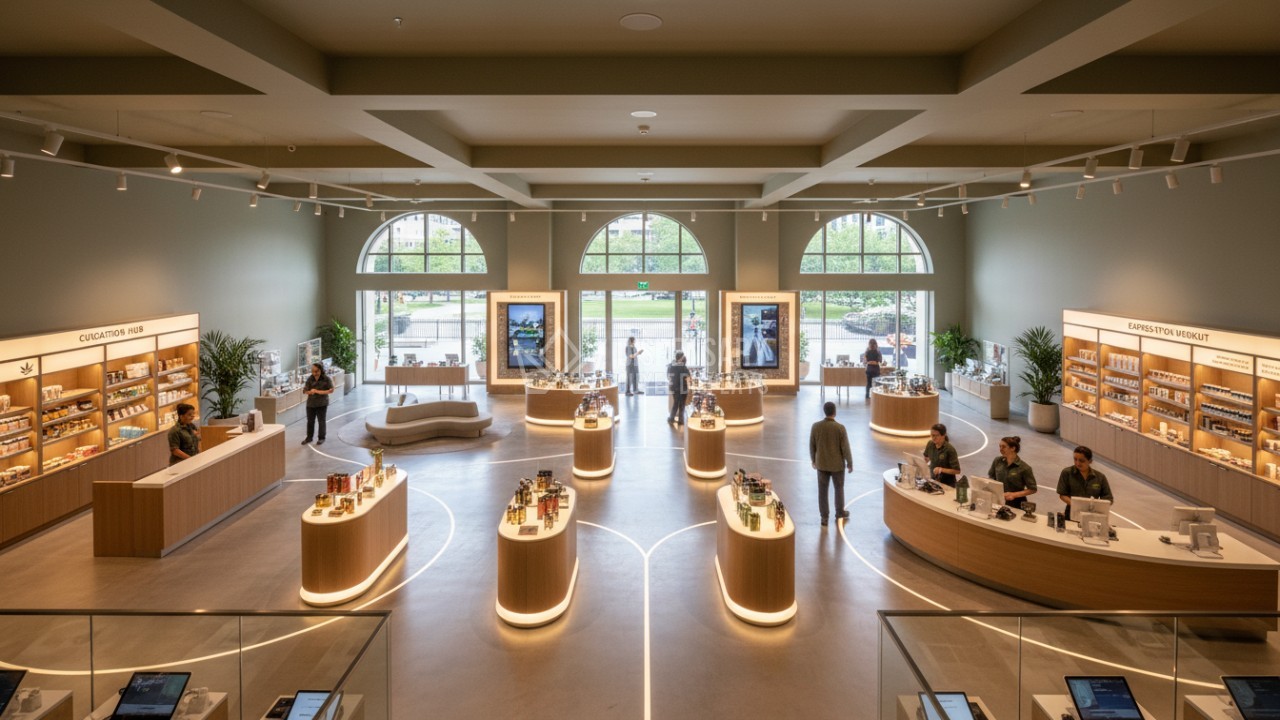
The layout you choose dictates the cannabis customer experience (CX). A medical patient with chronic pain has different spatial needs than a recreational tourist looking for a novelty edible.
Selecting the Right Layout:
- The Guided Loop (IKEA Style): Best for recreational stores. It forces customers to walk past the majority of your inventory on their way to the checkout, encouraging impulse buys.
- The Grid: Best for high-volume efficiency. It allows customers to quickly locate what they need but can feel impersonal if not softened with visual merchandising.
- Free-Flow: The most modern approach. It encourages exploration and supports "eddy spaces"—quiet corners where staff can educate customers without blocking the main traffic artery.
Design Tip: Avoid the "Butt-Brush Effect." Ensure aisles are wide enough (minimum 4 feet) so customers do not feel crowded from behind while browsing lower shelves.
Future-Proofing Your Dispensary: Trends for 2026 and Beyond
Future-proofing involves implementing modular infrastructure and flexible technology that allows your retail space to adapt to regulatory changes without requiring a full renovation.
The cannabis industry is volatile. Regulations regarding product display and security change frequently. Stores built with immovable, custom millwork often face expensive remodels when laws shift.
Emerging Trends:
- Hyper-Personalization Zones: AI-driven kiosks are moving away from simple menus to "mood concierges" that recommend terpene profiles based on desired effects.
- Hybrid Service Models: The best stores now offer both "express lanes" for pre-orders and "deli-style" counters for sensory engagement with the flower.
- Modular Fixtures: Using high-quality modular display cabinets allows you to reconfigure your floor plan overnight.
At Ouyee Dispensary Displays, we address this need for flexibility through precision engineering. Our 180,000-square-foot facility utilizes German-made CNC automation to create display solutions that are both secure and modular. This ensures that if state regulations shift regarding open-sell versus behind-glass mandates, your fixtures can adapt.
Expert Tips & Common Design Mistakes to Avoid
The most common design error is prioritizing aesthetics over operational flow, leading to bottlenecks at the point of sale and security risks.
Even the most beautiful store will fail if the staff cannot restock shelves easily or if lines cross into the browsing area.
Avoid These Pitfalls:
- Mistake: The Checkout Bottleneck. Overcrowding the POS area causes "purchase anxiety."
- Fix: distinct queues for express pickup versus consultation.
- Mistake: Ignoring Acoustics. Hard surfaces (glass, concrete, metal) create echoes that make private consultations difficult.
- Fix: Use sound-dampening ceiling baffles or cork flooring elements disguised as decor.
- Mistake: Poor Security Integration. Security cameras and sensors are mandatory, but they shouldn't look aggressive.
- Fix: Per strict State Cannabis Regulations, 24-hour video surveillance is required, but cameras can be discreetly housed in domes or integrated into the ceiling grid to maintain a welcoming atmosphere.
Conclusion & Call to Action
A scientifically designed dispensary does more than look good; it acts as a silent salesperson that builds trust and loyalty. By mastering the psychology of the customer journey—from the decompression zone to the biophilic accents—you move beyond being a store and become a destination.
With over 25 years of experience and a global footprint, Ouyee Dispensary Displays combines security, durability, and neuro-aesthetic principles to help you build a future-proof retail brand.
Contact Ouyee Dispensary Displays today to discuss your specific needs.

Custom vs. Standard Dispensary Display Cases: Which is Actually Better for Your Bottom Line in 2026?

Minimalist vs. Maximalist: Which Shelf Dispensary Display Style Sells Best in 2026?

The 2026 Guide to Display Fixtures for Cannabis Shops: Maximizing Space and Security

The Ultimate 2026 Guide to Dispensary Glass Display Cases: Boost Sales & Security

Custom vs. Stock E-Cigarette Display Cabinets: Which Offers the Highest ROI for Your Retail Space in 2026?
Factory Customized Commercial Hookah Lounge Furniture Manufacturer
What if I have a very specific floor layout?
Our design team will help you create a furniture layout that perfectly fits your space. We support CAD-based planning and visualization.
Wooden Marihuana Dispensary Shelves Cannabis Display Case Manufacturer
Is the wood certified or eco-friendly?
We use sustainably sourced wood and offer finishes that are low in volatile organic compounds (VOCs).
Custom 3D Design Tempered Glass Dispensary Display Solutions
What’s the usual production lead time?
Standard orders (under 20 sets) take 25–30 days; rush service available for urgent store openings.
Commercial Durable Hookah Furniture Bulk Modular Layout for Modern Lounges
How is it cleaned or maintained?
Surfaces are treated for stain resistance. A simple wipe with a damp cloth and mild cleaner keeps everything pristine.
Wholesale Modern Commercial Hookah Lounge Furniture Bulk Suppliers
What’s the lead time for delivery?
Generally 25-45 days depending on order size and customization.
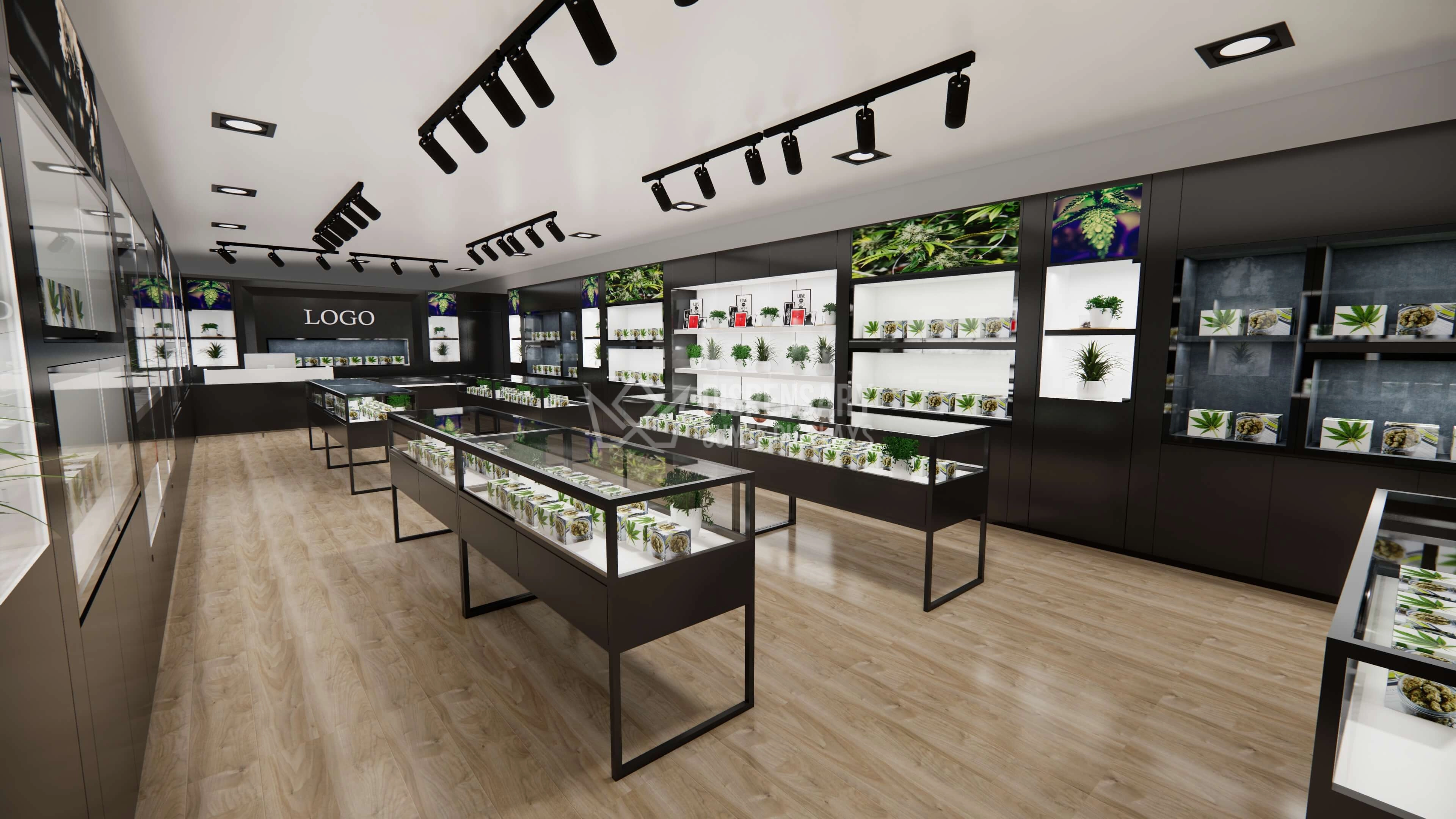
OEM ODM Dispensary Showcase Counters Display Fixtures For Cannabis
Sleek, secure, and fully customizable — our OEM/ODM dispensary counters redefine how cannabis is displayed in retail environments, merging form and function seamlessly.
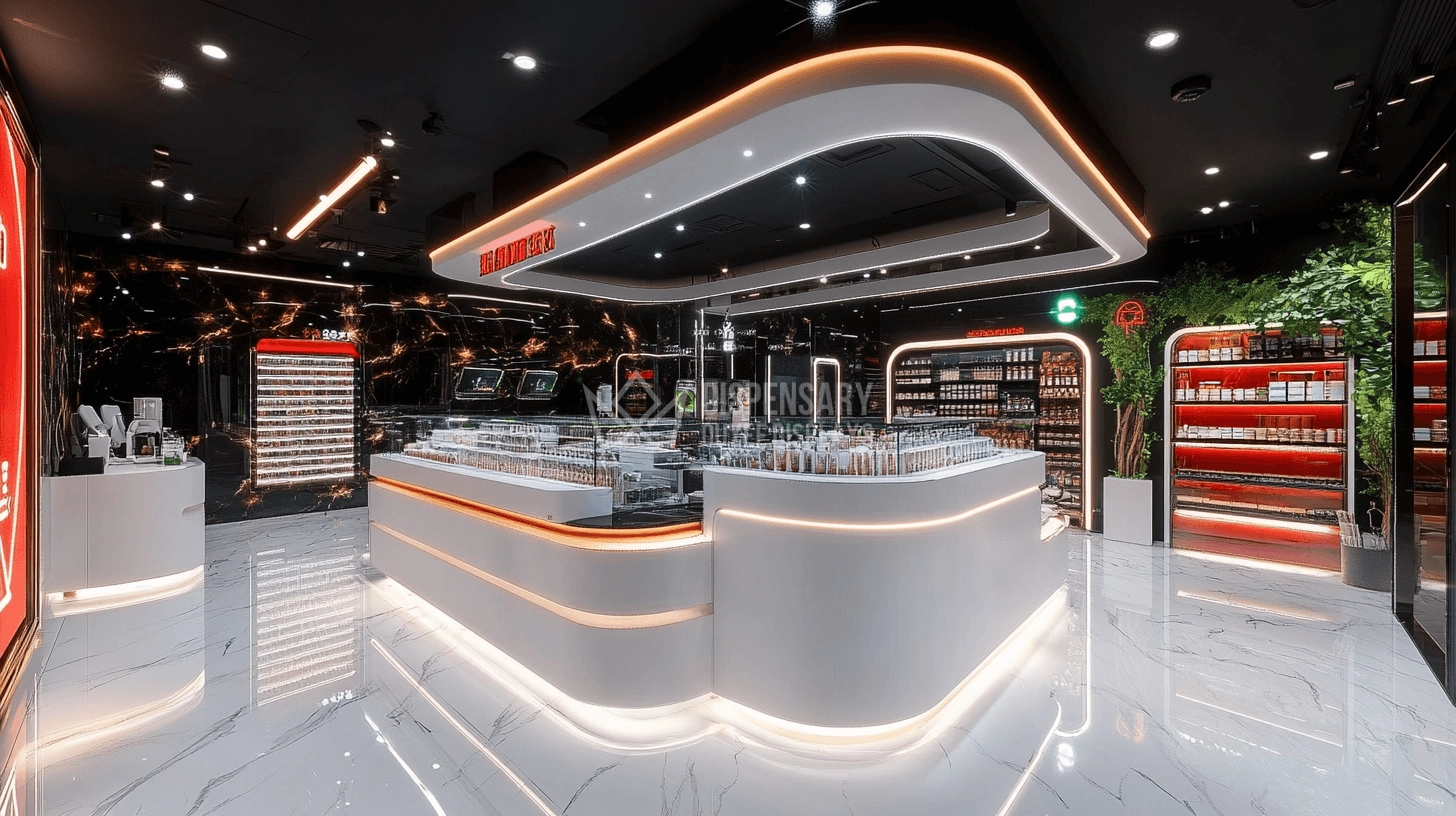
Turnkey Solution Modern Cannabis Dispensary Design Companies
A futuristic cannabis dispensary design offering turnkey display solutions with curved counters, ambient LED lighting, and sleek showcase systems.
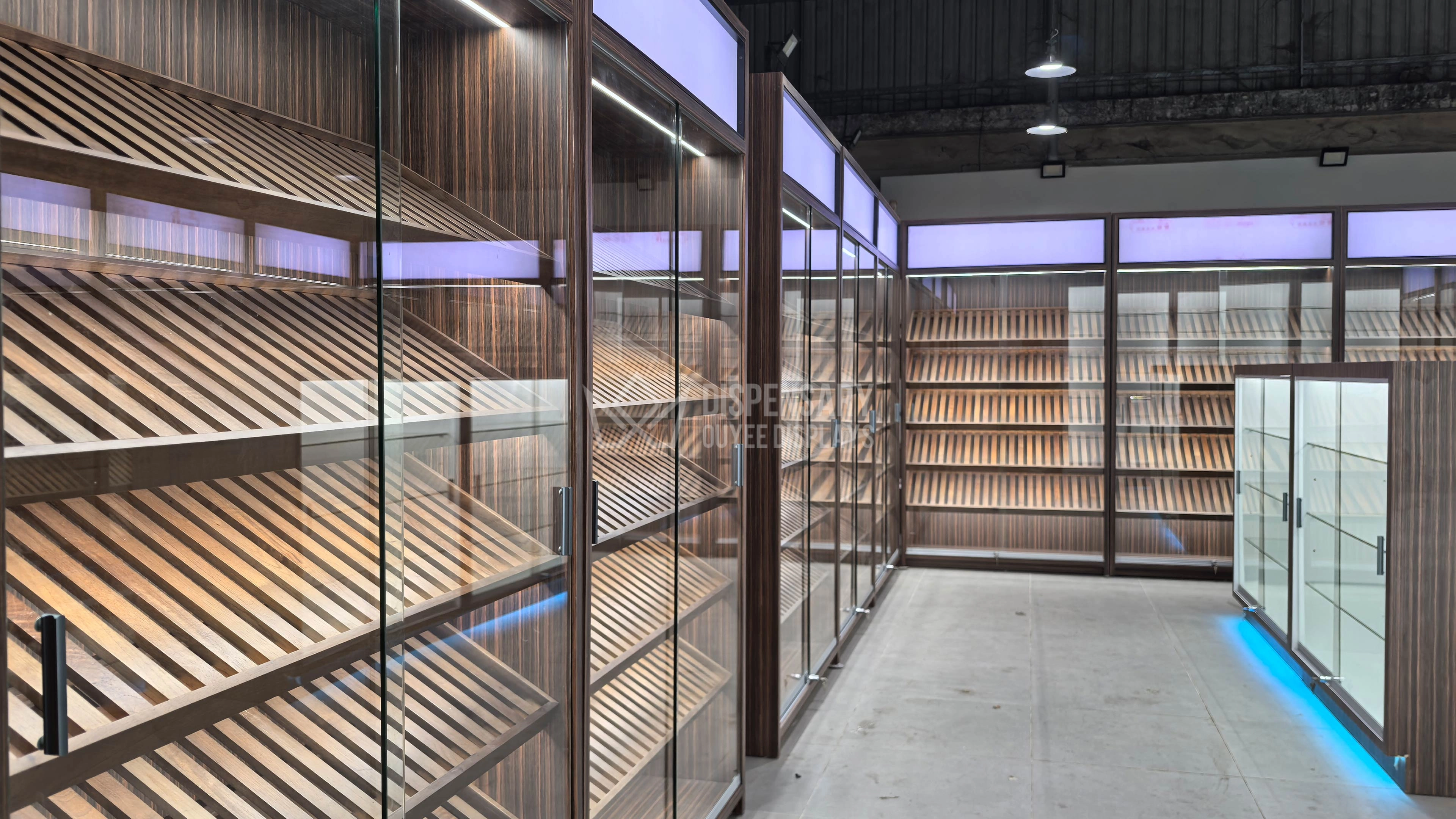
Customized Smoke Shop Showcase Cigarette Display Rack For Sale
Designed for professional tobacco retailers, this high-capacity display system features angled wooden shelving, glass-door cigar cabinets, and central LED-lit display counters. Combining function and style, it’s ideal for shops offering cigarettes, cigars, and other tobacco products, and is ready for use in premium indoor retail spaces or walk-in humidors.
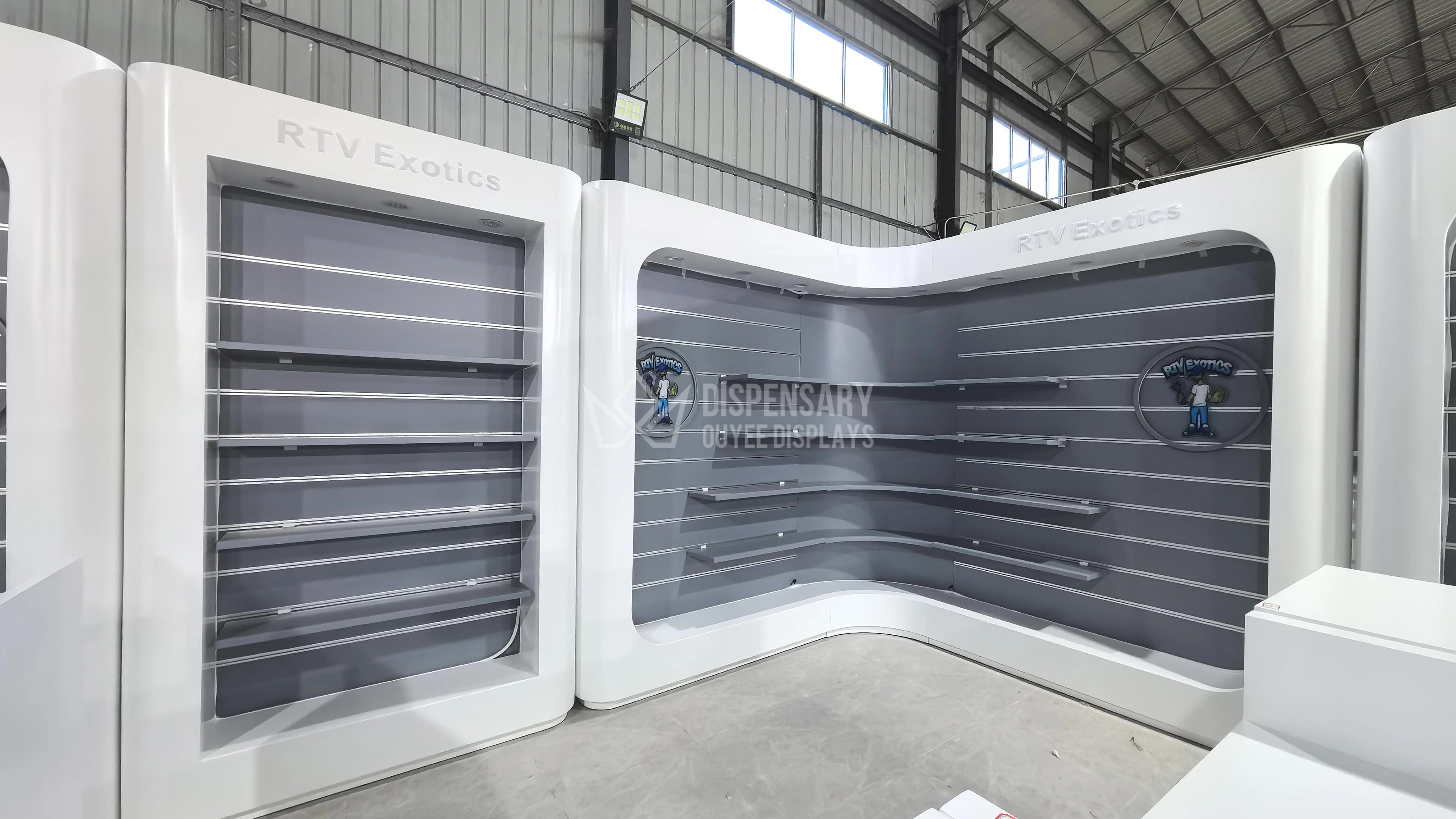
Trendy Custom E Cigarette Display Rack CBD Shop Displays Solutions
Elevate your store’s vibe with our premium custom vape display rack, designed specifically for CBD shops and e-cigarette retailers. The curved wall unit blends futuristic aesthetics with high-functionality shelving, providing a clean, professional layout to attract and convert. Crafted with top-tier materials and integrated LED accent lighting, this fixture turns your product wall into a powerful branding asset.
Looking for something else?
At Ouyee, we’re committed to fulfilling all your retail shelving, storage, and display needs.
We have massive stocks and the biggest range of retail display equipment and shop fittings, fast dispatch and delivery!
Let's get in touch

Email: gzouyeedisplay@gmail.com
WhatsApp: +86 136 6049 7267
Ouyee Dispensary
Ouyee Dispensary
Ouyee Dispensary
Ouyee Dispensary