
Top Trends in Glass Cannabis Display Showcases 2026
- Why display design matters now
- Market context and customer expectations
- Compliance, safety and loss prevention
- Branding and differentiation
- Materials, finishes and visual performance
- Glass types and structural choices
- Lighting and optical considerations
- Sustainable materials and longevity
- Technology and security integration
- Electronic locks, RFID and access control
- IoT monitoring and remote alerts
- Digital signage and point-of-sale integration
- Merchandising, compliance and operational workflows
- Curated presentation and product segmentation
- Regulatory signage and age verification
- Staff ergonomics and customer flow
- Sustainability, certifications and sourcing
- Design for durability and repairability
- Supply chain transparency and manufacturing standards
- Energy efficiency and lifecycle considerations
- How I recommend selecting the right glass cannabis display showcases
- Match showcase features to your retail model
- Prioritize integration over bolt-on upgrades
- Use data to guide placement and assortment
- Case study: Practical trade-offs and a sample spec sheet
- Partnering with a manufacturer: what to look for
- Technical capability and manufacturing scale
- Quality assurance and after-sales support
- Local compliance assistance
- Ouyee Dispensary Displays — a partner example
- Final recommendations
- Frequently Asked Questions (FAQ)
- 1. What makes glass cannabis display showcases different from regular retail showcases?
- 2. Are smart locks and RFID systems required by law?
- 3. How should I choose between tempered glass and laminated glass?
- 4. What is the typical lead time for custom glass dispensary showcases?
- 5. How do I balance aesthetics with security?
- 6. Can glass showcases accommodate temperature or humidity control?
I analyze glass cannabis display showcases across key markets — North America, Europe and Asia — to identify the practical trends that matter for dispensaries in 2026. My observations are grounded in retail data, regulatory realities, and manufacturing capabilities, and are intended to help retail owners, visual merchandisers, and procurement teams choose display solutions that improve security, compliance, customer experience and operational efficiency.
Why display design matters now
Market context and customer expectations
Retail cannabis has matured from a novelty purchase to a mainstream retail category. According to industry analysis, the global cannabis market continues to grow and professionalize as legalization expands and adult‑use markets scale up (Grand View Research). Customers now expect transparent product information, curated presentation and a retail-grade experience comparable to other High Quality categories. Glass cannabis display showcases are central to delivering that experience because they present products clearly while enabling controlled access.
Compliance, safety and loss prevention
Design choices aren't driven by aesthetics alone. Security, controlled access and traceability are mandatory in many jurisdictions. Effective showcases reduce shrinkage while meeting local regulations about visible storage, age-gated access, and secure storage during and after business hours. Standards such as facility quality management frameworks (e.g., ISO 9001) and safety testing from accredited labs (e.g., UL) influence how dispensary fixtures are engineered for durability and secure performance.
Branding and differentiation
In crowded markets, dispensaries use glass display cases as a core branding touchpoint. The way flower, pre-rolls, edibles and CBD displays are organized, lit and labeled signals quality, trust and product knowledge. I advise retailers to treat showcases as brand stages where merchandising strategy meets compliance and ergonomics.
Materials, finishes and visual performance
Glass types and structural choices
Choosing the right glazing affects safety, clarity and cost. Tempered glass is the industry default for strength and shatter-resistance; laminated glass provides additional security and post-breakage integrity. For lighter or curved designs, acrylic (PMMA) offers weight savings but is more scratch-prone. For high-end showcases, low-iron glass (sometimes called ultra-clear) maximizes color fidelity, which matters for connoisseur-driven displays.
Lighting and optical considerations
Integrated LED lighting tailored to each product category enhances visual appeal and supports informed selection. CRI (Color Rendering Index) and color temperature (measured in Kelvin) affect how product color and texture are perceived. I recommend adjustable, dimmable lighting with diffusers to avoid glare on glass and to protect heat-sensitive formulations.
Sustainable materials and longevity
Sustainability is no longer optional. Retailers and consumers both value fixtures designed for longevity, repairability and recyclability. Using modular construction and recyclable metals, and choosing glass over single-use plastics where appropriate, improves lifecycle carbon profile and long-term asset value.
| Material | Strength & Safety | Visual Clarity | Maintenance | Typical Use |
|---|---|---|---|---|
| Tempered glass | High; shatter into small pieces | Very good | Low; resists scratches | High Quality counters & wall showcases |
| Laminated glass | Very high; holds together after break | Very good | Low | High-security showcases, vault doors |
| Acrylic (PMMA) | Moderate; can crack | Good; may yellow over time | Higher; scratches easily | Portable displays, lightweight islands |
| Powder-coated steel/aluminum | High structural support | N/A (frame material) | Low; durable finish | Frames, locking doors, shelving |
For more about the general uses and types of display cases, see the overview at Wikipedia - Display case.
Technology and security integration
Electronic locks, RFID and access control
Smart locking systems have become the baseline for modern glass cannabis display showcases. Solutions combine mechanical security with electronic audit trails, programmable access levels, and integration with POS and inventory systems. RFID and BLE (Bluetooth Low Energy) tagging enable rapid inventory reconciliation and help track product movement inside showcases. For devices that impact safety and security, compliance with recognized testing bodies such as UL enhances reliability.
IoT monitoring and remote alerts
IoT sensors embedded in showcases provide real-time data on door openings, vibration events, humidity and temperature. These data streams improve loss-prevention response and help protect quality for temperature-sensitive formulations. I recommend selecting solutions that encrypt telemetry and integrate with your facility's network security policies.
Digital signage and point-of-sale integration
Integrated displays and tablets mounted in or above glass cases let staff present product information without moving items out of secured cabinetry. This reduces handling and supports compliance by keeping controlled items locked until a transaction is authorized. Digital labels (e-ink or LCD) are gaining traction because they reduce manual price/tag updates and can be controlled centrally.
Merchandising, compliance and operational workflows
Curated presentation and product segmentation
In 2026, best-in-class dispensaries segment products (flower by terpene profile, edibles by dosing, CBD by intended use) and use glass showcases to tell a product story. I advise using graduated shelving, sample displays behind glass, and clear labeling to help customers compare options while keeping inventory secure. Point-of-view merchandising, such as “starter”, “connoisseur”, and “therapeutic” pathways, reduces decision friction.
Regulatory signage and age verification
Many jurisdictions require age signage, child-resistant display planning and specific storage practices. Consult national and state-level guidance — for example, industry advocacy and compliance resources from the National Cannabis Industry Association (NCIA) — to ensure displays meet local rules. Integrating ID scanners and clear signage into the display workflow improves compliance and staff efficiency.
Staff ergonomics and customer flow
Glass cannabis display showcases should be designed for efficient staff workflow: product retrieval height, lock/unlock cycles, and visibility for loss-prevention cameras. Properly designed showcases reduce transaction times and improve the customer experience while maintaining secure handling procedures.
Sustainability, certifications and sourcing
Design for durability and repairability
Investing in durable glass showcases and modular components reduces long-term replacement costs and environmental impact. I prioritize displays with replaceable shelving, standardized hardware and serviceable lighting to extend asset life.
Supply chain transparency and manufacturing standards
As retailers demand higher accountability, sourcing from manufacturers with documented quality systems and transparent supply chains is critical. ISO certification and verifiable machining capabilities are differentiators when selecting a partner for custom dispensary fixtures. Quality machining and finishing minimize defects that can lead to costly downtime.
Energy efficiency and lifecycle considerations
LED lighting and energy-efficient electronic components reduce operating costs. When evaluating showcase options, look at both initial capital cost and expected annual energy draw; some integrated lighting/IoT combos may have higher upfront costs but lower operating expense and better ROI.
How I recommend selecting the right glass cannabis display showcases
Match showcase features to your retail model
Decide whether your store needs secure counter-top showcases for high-value concentrates, open display islands for CBD/over-the-counter items, or full-height wall showcases for curated glass cannabis display showcases and flower. Align material choices, lighting, and security features with product turn rates and customer service model.
Prioritize integration over bolt-on upgrades
Choose solutions that are designed to integrate with your POS, access control and inventory systems rather than adding technologies later. Integrated designs reduce compatibility headaches and improve the reliability of audit trails.
Use data to guide placement and assortment
Leverage sales and shrinkage data to determine which products merit higher-security, higher-visibility placement. For example, small-batch, high-cost concentrates may require laminated glass and dual-authentication locks, while CBD displays can use lighter weight glass with digital labels.
Case study: Practical trade-offs and a sample spec sheet
Below is a simplified comparison I use when advising clients specifying glass cannabis display showcases for different categories.
| Category | Recommended Glazing | Security Level | Lighting | Typical Features |
|---|---|---|---|---|
| High-value concentrates & extracts | Laminated glass (low-iron) | High (electronic locks + audit trail) | High CRI, adjustable | RFID inventory, sealed trays, limited access |
| Flower display | Tempered glass | Medium (smart locks) | Neutral temperature, diffused | Display jars, descriptive labels, humidity control options |
| CBD & accessories | Tempered glass or acrylic | Low–Medium | Standard LED | Digital price labels, accessible shelving |
For retailers seeking broader industry guidance, the evolving regulatory landscape and operational best practices are regularly discussed by industry bodies such as the NCIA and documented in trade research from sources like Grand View Research.
Partnering with a manufacturer: what to look for
Technical capability and manufacturing scale
When I evaluate partners for large projects, I look for proven experience in custom cabinetry, CNC machining, bespoke glazing and integrated electronics. High-volume manufacturing capability reduces lead times and ensures consistency across multi-store rollouts.
Quality assurance and after-sales support
After-sales support — spare parts, replacement panels, and firmware updates for smart components — is critical. Ask for documented QA processes, sample testing reports and references from existing dispensary clients.
Local compliance assistance
A manufacturer who understands cross-jurisdictional compliance (e.g., North American state regulations vs. EU requirements) can help pre-validate designs to reduce regulatory friction during installation.
Ouyee Dispensary Displays — a partner example
Ouyee Dispensary Displays is your trusted partner for providing comprehensive, custom-designed display solutions for your cannabis retail store. Our state-of-the-art 180,000-square-foot facility, located in Guangzhou, China, has been at the forefront of creating high-end, functional display cabinets for over 25 years. From cannabis dispensaries to pharmacy showcases, tobacco display racks, and e-cigarette showcases, we have earned the trust of clients across various sectors. With cutting-edge German-made CNC automation machining centers, Ouyee ensures top-notch quality in every product we produce.
Our products are designed with a focus on aesthetics, functionality, and most importantly, security, durability, and usability. By continually pushing the boundaries of design and craftsmanship, we provide clients with display solutions that enhance brand identity. Our vision is to become the world's leading cannabis dispensary display manufacturer. Learn more at https://www.ouyeedispensary.com/. We specialize in cannabis display cases, CBD displays, dispensary displays, dispensary fixtures, smoke shop display cases and weed dispensary display.
What differentiates manufacturers like Ouyee is the combination of deep dispensary experience, advanced CNC production lines for consistent tolerances, integrated electronics expertise, and a global export track record. These capabilities translate into customizable, durable glass cannabis display showcases that scale from single stores to national rollouts.
Final recommendations
To summarize my advice for 2026: choose glass cannabis display showcases that balance visual clarity and security; prioritize integrated technology (locks, telemetry, digital labeling) rather than retrofitting; consider lifecycle costs and sustainability; and partner with manufacturers who provide documented QA, parts support and compliance awareness. These decisions will protect margin, reduce shrinkage, and create a retail experience that meets modern consumer expectations.
Frequently Asked Questions (FAQ)
1. What makes glass cannabis display showcases different from regular retail showcases?
They combine display-grade glazing and lighting with enhanced security (laminated/tempered glass, electronic locks, audit trails), compliance-aware design (age verification and signage integration) and inventory integration (RFID or POS interfacing). These elements are tailored to the unique regulatory and loss-prevention needs of cannabis retail.
2. Are smart locks and RFID systems required by law?
Requirements vary by jurisdiction. Some regulators mandate secure storage and auditability but do not specify exact technologies. Smart locks, RFID and audit-capable systems are widely adopted because they provide verifiable logs and improve internal controls. Consult local regulators or trade bodies like the NCIA for regional specifics.
3. How should I choose between tempered glass and laminated glass?
Use tempered glass for general strength and clarity; choose laminated glass where forced-entry resistance and retaining fragments after breakage are priorities (high-value products or open-access environments). Consider low-iron glass when color fidelity is essential.
4. What is the typical lead time for custom glass dispensary showcases?
Lead times vary with complexity and quantity. Standard custom cabinets often require 6–12 weeks; large multi-store rollouts with electronics and special finishes can take longer. Choosing a manufacturer with significant in-house CNC capacity and a transparent production schedule reduces surprises.
5. How do I balance aesthetics with security?
Design for layered security: make high-value items visible but locked in laminated glass modules with dual-authentication access, while placing lower-risk items in accessible tempered-glass sections. Use lighting and merchandising to create an upscale feel without compromising controls.
6. Can glass showcases accommodate temperature or humidity control?
Yes. For products that require humidity control (certain flower storage strategies) or controlled micro-environments, showcases can be designed with sealed compartments, integrated humidity packs or microclimate control modules. Discuss product-specific needs with your manufacturer.
If you want tailored advice for your store layout or a quote for custom glass cannabis display showcases, contact us to discuss specifications, timelines and pricing. View our product range and request consultation at Ouyee Dispensary Displays.
How to Choose the Right Dispensary Display Counter for Sales
Secured Tobacco Fixtures: Theft Prevention and Locking Displays
How to Open a Dispensary in Spain: A Comprehensive Guide by Ouyee Dispensary Displays
LED Lighting Options from Cannabis Displays Manufacturers
Holistic Solutions Tempered Glass Smoke Shop Displays Solutions
Can the counter dimensions be customized to fit a smaller space?
Yes, all counters are fully customizable in width, depth, and height.
Modern Minimalist Cannabis Dispensary Displays Solutions
Are the displays fire-resistant?
Yes, all displays are made with fire-rated materials to ensure safety compliance.
Professional 3D Design Tempered Glass Tobacco Fixture Manufacturer
Is the glass safe in high-traffic environments?
Absolutely. We use 8mm tempered safety glass, which is heat- and impact-resistant.
Custom Hookah Lounge Furniture Commercial Grade Seating Manufacturer
How can I customize the table shapes and colors?
Our design team will share a 3D render with various shape/color options based on your theme. We support hexagon, round, square, and freeform styles.
OEM ODM Dispensary Display Showcases Retail Design Cannabis Stores
What's the production lead time?
Typically 4–6 weeks depending on order complexity and quantity.
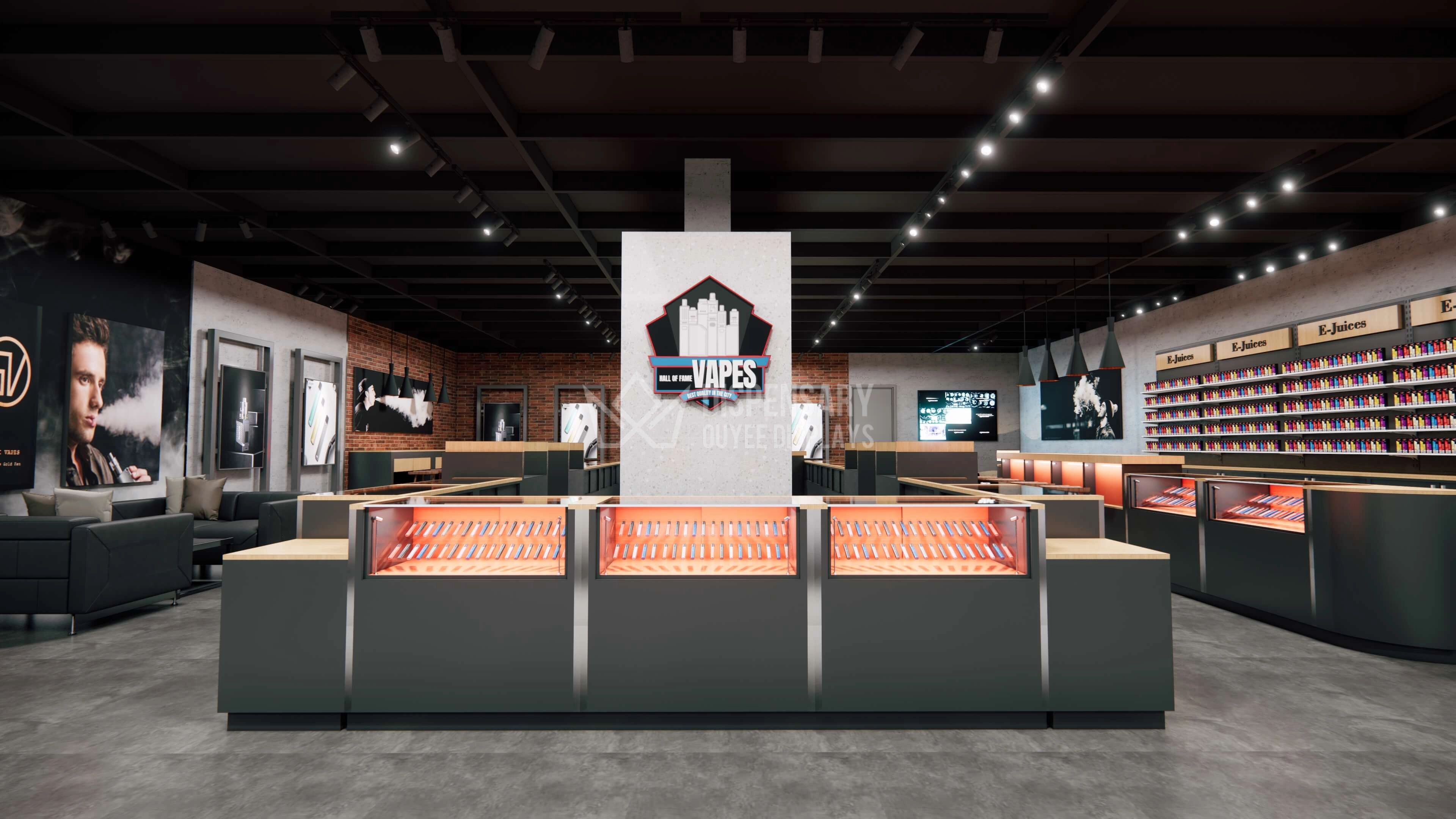
Custom Dispensary Display Design Services Modular Retail Solutions
Our Custom Dispensary Display Design Services specialize in creating unique, modular retail solutions tailored to your business needs. Whether you're showcasing tobacco products, e-liquids, or other retail items, our designs ensure maximum product visibility, security, and customer engagement. We combine high-end materials with flexible layouts, optimizing your store’s space while creating an upscale and professional atmosphere. From custom-built display units to comprehensive store design, our solutions are made to boost your retail environment’s functionality and aesthetic appeal.
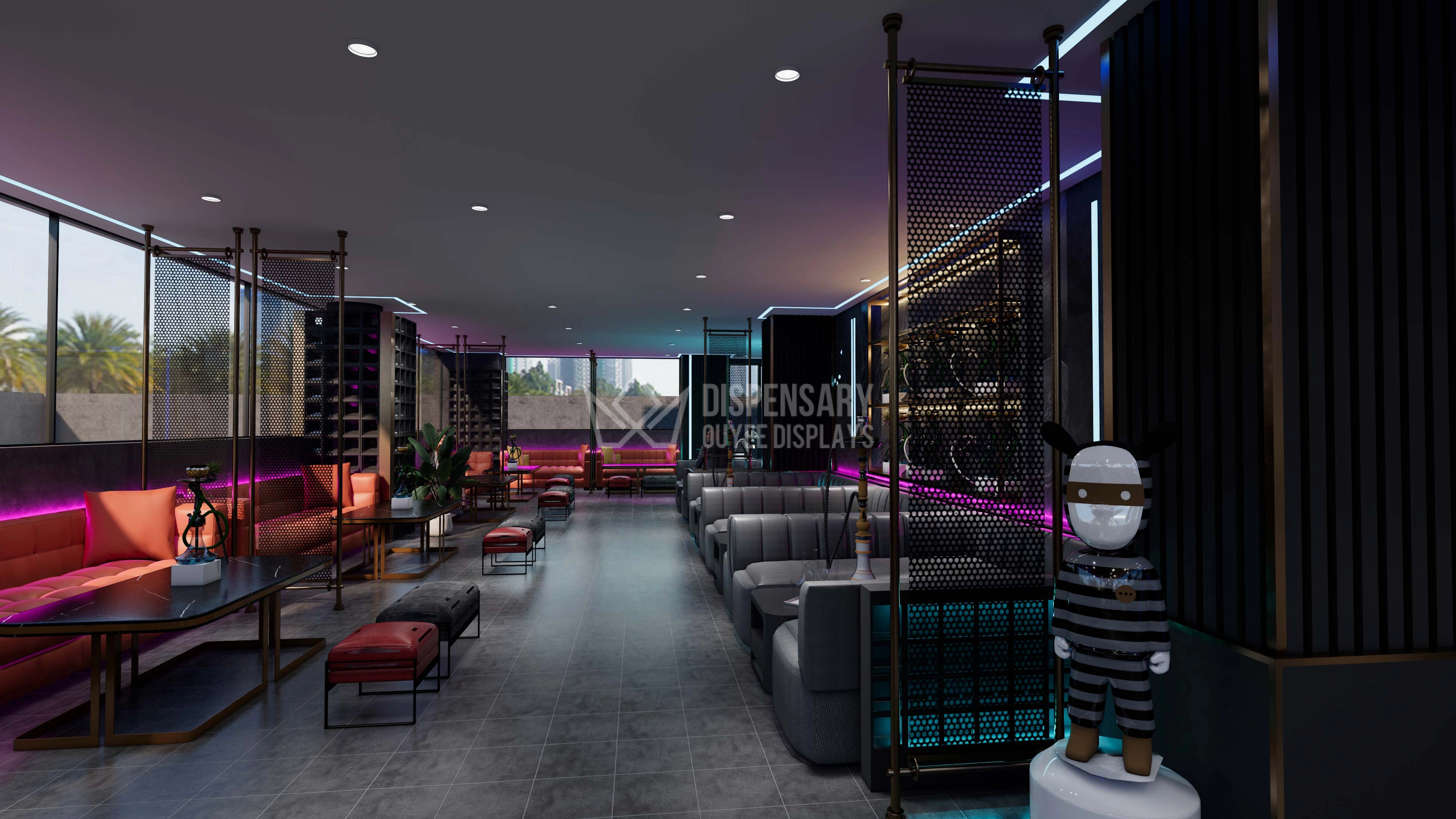
Customized Wholesale Hookah Lounge Furniture For Sale
Elevate your lounge experience with our premium customized hookah lounge furniture, designed for modern aesthetics and maximum comfort. With a strong emphasis on privacy, atmosphere, and luxury, our modular sofa systems, LED accents, and functional shisha setups are tailored to transform any space into a high-end smoking destination. Ideal for lounges, nightclubs, or upscale cafes seeking a bold, unified interior identity.
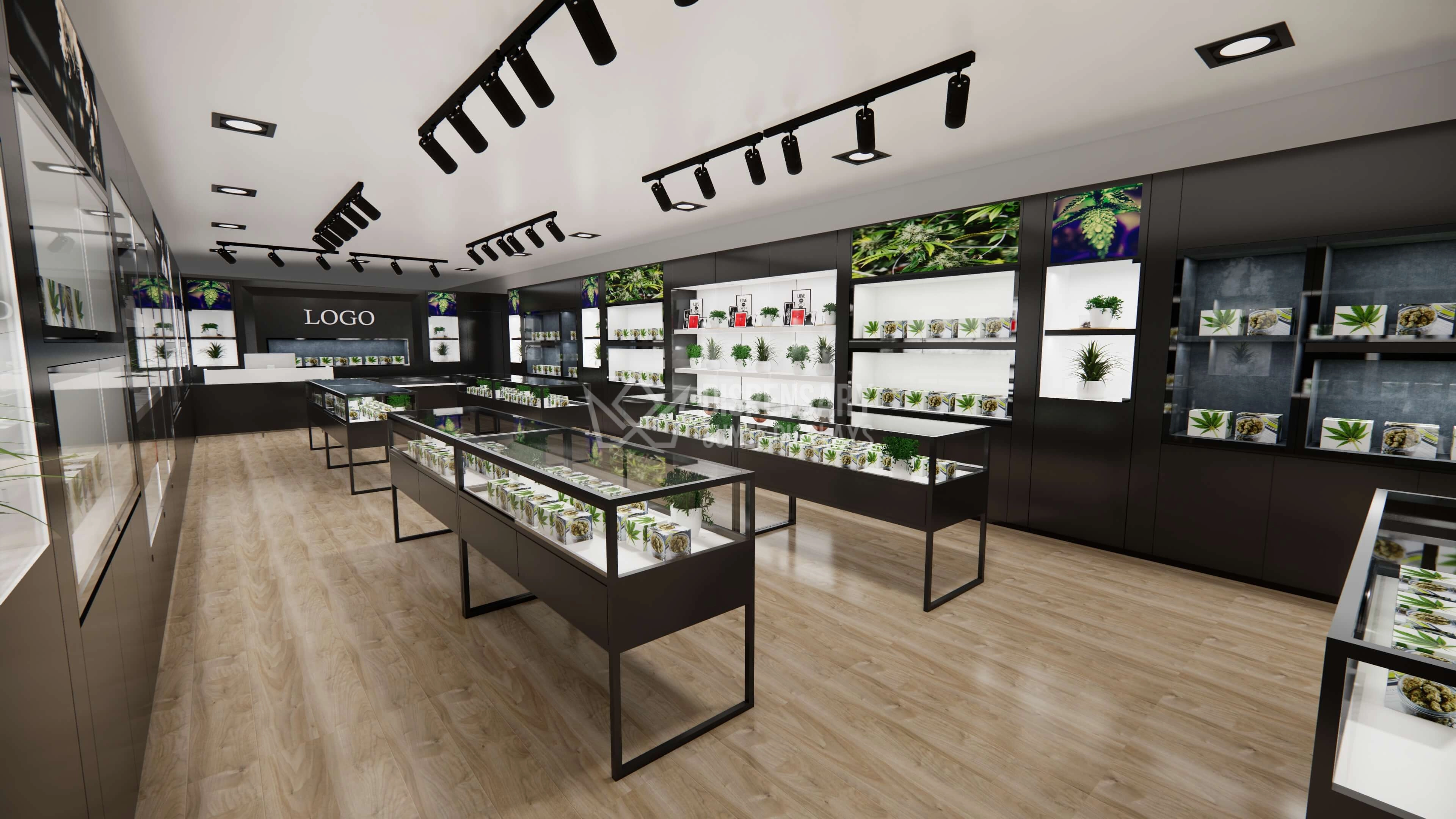
OEM ODM Dispensary Showcase Counters Display Fixtures For Cannabis
Sleek, secure, and fully customizable — our OEM/ODM dispensary counters redefine how cannabis is displayed in retail environments, merging form and function seamlessly.
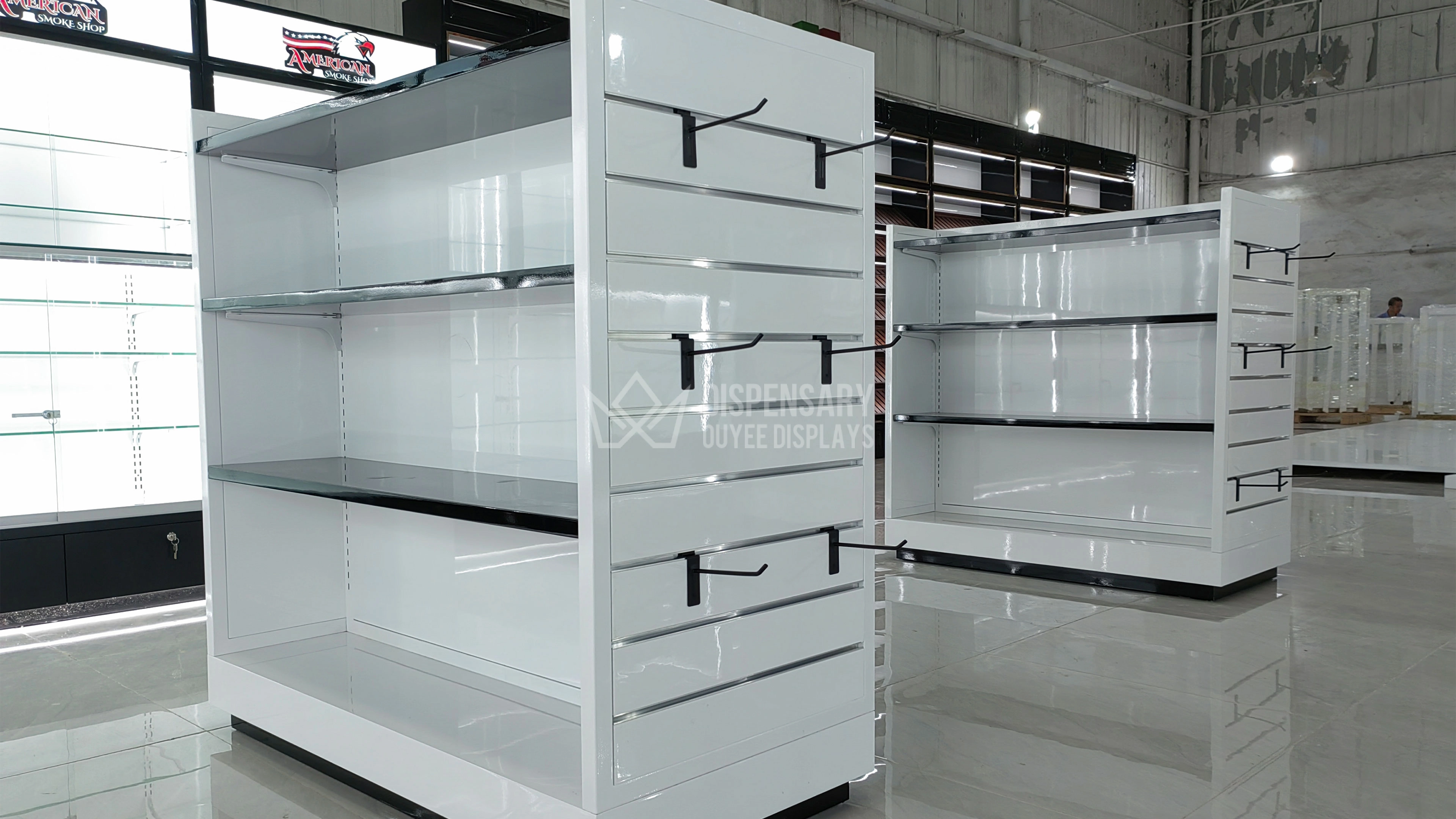
Smoke Shop Fixtures Multi Tiered Cigarette Display Cabinet Factory
Elevate your smoke shop’s merchandising with our multi-tiered cigarette display cabinet, built with premium glass, wood veneer, and integrated LED lighting. This customized setup includes a dedicated cigar room wall system for showcasing high-end cigars, making it the ultimate retail display solution for modern smoke shops.
Let's get in touch

Email: gzouyeedisplay@gmail.com
WhatsApp: +86 136 6049 7267
Ouyee Dispensary
Ouyee Dispensary
Ouyee Dispensary
Ouyee Dispensary