
Custom Display Design: Brand Experience for Smoke Shops
- Designing Memorable Retail Experiences for Smoke Shops
- Why custom display design matters in smoke shop interior design
- Understanding : what retailers and designers look for
- Customer Journey and Spatial Zoning Strategies for Smoke Shop Interior Design
- Map the customer journey to inform display placement
- Zoning: consider sightlines, dwell zones and staff work areas
- Materials, Security, and Compliance: Choosing the Right Display Types
- Balancing aesthetics and security in smoke shop interior design
- Lighting, Visual Merchandising and Sensory Branding
- Light the product, not the fixture
- Signage, wayfinding and storytelling
- Performance Metrics and ROI Expectations for Custom Displays
- Which KPIs to track after a display refresh
- Example KPI delta (indicative ranges)
- From Concept to Production: The Custom Display Process for Smoke Shop Interior Design
- Design brief and prototyping
- Manufacturing quality and lead times matter
- Ouyee Dispensary Displays: Manufacturing Expertise and Product Range
- Ouyee product highlights relevant to smoke shop interior design
- How to Choose a Display Partner for Your Smoke Shop Interior Design
- Checklist for selecting a manufacturer or design partner
- Questions to ask during vendor selection
- Implementation, Measurement and Continuous Improvement
- Rollout strategy and pilot testing
- Training and operational considerations for smoke shop interior design
- FAQ — Common Questions About Smoke Shop Interior Design and Custom Displays
- 1. How much should I budget for custom smoke shop interior design displays?
- 2. Are lockable displays required by law?
- 3. How long do custom displays last?
- 4. Can I retrofit existing fixtures to improve security and branding?
- 5. What are the lead times for custom display production?
- 6. How can I measure whether a new display increases sales?
- Contact & Next Steps
- References
Designing Memorable Retail Experiences for Smoke Shops
Why custom display design matters in smoke shop interior design
Custom display design is a strategic investment for smoke shop interior design: it translates brand identity into physical reality, improves product visibility, and mitigates security and compliance risks unique to cannabis, tobacco, and vape retail. In a market where product differentiation is narrow and regulatory scrutiny is high, how products are presented — lighting, sightlines, materials, and lockability — directly affects perceived quality, customer trust, and average transaction value.
Understanding : what retailers and designers look for
Owners searching for “smoke shop interior design” are typically trying to solve one or more of the following: increase foot traffic and conversion, secure high-value inventory, comply with local regulations, showcase High Quality brands, and create memorable brand experiences. A display-focused approach answers all of these by turning fixtures into retail drivers rather than passive storage.
Customer Journey and Spatial Zoning Strategies for Smoke Shop Interior Design
Map the customer journey to inform display placement
Successful smoke shop interior design begins with the customer journey: entrance → greeting/ID check → browsing → consultation → purchase. Displays must be positioned to guide that flow. For example, high-margin or new products should be placed in primary sightlines and near the point-of-sale (POS) to encourage impulse upgrades, while regulated products requiring age verification should be placed behind secure counters or in lockable display cases.
Zoning: consider sightlines, dwell zones and staff work areas
Effective zoning reduces congestion and increases dwell time — a key driver of purchases. Use freestanding islands for sampling or brand storytelling, perimeter wall systems for heavier inventory, and secure counters for high-value items. In smoke shop interior design, counter geometry should allow staff to monitor the sales floor without obstructing customer movement.
Materials, Security, and Compliance: Choosing the Right Display Types
Balancing aesthetics and security in smoke shop interior design
Displays must reconcile aesthetics with security. High Quality finishes (veneers, lacquer, glass) elevate brand image, while laminated glass, lockable drawers, and metal framing address shrinkage risk. Material choice also affects maintenance and lifespan — a critical consideration for retailers aiming to control total cost of ownership.
| Material | Pros | Cons | Typical Uses | Source |
|---|---|---|---|---|
| Tempered/laminated glass | High clarity, High Quality look, scratch-resistant | Fragile under heavy impact, higher cost | Showcases, cabinets, security doors | Wikipedia - Glass |
| Powder-coated steel | Durable, high security, customizable finishes | Heavier, can dent | Security frames, shelving supports | Wikipedia - Steel |
| Acrylic (PMMA) | Lightweight, clear, cost-effective | Scratches more easily, less heat resistant | Small product trays, plexiglass dividers | Wikipedia - PMMA |
| Wood veneer/MDF | Warm, customizable, cost-efficient | Vulnerable to moisture and heavy wear | Branding millwork, counters, cabinetry | Wikipedia - Wood |
Sources listed in the table provide baseline material characteristics; select combinations (e.g., glass-front cabinetry with steel frames) to achieve both desired aesthetics and protection levels for smoke shop interior design.
Lighting, Visual Merchandising and Sensory Branding
Light the product, not the fixture
Layered lighting drives product discovery. Accent lighting (LED strips, spotlights) should highlight product faces without creating glare on glass. Color temperature matters: warmer tones (2700K–3000K) support a relaxed, lounge-like brand feel common in upscale smoke shop interior design; neutral white (3500K–4000K) enhances product color accuracy for edibles and extracts.
Signage, wayfinding and storytelling
Clear signage reduces friction in age-restricted retail. Use digital screens for brand stories and promotions that can be updated remotely to reflect inventory and compliance notices. A consistent visual language across displays — finishes, fonts, and iconography — strengthens brand recall.
Performance Metrics and ROI Expectations for Custom Displays
Which KPIs to track after a display refresh
Track foot traffic, conversion rate, average transaction value (ATV), units per transaction (UPT), and shrinkage. Industry studies show well-executed fixtures and merchandising can materially uplift conversion and ATV — retailers should benchmark pre- and post-installation performance for 60–90 days to quantify impact.
Example KPI delta (indicative ranges)
| Metric | Typical pre-upgrade | Post-upgrade uplift (expected) | Notes / Source context |
|---|---|---|---|
| Conversion rate | 20%–30% | +5%–15% relative uplift | Depends on traffic quality and merchandising effectiveness |
| Average transaction value (ATV) | $25–$60 | +5%–20% relative uplift | Prominent placement of high-margin SKUs yields higher returns |
| Shrinkage | 1%–5% of sales | −10%–40% relative reduction with secure fixtures | Lockable displays and staff sightlines reduce loss |
Note: These ranges are illustrative. Individual outcomes depend on market, product mix, and execution. For comparable retail insights, consult National Retail Federation resources and retail case studies (see references).
From Concept to Production: The Custom Display Process for Smoke Shop Interior Design
Design brief and prototyping
Start with a design brief that covers brand identity, product assortment, security level, budget, and local compliance requirements. Rapid prototyping — using scale models, 3D renders, and a physical mock-up of high-visibility elements — prevents costly design revisions after production starts. For smoke shop interior design, test sightlines and lock mechanisms physically before full production.
Manufacturing quality and lead times matter
Production credibility is essential when ordering custom fixtures. Vendors with in-house manufacturing and automation capabilities provide better quality control and predictable lead times. This is especially important for smoke shop interior design projects that require secure, precisely machined components (locks, hinges, tempered glass integration).
Ouyee Dispensary Displays: Manufacturing Expertise and Product Range
Ouyee Dispensary Displays is your trusted partner for providing comprehensive, custom-designed display solutions for your cannabis retail store. Our state-of-the-art 180,000-square-foot facility, located in Guangzhou, China, has been at the forefront of creating high-end, functional display cabinets for over 25 years. From cannabis dispensaries to pharmacy showcases, tobacco display racks, and e-cigarette showcases, we have earned the trust of clients across various sectors. With cutting-edge German-made CNC automation machining centers, Ouyee ensures top-notch quality in every product we produce.
Our products are designed with a focus on aesthetics, functionality, and most importantly, security, durability, and usability. By continually pushing the boundaries of design and craftsmanship, we provide clients with display solutions that enhance brand identity. Our vision is to become the world's leading cannabis dispensary display manufacturer.
Visit Ouyee’s website for a full catalog and project inquiries: https://www.ouyeedispensary.com/
Ouyee product highlights relevant to smoke shop interior design
- Cannabis display cases — lockable, modular, glass-fronted merchandising optimized for product visibility and security.
- CBD displays and dispensary fixtures — custom-built to accommodate varying SKU sizes and regulatory labeling.
- Smoke shop display cases and weed dispensary display systems — tailored to brand identity with options for integrated lighting and digital signage.
Ouyee’s competitive advantages include: integrated manufacturing, decades of experience in custom cabinetry, large-scale production capacity (180,000 sqft facility), and high-precision machining via German-made CNC equipment. These strengths translate into consistent quality, shorter lead times for larger projects, and the ability to implement complex security features at scale.
How to Choose a Display Partner for Your Smoke Shop Interior Design
Checklist for selecting a manufacturer or design partner
- Portfolio and references in cannabis/tobacco retail.
- In-house manufacturing and quality control processes.
- Transparency on materials, testing, and compliance support.
- Capacity to deliver on schedule and handle multiple store rollouts.
- After-sales support: warranty, repairs, spare parts availability.
Questions to ask during vendor selection
Request material samples, visit the factory if possible (or ask for a live video tour), and obtain a detailed BOM (bill of materials) and timeline. Ask for performance metrics from comparable installs and request a mock-up for the most critical display elements.
Implementation, Measurement and Continuous Improvement
Rollout strategy and pilot testing
Start with a pilot store to validate placement, lighting, and pricing strategies. Use A/B testing across fixtures and merchandising to identify the highest-impact changes. Measure KPIs over a 60–90 day window and iterate on signage, SKU mix, and staff training.
Training and operational considerations for smoke shop interior design
New displays often require staff training on product knowledge, display maintenance, and loss prevention procedures. Incorporate SOPs (standard operating procedures) for restocking, cleaning (especially for glass and acrylic), and emergency protocols.
FAQ — Common Questions About Smoke Shop Interior Design and Custom Displays
1. How much should I budget for custom smoke shop interior design displays?
Budgets vary widely depending on scale and security requirements. Expect to allocate 7%–15% of total store construction budget to custom fixtures and displays for a mid-to-high-end finish. For simple modular systems, costs can be lower; highly customized millwork and integrated digital systems increase costs.
2. Are lockable displays required by law?
Legal requirements vary by jurisdiction. Many regions mandate secure storage for cannabis products, especially when stores permit self-service or when products are high-value. Confirm local regulations with your licensing authority and design displays with removable or retrofit lock systems to remain compliant as rules evolve.
3. How long do custom displays last?
With commercial-grade materials and proper maintenance, well-built fixtures typically last 7–15 years. Material choice, foot traffic, and maintenance frequency are key determinants of lifespan.
4. Can I retrofit existing fixtures to improve security and branding?
Yes. Many retailers retrofit with lockable glass panels, reinforced shelving, or overlay panels with branded graphics. Retrofitting is a cost-effective way to improve security and aesthetics without the lead time of full custom builds.
5. What are the lead times for custom display production?
Lead times depend on the complexity and volume. Small orders may take 4–8 weeks; large, highly customized projects or multi-store rollouts can take 10–20+ weeks including design approval, prototyping, and production. Manufacturers with integrated facilities can often shorten these timelines.
6. How can I measure whether a new display increases sales?
Compare pre- and post-installation KPIs: foot traffic, conversion rate, ATV, and UPT. Run the test for at least 60 days to account for seasonal variability. Use POS tagging to track SKUs placed in new displays to measure direct impact.
Contact & Next Steps
If you’re planning a new store or a remodel and want turnkey, secure, high-end displays tailored to smoke shop interior design, Ouyee Dispensary Displays can consult on concept, prototype, and full-production rollouts. Visit our site to view product lines and request a quote: https://www.ouyeedispensary.com/
Request a free consultation to evaluate your project scope and get a production timeline and budget estimate. Partnering with a manufacturer that understands the regulatory, security, and branding nuances of smoke shop retail will save costs and accelerate your store opening.
References
- Wikipedia — Glass. https://en.wikipedia.org/wiki/Glass (accessed 2025-12-01)
- Wikipedia — Steel. https://en.wikipedia.org/wiki/Steel (accessed 2025-12-01)
- Wikipedia — Poly(methyl methacrylate). https://en.wikipedia.org/wiki/Poly(methyl_methacrylate) (accessed 2025-12-01)
- National Retail Federation — Consumer and retail trend resources. https://nrf.com/resources/consumer-trends (accessed 2025-11-20)
- Shopify — Retail store layout and merchandising guidance. https://www.shopify.com/blog/retail-store-layout (accessed 2025-11-25)
- Ouyee Dispensary Displays — Official website. https://www.ouyeedispensary.com/ (accessed 2025-12-01)
Custom Custom cannabis display cases Manufacturers and Suppliers
Compliance-friendly cannabis dispensary display strategies
How to Start a Successful Weed Dispensary Business
How to Master Dispensary Layout for Cannabis Retail Success – Ouyee
Aegis Security Checkout Display
Can these showcases be used for CBD or cannabis-only shops?
Absolutely. The design suits both cannabis dispensaries and tobacco-focused smoke shops.
Do you offer installation services overseas?
We provide pre-assembled modules, detailed instructions, and video guides. Installation support is also available on request.
Are the cabinets lockable?
Yes, we offer optional cabinet locks and tempered glass locking lids.
Tempered Glass Vape Shop Fixtures CBD Retail Displays Solutions
Can we customize the size or layout of the display units?
Yes! All units are modular and can be tailored to fit your store’s layout or dimensions.
Tailored Commercial Smoke Shop Counters Dispensary Display Cases
What are the maintenance requirements for the lighting?
The LED system is energy-efficient and long-lasting. Simply clean the lights with a soft cloth regularly.
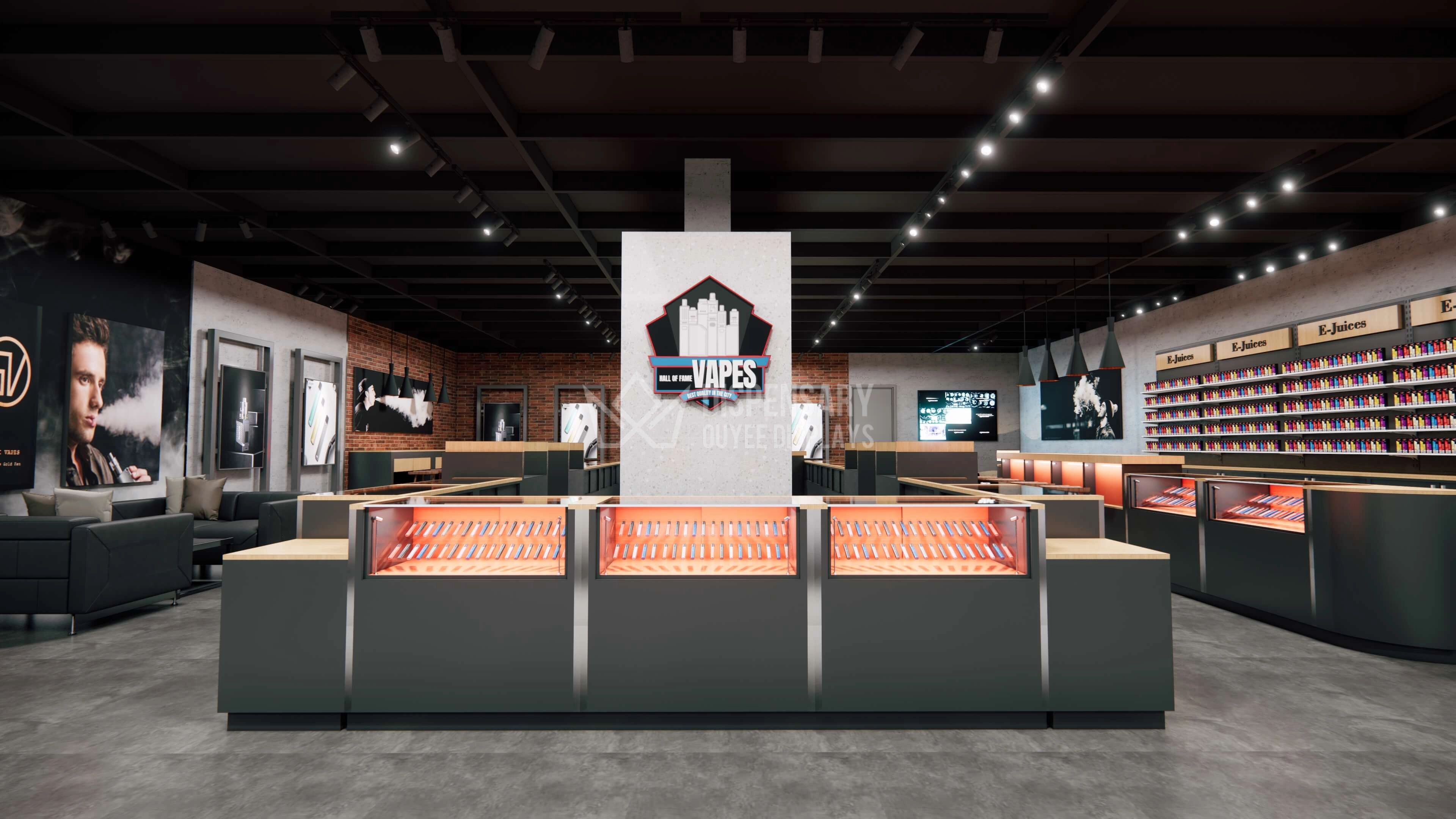
Custom Dispensary Display Design Services Modular Retail Solutions
Our Custom Dispensary Display Design Services specialize in creating unique, modular retail solutions tailored to your business needs. Whether you're showcasing tobacco products, e-liquids, or other retail items, our designs ensure maximum product visibility, security, and customer engagement. We combine high-end materials with flexible layouts, optimizing your store’s space while creating an upscale and professional atmosphere. From custom-built display units to comprehensive store design, our solutions are made to boost your retail environment’s functionality and aesthetic appeal.
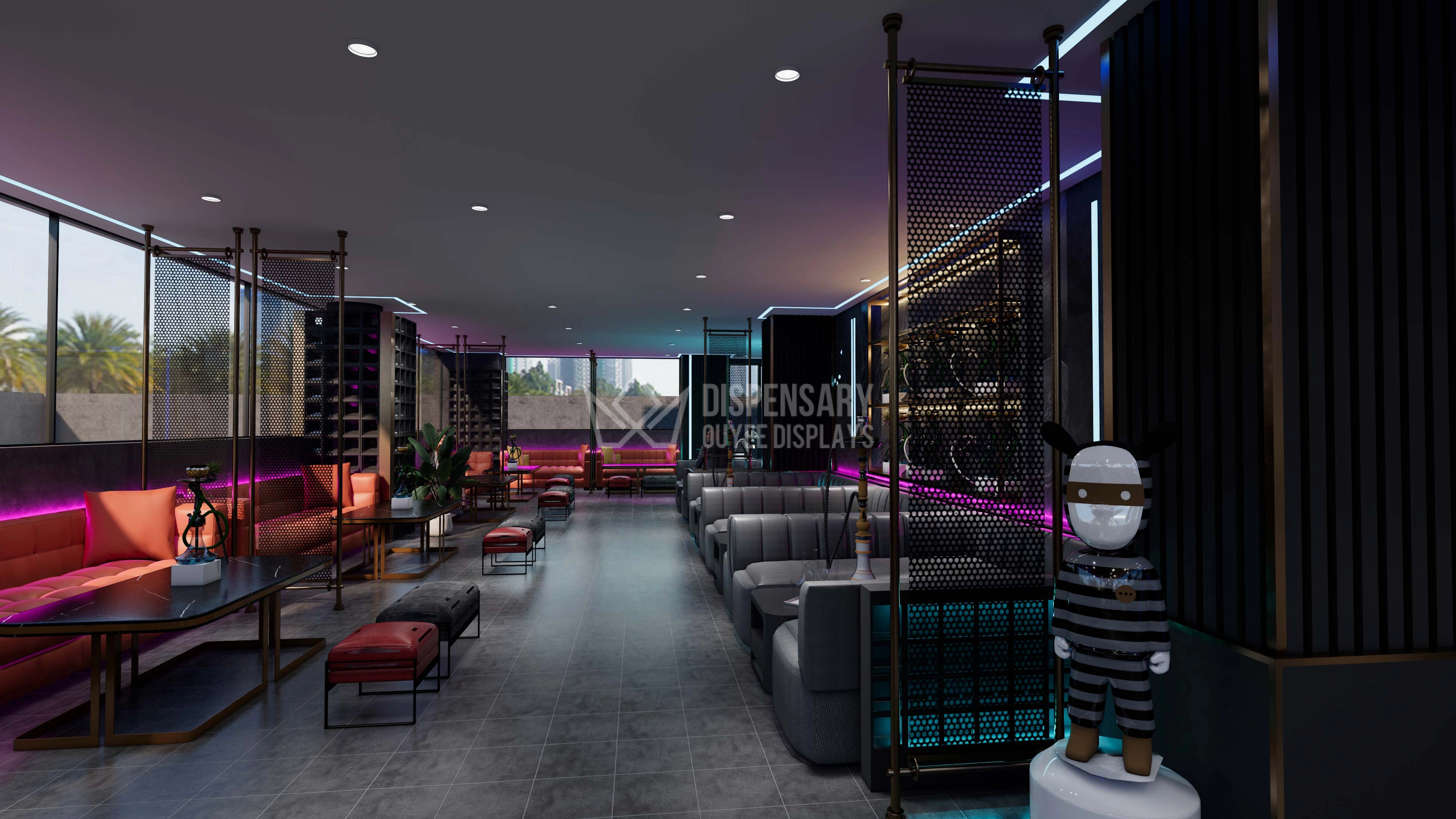
Customized Wholesale Hookah Lounge Furniture For Sale
Elevate your lounge experience with our premium customized hookah lounge furniture, designed for modern aesthetics and maximum comfort. With a strong emphasis on privacy, atmosphere, and luxury, our modular sofa systems, LED accents, and functional shisha setups are tailored to transform any space into a high-end smoking destination. Ideal for lounges, nightclubs, or upscale cafes seeking a bold, unified interior identity.
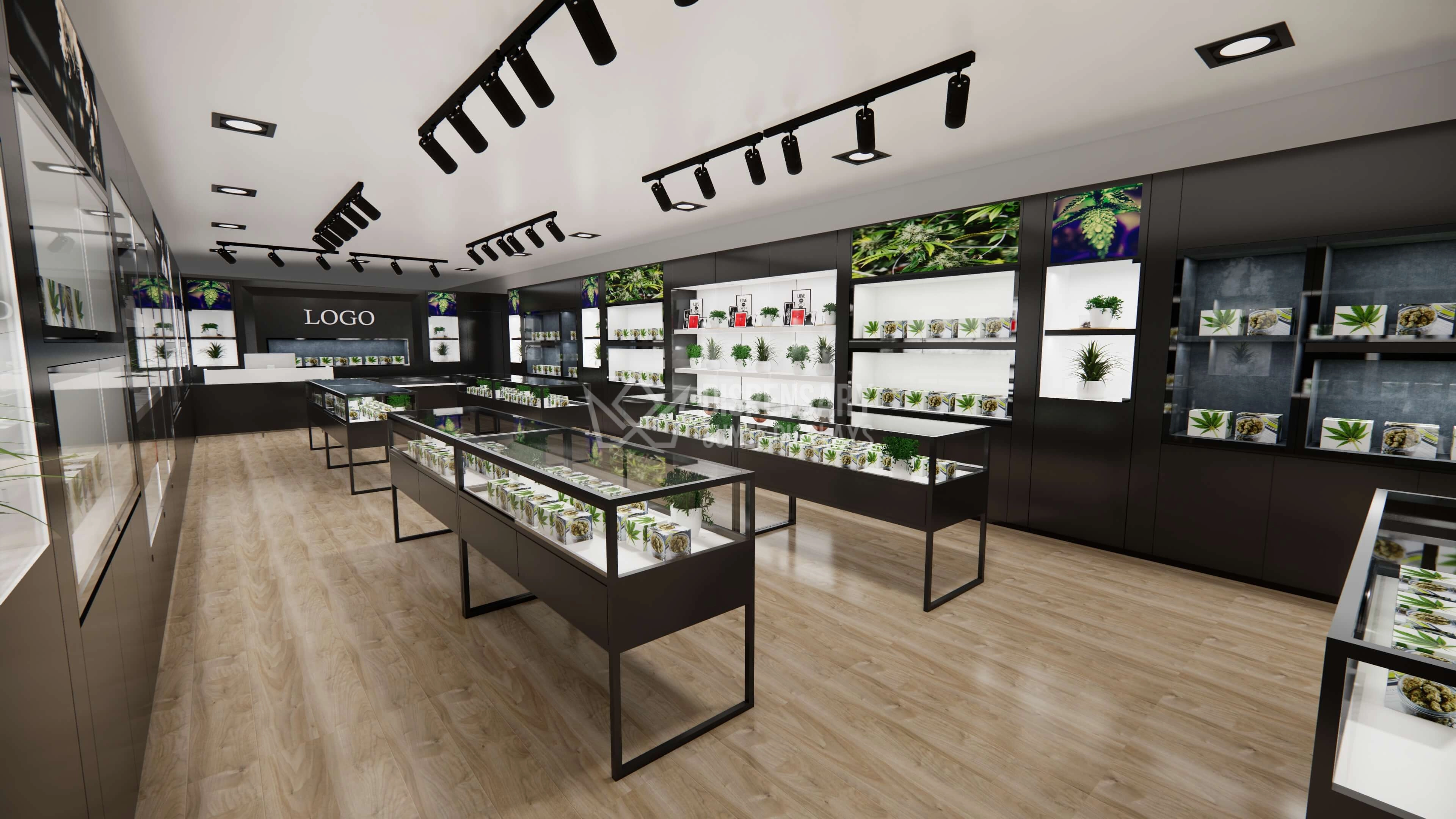
OEM ODM Dispensary Showcase Counters Display Fixtures For Cannabis
Sleek, secure, and fully customizable — our OEM/ODM dispensary counters redefine how cannabis is displayed in retail environments, merging form and function seamlessly.
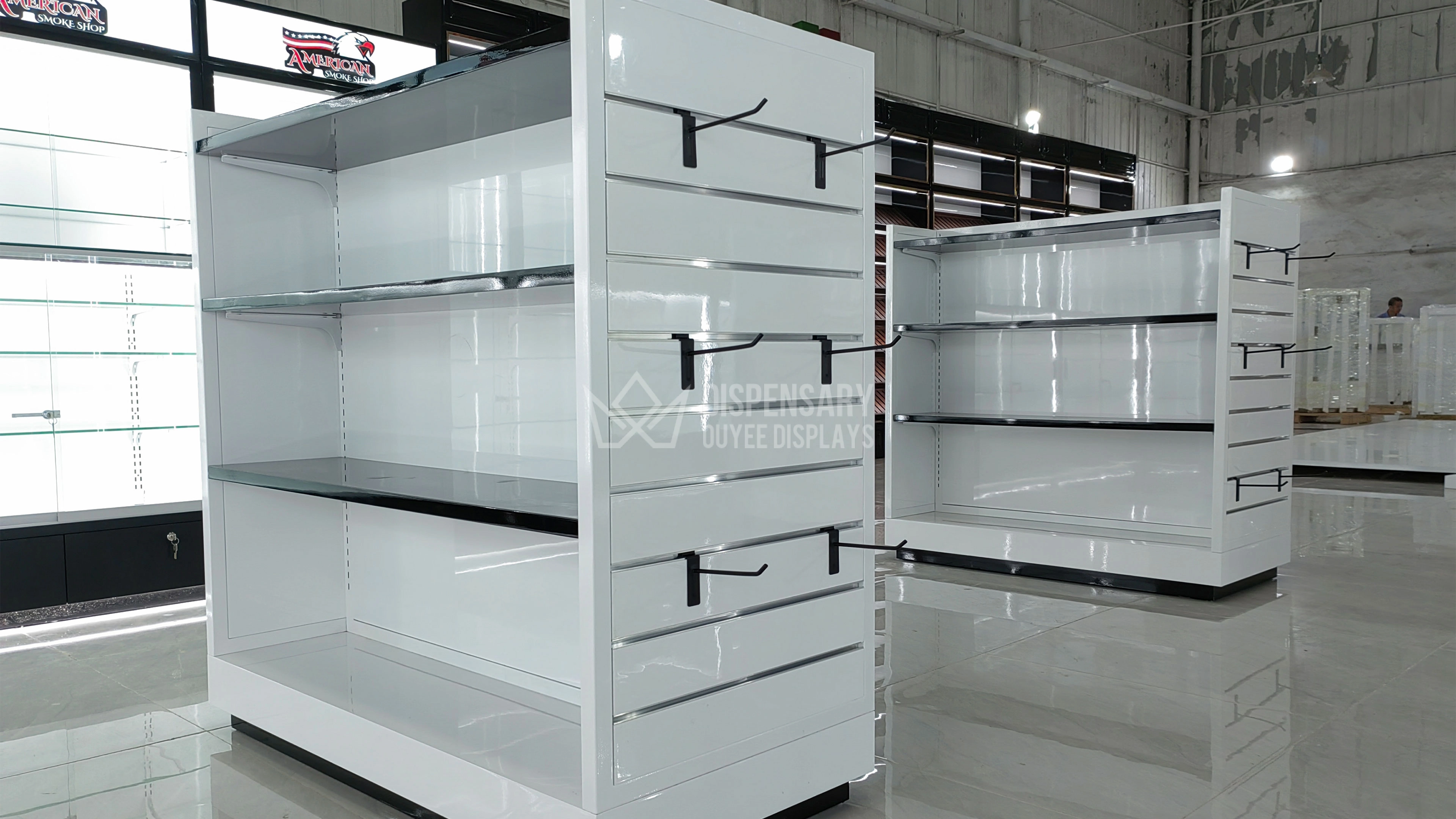
Smoke Shop Fixtures Multi Tiered Cigarette Display Cabinet Factory
Elevate your smoke shop’s merchandising with our multi-tiered cigarette display cabinet, built with premium glass, wood veneer, and integrated LED lighting. This customized setup includes a dedicated cigar room wall system for showcasing high-end cigars, making it the ultimate retail display solution for modern smoke shops.
Let's get in touch

Email: gzouyeedisplay@gmail.com
WhatsApp: +86 136 6049 7267
Ouyee Dispensary
Ouyee Dispensary
Ouyee Dispensary
Ouyee Dispensary