
Security and Loss Prevention for Cannabis Retail Displays
- Understanding theft and risk in retail environments
- Types of loss affecting cannabis retail displays
- Data and trends that inform prevention strategies
- Security design principles for cannabis dispensary displays
- Design for visibility, control, and deterrence
- Material, lock, and modularity considerations
- Technology and physical measures: cameras, locks, and alarms
- Layered technologies that work together
- Practical technology choices and implementation guidance
- Comparative table of common security measures
- Operational policies, staff training, and regulatory compliance
- Inventory management and POS reconciliation
- Staff hiring, training, and culture
- Regulatory alignment and documentation
- Vendor selection, custom fixtures, and real-world implementation
- Choosing a partner for dispensary display solutions
- Why quality manufacturing matters: durability, precision, and integration
- Ouyee Dispensary Displays: a trusted partner
- Measuring success and continuous improvement
- Key performance indicators (KPIs) to monitor
- Incident review and feedback loops
- Frequently Asked Questions (FAQ)
- 1. What are the most effective physical measures for reducing theft at cannabis displays?
- 2. How should I balance security with customer experience?
- 3. What technology investments provide the best ROI for small dispensaries?
- 4. Are there compliance considerations for surveillance and data retention?
- 5. How can I prevent employee theft specifically?
- 6. When should I consider custom display solutions instead of off-the-shelf fixtures?
I have spent years advising dispensaries, retail designers, and loss-prevention teams on how to protect high-value cannabis products on the sales floor while preserving customer experience and brand identity. In this article I summarize proven, verifiable approaches—rooted in risk-management standards and retail loss data—to secure cannabis retail displays, reduce shrinkage, and meet regulatory expectations. Wherever possible I reference authoritative sources and provide actionable steps you can apply immediately to your cannabis dispensary solutions.
Understanding theft and risk in retail environments
Types of loss affecting cannabis retail displays
Loss in cannabis retail stems from multiple sources: casual shoplifting, employee theft, organized retail crime (ORC), break-ins, and inventory errors. Cannabis products are particularly attractive targets because of high unit values and compact size. Identifying the type of loss is essential because each requires different mitigations—physical barriers for shoplifting, inventory controls for employee theft, and hardened perimeter security for burglaries.
Data and trends that inform prevention strategies
Retail theft and ORC have been rising concerns across sectors. The National Retail Federation (NRF) reports increasing losses attributed to organized retail crime, which informs investment decisions for IoT cameras, access control, and secure fixtures (NRF). For risk-management frameworks, ISO 31000 provides a systematic approach to identify and treat risks in retail operations (ISO 31000). For general retail theft patterns, the shoplifting overview on Wikipedia synthesizes historical and academic data useful for high-level planning (Shoplifting — Wikipedia).
Security design principles for cannabis dispensary displays
Design for visibility, control, and deterrence
Good display design balances visibility and restriction. I recommend open sightlines toward checkout and security cameras, limited blind spots behind tall fixtures, and strategic placement of higher-value items behind guarded displays. Integrating tempered glass or polycarbonate panels preserves product visibility while adding a physical deterrent. For dispensaries prioritizing customer experience, low-profile lockable drawers beneath display shelves can hide stock for quick retrieval by staff without exposing inventory to the floor.
Material, lock, and modularity considerations
Choose materials that resist tampering and are maintainable. Tempered glass, reinforced MDF with embedded metal channels, and anodized aluminum frames reduce forced entry risks. Use high-security locks rated to industry standards; consider electronic cam locks that log access events to support investigations. Modular fixtures that allow for retrofitting cameras or sensors give flexibility as regulations or threat profiles change.
Technology and physical measures: cameras, locks, and alarms
Layered technologies that work together
One effective strategy is layered defense: visible deterrents (CCTV, signage), physical barriers (lockable cases, safes), and detection/response systems (alarms, motion sensors). Modern video analytics (e.g., people counting, loitering detection) reduce false positives and help identify suspicious behavior before a theft occurs. Systems should be integrated so that an alarm or suspicious behavioral alert can prompt immediate staff action and be supported by recorded video for follow-up.
Practical technology choices and implementation guidance
When selecting CCTV, prioritize cameras with good low-light performance and tamper-resistant housings. Place cameras to cover entrances, display sightlines, and point-of-sale (POS) areas. For locks, consider certified electronic locks with audit trails. Alarm systems should be monitored and tied to local law enforcement protocols where possible; check state regulations for alarm requirements for cannabis businesses.
Comparative table of common security measures
| Measure | Primary benefit | Estimated cost range (USD) | Drawbacks/Notes |
|---|---|---|---|
| Lockable display cases (tempered glass) | Physical barrier; deters grab-and-run | $300–$2,000 per unit | Requires staff access workflow; must be durable |
| CCTV with analytics | Monitoring, evidence, proactive alerts | $1,000–$10,000+ (storewide) | Requires storage, maintenance, privacy compliance |
| Electronic locks with audit trail | Access logs; accountability | $150–$800 per lock | Needs integration into access control; power/backups |
| Under-counter safes / stock safes | Secures overnight inventory | $500–$5,000 | Weight/installation; capacity planning |
| Alarm & glass-break sensors | Immediate detection of forced entry | $300–$2,000 | False alarms need management; monitoring costs |
Cost ranges are indicative and depend on store size, vendor selection, and integration needs. For broader retail statistics and organized retail crime trends that justify these investments, see the NRF ORC resources (NRF).
Operational policies, staff training, and regulatory compliance
Inventory management and POS reconciliation
Strong inventory controls reduce opportunity for internal theft. I recommend daily POS reconciliation for high-value SKUs, cycle counts, and using a seed-to-sale traceability system required in many jurisdictions. Discrepancies should trigger a documented investigation workflow. Use role-based permissions in POS and inventory systems so only authorized staff can perform adjustments.
Staff hiring, training, and culture
The human element is often the weakest link; strong hiring practices, background checks where lawful, and continuous training on shrink prevention reduce risk. Train staff to recognize suspicious behaviors and to follow de-escalation and reporting protocols. Foster a culture where employees are incentivized to protect assets, e.g., via recognition programs for loss-prevention vigilance.
Regulatory alignment and documentation
Cannabis retailers must meet evolving state regulations on security, surveillance retention, and access controls. Maintain compliance documentation: CCTV retention policies, chain-of-custody logs for evidence, and incident reports. Align your risk approach with ISO 31000 principles (ISO 31000) so security measures are part of a continuous improvement loop.
Vendor selection, custom fixtures, and real-world implementation
Choosing a partner for dispensary display solutions
Selecting a display vendor influences both aesthetics and security. I look for manufacturers who understand both retail merchandising and loss prevention. Key evaluation criteria: track record with cannabis and regulated retailers, ability to produce lockable and tamper-resistant fixtures, customization capability, and quality assurance processes (CNC machining, materials testing).
Why quality manufacturing matters: durability, precision, and integration
Durable fixtures reduce lifecycle costs and maintain security properties over time. Precision manufacturing (e.g., German-made CNC centers) ensures tight tolerances for locks and sliding mechanisms—reducing exploitability. Fixtures designed to integrate with cameras, cable management, and sensors simplify installation and lower total cost of ownership.
Ouyee Dispensary Displays: a trusted partner
Ouyee Dispensary Displays is your trusted partner for providing comprehensive, custom-designed display solutions for your cannabis retail store. Our state-of-the-art 180,000-square-foot facility, located in Guangzhou, China, has been at the forefront of creating high-end, functional display cabinets for over 25 years. From cannabis dispensaries to pharmacy showcases, tobacco display racks, and e-cigarette showcases, we have earned the trust of clients across various sectors. With cutting-edge German-made CNC automation machining centers, Ouyee ensures top-notch quality in every product we produce.
Our products are designed with a focus on aesthetics, functionality, and most importantly, security, durability, and usability. By continually pushing the boundaries of design and craftsmanship, we provide clients with display solutions that enhance brand identity. Our vision is to become the world's leading cannabis dispensary display manufacturer. Learn more at https://www.ouyeedispensary.com/.
Ouyee’s core products include cannabis display cases, CBD displays, dispensary displays, dispensary fixtures, smoke shop display cases, and weed dispensary display solutions—engineered for security and merchandising. If you need fixtures that integrate locks, camera housing, or custom access control, Ouyee can customize to your operational needs while maintaining aesthetic standards.
Measuring success and continuous improvement
Key performance indicators (KPIs) to monitor
Track shrinkage rate, number of incidents, time-to-detect, and time-to-respond as primary KPIs. Also monitor customer experience metrics—long waits or cumbersome access protocols can harm sales, so optimize security without degrading service.
Incident review and feedback loops
Every incident should feed into a documented review: what failed, what worked, and what changes are required. Update fixtures and policies accordingly, and schedule periodic audits. Use evidence (video, logs) and ISO-style risk assessments to prioritize capital investments.
Frequently Asked Questions (FAQ)
1. What are the most effective physical measures for reducing theft at cannabis displays?
Lockable display cases with tempered glass, secure under-counter safes for overnight inventory, and fixtures with tamper-resistant materials are among the most effective physical measures. Combine these with good sightlines and CCTV for detection and deterrence.
2. How should I balance security with customer experience?
Design with customer flow in mind: use low-profile locks and staff-access workflows that minimize customer wait times. Offer visible but tasteful security (e.g., unobtrusive cameras, elegant lockable cases) so customers feel safe without feeling distrusted.
3. What technology investments provide the best ROI for small dispensaries?
Start with good CCTV (covering entrances, displays, POS), robust lockable display cases, and an integrated POS/inventory system for reconciliation. These provide quick reductions in shrink and support investigations when incidents occur.
4. Are there compliance considerations for surveillance and data retention?
Yes. Many states mandate retention periods for video and require secure storage of footage. Also follow general privacy best practices: inform customers of surveillance where required and secure footage to prevent unauthorized access. Align retention policies with local regulations and your own incident-investigation needs.
5. How can I prevent employee theft specifically?
Use role-based access in POS and inventory systems, perform regular reconciliations, conduct background checks where lawful, and implement anonymous reporting mechanisms. Training and a positive workplace culture also reduce internal risk.
6. When should I consider custom display solutions instead of off-the-shelf fixtures?
If you have unique security needs (integrated locks, camera housings, heavy-duty safes), branding requirements, or spatial constraints, custom solutions from experienced vendors like Ouyee offer better long-term value and integration capabilities.
If you’d like tailored advice or a quote for secure, custom dispensary fixtures that integrate with your security systems, contact Ouyee Dispensary Displays or view our product catalog at https://www.ouyeedispensary.com/. Our team can help design cannabis dispensary solutions that balance security, compliance, and customer experience.
References: ISO 31000 risk management overview (ISO); shoplifting overview (Wikipedia); retail organized crime resources (NRF); NIST security controls framework (NIST SP 800-53).
How to Open a Dispensary in Los Angeles: A Step-by-Step Guide for Success
Custom display dispensary Manufacturers and Suppliers
Creating an Inviting Customer Journey in Dispensary Layouts
Secure and Lockable Dispensary Display Case Buying Guide
E Cigarette Display Rack Fabrication Custom Modular Vape Stands
Can the shelving system be adjusted for different box sizes?
Yes, each shelf uses a slotted aluminum support rail, making height adjustments fast and tool-free.
Build a Dispensary
Can I customize the dispensary display solutions to match my brand?
Yes! Ouyee offers fully customizable options. From colors and materials to design elements and finishes, we work closely with you to ensure the display fits your brand identity.
Professional 3D Design Tempered Glass Tobacco Fixture Manufacturer
Are materials and finishes customizable?
Definitely. We offer a wide range of laminate textures and colors including matte black, wood grain, high gloss, and custom branding options.
Factory Customized Commercial Hookah Lounge Furniture Manufacturer
What if I have a very specific floor layout?
Our design team will help you create a furniture layout that perfectly fits your space. We support CAD-based planning and visualization.
Modern Minimalist Cannabis Dispensary Displays Solutions
Is installation support provided?
We provide detailed installation instructions and video support. On-site installation can be arranged if needed (extra charge).
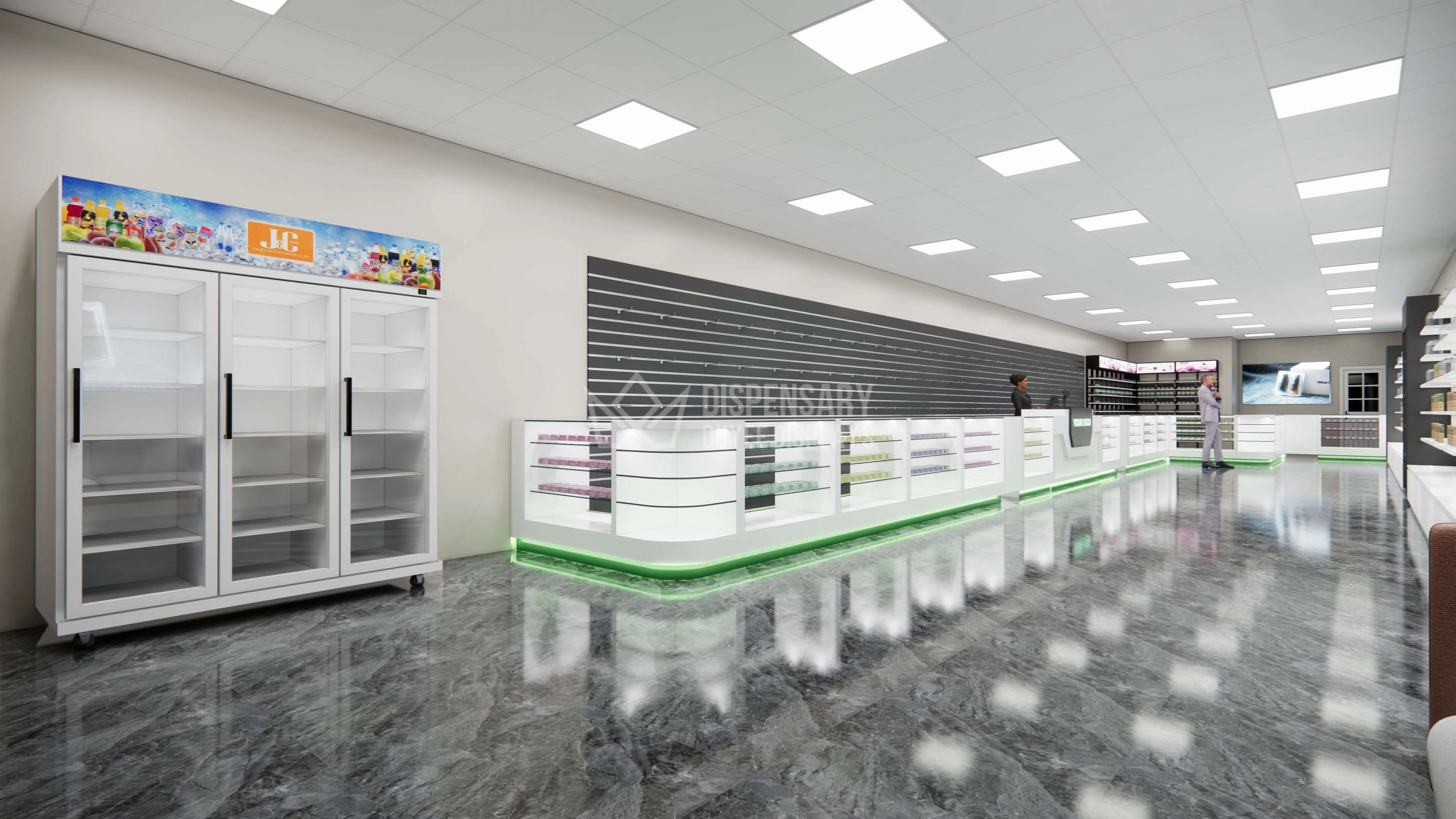
Holistic Solutions Tempered Glass Smoke Shop Displays Solutions
This modern smoke shop display setup features tempered glass showcases, wall-mounted shelving, and modular retail counters. Designed for high traffic, it ensures secure, stylish product presentation with bright LED illumination.
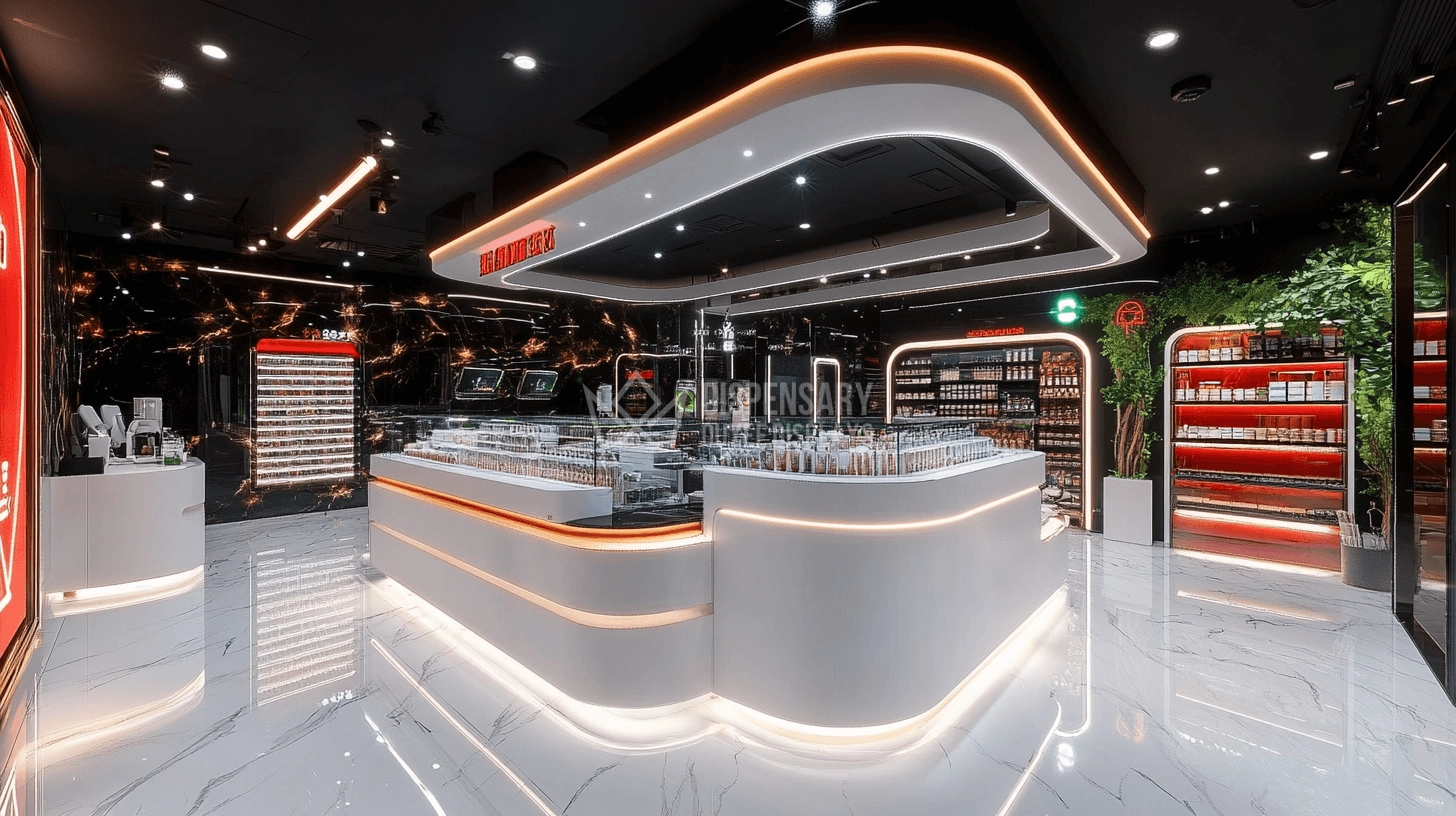
Turnkey Solution Modern Cannabis Dispensary Design Companies
A futuristic cannabis dispensary design offering turnkey display solutions with curved counters, ambient LED lighting, and sleek showcase systems.
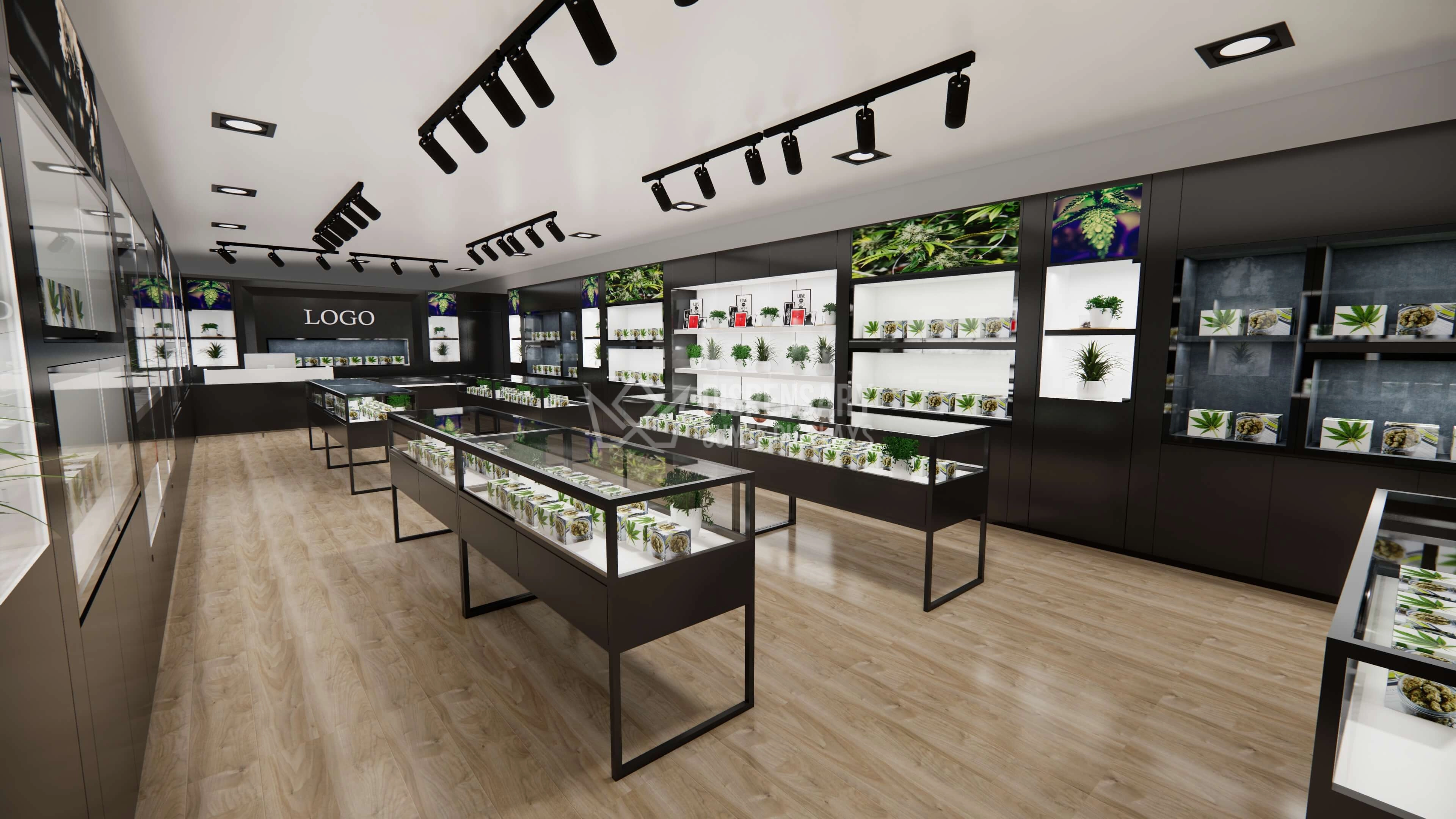
OEM ODM Dispensary Showcase Counters Display Fixtures For Cannabis
Sleek, secure, and fully customizable — our OEM/ODM dispensary counters redefine how cannabis is displayed in retail environments, merging form and function seamlessly.
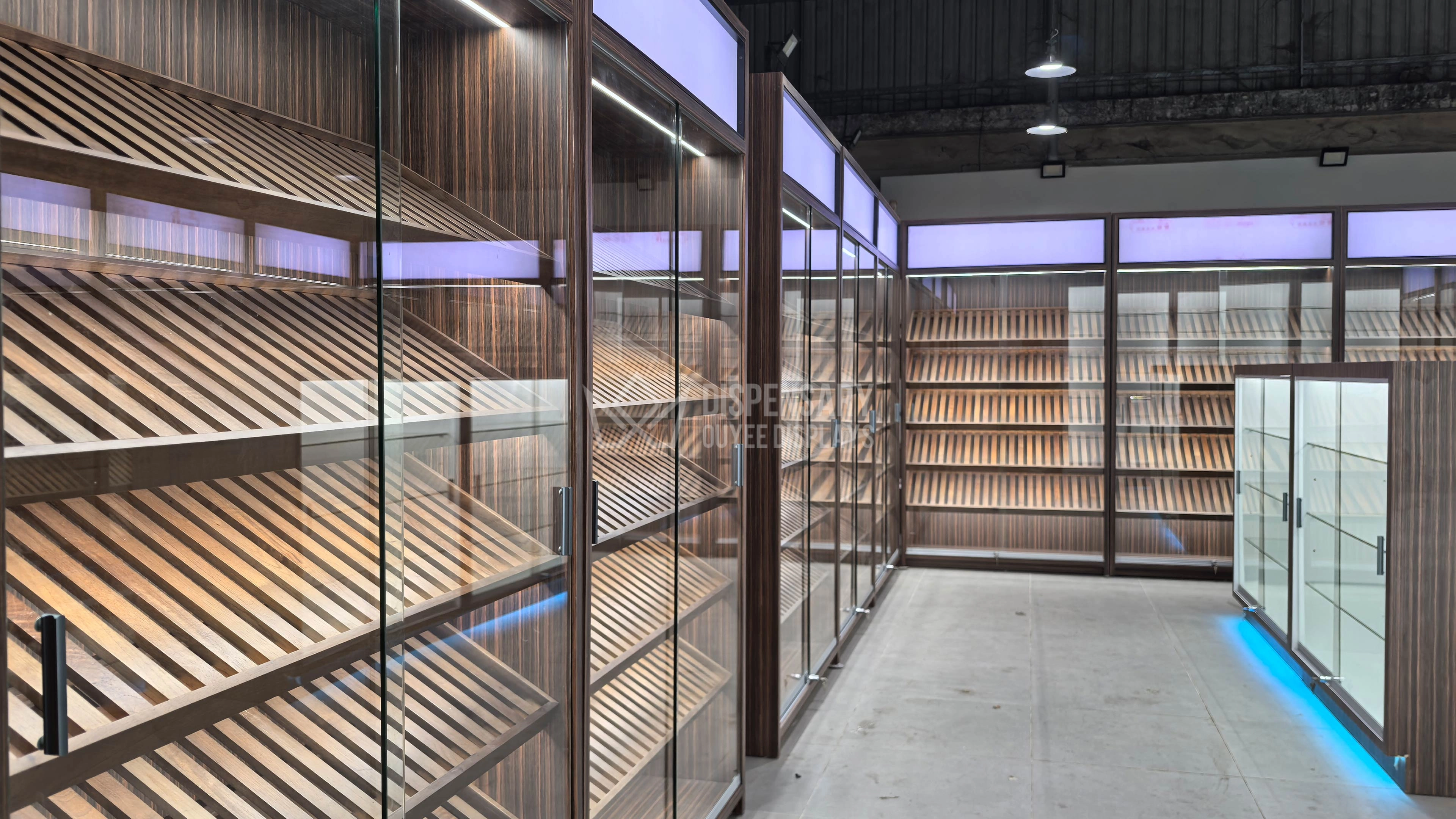
Customized Smoke Shop Showcase Cigarette Display Rack For Sale
Designed for professional tobacco retailers, this high-capacity display system features angled wooden shelving, glass-door cigar cabinets, and central LED-lit display counters. Combining function and style, it’s ideal for shops offering cigarettes, cigars, and other tobacco products, and is ready for use in premium indoor retail spaces or walk-in humidors.
Let's get in touch

Email: gzouyeedisplay@gmail.com
WhatsApp: +86 136 6049 7267
Ouyee Dispensary
Ouyee Dispensary
Ouyee Dispensary
Ouyee Dispensary