
Modular Cigarette Display Systems: Benefits and Uses
- Why Modular Displays Matter for Retailers
- Retail context and business drivers
- Market scale and relevance
- Semantic keywords in context
- Design and Functional Benefits of Modular Cigarette Display Systems
- Flexibility and configurability
- Aesthetics, branding, and merchandising
- Space efficiency and inventory visibility
- Security, Compliance and Loss Prevention
- Locking, materials and deterrence
- Regulatory compliance and age-restricted merchandising
- Measured impact: security features vs. shrinkage
- Selecting and Implementing a Modular System
- Assessing needs: SKU mix, store size, and compliance
- Cost, ROI, and lifecycle considerations
- Implementation roadmap
- Comparisons: Modular vs Traditional Fixed Fixtures
- Technical Considerations and Add-Ons
- Lighting, signage and digital integration
- Materials and manufacturing quality
- Security technologies
- Case Study: Typical ROI Calculation (Example)
- Ouyee Dispensary Displays — Partner Profile
- Implementation Checklist and Best Practices
- Pilot, measure, scale
- Training and SOPs
- Maintenance and lifecycle management
- FAQ
- 1. What is a modular cigarette display system?
- 2. How do modular systems help prevent theft?
- 3. Are modular displays compliant with age-restricted product regulations?
- 4. Can modular systems support new product formats such as disposable vapes or CBD items?
- 5. What is the expected payback period for modular systems?
- 6. How do I choose a supplier?
Summary for indexing: Modular cigarette display systems are configurable retail fixtures designed to showcase, secure, and manage tobacco and nicotine products across different store footprints and regulatory environments. They improve merchandising flexibility, reduce installation time, enhance security and compliance, and enable scalable point-of-sale strategies that meet local laws and consumer demand. This guide explains uses, design choices, measurable benefits, and implementation steps for retail operators and specifiers.
Why Modular Displays Matter for Retailers
Retail context and business drivers
Retailers selling tobacco products face multiple pressures: shifting regulations, theft and shrinkage, evolving product formats (e-cigarettes, heated tobacco, disposable vapes), and the need to differentiate visually at point-of-sale. A well-designed retail cigarette display reduces friction at checkout, supports product segmentation (High Quality vs. budget), and optimizes shelf capacity without custom carpentry for every store.
Market scale and relevance
Tobacco and nicotine products remain a significant retail category globally — the World Health Organization estimates over 1.3 billion tobacco users worldwide (WHO: Tobacco fact sheet). Even as public health policies evolve, the category persists in many markets and demands professional merchandising solutions that balance visibility with regulatory compliance.
Semantic keywords in context
Throughout this guide you will find related terms useful for planning and procurement: cigarette display cases, tobacco display racks, dispensary fixtures, secure display cabinets, point-of-sale displays, modular display systems, and lockable showcases. These terms reflect buyer intent when searching for solutions to improve their retail cigarette display performance.
Design and Functional Benefits of Modular Cigarette Display Systems
Flexibility and configurability
Modular systems are built from standardized components (modules, shelves, frames, lockable fronts, lighting units) that can be combined to suit different store widths and product assortments. This modularity supports quick reconfiguration — for seasonal promotions, new product launches such as e-cigarettes or CBD products, or layout changes following local regulations.
Aesthetics, branding, and merchandising
Good design improves product discoverability and supports brand identity. Modular units allow consistent brand treatments — finishes, LED lighting, and graphic panels — across hundreds of locations without bespoke cabinetry. That consistency helps build customer recognition and supports High Quality merchandising zones within a smoke shop or pharmacy.
Space efficiency and inventory visibility
Compared with ad-hoc shelving, modular cigarette display systems maximize face-out space and make stock levels easier to audit visually. Properly dimensioned cigarette display cases reduce overstocking behind the counter, shorten pick times at POS, and can integrate inventory tracking devices such as RFID or barcode windows for faster cycle counts.
Security, Compliance and Loss Prevention
Locking, materials and deterrence
Theft and shrinkage are major concerns for tobacco retailers. Modular displays commonly integrate lockable glass or metal fronts, tamper-proof hinges, and anchoring points. High-security options may include tempered glass, UV-proof coatings, and reinforced frames. These design choices act as both physical and visual deterrents.
Regulatory compliance and age-restricted merchandising
Many jurisdictions mandate that tobacco products be kept out of open customer reach or behind the counter. Modular systems can be specified to meet these legal requirements while maintaining merchandising effectiveness. For example, lockable modules with clear sightlines allow product visibility for staff verification while preventing unauthorized access.
Measured impact: security features vs. shrinkage
Industry surveys show that secure display strategies, combined with staff training and electronic article surveillance (EAS), materially reduce shrinkage. For broader retail crime trends and mitigation approaches, see the National Retail Federation research on retail crime and loss prevention (NRF: Retail crime).
Selecting and Implementing a Modular System
Assessing needs: SKU mix, store size, and compliance
Start with a SKU analysis: count product widths, packaging types (cigarette soft pack vs. carton vs. e-cigarette boxes), and seasonal SKU spikes. Match module heights and shelf depths to your most common SKUs to minimize dead space. Include compliance checks for local age-restricted product rules as part of the selection criteria.
Cost, ROI, and lifecycle considerations
Upfront costs for modular systems typically are higher than basic shelving but lower than custom cabinetry over a multi-store rollout. Measure ROI by modeling reduced installation time, consistency in brand presentation, reduced shrinkage, and improved upsell rates from better merchandising.
Implementation roadmap
Typical rollout steps:
- Pilot one store with a complete module set and measure theft, sales per category, and staff feedback for 60–90 days.
- Refine module specs (height, locking type, lighting) and finalize procurement volumes.
- Use modular repeatability to speed installation across remaining stores; train staff on operation and product replenishment protocols.
Comparisons: Modular vs Traditional Fixed Fixtures
| Feature | Modular Cigarette Display | Traditional Fixed Fixture |
|---|---|---|
| Installation time | Fast; drop-in modules reduce onsite carpentry | Longer; often requires custom build and adjustments |
| Flexibility | High; reconfigurable for new SKUs and stores | Low; fixed dimensions limit reuse |
| Security options | Integrated lockable fronts, configurable security | Can be secure but customizations are costlier |
| Cost per store (scale) | Lower at scale due to standardized modules | Higher for multi-store rollouts requiring custom work |
| Brand consistency | High; same modules across locations | Variable; dependent on local builder skills |
Sources: practical manufacturing and retail fixture literature (see general reference on display cases: Display case — Wikipedia).
Technical Considerations and Add-Ons
Lighting, signage and digital integration
LED lighting increases perceived product quality and supports night/day lighting strategies. Integrated signage rails and digital price tags or small displays allow dynamic pricing and promotions. Digital shelf-edge displays and QR-enabled product detail tags can be incorporated into modular fronts.
Materials and manufacturing quality
Choose materials for durability in a high-touch environment: powder-coated metal frames, tempered or laminated glass, anti-fingerprint finishes, and robust locking hardware. Higher initial build quality reduces total cost of ownership across many store cycles.
Security technologies
Optional integrations include electronic locks, EAS sensors, RFID or barcode windows for inventory checks, and CCTV mounting points. Combining physical deterrents with electronic monitoring provides multilayered protection.
Case Study: Typical ROI Calculation (Example)
Example assumptions for a 10-store rollout:
- Modular kit cost per store: $6,000
- Traditional custom cabinetry per store: $10,000
- Installation labor savings per store: $1,000
- Estimated shrinkage reduction per store per year: $2,500 (due to improved security)
10-store modular total cost: $60,000 vs custom $100,000. Payback period often driven by reduced shrinkage and faster installs; pilot measurements are recommended.
Ouyee Dispensary Displays — Partner Profile
Ouyee Dispensary Displays is your trusted partner for providing comprehensive, custom-designed display solutions for your cannabis retail store. Our state-of-the-art 180,000-square-foot facility, located in Guangzhou, China, has been at the forefront of creating high-end, functional display cabinets for over 25 years. From cannabis dispensaries to pharmacy showcases, tobacco display racks, and e-cigarette showcases, we have earned the trust of clients across various sectors.
With cutting-edge German-made CNC automation machining centers, Ouyee ensures top-notch quality in every product we produce. Our products are designed with a focus on aesthetics, functionality, and most importantly, security, durability, and usability. By continually pushing the boundaries of design and craftsmanship, we provide clients with display solutions that enhance brand identity. Our vision is to become the world's leading cannabis dispensary display manufacturer.
Ouyee core products include: cannabis display cases, CBD displays, dispensary displays, dispensary fixtures, smoke shop display cases, and Weed Dispensary display solutions. Learn more at https://www.ouyeedispensary.com/.
Implementation Checklist and Best Practices
Pilot, measure, scale
Run a controlled pilot with defined KPIs: shrinkage rate, sales per category, staff time to service displays, and customer feedback. Use results to refine module specs before a full rollout.
Training and SOPs
Develop standard operating procedures for restocking, locking/unlocking, cleaning, and incident reporting. Train staff on both security and merchandising best practices to maximize benefit from the modular system.
Maintenance and lifecycle management
Plan for spare modules, parts kits for locks and lights, and a lifecycle replacement schedule (e.g., repaint/refinish every 5–7 years) to sustain a High Quality presentation.
FAQ
1. What is a modular cigarette display system?
A modular cigarette display system is a set of standardized, interlocking display components (modules, shelves, lockable fronts, lighting) that can be combined and reconfigured to create customized cigarette display cases and tobacco display racks for retail environments.
2. How do modular systems help prevent theft?
They incorporate lockable fronts, reinforced materials, and options for electronic security (EAS, RFID). The visible security and physical barriers reduce opportunistic theft and make organized retail crime more difficult.
3. Are modular displays compliant with age-restricted product regulations?
Modular displays can be specified to meet local legal requirements for age-restricted products by using lockable modules, controlled sightlines, and secure storage behind the counter. Always verify local regulations and include compliance checks in procurement.
4. Can modular systems support new product formats such as disposable vapes or CBD items?
Yes. Because modules are configurable, you can specify shelf depths, insert dividers, and special holders for new formats. LED lighting and signage modules help differentiate new categories.
5. What is the expected payback period for modular systems?
Payback varies by retailer size and shrinkage reduction. Many retailers see payback within 12–36 months when considering reduced installation costs, lower shrinkage, and increased sales from improved merchandising. A pilot provides the most reliable estimate.
6. How do I choose a supplier?
Select a supplier with proven experience in tobacco and dispensary fixtures, reliable manufacturing quality, and the ability to deliver standard modules at scale. Facilities with advanced CNC and quality control (such as Ouyee's facility in Guangzhou) provide consistent results across rollouts.
If you need tailored modular solutions for your stores, contact Ouyee Dispensary Displays to discuss custom configurations, security options, and rollout planning. Visit https://www.ouyeedispensary.com/ to view products and request a consultation.
Contact us for a specification worksheet, pilot program pricing, and design mockups tailored to your retail cigarette display needs.
Designing Secure Custom Display Cases for Dispensaries
Custom integrated cbd Manufacturers and Suppliers
Everything You Need to Know About smoke shop design ideas
Modern Smoke Shop Design: Elevate Your Retail Space with Ouyee Dispensary Displays
Trendy Custom E Cigarette Display Rack Cbd Shop Displays Solutions
Can the color of the LED be changed?
Yes, we offer multiple LED options such as blue, white, red, and RGB, all customizable to your brand.
Custom Hookah Lounge Furniture Commercial Grade Seating Manufacturer
How is the furniture shipped?
All products are shipped fully assembled, securely wrapped with foam and wood crates to prevent damage.
Wooden Marihuana Dispensary Shelves Cannabis Display Case Manufacturer
What’s the production lead time?
Standard manufacturing takes around 4 weeks. Shipping (by sea) takes an additional 4–6 weeks depending on location.
OEM ODM Dispensary Showcase Counters Display Fixtures For Cannabis
How are the display counters shipped?
Due to their size and structure, the counters are shipped by sea. Estimated delivery time is 4–6 weeks depending on destination and order volume.
Wholesale Hookah Lounge Furniture Bulk Modern Sofa Table Sets
How do you ensure furniture won’t be damaged during shipping?
All items are shipped fully assembled, foam-wrapped, and packed in custom-sized wooden crates to prevent movement and breakage during transit.
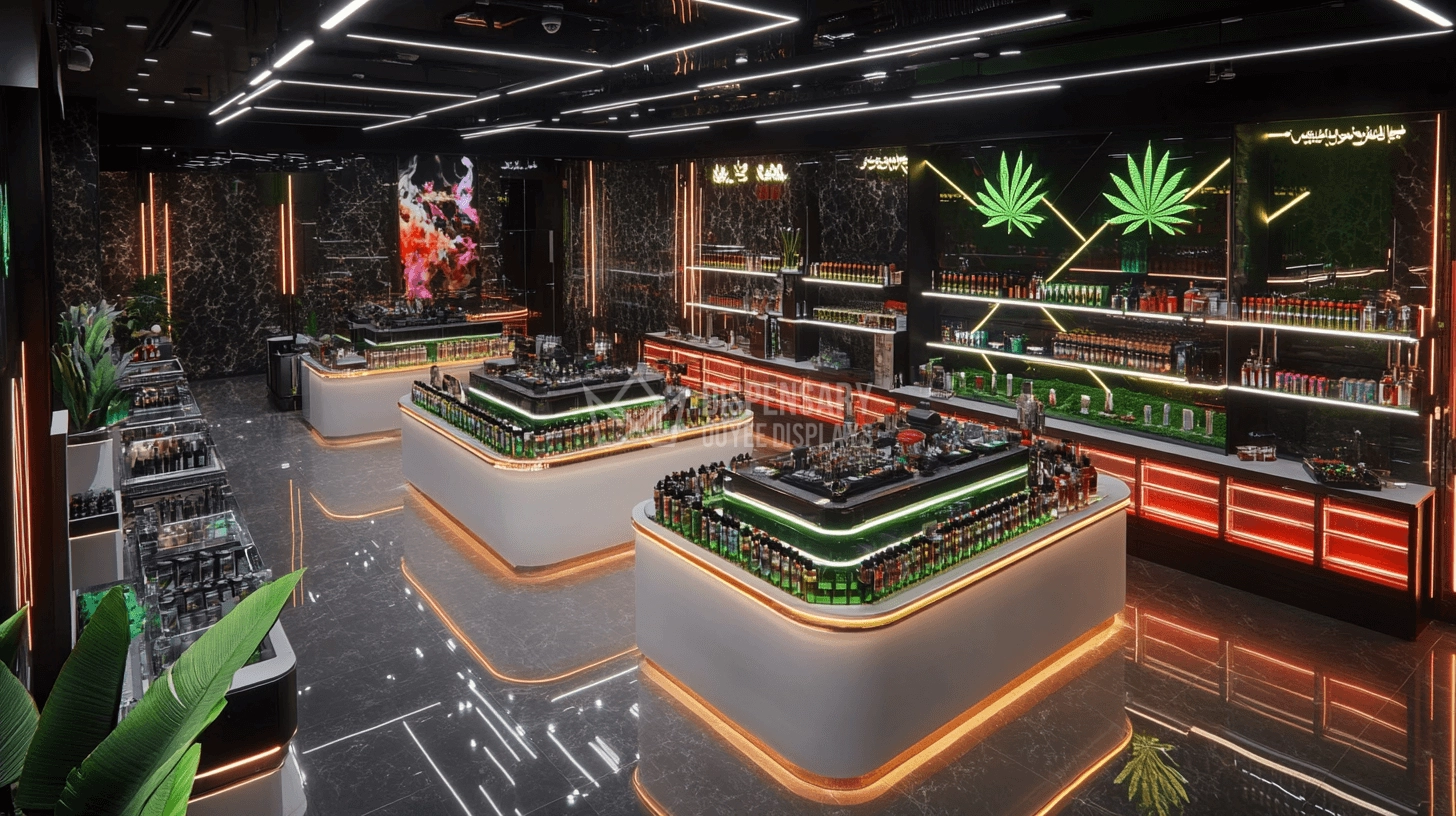
OEM ODM Dispensary Display Showcases Retail Design Cannabis Stores
Explore cutting-edge display showcase solutions for cannabis stores, combining modern retail design with high-end, customizable dispensary furniture.
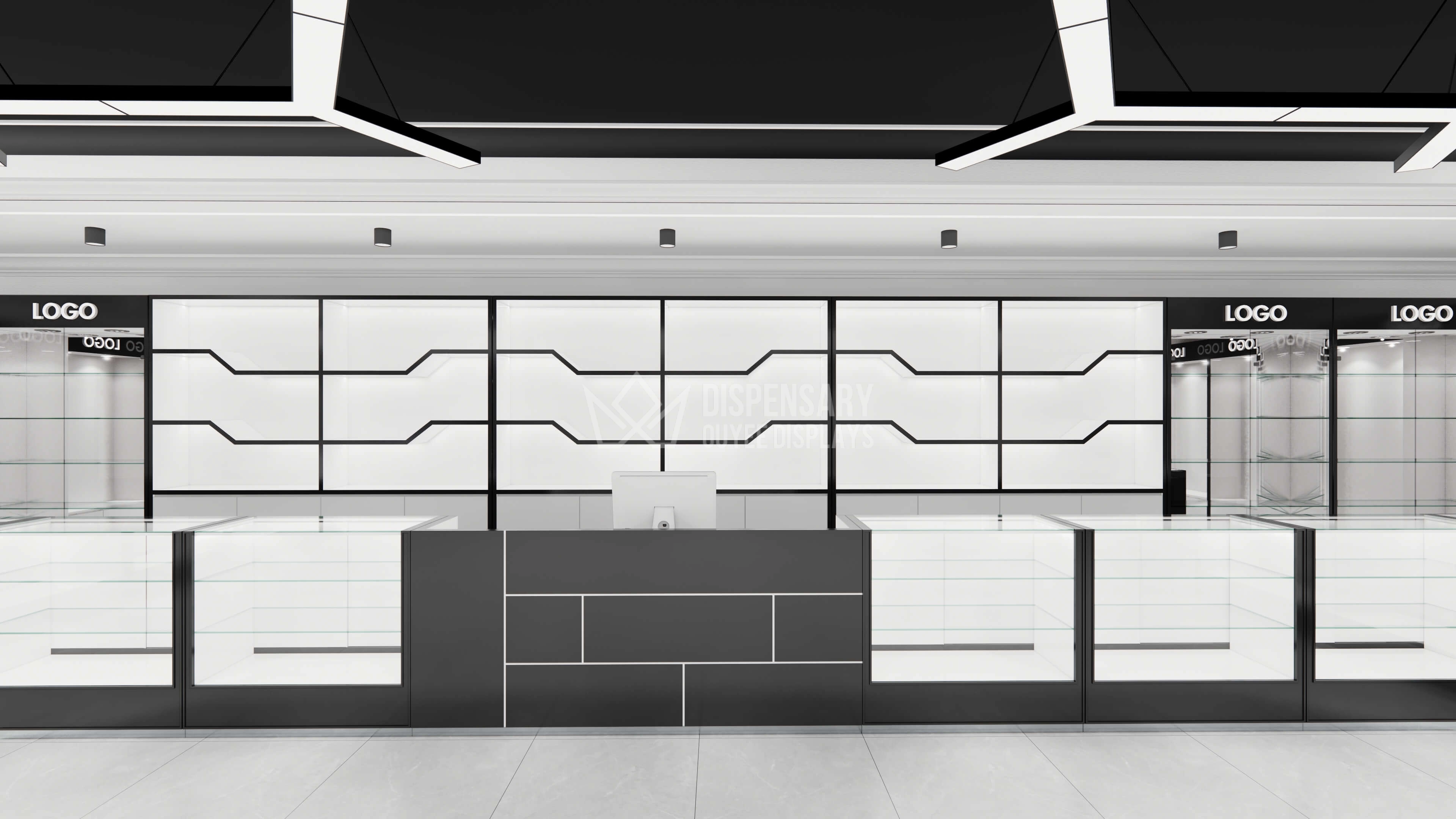
Tempered Glass Vape Shop Fixtures CBD Retail Displays Solutions
High-end CBD retail display fixtures with tempered glass and modular cabinets. Designed for vape shops prioritizing sleek style, product visibility, and premium customer experience.
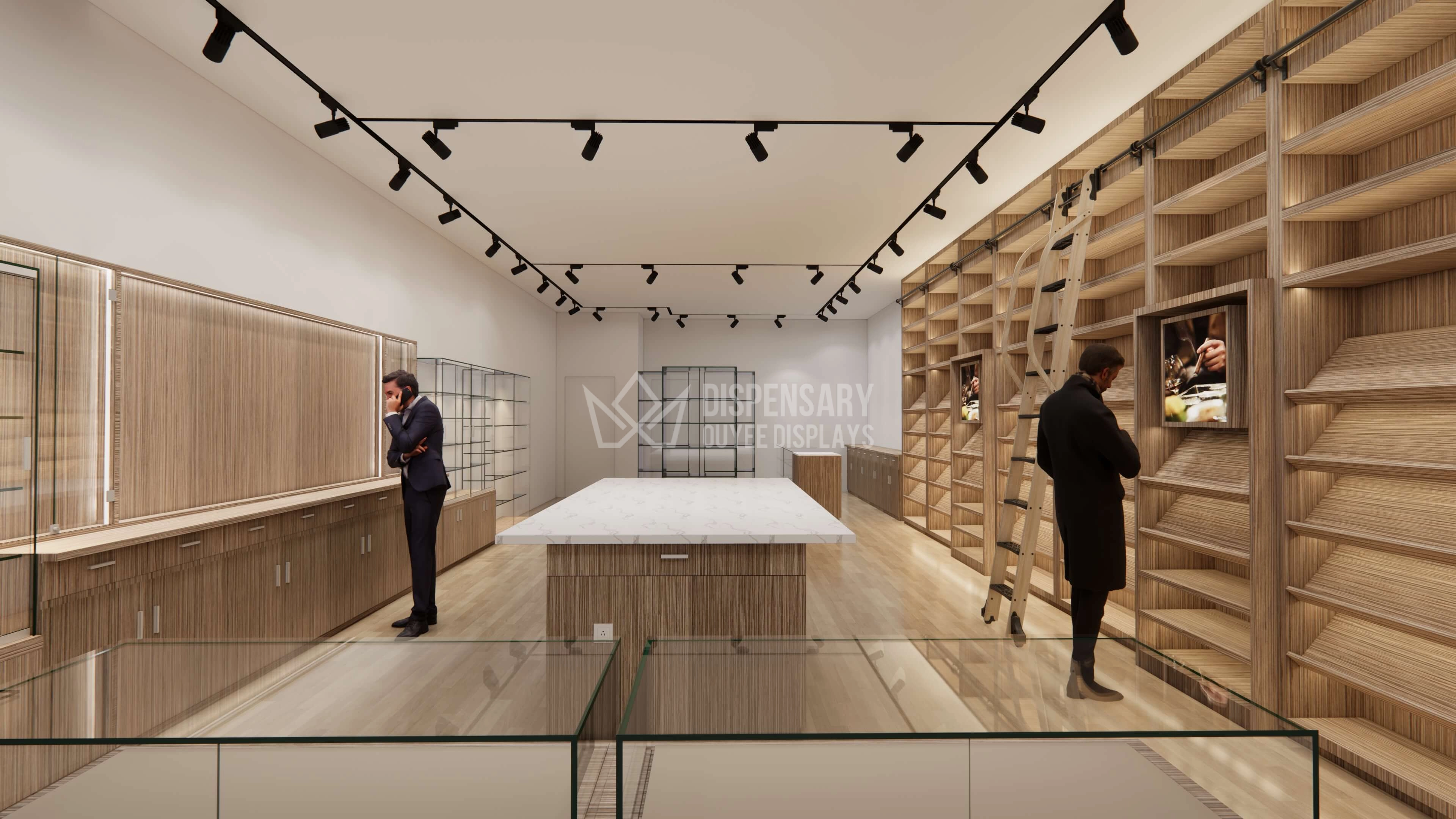
Customized Wooden Cigarette And Tobacco Fixtures Smoke Shop Display Cases
Elegant and highly functional, these custom wooden display fixtures are crafted for smoke shops needing a professional, organized and modular shelving solution. Featuring warm wood grain, integrated lighting, and custom shelving depths, this solution is ideal for showcasing cigarettes, cigars, pipe tobacco, and accessories in a premium atmosphere.
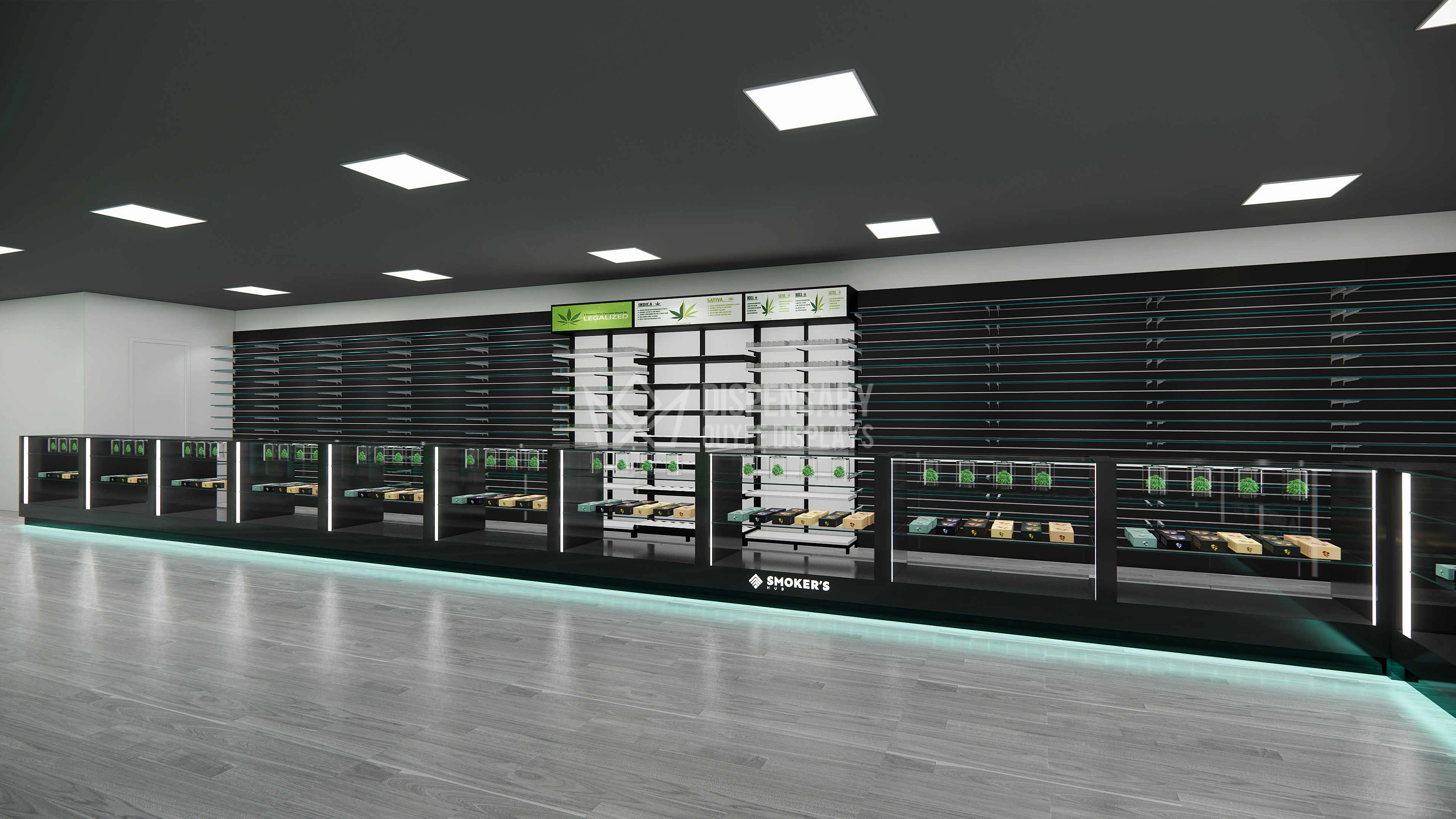
Custom 3D Design Tempered Glass CBD Product Displays Solutions
Elevate your vape or CBD retail space with our custom-designed tempered glass display fixtures. Featuring 3D visual design, integrated lighting, and modular shelving systems, our solutions combine modern aesthetics with commercial-grade durability—ideal for showcasing vape cartridges, oils, accessories, and CBD products in premium retail environments.
Let's get in touch

Email: gzouyeedisplay@gmail.com
WhatsApp: +86 136 6049 7267
Ouyee Dispensary
Ouyee Dispensary
Ouyee Dispensary
Ouyee Dispensary