
Designing Secure Custom Display Cases for Dispensaries
- Security-first Principles for Retail Displays
- Understanding regulatory requirements and local rules
- Risk assessment and asset protection
- Design for loss prevention without compromising sales
- Materials, Locks and Construction Techniques
- Comparing materials: glass, acrylic, and metal
- Locking mechanisms, alarms and integration
- Construction details that matter
- Designing for Compliance, Usability and Brand Experience
- Choosing the right form factor: countertop, wall, or freestanding
- Lighting, visibility and product presentation
- Accessibility, ergonomics, and staff workflows
- Prototyping, Testing and Long-term Maintenance
- Prototyping and precision fabrication
- Testing for security and durability
- Maintenance schedules and replacement parts
- How I Choose a Manufacturing Partner (and Why Ouyee Stands Out)
- What I look for in a vendor
- Ouyee Dispensary Displays: capabilities and differentiators
- Comparing a specialist vendor vs. general contractor
- Implementation Checklist: From Spec to Store
- Pre-production checklist
- Installation and commissioning
- Operational best practices
- Frequently Asked Questions (FAQ)
- 1. What makes a display case secure for a dispensary?
- 2. Are electronic locks better than mechanical locks?
- 3. How do I balance product visibility with theft prevention?
- 4. What maintenance do custom dispensary display cases require?
- 5. How long does it take to design and produce custom cases?
- 6. Can I retrofit existing cases for better security?
- Contact and Next Steps
I design and advise on retail fixtures every day, and when it comes to cannabis retail, security and presentation are inseparable. This article distills my hands-on experience in developing custom dispensary display cases that meet regulatory expectations, deter theft, optimize staff workflows, and elevate the brand experience. I focus on verifiable standards, reliable materials, tested locking and alarm integrations, and practical trade-offs you’ll face when specifying fixtures for a dispensary environment.
Security-first Principles for Retail Displays
Understanding regulatory requirements and local rules
Before selecting a single material or lock, I start by mapping applicable regulations. Many jurisdictions publish explicit security rules for cannabis retail operations—California’s Department of Cannabis Control provides guidance on inventory and security systems, for example (cannabis.ca.gov). These rules influence display case placement, allowed locking mechanisms, surveillance camera sightlines, and alarm integration. Failing to align displays with local rules can lead to operational delays or fines.
Risk assessment and asset protection
I perform basic risk assessments for every client: item value, theft vectors (grab-and-run vs. substrate theft), foot traffic patterns, and staff handling frequency. The assessment determines if product should be in a locked display with limited access, a behind-the-counter cabinet, or a refrigerated vault. In my experience, higher-value concentrates and limited-edition products require the tightest control—often enclosed, locked display cases integrated with the POS and alarm systems.
Design for loss prevention without compromising sales
Security is most effective when unobtrusive. I design cases that maintain visibility and aesthetics while incorporating anti-theft features such as tamper-resistant fasteners, internal lockable trays, and one-way access panels for staff. The goal is to let customers see and be enticed by the product while keeping actual access controlled and monitored.
Materials, Locks and Construction Techniques
Comparing materials: glass, acrylic, and metal
Selecting materials is a balance of visibility, strength, weight, and cost. Tempered glass offers excellent clarity and scratch resistance; acrylic (PMMA) is lighter and shatter-resistant but scratches more easily (Acrylic / PMMA). Powder-coated steel or aluminum frames provide structural integrity and anchor points for security hardware. I typically specify laminated or tempered glass for showcase fronts and metal reinforcement around lock zones to resist prying attempts.
| Material | Visibility | Security | Weight | Typical Use |
|---|---|---|---|---|
| Tempered/Laminated Glass | Excellent | High (when laminated) | Heavy | Front panels for High Quality cases |
| Acrylic (PMMA) | Very good | Moderate (impact resistant) | Light | Portable displays, variable shapes |
| Steel / Aluminum | N/A | Structural support | Medium to heavy | Frames, lock housings |
Locking mechanisms, alarms and integration
Locks range from mechanical cam locks to electronic deadbolts and RFID- or PIN-controlled systems tied to the POS. I favor electronic locks with audit trails for high-value inventory because they record access events and can integrate with alarm systems. For alarm and sensor standards, I refer to Underwriters Laboratories guidance and industry best practices (UL), and I ensure all wiring and sensors are concealed in tamper-resistant channels.
Construction details that matter
Small details multiply risk or resilience. I use concealed hinges that resist removal, bonded glass-to-metal joints to prevent prying, and internal anchor plates that distribute force. For modular displays, connection fittings should be flush and lockable. I also specify fasteners that require unique bits to remove—standard hex or Phillips screws are too easily undone in the field.
Designing for Compliance, Usability and Brand Experience
Choosing the right form factor: countertop, wall, or freestanding
Form factor affects both customer interaction and security. Countertop cases are ideal for frequent staff access and impulse purchases; wall-mounted showcases maximize wall real estate and sightlines; freestanding islands work well in larger retail spaces. My rule: high-theft or controlled items go behind-the-counter or in lockable displays within sight of staff at all times.
Lighting, visibility and product presentation
LED lighting enhances product visibility without adding heat that degrades flower quality. I specify diffused LEDs and light baffles to avoid hotspots and glare that frustrate camera-based monitoring. Good lighting increases conversion; pairing it with organized trays and clear labeling reduces handling time and thus theft opportunity.
Accessibility, ergonomics, and staff workflows
Displays must support efficient staff workflows. I design internal trays, slide-out drawers, and indexed inventory slots so staff can pick items quickly without exposing other products. ADA considerations also apply—clearance, counter heights, and reach ranges should comply with accessibility requirements (ADA).
Prototyping, Testing and Long-term Maintenance
Prototyping and precision fabrication
Prototypes validate ergonomics and security before full production. I use CNC-fabricated prototypes to ensure tight tolerances—especially around lock housings and hinge placements. Manufacturing quality is governed by standards such as ISO 9001, and I expect vendors to operate under a certified quality management system to reduce defects (ISO 9001).
Testing for security and durability
Tests should include forced-entry resistance checks, hinge and lock cycle counts (to simulate years of use), and vibration/transport tests if units are moved. I track metrics such as lock actuation failure rate and glass scratch tolerance to establish warranty terms and maintenance intervals. Where available, third-party testing per ASTM or other relevant standards adds credibility to product claims.
Maintenance schedules and replacement parts
Durable design includes maintainability. I specify maintenance plans with regular hinge lubrication, lock inspection, and LED checks. For multi-location retailers, having spare lock cylinders, replacement glass panels, and a documented spare-parts BOM reduces downtime. I also advise clients to record access logs and to reconcile them with inventory audits.
How I Choose a Manufacturing Partner (and Why Ouyee Stands Out)
What I look for in a vendor
When partnering with a manufacturer, I evaluate facility scale, manufacturing precision, quality management, lead times, and the ability to solve compliance-related issues. I also consider geographic logistics for shipping and after-sales support. Proven experience in dispensary fixtures, medical displays, or tobacco cabinets is a strong indicator that the supplier understands the security and regulatory nuances of cannabis retail.
Ouyee Dispensary Displays: capabilities and differentiators
In my work with display manufacturers, I’ve found Ouyee Dispensary Displays to be a reliable partner for custom dispensary display cases. Ouyee operates a 180,000-square-foot facility in Guangzhou, China, with over 25 years of experience producing high-end, functional display cabinets. They use German-made CNC automation machining centers to achieve tight tolerances and consistent quality across runs. Ouyee’s breadth—serving cannabis dispensaries, pharmacy showcases, tobacco display racks, and e-cigarette showcases—means they can apply cross-sector manufacturing best practices to cannabis fixtures.
Ouyee focuses on aesthetics, functionality, and security: reinforced frames, tamper-resistant fasteners, integrated electronic locking and alarm channels, and modular designs that fit multiple retail formats. Their stated vision is to become the world’s leading cannabis dispensary display manufacturer, and their scale allows for competitive pricing without sacrificing quality. Learn more at ouyeedispensary.com.
Comparing a specialist vendor vs. general contractor
Below I summarize key differences I consider when choosing between a specialist like Ouyee and a general woodshop or local fabricator.
| Feature | Specialist Manufacturer (e.g., Ouyee) | General Fabricator |
|---|---|---|
| Experience with dispensaries | High | Variable |
| Quality control (ISO/automation) | Robust (CNC, QC processes) | Dependent on shop |
| Security-focused features | Integrated by design | Often add-on |
| Scale and lead time | Faster for large runs | Better for one-offs |
Implementation Checklist: From Spec to Store
Pre-production checklist
- Regulatory review: confirm local security/labeling rules (CA DCC or your state regulator).
- Risk assessment and product classification (flower, vape, edibles, concentrates).
- Material and lock selection with vendor sign-off.
- Prototype and ergonomic review on-site.
Installation and commissioning
- Coordinate with alarm and camera vendors so sightlines and sensor placements are finalized before fixtures are set.
- Commission electronic locks and enroll access codes, PINs or RFID credentials.
- Run a test period and review access logs against inventory reconciliations.
Operational best practices
- Limit keys and access credentials; log issuance.
- Schedule periodic audits and maintenance; replace worn components promptly.
- Train staff on handling protocols that minimize open-case time.
Frequently Asked Questions (FAQ)
1. What makes a display case secure for a dispensary?
A secure case combines robust materials (laminated or tempered glass, reinforced metal frames), tamper-resistant fasteners, reliable locking mechanisms (preferably electronic with audit trails), and integration with alarms and camera systems. Proper placement and staff procedures are equally important.
2. Are electronic locks better than mechanical locks?
Electronic locks offer auditability and can be integrated with alarm and POS systems, which is a major advantage for high-value inventory. Mechanical locks are simpler and less expensive but lack access logs. I typically recommend electronic locks for High Quality or high-risk products.
3. How do I balance product visibility with theft prevention?
Use clear, high-quality glazing (tempered or laminated glass) for visibility while placing the product behind a lock or in internal trays. Lighting and organization reduce handling time and help staff serve customers quickly—this reduces theft opportunity without compromising display appeal.
4. What maintenance do custom dispensary display cases require?
Regular maintenance includes inspecting locks and hinges, cleaning lighting fixtures, checking sensor and alarm connections, and replacing worn seals or gaskets. I recommend quarterly inspections and an annual full service for high-traffic locations.
5. How long does it take to design and produce custom cases?
Timeline depends on complexity and quantity. A simple custom countertop case can move from design to shop-ready prototype in 4–6 weeks; full production runs and international shipping add time. Partnering with a facility that uses CNC automation and has production capacity can shorten lead times.
6. Can I retrofit existing cases for better security?
Yes—many cases can be retrofitted with reinforced lock housings, internal anchor plates, concealed fasteners, and integrated sensors. However, retrofits are sometimes limited by existing construction; I often recommend prototyping a retrofit before committing to wide-scale changes.
Contact and Next Steps
If you’re specifying custom dispensary display cases and need a partner who understands security, aesthetics, and scale, I recommend evaluating manufacturers with demonstrated cannabis experience. Ouyee Dispensary Displays is one such partner—offering custom cannabis display cases, CBD displays, dispensary displays, dispensary fixtures, smoke shop display cases, and Weed Dispensary display solutions from their Guangzhou facility. Visit https://www.ouyeedispensary.com/ to view product ranges or contact their team for a consultation. I’m also available to help you draft specifications, perform risk assessments, or review vendor proposals—reach out to discuss your project and get a tailored plan that balances security, compliance, and retail performance.
Top cannabis display cases canada Manufacturers and Suppliers
Design Ideas for Custom Dispensary Display Cases That Sell
How to Open a Dispensary in Atlanta: A Comprehensive Guide
Dispensary Counter Display Ideas for Pre-Rolls and Tinctures
E Cigarette Display Rack Fabrication Custom Modular Vape Stands
Can the shelving system be adjusted for different box sizes?
Yes, each shelf uses a slotted aluminum support rail, making height adjustments fast and tool-free.
Build a Dispensary
Are the dispensary displays secure?
Yes, all our displays are designed with security in mind. We offer lockable cabinets, reinforced glass, and hidden compartments to ensure your high-value products remain secure.
Aegis Security Checkout Display
Do you offer installation services overseas?
We provide pre-assembled modules, detailed instructions, and video guides. Installation support is also available on request.
Professional 3D Design Tempered Glass Tobacco Fixture Manufacturer
Is the glass safe in high-traffic environments?
Absolutely. We use 8mm tempered safety glass, which is heat- and impact-resistant.
OEM ODM Dispensary Display Showcases Retail Design Cannabis Stores
Can I customize the LED color and brightness?
Yes, RGB lighting can be fully customized to match brand tones.
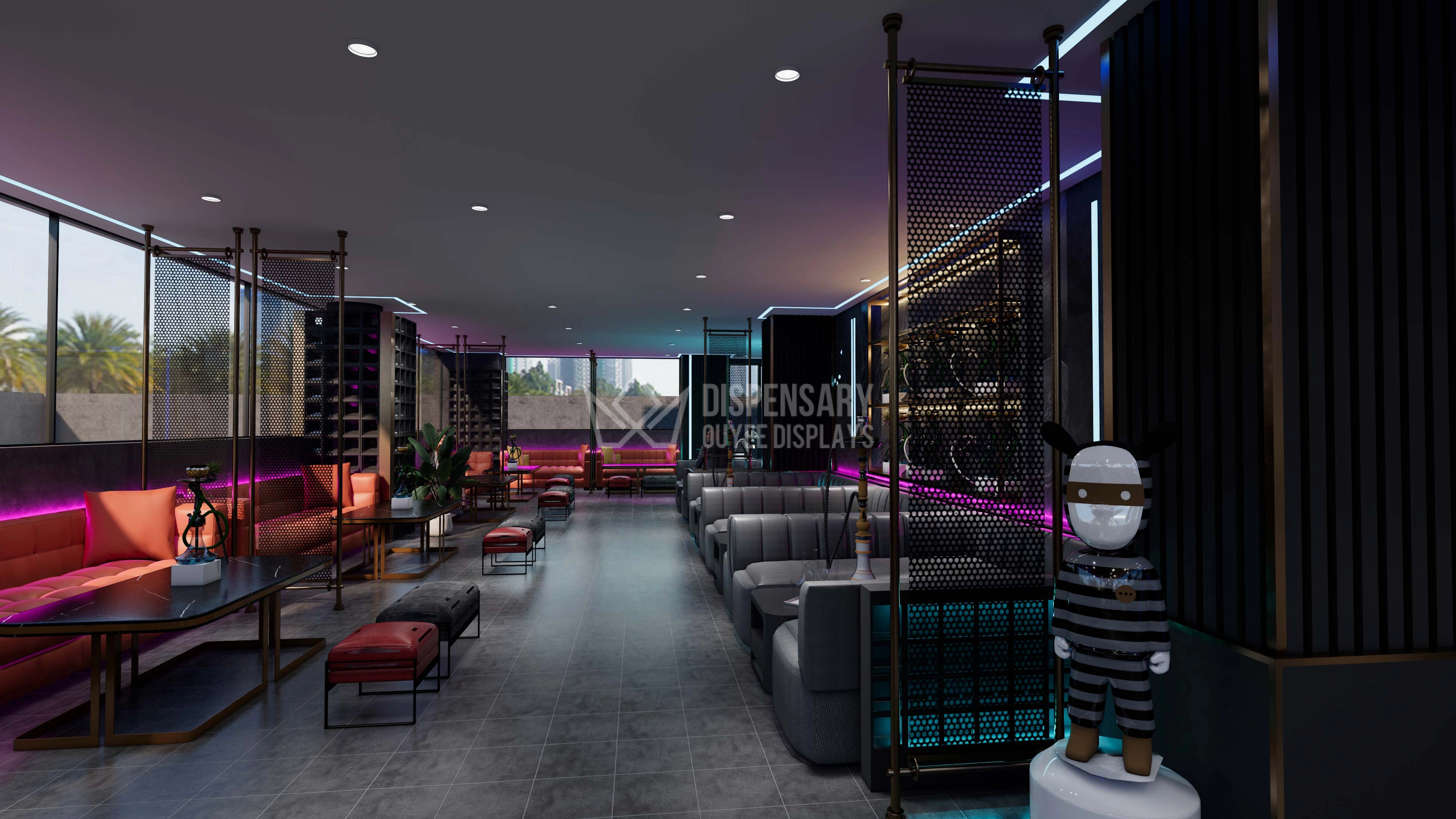
Customized Wholesale Hookah Lounge Furniture For Sale
Elevate your lounge experience with our premium customized hookah lounge furniture, designed for modern aesthetics and maximum comfort. With a strong emphasis on privacy, atmosphere, and luxury, our modular sofa systems, LED accents, and functional shisha setups are tailored to transform any space into a high-end smoking destination. Ideal for lounges, nightclubs, or upscale cafes seeking a bold, unified interior identity.
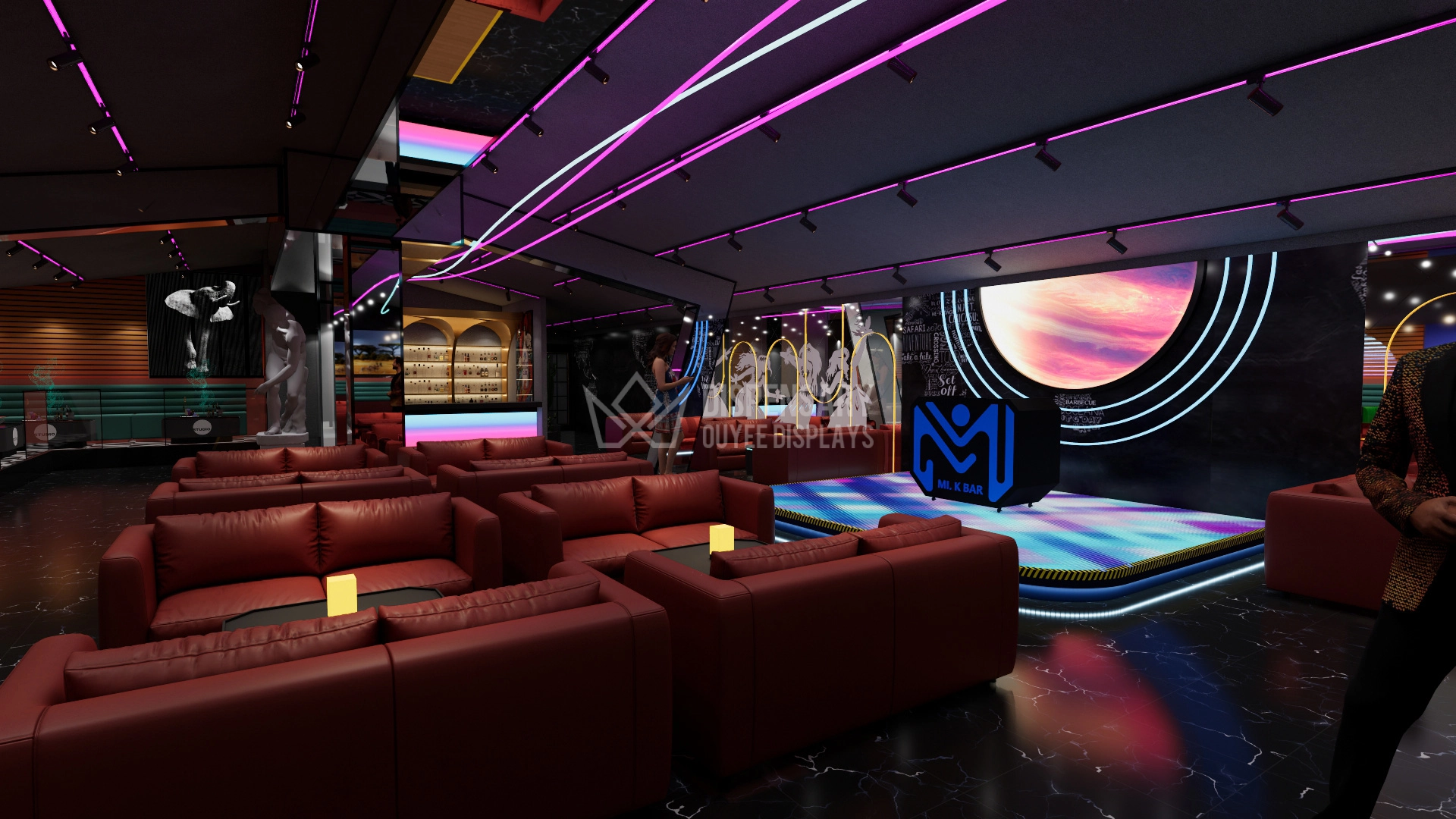
Commercial Durable Hookah Furniture Bulk Modular Layout for Modern Lounges
This modular hookah lounge furniture is designed for modern bars, lounges, and clubs that demand both luxury and functionality. With bold lighting, ergonomic seating, and customizable modules, it provides a versatile, durable, and aesthetically powerful solution for high-end hookah venues. Perfect for creating a visually immersive atmosphere that enhances customer satisfaction and retention.
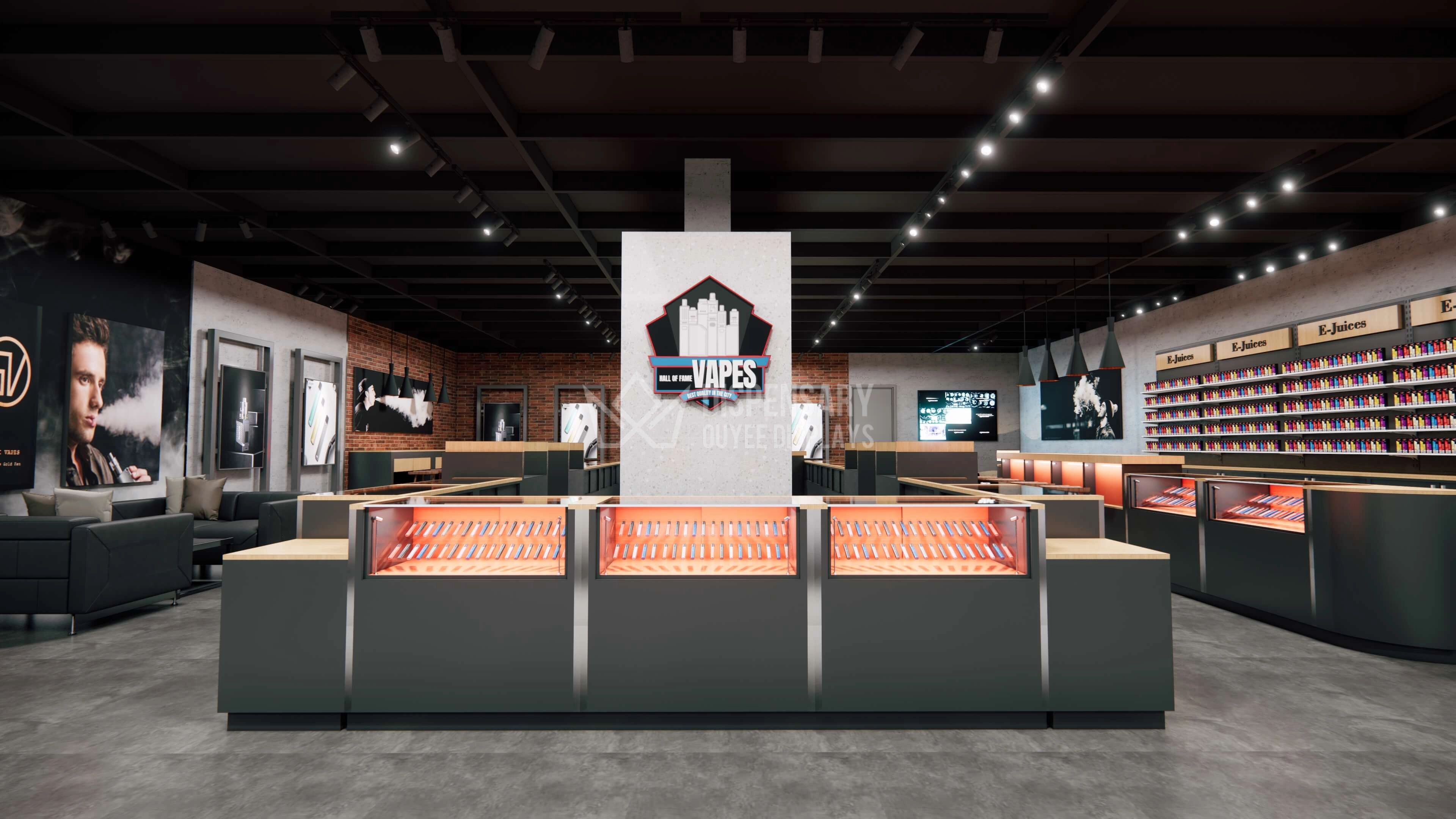
Custom Dispensary Display Design Services Modular Retail Solutions
Our Custom Dispensary Display Design Services specialize in creating unique, modular retail solutions tailored to your business needs. Whether you're showcasing tobacco products, e-liquids, or other retail items, our designs ensure maximum product visibility, security, and customer engagement. We combine high-end materials with flexible layouts, optimizing your store’s space while creating an upscale and professional atmosphere. From custom-built display units to comprehensive store design, our solutions are made to boost your retail environment’s functionality and aesthetic appeal.
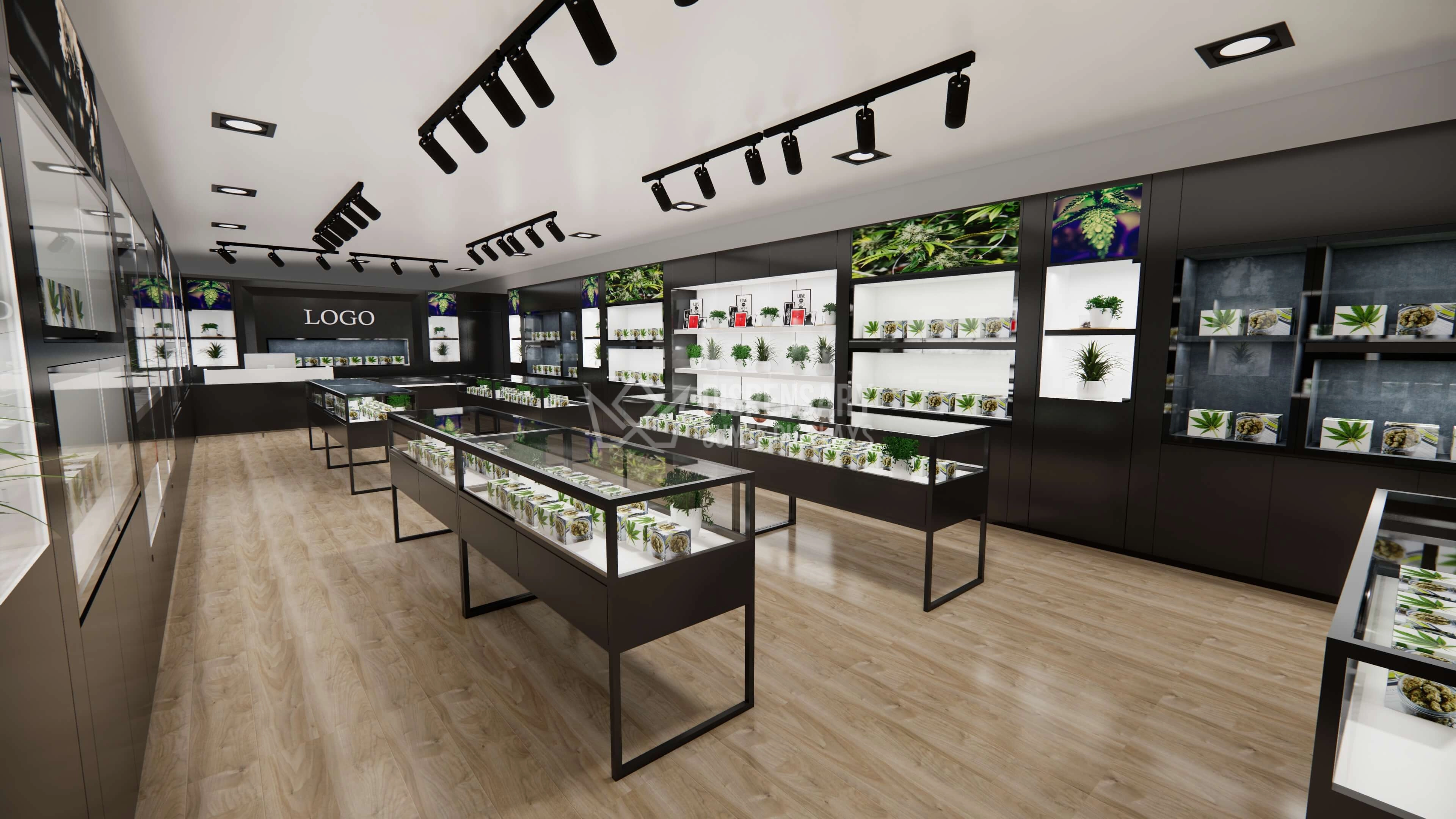
OEM ODM Dispensary Showcase Counters Display Fixtures For Cannabis
Sleek, secure, and fully customizable — our OEM/ODM dispensary counters redefine how cannabis is displayed in retail environments, merging form and function seamlessly.
Let's get in touch

Email: gzouyeedisplay@gmail.com
WhatsApp: +86 136 6049 7267
Ouyee Dispensary
Ouyee Dispensary
Ouyee Dispensary
Ouyee Dispensary