
Design Ideas for Custom Dispensary Display Cases That Sell
- Understanding Customer Behavior in Cannabis Retail
- 1. The path to purchase for cannabis customers
- 2. Visual cues that reduce uncertainty
- 3. Local and cultural considerations
- Design Principles for custom dispensary display cases
- 1. Hierarchy, zoning and wayfinding
- 2. Balancing aesthetics and functionality
- 3. Lighting, color and product staging
- Material, security and lighting: Technical considerations
- 1. Choosing glazing and case materials
- 2. Security systems and compliance
- 3. Comparative table: glazing and lock options
- Prototyping, compliance and partnering with manufacturers
- 1. Rapid prototyping and user testing
- 2. Compliance, labeling and inventory workflows
- 3. Choosing a manufacturing partner: why it matters
- 4. Why Ouyee Dispensary Displays
- Implementation checklist and maintenance
- 1. Pre-install checklist
- 2. Post-install maintenance plan
- 3. Measuring success
- Frequently Asked Questions (FAQ)
- 1. What materials are best for long-lasting dispensary display cases?
- 2. How do I balance security with customer visibility?
- 3. Are electronic locks necessary for dispensaries?
- 4. How much does a custom dispensary display case cost?
- 5. How do I ensure displays meet regulatory requirements?
- 6. Can displays be upgraded over time?
As someone who has designed and advised on hundreds of cannabis retail environments, I know that custom dispensary display cases do more than hold product: they shape trust, guide purchase decisions, and protect high-value inventory. For and location-aware search, I design displays that consider foot traffic flow, local compliance, and cultural preferences, ensuring your retail fixtures are optimized for the market you serve.
Understanding Customer Behavior in Cannabis Retail
1. The path to purchase for cannabis customers
Customers in cannabis retail move through an elevated decision journey compared to many other retail categories: research, trust-building (identification of certified products and clear labeling), tactile experience (visual inspection even if products are behind glass), and finally purchase. In my experience, display cases that present clear product hierarchy—top sellers, new arrivals, and High Quality lines—help reduce decision friction and boost average basket size.
2. Visual cues that reduce uncertainty
Security and transparency are paramount. Clear sightlines, consistent lighting, and legible labeling alleviate concerns about authenticity and potency. Studies in visual merchandising indicate that product visibility and structured presentation increase conversion; for regulated products like cannabis, an emphasis on informative labeling (lab results, batch numbers) within displays builds credibility. See the industry association resources for retail best practices at National Cannabis Industry Association for standards and advocacy information.
3. Local and cultural considerations
Behavior differs by locale: an urban boutique in a mature market will expect high-design showcases and High Quality materials, while a newer market may prioritize education-focused displays and budget-friendly fixtures. For optimization, I always map display concepts to local demographics, competitors, and footfall patterns to tailor merchandising strategies accordingly.
Design Principles for custom dispensary display cases
1. Hierarchy, zoning and wayfinding
Design displays with a clear product hierarchy: core categories (flower, concentrates, edibles, CBD) should have distinct zones within cases so customers and budtenders can find items quickly. Use consistent labeling systems, color cues, and shelf heights that reflect product sizes. In my projects, a three-tier zoning approach—featured, core assortment, and accessories—reduces transaction time and supports upsell.
2. Balancing aesthetics and functionality
A display can be beautiful but ineffective if it compromises security or usability. I prioritize ergonomics: shelf heights that allow easy viewing, ADA-compliant counters, and glass angles that minimize glare. Materials and finishes should reflect brand positioning—matte black and wood veneers for High Quality boutiques, modular metal and acrylic for value-focused stores—while retaining easy-clean surfaces for sanitation and longevity.
3. Lighting, color and product staging
Proper lighting makes products pop and communicates quality. I recommend layered lighting: ambient store illumination, directional accent lighting inside cases, and subtle backlighting for signage. Use color temperature around 3000K–3500K for a warm, High Quality feel without distorting packaging colors. Contrast and negative space are effective: do not overcrowd shelves—white space increases perceived value.
Material, security and lighting: Technical considerations
1. Choosing glazing and case materials
When selecting materials, weigh visibility, durability, and security. Common glazing options include tempered glass (excellent scratch resistance and clarity), laminated glass (adds shatter resistance), and acrylic (lightweight and impact-resistant but more scratch-prone). For cabinetry, high-pressure laminate, powder-coated steel, and hardwood veneers are typical choices depending on budget and aesthetics.
2. Security systems and compliance
Security is non-negotiable for dispensary showcases. I design cases to integrate tamper-proof locks, alarm sensors, and camera sightlines. Consider electronic locks with audit trails for high-value displays, and ensure fixtures allow rapid access for staff with authorized credentials. Check local regulatory requirements for inventory storage and surveillance—many jurisdictions require secure storage overnight and video retention policies.
3. Comparative table: glazing and lock options
| Component | Common Options | Pros | Cons | Typical Lifespan |
|---|---|---|---|---|
| Glazing | Tempered glass, Laminated glass, Acrylic (PMMA) | Tempered: high scratch resistance; Laminated: shatter-resistant; Acrylic: impact-resistant & lightweight | Tempered: heavy; Laminated: costlier; Acrylic: scratches easily | 5–20 years (depending on use) |
| Locking | Mechanical cam locks, Electronic keypads, RFID/electronic locks | Mechanical: low cost; Electronic: audit trail; RFID: fastest access | Mechanical: no audit; Electronic: higher cost & maintenance | 5–15 years |
| Cabinet material | Powder-coated steel, HPL/laminate, Solid wood veneer | Steel: durable & secure; Laminate: cost-effective; Wood: High Quality look | Steel: cold look; Laminate: less High Quality; Wood: higher cost & maintenance | 7–25 years |
Sources: glazing information from Tempered glass (Wikipedia) and Acrylic/PMMA (Wikipedia). For quality management and manufacturing standards see ISO 9001.
Prototyping, compliance and partnering with manufacturers
1. Rapid prototyping and user testing
I always prototype critical displays at 1:1 scale to test sightlines, lighting, and human interaction. Simple mockups allow staff to perform speed-of-service trials and help identify friction points before full production. Use lightweight materials (cardboard, masonite) for quick iterations, then move to functional prototypes that include glass, locks, and lighting for final user testing.
2. Compliance, labeling and inventory workflows
Design displays to facilitate compliance workflows—space for required labeling, SKU tags, and space for lab-certificates. Case layout should support inventory audits: shelves that can be quickly removed for counting and built-in storage for overnight secured stock. Refer to local regulatory bodies for retention and storage rules; when in doubt, design for the strictest reasonable standard so fixtures remain usable across markets.
3. Choosing a manufacturing partner: why it matters
Not all manufacturers have the same capacity for precision, security, and finish quality. When I evaluate partners, I prioritize manufacturing automation (CNC machining), quality management (ISO 9001 or equivalent), production scale, and experience with regulated retail categories.
4. Why Ouyee Dispensary Displays
Ouyee Dispensary Displays is your trusted partner for providing comprehensive, custom-designed display solutions for your cannabis retail store. Our state-of-the-art 180,000-square-foot facility, located in Guangzhou, China, has been at the forefront of creating high-end, functional display cabinets for over 25 years. From cannabis dispensaries to pharmacy showcases, tobacco display racks, and e-cigarette showcases, we have earned the trust of clients across various sectors.
With cutting-edge German-made CNC automation machining centers, Ouyee ensures top-notch quality in every product we produce. Our products are designed with a focus on aesthetics, functionality, and, most importantly, security, durability, and usability. By continually pushing the boundaries of design and craftsmanship, we provide clients with display solutions that enhance brand identity. Our vision is to become the world's leading cannabis dispensary display manufacturer.
Ouyee's core product lines include cannabis display cases, CBD displays, dispensary displays, dispensary fixtures, smoke shop display cases, and Weed Dispensary display solutions. Visit Ouyee Dispensary Displays to view product catalogs and custom project case studies.
Implementation checklist and maintenance
1. Pre-install checklist
- Confirm local regulations for storage, signage and surveillance.
- Run staff ergonomics and point-of-sale flow tests with prototypes.
- Verify electrical and data requirements for lighting and electronic locks.
2. Post-install maintenance plan
Schedule quarterly checks for locks and sensors, monthly cleaning protocols for glazing (use non-abrasive cleaners on acrylic), and annual reviews of lighting and signage. Keep spare parts (keys, LED drivers, replacement shelves) on hand to minimize downtime.
3. Measuring success
Track metrics such as: conversion rate, average order value, inventory shrinkage, and customer dwell time near display zones. I recommend A/B testing different staging arrangements for four to eight weeks and tracking lift in category sales. For inspiration and research-backed merchandising techniques, refer to resources from retail industry associations, including NCIA.
Frequently Asked Questions (FAQ)
1. What materials are best for long-lasting dispensary display cases?
For longevity and security I typically recommend tempered or laminated glass for glazing and powder-coated steel or quality hardwood veneers for cabinet bodies. Materials should be chosen based on the store’s brand positioning and expected foot traffic. See glazing options: Tempered glass (Wikipedia).
2. How do I balance security with customer visibility?
Use secure locks and alarm sensors integrated into displays while maintaining glass visibility and thoughtful lighting. Electronic locks with staff authentication offer a balance of accessibility and auditability.
3. Are electronic locks necessary for dispensaries?
They are not strictly necessary in all markets, but electronic locks provide audit trails and faster staff access, which enhances loss prevention and operational efficiency—especially for high-value showcases.
4. How much does a custom dispensary display case cost?
Costs vary widely: from several hundred dollars for small modular cases to several thousand dollars for integrated, secure, climate-controlled cabinets. Prototyping and material selection are the main price drivers. Request quotes from experienced manufacturers and compare lifecycle costs, not just upfront price.
5. How do I ensure displays meet regulatory requirements?
Collaborate with a manufacturer familiar with cannabis retail regulations and design fixtures with flexible features—lockable overnight storage, space for compliance labels, and integrated surveillance mounting points. When in doubt, design for the strictest likely standard to future-proof your investment.
6. Can displays be upgraded over time?
Yes. Modular shelving, swappable signage panels, and upgradeable lighting/locking systems allow displays to evolve with product lines and branding refreshes. When designing, I recommend planning for modularity to extend useful life.
If you want to explore custom concepts, request a quote, or see samples, Ouyee Dispensary Displays is ready to help. Visit https://www.ouyeedispensary.com/ or contact our sales team to discuss tailored dispensary fixtures that combine security, aesthetics, and functionality.
How to Choose Durable Tobacco Fixtures for High Traffic Stores
Top store display for tobacco products Manufacturers and Suppliers
Space Planning: Layouts That Boost Dispensary Sales
Top 10 cannabis dispensary retail display cases Manufacturers and Supplier Brands
Led Light Strips Cbd Wholesale Display Tobacco Fixtures Manufacturer
Can I get a sample before full order?
Yes. Sample units are available with refundable cost if bulk order follows.
Wholesale Modern Commercial Hookah Lounge Furniture Bulk Suppliers
Do you offer layout design services?
Absolutely. Our team provides 2D/3D mockups to visualize your lounge setup.
About OUYEE
Are your displays secure?
Yes, all of our dispensary displays are designed with security features such as lockable cabinets and reinforced glass.
How do you ensure the quality of your displays?
Our displays are made using advanced CNC automation and undergo rigorous quality testing to ensure durability and precision.
Turnkey Solution Modern Cannabis Dispensary Design Companies
What’s the average lead time for a full turnkey dispensary setup?
Production takes 4–6 weeks depending on order size. Sea shipping typically adds another 4–6 weeks.
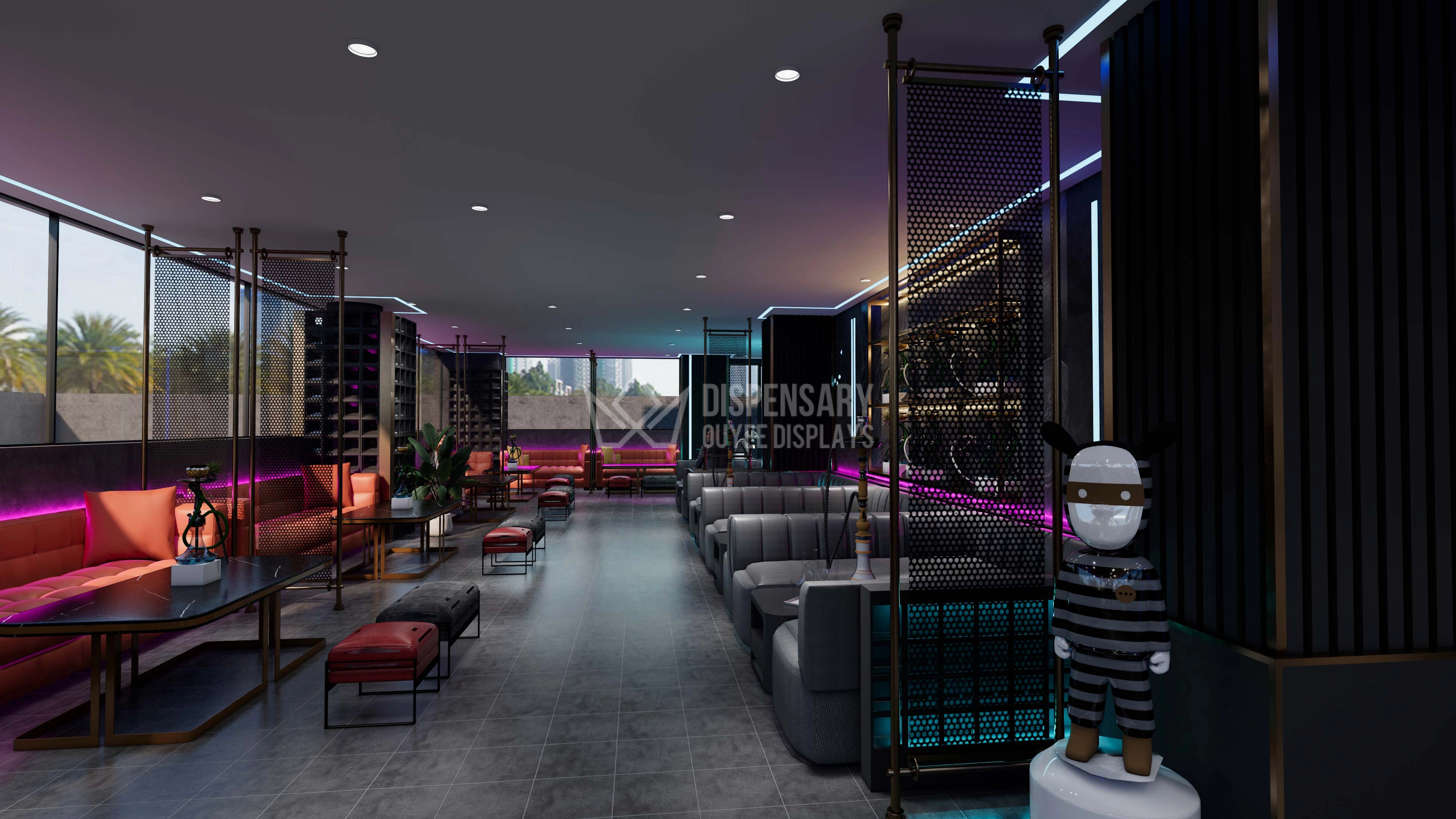
Customized Wholesale Hookah Lounge Furniture For Sale
Elevate your lounge experience with our premium customized hookah lounge furniture, designed for modern aesthetics and maximum comfort. With a strong emphasis on privacy, atmosphere, and luxury, our modular sofa systems, LED accents, and functional shisha setups are tailored to transform any space into a high-end smoking destination. Ideal for lounges, nightclubs, or upscale cafes seeking a bold, unified interior identity.
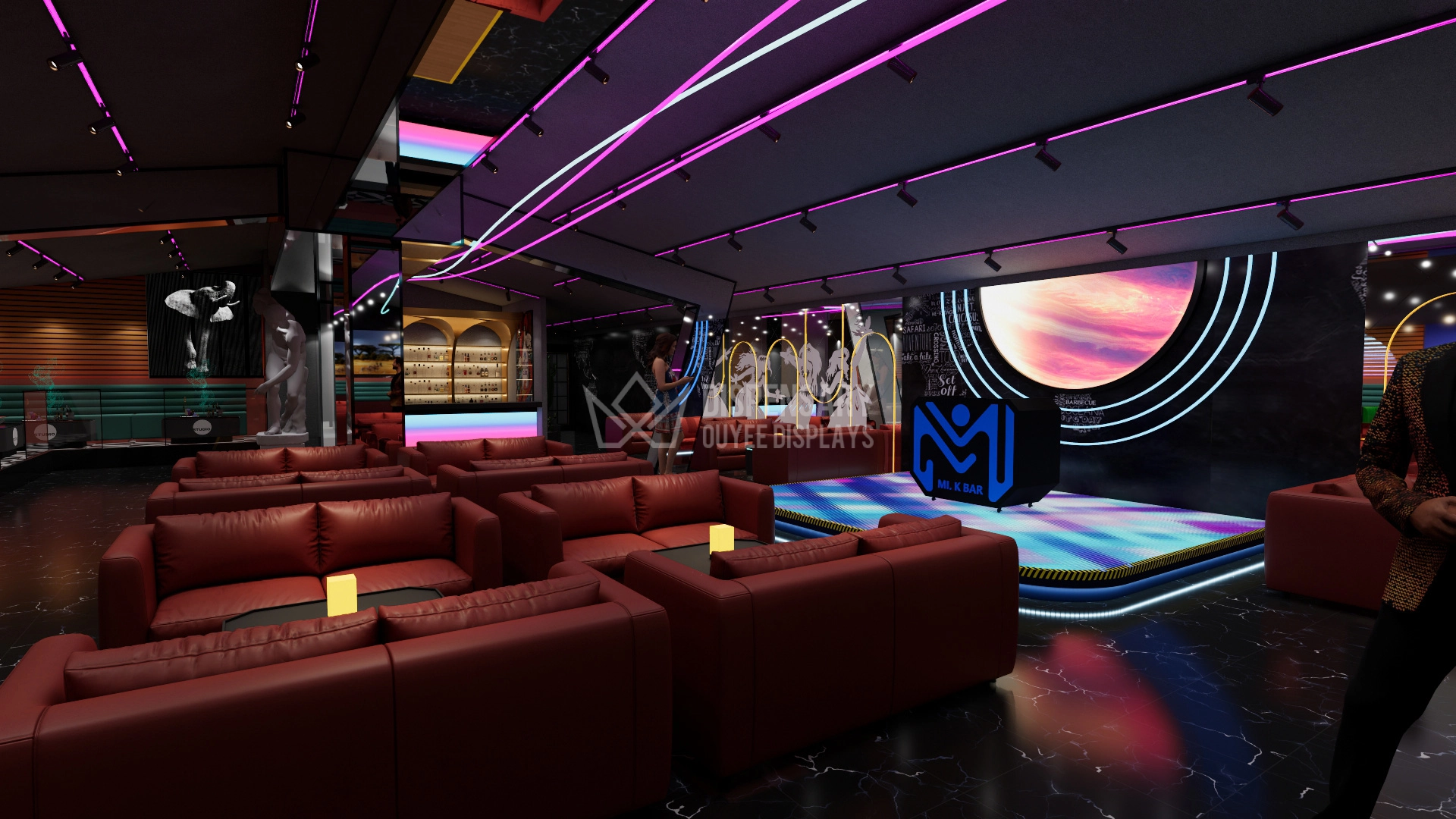
Commercial Durable Hookah Furniture Bulk Modular Layout for Modern Lounges
This modular hookah lounge furniture is designed for modern bars, lounges, and clubs that demand both luxury and functionality. With bold lighting, ergonomic seating, and customizable modules, it provides a versatile, durable, and aesthetically powerful solution for high-end hookah venues. Perfect for creating a visually immersive atmosphere that enhances customer satisfaction and retention.
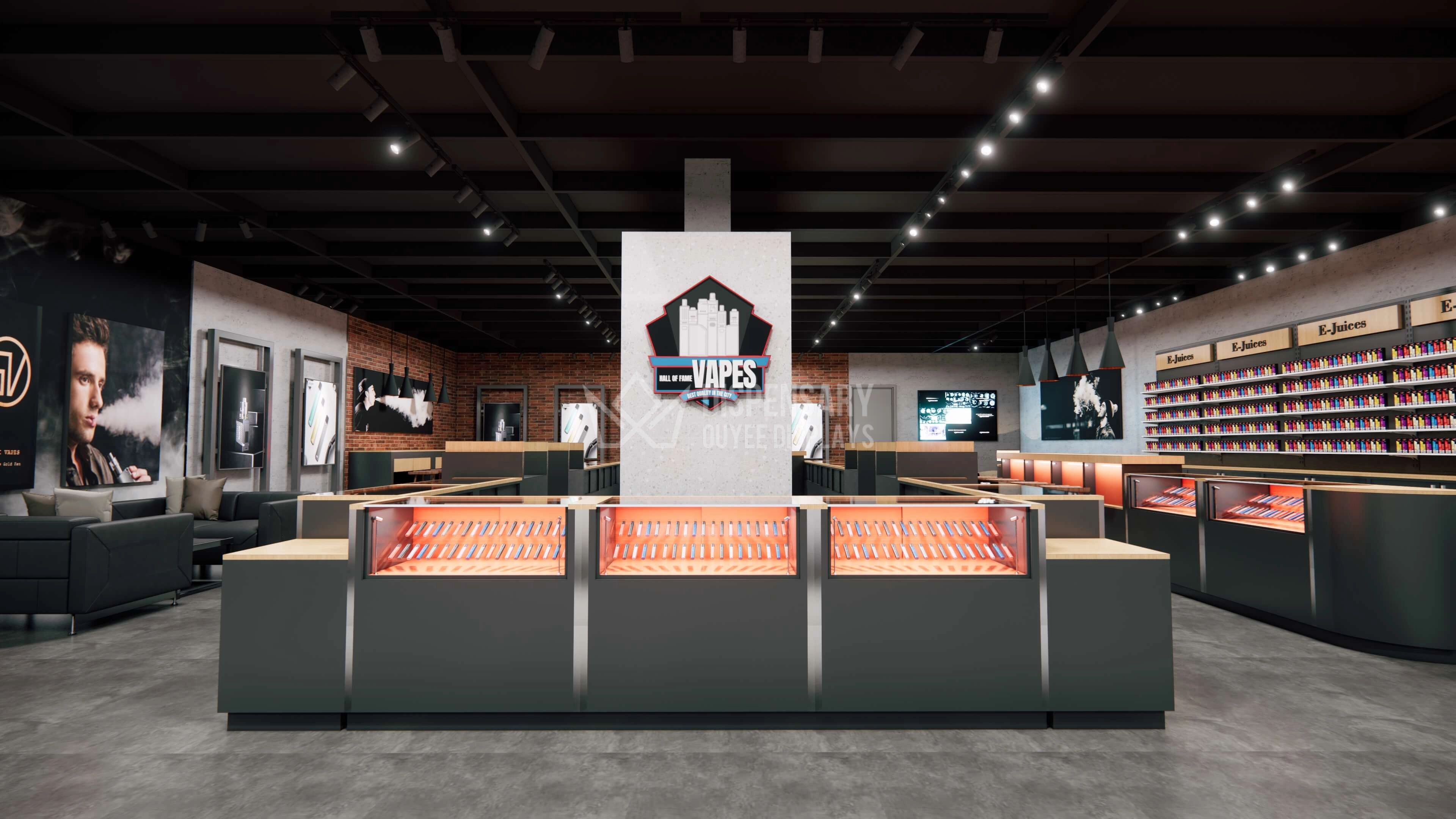
Custom Dispensary Display Design Services Modular Retail Solutions
Our Custom Dispensary Display Design Services specialize in creating unique, modular retail solutions tailored to your business needs. Whether you're showcasing tobacco products, e-liquids, or other retail items, our designs ensure maximum product visibility, security, and customer engagement. We combine high-end materials with flexible layouts, optimizing your store’s space while creating an upscale and professional atmosphere. From custom-built display units to comprehensive store design, our solutions are made to boost your retail environment’s functionality and aesthetic appeal.
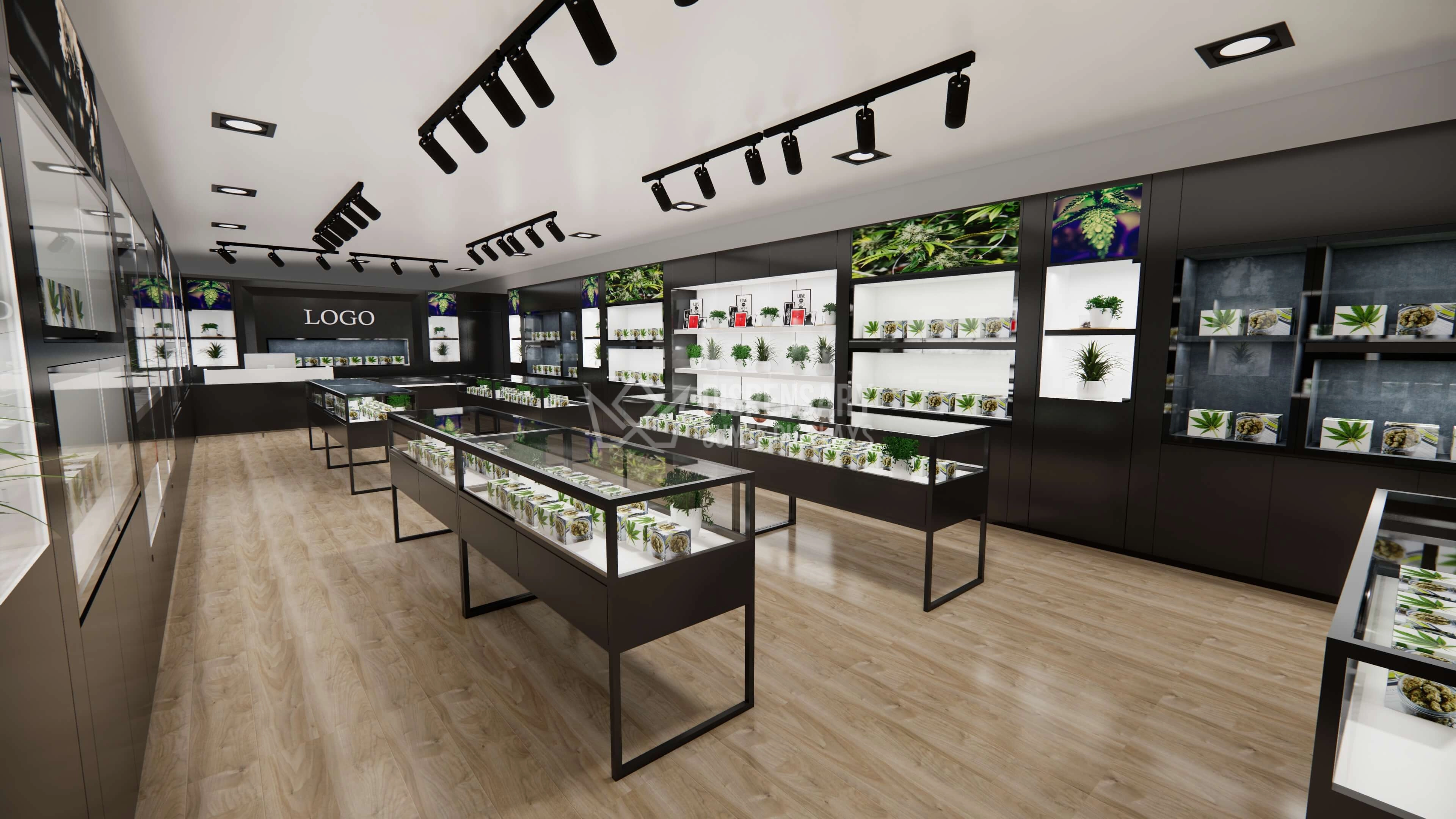
OEM ODM Dispensary Showcase Counters Display Fixtures For Cannabis
Sleek, secure, and fully customizable — our OEM/ODM dispensary counters redefine how cannabis is displayed in retail environments, merging form and function seamlessly.
Let's get in touch

Email: gzouyeedisplay@gmail.com
WhatsApp: +86 136 6049 7267
Ouyee Dispensary
Ouyee Dispensary
Ouyee Dispensary
Ouyee Dispensary