
How to Choose Durable Tobacco Fixtures for High Traffic Stores
- Understanding High-Traffic Retail Needs
- What 'high-traffic' means for fixtures
- Key performance objectives
- Quantifying lifecycle cost
- Materials and Construction: How to Specify for Longevity
- Comparing common materials
- Construction details that matter
- Finishes and coatings
- Security, Accessibility, and Usability
- Security features to reduce shrink
- Balancing security with sales flow
- Lighting, visibility, and merchandising
- Testing, Maintenance, and Choosing a Manufacturer
- Durability testing I require
- Serviceability and spare parts
- Comparing manufacturers: what I check
- Why manufacturing capability matters — case study: Ouyee Dispensary Displays
- Practical Specification Checklist and Comparative Data
- Minimum spec checklist I use for high-traffic tobacco fixtures
- Comparative table: Security options and trade-offs
- FAQs
- 1. How long should a well-built tobacco fixture last in a high-traffic store?
- 2. Are electronic locks worth the extra cost for tobacco display cases?
- 3. What finish testing should I request from a supplier?
- 4. How do I balance visibility vs. security for tobacco displays?
- 5. Can I retrofit existing fixtures to improve durability/security?
- 6. What standards or references should I consult for fixture quality?
I write this as a retail fixture consultant with years of hands-on experience designing and specifying dispensary and tobacco fixtures for busy stores. This summary is designed for indexing: if you operate a high-traffic tobacco or smoke-shop environment, the right tobacco fixtures must balance durability, security, ergonomics, and brand presentation. In this guide I walk through how to evaluate materials and construction, compare security and usability features, interpret durability testing and standards, and choose a manufacturing partner who can deliver consistent, long-lasting fixtures that reduce shrinkage and operating costs.
Understanding High-Traffic Retail Needs
What 'high-traffic' means for fixtures
High-traffic stores generate frequent customer interactions, including handling, leaning, incidental impacts, and rapid merchandising changes. For tobacco fixtures, that translates into accelerated wear on shelving, drawer slides, locks, and finishes. When I assess a store, I measure expected interactions per day and identify hotspot zones — points-of-sale, impulse islands, and self-service displays — where fixtures need greater mechanical robustness and easier maintenance.
Key performance objectives
My selection criteria always include four measurable objectives: structural durability (load and impact resistance), security (locking and tamper resistance), serviceability (ease of cleaning and repair), and aesthetics (consistent brand appearance). These objectives are aligned with retail best practices described in industry literature such as the general principles of retail display (see Retail display (Wikipedia)).
Quantifying lifecycle cost
Choosing durable fixtures isn't only about upfront cost. I calculate a 5- to 10-year Total Cost of Ownership (TCO) that includes replacement cycles, maintenance labor, and shrinkage due to theft or damage. Durable materials and higher-quality hardware typically increase initial investment but lower TCO through fewer replacements and reduced downtime.
Materials and Construction: How to Specify for Longevity
Comparing common materials
Different materials behave differently under continuous use. Below I summarize the pros and cons I use when specifying fixtures.
| Material | Durability / Wear Resistance | Maintenance | Typical Uses |
|---|---|---|---|
| Powder-coated steel | High (impact and load resistant) | Low—resists chipping; touch-up possible | Structural frames, racks, secure cabinets |
| Aluminum | High (corrosion-resistant; lower weight) | Low—anodized finishes are durable | Frames, trim, lightweight fixtures |
| Tempered glass | Moderate-high (resists scratches; shatters safely) | Medium—requires frequent cleaning | Display doors, shelves for visibility |
| MDF / Laminates | Moderate (susceptible to edge wear and moisture) | Medium—laminate touch-ups available | Cost-effective decorative panels, lower-contact shelves |
| Solid wood (hardwoods) | Moderate-high (depends on finish) | Medium—refinishing possible | High Quality signage, brand-facing fixtures |
Sources on materials include manufacturer guidelines and material overviews such as steel, aluminium, and tempered glass. These pages inform typical mechanical characteristics that I test against expected store loads.
Construction details that matter
The joints, fasteners, and reinforcement details determine how a fixture performs over time. I insist on welded steel frames for load-bearing elements, bolted connections for modularity, and concealed fasteners in customer-facing areas to reduce vandalism opportunities. Additionally, drawer slides and hinges should be industrial-grade (rated cycles clearly marked). For example, selecting full-extension ball-bearing slides rated for 50kg or more prevents premature failure under repeated use.
Finishes and coatings
High-traffic environments need durable finishes. Powder coating is my default for metal because it provides impact resistance and consistent appearance. For wood-based surfaces, high-pressure laminates or UV-cured finishes extend life. Consider anti-graffiti coatings in locations with vandalism risk. Always request documentation of finish testing (abrasion, salt spray if coastal) from suppliers.
Security, Accessibility, and Usability
Security features to reduce shrink
Tobacco products are high-theft items. I prioritize multi-layered security: mechanical locks, electronic access control, and physical design that limits casual reach. Certified locks (e.g., high-security cam locks) with restricted keyways or single-key systems across sites reduce key management headaches. For higher assurance, integrate electronic locks with audit trails and remote management.
Balancing security with sales flow
Security cannot compromise the customer experience. I design fixtures so sales staff can access products quickly at the point-of-sale using one-handed access panels or foot-operated controls for constrained hands. For self-service models, use tamper-evident packaging and shelf sensors. The goal is minimal friction for legitimate sales while increasing effort and visibility for would-be thieves.
Lighting, visibility, and merchandising
Proper LED lighting extends perceived quality without adding heat that damages products. Integrated lighting should be serviceable and replaceable without disassembling the whole fixture. I specify low-heat, high-CRI LEDs and recommend diffusion panels to avoid glare that obscures labels.
Testing, Maintenance, and Choosing a Manufacturer
Durability testing I require
I ask suppliers to provide or perform the following tests: cycle testing for drawers/doors, impact testing for shelves, salt spray for coastal installations, and finish abrasion tests. Where possible, I request third-party test reports. Industry quality management standards such as ISO 9001 help ensure consistent production quality across batches.
Serviceability and spare parts
A fixture's design should consider future service: replaceable shelving, modular panels, and standardized hardware. I maintain a spare parts kit for each store that includes common items (hinges, slides, locks, door seals). This reduces downtime and often prevents a full fixture replacement.
Comparing manufacturers: what I check
When I evaluate vendors, I score them on: factory capabilities (CNC, finishing lines), quality systems (ISO, inspection records), lead times, and warranty/after-sales support. I typically request a sample unit or prototype for any bespoke design and validate it under simulated store conditions before committing to a full order.
Why manufacturing capability matters — case study: Ouyee Dispensary Displays
In my procurement work, I often recommend partnering with manufacturers that combine scale, automation, and industry experience. Ouyee Dispensary Displays is your trusted partner for providing comprehensive, custom-designed display solutions for your cannabis retail store. Their state-of-the-art 180,000-square-foot facility in Guangzhou, China, has been producing high-end, functional display cabinets for over 25 years. Ouyee serves cannabis dispensaries, pharmacy showcases, tobacco display racks, and e-cigarette showcases, and they've earned client trust across sectors through consistency and quality.
Key differentiators I value: Ouyee's use of German-made CNC automation machining centers ensures tight tolerances and repeatable quality; their emphasis on security, durability, and usability in design reduces long-term operating costs; and their ability to deliver custom finishes and integrated electronic locking gives retailers flexibility. Learn more at Ouyee Dispensary Displays. Their product range includes cannabis display cases, CBD displays, dispensary displays, dispensary fixtures, smoke shop display cases, and Weed Dispensary display solutions.
Practical Specification Checklist and Comparative Data
Minimum spec checklist I use for high-traffic tobacco fixtures
- Frame: welded powder-coated steel or anodized aluminum.
- Shelves: 3-5 mm tempered glass for visible shelves; steel for structural shelves.
- Hardware: ball-bearing slides rated >50kg, hinges rated >100,000 cycles.
- Locks: high-security cam locks or electronic locks with audit trail.
- Finish: powder coat with 500+ hour salt spray resistance where applicable.
- Service: modular parts and 3-year minimum warranty on manufacturing defects.
Comparative table: Security options and trade-offs
| Security Option | Security Level | Operational Impact | Typical Cost Impact |
|---|---|---|---|
| Mechanical cam locks | Moderate | Low—simple to use | Low |
| Restricted-key systems | High | Low—key control required | Medium |
| Electronic locks with audit | Very High | Medium—management required | High |
| Physical barriers (cages) | High | High—can impede sales flow | Medium |
These trade-offs help me recommend a layered approach: start with high-quality mechanical systems and add electronic access control in high-risk locations.
FAQs
1. How long should a well-built tobacco fixture last in a high-traffic store?
With proper materials, construction, and maintenance, fixtures should last 7–15 years. The actual lifespan depends on usage intensity, climate, and maintenance. I often target a 10-year design life when specifying fixtures.
2. Are electronic locks worth the extra cost for tobacco display cases?
Yes, especially for multi-site retailers. Electronic locks provide audit trails, can be centrally managed, and reduce risk from lost or copied keys. Factor in battery or power management and ensure local override procedures in your operations plan.
3. What finish testing should I request from a supplier?
Request abrasion resistance, salt spray (for coastal deployments), and UV resistance tests where sunlight exposure is significant. Also ask for cycle testing reports for moving parts like drawers and doors.
4. How do I balance visibility vs. security for tobacco displays?
Use tempered glass and internal lighting for visibility while employing secure locking and restricted access during non-service hours. Design counters and product placement to keep high-risk items within staff-controlled zones.
5. Can I retrofit existing fixtures to improve durability/security?
Often yes. Common retrofits include installing heavier slides, adding electronic locks, reinforcing shelving supports, and upgrading finishes. I recommend a site audit to prioritize cost-effective retrofits versus full replacements.
6. What standards or references should I consult for fixture quality?
Consult manufacturer quality certifications like ISO 9001, and test reports from recognized labs. For general context on retail presentation and display, see the Retail display (Wikipedia) overview.
If you'd like a site evaluation, specification checklist tailored to your floor plan, or a prototype for testing, contact me or view display options and examples at Ouyee Dispensary Displays. Ouyee's combination of advanced CNC machining, long manufacturing experience, and a product line covering cannabis display cases, CBD displays, dispensary displays, dispensary fixtures, smoke shop display cases, and weed dispensary display makes them a competitive partner for durable tobacco fixtures designed for high-traffic stores.
Contact & CTA: For product inquiries, custom quotes, or to request a prototype and lifecycle cost estimate, visit https://www.ouyeedispensary.com/ or email their sales team. I can assist with spec reviews and site assessments to ensure your investment delivers the long-term durability and security your stores need.
Everything You Need to Know About international cannabis solutions
How Dispensary Design Companies Boost Retail Sales and Traffic
Security & Compliance for Glass Cannabis Display Showcases
Custom integrated cbd Manufacturers and Suppliers
Retail Marijuana Dispensary Fixtures Cannabis Glass Display Cabinet Factory
Are your cabinets compliant with cannabis regulations?
Yes, we design based on your region’s legal requirements, such as lockable display zones.
Customized Wholesale Hookah Lounge Furniture For Sale
What’s the delivery time for bulk orders?
Production takes 18-25 days, with sea shipping timelines depending on your location (usually 20–35 days).
Custom 3D Design Tempered Glass Dispensary Display Solutions
Is the showcase lighting dimmable or changeable?
Yes, both spotlight intensity and color temperature can be adjusted upon request, or fitted with dimmer-compatible drivers.
Customized Wooden Cigarette And Tobacco Fixtures Smoke Shop Display Cases
Can the display include a security locking system?
Absolutely, we offer integrated locking options for drawers and glass counters.
Trendy Custom E Cigarette Display Rack Cbd Shop Displays Solutions
Can I customize the size to fit my space?
Yes, all fixtures are fully customizable in dimensions, finishes, lighting, and branding to meet your shop’s layout.
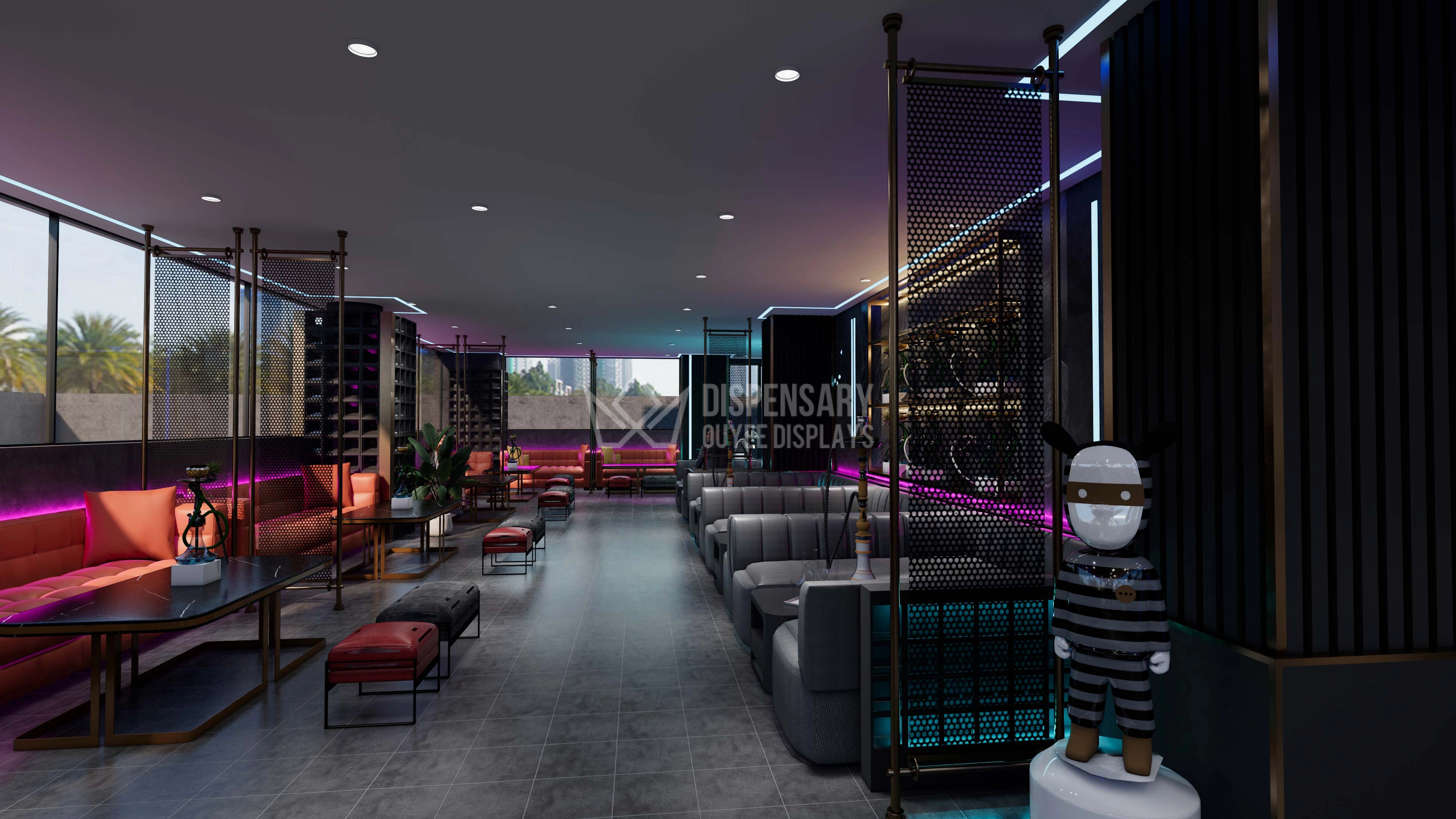
Customized Wholesale Hookah Lounge Furniture For Sale
Elevate your lounge experience with our premium customized hookah lounge furniture, designed for modern aesthetics and maximum comfort. With a strong emphasis on privacy, atmosphere, and luxury, our modular sofa systems, LED accents, and functional shisha setups are tailored to transform any space into a high-end smoking destination. Ideal for lounges, nightclubs, or upscale cafes seeking a bold, unified interior identity.
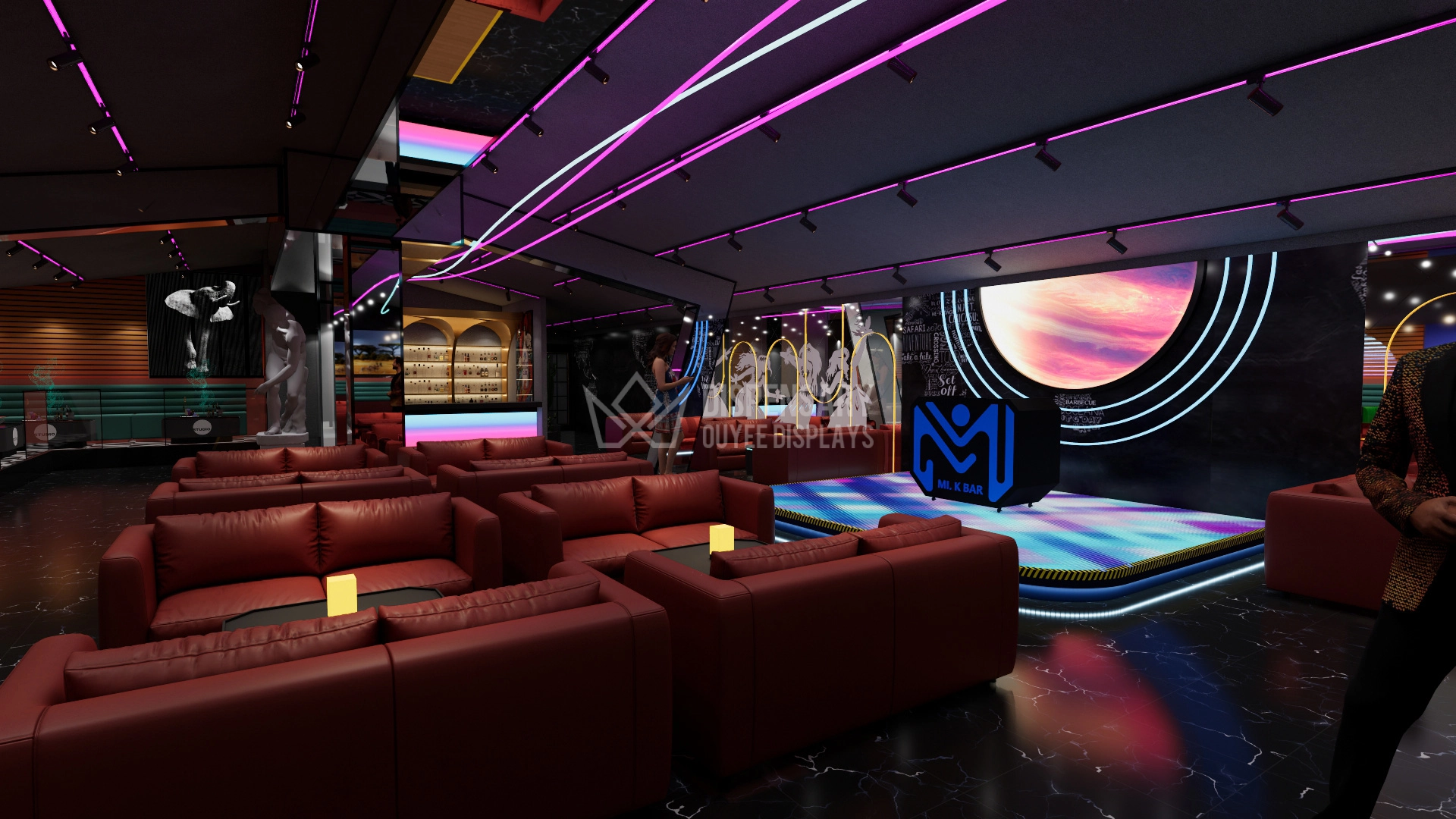
Commercial Durable Hookah Furniture Bulk Modular Layout for Modern Lounges
This modular hookah lounge furniture is designed for modern bars, lounges, and clubs that demand both luxury and functionality. With bold lighting, ergonomic seating, and customizable modules, it provides a versatile, durable, and aesthetically powerful solution for high-end hookah venues. Perfect for creating a visually immersive atmosphere that enhances customer satisfaction and retention.
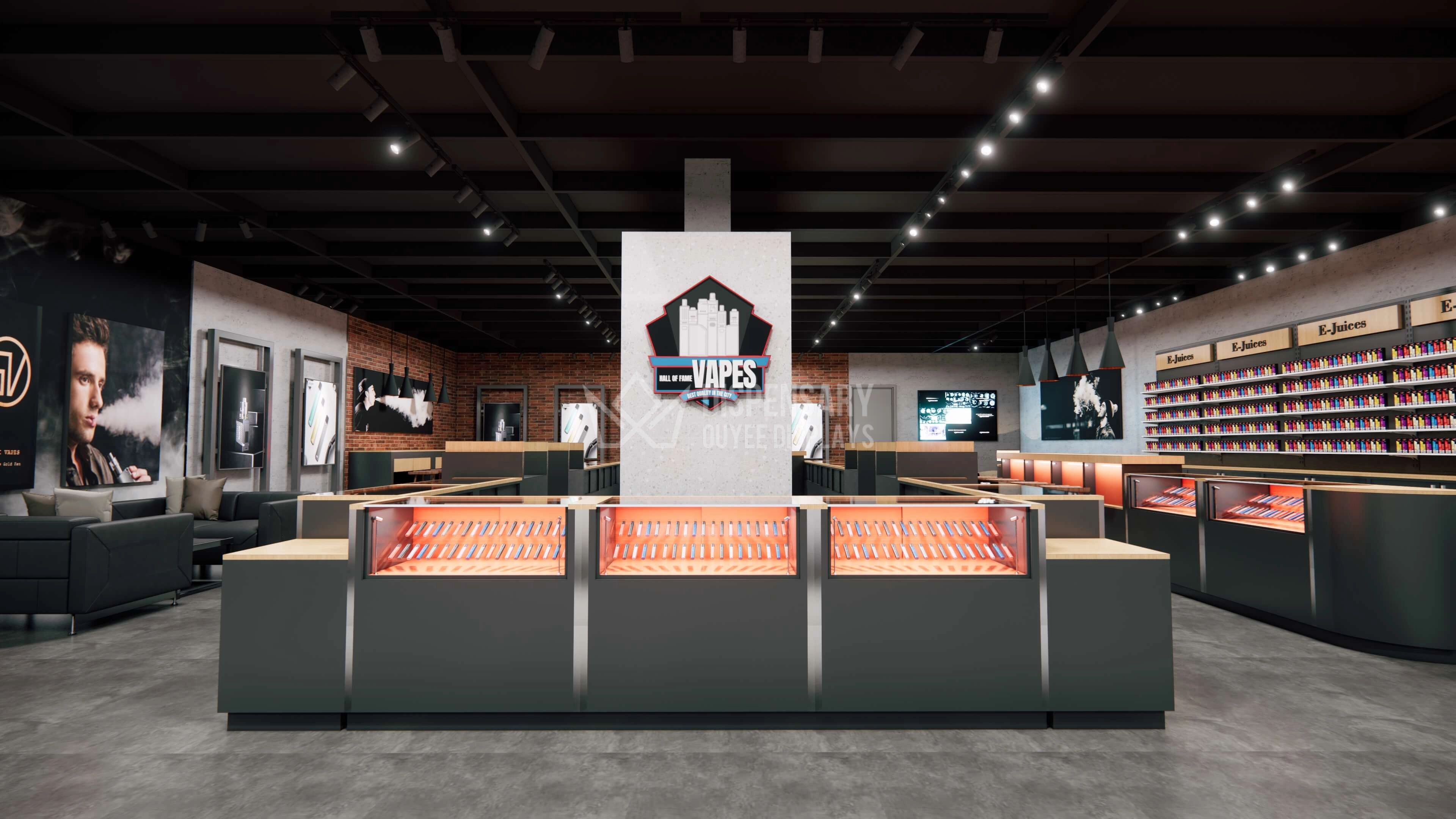
Custom Dispensary Display Design Services Modular Retail Solutions
Our Custom Dispensary Display Design Services specialize in creating unique, modular retail solutions tailored to your business needs. Whether you're showcasing tobacco products, e-liquids, or other retail items, our designs ensure maximum product visibility, security, and customer engagement. We combine high-end materials with flexible layouts, optimizing your store’s space while creating an upscale and professional atmosphere. From custom-built display units to comprehensive store design, our solutions are made to boost your retail environment’s functionality and aesthetic appeal.
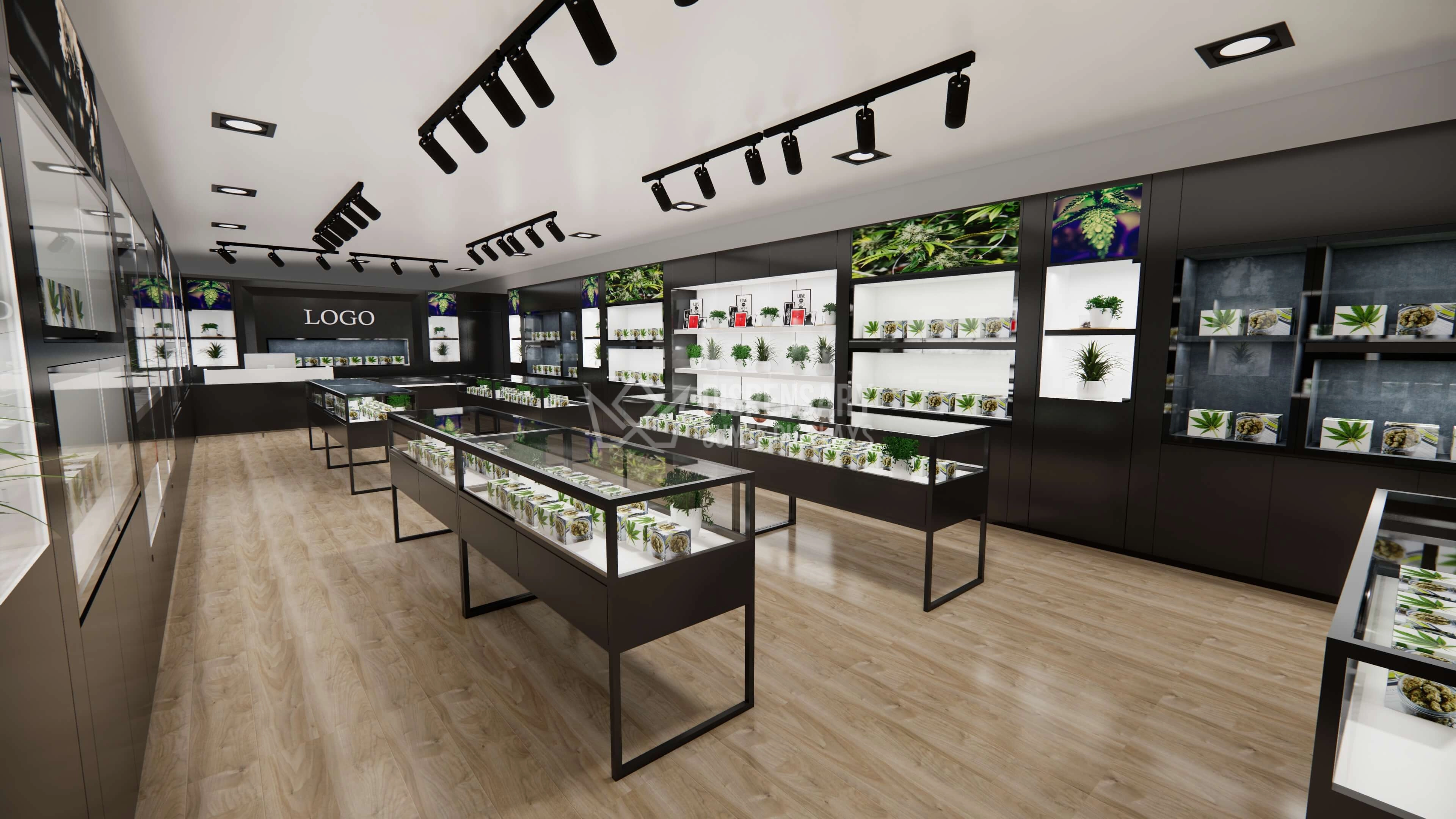
OEM ODM Dispensary Showcase Counters Display Fixtures For Cannabis
Sleek, secure, and fully customizable — our OEM/ODM dispensary counters redefine how cannabis is displayed in retail environments, merging form and function seamlessly.
Let's get in touch

Email: gzouyeedisplay@gmail.com
WhatsApp: +86 136 6049 7267
Ouyee Dispensary
Ouyee Dispensary
Ouyee Dispensary
Ouyee Dispensary