
Complete Guide to Lockable Display Cabinets
- Introduction
- What is the best material for a lockable display cabinet?
- How do I choose the right lockable display cabinet for a retail store?
- Are glass lockable display cabinets stronger than acrylic ones?
- How can I secure a lockable display cabinet at home?
- Can I customize a lockable display cabinet?
- Are lockable display cabinets suitable for museums?
- How do I clean and maintain a lockable glass display cabinet?
- What sizes do lockable display cabinets come in?
- Conclusion
- Call to Action
Introduction
Whether you are a retailer showcasing high-end jewelry, a collector preserving rare artifacts, or a museum curator designing a new exhibit, finding the perfect balance between visibility and security is paramount. A high-quality lockable display cabinet serves as the frontline defense against theft and damage while providing an unobstructed, beautiful view of the items inside.
Investing in secure glass showcases is not just about locking items away; it is about elevating the presentation of your most prized possessions. With a wide variety of materials, locking mechanisms, and styles available, selecting the right cabinet can feel overwhelming.
This comprehensive guide will walk you through everything you need to know about lockable display cabinets. From understanding material strengths to exploring advanced customization and security options, we will answer your most pressing questions to help you make an informed decision.
What is the best material for a lockable display cabinet?
When determining the best material for your lockable display cabinet, there is no single "perfect" choice. The ideal material depends entirely on your specific environment, budget, and the level of security required. Most high-quality cabinets utilize a combination of glass, acrylic, wood, and metal to achieve a balance of form and function.
Tempered safety glass is widely considered the gold standard for visibility and elegance. It offers unparalleled optical clarity, does not yellow over time, and provides a highly scratch-resistant surface. For environments where aesthetics and long-term durability are critical, glass is an exceptional choice that gives a premium, heavy-duty feel to the fixture.
Acrylic (often known as Plexiglass) serves as a fantastic alternative, especially in dynamic environments. Acrylic is incredibly lightweight, making it much easier to transport and install. It also boasts impressive shatter resistance, making it a safer option for high-traffic areas or mobile displays where blunt impacts are a realistic concern.
Finally, the frame materials dictate the structural integrity of the cabinet. Anodized aluminum extrusions are popular for modern setups due to their sleek appearance and high tensile strength. Conversely, solid wood or wood veneers bring a classic, warm aesthetic that is often preferred for traditional retail environments or sophisticated home interiors.
How do I choose the right lockable display cabinet for a retail store?
Selecting the ideal lockable display cabinet for a commercial environment requires a strategic approach. First, assess your store's layout and customer traffic flow. You want to place your retail merchandising displays in well-lit, high-visibility areas where staff can easily monitor them, while ensuring they do not create bottlenecks in narrow aisles.
Next, consider the visibility needs of your specific merchandise. A full-vision cabinet, which features glass on the top, front, and sides, is excellent for maximizing light and visibility for items like jewelry and electronics. A half-vision or quarter-vision cabinet, which includes a solid base for hidden inventory storage, might be more practical if you need quick access to backstock without leaving the sales floor.
Security mechanisms must match the value of your inventory. Standard retail cabinets often use plunger locks for sliding doors or cam locks for hinged doors. However, for high-ticket items, you should look for cabinets featuring heavy-duty ratchet locks or even electronic RFID locks that allow staff to access items seamlessly without fumbling with key rings.
Finally, ensure your choice complies with safety standards. For public environments, it is crucial to use materials that mitigate injury risks; for example, guidelines from the Consumer Product Safety Commission strictly regulate architectural glazing materials to prevent severe accidents if a showcase is accidentally broken in a busy commercial space.
Are glass lockable display cabinets stronger than acrylic ones?
The debate over strength between glass and acrylic lockable display cabinets depends on how you define "strength." If you are measuring sheer impact resistance, acrylic is the clear winner. High-quality acrylic can absorb significant shocks and is highly shatter-resistant, meaning it will typically crack or dent rather than break apart when struck by a heavy object.
However, when it comes to structural rigidity, longevity, and surface hardness, glass takes the lead. Traditional annealed glass is quite fragile, but display cases rarely use it. According to Wikipedia, tempered glass is about four times stronger than standard annealed glass and is specifically engineered to shatter into small, granular chunks rather than dangerous jagged shards upon severe impact.
Another critical factor in the strength comparison is scratch resistance. Acrylic is a relatively soft plastic, meaning everyday interactions—such as wiping down the surface, sliding objects across the shelves, or customers brushing against it—can cause micro-scratches that eventually dull the cabinet's clarity.
In summary, if you need a lightweight cabinet that can survive being dropped or hit with blunt force, acrylic is the stronger choice. If you need a rigid, scratch-resistant structure that will maintain its flawless clarity for decades under daily use, tempered glass is vastly superior.
How can I secure a lockable display cabinet at home?
Securing locking trophy cabinets or personal collection showcases at home requires a blend of physical reinforcement and strategic placement. The first step is to position the cabinet away from direct lines of sight from exterior windows. Keeping your valuables out of view from the street significantly reduces the risk of opportunistic smash-and-grab burglaries.
The physical stability of the cabinet is your next line of defense. Freestanding cabinets can be tipped over, either by accident or by a thief attempting to bypass the lock. To prevent this, anchor the cabinet securely to the wall studs using heavy-duty L-brackets or bolt the base directly into the floor.
Upgrading the locking mechanism provides another layer of security. Many residential display cases come with basic factory locks that can be easily picked or forced. Consider upgrading to high-security tubular locks, or installing smart locks that require biometric authentication or a keypad code, ensuring only authorized individuals can access your collection.
Finally, integrate the cabinet into your home security ecosystem. You can easily install discreet glass-break sensors or magnetic contact sensors on the doors of the cabinet. If the glass is tampered with or the door is forced open while your alarm system is armed, it will immediately trigger a siren and alert your monitoring service.
Can I customize a lockable display cabinet?
Yes, customizing a lockable display cabinet is highly recommended to ensure it perfectly matches your space and functional requirements. Most premium manufacturers offer bespoke services, allowing you to tailor almost every aspect of the unit, starting with exact dimensions to fit tight alcoves, specific wall lengths, or unique floor plans.
Aesthetic customization is one of the most popular requests. You can choose from a vast array of frame finishes, including brushed stainless steel, matte black powder coating, or rich mahogany wood veneers. Additionally, the interior backing can be customized with mirrored panels to make the space feel larger, or fabric-lined boards to provide a soft, non-reflective backdrop for art pieces.
Lighting is another crucial customizable feature. Rather than relying on standard ambient room light, you can integrate specialized LED strip lighting along the interior frame, or install adjustable LED spotlights in the ceiling of the cabinet. This allows you to highlight the specific facets and details of your displayed items without generating damaging heat.
Functional customizations ensure the cabinet works for your daily routine. You can specify the number of shelves, request adjustable shelving brackets, upgrade to UV-filtering glass to protect items from sun damage, and choose from a variety of advanced locking hardware, from concealed magnetic locks to sophisticated electronic keypad systems.
Are lockable display cabinets suitable for museums?
Lockable display cabinets are absolutely essential for museums, but standard retail models are rarely sufficient. Institutions require museum-grade display cases that are meticulously engineered to meet strict standards for security, structural integrity, and artifact conservation.
Security in a museum setting goes far beyond a simple padlock. Museum display cabinets often feature flush-mounted, tamper-proof locks that are virtually invisible to the public. These locks frequently utilize high-security cylinders, such as Abloy systems, and the doors themselves are often integrated with the building's central alarm matrix to instantly detect unauthorized access.
Equally important is the environmental control provided by the cabinet. Rare artifacts, textiles, and documents are highly sensitive to temperature and humidity fluctuations. Museum-grade cabinets are designed to be hermetically sealed, often incorporating hidden compartments for silica gel or active micro-climate generators to maintain perfectly stable internal humidity levels.
Conservation standards dictate the very materials used to build these cabinets. According to guidelines from the American Institute for Conservation, exhibit enclosures must utilize stable, emission-free construction materials and be carefully designed to protect vulnerable objects from environmental pollutants, physical damage, and harmful UV light exposure.
How do I clean and maintain a lockable glass display cabinet?
Proper cleaning and maintenance are essential to prolong the life and visual appeal of your lockable display cabinet. For glass surfaces, the cleaning process is straightforward but requires consistency. Use a high-quality microfiber cloth and a non-streak glass cleaner. Spray the cleaner directly onto the cloth rather than the glass to prevent liquid from seeping into the frame joints or locking mechanisms.
If your cabinet is made of acrylic, extreme caution is required. Never use ammonia-based cleaners (like standard Windex) or rough paper towels on acrylic. Ammonia causes the plastic to become cloudy and brittle over time, while paper towels will leave permanent micro-scratches. Instead, use a specialized acrylic polish and a clean, ultra-soft microfiber cloth to gently buff away fingerprints and dust.
Maintaining the structural hardware is just as important as cleaning the transparent surfaces. For sliding doors, regularly vacuum the tracks to remove dust, dirt, and debris that can cause the rollers to jam or wear down prematurely. For hinged doors, check the alignment annually and tighten any loose screws to ensure the door closes flush against the frame.
Finally, do not neglect the locks. Over time, keys can become difficult to turn due to dust buildup inside the cylinder. Avoid using liquid lubricants like WD-40, which can attract more dust and eventually gum up the mechanism. Instead, apply a small puff of dry graphite powder into the keyhole to keep the lock turning smoothly and securely.
What sizes do lockable display cabinets come in?
Lockable display cabinets come in a vast array of sizes and form factors to accommodate different spatial constraints and display requirements. At the smaller end of the spectrum are countertop cases. These compact units are typically 12 to 24 inches wide and are perfect for displaying high-value, small items like jewelry, watches, or rare coins directly at the point of sale.
Pedestal or tower cabinets offer a relatively small footprint but maximize vertical space. These cases are generally 18 to 24 inches square and can stand anywhere from 60 to 75 inches tall. They are exceptionally well-suited for highlighting a single, important item—such as a sculpture or an exclusive product—allowing visitors to walk entirely around the display.
Wall-mounted cabinets are an excellent space-saving solution. By securely attaching the display to the wall, you keep your floor space completely clear while presenting items comfortably at eye level. These vary widely in size, from small medication lockboxes to massive 6-foot-wide cases used for displaying extensive collections of sports memorabilia or model trains.
For maximum capacity, freestanding extra-vision or full-vision cabinets are the standard. These are the large fixtures you commonly see in department stores and collector's homes. Standard dimensions usually start around 36 inches in height and can span anywhere from 48 to 72 inches in width, offering expansive shelving space for large, diverse collections.
Conclusion
A lockable display cabinet is a vital investment for anyone looking to secure and showcase valuable items simultaneously. Whether you are outfitting a bustling retail storefront, preserving historical artifacts in a museum, or proudly displaying a personal collection at home, the right cabinet enhances the viewing experience while providing peace of mind.
By understanding the unique properties of materials like tempered glass and acrylic, evaluating your specific security needs, and taking advantage of customization options, you can select a fixture that perfectly complements your space. With proper maintenance and strategic placement, your display cabinet will serve as a beautiful, secure centerpiece for years to come.
Call to Action
Contact us today for a personalized consultation to find the perfect lockable display cabinet tailored to your exact security needs and aesthetic preferences.

5 Essential Security Features for High-Value Cannabis Displays in 2026

Custom vs. Standard Dispensary Display Cases: Which is Actually Better for Your Bottom Line in 2026?

Minimalist vs. Maximalist: Which Shelf Dispensary Display Style Sells Best in 2026?

The 2026 Guide to Display Fixtures for Cannabis Shops: Maximizing Space and Security

The Ultimate 2026 Guide to Dispensary Glass Display Cases: Boost Sales & Security
Wooden Cigarette Fixtures Pipe Tobacco Display Smoke Shop Factory
Are the display cabinets lockable for security?
Yes, all display counters come with optional tempered glass locks to protect your products.
Custom Modern Minimalist LED Light Strips Good Display of Smoke Shop
Are these display counters suitable for CBD products?
Absolutely. The shelving depth and lighting are ideal for showcasing a wide range of CBD and related wellness items.
Custom Smoke Shop Glass Showcase Cigarette Display Counter Factory
Can I have my store logo printed or backlit on the panels?
Absolutely. We offer branding customization using vinyl graphics or illuminated logo panels.
Customized LED Light Strips Retail Cigarette Display Case
How is the logo installed?
Your logo is printed or CNC-engraved on an acrylic panel with internal lighting, fixed into the showcase front.
Customized Wholesale Hookah Lounge Furniture For Sale
What’s the delivery time for bulk orders?
Production takes 18-25 days, with sea shipping timelines depending on your location (usually 20–35 days).
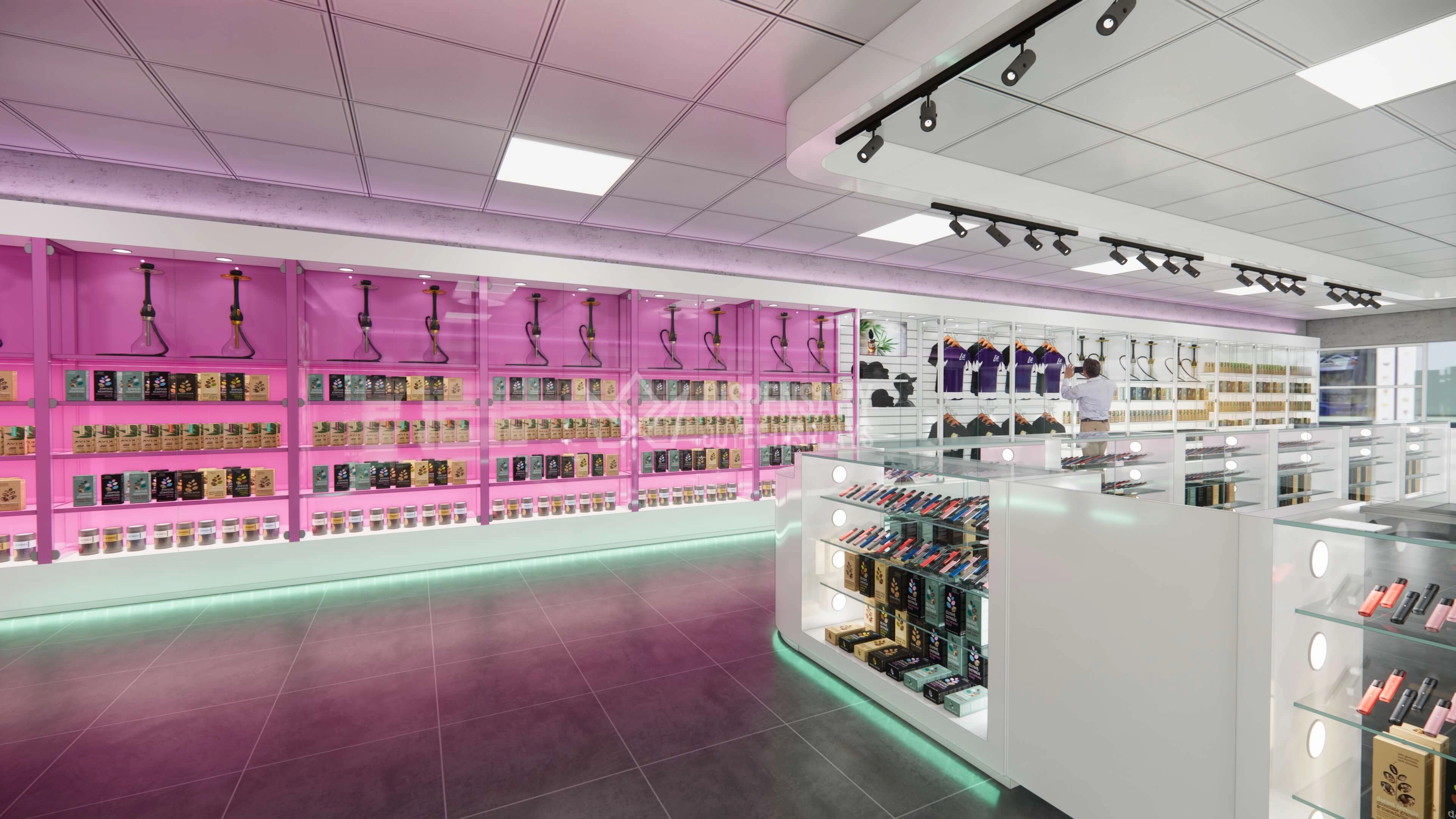
Modern Minimalist Cannabis Dispensary Displays Solutions
Modern minimalist cannabis dispensary displays offer sleek design, optimal product visibility, and efficient space usage, enhancing customer experience and elevating your store’s professional image.
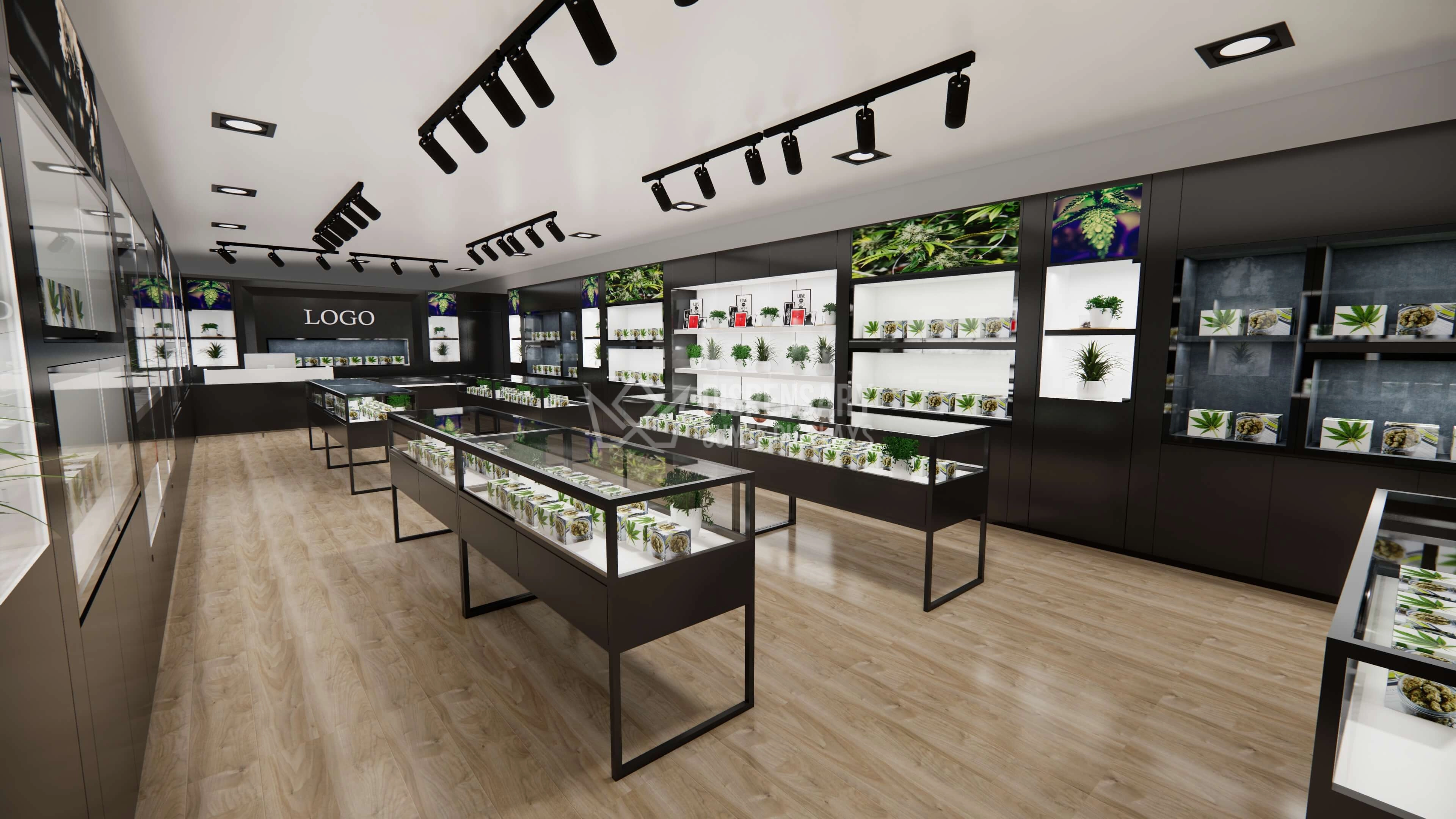
OEM ODM Dispensary Showcase Counters Display Fixtures For Cannabis
Sleek, secure, and fully customizable — our OEM/ODM dispensary counters redefine how cannabis is displayed in retail environments, merging form and function seamlessly.
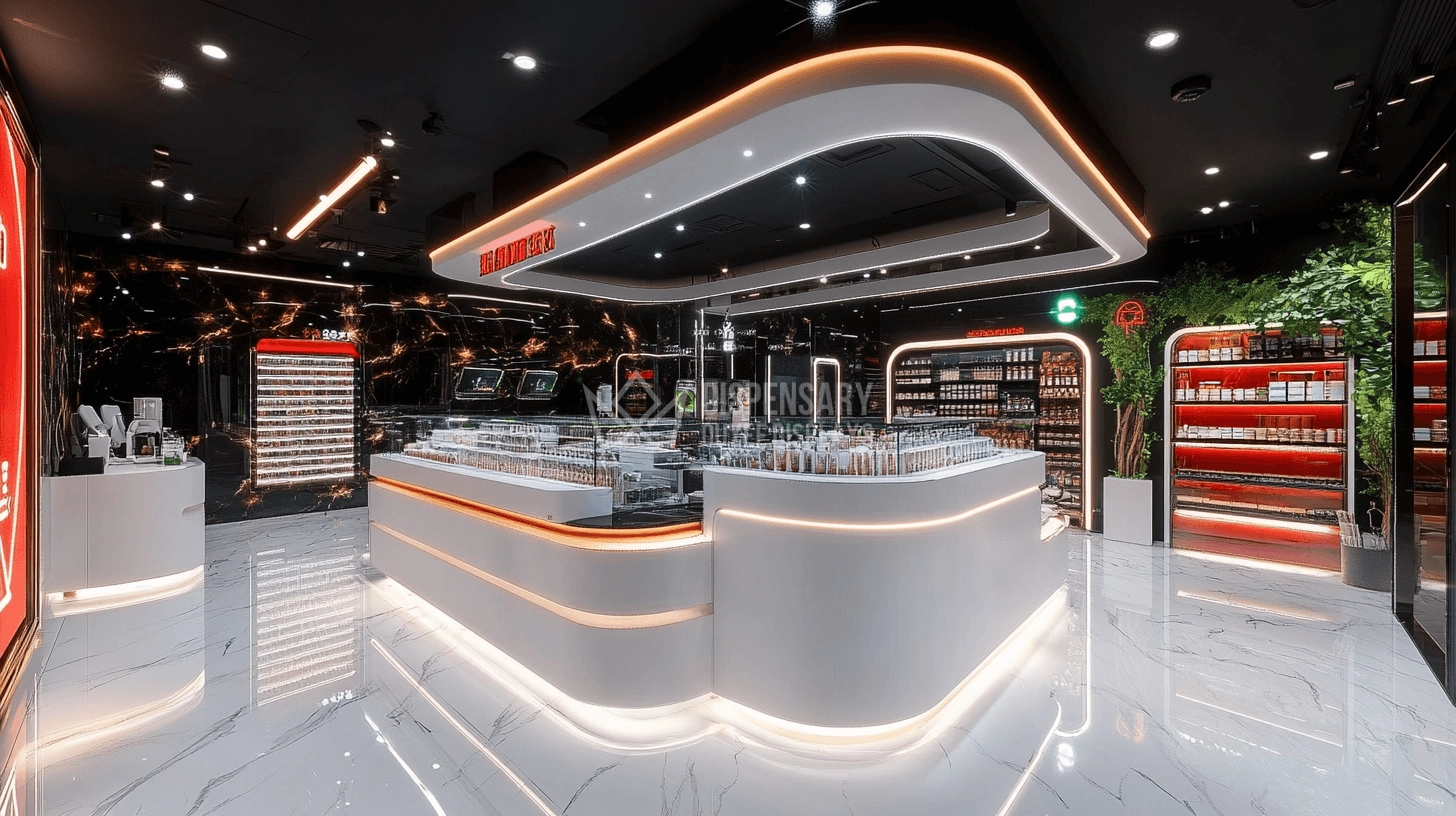
Turnkey Solution Modern Cannabis Dispensary Design Companies
A futuristic cannabis dispensary design offering turnkey display solutions with curved counters, ambient LED lighting, and sleek showcase systems.
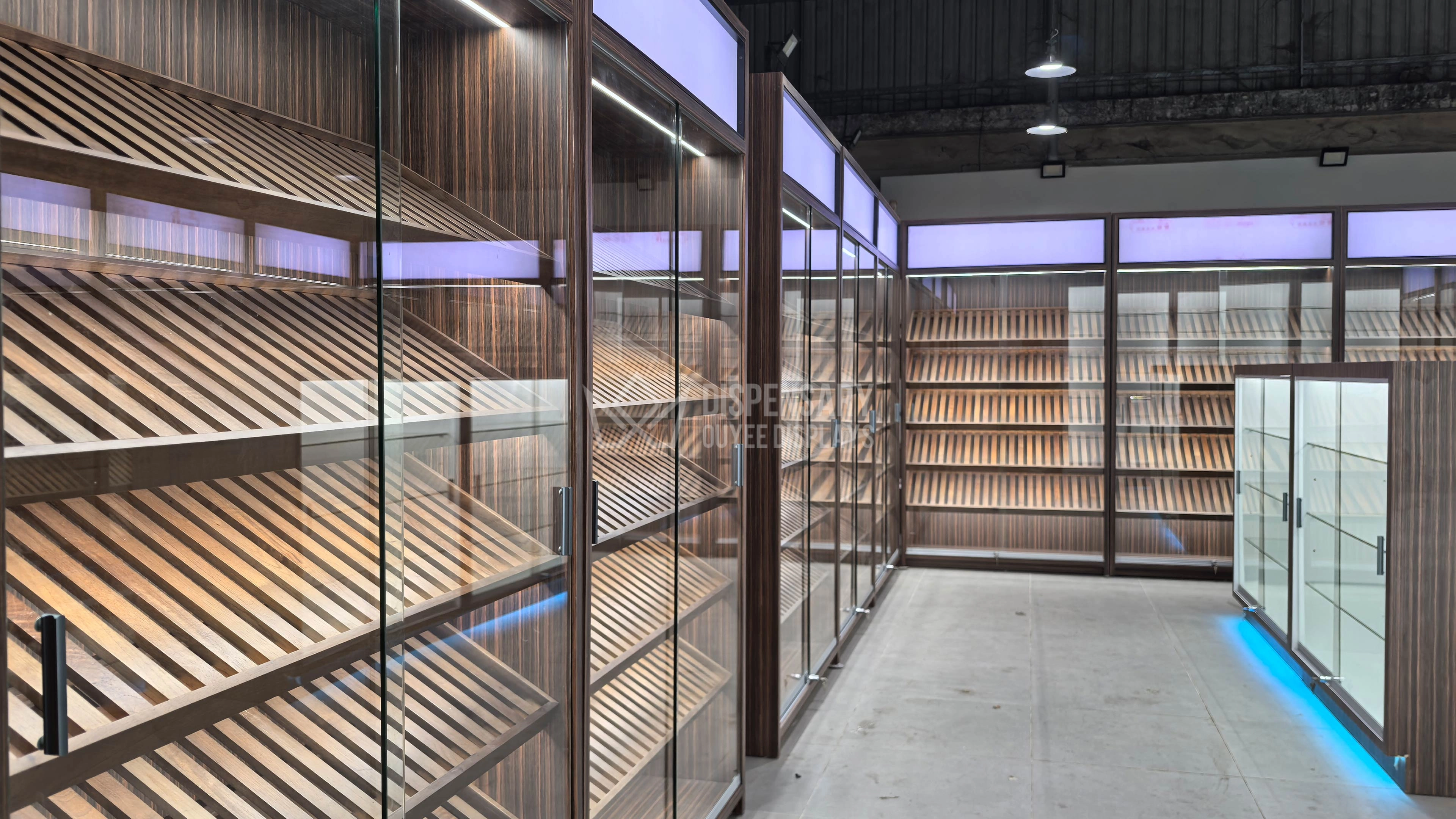
Customized Smoke Shop Showcase Cigarette Display Rack For Sale
Designed for professional tobacco retailers, this high-capacity display system features angled wooden shelving, glass-door cigar cabinets, and central LED-lit display counters. Combining function and style, it’s ideal for shops offering cigarettes, cigars, and other tobacco products, and is ready for use in premium indoor retail spaces or walk-in humidors.
Looking for something else?
At Ouyee, we’re committed to fulfilling all your retail shelving, storage, and display needs.
We have massive stocks and the biggest range of retail display equipment and shop fittings, fast dispatch and delivery!
Let's get in touch

Email: gzouyeedisplay@gmail.com
WhatsApp: +86 136 6049 7267
Ouyee Dispensary
Ouyee Dispensary
Ouyee Dispensary
Ouyee Dispensary