
Choosing a Location for Your Cannabis Dispensary: Key Factors,
- Choosing a Location for Your Cannabis Dispensary: Key Factors
- Why location matters when you learn how to start a cannabis business
- Understand zoning, licensing and the regulatory environment
- Market research and customer demographics — the foundation when considering how to start a cannabis business
- Visibility, accessibility and transportation — practical considerations for how to start a cannabis business
- Security and compliance requirements: more than just alarms
- Real estate costs and financial modeling: how to weigh rent, build-out and returns
- Comparison of common location types
- Dispensary build-out and the role of displays in customer experience
- Competition, clustering and cannibalization — strategic placement matters
- Operational logistics: parking, deliveries and ADA access
- Lease negotiation and exit strategies — protect your investment when learning how to start a cannabis business
- Checklist: How to evaluate a dispensary location
- Ouyee Dispensary Displays — partner with experts when building your retail presence
- Common pitfalls and how to avoid them when you start a cannabis business
- FAQ — Frequently Asked Questions
- Q: How do I know if a location qualifies for a cannabis license?
- Q: What are typical security requirements for dispensary locations?
- Q: Should I choose an urban or suburban location for my dispensary?
- Q: How important are custom display cases?
- Q: Can a landlord refuse a cannabis business even if zoning allows it?
- Contact & Call to Action
- Sources
Choosing a Location for Your Cannabis Dispensary: Key Factors
Why location matters when you learn how to start a cannabis business
Location is one of the single most important decisions you'll make when you learn how to start a cannabis business. The right address affects licensing approval, compliance with local regulations, customer access and flow, retail performance, and long-term profitability. Unlike many other retail concepts, cannabis dispensaries operate within layered regulatory frameworks (state, county, municipal) and face unique operational requirements such as buffer zones, security protocols, and inventory controls. Understanding the interaction between market demand and regulatory constraints is critical before signing a lease or making a purchase.
Understand zoning, licensing and the regulatory environment
Before you scout properties, map the regulatory landscape. Zoning laws and licensing requirements will often eliminate large swaths of available real estate. Most jurisdictions require cannabis retail businesses to be a certain distance from schools, daycare centers, parks and churches. Those buffer zones vary by state and locality—but commonly range from 250 to 1,000 feet.
Actionable steps:
- Consult your state and local cannabis regulatory agency for official maps and distance requirements.
- Verify whether a conditional use permit (CUP) or special zoning approval is required at the local level.
- Engage an attorney or compliance consultant familiar with cannabis licensing in your jurisdiction early in the site selection process.
Market research and customer demographics — the foundation when considering how to start a cannabis business
Successful dispensaries are built around a deep understanding of local customer demand. Demographic factors to analyze include age distribution, median income, tourism and commuter patterns, and the local healthcare market (for medical cannabis). Foot traffic and population density are especially important for walk-in retail; suburban markets may rely more on vehicle access and parking.
Methods to assess demand:
- Use census and local economic data to profile neighborhoods.
- Analyze competitor locations and their product/service mix.
- Run targeted surveys or focus groups to validate pricing tolerance and product preferences.
Visibility, accessibility and transportation — practical considerations for how to start a cannabis business
Visibility drives brand recognition; accessibility influences frequency of visits. A dispensary located on a busy arterial with clear signage and easy ingress/egress will typically outperform one located in a rear lot or congested side street.
Key access factors:
- Vehicle access: dedicated turn lanes, traffic flow, and parking capacity.
- Pedestrian access: sidewalks, crosswalks and public transit stops.
- Signage rules: some municipalities impose restrictions on cannabis signage; confirm size, illumination and placement limits.
Security and compliance requirements: more than just alarms
Cannabis retail is a high-security business by regulation and by necessity. Security requirements commonly include surveillance camera coverage, alarm systems, secure inventory storage, restricted access areas, and vehicle bollards. Local regulators often specify camera angles, retention duration for footage, and access logging.
Site-level security checks:
- Evaluate line-of-sight for windows and entrances; many jurisdictions limit storefront display that makes inventory visible from the street.
- Confirm the building can support security upgrades: reinforced doors, safe rooms, wiring for CCTV and POS systems.
- Consider neighborhood safety and local crime statistics—higher risk areas may increase insurance and security costs.
Real estate costs and financial modeling: how to weigh rent, build-out and returns
Location directly affects rent, property taxes, and build-out cost. Commercial rent in urban cores will be higher, but increased foot traffic may offset costs. Conversely, suburban locations often offer lower rent with greater parking, which can favor repeat customers and delivery operations. Conduct a financial model that includes:
- Projected sales per square foot by location type.
- Monthly rent, CAM (common area maintenance), insurance and security costs.
- Estimated build-out and fixture costs, including secure display cases and safes.
Comparison of common location types
| Location Type | Typical Rent | Foot Traffic | Parking/Access | Best for |
|---|---|---|---|---|
| Urban core / High street | High | Very High (walk-ins) | Limited (street parking) | Brand-oriented retail, tourists, impulse visits |
| Suburban strip/retail center | Medium | Medium (destination visits) | Ample parking | Repeat local customers, families |
| Outparcel / standalone | Medium–Low | Low–Medium (drive-to) | Excellent | Delivery hub, drive-up service, higher security control |
| Industrial / warehouse | Low | Low | Good for trucks | Wholesale, distribution, lower-cost retail |
Sources for the above comparisons include commercial real estate trend reports and industry operator interviews (see sources at the end).
Dispensary build-out and the role of displays in customer experience
A well-designed interior balances aesthetics, product visibility and regulatory compliance. Display fixtures do double duty: they showcase products to sell, and they secure products to meet legal requirements. Investing early in custom display cases, CBD displays and secure cannabis display cabinets can improve sales per square foot and customer trust.
Considerations for fixtures and fit-out:
- Locked display cases and secure transaction counters.
- Modular fixtures to adapt assortment and seasonal promotions.
- Lighting and wayfinding that guide customers through product categories.
Competition, clustering and cannibalization — strategic placement matters
Closely located dispensaries can spur cluster effects—some clusters create destination shopping corridors that attract more customers than a single store could. However, oversaturation in a small market risks cannibalization and lower per-store revenue. Evaluate competitor footprint, product mix, pricing, and brand positioning before committing.
Operational logistics: parking, deliveries and ADA access
Operational efficiency reduces friction for both customers and regulators. Make sure the site supports secure deliveries with a controlled receiving area, sufficient unloading space, and clear path-of-travel to the inventory room. ADA compliance is mandatory: ramps, door widths and accessible counters must be part of the plan.
Lease negotiation and exit strategies — protect your investment when learning how to start a cannabis business
Given the regulatory uncertainty in many markets, negotiate flexible leases: shorter initial terms with options to extend, tenant improvement (TI) allowances, and exit clauses for licensing failures or ordinance changes. Ask for landlord consent language that explicitly permits cannabis retail operations to avoid future disputes.
Checklist: How to evaluate a dispensary location
Use this practical checklist when considering a site:
- Confirm zoning and buffer compliance (schools, parks, churches).
- Validate utility capacity and infrastructure for security/electrical needs.
- Assess visibility, signage restrictions and accessibility.
- Estimate full build-out and display fixture costs.
- Model projected sales and breakeven vs. rent and operating expenses.
- Research local competition and potential for cluster benefits.
- Negotiate lease terms that allow operational flexibility and protect capital.
Ouyee Dispensary Displays — partner with experts when building your retail presence
When you learn how to start a cannabis business, product presentation and secure storage are core to both compliance and sales. Ouyee Dispensary Displays is your trusted partner for comprehensive, custom-designed display solutions for cannabis retail. With a state-of-the-art 180,000-square-foot facility in Guangzhou, China, and over 25 years of experience, Ouyee specializes in high-end, functional display cabinets tailored to dispensaries, pharmacies, tobacco stores, and e-cigarette retailers.
Core strengths of Ouyee:
- Custom cannabis display cases, CBD displays, dispensary displays and dispensary fixtures.
- Smoke shop display cases and Weed Dispensary displays designed with security, durability and usability in mind.
- Advanced manufacturing using German-made CNC automation machining centers to ensure consistent precision and quality.
- Design focus on aesthetics and brand identity to lift store experience and customer trust.
Ouyee’s global vision is to become the world’s leading cannabis dispensary display manufacturer. For entrepreneurs starting a cannabis retail venture, partnering with a specialized display manufacturer reduces the risk of failed inspections, speeds up store opening timelines, and elevates the in-store customer experience. Learn more at https://www.ouyeedispensary.com/.
Common pitfalls and how to avoid them when you start a cannabis business
New operators frequently underestimate security build-out costs, overestimate immediate foot traffic, or fail to verify all local permitting nuances. Avoid these mistakes by:
- Building contingency into your budget for security and TI upgrades.
- Running conservative sales forecasts for the first 6–12 months.
- Working with experienced local brokers, attorneys and display partners early.
FAQ — Frequently Asked Questions
Q: How do I know if a location qualifies for a cannabis license?
A: Check state and local cannabis regulatory agency maps and buffer rules first. Confirm whether the parcel falls within a prohibited distance from restricted uses (schools, parks). Consult local zoning maps and, if necessary, request a zoning verification letter from the municipality.
Q: What are typical security requirements for dispensary locations?
A: Requirements vary, but commonly include 24/7 surveillance with specified retention periods, alarm systems, restricted product storage, and controlled access. Local rules will specify technical details; ensure the building can support your security design.
Q: Should I choose an urban or suburban location for my dispensary?
A: It depends on your target audience and business model. Urban locations maximize walk-in traffic and brand visibility; suburban sites offer parking, lower rent and convenience for repeat customers. Model projected sales, rent, and build-out costs for each scenario.
Q: How important are custom display cases?
A: Very important. Custom displays balance security and merchandising, improve the customer journey, and ensure regulatory compliance. Investing in durable, lockable, and well-designed fixtures can increase conversions and protect inventory.
Q: Can a landlord refuse a cannabis business even if zoning allows it?
A: Yes. Some landlords prohibit cannabis businesses in lease language. Always confirm landlord consent for cannabis operations in writing before executing a lease.
Contact & Call to Action
Ready to choose the right location and outfit your dispensary with industry-leading displays? Contact Ouyee Dispensary Displays for expert guidance on fixtures, custom cabinetry and secure display solutions that comply with regulatory needs and elevate Ouyee. Visit https://www.ouyeedispensary.com/ to view products and request a consultation. Our team can help translate your site selection and merchandising strategy into a compliant, beautiful retail environment.
Sources
- State and local cannabis regulatory agencies (jurisdiction-specific licensing and zoning guidance).
- Industry research and reports from Marijuana Business Daily and BDSA (market trends and operator interviews).
- Commercial real estate trend reports and developer guidance for retail leasing considerations.
- Ouyee Dispensary Displays corporate information and manufacturing capabilities (https://www.ouyeedispensary.com/).
Space-Saving Retail Display Cases for Small Dispensaries
Custom Designs for Your Smoke Shop Display Cabinet
How to Start a Cannabis Business in Singapore: A Comprehensive Guide
Real Buyer Case Studies: Custom Dispensary Display Successes
Our Team
Does Ouyee provide international services?
Yes, Ouyee works with clients globally and offers local support through our international business team and technical support staff.
Build a Dispensary
How do I get started with OUYEE Dispensary Displays?
Getting started is easy! Simply contact us for a free consultation, and our team will guide you through the entire process, from design to installation.
OEM ODM Dispensary Showcase Counters Display Fixtures For Cannabis
How are the display counters shipped?
Due to their size and structure, the counters are shipped by sea. Estimated delivery time is 4–6 weeks depending on destination and order volume.
Custom 3D Design Tempered Glass CBD Product Displays Solutions
Can these fixtures be adapted for other products like cosmetics or tech gadgets?
Absolutely. The modular design supports a range of product categories with minor adjustments.
Custom Dispensary Display Design Services Modular Retail Solutions
Can I choose the colors and materials for my displays?
Yes, we offer a wide range of color finishes and materials such as tempered glass, eco-friendly wood, and metal frames. Custom colors are available upon request.
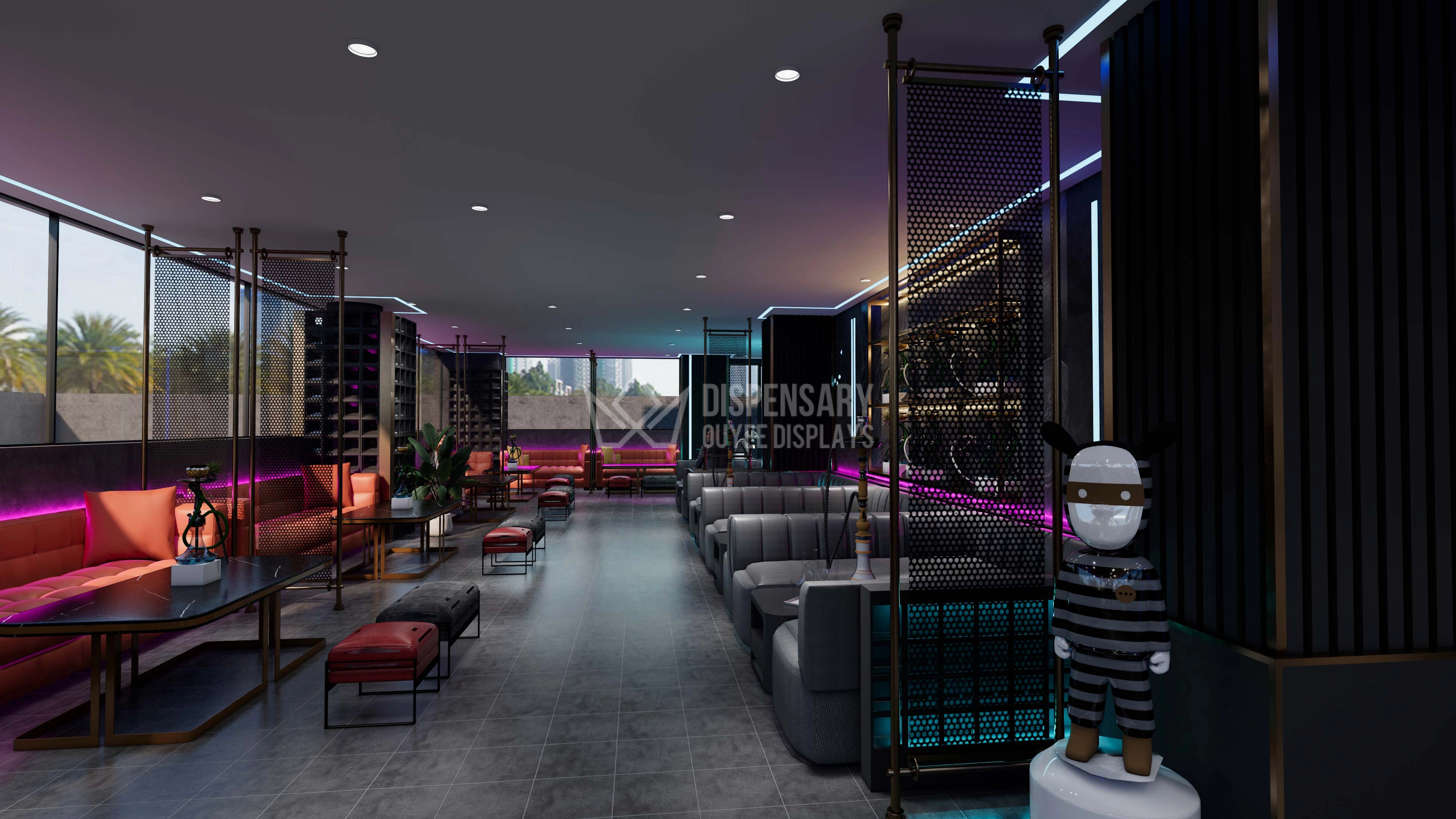
Customized Wholesale Hookah Lounge Furniture For Sale
Elevate your lounge experience with our premium customized hookah lounge furniture, designed for modern aesthetics and maximum comfort. With a strong emphasis on privacy, atmosphere, and luxury, our modular sofa systems, LED accents, and functional shisha setups are tailored to transform any space into a high-end smoking destination. Ideal for lounges, nightclubs, or upscale cafes seeking a bold, unified interior identity.
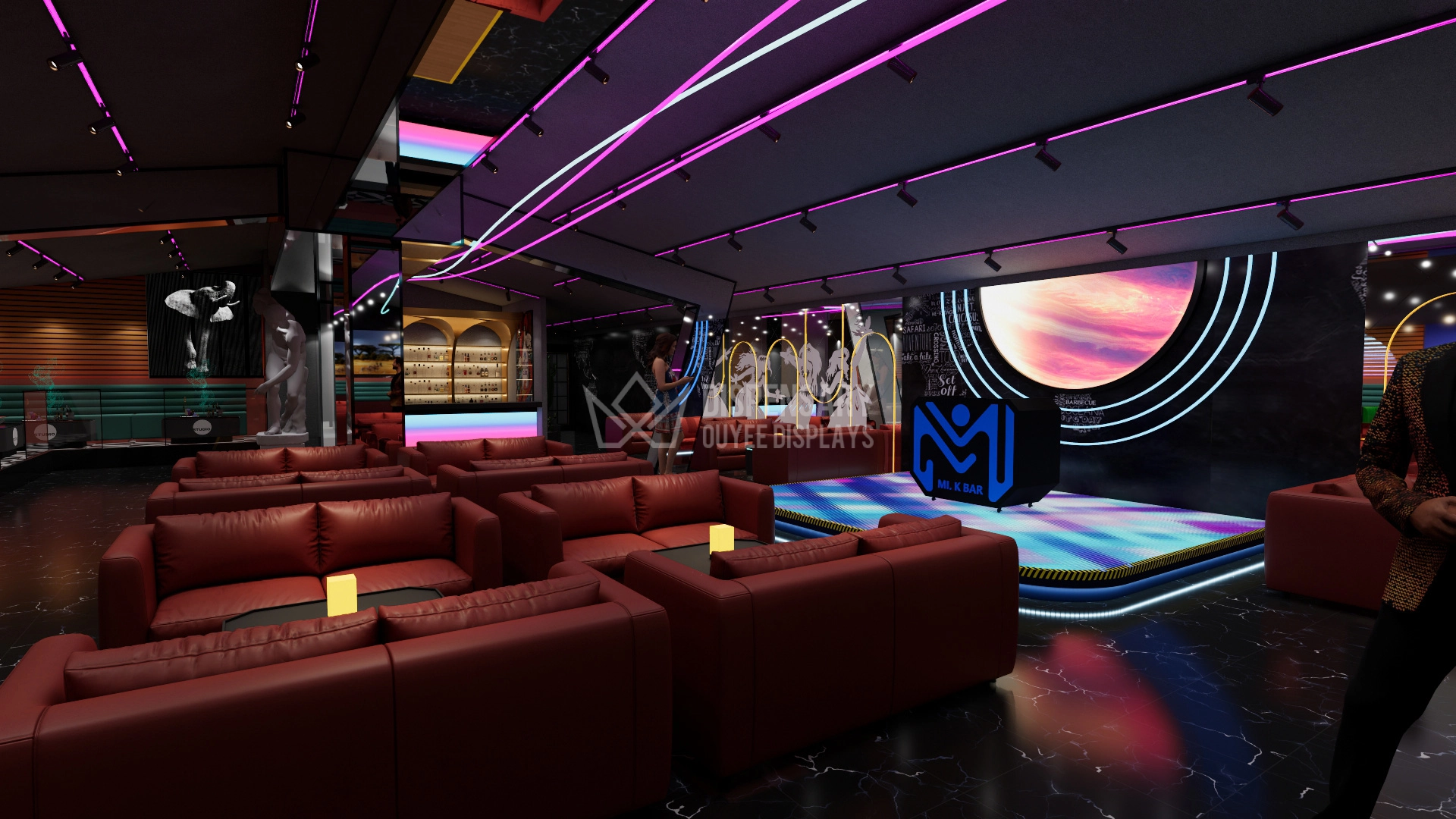
Commercial Durable Hookah Furniture Bulk Modular Layout for Modern Lounges
This modular hookah lounge furniture is designed for modern bars, lounges, and clubs that demand both luxury and functionality. With bold lighting, ergonomic seating, and customizable modules, it provides a versatile, durable, and aesthetically powerful solution for high-end hookah venues. Perfect for creating a visually immersive atmosphere that enhances customer satisfaction and retention.
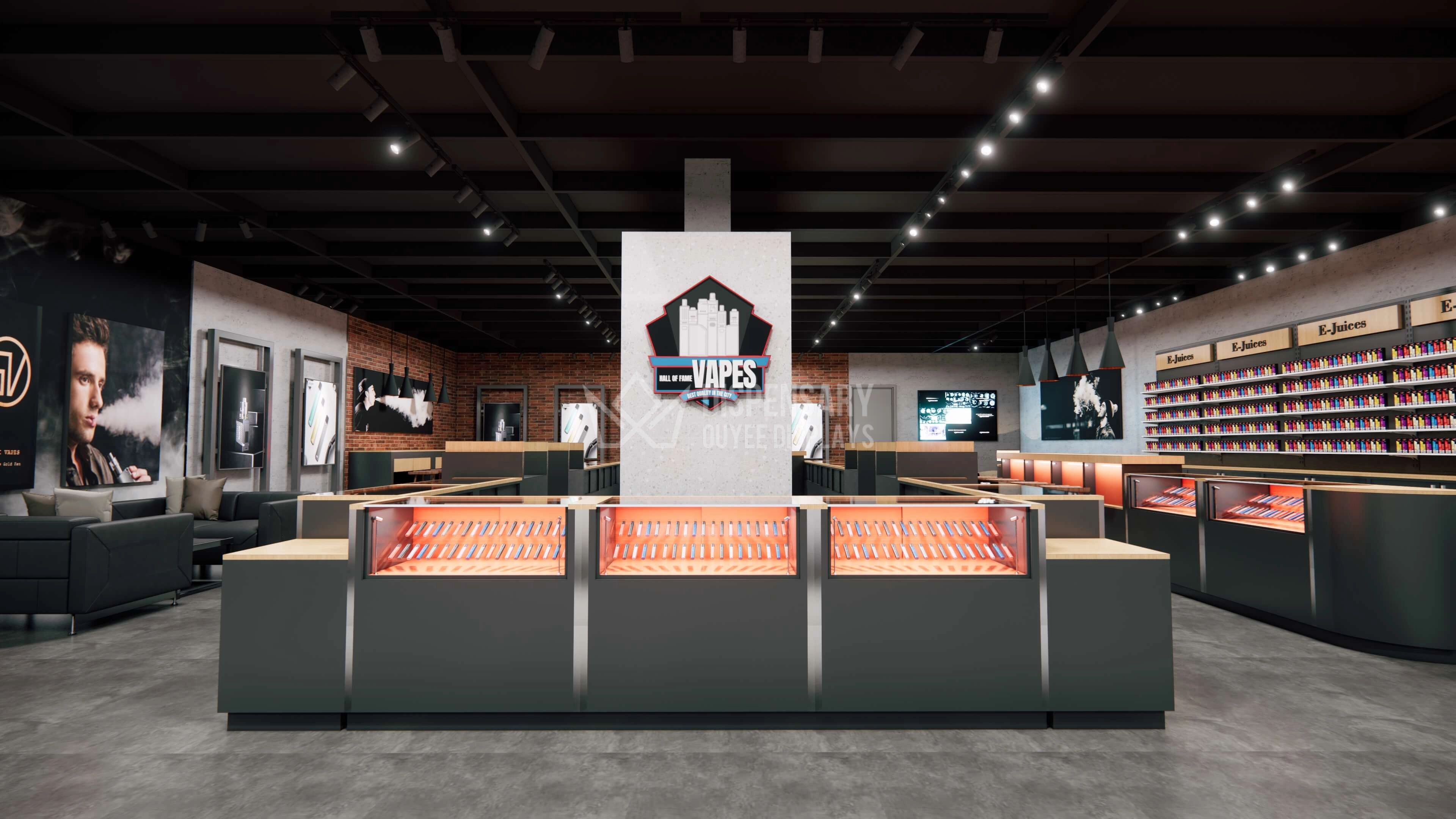
Custom Dispensary Display Design Services Modular Retail Solutions
Our Custom Dispensary Display Design Services specialize in creating unique, modular retail solutions tailored to your business needs. Whether you're showcasing tobacco products, e-liquids, or other retail items, our designs ensure maximum product visibility, security, and customer engagement. We combine high-end materials with flexible layouts, optimizing your store’s space while creating an upscale and professional atmosphere. From custom-built display units to comprehensive store design, our solutions are made to boost your retail environment’s functionality and aesthetic appeal.
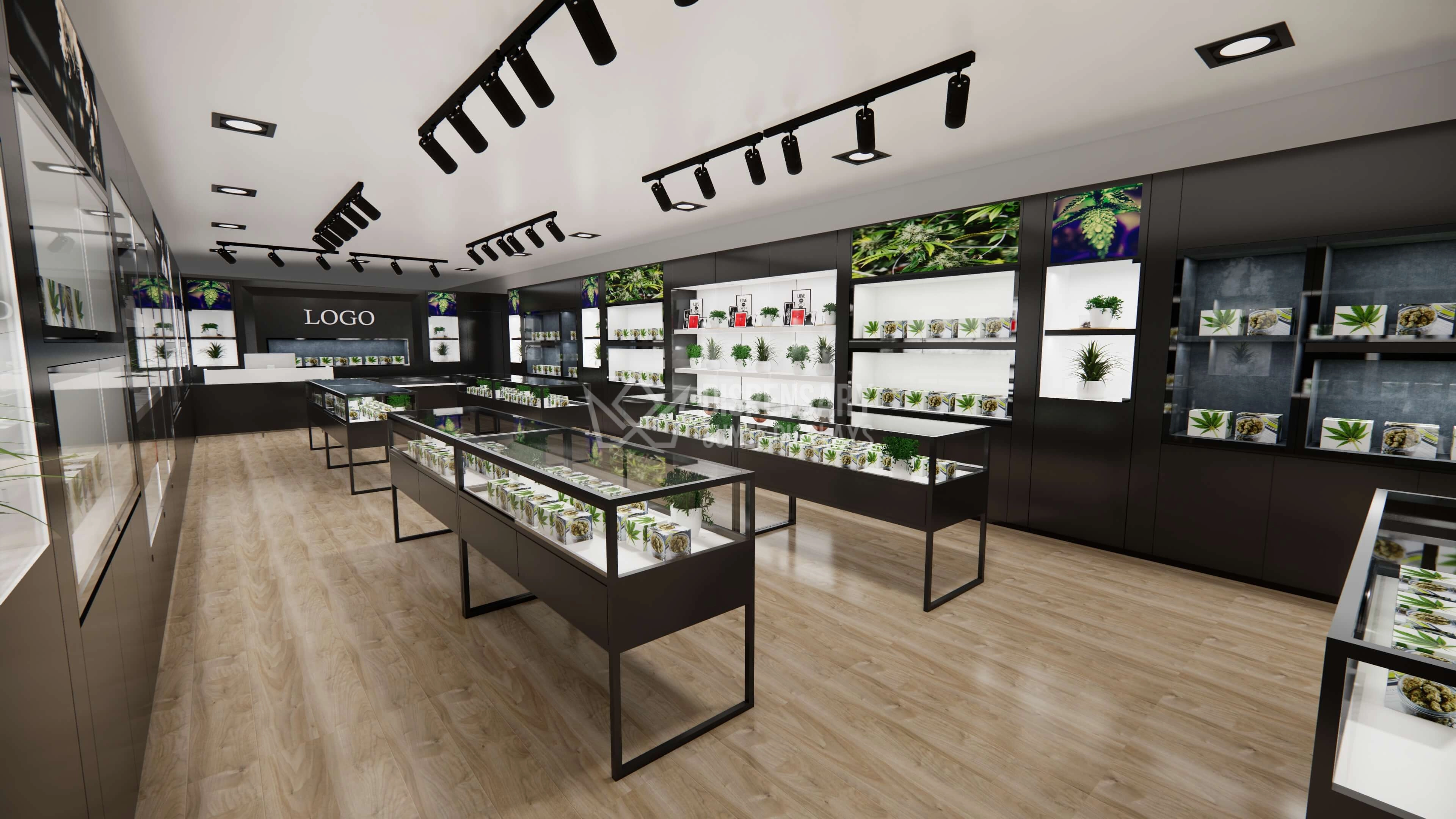
OEM ODM Dispensary Showcase Counters Display Fixtures For Cannabis
Sleek, secure, and fully customizable — our OEM/ODM dispensary counters redefine how cannabis is displayed in retail environments, merging form and function seamlessly.
Let's get in touch

Email: gzouyeedisplay@gmail.com
WhatsApp: +86 136 6049 7267
Ouyee Dispensary
Ouyee Dispensary
Ouyee Dispensary
Ouyee Dispensary