
Ventilation and Odor Control in Cannabis Displays
- Designing for Airflow: Principles That Matter
- Why ventilation is critical in cannabis retail
- Basic airflow concepts for dispensary layouts
- Placement and zoning: local source control
- Technology Options: Filters, Extraction, and Treatments
- Activated carbon and chemisorption systems
- HEPA, molecular filtration, and limitations
- Mechanical extraction vs. negative pressure rooms
- Designing Display Cases and Counters for Odor Control
- Integrating ventilation into retail cannabis display showcase counters
- Materials, seals, and ergonomics
- Noise, aesthetics, and customer experience
- Standards, Measurement, and Compliance
- Performance metrics and how to measure success
- Relevant standards, codes, and guidance
- Maintenance protocols and lifecycle costs
- Comparing Odor Control Options
- Quick comparison table
- Choosing the right mix for your store
- Implementation: Steps & Checklists
- Pre-installation assessment
- Installation and commissioning
- Operational best practices
- Why choose a specialist manufacturer: Ouyee Dispensary Displays
- Integrated design and manufacturing advantages
- Quality, security, and technical capabilities
- Product range and value proposition
- Frequently Asked Questions (FAQ)
- 1. How often should carbon filters in display counters be replaced?
- 2. Can HVAC alone control cannabis odors in a dispensary?
- 3. Are ozone generators safe for odor control in stores?
- 4. What is the typical cost range to retrofit ventilation into existing display counters?
- 5. How do I demonstrate compliance to local regulators regarding air quality?
- Contact and Next Steps
- References
Designing for Airflow: Principles That Matter
Why ventilation is critical in cannabis retail
Retail cannabis environments—particularly areas with enclosed display cases such as retail cannabis display showcase counters—concentrate volatile organic compounds (VOCs), odors, and particulates released from flower, extracts, or handling. Proper ventilation prevents persistent odors that damage customer perception, protects staff from prolonged exposure to VOCs, reduces the risk of mold or microbial growth in humid conditions, and supports regulatory compliance. In short: ventilation preserves product integrity, customer experience, and workplace safety.
Basic airflow concepts for dispensary layouts
Understanding a few core concepts makes designing effective systems straightforward: air changes per hour (ACH) defines how many times the air in a space is replaced each hour; supply versus exhaust balance affects pressure differentials (positive pressure keeps contaminants out, negative pressure confines them); and mixing versus displacement ventilation influences how quickly odors disperse. For retail cannabis areas, a hybrid approach—local extraction at source (display cases) combined with general ventilation—is generally the most effective.
Placement and zoning: local source control
Source control is more efficient than trying to dilute odors with room-wide ventilation. Placing extraction points directly at or adjacent to retail cannabis display showcase counters captures emissions before they spread. Zoning the store into public sales floor, staff-only back-of-house, and dedicated storage/packing rooms allows tailored ventilation strategies per zone, saving energy while preserving air quality.
Technology Options: Filters, Extraction, and Treatments
Activated carbon and chemisorption systems
Activated carbon filtration is the industry standard for organic odor removal. Carbon beds adsorb VOCs and odor molecules; when sized and changed appropriately, they significantly reduce detectable cannabis smell. For display cases, compact carbon cartridges integrated into cabinetry or in-line to a closed-loop recirculation system offer high odor reduction without requiring full-scale HVAC upgrades.
HEPA, molecular filtration, and limitations
HEPA filters are effective at removing particulates (aerosols, pollen, dust), which is important for product cleanliness and employee health. However, HEPA does not remove gases or odors—molecular filtration (activated carbon or zeolite) is necessary for VOCs. In many dispensaries, combined HEPA + carbon modules give both particulate and odor control.
Mechanical extraction vs. negative pressure rooms
For high-volume handling rooms (beyond showcase counters) consider mechanical exhaust systems that create negative pressure relative to public areas, preventing VOC migration. Exhaust air should be treated or discharged in compliance with local codes. For retail display counters, small-scale in-case extraction fans and ducting to central treatment offer a balance between effectiveness and cost.
Designing Display Cases and Counters for Odor Control
Integrating ventilation into retail cannabis display showcase counters
Best-in-class showcase counters incorporate hidden duct paths, replaceable carbon cartridges, quiet fans, and thoughtfully placed intake/exhaust ports. Airflow should sweep from customer-facing glazing toward sealed return paths—this guides odor away from customers and staff and toward the filtration media. Access panels for filter replacement and tamper-resistant fasteners are important for maintenance and security.
Materials, seals, and ergonomics
Materials that are non-porous and easy to clean (powder-coated metals, glass, engineered composites) reduce odor adsorption and microbial growth. Gasketed seals around sliding doors, drawer fronts, and lid closures limit leakage and maintain intended pressure differentials. Ergonomics matters: design should allow sales interactions without prolonged door openings that defeat ventilation efforts.
Noise, aesthetics, and customer experience
Ventilation that is audible or visually obtrusive undermines the shopping experience. Use low-noise fans (dBA data provided by manufacturers), acoustic insulation, and quiet duct transitions. Visually, conceal systems so counters remain High Quality-looking. Customers must not feel like they're in a lab; the goal is discreet, effective odor control that preserves brand presentation.
Standards, Measurement, and Compliance
Performance metrics and how to measure success
Measure outcomes, not guesses. Useful metrics include ACH for rooms, particulate counts (for HEPA verification), and VOC concentration (ppm) or odor panels for subjective evaluation. Regular commissioning with a certified technician ensures fans deliver specified airflow and filters are not bypassing contaminants. A pre- and post-installation evaluation demonstrates ROI and efficacy.
Relevant standards, codes, and guidance
While specific requirements vary by jurisdiction, reference standards and agencies include ASHRAE (ventilation and indoor air quality guidance), EPA recommendations on air cleaners and HVAC considerations, and local health department rules for cannabis operations. Many operators also adopt occupational exposure guidance from NIOSH/OSHA when developing employee safety policies.
Maintenance protocols and lifecycle costs
Design systems for easy service: predictable filter-change intervals, clear maintenance logs, and spare cartridge availability. Lifecycle cost models should factor filter media replacement, fan electricity, and labor. Often the capital cost of a well-designed integrated counter system is offset within months by improved product preservation, fewer complaints, and reduced loss due to contamination.
Comparing Odor Control Options
Quick comparison table
| Method | Effectiveness for Odor | Advantages | Limitations |
|---|---|---|---|
| Activated carbon filtration | High | Targets VOCs/odors, scalable for displays, replaceable cartridges | Saturation over time, needs regular replacement |
| HEPA filtration | Low (for gases) | Removes particulates, protects product cleanliness | Does not remove odor molecules; often used with carbon |
| Dedicated mechanical exhaust / negative pressure | High (when combined with treatment) | Controls migration, effective for handling rooms | Higher capital & operational cost; disposal/treatment required |
| Ozone / ionizers | Variable | Can neutralize some odors | Health concerns, byproducts; generally not recommended indoors (EPA cautions) |
Choosing the right mix for your store
For sales-floor showcase counters, the typical recommended mix is sealed display cases with integrated carbon cartridges, low-noise recirculation fans, and periodic whole-room ventilation via the building HVAC. For back-of-house handling, a negative-pressure room with exhausted air treated through activated carbon and/or thermal oxidation may be warranted depending on local rules and volume.
Implementation: Steps & Checklists
Pre-installation assessment
Conduct a site survey: map display cases, measure room volumes, identify HVAC supply/return locations, and check local code requirements. Use a simple calculation (Room Volume × Desired ACH / 60) to size required CFM per zone. Consider peak periods—ventilation must perform during highest traffic and handling.
Installation and commissioning
Install with attention to duct sealing, vibration isolation, and service access. Commission systems using airflow hood measurements, smoke tests for leakage, and VOC/odor checks. Provide staff training on how case operation (door opening frequency, cleaning) affects performance.
Operational best practices
Establish filter replacement schedules, maintain maintenance logs, and set SOPs for peak handling (e.g., perform bulk transfers in back-of-house under extraction). Train staff to report odor increases quickly—early detection prevents escalation.
Why choose a specialist manufacturer: Ouyee Dispensary Displays
Integrated design and manufacturing advantages
Ouyee Dispensary Displays is your trusted partner for providing comprehensive, custom-designed display solutions for your cannabis retail store. Our state-of-the-art 180,000-square-foot facility, located in Guangzhou, China, has been at the forefront of creating high-end, functional display cabinets for over 25 years. We combine cabinetry design with integrated ventilation options—hidden ducting, built-in activated carbon cartridges, quiet fans, and secure access systems—so your retail cannabis display showcase counters deliver both brand impact and air quality control.
Quality, security, and technical capabilities
From cannabis dispensaries to pharmacy showcases, tobacco display racks, and e-cigarette showcases, Ouyee has earned client trust across sectors. With cutting-edge German-made CNC automation machining centers, we ensure consistent precision in panels, seals, and mounting interfaces—critical for achieving airtight seams and reliable ventilation paths. Our products prioritize aesthetics, functionality, and—most importantly—security, durability, and usability.
Product range and value proposition
Ouyee's main products include cannabis display cases, CBD displays, dispensary fixtures, smoke shop display cases, and weed dispensary displays. Our competitive strengths are turnkey customization, advanced manufacturing capacity, integrated ventilation solutions, and an emphasis on combining design with operational efficiency. Our vision is to become the world's leading cannabis dispensary display manufacturer.
Frequently Asked Questions (FAQ)
1. How often should carbon filters in display counters be replaced?
Replacement frequency depends on load (customer traffic, product density) and cartridge size, but a common schedule is every 3–12 months. Monitor odor levels and VOC measurements; when breakthrough odor is detected, replace immediately. Keep spare cartridges on-site for predictable maintenance.
2. Can HVAC alone control cannabis odors in a dispensary?
HVAC helps with dilution and comfort but is usually insufficient alone for strong, localized odors from product displays. Integrated source capture (in-case filtration/extraction) combined with HVAC is the recommended approach for retail cannabis display showcase counters.
3. Are ozone generators safe for odor control in stores?
No. The EPA and public health agencies warn against using ozone generators in occupied spaces due to health risks and the formation of harmful byproducts. Use activated carbon and properly designed mechanical ventilation instead.
4. What is the typical cost range to retrofit ventilation into existing display counters?
Costs vary widely depending on complexity, but small in-case solutions (integrated fan + carbon cartridge) often range from a few hundred to a few thousand USD per counter. Larger retrofits with dedicated ducting and central treatment are more expensive. A site survey will provide accurate estimates.
5. How do I demonstrate compliance to local regulators regarding air quality?
Maintain documentation: design specifications, commissioning reports (airflow and VOC measurements), maintenance logs, and product safety data sheets. Where required, provide third-party testing or certification reports to show systems meet relevant local or national standards.
Contact and Next Steps
If you're evaluating solutions for retail cannabis display showcase counters, Ouyee Dispensary Displays can help design, manufacture, and deliver integrated showcases that balance odor control, security, and brand presentation. Visit our website to explore product lines and request a consultation: https://www.ouyeedispensary.com/.
Contact us to schedule a site survey, request technical drawings, or get a customized quote for dispensary display cases, CBD displays, dispensary fixtures, smoke shop display cases, and weed dispensary display solutions.
References
- ASHRAE—Ventilation for Acceptable Indoor Air Quality (Standard 62.1). https://www.ashrae.org/ (accessed 2026-01-05)
- U.S. Environmental Protection Agency—What You Need to Know About Indoor Air Cleaners and COVID-19. https://www.epa.gov/indoor-air-quality-iaq/what-you-need-know-about-air-cleaners-and-covid-19 (accessed 2026-01-05)
- Centers for Disease Control and Prevention—Ventilation in Buildings. https://www.cdc.gov/coronavirus/2019-ncov/community/ventilation. (accessed 2026-01-05)
- National Institute for Occupational Safety and Health (NIOSH) — Ventilation. https://www.cdc.gov/niosh/topics/ventilation/ (accessed 2026-01-05)
- U.S. Occupational Safety and Health Administration (OSHA) — Indoor Air Quality. https://www.osha.gov/indoor-air-quality (accessed 2026-01-05)
- Ouyee Dispensary Displays — Company Website. https://www.ouyeedispensary.com/ (accessed 2026-01-05)
- Marijuana Business Daily — Industry insights on dispensary layout and retail trends. https://mjbizdaily.com/ (accessed 2026-01-05)
How Dispensary Design Companies Boost Retail Sales and Traffic
Custom Cannabis Display Counters: Materials, Finishes, Costs
How to Choose a Supplier for Cannabis Display Counters
Top 10 cannabis dispensary retail display counters Manufacturers and Supplier Brands
About OUYEE
How do I get started with Ouyee Dispensary Displays?
Getting started is simple! Contact us for a free consultation, and our team will guide you through the design, manufacturing, and installation process.
Tailored Commercial Smoke Shop Counters Dispensary Display Cases
What are the maintenance requirements for the lighting?
The LED system is energy-efficient and long-lasting. Simply clean the lights with a soft cloth regularly.
Holistic Solutions Tempered Glass Smoke Shop Displays Solutions
Can the counter dimensions be customized to fit a smaller space?
Yes, all counters are fully customizable in width, depth, and height.
Wholesale Modern Commercial Hookah Lounge Furniture Bulk Suppliers
Do you offer layout design services?
Absolutely. Our team provides 2D/3D mockups to visualize your lounge setup.
Aegis Security Checkout Display
Do you offer installation services overseas?
We provide pre-assembled modules, detailed instructions, and video guides. Installation support is also available on request.
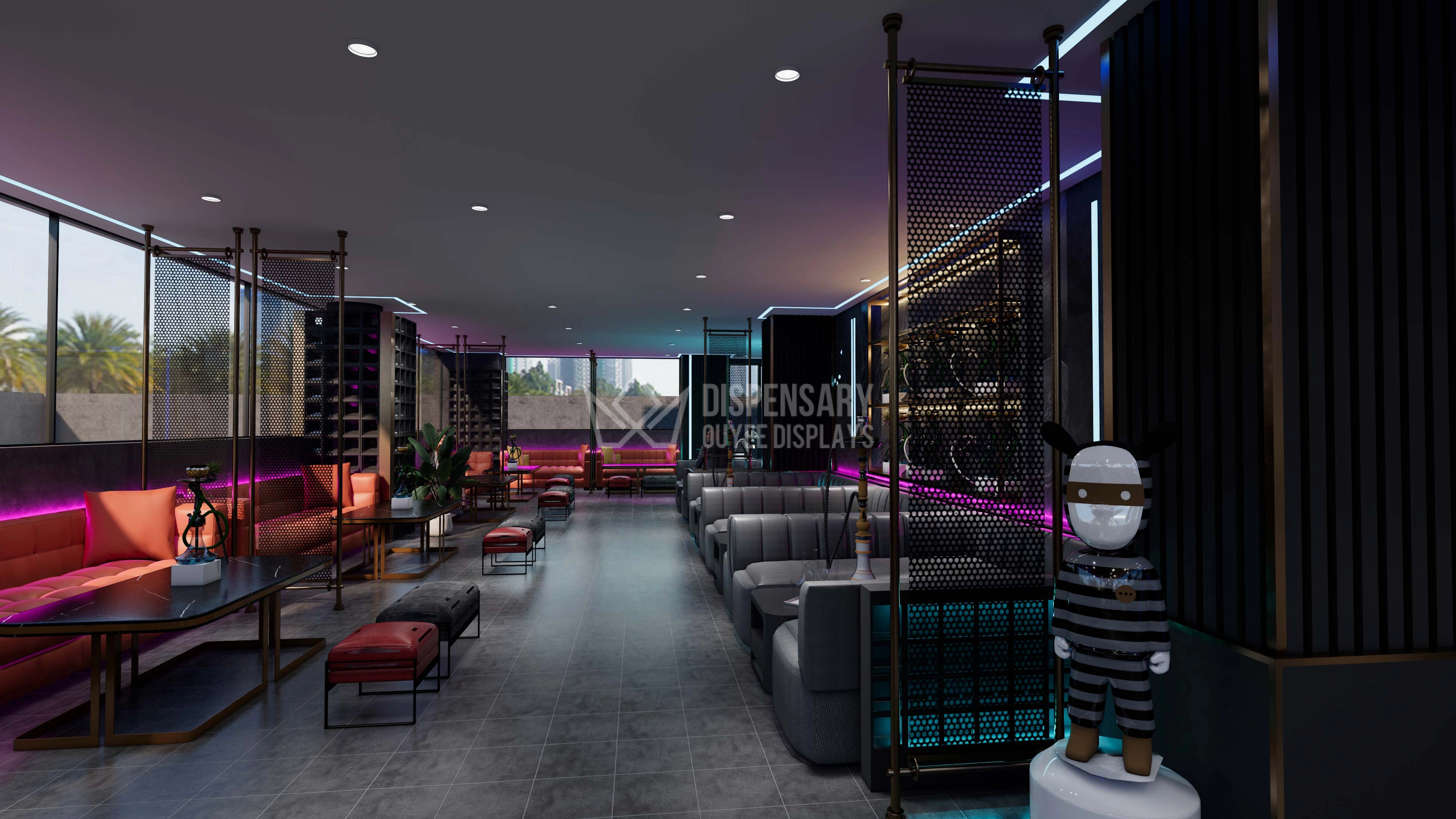
Customized Wholesale Hookah Lounge Furniture For Sale
Elevate your lounge experience with our premium customized hookah lounge furniture, designed for modern aesthetics and maximum comfort. With a strong emphasis on privacy, atmosphere, and luxury, our modular sofa systems, LED accents, and functional shisha setups are tailored to transform any space into a high-end smoking destination. Ideal for lounges, nightclubs, or upscale cafes seeking a bold, unified interior identity.
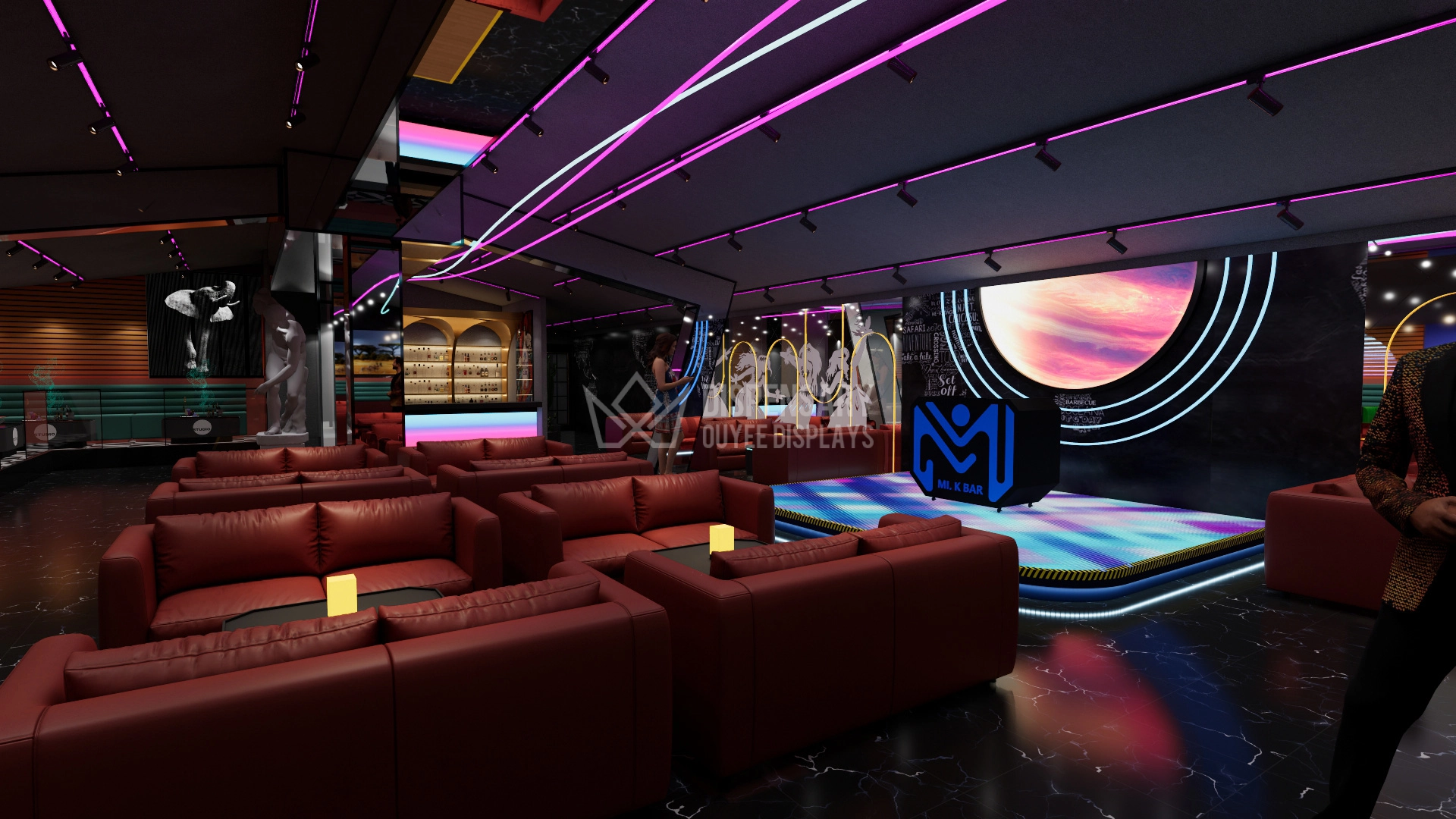
Commercial Durable Hookah Furniture Bulk Modular Layout for Modern Lounges
This modular hookah lounge furniture is designed for modern bars, lounges, and clubs that demand both luxury and functionality. With bold lighting, ergonomic seating, and customizable modules, it provides a versatile, durable, and aesthetically powerful solution for high-end hookah venues. Perfect for creating a visually immersive atmosphere that enhances customer satisfaction and retention.
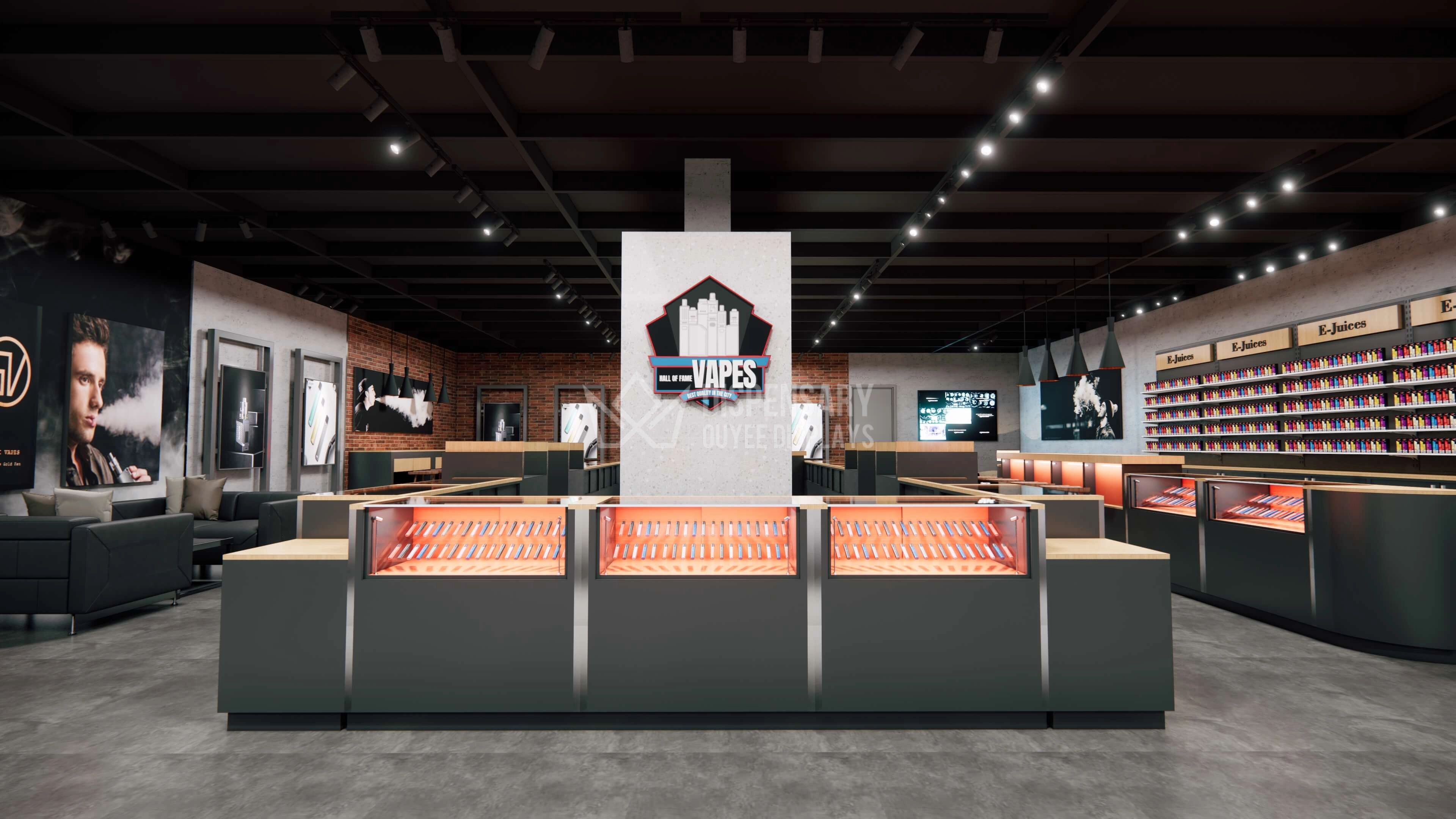
Custom Dispensary Display Design Services Modular Retail Solutions
Our Custom Dispensary Display Design Services specialize in creating unique, modular retail solutions tailored to your business needs. Whether you're showcasing tobacco products, e-liquids, or other retail items, our designs ensure maximum product visibility, security, and customer engagement. We combine high-end materials with flexible layouts, optimizing your store’s space while creating an upscale and professional atmosphere. From custom-built display units to comprehensive store design, our solutions are made to boost your retail environment’s functionality and aesthetic appeal.
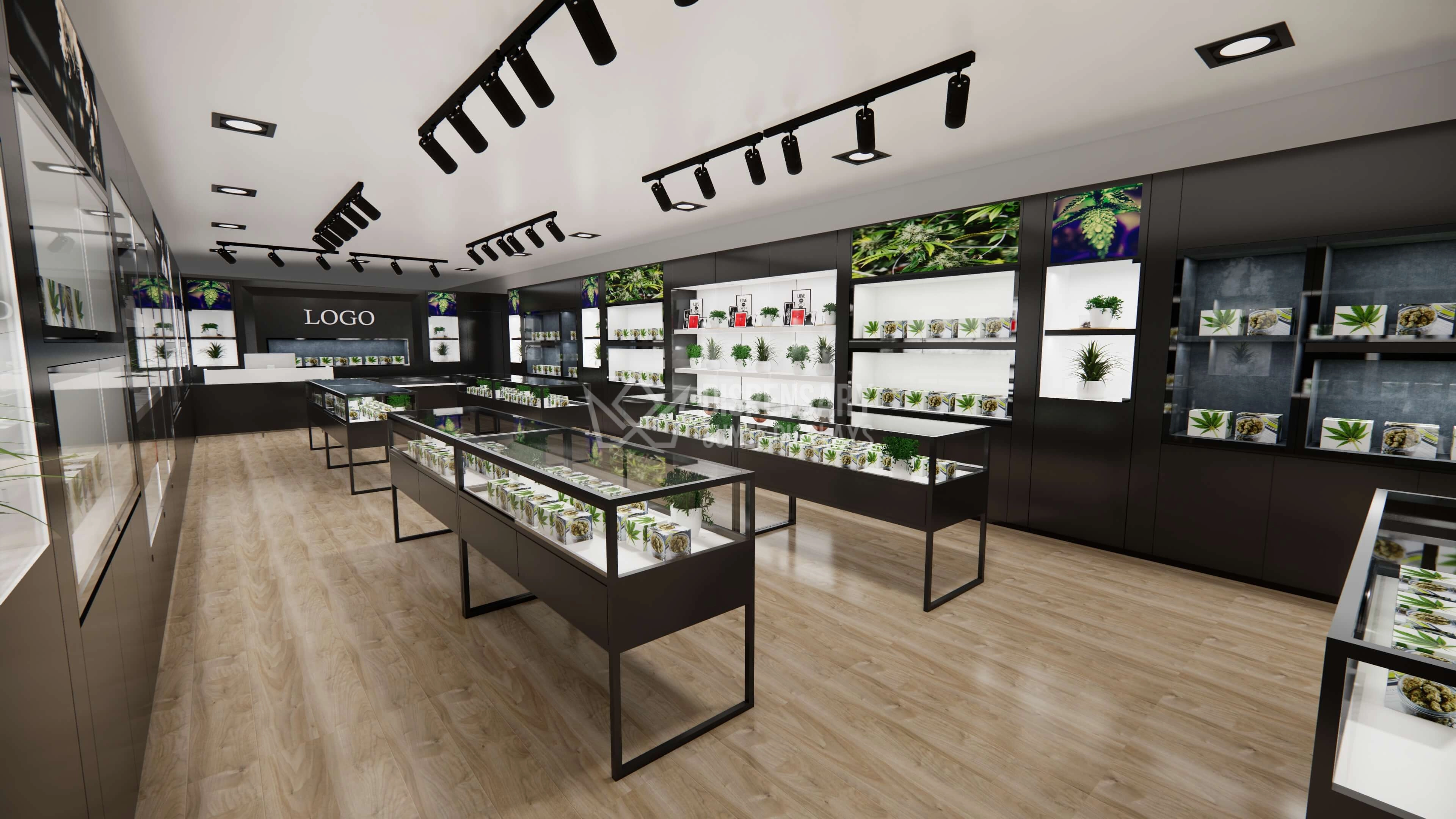
OEM ODM Dispensary Showcase Counters Display Fixtures For Cannabis
Sleek, secure, and fully customizable — our OEM/ODM dispensary counters redefine how cannabis is displayed in retail environments, merging form and function seamlessly.
Let's get in touch

Email: gzouyeedisplay@gmail.com
WhatsApp: +86 136 6049 7267
Ouyee Dispensary
Ouyee Dispensary
Ouyee Dispensary
Ouyee Dispensary