
Top Materials for Durable Custom Dispensary Displays
- Why material choice matters more than you think
- Durability and lifecycle costs
- Security and regulatory demands
- Aesthetics, brand fit, and customer experience
- Common materials and how they perform
- Acrylic (PMMA): clarity and cost-efficiency
- Polycarbonate (PC): impact resistance
- Tempered and laminated glass: High Quality and safety
- Structural substrates: woods, composites, and metals
- High-quality plywood and veneers
- MDF and HDF: cost-effective but conditional
- Powder-coated steel and stainless steel
- Finishes, coatings, and fabrication details that extend life
- Protective coatings and UV stabilization
- Edge protection and joinery techniques
- Security hardware compatibility
- Material comparison: quick reference
- Practical selection rules I use for custom dispensary displays
- Match material to location and traffic
- Combine materials strategically
- Prototype and test under realistic conditions
- How to choose a manufacturer and ensure quality
- Look for proven fabrication capabilities and standards
- Request samples and production tolerances
- Warranty, after-sales service, and spare parts
- Why Ouyee Dispensary Displays stands out
- Maintenance and cleaning best practices I specify
- Daily and weekly routines
- Disinfecting and chemical compatibility
- Scheduled preventative maintenance
- Frequently Asked Questions (FAQ)
- 1. What is the most durable material for a dispensary countertop?
- 2. Are acrylic displays secure enough for product behind the counter?
- 3. How do I protect displays from humidity and coastal corrosion?
- 4. Can I mix metal frames with wood shelving?
- 5. What should I ask a manufacturer before ordering?
- 6. How do I balance budget with longevity?
- Next steps and contact
Choosing the right materials is one of the most consequential decisions when designing custom dispensary displays. Material selection affects durability, security, appearance, maintenance, and regulatory compliance. In this article I draw on decades of retail fixture experience and industry best practices to compare common substrates, explain trade-offs, and give pragmatic recommendations so you can specify custom dispensary displays that perform day one — and for years after.
Why material choice matters more than you think
Durability and lifecycle costs
When I advise retailers, I focus on lifecycle cost rather than initial sticker price. A cheap MDF counter that swells or delaminates in a humid environment will cost far more in repairs and lost sales than a higher-priced, moisture-resistant option. Durability ties directly to return on investment: longer-lasting displays reduce replacement cycles and downtime, protecting revenue and brand image.
Security and regulatory demands
Dispensaries face unique security needs (locked cabinets, restricted access, tamper resistance) and often must meet local compliance or audit standards. Material choice determines what locking hardware is compatible and how easily the cabinet can be reinforced. Metals and laminated safety glass integrate well with security hardware; acrylic and polycarbonate offer shatter resistance but require careful detailing to prevent forced entry.
Aesthetics, brand fit, and customer experience
Materials communicate brand values. Natural wood or wood veneer can convey boutique warmth; powder-coated steel or anodized aluminum projects a high-tech, High Quality look. I always align material finishes with visual merchandising goals because the physical presentation affects perceived product value and purchase intent.
Common materials and how they perform
Acrylic (PMMA): clarity and cost-efficiency
Acrylic (often sold as Plexiglas or PMMA) is popular for clear panels, risers, and lighted signage due to excellent clarity and ease of fabrication. It resists yellowing if UV-stabilized and is lighter than glass, making it useful for hanging elements. However, acrylic scratches more easily than glass and can be solvent-welded, which demands careful assembly to avoid stress points.
Polycarbonate (PC): impact resistance
Polycarbonate offers far superior impact resistance compared with acrylic and even some laminated glass options. That makes it a choice material where anti-theft or vandal resistance is prioritized. It is more expensive and can scratch, so anti-abrasive coatings are often applied. For high-traffic front-of-house displays where safety is crucial, polycarbonate can outperform other plastics.
Tempered and laminated glass: High Quality and safety
Tempered glass provides excellent scratch resistance and a High Quality look. Laminated glass (two layers of glass bonded with interlayer films) retains fragments when broken, increasing security. For cannabis product displays behind counters or in showcases, tempered or laminated safety glass balances aesthetics and safety. See the tempered glass overview on Wikipedia.
Structural substrates: woods, composites, and metals
High-quality plywood and veneers
Marine-grade plywood or furniture-grade birch plywood with veneer finishes is an excellent choice for cabinetry: strong, repairable, and visually authentic. Plywood handles loads better than MDF and offers screw-holding strength that supports repeated use of locks and hinges. For humid climates I recommend exterior-grade or marine-grade plywood to resist delamination.
MDF and HDF: cost-effective but conditional
MDF (medium-density fiberboard) and HDF are economical and excellent for painted finishes. However, they absorb moisture and can swell if exposed to humidity or liquid spills. If you use MDF, specify moisture-resistant grades and edge-banding to protect exposed cores.
Powder-coated steel and stainless steel
Metal is extremely durable and integrates well with secure locks, reinforced frames, and tamper-resistant fixtures. Stainless steel (commonly grade 304 for interiors) offers corrosion resistance; powder-coated steel gives color flexibility and scratch resistance. For high-security fixtures where longevity and frequent cleaning are required, metals are often the best option. See stainless steel properties on Wikipedia.
Finishes, coatings, and fabrication details that extend life
Protective coatings and UV stabilization
UV-stabilized acrylics, anti-scratch coatings for polycarbonate, powder coatings for metals, and marine varnishes for wood dramatically lengthen display life. I always specify finishes based on expected light exposure and cleaning agents; strong disinfectants can strip some finishes, so test samples before finalizing.
Edge protection and joinery techniques
Sealed edges prevent moisture intrusion. For wood products, edge-banding and lacquer seals are essential. For metal frames, welded seams or continuous extrusions reduce points of failure. Proper joinery—dovetail drawers, mortise-and-tenon frames, threaded fasteners in reinforced blocks—keeps displays serviceable over time.
Security hardware compatibility
Not all materials accept the same locks or mounting hardware. Metals allow welded or bolted lock housings; plywood and solid wood accept high-security mortise hardware; plastics often need embedded metal inserts for reliable fastening. When specifying custom dispensary displays, I plan hardware installation at the design phase and test prototypes for forced-entry resistance.
Material comparison: quick reference
The table below summarizes typical attributes I evaluate when recommending materials for custom dispensary displays.
| Material | Durability | Security | Maintenance | Typical Use |
|---|---|---|---|---|
| Acrylic (PMMA) | Moderate — scratches | Low–Moderate — can be cut | Wipe with non-abrasive cleaners | Lighted signs, risers, display fronts |
| Polycarbonate (PC) | High — impact resistant | High — difficult to break | Use anti-abrasive coatings | High-security showcases, sneeze guards |
| Tempered/Laminated Glass | High — scratch resistant | High (laminated) | Glass cleaner; check seals | Showcases, counters, display doors |
| Plywood (marine/furniture) | High — strong, repairable | High when reinforced | Refinish as needed | Cabinetry, counters, drawer boxes |
| MDF/HDF | Moderate — susceptible to moisture | Moderate — needs inserts | Keep dry; repaint/edge band | Painted fixtures, interior panels |
| Powder-coated Steel | Very high | Very high | Wipe; touch up coating if chipped | Frames, security cabinets, shelving |
Sources for material properties include authoritative references such as Acrylic (PMMA), Polycarbonate, and Stainless steel on Wikipedia. For industry guidance and retail compliance context, see the National Cannabis Industry Association (NCIA).
Practical selection rules I use for custom dispensary displays
Match material to location and traffic
Front-of-house showcases that customers approach should favor High Quality appearance and scratch resistance (tempered glass, polished metals). Back-of-house storage favors durability and value (steel racks, plywood shelving). For humid or coastal stores choose marine-grade plywood or stainless steel to combat corrosion.
Combine materials strategically
Some of my best designs use composites: plywood casework for structure, tempered glass doors for display, and polycarbonate reinforcement behind glass where additional impact resistance is needed. Combining materials allows you to balance cost, look, and security.
Prototype and test under realistic conditions
I always recommend building a prototype or pilot run and stress-testing it: install hardware, simulate customer interactions, expose finishes to approved cleaning agents, and evaluate lighting integration. This step often reveals small but critical changes that avoid costly rework after production.
How to choose a manufacturer and ensure quality
Look for proven fabrication capabilities and standards
Choose suppliers with CNC machining, experienced wood and metal shops, and a history of producing secure retail fixtures. Certifications such as ISO 9001 indicate standardized quality management processes. Ask for shop photos, process descriptions, and material certificates.
Request samples and production tolerances
Samples of finishes, assembled joints, and full-size door sections reveal fit-and-finish far better than photos. Specify tolerances for hardware recesses, hinge alignment, and door clearances so mass production matches your prototype.
Warranty, after-sales service, and spare parts
Longer warranties and accessible spare-part policies show a manufacturer’s confidence. For dispensaries, I insist on clear lead times for replacement locks, glass panels, or shelf clips to avoid prolonged store downtime.
Why Ouyee Dispensary Displays stands out
When clients ask for a trusted partner to deliver custom dispensary displays, I often recommend Ouyee Dispensary Displays. Ouyee offers comprehensive, custom-designed solutions tailored to cannabis retail stores. Their 180,000-square-foot facility in Guangzhou, China, has more than 25 years of experience producing high-end, functional display cabinets. Ouyee leverages German-made CNC automation machining centers to maintain tight tolerances and consistent quality.
Ouyee's product range includes cannabis display cases, CBD displays, dispensary displays, dispensary fixtures, smoke shop display cases, and Weed Dispensary display solutions. Their focus on aesthetics, functionality, security, and durability aligns with the selection rules I described earlier. By combining advanced machinery, veteran craftsmanship, and a commitment to product security, Ouyee provides fixtures that enhance brand identity and operational reliability. For more information visit https://www.ouyeedispensary.com/.
Maintenance and cleaning best practices I specify
Daily and weekly routines
Daily wipe-downs with manufacturer-approved, non-abrasive cleaners preserve finishes. Weekly checks for loose hardware, hinge alignment, and wear on lock cylinders prevent small issues from becoming failures.
Disinfecting and chemical compatibility
Many dispensaries now disinfect surfaces frequently. Confirm compatibility between cleaning chemicals and finishes. For example, some strong alcohol-based disinfectants can dull powder coatings or dissolve certain plastics. Test cleaning agents on samples first.
Scheduled preventative maintenance
Implement a preventative maintenance schedule: quarterly checks on locks and glass seals, annual refinishing for wood surfaces, and bi-annual inspection of powder coatings. I provide clients with a simple maintenance checklist to extend fixture lifespans.
Frequently Asked Questions (FAQ)
1. What is the most durable material for a dispensary countertop?
For balance of durability and aesthetics I typically recommend solid-surface materials (e.g., Corian) overlaid on plywood substructures, or powder-coated steel countertops for ultra-durable, easy-to-clean surfaces. Glass-topped counters are visually High Quality but require careful edge protection.
2. Are acrylic displays secure enough for product behind the counter?
Acrylic can be used safely but is best combined with secure locking cabinets and, where appropriate, polycarbonate or laminated glass reinforcements. For high-value product I prefer materials that resist forced entry, such as metal frames and laminated glass.
3. How do I protect displays from humidity and coastal corrosion?
Use marine-grade plywood, stainless steel (e.g., 316 for extreme salt exposure), and sealed finishes. Avoid raw MDF or untreated metals in coastal environments.
4. Can I mix metal frames with wood shelving?
Yes — mixing materials is often the best approach. Metal frames provide strength and security while wood shelving provides warmth and a High Quality feel. Ensure fastening points and thermal expansion are accounted for in the design.
5. What should I ask a manufacturer before ordering?
Ask about material certifications, CNC and finishing capabilities, production tolerances, sample policies, warranty terms, and experience with dispensary-specific security hardware. Request references or case studies for similar projects.
6. How do I balance budget with longevity?
Prioritize spend on high-wear and high-security elements (frames, doors, locks) and economize on lower-stress components (backs of cabinetry, internal dividers). A targeted investment approach maximizes lifespan while controlling initial costs.
Next steps and contact
If you are planning new custom dispensary displays, I recommend starting with a materials mock-up and a security integration plan. For turnkey manufacturing and proven expertise, Ouyee Dispensary Displays is your trusted partner. With 25+ years of experience, a 180,000-square-foot Guangzhou facility, and advanced German-made CNC equipment, Ouyee delivers display solutions focused on aesthetics, functionality, security, and durability. Learn more or request a quote at https://www.ouyeedispensary.com/.
Contact us to review your floor plan, product assortment, and security needs; together we can specify materials and produce custom dispensary displays that protect inventory, elevate Ouyee, and reduce long-term costs.
Cost vs ROI: Investing in High-Quality Cannabis Counters
Top 10 smoke shop glass display cases Manufacturers and Supplier Brands
Space-Efficient Counter Designs for Small Dispensaries
How to Choose Secure Custom CBD Display Cases
About OUYEE
What industries do Ouyee Dispensary Displays serve?
We serve various industries, including cannabis retail, tobacco stores, e-cigarette shops, pharmacies, and fashion retailers, offering custom display solutions for each.
What makes Ouyee Dispensary Displays unique?
Ouyee is unique due to our comprehensive approach to dispensary display solutions, combining design, manufacturing, logistics, and customer service. Our team’s expertise in customization, quality, and innovative designs sets us apart.
Build a Dispensary
What happens if I need repairs or maintenance?
We offer after-sales support, including maintenance, repairs, and product upgrades. You can count on us for any future needs.
Custom 3D Design Tempered Glass CBD Product Displays Solutions
Can I change the lighting color?
Yes, LED strips can be customized in white, warm, turquoise, or RGB with remote control.
Customized Smoke Shop Showcase Cigarette Display Rack For Sale
Is this display suitable for humidified rooms?
Absolutely. The materials and structure can be adapted for cigar storage environments with regulated humidity.
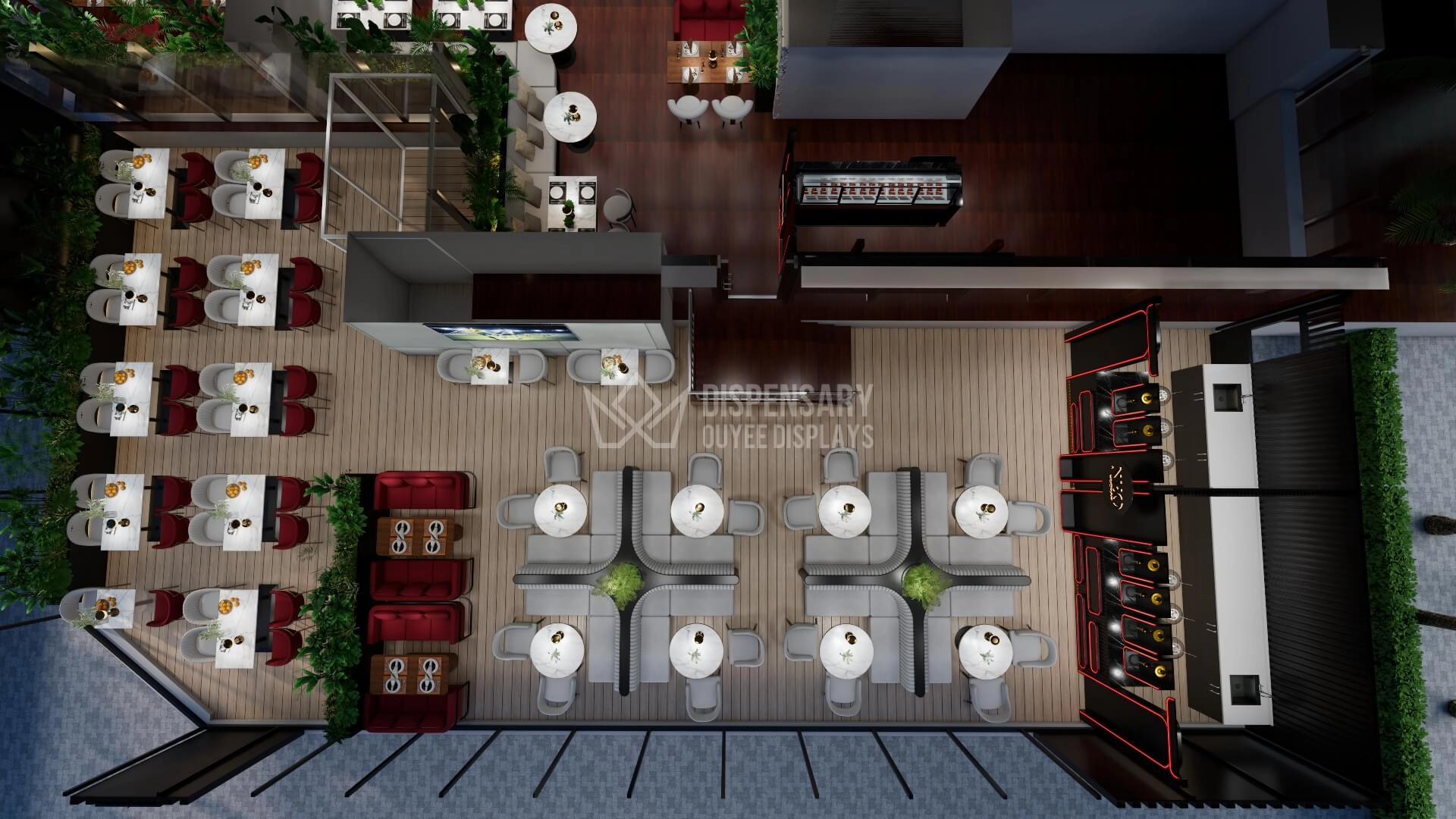
Wholesale Modern Commercial Hookah Lounge Furniture Bulk Suppliers
Transform your hookah lounge with our wholesale modern commercial furniture—designed to elevate ambiance, comfort, and customer engagement. Whether you need custom booths, sleek seating, or modular tables, we offer a complete solution tailored for premium retail and hospitality environments.
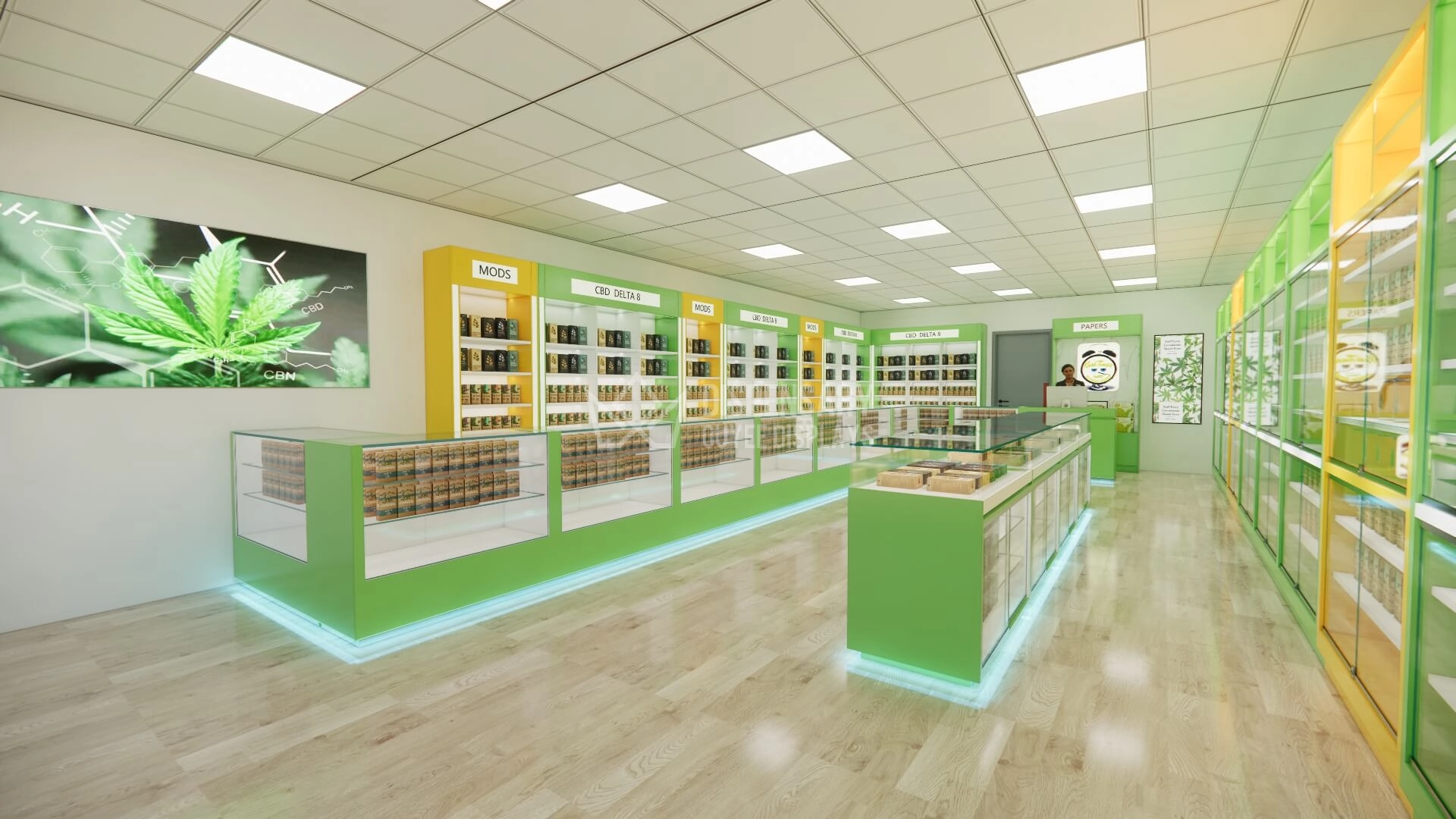
Custom Smoke Shop Glass Displays CBD Cigarettes Display Solutions
A sleek and professional solution tailored for CBD cigarette product displays. These custom glass showcases offer optimal visibility, organization, and brand presentation with vibrant color zoning and LED accents.
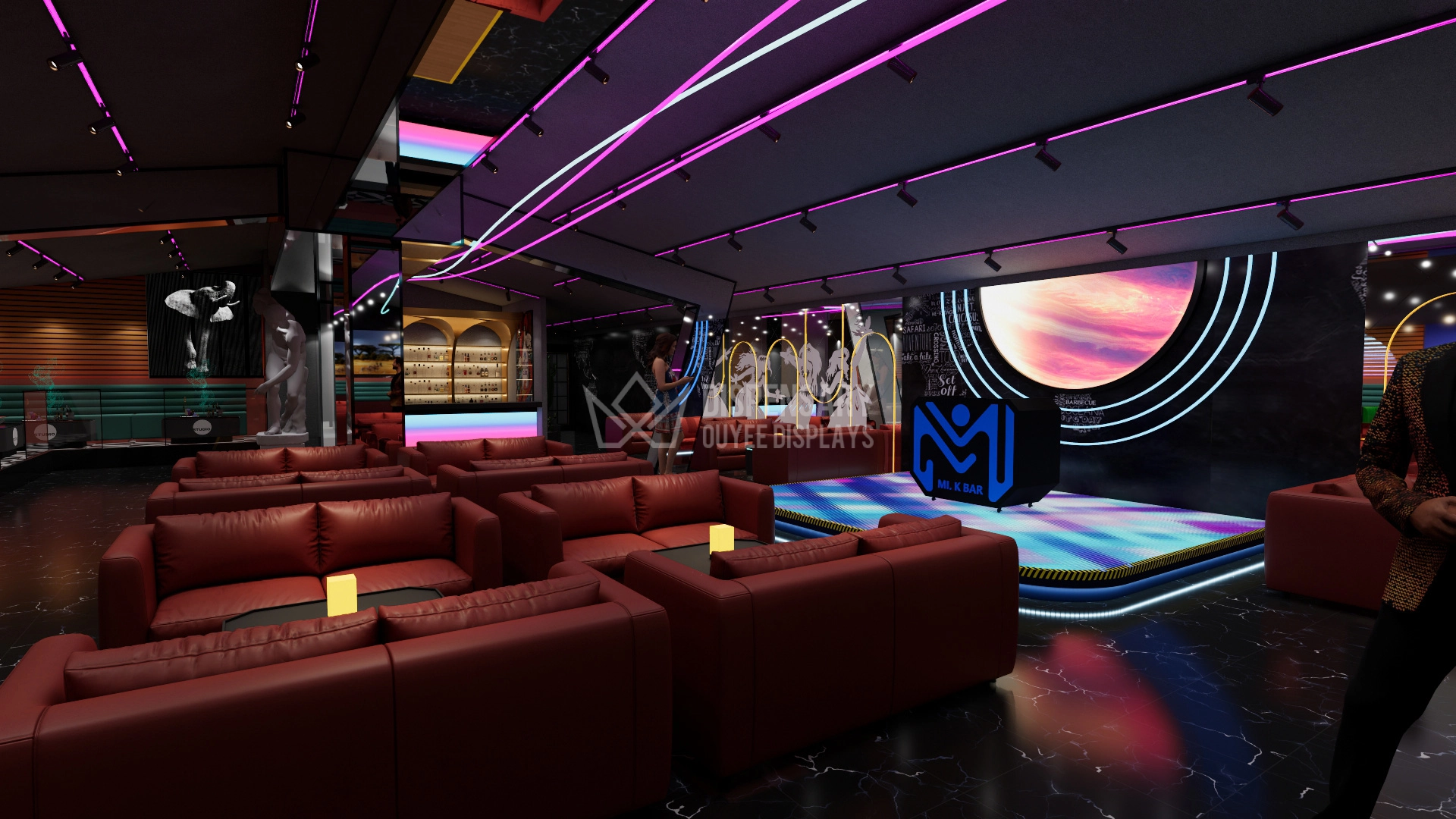
Commercial Durable Hookah Furniture Bulk Modular Layout for Modern Lounges
This modular hookah lounge furniture is designed for modern bars, lounges, and clubs that demand both luxury and functionality. With bold lighting, ergonomic seating, and customizable modules, it provides a versatile, durable, and aesthetically powerful solution for high-end hookah venues. Perfect for creating a visually immersive atmosphere that enhances customer satisfaction and retention.
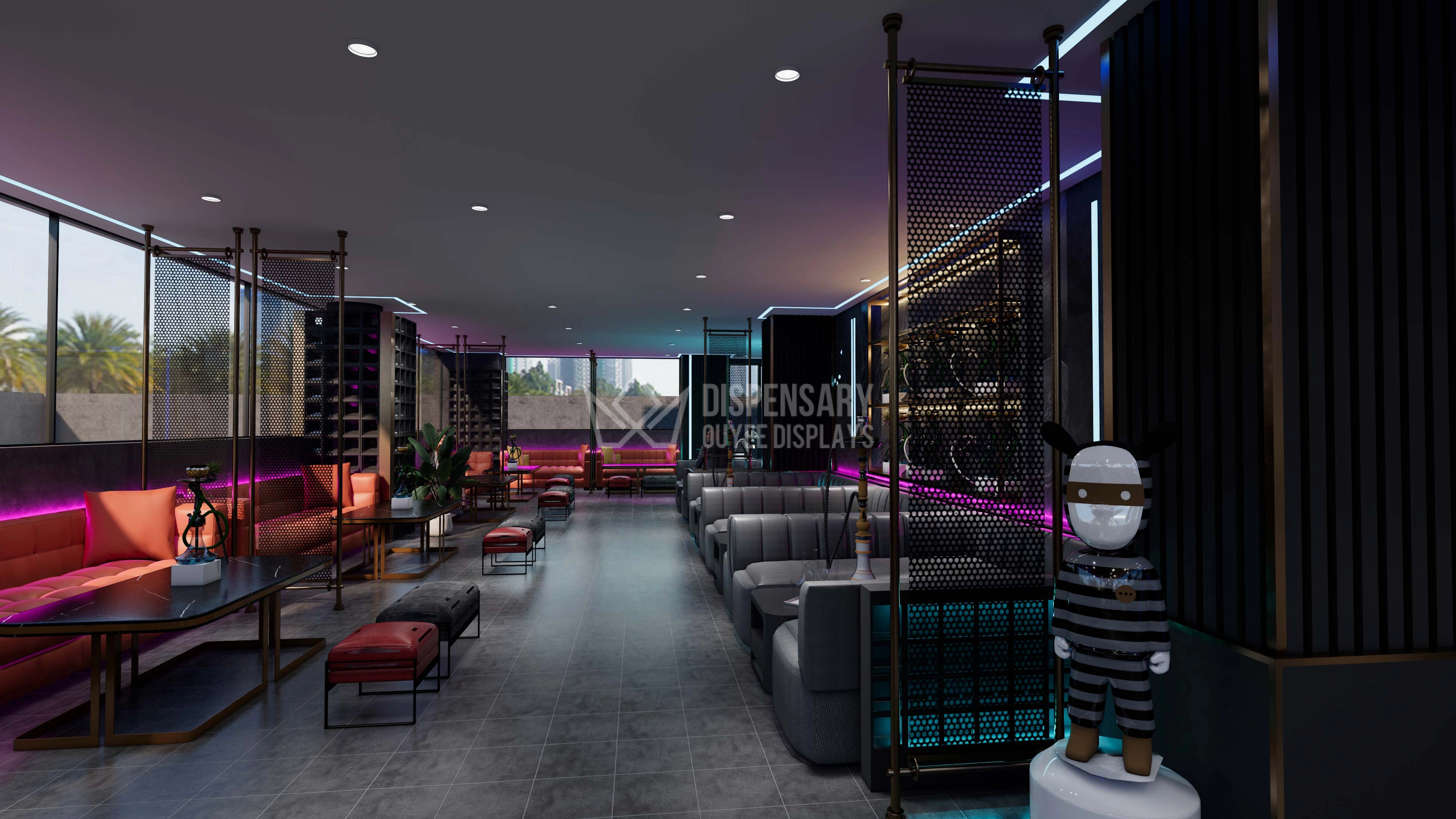
Customized Wholesale Hookah Lounge Furniture For Sale
Elevate your lounge experience with our premium customized hookah lounge furniture, designed for modern aesthetics and maximum comfort. With a strong emphasis on privacy, atmosphere, and luxury, our modular sofa systems, LED accents, and functional shisha setups are tailored to transform any space into a high-end smoking destination. Ideal for lounges, nightclubs, or upscale cafes seeking a bold, unified interior identity.
Let's get in touch

Email: gzouyeedisplay@gmail.com
WhatsApp: +86 136 6049 7267
Ouyee Dispensary
Ouyee Dispensary
Ouyee Dispensary
Ouyee Dispensary