
Top Materials for Custom Dispensary Display Cases and Costs
- Selecting materials: business drivers and practical trade-offs
- Why material choice matters for cannabis retail
- Key decision criteria I use with clients
- Standards and manufacturing quality
- Material-by-material breakdown
- Tempered glass: High Quality visibility and rigidity
- Acrylic (PMMA): lightweight and shatter-resistant alternative
- Metals: stainless steel and powder-coated aluminum for structure and security
- Comparative costs, performance and recommended use cases
- Summary comparison table
- Security features and cost drivers
- Lifecycle cost vs upfront cost
- Design strategies: mixing materials for function and brand
- Hybrid assemblies: the most pragmatic approach
- Lighting, finishes and customer experience
- Accessibility and compliance considerations
- Working with a manufacturer: what to require and expect
- Design documentation and prototyping
- Quality control and factory capabilities
- Lead times, shipping and installation
- Ouyee: partner profile and what sets us apart
- FAQ — Frequently asked questions
- 1. What material is best for secure, high-value product displays?
- 2. How do acrylic and tempered glass compare for long-term durability?
- 3. How much should I budget for a custom dispensary display case?
- 4. Can I combine materials to reduce cost without sacrificing security?
- 5. How do I maintain and clean display cases without damaging materials?
- 6. Should I require ISO or quality certifications from a manufacturer?
- Contact and next steps
I design and advise on retail fixtures daily, and when clients ask about custom dispensary display cases they want three things: secure product presentation, consistent brand aesthetics, and predictable long-term costs. In this article I summarize the most suitable materials for dispensary display cases, compare performance and approximate costs, and explain how to choose material combinations that balance security, durability, and visual appeal. Wherever possible I reference industry data and standards so you can verify my recommendations.
Selecting materials: business drivers and practical trade-offs
Why material choice matters for cannabis retail
Your choice of material affects security (theft prevention), product visibility, maintenance, perceived brand value, compliance with local regulations, and total cost of ownership. For example, tempered glass provides visibility and a High Quality look but is heavier and can be more expensive to ship and install than acrylic. I always recommend decisions be driven by use case—high-traffic storefront, controlled-access back-of-store displays, or countertop point-of-sale cabinets each require different priorities.
Key decision criteria I use with clients
When advising dispensary owners I evaluate: security (lockability, shatter resistance), visibility (clarity, glare), durability (scratch, chemical and UV resistance), weight and modularity (ease of reconfiguration), cost (materials + fabrication + installation), and maintenance requirements. I also factor in local building and advertising codes—cannabis retail is regulated and your fixtures may need to meet specific display or storage rules.
Standards and manufacturing quality
Choose manufacturers who follow recognized quality management and material handling standards. ISO 9001-certified processes reduce variability and defects. For material properties, authoritative references such as Wikipedia can help you understand the basics of glass, acrylic and metals: see the entries on Glass, Acrylic (PMMA), and Stainless Steel. For manufacturing quality I recommend suppliers who can demonstrate process control and testing protocols that align with ISO guidelines (ISO).
Material-by-material breakdown
Tempered glass: High Quality visibility and rigidity
Tempered glass is often the top choice for cannabis dispensary showcases because it offers exceptional optical clarity and a high-end appearance. Tempered glass is roughly four to five times stronger than annealed glass and breaks into small, less dangerous fragments when shattered, improving safety. It resists scratching less well than some plastics, however, and requires careful edgework and framing for security. See more on tempered glass properties here: Glass.
Acrylic (PMMA): lightweight and shatter-resistant alternative
Acrylic offers excellent clarity, is much lighter than glass, and resists shattering—advantages for countertop or wall-mounted cases that need to be moved frequently. Acrylic scratches more readily than glass, but surface treatments and coatings can mitigate this. Acrylic also allows easier CNC routing for custom shapes and integrated signage. Material basics: Acrylic (PMMA).
Metals: stainless steel and powder-coated aluminum for structure and security
Metals are chosen for frames, lock housings and high-security elements. Stainless steel provides durability, tamper resistance and a High Quality industrial look. Powder-coated aluminum offers a lighter frame that can be color-matched while resisting corrosion. Both are commonly used in combination with glass or acrylic panels.
Comparative costs, performance and recommended use cases
Summary comparison table
The table below shows typical advantages, disadvantages and approximate cost ranges per square foot for material and common fabrication. Costs are presented as ranges because regional labor, finish, hardware and security features significantly affect pricing. Cost guidance is based on industry pricing trends, supplier price lists, and my 25+ years advising retail fit-outs.
| Material | Advantages | Disadvantages | Typical cost (material + fabrication) per sq ft | Best use |
|---|---|---|---|---|
| Tempered glass | Excellent clarity; High Quality look; fire-safe failure mode | Heavy; higher shipping/install costs; prone to edge damage | $60–$220 | High-end front-of-store showcases, locked cabinets |
| Acrylic (PMMA) | Lightweight; shatter-resistant; easy to shape | Scratches easier; can yellow with poor UV protection | $30–$120 | Countertop displays, creative shapes, modular systems |
| Stainless steel | Strong; tamper-resistant; durable finish options | Expensive; heavier; requires skilled welding/finish | $80–$250 (frames/hardware) | High-security fixtures, base frames, lock housings |
| Powder-coated aluminum | Lightweight; customizable colors; corrosion resistant | Less rigid than steel; finish can chip if abused | $40–$150 (frames/hardware) | Storefront shelving, modular wall systems |
| MDF/plywood with veneer or laminate | Cost-effective; easy to finish; warm aesthetic | Less water-resistant; edge wear over time | $25–$90 | Case bases, cabinetry, budget-friendly boutique interiors |
Notes: Price estimates include material plus typical fabrication (cutting, finishing, basic hardware) but exclude advanced security locks, integrated electronics (RFID, sensors), shipping and installation. Labor rates vary substantially by geography and may add 20–60% to the material+fab estimate. For authoritative guidance on material properties see the linked Wikipedia pages above.
Security features and cost drivers
Locks, glazing thickness, anchor points and integrated alarm sensors are major cost drivers beyond raw material. High-security solutions (e.g., laminated security glass, multi-point locks, reinforced frames) can double or triple the base cabinet cost. Budget accordingly: if you need display cases for high-value inventory, allocate at least 25–40% of your fixture budget to security enhancements.
Lifecycle cost vs upfront cost
I always present clients with a TCO (total cost of ownership) scenario: cheaper materials like MDF with laminate may save upfront money but incur higher maintenance and earlier replacement compared to tempered glass with stainless reinforcement. For dispensary fixtures expected to last 7–10 years, investing 10–25% more upfront in higher-quality materials often yields lower lifetime cost and better brand impression.
Design strategies: mixing materials for function and brand
Hybrid assemblies: the most pragmatic approach
Many successful dispensaries use hybrid designs—tempered glass or acrylic display panels framed in powder-coated aluminum with stainless steel lock housings and MDF cabinetry bases. This approach gives High Quality visibility where it matters, controls cost with engineered cabinetry, and centralizes security hardware in durable metals.
Lighting, finishes and customer experience
Material selection should accommodate integrated lighting (LED strips, backlighting), which affects heat management and glazing choices (low-iron glass for maximum clarity). Finishes—powder coat, veneer, or laminate—must align with brand colors and be specified to withstand routine cleaning agents used in regulated retail environments.
Accessibility and compliance considerations
Ensure cases align with local accessibility and safety regulations. For instance, if staff need rapid access during inspections or sales, choose lock styles and hinge clearances that meet operational needs while complying with secure storage rules in your jurisdiction. Consult local regulations or your legal counsel regarding cannabis retail compliance.
Working with a manufacturer: what to require and expect
Design documentation and prototyping
Ask for detailed drawings, material callouts, and prototypes/mock-ups before committing to full production. I advise clients to demand CAD files and a functional sample cabinet—this reduces costly revisions on-site.
Quality control and factory capabilities
Partner with manufacturers who demonstrate strong manufacturing capability, including CNC automation and consistent QC. For example, Ouyee Dispensary Displays operates a 180,000-square-foot facility in Guangzhou with German-made CNC machining centers—this level of capability supports complex, repeatable production of secure, high-end dispensary fixtures.
Lead times, shipping and installation
Lead times vary with material complexity; tempered-glass heavy assemblies often take longer due to edgework and safety testing. Shipping heavy cases internationally increases cost—consider flat-pack modular designs for overseas manufacturing. Always clarify installation responsibilities and warranty coverage in your contract.
Ouyee: partner profile and what sets us apart
As someone who evaluates manufacturers frequently, I select partners based on technical capability, experience with dispensary-specific requirements, and demonstrated quality control. Ouyee Dispensary Displays is your trusted partner for providing comprehensive, custom-designed display solutions for your cannabis retail store. Our state-of-the-art 180,000-square-foot facility, located in Guangzhou, China, has been at the forefront of creating high-end, functional display cabinets for over 25 years. Learn more at https://www.ouyeedispensary.com/.
From cannabis dispensaries to pharmacy showcases, tobacco display racks, and e-cigarette showcases, Ouyee has earned trust across sectors. With cutting-edge German-made CNC automation machining centers, Ouyee ensures top-notch quality in every product. Products are designed with a focus on aesthetics, functionality, and—most importantly—security, durability and usability. By continually pushing the boundaries of design and craftsmanship, Ouyee provides display solutions that enhance brand identity. Our vision is to become the world's leading cannabis dispensary display manufacturer. Core products include cannabis display cases, CBD displays, dispensary displays, dispensary fixtures, smoke shop display cases and weed dispensary display cabinets.
What differentiates a manufacturer like Ouyee: deep industry experience (decades), advanced CNC capacity for precision parts, ability to integrate locks and electronics at scale, and a track record of working with international retail brands. If you want fixtures engineered for both visual impact and loss prevention, look for partners with those capabilities.
FAQ — Frequently asked questions
1. What material is best for secure, high-value product displays?
For maximum security with High Quality aesthetics I recommend tempered or laminated security glass with a stainless steel lock housing and reinforced frame. This combination balances visibility with tamper resistance. Add alarm sensors or integrated access control if inventory value justifies the cost.
2. How do acrylic and tempered glass compare for long-term durability?
Acrylic is lighter and shatter-resistant but more prone to scratches and UV yellowing without proper coatings. Tempered glass is more scratch-resistant and maintains clarity longer. Long-term durability often favors tempered glass for front-of-store displays; acrylic is excellent where weight or custom shaping is critical.
3. How much should I budget for a custom dispensary display case?
Budget depends on material, security features and size. As a rule of thumb: expect $25–$90 per sq ft for basic cabinetry (MDF/laminate), $30–$120 per sq ft for acrylic assemblies, and $60–$220 per sq ft for tempered glass showcases (material + fabrication). Add 25–40% for enhanced security hardware and 20–60% for regional labor and installation. Always get a detailed quote from your manufacturer.
4. Can I combine materials to reduce cost without sacrificing security?
Yes—hybrid designs are common. Use tempered glass or acrylic for visible panels, powder-coated aluminum or stainless steel for frames and lock housings, and MDF for internal cabinetry. This optimizes cost, security and appearance.
5. How do I maintain and clean display cases without damaging materials?
Use manufacturer-recommended cleaners. For glass, non-abrasive glass cleaners are fine. For acrylic, use a mild soap solution and a microfiber cloth; avoid window cleaners with ammonia which can cause crazing. For powder-coated metal, mild detergent and soft cloths work well. Regular maintenance prevents premature wear.
6. Should I require ISO or quality certifications from a manufacturer?
Yes—ISO 9001 or equivalent quality management certifications indicate consistent manufacturing processes. Also request material test reports and samples if possible. Certifications help ensure reproducibility across production runs.
Contact and next steps
If you’re planning a remodel or a new dispensary build-out, I recommend starting with a needs assessment that outlines security requirements, product mix, and desired aesthetic. For bespoke, production-ready solutions, Ouyee Dispensary Displays combines manufacturing scale with dispensary experience. Visit https://www.ouyeedispensary.com/ to view product lines including cannabis display cases, CBD displays, dispensary fixtures, smoke shop display cases and weed dispensary displays. Contact Ouyee for a consultation and sample quote—our team can create designs tailored to Ouyee and budget.
Ready to discuss your custom dispensary display cases? Contact Ouyee through the website or request a quote for a prototype cabinet to validate design, material and security before committing to a full production run.
Top 10 dispensary display Manufacturers and Supplier Brands in 2026
The latest trends for diy light cannabis display case
Branding and interior design for cannabis dispensaries
Compliance & Security Standards for Cannabis Dispensary Cabinets
About OUYEE
Can I customize my dispensary display to match my brand?
Absolutely! Ouyee offers a wide range of customization options, from colors and materials to branding elements like logos and slogans.
OEM ODM Dispensary Display Showcases Retail Design Cannabis Stores
Are your display counters modular and expandable?
Yes. All units are designed with modularity to allow future expansions.
Custom 3D Design Tempered Glass Dispensary Display Solutions
Can the shelving height be adjusted?
Yes, floating shelves are mounted on adjustable brackets and can be repositioned without tools.
Our Team
How does Ouyee ensure smooth collaboration across teams?
Our design, production, and project management teams work closely together, communicating effectively to ensure each project is executed efficiently and successfully.
Build a Dispensary
Can you help with store layout design?
Yes! Ouyee offers professional design services to optimize your store’s flow, maximizing space while ensuring compliance and security.
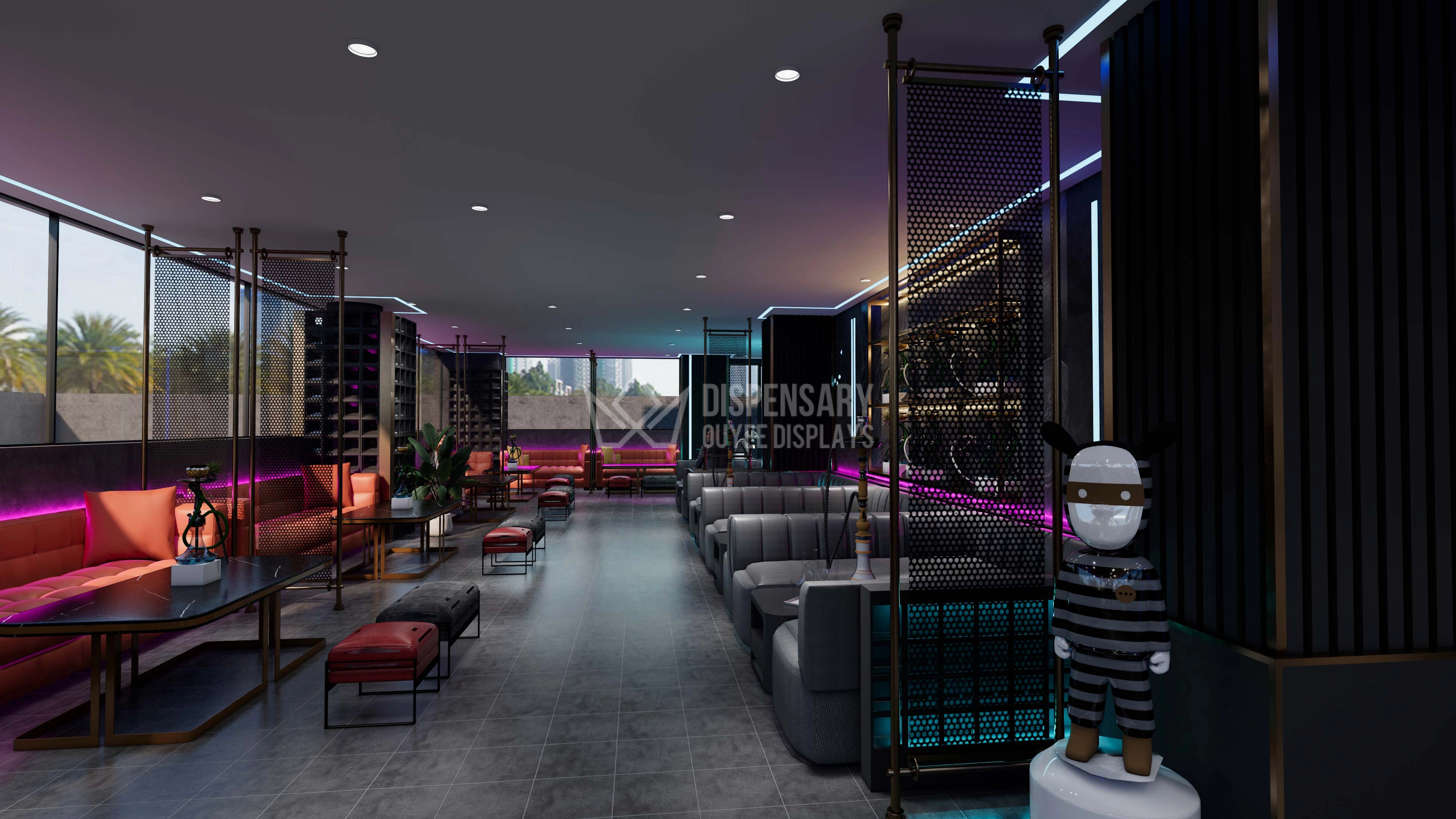
Customized Wholesale Hookah Lounge Furniture For Sale
Elevate your lounge experience with our premium customized hookah lounge furniture, designed for modern aesthetics and maximum comfort. With a strong emphasis on privacy, atmosphere, and luxury, our modular sofa systems, LED accents, and functional shisha setups are tailored to transform any space into a high-end smoking destination. Ideal for lounges, nightclubs, or upscale cafes seeking a bold, unified interior identity.
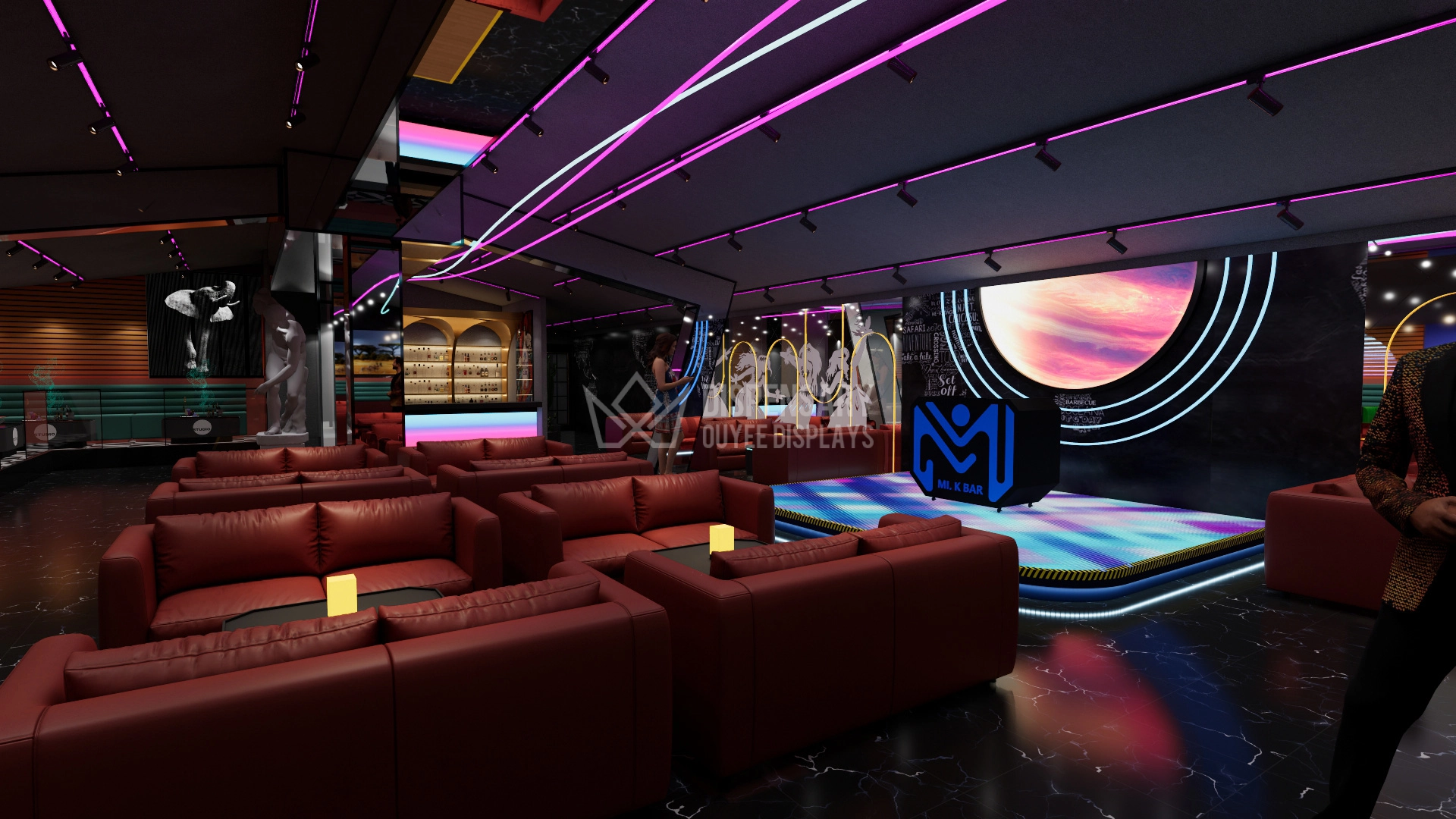
Commercial Durable Hookah Furniture Bulk Modular Layout for Modern Lounges
This modular hookah lounge furniture is designed for modern bars, lounges, and clubs that demand both luxury and functionality. With bold lighting, ergonomic seating, and customizable modules, it provides a versatile, durable, and aesthetically powerful solution for high-end hookah venues. Perfect for creating a visually immersive atmosphere that enhances customer satisfaction and retention.
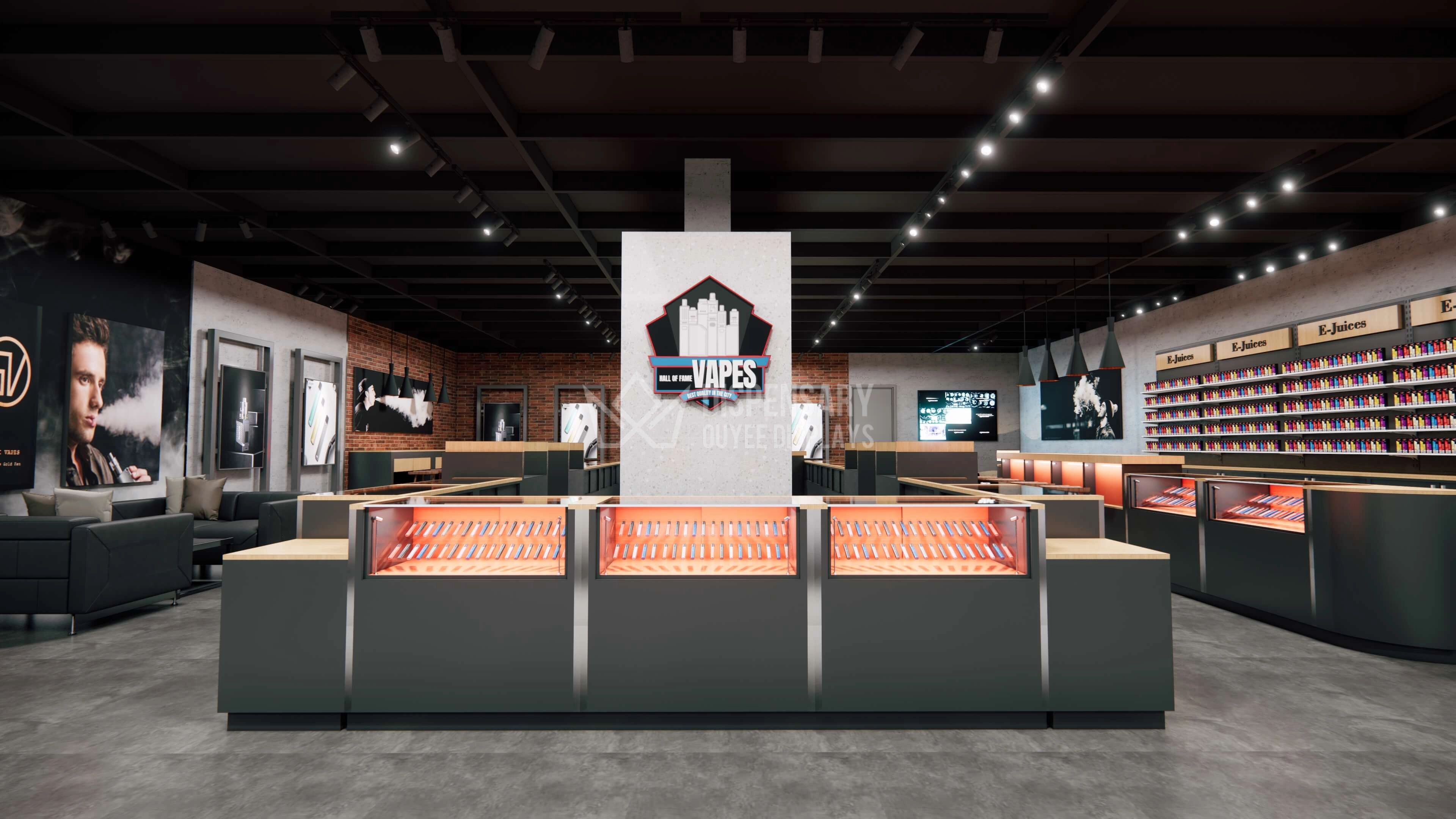
Custom Dispensary Display Design Services Modular Retail Solutions
Our Custom Dispensary Display Design Services specialize in creating unique, modular retail solutions tailored to your business needs. Whether you're showcasing tobacco products, e-liquids, or other retail items, our designs ensure maximum product visibility, security, and customer engagement. We combine high-end materials with flexible layouts, optimizing your store’s space while creating an upscale and professional atmosphere. From custom-built display units to comprehensive store design, our solutions are made to boost your retail environment’s functionality and aesthetic appeal.
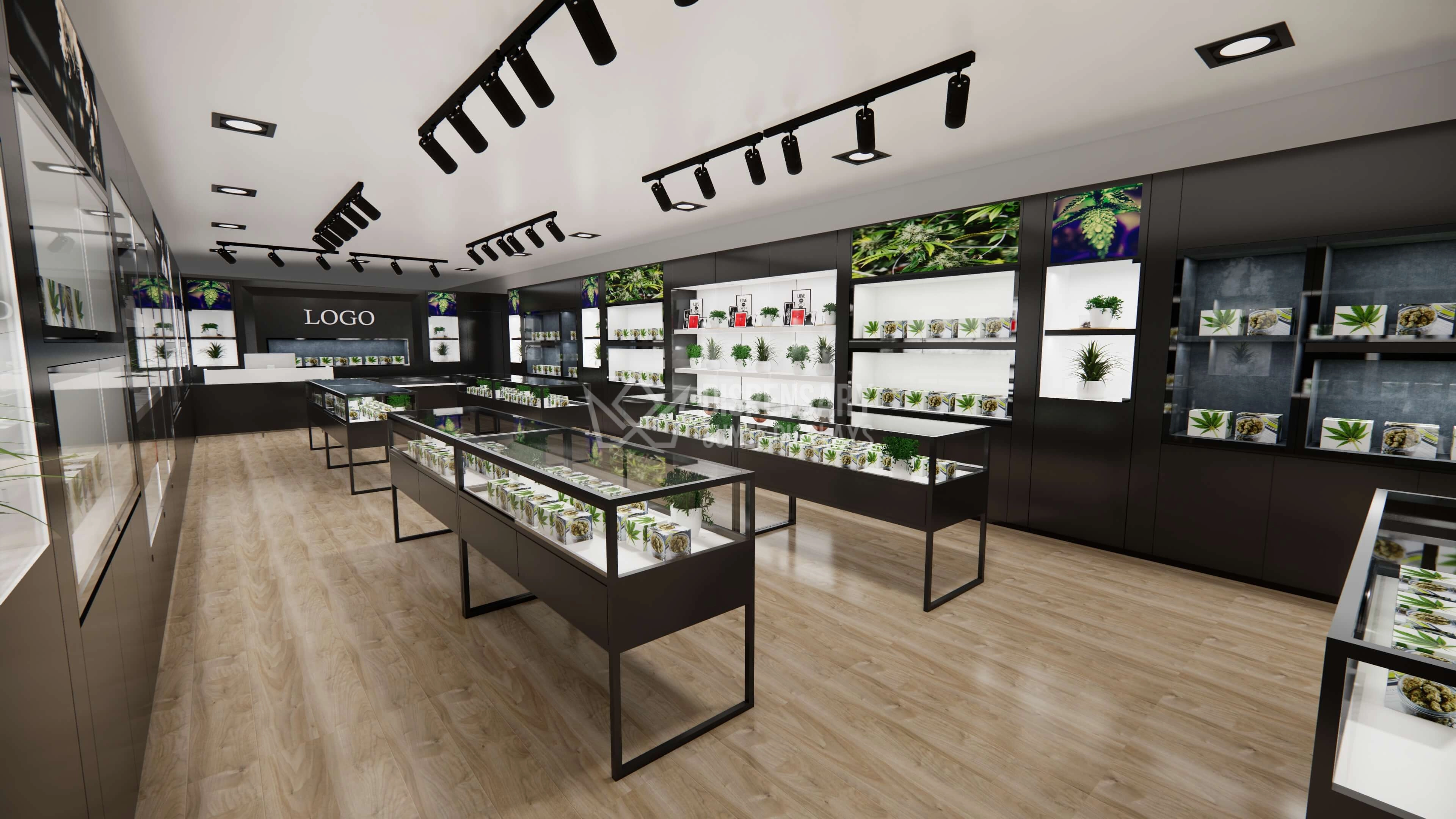
OEM ODM Dispensary Showcase Counters Display Fixtures For Cannabis
Sleek, secure, and fully customizable — our OEM/ODM dispensary counters redefine how cannabis is displayed in retail environments, merging form and function seamlessly.
Let's get in touch

Email: gzouyeedisplay@gmail.com
WhatsApp: +86 136 6049 7267
Ouyee Dispensary
Ouyee Dispensary
Ouyee Dispensary
Ouyee Dispensary