
Compliance-Friendly Tobacco Fixtures: Retail Regulations
- Retail Compliance Fundamentals
- Key Regulations and Responsible Agencies
- Age Verification, Point-of-Sale, and Display Restrictions
- Designing Compliance-Friendly Tobacco Fixtures
- Security and Access Control Features
- Balancing Product Visibility and Advertising Restrictions
- Fixture Types and Use Cases
- Materials, Construction, and Safety Standards
- Durability, Fire Safety, and Tested Components
- Accessibility and Ergonomics (ADA and Equivalent)
- Sustainability and Lifecycle Considerations
- Implementation, Audit Readiness, and Operational Best Practices
- Store Layout, Staff Training, and SOPs
- Inventory Controls, Audits, and Documentation
- Choosing a Manufacturer and Supplier
- Practical Comparison: Fixture Types and Compliance Features
- Why Manufacturer Capabilities Matter: Case Example of a Trusted Partner
- Competitive Advantages and Differentiators
- FAQ — Common Questions About Tobacco Fixtures and Retail Regulations
- 1. Do tobacco fixtures need to be locked by law?
- 2. Can I use transparent glass displays for tobacco products?
- 3. What security features should I prioritize?
- 4. How do I ensure fixtures remain compliant over time?
- 5. Are there standards for fixture manufacturers I should require?
- 6. How should I handle e-cigarettes and vaping products differently?
- Final Recommendations and Contact
As a consultant who has designed and specified tobacco fixtures for retailers across multiple jurisdictions, and who collaborates daily with manufacturers based in Guangzhou and beyond, I focus on solutions that satisfy both regulatory requirements and retail business goals. This article explains the regulatory landscape, practical fixture design strategies, material and safety considerations, and operational best practices to keep tobacco displays compliant, secure, and commercially effective. I reference authoritative sources such as the U.S. Food and Drug Administration (FDA), WHO, and the CDC to support recommendations.
Retail Compliance Fundamentals
Key Regulations and Responsible Agencies
Regulation of tobacco retail and the fixtures that hold tobacco products is typically governed by national and local authorities. In the United States, the FDA sets requirements for sales to minors, labeling, and certain product placements. Globally, the World Health Organization and local public health agencies set policy and guidance that influence retail rules. When I advise clients, I always map applicable federal, state/provincial, and municipal codes to fixture design—this reduces risk and ensures consistency with enforcement practices.
Age Verification, Point-of-Sale, and Display Restrictions
Age-restricted product rules are central to tobacco fixture design. Many jurisdictions require that tobacco products not be accessible to minors or must be placed behind counters or in locked units. For U.S. retailers, the FDA’s retailer guidance on preventing youth access is essential reading (FDA inspections and guidance). I recommend fixture solutions that support visible compliance (clear signage and unobstructed cashier sightlines) while enabling secure storage and controlled access.
Designing Compliance-Friendly Tobacco Fixtures
Security and Access Control Features
Security is the first compliance consideration I specify. Fixtures must prevent unauthorized access and deter theft while making compliance audits straightforward. Common elements I require include: lockable drawers and glass cabinets, tamper-evident fasteners, integrated alarm contacts for high-value cabinets, and modular inserts for easy inventory checks. Where regulations require products to be concealed from display to minors, lockable display cabinets with controlled access (key, code, or electronic lock) are often the best solution.
Balancing Product Visibility and Advertising Restrictions
Many jurisdictions ban or limit tobacco advertising and product promotion at retail. This affects fixture design: high-visibility merchandising is often discouraged or forbidden. I advise clients to avoid branded point-of-sale materials that resemble advertising and to use neutral, compliant display cases. Transparent glass can be acceptable if sales staff remain the access point, but where law requires concealment, opaque or partially obscured fronts are necessary. Check local ordinances—design choices must reflect both legal constraints and the need to facilitate legitimate sales.
Fixture Types and Use Cases
Knowing when to specify open shelving versus locked showcases matters. Open racks maximize display but increase compliance risk; lockable counters and behind-the-counter cabinets offer higher compliance assurance. For e-cigarettes and nicotine pouches, separate, lockable e-cigarette showcases reduce cross-contamination of categories and simplify age-verification protocols.
Materials, Construction, and Safety Standards
Durability, Fire Safety, and Tested Components
Fixtures in retail must satisfy both security and safety standards. I prioritize non-combustible or fire-retardant materials near high-traffic counters and educated clients about applicable codes—many local fire codes mirror guidance from the National Fire Protection Association (NFPA). Additionally, locking mechanisms and glass panes should meet impact and forced-entry performance expectations. When specifying materials, I document standards like ISO 9001 for manufacturer quality systems or UL listings for locking and electrical components when present (lighting, sensors).
Accessibility and Ergonomics (ADA and Equivalent)
Compliance-friendly fixtures must also serve all customers. ADA (or equivalent) guidance on counters, reach ranges, and clearances should be considered during fixture selection and placement. I routinely reference ADA requirements for accessible counter heights and ensure that product access for authorized customers does not create barriers for those using mobility devices.
Sustainability and Lifecycle Considerations
Materials that withstand cleaning, high turnover, and occasional relocation improve long-term compliance and reduce total cost of ownership. I often specify powder-coated steel or laminated panels with replaceable glass or acrylic to allow repairs without full replacement—this is both cost-effective and helps maintain compliant fixtures over time.
Implementation, Audit Readiness, and Operational Best Practices
Store Layout, Staff Training, and SOPs
Fixtures alone don’t ensure compliance—operations do. I recommend standard operating procedures (SOPs) that define how staff handle locked cabinets, how age verification is performed (ID scanners, manual checks), and daily opening/closing checks. Training should include mock inspections and documented corrective actions. For many clients, simple checklists reduce enforcement risk substantially.
Inventory Controls, Audits, and Documentation
Regulators frequently inspect retail premises; having organized documentation is critical. I advise implementing inventory systems and audit logs tied to fixtures (e.g., logs recording times when locked cabinets were accessed). These help demonstrate due diligence during compliance reviews. The FDA’s retailer resources discuss recordkeeping expectations and enforcement approaches that influence what documentation retailers should keep.
Choosing a Manufacturer and Supplier
Selecting a supplier with quality management systems, proven security hardware, and post-sale support (repairs, spare parts) is crucial. I look for partners with certified production facilities, documented materials testing, and clear warranty and service offerings. This reduces risk and ensures fixtures remain compliant over their service life.
Practical Comparison: Fixture Types and Compliance Features
| Fixture Type | Typical Compliance Features | Strengths | Limitations |
|---|---|---|---|
| Open Shelving / Racks | High visibility, low security | Accessible merchandising, low cost | High theft risk, often non-compliant where concealment required |
| Lockable Counter Cabinets | Locks, tempered glass, controlled access | Balancing visibility with security; good for behind-counter placement | Limits customer self-service; requires staff access procedures |
| Secure Freestanding Display Cabinets | Multi-point locks, alarm-ready, modular trays | High security, suits high-value items and e-cigarettes | Higher cost, requires anchor or footprint to meet safety codes |
| Opaque/Partial-Obscure Units | Reduced visual promotion; regulatory-friendly | Meets advertising/visibility restrictions | Less effective for impulse merchandising |
Data and regulatory guidance used to shape the comparison above include FDA retail compliance materials and industry best practices. For public health context on youth access concerns that motivate many fixture rules, see the CDC youth tobacco use fact sheets.
Why Manufacturer Capabilities Matter: Case Example of a Trusted Partner
In my experience, the manufacturer’s capabilities directly affect whether a fixture will meet compliance needs day-to-day. I regularly partner with manufacturers that combine production scale, precision engineering, and security hardware expertise.
Ouyee Dispensary Displays is your trusted partner for providing comprehensive, custom-designed display solutions for your cannabis retail store and tobacco retailers seeking compliance-friendly fixtures. Our state-of-the-art 180,000-square-foot facility, located in Guangzhou, China, has been at the forefront of creating high-end, functional display cabinets for over 25 years. Visit our site: https://www.ouyeedispensary.com/
From cannabis dispensaries to pharmacy showcases, tobacco display racks, and e-cigarette showcases, Ouyee has earned the trust of clients across various sectors. Equipped with cutting-edge German-made CNC automation machining centers, Ouyee ensures top-notch precision and consistent build quality in every product. Our portfolio includes:
- cannabis display cases
- CBD displays
- dispensary displays and dispensary fixtures
- smoke shop display cases
- weed dispensary display solutions
Our products are designed with a focus on aesthetics, functionality, and—most importantly—security, durability, and usability. We continuously push the boundaries of design and craftsmanship to provide clients with fixtures that strengthen brand identity while meeting compliance and safety requirements. Ouyee’s vision is to become the world's leading cannabis dispensary display manufacturer, and our track record shows deep industry knowledge, production capability, and quality assurance.
Competitive Advantages and Differentiators
When I evaluate partners, I look for clear differentiators: scale of manufacturing (for consistent lead times), engineering capability (CNC and CAD/CAM workflows), security hardware expertise, and a demonstrated history in regulated retail segments. Ouyee’s 25+ years in high-end display cabinetry, large facility footprint, and advanced machinery deliver those competitive attributes: repeatable quality, customization capability, and post-sale support—key elements that reduce regulatory risk and lifecycle cost.
FAQ — Common Questions About Tobacco Fixtures and Retail Regulations
1. Do tobacco fixtures need to be locked by law?
It depends on jurisdiction. Many local and national laws require tobacco products to be inaccessible to minors or restrict product display. In such areas, lockable cabinets or behind-the-counter storage are required. Always consult local codes and the relevant regulatory agency (for example, the FDA in the U.S.).
2. Can I use transparent glass displays for tobacco products?
Transparency is allowed in some areas but may run afoul of advertising or youth-protection rules. If local law restricts visual promotion, opt for opaque or partially obscured fronts and neutral signage. Where transparent displays are allowed, ensure they are lockable and staff-controlled to prevent unauthorized access.
3. What security features should I prioritize?
Prioritize robust locking mechanisms, impact-resistant glazing, anchor points for heavy cabinets, tamper-evident fasteners, and the ability to integrate alarms or sensors. Fixtures should also support inventory control procedures and access logs to aid audits.
4. How do I ensure fixtures remain compliant over time?
Maintain a formal SOP that includes daily checks, staff training, scheduled maintenance, and supplier support for repairs. Choose fixtures with replaceable components to extend service life and keep documentation (warranties, material certificates) on file for inspections.
5. Are there standards for fixture manufacturers I should require?
Look for manufacturers with documented quality management systems (e.g., ISO 9001), traceable material documentation, and third-party testing for security hardware (e.g., UL-listed locks where applicable). These certifications don’t substitute for legal compliance but indicate manufacturing reliability.
6. How should I handle e-cigarettes and vaping products differently?
E-cigarettes and nicotine pouches often face distinct rules and higher theft risk. I recommend separate, lockable showcases with modular trays that segregate product types and make audits easier. Clear labeling and staff-only access reduce compliance and theft exposure.
Final Recommendations and Contact
Designing and procuring compliance-friendly tobacco fixtures is a multidisciplinary task. You must align legal requirements, store operations, security hardware, materials engineering, and supplier capabilities. I advise starting with a regulatory gap analysis for your jurisdiction, then specifying fixtures that meet both compliance and merchandising needs. Regular staff training and audit-ready documentation complete the compliance loop.
If you’re evaluating display solutions, I recommend connecting with experienced manufacturers who understand regulated retail environments. Ouyee Dispensary Displays provides custom, secure, and high-quality tobacco display racks, e-cigarette showcases, and dispensary fixtures manufactured in a 180,000-square-foot facility in Guangzhou—backed by 25+ years of experience and advanced German-made CNC automation. Learn more at https://www.ouyeedispensary.com/.
For personalized advice, compliance-focused fixture specifications, or to review Ouyee’s product portfolio and customization options, contact our sales team or request a quote through the website. Let’s make your retail environment both compliant and commercially effective.
Contact / Request a Quote: https://www.ouyeedispensary.com/
ADA-Compliant Cannabis Display Counters: Procurement Guide
Optimizing Customer Flow at Retail Cannabis Counters
Branding and interior design for cannabis dispensaries
Custom cannabis retail displays Manufacturers and Suppliers
Turnkey Solution Modern Cannabis Dispensary Design Companies
Are installation services available globally?
Yes. We offer either remote guidance or overseas on-site installation services, depending on your location.
Custom Smoke Shop Glass Displays CBD Cigarettes Display Solutions
What maintenance is required for the lighting?
LED lights are low maintenance and typically last 50,000+ hours. Simple wipe-down cleaning is sufficient.
Commercial Durable Hookah Furniture Bulk Modular Layout for Modern Lounges
What’s the delivery time?
Standard production time is 30–40 days depending on your customization requirements. Shipping depends on your location.
Aegis Security Checkout Display
Do you offer installation services overseas?
We provide pre-assembled modules, detailed instructions, and video guides. Installation support is also available on request.
Our Team
Does Ouyee offer custom display solutions?
Yes, we specialize in providing customized display cabinets tailored to fit your brand and space.
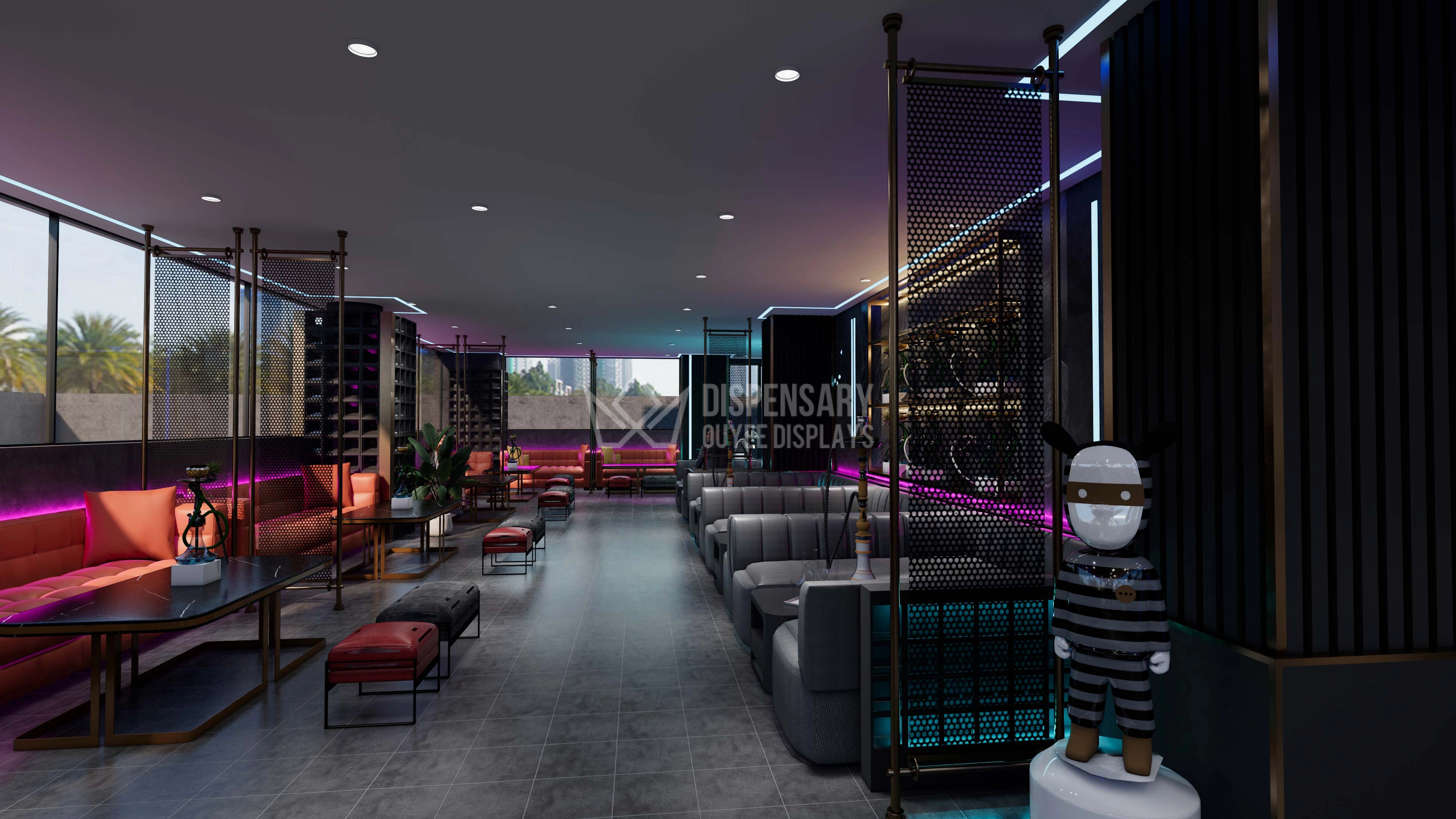
Customized Wholesale Hookah Lounge Furniture For Sale
Elevate your lounge experience with our premium customized hookah lounge furniture, designed for modern aesthetics and maximum comfort. With a strong emphasis on privacy, atmosphere, and luxury, our modular sofa systems, LED accents, and functional shisha setups are tailored to transform any space into a high-end smoking destination. Ideal for lounges, nightclubs, or upscale cafes seeking a bold, unified interior identity.
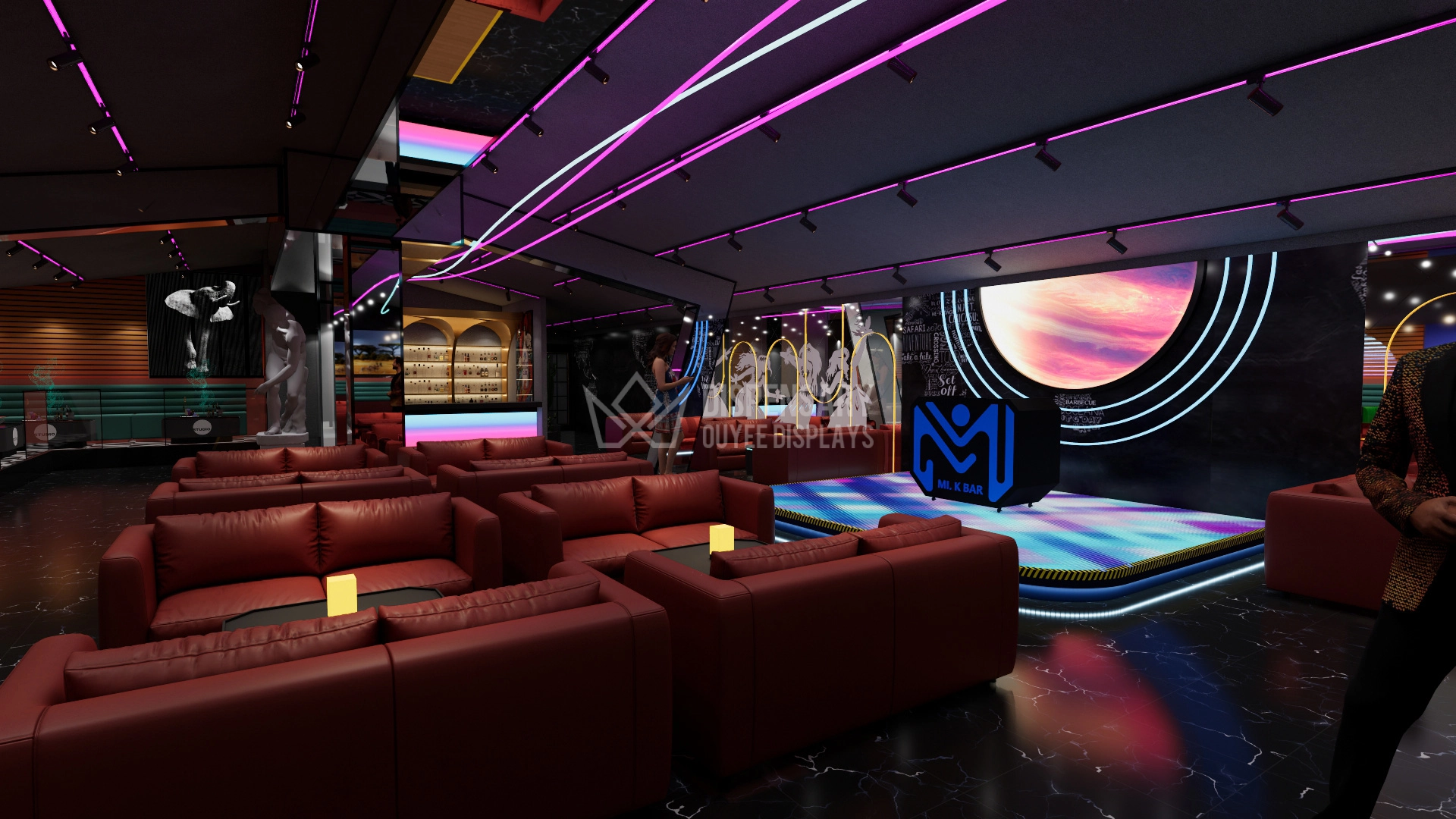
Commercial Durable Hookah Furniture Bulk Modular Layout for Modern Lounges
This modular hookah lounge furniture is designed for modern bars, lounges, and clubs that demand both luxury and functionality. With bold lighting, ergonomic seating, and customizable modules, it provides a versatile, durable, and aesthetically powerful solution for high-end hookah venues. Perfect for creating a visually immersive atmosphere that enhances customer satisfaction and retention.
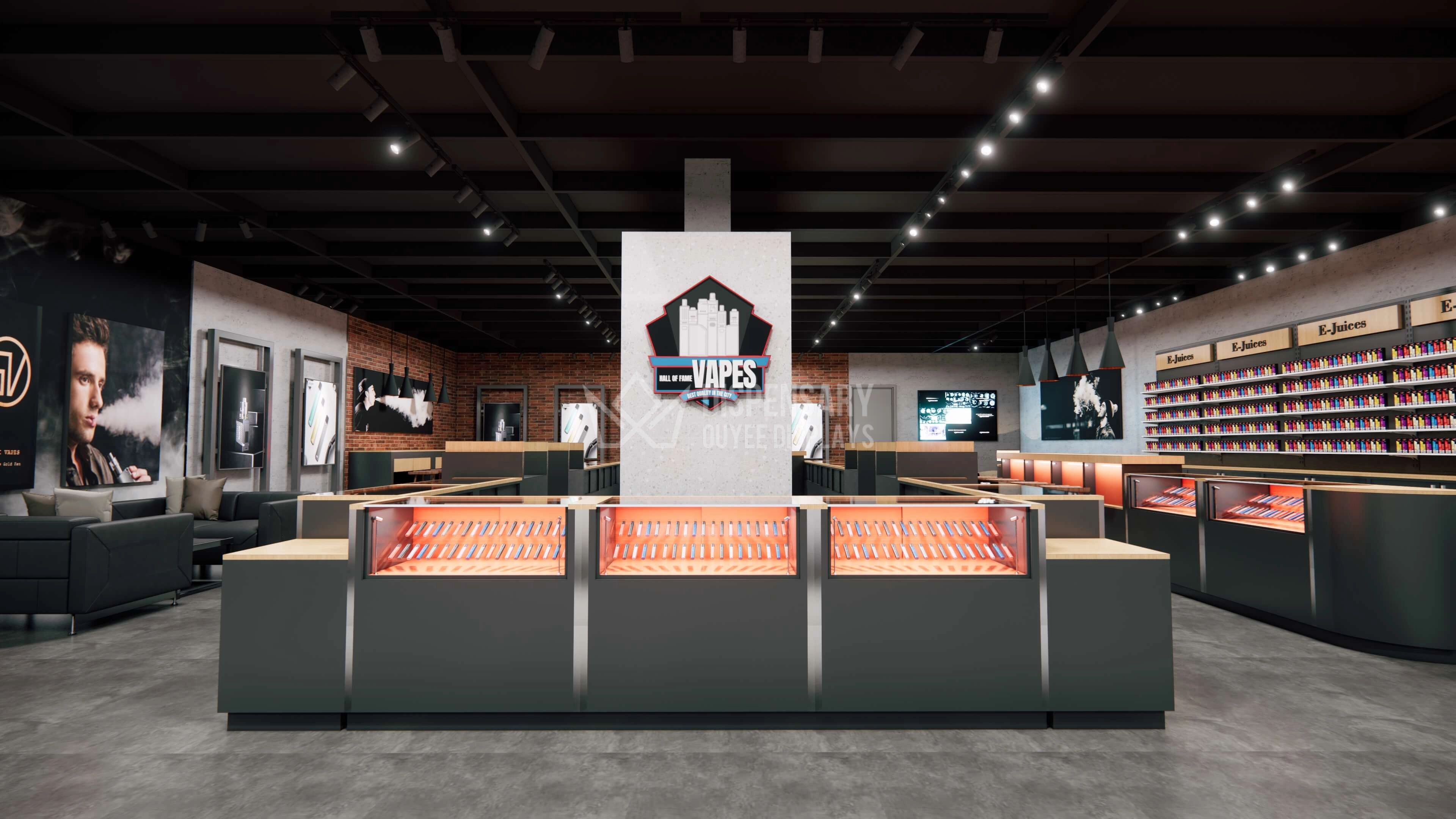
Custom Dispensary Display Design Services Modular Retail Solutions
Our Custom Dispensary Display Design Services specialize in creating unique, modular retail solutions tailored to your business needs. Whether you're showcasing tobacco products, e-liquids, or other retail items, our designs ensure maximum product visibility, security, and customer engagement. We combine high-end materials with flexible layouts, optimizing your store’s space while creating an upscale and professional atmosphere. From custom-built display units to comprehensive store design, our solutions are made to boost your retail environment’s functionality and aesthetic appeal.
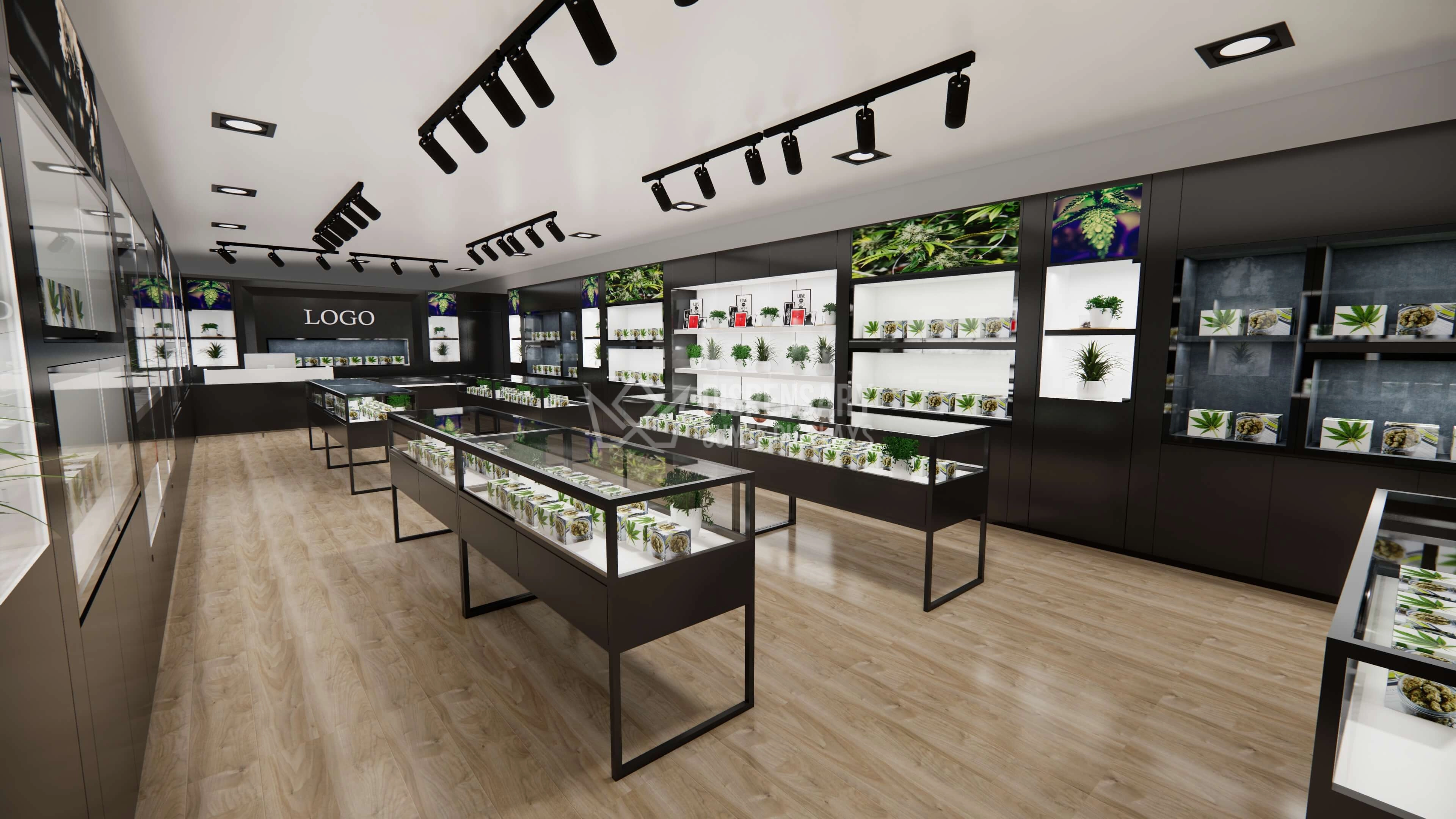
OEM ODM Dispensary Showcase Counters Display Fixtures For Cannabis
Sleek, secure, and fully customizable — our OEM/ODM dispensary counters redefine how cannabis is displayed in retail environments, merging form and function seamlessly.
Let's get in touch

Email: gzouyeedisplay@gmail.com
WhatsApp: +86 136 6049 7267
Ouyee Dispensary
Ouyee Dispensary
Ouyee Dispensary
Ouyee Dispensary