
Tobacco Fixture Materials: Wood Metal Acrylic Pros and Cons
- Design drivers shaping tobacco fixtures
- Retail goals and user intent
- Operational constraints: space, maintenance, and compliance
- Brand and visual merchandising priorities
- Material-by-material analysis: wood, metal, acrylic
- Wood: aesthetics, customization, and perceived value
- Metal: strength, security, longevity
- Acrylic (PMMA): clarity and lighting flexibility
- Comparative table: quick reference
- Security, compliance and sustainability considerations
- Securing high-value tobacco products
- Fire safety and material compliance
- Sustainability and lifecycle costs
- Choosing the right material for your tobacco fixtures: scenarios and recommendations
- High-security, high-traffic convenience or tobacco shop
- High Quality boutique or branded dispensary environment
- Budget-conscious pop-up or temporary displays
- Modular dispensary fixtures for evolving assortments
- Fabrication, finish and supplier considerations
- Precision fabrication and tolerances
- Finishes, coatings and anti-theft detailing
- Vendor selection checklist
- Ouyee: partner profile and manufacturing strengths
- Practical checklist: specifying tobacco fixtures
- Core specification items
- Installation and lifecycle planning
- Cost vs. value analysis
- FAQs
- 1. Which material offers the best theft protection for tobacco products?
- 2. Is acrylic safe to use in enclosed tobacco display cabinets?
- 3. How do I reduce maintenance for wooden tobacco displays?
- 4. Can I mix materials in a single fixture?
- 5. How important is manufacturer capability when choosing fixtures?
- 6. Are there sustainable options for tobacco fixtures?
- Conclusion & next steps
Choosing the right material for tobacco fixtures affects aesthetics, security, compliance, lifecycle cost, and shopper experience. This article provides a practical, evidence-based comparison of wood, metal, and acrylic for tobacco display racks and dispensary fixtures, explaining performance trade-offs, maintenance expectations, safety implications, and real-world selection criteria useful to retail buyers, visual merchandisers, and fixture specifiers. The guidance conforms to retail-display best practices and industry material data to help you spec tobacco fixtures that balance brand, cost, and regulatory needs.
Design drivers shaping tobacco fixtures
Retail goals and user intent
Before selecting materials for tobacco fixtures, clarify the core retail goals: product security, merchandising visibility, brand impression, durability under daily use, and ease of reconfiguration. Customers searching for tobacco fixtures are typically solving operational problems—secure storage of high-value products, theft deterrence, attractive presentation for brand-driven SKUs, and long-term ROI through durable displays. Decisions should align with those outcomes.
Operational constraints: space, maintenance, and compliance
Fixtures must fit the store footprint, comply with local regulations (age-restricted display rules, fire codes), and match staff maintenance capacity. For fire- and safety-related considerations, consult standards and guidance such as the National Fire Protection Association (NFPA) and local codes. Material choice influences cleaning regimes, required fixtures anchors, and permitted lighting or enclosed cabinetry.
Brand and visual merchandising priorities
A retailer’s brand—High Quality boutique, value-driven convenience, or dispensary-grade—dictates finish and feel. Wood conveys warmth and luxury; metal gives a high-security, industrial look; acrylic maximizes product visibility and illumination. Align material selection with the shopper experience you want to create.
Material-by-material analysis: wood, metal, acrylic
Wood: aesthetics, customization, and perceived value
Wood and engineered wood (plywood, MDF, hardwood veneers) are chosen for warmth and custom craftsmanship. Wood can be routed, stained, veneered, or painted to match brand identity and is forgiving for in-store repairs. However, wood is typically more combustible than metal or some plastics and may require fire-retardant treatments where local code mandates. For general material properties, see the wood overview at Wikipedia.
Metal: strength, security, longevity
Metal fixtures—commonly stainless steel, aluminum, or powder-coated steel—excel in structural strength, security (lockable cabinets, integrated locks), and longevity in high-traffic environments. Metals are non-porous, easier to sanitize, and resist many forms of wear. Stainless steel offers corrosion resistance; aluminum reduces weight for modular systems. For properties and grades, refer to stainless steel and aluminium references.
Acrylic (PMMA): clarity and lighting flexibility
Acrylic (polymethyl methacrylate) brings crystal-clear transparency, lightweight construction, and superior light transmission for illuminated tobacco display cases and e-cigarette showcases. Acrylic is easy to form into curved shelves or domes and integrates with LED lighting to enhance SKU visibility. Note acrylic’s flammability and scratch sensitivity compared with glass; consult material properties at PMMA (acrylic).
Comparative table: quick reference
| Material | Pros | Cons | Typical Security | Maintenance |
|---|---|---|---|---|
| Wood / Engineered wood | Warm aesthetics, custom finishes, easy onsite repairs | Can be combustible, prone to scratches/wear, variable durability | Medium (can be reinforced/lockable) | Periodic refinishing, dusting; sensitive to moisture |
| Metal (stainless, powder-coated) | High strength, durable, tamper-resistant, easy to sanitize | Can look industrial/cold, heavier, higher initial cost for High Quality alloys | High (secure cabinets, integrated locks) | Low; occasional polishing and rust checks for non-stainless |
| Acrylic (PMMA) | High clarity, lightweight, excellent for illumination and modern look | Scratch-prone, can crack under impact, combustible at high heat | Low–Medium (requires metal framing/locks for security) | Wipes with non-abrasive cleaners; scratch repair can be difficult |
Notes: The table provides a qualitative comparison for typical retail tobacco fixtures. Specific performance depends on material grade, fabrication, and integration of locks or glazing. For regulatory safety considerations related to flammability, consult NFPA.
Security, compliance and sustainability considerations
Securing high-value tobacco products
Tobacco fixtures often store high-value, age-restricted products that attract theft. Metal cabinets with integrated locks and reinforced glazing are the industry standard for security. Acrylic may be used for visibility but should be combined with metal lock housings or security glass to meet loss-prevention requirements. Consider UL-listed locks and industry best practices for anchors and mounts to prevent grab-and-run incidents.
Fire safety and material compliance
Materials’ flammability can affect compliance. Wood products may require fire-retardant treatments or limits under local building codes. Acrylic is combustible and may produce smoke under high heat; metals are non-combustible but will conduct heat. Check local fire codes and consult authorities such as the NFPA for applicable requirements. When lighting or heat sources are integrated (LEDs, transformers), ensure clearances and wiring meet electrical codes.
Sustainability and lifecycle costs
Environmental concerns influence procurement. Solid wood from certified sources (e.g., FSC) can be a sustainable choice; engineered wood may off-gas formaldehyde unless low-VOC adhesives are used. Metal recycling rates are high—steel and aluminum are commonly recycled—reducing lifecycle impact. Acrylic is a petroleum-derived plastic with more limited recycling streams. Lifecycle cost analysis should weigh initial cost, expected lifespan, repairability, and disposal/recycling options.
Choosing the right material for your tobacco fixtures: scenarios and recommendations
High-security, high-traffic convenience or tobacco shop
Recommendation: Metal-dominant fixtures with lockable stainless-steel cabinets, tempered glass or thick acrylic with metal framing. Rationale: durability, low maintenance, superior theft resistance. Add modular components for easy SKU rotation. Example features: built-in locks, alarm contacts, back-counters that reduce employee reach-around theft.
High Quality boutique or branded dispensary environment
Recommendation: Hybrid fixtures — wood veneer casework for warmth with integrated metal lockboxes and acrylic display elements for visibility. Rationale: Wood provides brand-appropriate aesthetics; metal and secure glazing preserve product safety. Consider high-quality veneer or sustainably sourced hardwood to align with brand values.
Budget-conscious pop-up or temporary displays
Recommendation: Lightweight aluminum or engineered wood with acrylic panels. Rationale: Lower cost, portability, and visual clarity. Ensure lockable trays or temporary security enclosures for overnight protection.
Modular dispensary fixtures for evolving assortments
Recommendation: Powder-coated steel frames with interchangeable acrylic shelves and modular inserts. Rationale: Steel provides backbone strength; acrylic and MDF shelving can be swapped as assortment changes, supporting reconfiguration and seasonal merchandising.
Fabrication, finish and supplier considerations
Precision fabrication and tolerances
High-quality tobacco fixtures require accurate fabrication to ensure secure locks, flush glazing, and reliable hinges or sliders. Suppliers using CNC machining centers and controlled finishing processes reduce scrap and improve repeatability. Tolerances influence door alignment for lock reliability and smoke/odor sealing in enclosed cabinets.
Finishes, coatings and anti-theft detailing
Powder-coating on metal increases scratch resistance. Hard-wax oil or catalyzed finishes on wood enhance water resistance and wear life. For acrylic, anti-scratch coatings (hardcoat treatments) boost durability. Integrated anti-theft hardware—tamper-resistant fasteners, concealed hinges, and lock housings—improve loss prevention.
Vendor selection checklist
- Facility capability: in-house machining, finishing, and assembly (reduces coordination errors)
- Quality systems: ISO or documented QC processes for repeatable builds
- Material sourcing transparency: FSC certification, alloy specs, acrylic grade
- Security expertise: experience in lock integration, alarm-ready fittings
- After-sales support: spare parts, maintenance guidance, replacement panels
Ouyee: partner profile and manufacturing strengths
Ouyee Dispensary Displays is your trusted partner for providing comprehensive, custom-designed display solutions for your cannabis retail store and allied markets. Our state-of-the-art 180,000-square-foot facility in Guangzhou, China, has been designing and producing high-end functional display cabinets for over 25 years. From cannabis dispensaries to pharmacy showcases, tobacco display racks, and e-cigarette showcases, Ouyee has earned the trust of clients across sectors by delivering precision-crafted fixtures.
Technical strengths and competitive differentiators:
- Advanced manufacturing: German-made CNC automation machining centers for tight tolerances and consistent quality.
- Custom engineering: In-house design capability to integrate locks, lighting, and modular systems that meet retail and compliance needs.
- Product range: cannabis display cases, CBD displays, dispensary displays, dispensary fixtures, smoke shop display cases, and Weed Dispensary display solutions designed for aesthetics, security, and usability.
- Quality focus: emphasis on durable finishes, security integrations, and post-sale support for spare parts and maintenance.
- Vision: to become the world’s leading cannabis dispensary display manufacturer.
Learn more or request a custom consultation at https://www.ouyeedispensary.com/.
Practical checklist: specifying tobacco fixtures
Core specification items
When preparing a spec package or RFQ, include: exact dimensions, product load per shelf, lock type and placement, lighting type and transformer location, finish samples, anchoring details, and warranty terms. Specify regulatory constraints (e.g., local fire-code requirements) and security targets (e.g., retail loss-prevention KPIs).
Installation and lifecycle planning
Plan for installation access (doorways, elevator size), on-site finishing needs, and spare-part provisioning. Agree on lead times, protective packing for transit, and on-site training for staff on locks and maintenance.
Cost vs. value analysis
Compare initial material cost with expected lifespan and resale/repairability. Metal fixtures can have higher upfront cost but deliver lower lifetime maintenance. Wood offers design flexibility but may require refurbishing. Acrylic provides visual impact but must be protected against scratches and impact.
FAQs
1. Which material offers the best theft protection for tobacco products?
Metal fixtures (stainless or powder-coated steel) with integrated locks offer the highest intrinsic theft protection. Combining metal cabinets with reinforced glazing or acrylic that is secured into a metal frame balances visibility and security.
2. Is acrylic safe to use in enclosed tobacco display cabinets?
Acrylic is safe for visibility but is more combustible than metal and can scratch easily. For enclosed cabinets, use acrylic only when combined with proper ventilation, fire-code-compliant lighting, and metal structural framing or lock housings. Consult local fire codes and NFPA guidance.
3. How do I reduce maintenance for wooden tobacco displays?
Choose durable veneers or high-quality finishes (e.g., catalyzed varnishes), avoid direct sunlight exposure that accelerates fading, and schedule periodic cleaning and spot refinishing. Use water-resistant treatments in humid environments.
4. Can I mix materials in a single fixture?
Yes. Hybrid fixtures (wood veneers for exterior aesthetic, metal frames for structural security, acrylic for display zones) are common and often provide the best balance of brand, security, and cost-effectiveness.
5. How important is manufacturer capability when choosing fixtures?
Very important. Manufacturers with precision CNC equipment, integrated finishing lines, and experience with lock and lighting integrations reduce risk, ensure consistent quality, and shorten lead times. Suppliers that provide clear material specs, test reports, and installation support add measurable value.
6. Are there sustainable options for tobacco fixtures?
Yes. Look for FSC-certified wood, high-recycled-content metals (steel, aluminum), and manufacturers that practice responsible waste management and low-VOC finishing. Metal frames are generally more recyclable at end-of-life than acrylic.
Conclusion & next steps
Selecting materials for tobacco fixtures requires balancing security, aesthetics, maintenance, compliance, and total cost of ownership. Metal provides the strongest security and durability, wood offers High Quality aesthetics and customization, and acrylic maximizes visual clarity and lighting effects. Hybrid solutions often deliver the best combined outcome. When sourcing fixtures, prioritize manufacturers with proven fabrication capabilities, thoughtful design for loss prevention, and after-sales support.
For tailored, high-quality tobacco display racks, smoke shop display cases, and dispensary fixtures, Ouyee Dispensary Displays offers end-to-end design and manufacturing backed by a 180,000-square-foot production facility and 25+ years of experience. Contact Ouyee for a custom consultation or to view product examples: https://www.ouyeedispensary.com/.
Real Buyer Case Studies: Custom Dispensary Display Successes
How to Open a Dispensary in Arizona: A Complete Guide for Entrepreneurs
How to Choose Secure Cannabis Cabinets for Retail
Top 10 cannabis dispensary displays Manufacturers and Supplier Brands
OEM ODM Dispensary Showcase Counters Display Fixtures For Cannabis
How many units is the minimum order?
We offer low MOQ flexibility — whether you're furnishing one boutique or 100 stores, we can scale to meet your needs.
Factory Custom Smoke Shop Showcase Cigarette Display Unit with Cigar Room
Do you offer logo customization on the cigar cabinetry too?
Yes, laser engraving or acrylic signage can be added on request.
Wooden Cigarette Fixtures Pipe Tobacco Display Smoke Shop Factory
Do you offer matching lounge furniture with the display fixtures?
Absolutely. We provide coordinated furniture pieces including sofas, chairs, coffee tables, and signage walls.
Can the digital screens be pre-programmed with our marketing content?
Yes, we can preload your digital signage content or offer templates to use with your system.
Build a Dispensary
How long does it take to install OUYEE dispensary displays?
Typically, installation takes between 2-4 weeks, depending on the scale of your project. Larger dispensaries or custom-designed solutions may require a longer timeline.
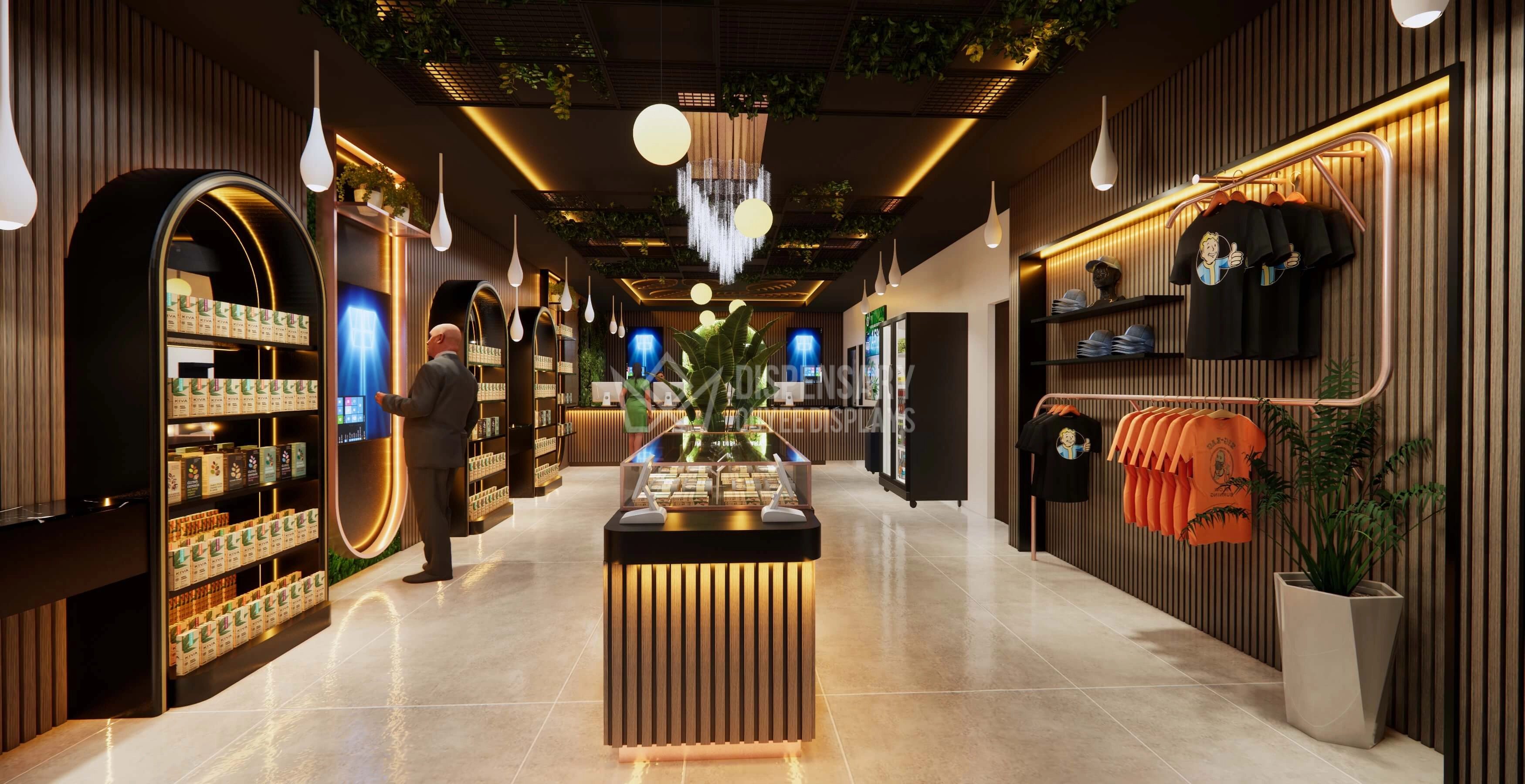
Innovative Smoke Shop Display Ideas Supplier Custom Retail Solutions
This modern cannabis dispensary retail layout combines elegant lighting, natural textures, and high-end display craftsmanship to create a luxurious customer experience. Perfect for showcasing cannabis products, accessories, and lifestyle items in a stylish and functional
way.
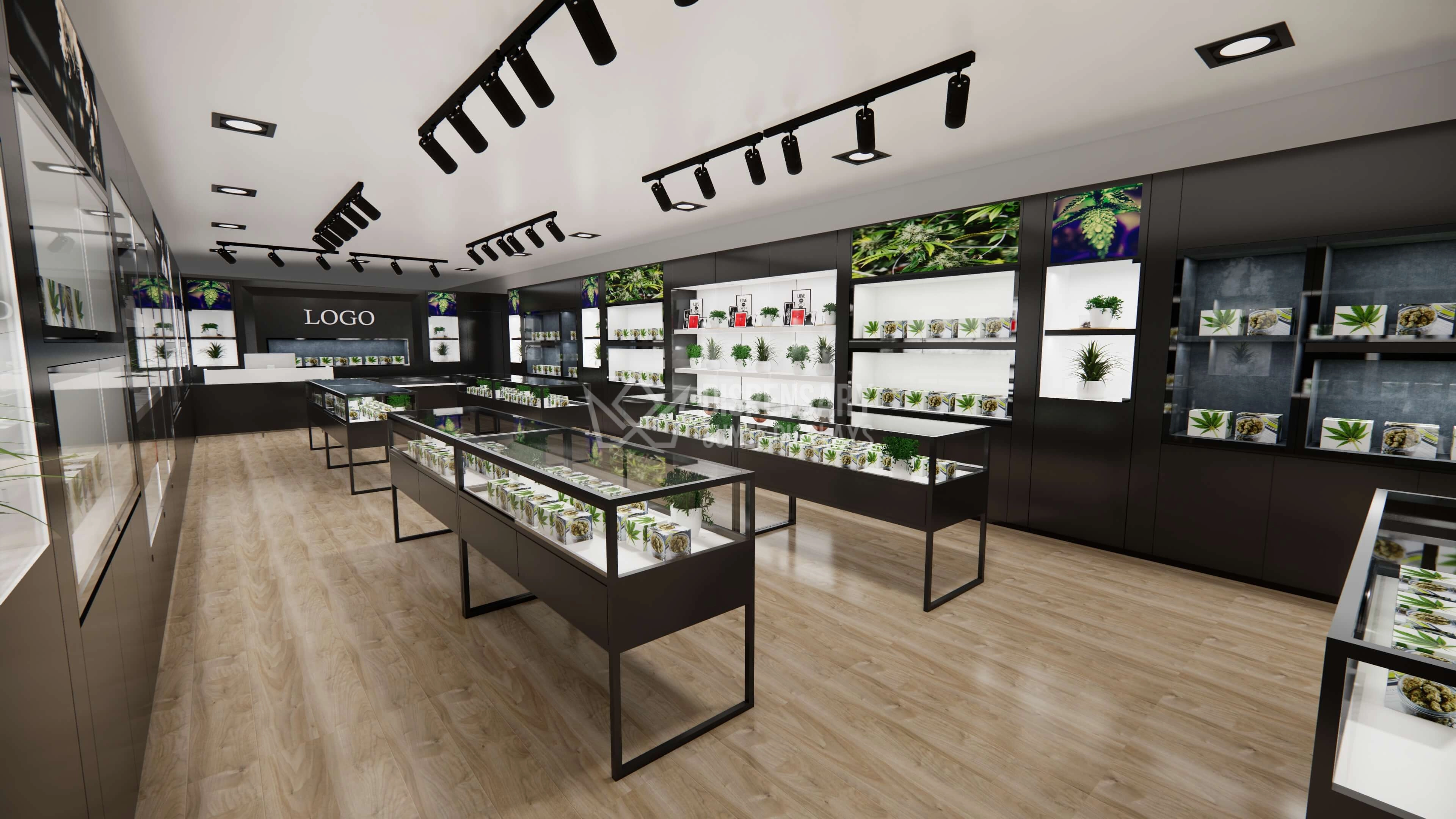
OEM ODM Dispensary Showcase Counters Display Fixtures For Cannabis
Sleek, secure, and fully customizable — our OEM/ODM dispensary counters redefine how cannabis is displayed in retail environments, merging form and function seamlessly.
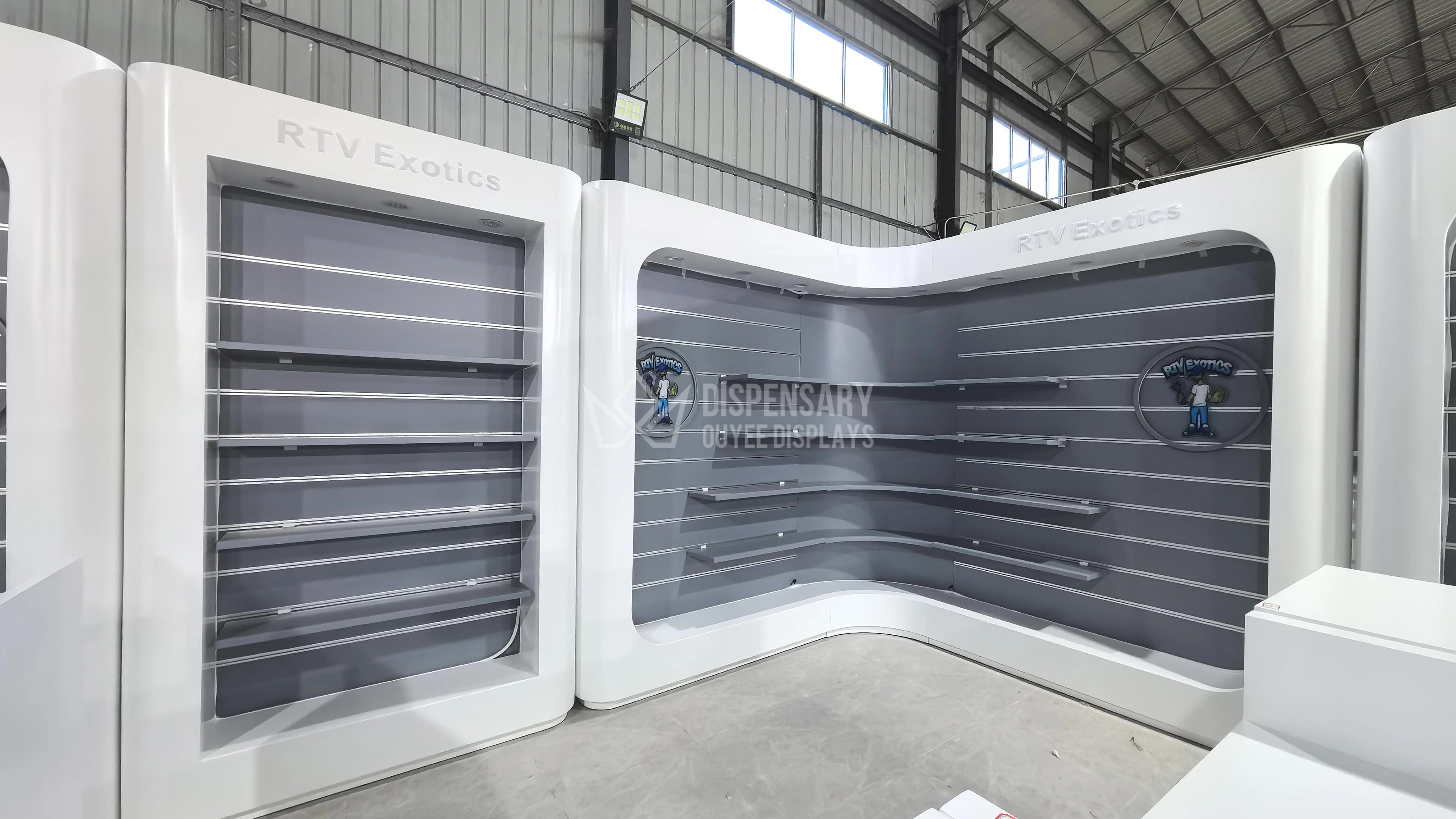
Trendy Custom E Cigarette Display Rack CBD Shop Displays Solutions
Elevate your store’s vibe with our premium custom vape display rack, designed specifically for CBD shops and e-cigarette retailers. The curved wall unit blends futuristic aesthetics with high-functionality shelving, providing a clean, professional layout to attract and convert. Crafted with top-tier materials and integrated LED accent lighting, this fixture turns your product wall into a powerful branding asset.
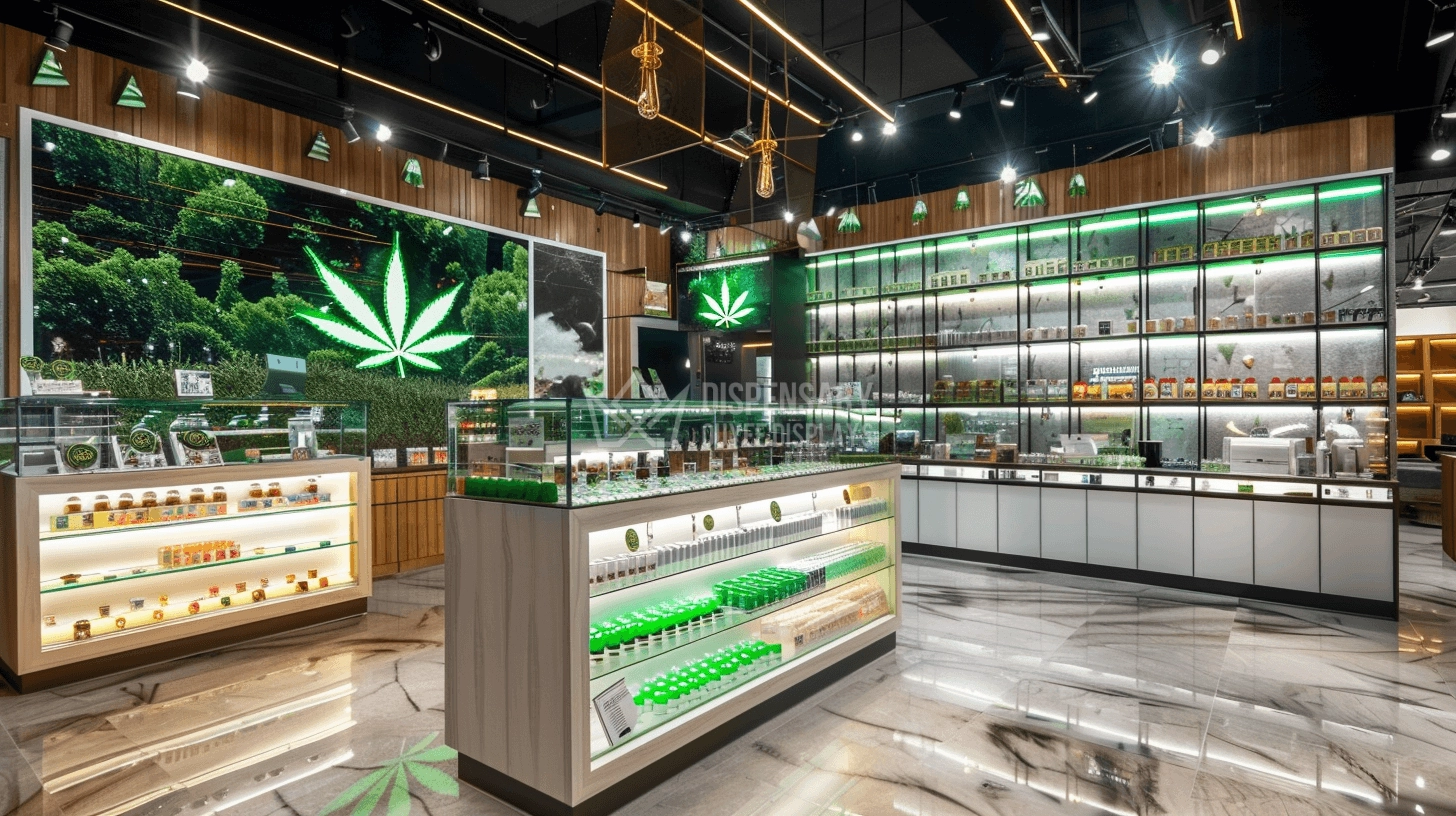
Retail Marijuana Dispensary Fixtures Cannabis Glass Display Cabinet Factory
High-end cannabis display cabinets tailored for retail dispensaries, enhancing product visibility, safety, and store aesthetics while optimizing space usage.
Let's get in touch

Email: gzouyeedisplay@gmail.com
WhatsApp: +86 136 6049 7267
Ouyee Dispensary
Ouyee Dispensary
Ouyee Dispensary
Ouyee Dispensary