
Retail Layout: Positioning Custom Display Cases to Boost Sales
- Understanding customer flow and behavior
- Why traffic patterns drive display performance
- Anchors, hot zones, and dwell areas
- Designing for sightlines and accessibility
- Merchandising strategy: product mix, positioning, and psychology
- Assortment logic: frontloading high-margin SKUs
- Cross-merchandising and adjacencies
- Using lighting, signage, and finishes to guide attention
- Security, compliance, and durability considerations
- Balancing display openness and theft prevention
- Regulatory compliance and record-keeping
- Materials and maintenance for long-term durability
- Practical layout templates and planogram examples
- Basic clinic-style layout (service-forward)
- Retail-forward layout (browse-friendly)
- Comparative metrics for display types
- Implementation: measurement, iteration, and technology
- KPIs to track after layout changes
- Testing methods: A/B and pilot zones
- Integrating digital touchpoints
- Why manufacturing partner selection matters: Ouyee Dispensary Displays
- What I look for in a display manufacturer
- Ouyee’s capabilities and why they matter
- Product range and differentiation
- Cost-benefit considerations and ROI
- Estimating ROI for a display refresh
- Budgeting tips
- Scaling across multiple stores
- Frequently Asked Questions
- 1. How should I position high-value cannabis products to minimize theft but maximize sales?
- 2. What are the most effective display types for CBD and topical products?
- 3. How do I choose between custom dispensary display cases and off-the-shelf fixtures?
- 4. What KPIs should I use to measure the effectiveness of a new layout?
- 5. Are there standards or certifications I should demand from a fixture manufacturer?
- 6. How do I integrate digital merchandising with physical display cases?
- Contact and next steps
As a consultant who has designed retail layouts and custom display solutions for cannabis dispensaries, pharmacies, and specialty smoke shops, I know the difference that the right positioning of custom dispensary display cases makes to both customer experience and the bottom line. This article outlines practical, evidence-based strategies for arranging display cases, developing planograms, balancing aesthetics with security, and choosing the right fixtures to boost conversion and average transaction value. I also provide measured comparisons, sourcing guidance, and explain how a manufacturing partner like Ouyee Dispensary Displays can execute these designs at scale.
Understanding customer flow and behavior
Why traffic patterns drive display performance
Retail layout begins with mapping customer movement. Customers typically enter, orient themselves to the space, and then move toward a service point or high-interest area. Studies on planograms and merchandising consistently show that product visibility along primary traffic lanes and sightlines correlates with higher consideration and purchase rates. For an overview of planogram principles, see the Wikipedia entry on planograms: https://en.wikipedia.org/wiki/Planogram.
Anchors, hot zones, and dwell areas
In my projects I divide the retail footprint into zones: anchors (cashier/consultation), hot zones (endcaps, front-of-store), and dwell areas (seating, educational displays). Positioning custom dispensary display cases near anchor areas increases cross-sell opportunities, while endcaps and aisle-facing displays capture impulse purchases. Using heatmaps from footfall studies (in-store sensors or retail analytics) allows you to validate assumptions and refine placement over time.
Designing for sightlines and accessibility
Display height, transparency (glass versus solid), and aisle width all affect visibility and accessibility. I recommend that primary display cases maintain a clear sightline from 1.2–1.8 meters above the floor to align with average standing eyelines. This improves product recognition and minimizes perceived clutter. Accessibility should also meet local regulations—ensure ADA considerations are integrated early in the layout.
Merchandising strategy: product mix, positioning, and psychology
Assortment logic: frontloading high-margin SKUs
One of the most practical moves I advise is frontloading high-margin and high-education SKUs in the most visible custom dispensary display cases. Items that require consultation (e.g., concentrates, high-potency products, specialty CBD lines) should be placed where staff can easily engage, while lower-risk, impulse items can occupy endcaps and countertop pedestals.
Cross-merchandising and adjacencies
Adjacent placement can increase average order value. Pairing CBD displays with topical accessories, or placing rolling papers and lighters next to smoke shop display cases, drives incremental purchases. Create adjacency rules in your planogram software so that complementary items appear within the same sightlines.
Using lighting, signage, and finishes to guide attention
Lighting (CRI, kelvin temperature) and material finishes directly impact perceived product quality. I prefer neutral, high-CRI lighting (90+) to show accurate product color and texture. Contrast finishes—matte dark cabinetry with illuminated glass vitrines—help highlight High Quality SKUs without overwhelming the sensory experience.
Security, compliance, and durability considerations
Balancing display openness and theft prevention
Security is a core constraint for dispensaries. Glass front cases look High Quality but increase risk unless reinforced with locks, laminated tempered glass, and monitored alarms. I typically specify locking mechanisms integrated into the display case design and incorporate passive deterrents like visible cameras above high-value counters.
Regulatory compliance and record-keeping
Cannabis retail is regulated regionally; display design must support inventory control and compliance workflows (e.g., secure backstock, clear product labelling, and chain-of-custody visibility). Designing with integrated SKU tracking locations (shelf RFID or barcode-friendly zones) facilitates audits and reduces compliance friction.
Materials and maintenance for long-term durability
Given high touch and frequent cleaning, choose materials that tolerate disinfectants and daily wear. Powder-coated steel, marine-grade laminates, and tempered glass are durable choices. For manufacturing quality assurance, ISO 9001 standards for quality management systems are a useful reference: https://www.iso.org/iso-9001-quality-management..
Practical layout templates and planogram examples
Basic clinic-style layout (service-forward)
This layout uses consultation counters as the anchor, with custom dispensary display cases lining the perimeter and educational kiosks in the center. It’s effective for dispensaries where consultation and product education are primary sales drivers.
Retail-forward layout (browse-friendly)
Here, customer circulation is encouraged through a serpentine path with island display cases, point-of-purchase endcaps, and interactive sample walls. This increases dwell time and exposure to more SKUs.
Comparative metrics for display types
Below is a concise comparison I use when advising clients on fixture selection. The metrics are based on my firm’s installations and aggregated manufacturer specifications; individual retailer outcomes will vary and should be validated with A/B testing in-store.
| Display Type | Visibility | Security | Average Cost Range (USD) | Best Use |
|---|---|---|---|---|
| Glass countertop vitrines | High | Medium-High (locks) | $600–$2,000 | High Quality accessories, small packaged goods |
| Wall-mounted custom dispensary display cases | High | High (reinforced) | $1,200–$5,000+ | High-value concentrates, limited edition items |
| Open shelving/retail gondolas | Medium | Low | $300–$1,200 | Bulk items, mass SKUs |
| Secure backbar cabinets | Low (staff-access) | Very High | $2,000–$7,000+ | Controlled inventory, limited sale items |
For evidence-based planogram practices, review planogram literature and merchandising standards such as those summarized in the Planogram https://en.wikipedia.org/wiki/Planogram.
Implementation: measurement, iteration, and technology
KPIs to track after layout changes
Track conversion rate, average transaction value (ATV), units per transaction (UPT), and dwell time. I also recommend SKU-level sell-through for 30/60/90-day windows to confirm whether repositioned items benefit from improved placement.
Testing methods: A/B and pilot zones
Run A/B tests by piloting new display positions in single stores or within sections of a store. Use consistent timeframes and control SKUs to isolate the effect of placement. Retail analytics tools (footfall sensors, POS integration) make this testing both practical and precise.
Integrating digital touchpoints
Interactive displays, QR codes, and tablet consult stations can augment physical display cases. For example, QR-coded educational content tied to high-margin SKUs in custom dispensary display cases helps staff-free product education and can increase conversion for self-serve customers.
Why manufacturing partner selection matters: Ouyee Dispensary Displays
What I look for in a display manufacturer
When I specify fixtures, I prioritize partner capabilities in custom design, quality control, regulatory understanding, and delivery reliability. A manufacturer must be able to translate a retail concept into buildable, secure, code-compliant fixtures that align with brand aesthetics.
Ouyee’s capabilities and why they matter
Ouyee Dispensary Displays is your trusted partner for providing comprehensive, custom-designed display solutions for your cannabis retail store. With a state-of-the-art 180,000-square-foot facility in Guangzhou, China, Ouyee has over 25 years of experience creating high-end, functional display cabinets. Their manufacturing uses German-made CNC automation machining centers, which ensures precision and consistent build quality. Learn more at their website: https://www.ouyeedispensary.com/.
Product range and differentiation
Ouyee’s portfolio includes cannabis display cases, CBD displays, dispensary displays, dispensary fixtures, smoke shop display cases, and weed dispensary display solutions. Their competitive advantages are:
- Manufacturing scale and expertise from 25+ years in the industry.
- High-precision production with German CNC centers for consistent tolerances.
- Design focus on security, durability, and user experience—critical for cannabis retail compliance and longevity.
- Experience across sectors (pharmacies, tobacco, e-cigarette showcases) which informs cross-category best practices.
Their vision to become the world’s leading cannabis dispensary display manufacturer is supported by technical capability and a proven track record of delivering secure, attractive, and functional fixtures that elevate brand identity.
Cost-benefit considerations and ROI
Estimating ROI for a display refresh
Use a simple ROI model: incremental monthly sales from repositioned products minus incremental monthly costs (fixtures amortized + installation + fixtures maintenance). Many retailers I work with see payback within 6–18 months when high-visibility SKUs are optimized, but you should always pilot changes and measure real sell-through to validate assumptions.
Budgeting tips
Allocate budget across three buckets: core security features (locks, reinforced glass), visual features (lighting, finishes), and technology (integrated sensors or displays). Prioritize security and compliance up front; visual upgrades can be phased in after validation.
Scaling across multiple stores
Standardize core fixtures and customize visual elements per market. Working with a manufacturer like Ouyee enables consistent standards and economies of scale for rollouts across regions.
Frequently Asked Questions
1. How should I position high-value cannabis products to minimize theft but maximize sales?
Place them in secure, staff-accessed display cases (backbar or locked wall vitrines) located near the consultation/cashier anchor. Use visible surveillance and staff presence to deter theft while keeping items accessible for conversion during consults.
2. What are the most effective display types for CBD and topical products?
Glass countertop vitrines and well-lit wall displays work well for CBD and topicals—highlight texture and packaging details with high-CRI lighting and ensure clear educational signage to reduce purchase hesitation.
3. How do I choose between custom dispensary display cases and off-the-shelf fixtures?
Choose custom when you need brand differentiation, specific security features, or unique site constraints. Off-the-shelf fixtures are cost-effective for rapid rollouts or when customization is not required. Evaluate long-term ROI and brand impact before deciding.
4. What KPIs should I use to measure the effectiveness of a new layout?
Track conversion rate, average transaction value, units per transaction, SKU-level sell-through, and dwell time. Supplement with qualitative feedback from staff and customers.
5. Are there standards or certifications I should demand from a fixture manufacturer?
Ask about quality management systems (ISO 9001), materials certifications, and compliance with local fire and safety codes. Manufacturers should also provide documentation for glass safety (tempered/laminated) and electrical components (if lighting is integrated).
6. How do I integrate digital merchandising with physical display cases?
Use QR codes for product education, integrate tablets for staff-assisted consultations, and consider embedding low-profile screens for dynamic content. Ensure all digital elements comply with security protocols and don’t obscure sightlines.
Contact and next steps
If you’re planning a layout refresh or need bespoke display engineering, I can help you evaluate your space, pilot fixture placements, and work with manufacturers to deliver compliant, secure, and high-converting custom dispensary display cases. For manufacturing and production capabilities, Ouyee Dispensary Displays offers comprehensive solutions and technical expertise. Visit Ouyee to view product offerings and request a quote: https://www.ouyeedispensary.com/.
Ready to increase visibility and sales with strategic positioning and industry-grade fixtures? Contact us to schedule a consultation or product demo.
Affordable Dispensary Display Design Ideas for Small US Shops
Sustainable Materials for Eco-Friendly Dispensary Displays
Top cigarette display unit Manufacturers and Suppliers
How Dispensary Design Companies Use Data and Analytics
Build a Dispensary
Do you offer eco-friendly dispensary display options?
Yes! Ouyee provides a variety of eco-friendly materials and energy-efficient solutions to help your dispensary reduce its environmental impact.
Wooden Cigarette Fixtures Pipe Tobacco Display Smoke Shop Factory
Can the digital screens be pre-programmed with our marketing content?
Yes, we can preload your digital signage content or offer templates to use with your system.
OEM ODM Dispensary Display Showcases Retail Design Cannabis Stores
What's the production lead time?
Typically 4–6 weeks depending on order complexity and quantity.
About OUYEE
What industries do Ouyee Dispensary Displays serve?
We serve various industries, including cannabis retail, tobacco stores, e-cigarette shops, pharmacies, and fashion retailers, offering custom display solutions for each.
Holistic Solutions Tempered Glass Smoke Shop Displays Solutions
How is the LED lighting powered and controlled?
Lighting is powered through hidden wiring connected to standard outlets, and can include dimmers or color change control if requested.
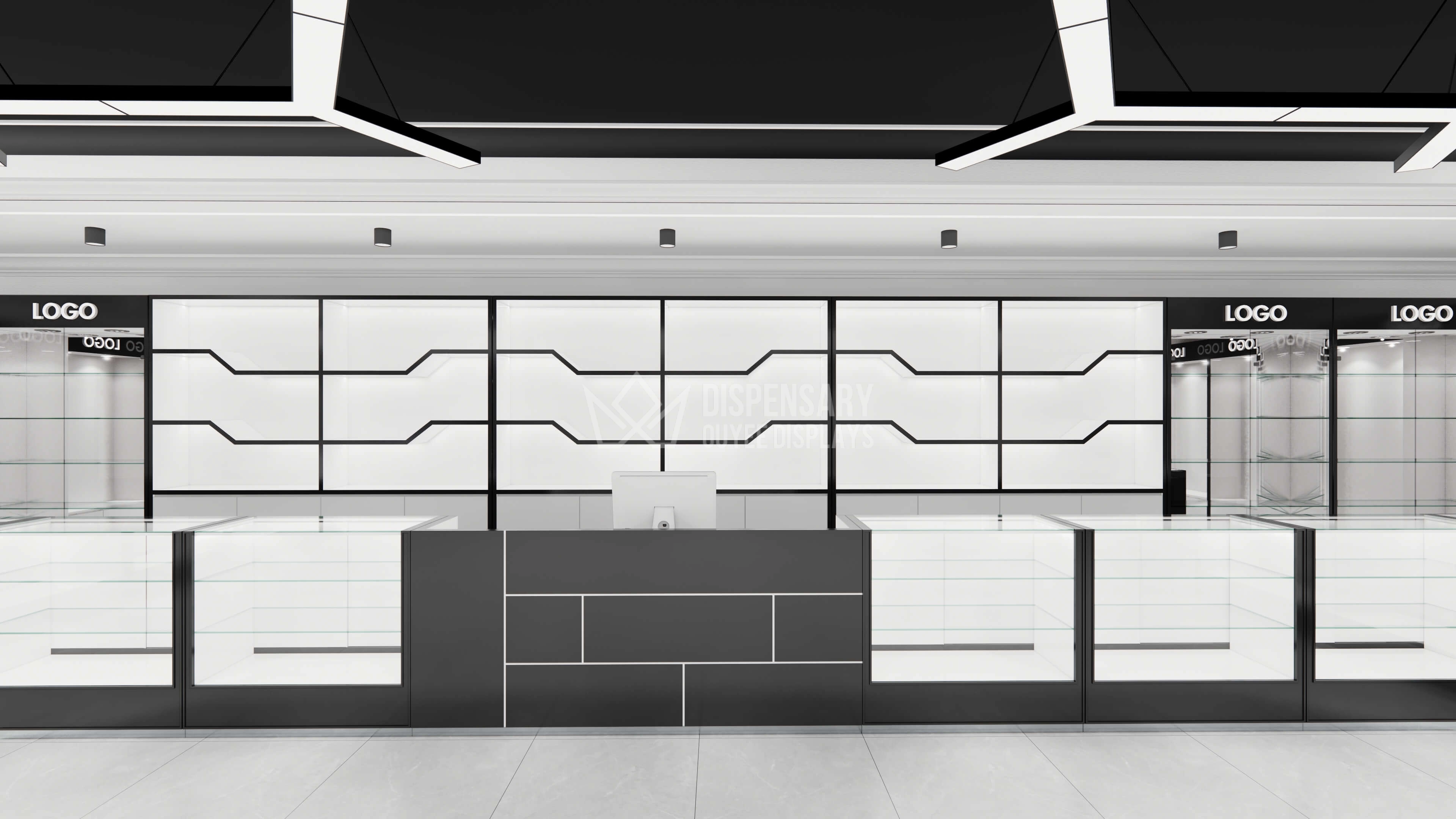
Tempered Glass Vape Shop Fixtures CBD Retail Displays Solutions
High-end CBD retail display fixtures with tempered glass and modular cabinets. Designed for vape shops prioritizing sleek style, product visibility, and premium customer experience.
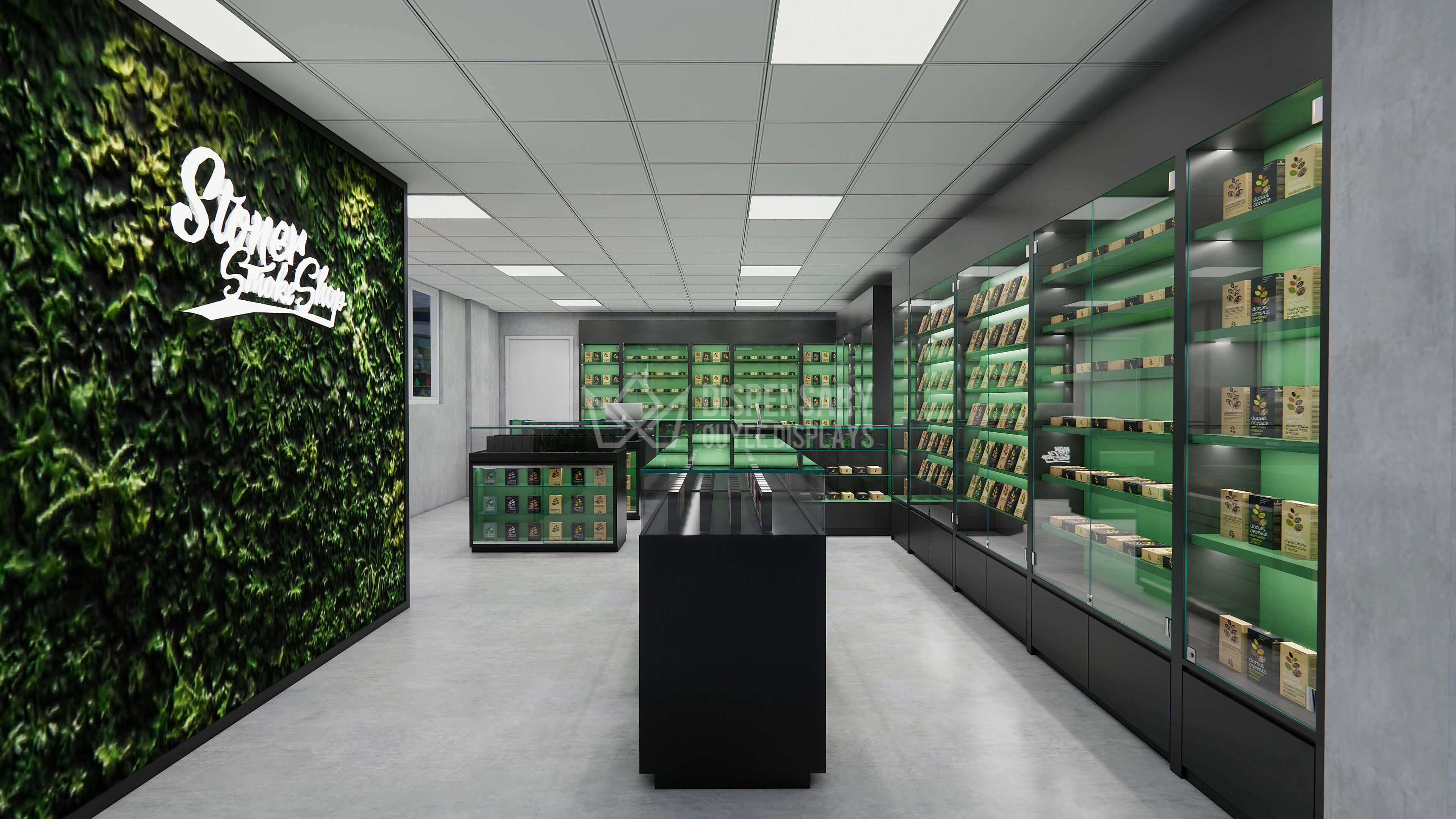
Professional 3D Design Tempered Glass Tobacco Fixture Manufacturer
Engineered for premium retail environments, our custom-built tobacco fixture system integrates tempered glass showcases, modular cabinetry, and ambient shelf lighting. Perfect for displaying packaged tobacco, herbal blends, or accessories, this setup maximizes product visibility, safety, and brand impact—tailored to meet the demands of high-traffic tobacco stores and kiosks.
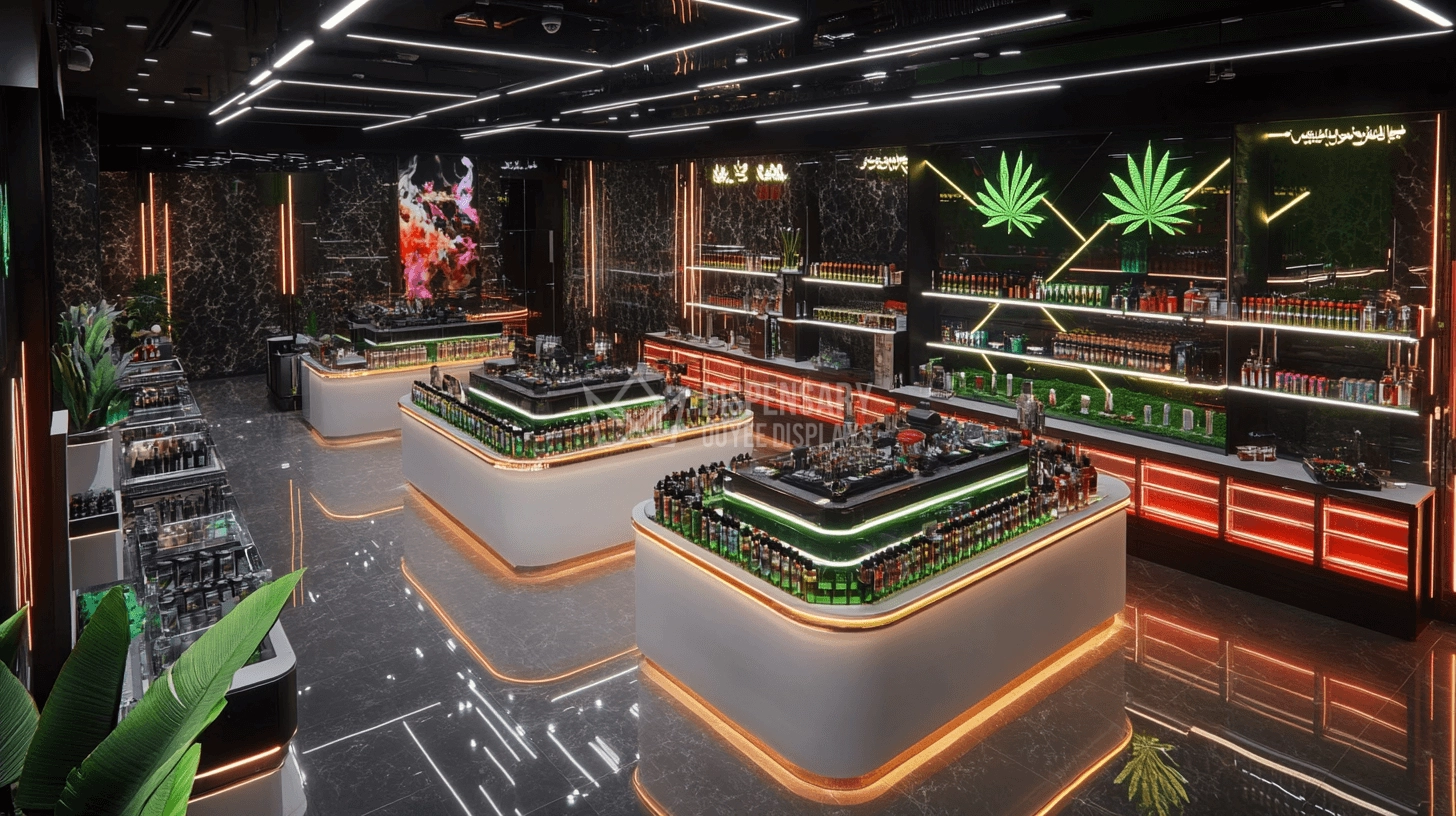
OEM ODM Dispensary Display Showcases Retail Design Cannabis Stores
Explore cutting-edge display showcase solutions for cannabis stores, combining modern retail design with high-end, customizable dispensary furniture.
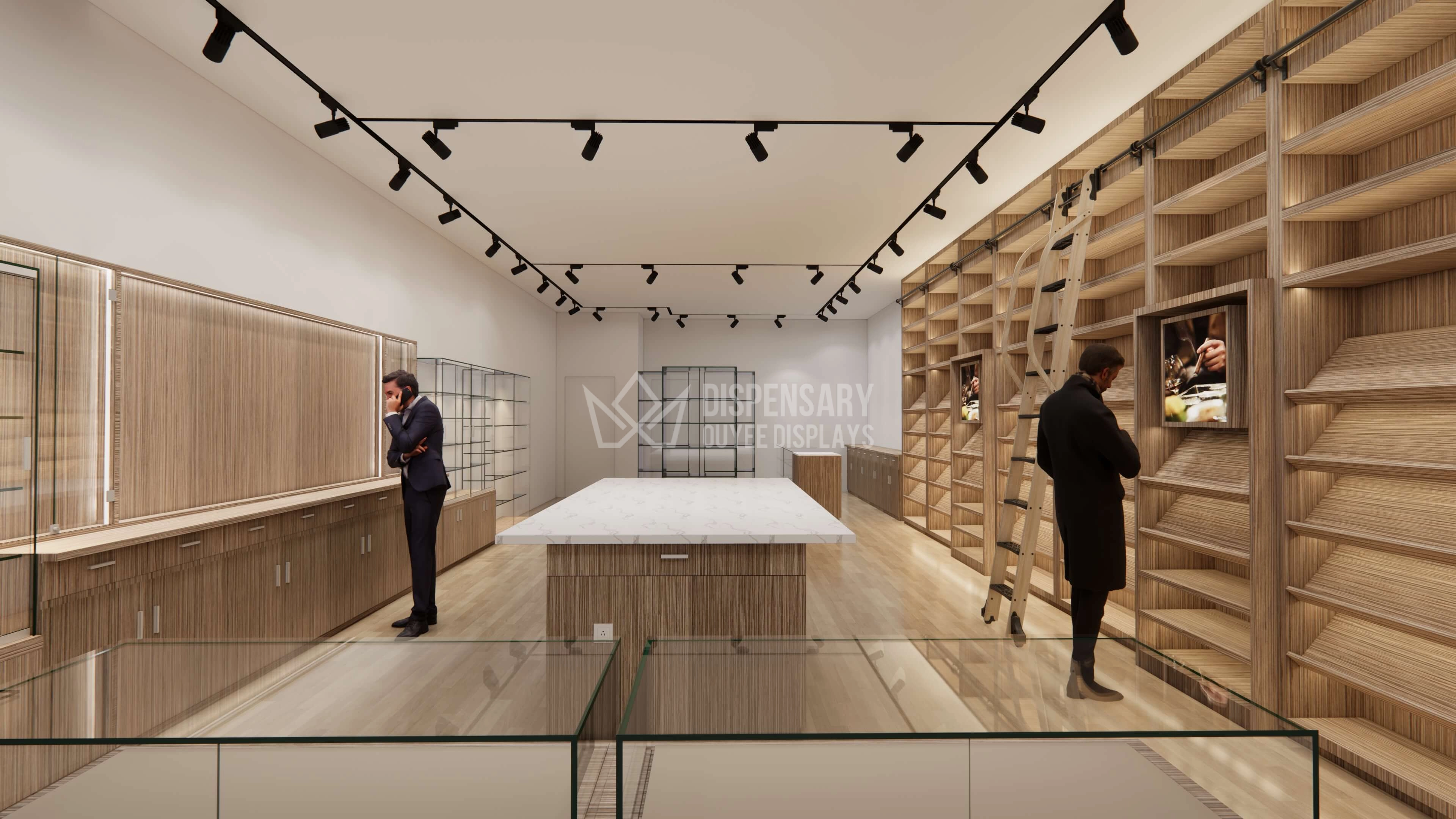
Customized Wooden Cigarette And Tobacco Fixtures Smoke Shop Display Cases
Elegant and highly functional, these custom wooden display fixtures are crafted for smoke shops needing a professional, organized and modular shelving solution. Featuring warm wood grain, integrated lighting, and custom shelving depths, this solution is ideal for showcasing cigarettes, cigars, pipe tobacco, and accessories in a premium atmosphere.
Let's get in touch

Email: gzouyeedisplay@gmail.com
WhatsApp: +86 136 6049 7267
Ouyee Dispensary
Ouyee Dispensary
Ouyee Dispensary
Ouyee Dispensary