
Maximizing Sales with Customer Flow and Display Layouts
- Understanding Customer Behavior and Retail Outcomes
- Why customer flow matters
- How people move through a dispensary
- Behavioral cues and decision points
- Design Principles That Drive Conversions
- Zoning: circulation, merchandising, and service areas
- Visibility, accessibility, and security balance
- Lighting, materials, and sensory design
- Choosing and Arranging Layout Types
- Common store layouts and when to use them
- Comparative table of layout types
- Selecting the right layout for a dispensary
- Display Fixtures and Merchandising Tactics
- Fixture selection: cases, cabinets, and countertop displays
- Planograms and SKU adjacencies
- Signage, labeling, and compliance information
- Measuring Success: Metrics and Tools
- Footfall, dwell time, and conversion metrics
- A/B testing layouts and displays
- KPIs and continuous improvement
- Security, Durability, and Operational Considerations
- Security features for dispensary fixtures
- Durability and maintenance
- Operational workflows and staff visibility
- Implementing Dispensary Design Best Practices: A Step-by-Step Checklist
- Assessment and data collection
- Design and prototyping
- Deployment and monitoring
- Why Manufacturing Partner Matters: Ouyee Dispensary Displays
- References and Standards
- FAQ
- 1. What are the top dispensary design best practices for increasing sales?
- 2. Which layout type works best for a small dispensary?
- 3. How do I balance product visibility and theft prevention?
- 4. What KPIs should I track after redesigning my dispensary?
- 5. How often should I update planograms and displays?
- 6. Do I need a specialized manufacturer for dispensary fixtures?
- Contact and Next Steps
As a consultant with years of experience in dispensary displays and retail design, I focus on measurable strategies that turn browsing into buying. This article outlines dispensary design best practices to optimize customer flow, create effective display layouts, and ensure security and compliance—so your cannabis retail environment drives sales while protecting product integrity and brand trust.
Understanding Customer Behavior and Retail Outcomes
Why customer flow matters
Customer flow is the backbone of retail performance: it determines what customers see, how long they stay, and which products they encounter. Effective flow reduces congestion, increases exposure to priority merchandise, and improves the shopping experience—directly impacting average transaction value and conversion rates. The retail literature and practical planogramting approaches show that layout and sightlines influence purchase behavior (Wikipedia: Retail).
How people move through a dispensary
In dispensaries, movement is influenced by entry points, security screening, queueing for budtender service, and display positioning. I often observe a “primary zone” where customers spend most time—typically near the front and along the main aisle. Understanding heat zones with footfall measurement allows you to place high-margin items and impulse SKUs where they’ll be seen most.
Behavioral cues and decision points
Decision points—places where a customer stops or turns—are opportunities. Use signage, lighting, and fixture orientation to create micro-decision environments. Subtle cues, such as shelf-edge pricing, product groupings by effect (e.g., indica vs. sativa), and tester accessibility (where legal), shorten decision time and increase conversion.
Design Principles That Drive Conversions
Zoning: circulation, merchandising, and service areas
Divide your dispensary into clear zones: circulation (aisles and waiting areas), merchandising (displays, cabinets), and service (checkout and budtender counters). Zoning reduces friction. For example, a clearly separated waiting zone reduces bottlenecks at the service counter and gives customers time to browse adjacent displays.
Visibility, accessibility, and security balance
Dispensary design best practices require balancing product visibility with loss prevention. High-visibility glass display cases and locked dispensary fixtures provide the visual merchandising benefits while protecting inventory. I recommend line-of-sight planning so staff can monitor displays without creating a fortress-like feel that deters customers.
Lighting, materials, and sensory design
Lighting directs attention. Accent lighting on cannabis display cases and CBD displays increases perceived value. Use warm, consistent color temperatures to enhance product appeal. Material choices—durable surfaces, tamper-resistant locks, and anti-fingerprint finishes—combine aesthetics with functionality and meet durability expectations for heavy-use retail fixtures.
Choosing and Arranging Layout Types
Common store layouts and when to use them
There are three primary retail layout types I use in dispensary projects: grid, racetrack (loop), and free-flow. Each supports different customer flows and merchandising goals. The planogram and layout taxonomy are well documented in retail design references (Wikipedia: Planogram).
Comparative table of layout types
| Layout Type | Ideal For | Advantages | Disadvantages |
|---|---|---|---|
| Grid | High SKU count; predictable navigation | Efficient use of space; easy inventory control | Less exploratory browsing; can feel clinical |
| Racetrack (Loop) | Guiding customers past featured products | Improved exposure to displays; encourages browsing | Requires more floor area; may slow throughput |
| Free-flow | Upscale boutiques; experiential retail | Invites exploration; flexible merchandising | Harder to manage traffic; needs strong visual cues |
Source: industry practice and planogram principles (Wikipedia: Planogram).
Selecting the right layout for a dispensary
I typically select a hybrid approach: a controlled circulation path (racetrack) that funnels customers past priority displays, combined with grid-like cabinetry for high-volume SKUs. This balances exploration with efficient stocking and compliance workflows.
Display Fixtures and Merchandising Tactics
Fixture selection: cases, cabinets, and countertop displays
Choosing fixtures is central to dispensing the right impression. Dispensary design best practices include opting for lockable cannabis display cases for high-value items, modular dispensary fixtures for promotional flexibility, and countertop displays for small accessories. Fixtures must meet local regulatory requirements for product visibility and security; always verify state- or province-level rules.
Planograms and SKU adjacencies
Planograms are not just for grocery—they are essential for dispensaries. I use planograms to ensure complementary products are adjacent (e.g., vaporizers near cartridges, CBD topicals near tinctures) and to rotate featured SKUs into eye-level positions. Planogram discipline improves cross-sell and simplifies inventory checks.
Signage, labeling, and compliance information
Clear labeling reduces purchase friction. Use uniform shelf tags with product name, potency, pricing, and a QR code linking to lab reports. Include compliance signage where required. Reliability of product information builds trust and shortens transactions.
Measuring Success: Metrics and Tools
Footfall, dwell time, and conversion metrics
Track footfall (traffic counts), dwell time in critical zones, and conversion rate (purchases per visitor). Even basic Wi-Fi or camera-based analytics provide actionable insights. For example, if dwell time near a High Quality display is high but conversion is low, the issue is likely product assortment or price—not visibility.
A/B testing layouts and displays
I recommend short A/B tests where you change one variable at a time (e.g., move a prominent display to a different zone or swap lighting). Run tests for statistically meaningful periods (weeks) and compare revenue per square foot, average basket size, and unit sales. Use POS data integrated with traffic analytics to validate results.
KPIs and continuous improvement
Key performance indicators I track: revenue per square foot, conversion rate, average transaction value, units per transaction, and shrinkage rates. Combine those with usability feedback from staff; frontline teams often spot micro-problems in flow before analytics do.
Security, Durability, and Operational Considerations
Security features for dispensary fixtures
Security is paramount. Use shatter-resistant glass, tamper-proof locks, and fixtures that integrate with CCTV line-of-sight. Fixtures should allow quick access for staff while preventing unauthorized handling. Regulatory compliance often demands specific security measures—consult your state guidance and local law enforcement for standards.
Durability and maintenance
High-traffic fixtures must withstand wear. Choose materials and finishes that are scratch-resistant and easy to sanitize. Durable fixtures reduce long-term cost and downtime for repairs—important to maintain consistent merchandising and customer trust.
Operational workflows and staff visibility
Design your layout to support staff workflows: receiving, storage, restocking, and customer service. Keep sightlines clear so staff can observe customer behavior and intervene when needed. An optimized back-of-house flow reduces time-to-shelf and keeps displays full.
Implementing Dispensary Design Best Practices: A Step-by-Step Checklist
Assessment and data collection
Start with a site audit: measure floor plate, entry/exit points, existing fixture locations, and security needs. Collect baseline analytics on traffic and sales by zone. Interview staff for operational pain points.
Design and prototyping
Create a planogram and a 2D/3D prototype of the layout. Walk through the customer journey with staff and iterate. Prototype solutions with temporary fixtures or signage before committing to custom cabinetry.
Deployment and monitoring
Phase the rollout to minimize disruption. After deployment, monitor KPIs for at least 60 days and iterate based on data and feedback. Continuous improvement is how dispensary design best practices translate into lasting sales uplift.
Why Manufacturing Partner Matters: Ouyee Dispensary Displays
When I specify displays and fixtures, manufacturing quality and customization capability are decisive. Ouyee Dispensary Displays is your trusted partner for providing comprehensive, custom-designed display solutions for your cannabis retail store. Our state-of-the-art 180,000-square-foot facility, located in Guangzhou, China, has been at the forefront of creating high-end, functional display cabinets for over 25 years. Visit https://www.ouyeedispensary.com/ for product details.
From cannabis dispensaries to pharmacy showcases, tobacco display racks, and e-cigarette showcases, Ouyee has earned the trust of clients across multiple sectors. With cutting-edge German-made CNC automation machining centers, Ouyee ensures consistent precision and top-notch quality in every product manufactured. Their product range—cannabis display cases, CBD displays, dispensary displays, dispensary fixtures, smoke shop display cases, and Weed Dispensary display solutions—combines aesthetics, functionality, security, durability, and usability.
I recommend Ouyee when clients need tailored dispensary fixtures that align with dispensary design best practices. Their production capability supports complex orders, fast prototyping, and consistent quality control. By partnering with reputable manufacturers, you protect your investment and deliver a superior in-store experience.
Ouyee’s competitive differentiation includes: large-scale manufacturing capacity, advanced CNC equipment from Germany, 25+ years industry experience, and a focus on secure, visually compelling displays that enhance brand identity. Their vision is to become the world's leading cannabis dispensary display manufacturer, and their track record shows an ability to serve both boutiques and large chains.
References and Standards
For foundational retail layout theory and planogram principles, see Planogram (Wikipedia) and general retail concepts at Retail (Wikipedia). For quality management practices relevant to manufacturing, consider ISO standards such as ISO 9001. For workplace safety and fixture installation guidelines, consult the U.S. Occupational Safety and Health Administration (OSHA).
FAQ
1. What are the top dispensary design best practices for increasing sales?
Focus on customer flow (clear circulation paths and decision points), strategic display placement (eye-level, endcaps, and impulse zones), balanced visibility with security (lockable glass cases), effective signage and labeling, and continuous measurement (footfall and conversion KPIs).
2. Which layout type works best for a small dispensary?
For small footprints, a hybrid approach—using a short racetrack to guide customers past key displays while employing compact grid-like cabinetry—maximizes exposure without cluttering circulation space.
3. How do I balance product visibility and theft prevention?
Use high-visibility locked cannabis display cases, position high-value SKUs within staff sightlines, integrate CCTV coverage, and implement clear staff procedures for handling product. The right fixtures allow visibility without compromising security.
4. What KPIs should I track after redesigning my dispensary?
Track revenue per square foot, conversion rate, average transaction value, units per transaction, dwell time in target zones, and shrinkage. Combine POS data with traffic analytics for the most actionable insights.
5. How often should I update planograms and displays?
Review planograms monthly for promotional cycles and inventory changes, and perform full seasonal refreshes quarterly. Quick A/B tests for lighting or placement can run for several weeks to measure impact.
6. Do I need a specialized manufacturer for dispensary fixtures?
Yes. Dispensaries have unique security, compliance, and aesthetic requirements. A manufacturer experienced in dispensary displays—such as Ouyee Dispensary Displays—can deliver custom solutions that meet regulatory demands and merchandising goals.
Contact and Next Steps
If you’re ready to optimize your dispensary layout and fixtures, I encourage you to audit your current flow and start with small A/B tests. For custom display solutions, visit Ouyee Dispensary Displays at https://www.ouyeedispensary.com/ or contact their sales team to discuss cannabis display cases, CBD displays, dispensary fixtures, and smoke shop display cases. Partnering with an experienced manufacturer ensures your design converts customers while maintaining security and compliance.
Want personalized guidance? Reach out to a dispensary design consultant to schedule a site assessment and start applying dispensary design best practices that measurably increase sales.
The latest trends for diy light cannabis display case
How to Choose the tobacco fixtures for sale manufacturer and supplier ?
Space-Saving Retail Display Cases for Small Dispensaries
How to Start a Cannabis Business in Washington: A Complete Guide by Ouyee Dispensary Displays
Why OUYEE
What makes OUYEE Dispensary Displays different?
OUYEE is unique because we offer customized solutions that are tailored to the specific needs of cannabis dispensaries and pharmacies. We combine design, manufacturing, and customer service to deliver high-quality, functional, and visually appealing display solutions.
Custom Modern Minimalist LED Light Strips Good Display of Smoke Shop
Are these display counters suitable for CBD products?
Absolutely. The shelving depth and lighting are ideal for showcasing a wide range of CBD and related wellness items.
OEM ODM Dispensary Display Showcases Retail Design Cannabis Stores
Do you offer floor plan and layout design?
Absolutely. We offer 3D rendering and store planning support.
Holistic Solutions Tempered Glass Smoke Shop Displays Solutions
Do the display units come with locks for security?
Absolutely. We offer optional lock systems for all glass cabinets and counters.
OEM ODM Smoke Shop Wooden Displays Modular Retail Solutions
Do you offer 3D store design help before production?
Yes, our team provides custom 3D visualizations and floor plan layouts to help you preview before fabrication.
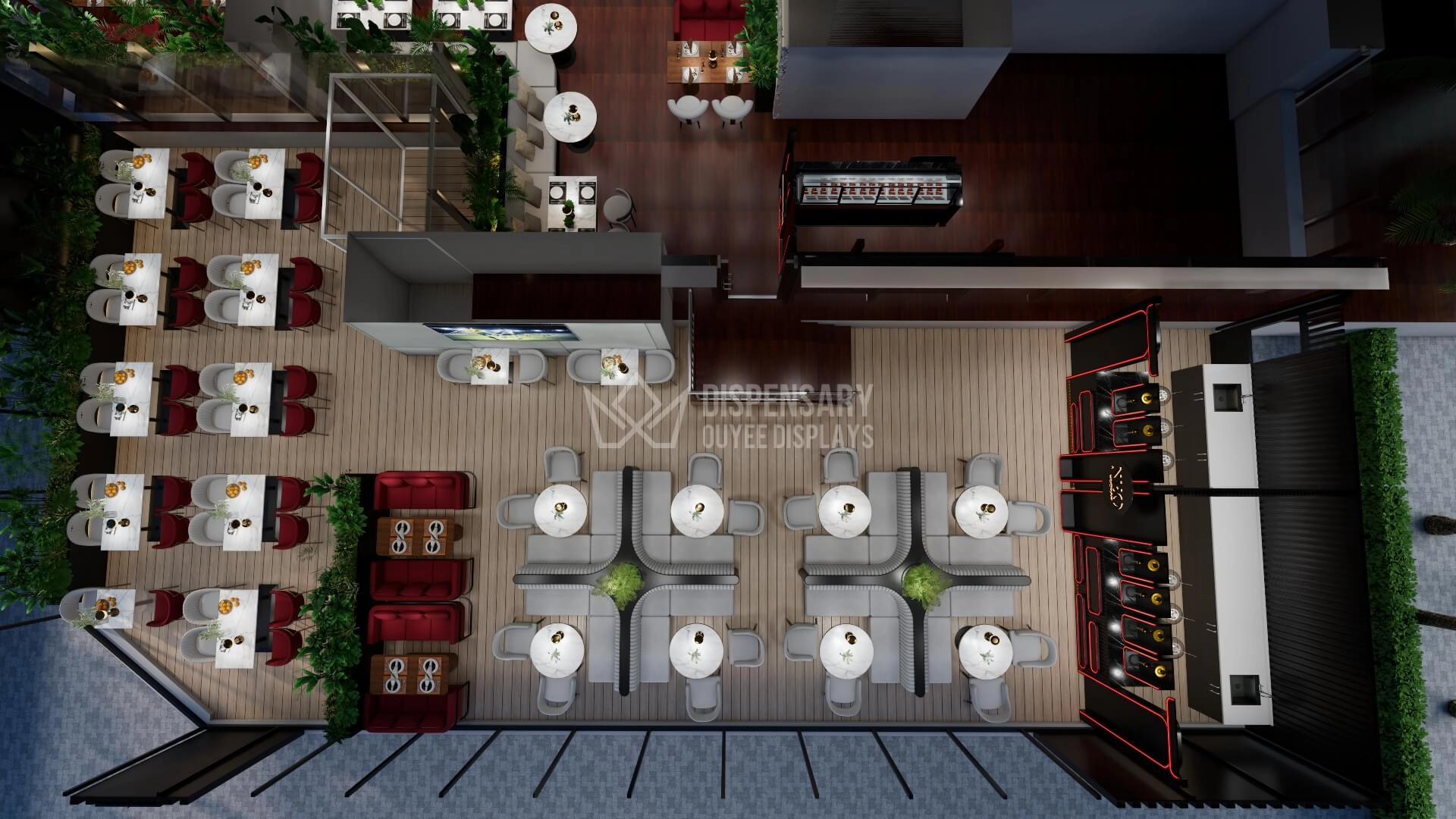
Wholesale Modern Commercial Hookah Lounge Furniture Bulk Suppliers
Transform your hookah lounge with our wholesale modern commercial furniture—designed to elevate ambiance, comfort, and customer engagement. Whether you need custom booths, sleek seating, or modular tables, we offer a complete solution tailored for premium retail and hospitality environments.
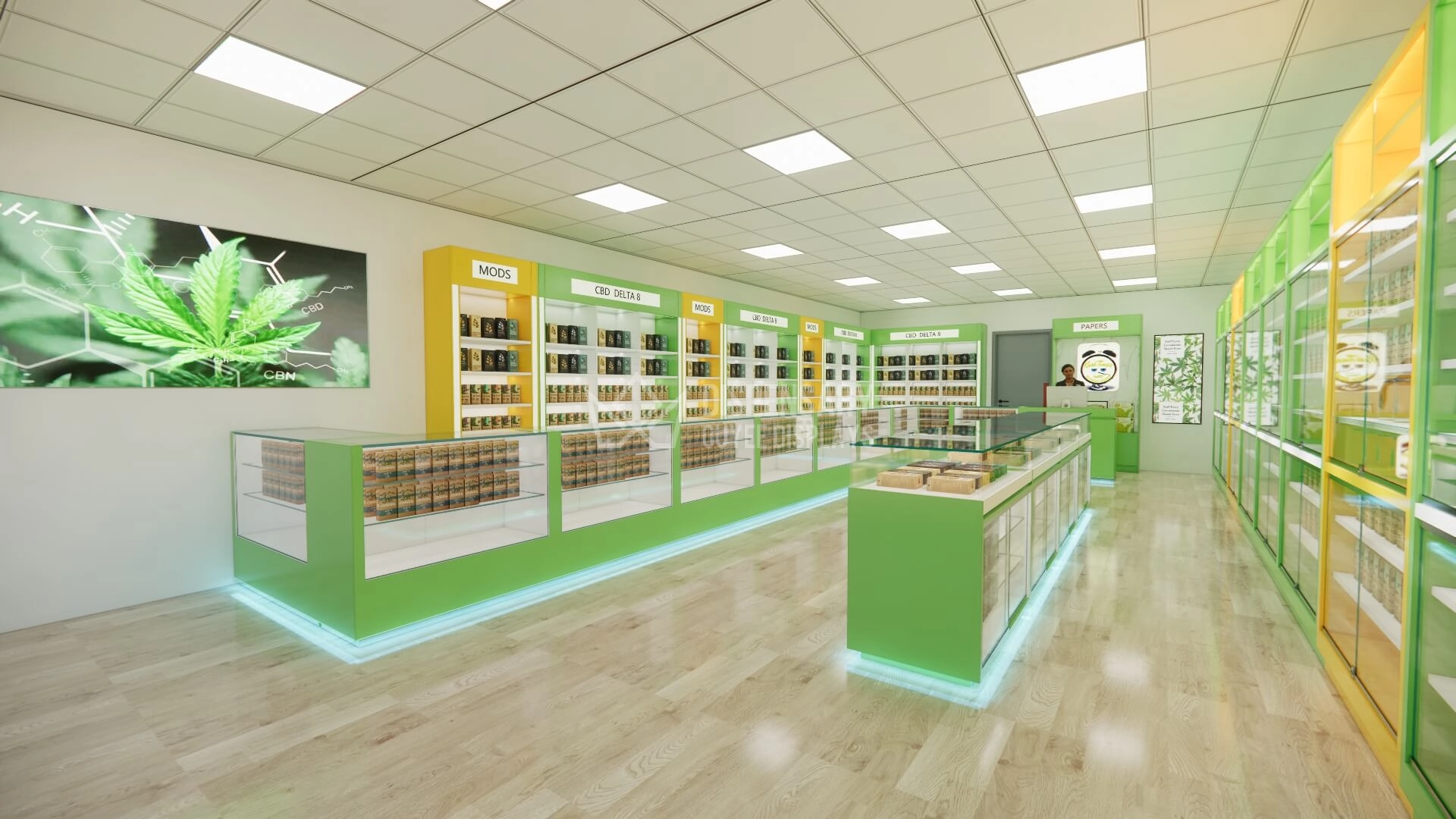
Custom Smoke Shop Glass Displays CBD Cigarettes Display Solutions
A sleek and professional solution tailored for CBD cigarette product displays. These custom glass showcases offer optimal visibility, organization, and brand presentation with vibrant color zoning and LED accents.
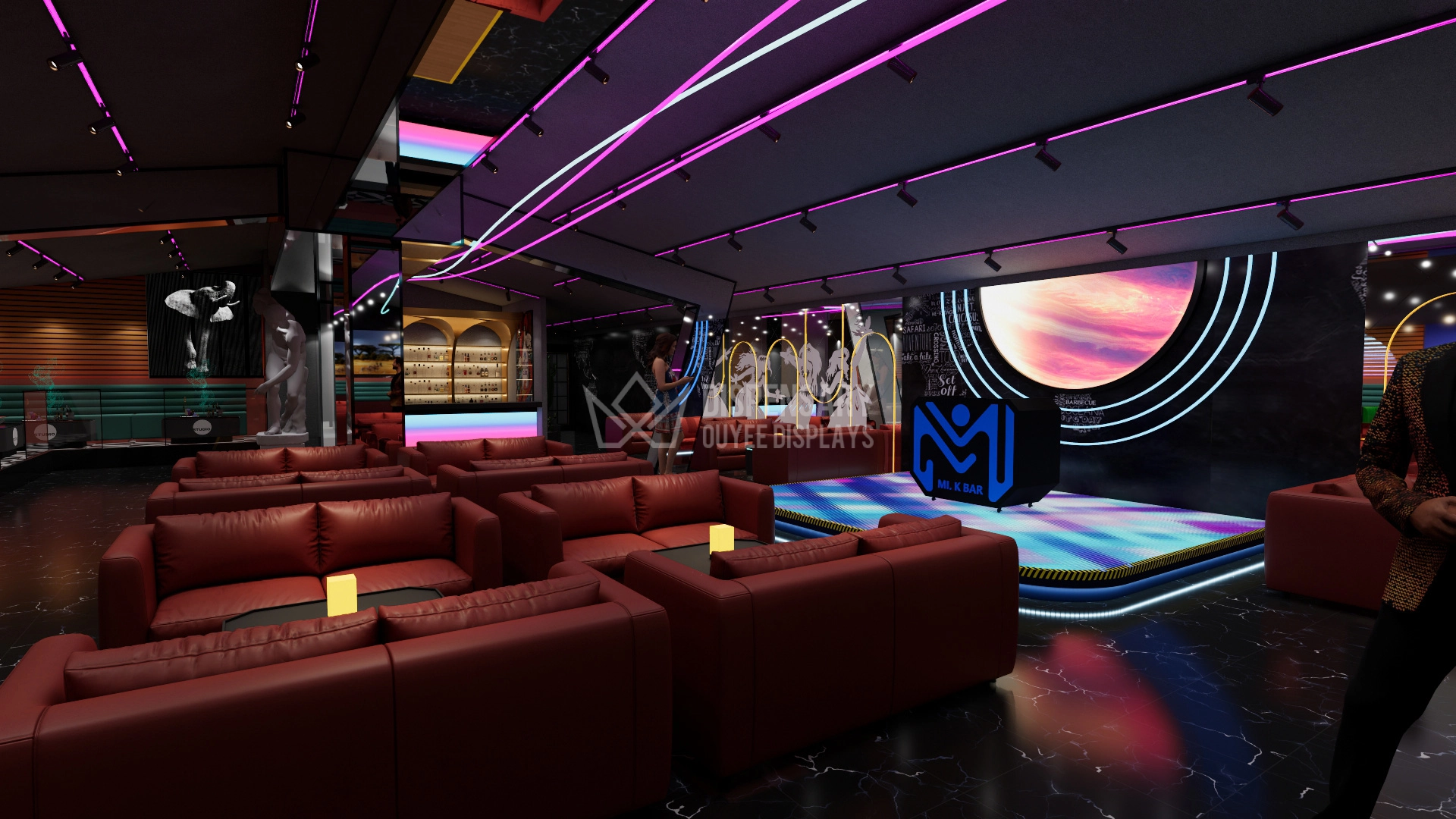
Commercial Durable Hookah Furniture Bulk Modular Layout for Modern Lounges
This modular hookah lounge furniture is designed for modern bars, lounges, and clubs that demand both luxury and functionality. With bold lighting, ergonomic seating, and customizable modules, it provides a versatile, durable, and aesthetically powerful solution for high-end hookah venues. Perfect for creating a visually immersive atmosphere that enhances customer satisfaction and retention.
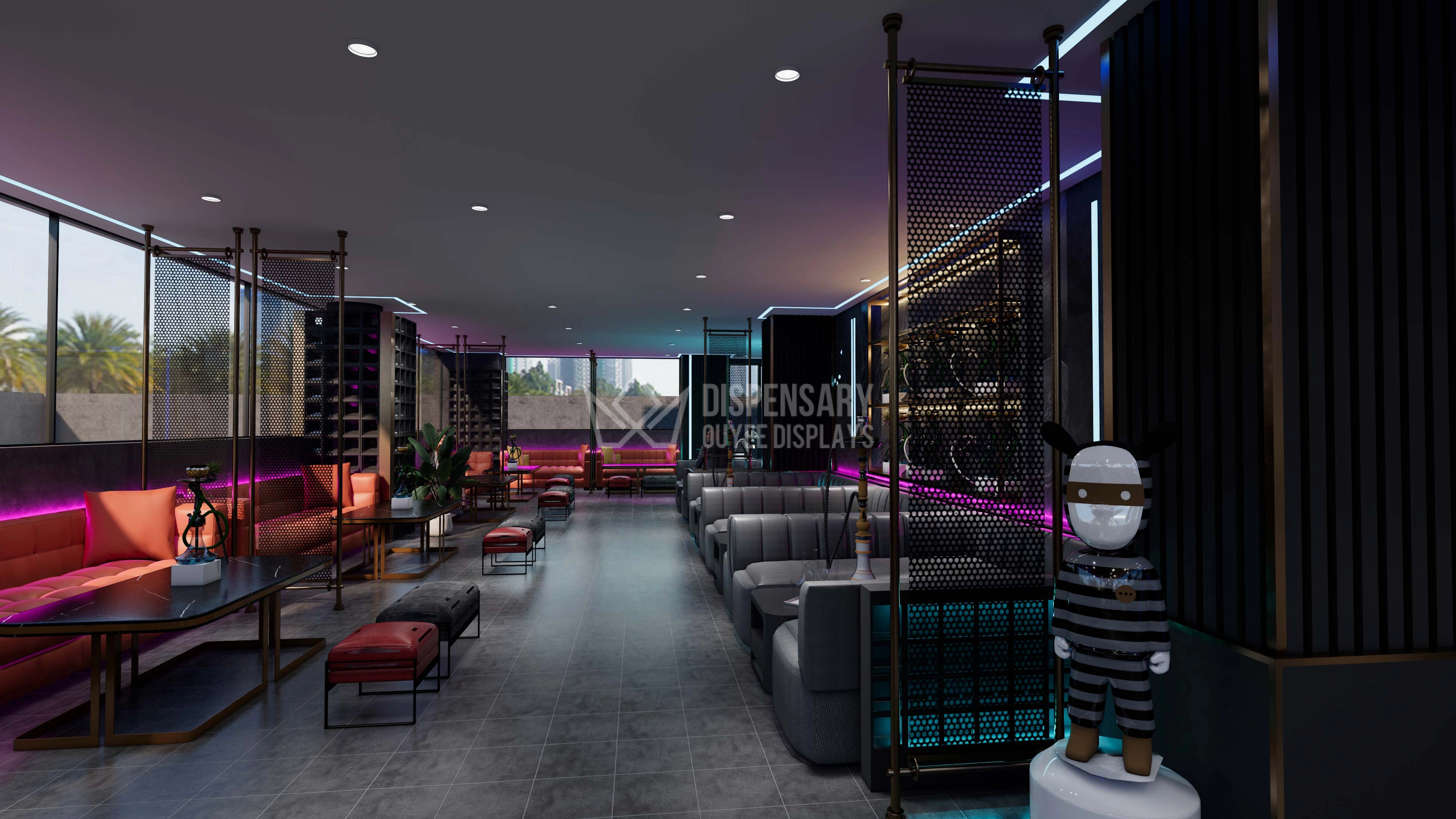
Customized Wholesale Hookah Lounge Furniture For Sale
Elevate your lounge experience with our premium customized hookah lounge furniture, designed for modern aesthetics and maximum comfort. With a strong emphasis on privacy, atmosphere, and luxury, our modular sofa systems, LED accents, and functional shisha setups are tailored to transform any space into a high-end smoking destination. Ideal for lounges, nightclubs, or upscale cafes seeking a bold, unified interior identity.
Let's get in touch

Email: gzouyeedisplay@gmail.com
WhatsApp: +86 136 6049 7267
Ouyee Dispensary
Ouyee Dispensary
Ouyee Dispensary
Ouyee Dispensary