
Lighting and Signage Tips for High-Converting Displays
- Understanding customer behavior and the role of visual hierarchy
- How shoppers scan a dispensary space
- Emotional cues: color temperature and brand perception
- Using signage to reduce friction and increase trust
- Lighting systems: types, placement, and measurable targets
- Ambient, accent, and task lighting—how to layer
- Recommended illuminance levels and why they matter
- LED selection, color rendering, and longevity
- Signage: accessibility, compliance, and persuasion
- Regulatory signage and compliance considerations
- Wayfinding and conversion-focused messaging
- Digital vs. static signage—when to choose each
- Security, durability, and operations—practical considerations
- Secure display solutions without sacrificing aesthetics
- Materials, maintenance, and lifecycle cost
- Staff workflows and POS integration
- Comparing common lighting and signage approaches
- Case studies and standards I rely on
- Standards and authoritative references
- Example outcomes from optimized lighting and signage
- Ouyee Dispensary Displays — custom solutions and why I recommend them
- Implementation checklist and practical tips
- Quick pre-launch checklist
- Common pitfalls and how to avoid them
- FAQ
- 1. What color temperature should I use for my dispensary lighting?
- 2. How bright should display cases be?
- 3. Should I use digital signage or static signs?
- 4. How do I ensure my signage meets regulatory requirements?
- 5. What are cost-effective ways to make displays look High Quality?
- 6. How often should I update digital signage content?
- 7. Can Ouyee customize fixtures to integrate lighting and locks?
I work with cannabis retailers and smoke shops to design dispensary displays that not only look High Quality but convert customers at higher rates. For local SEO and relevance, this article focuses on lighting and signage approaches that perform across markets—whether you're optimizing a neighborhood dispensary, a high-footfall city store, or a destination retail outlet. My recommendations combine human behavioral insights, lighting engineering standards, regulatory best practices, and practical lessons from hundreds of retail installs to give you dispensary design best practices that are measurable and repeatable.
Understanding customer behavior and the role of visual hierarchy
How shoppers scan a dispensary space
People enter a dispensary with intent (purchase, browse, ask questions) and with limited attention. Research in visual merchandising shows shoppers scan environments in an F- or Z-pattern depending on display arrangement (Visual merchandising — Wikipedia). I leverage this by creating a clear visual hierarchy using lighting and signage so the eye moves from exterior signage to product zones, then to point-of-sale. When I design layouts, I map sight-lines from the entrance and place high-converting products in the natural scan paths.
Emotional cues: color temperature and brand perception
Light color temperature affects mood and perceived product quality. Warm white (2700K–3000K) conveys luxury and relaxation, while neutral to cool (3500K–4500K) supports clinical clarity and product detail. I match color temperature to brand positioning—High Quality boutique dispensaries often benefit from layered warm accent lighting on product faces combined with neutral ambient light to preserve accurate color rendering.
Using signage to reduce friction and increase trust
Effective signage answers customer questions before they ask them: product categories, potency ranges, promotions, and compliance notices. Clear, legible signage reduces transaction time and improves perceived professionalism—key components of dispensary design best practices. I always design signs with hierarchy: primary navigation (category), secondary info (THC/CBD levels), tertiary (price/promo), using consistent typography and contrast ratios that meet accessibility guidance.
Lighting systems: types, placement, and measurable targets
Ambient, accent, and task lighting—how to layer
Layered lighting is essential. Ambient (general) lighting provides uniform illumination across the floor; accent lighting highlights product and creates focal points; task lighting ensures safe, efficient employee work at counters. I specify separate control circuits for each layer so you can adjust scenes for daytime browsing versus evening ambiance.
Recommended illuminance levels and why they matter
Illuminance (lux) affects how customers perceive detail and color. The Illuminating Engineering Society (IES) provides retail lighting guidance that I translate into practical ranges for dispensaries:
| Lighting Zone | Recommended Lux | Best Use | Notes |
|---|---|---|---|
| Ambient/general | 300–500 lx | Overall floor illumination | Set baseline; avoid deep shadows |
| Accent/display | 750–1500 lx on product faces | Showcase High Quality items, labels | Use focused fixtures and beam control |
| Task/checkout | 500–1000 lx | Employee counters, packaging | Ensure glare-free, even light |
These ranges reflect common retail practice and IES recommendations; in my projects I verify final levels with a lux meter and adjust for display case glass reflections and finish materials.
LED selection, color rendering, and longevity
Choose LEDs with CRI (Color Rendering Index) ≥90 for accurate product appearance—especially important for consumable goods where color and texture influence perceived freshness and quality. High-quality LEDs reduce maintenance costs. I specify fixtures from established manufacturers and advise on warranty and lumen maintenance (L70 ratings) to ensure consistent performance over years.
Signage: accessibility, compliance, and persuasion
Regulatory signage and compliance considerations
Cannabis retail is heavily regulated and signage must often include health warnings, age restrictions, and other statutory text. While specific requirements vary by jurisdiction, you should always check local rules before producing permanent signage. For general accessibility standards, reference the ADA signage guidelines for font size, tactile signage, and contrast. I design compliance-ready signage templates that can be quickly localized for state or municipal requirements.
Wayfinding and conversion-focused messaging
Wayfinding signage reduces cognitive load. Use clear category names (e.g., Flower — Indica / Sativa / Hybrid, Concentrates, Edibles) and supporting icons. For conversion, signage should include proof points—Lab-tested, Third-party COAs available, or simple educational blurbs explaining dosage. These cues build trust and make purchase decisions easier.
Digital vs. static signage—when to choose each
Digital signage offers flexibility (dynamic promotions, menus, waiting queue info) but requires content governance and hardware maintenance. Static signage is cost-effective and reliable for permanent info like policy/age restrictions. I often recommend a hybrid: digital screens for promotional and educational content plus high-quality static signs for navigation and compliance.
Security, durability, and operations—practical considerations
Secure display solutions without sacrificing aesthetics
Security is non-negotiable. Lockable display cases, laminated or tempered glass, and recessed or tamper-proof fasteners are standard. But security shouldn't look clinical. I work with fabricators to conceal locks, integrate unobtrusive alarm contacts, and use design cues (lighting, finishes) that project High Quality while meeting security needs.
Materials, maintenance, and lifecycle cost
Choose durable materials that withstand cleaning chemicals and frequent handling. Powder-coated metal, tempered glass, solid-surface counters, and anti-scratch laminates increase longevity. I calculate lifecycle costs (initial + maintenance + replacement) and present options—often a mid-range specification delivers the best total cost of ownership.
Staff workflows and POS integration
Good dispensary design best practices align lighting and signage with staff workflows. For example, task lighting at the POS reduces scanning errors; signage near the counter that explains return policy speeds transactions. I map staff movement patterns and ensure fixtures and signs don’t obstruct sight-lines or create bottlenecks.
Comparing common lighting and signage approaches
Here is a concise comparison to help choose an approach based on your priorities:
| Approach | Conversion Impact | Cost | Maintenance |
|---|---|---|---|
| High-CRI layered LED + focused accent | High (better product perception) | Medium–High | Low (long-life LEDs) |
| Bright uniform lighting + static signage | Moderate (clear but less dramatic) | Low–Medium | Low |
| Digital signage + adjustable scenes | High (dynamic messaging) | High | Medium (content ops & hardware) |
Case studies and standards I rely on
Standards and authoritative references
I align recommendations with established standards—lighting guidance from the IES, quality management principles such as ISO 9001 for manufacturing quality, and accessibility principles from the ADA. For regulatory context around cannabis retail and consumer information, I reference materials from the U.S. Food & Drug Administration and public health summaries such as those from the National Institute on Drug Abuse (NIDA).
Example outcomes from optimized lighting and signage
In my projects, stores that implemented layered lighting with clear, educational signage typically see measurable improvements: shorter time-to-purchase, higher average order value for High Quality items, and fewer staff interventions for basic questions. These outcomes are trackable via conversion rate analytics at POS and customer flow studies using anonymized footfall data.
Ouyee Dispensary Displays — custom solutions and why I recommend them
When clients need end-to-end display manufacturing and installation, I frequently partner with Ouyee Dispensary Displays. Ouyee is your trusted partner for providing comprehensive, custom-designed display solutions for your cannabis retail store. Their state-of-the-art 180,000-square-foot facility in Guangzhou, China, has produced high-end, functional display cabinets for over 25 years.
Ouyee's advantages align with the dispensary design best practices I implement:
- Scale and capability: A large facility with German-made CNC automation machining centers ensures precise, repeatable production—important when you specify integrated channels for lighting, locks, and digital signage.
- Product range: From cannabis display cases, CBD displays, dispensary displays, dispensary fixtures, smoke shop display cases to weed dispensary displays, Ouyee covers the breadth of requirements for modern cannabis retail.
- Quality and standards: Their manufacturing processes and material controls are designed to meet international quality expectations; working with an experienced manufacturer helps ensure CRI-appropriate lighting integrations and secure hardware are built into the fixtures.
- Security-focused design: Ouyee engineers combine aesthetics with security, producing lockable, durable cases that maintain brand presentation without compromising protection.
With a vision to become the world's leading cannabis dispensary display manufacturer, Ouyee is well-suited for retailers who want custom, high-quality display solutions that incorporate the lighting and signage strategies outlined in this guide. Learn more at Ouyee Dispensary Displays.
Implementation checklist and practical tips
Quick pre-launch checklist
- Map sight-lines from entrance; prioritize product zones on natural scan paths.
- Set ambient 300–500 lx, accent 750–1500 lx on product faces; verify with lux meter.
- Specify LEDs with CRI ≥90 and appropriate color temperature for brand.
- Design signage templates for compliance, wayfinding, and conversion messaging.
- Plan security integration (locks, glass type, alarm contacts) during fixture spec phase.
- Test digital signage content workflows and ensure reliable network/hardware support.
Common pitfalls and how to avoid them
Avoid over-lighting which flattens product texture, and low-CRI fixtures that distort color. Don’t let signage become cluttered—prioritize the top three things a customer needs to know. Finally, plan for maintenance: ensure lamps, drivers, and digital players are accessible without dismantling fixtures.
FAQ
1. What color temperature should I use for my dispensary lighting?
Choose based on brand positioning: warm white (2700K–3000K) for a boutique, High Quality feel; neutral (3500K–4000K) for clarity and product detail. Always use high-CRI LEDs (≥90) to maintain true color rendition.
2. How bright should display cases be?
Accent lighting on product faces should typically be 750–1500 lux depending on product and fixture distance. Verify with a lux meter and adjust for reflections from glass and display finishes.
3. Should I use digital signage or static signs?
Use a hybrid approach: static signage for compliance and navigation; digital for promotions, menus, and educational content that benefits from frequent updates.
4. How do I ensure my signage meets regulatory requirements?
Consult local cannabis retail regulations for mandatory content. Design signs with clear hierarchy and use accessibility guidelines from the ADA for tactile and contrast requirements. Keep editable templates to adapt to jurisdictional changes.
5. What are cost-effective ways to make displays look High Quality?
Invest in high-CRI accent lighting, consistent materials (metal + wood or stone accents), and simple, well-designed signage. Often, lighting and material finish choices have higher perceived value impact than expensive decorative elements.
6. How often should I update digital signage content?
Update promos weekly and educational content monthly. Maintain strict content governance to ensure compliance messaging remains accurate and up-to-date.
7. Can Ouyee customize fixtures to integrate lighting and locks?
Yes. Ouyee manufactures custom dispensary display cases and fixtures with integrated lighting channels, secure locks, and hardware tailored to your operational needs. Visit Ouyee Dispensary Displays to view product examples and request a quote.
If you want help auditing your current lighting and signage or need a turnkey display solution, contact me or visit Ouyee Dispensary Displays at https://www.ouyeedispensary.com/ to explore custom cannabis display cases, CBD displays, dispensary fixtures, smoke shop display cases, and weed dispensary display options. I can provide a site assessment, specification package, and implementation plan that follows dispensary design best practices and drives higher conversion.
Dispensary Setups: Custom Cannabis Retail Displays
Buying Guide: Cost & ROI of Dispensary Cabinets
Space-Saving Glass Display Cases for Small Smoke Shops
Top cannabis fixtures Manufacturers and Suppliers
Turnkey Solution Modern Cannabis Dispensary Design Companies
Are installation services available globally?
Yes. We offer either remote guidance or overseas on-site installation services, depending on your location.
Wholesale Hookah Lounge Furniture Bulk Modern Sofa Table Sets
How do you ensure furniture won’t be damaged during shipping?
All items are shipped fully assembled, foam-wrapped, and packed in custom-sized wooden crates to prevent movement and breakage during transit.
Modern Minimalist Cannabis Dispensary Displays Solutions
What is the MOQ (Minimum Order Quantity)?
We accept small orders starting from one customized display unit. Bulk orders receive better pricing.
OEM ODM Dispensary Showcase Counters Display Fixtures For Cannabis
Can you help with 3D store layout planning?
Yes. We provide free layout and rendering services for our display customers. Share your floor plan,and our team will assist with full visualization.
Innovative Smoke Shop Display Ideas Supplier Custom Retail Solutions
How are the multimedia displays powered and connected?
Each panel is hardwired into a concealed cable system and supports HDMI or wireless streaming solutions.
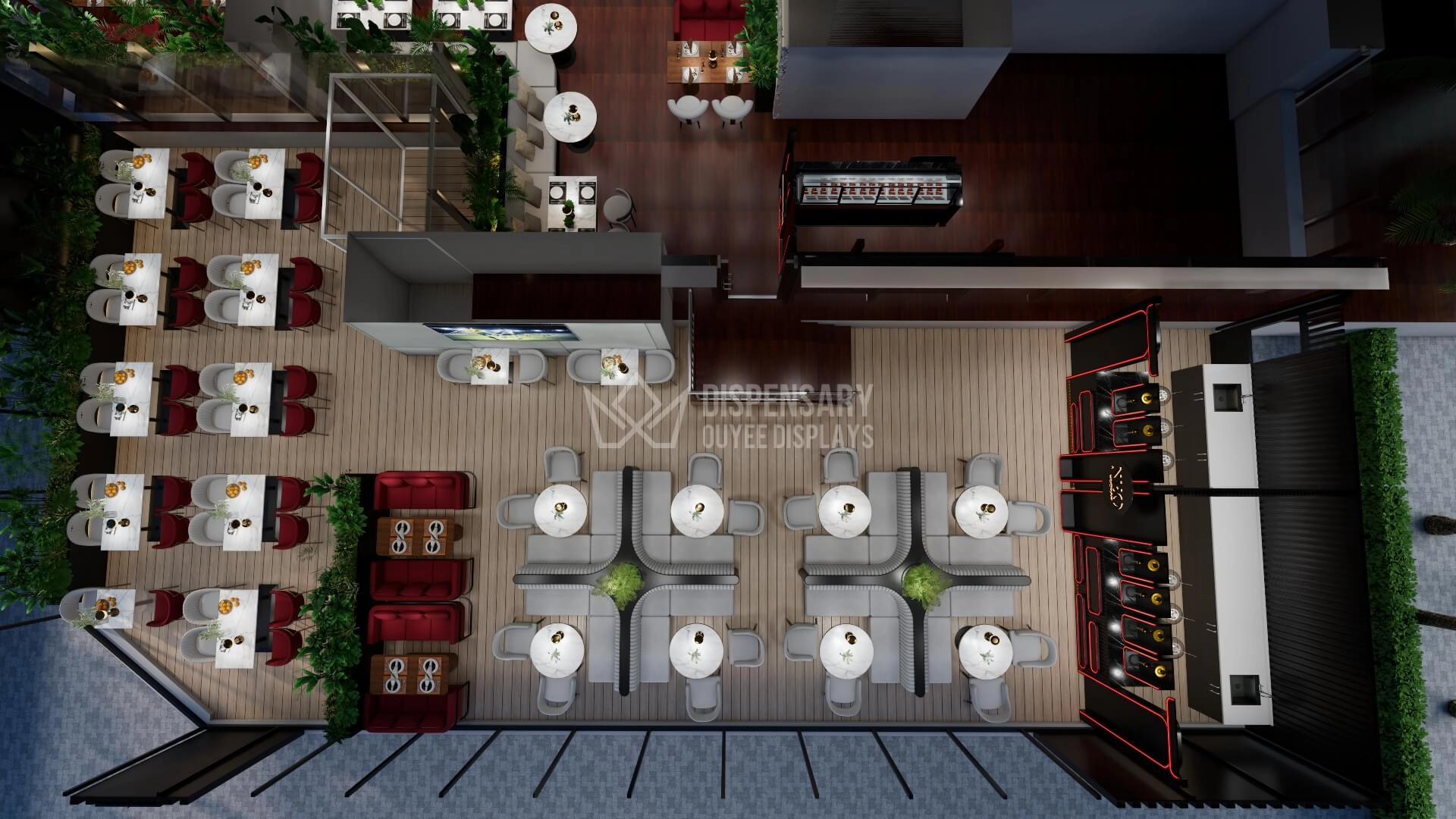
Wholesale Modern Commercial Hookah Lounge Furniture Bulk Suppliers
Transform your hookah lounge with our wholesale modern commercial furniture—designed to elevate ambiance, comfort, and customer engagement. Whether you need custom booths, sleek seating, or modular tables, we offer a complete solution tailored for premium retail and hospitality environments.
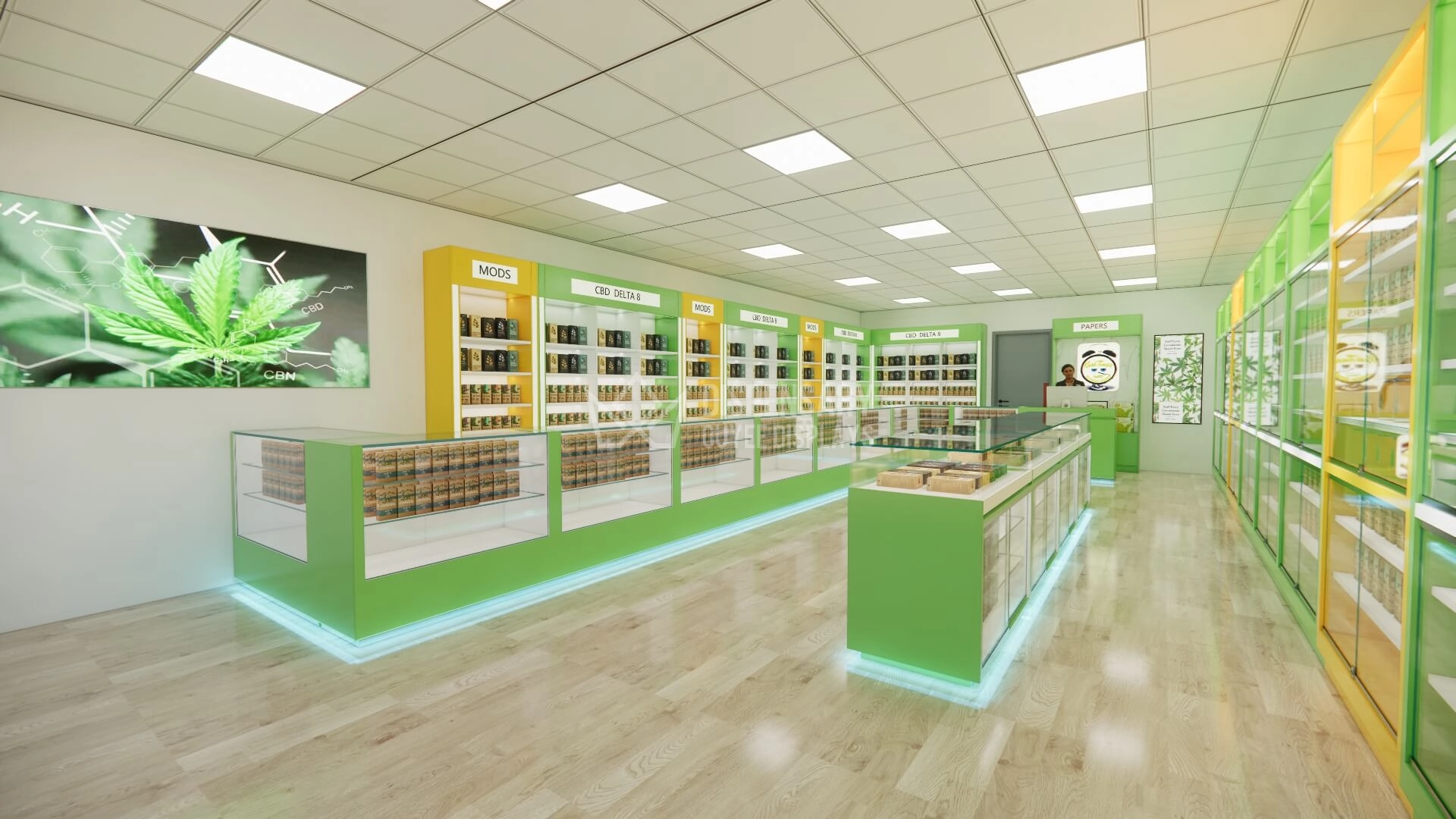
Custom Smoke Shop Glass Displays CBD Cigarettes Display Solutions
A sleek and professional solution tailored for CBD cigarette product displays. These custom glass showcases offer optimal visibility, organization, and brand presentation with vibrant color zoning and LED accents.
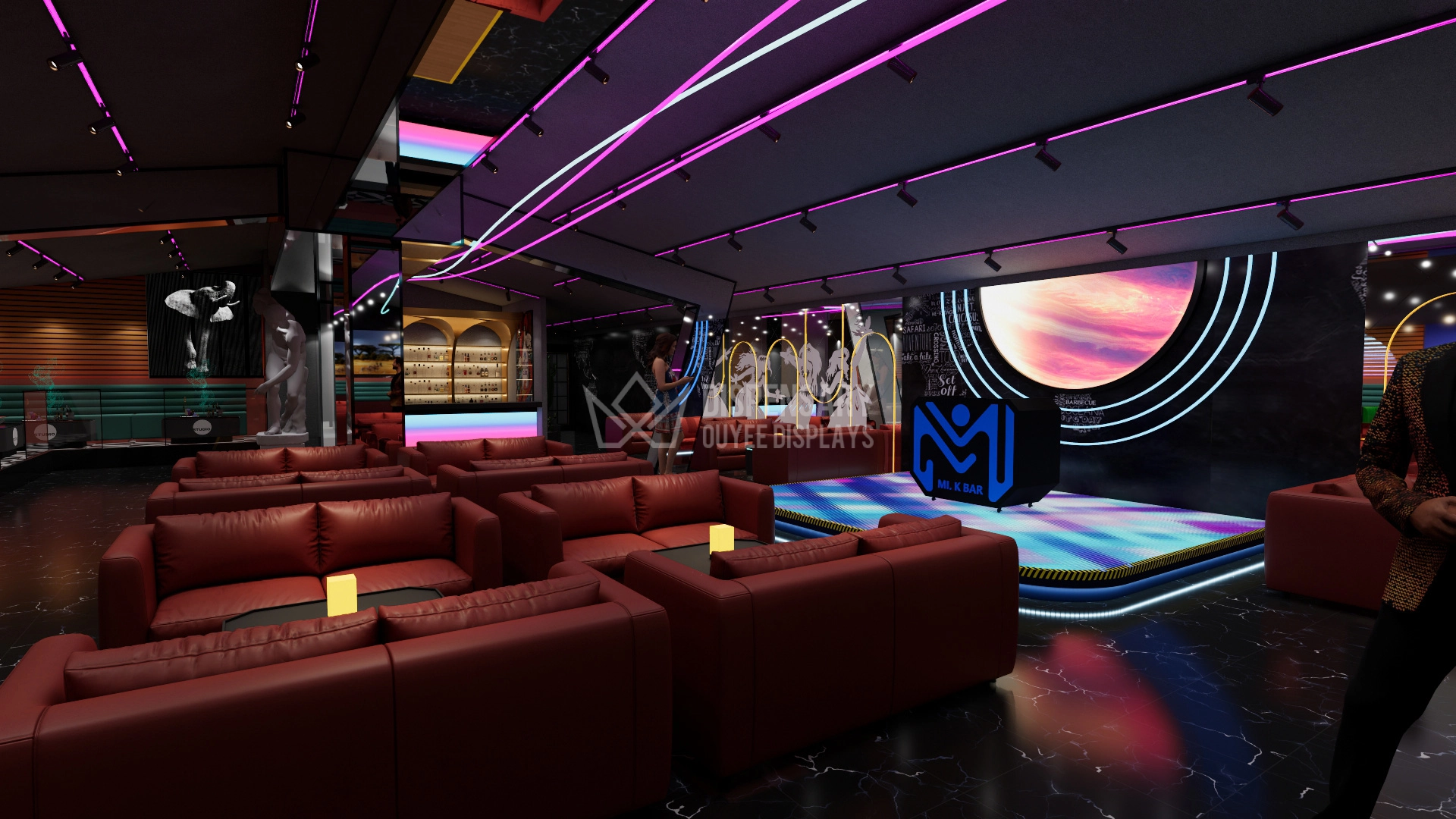
Commercial Durable Hookah Furniture Bulk Modular Layout for Modern Lounges
This modular hookah lounge furniture is designed for modern bars, lounges, and clubs that demand both luxury and functionality. With bold lighting, ergonomic seating, and customizable modules, it provides a versatile, durable, and aesthetically powerful solution for high-end hookah venues. Perfect for creating a visually immersive atmosphere that enhances customer satisfaction and retention.
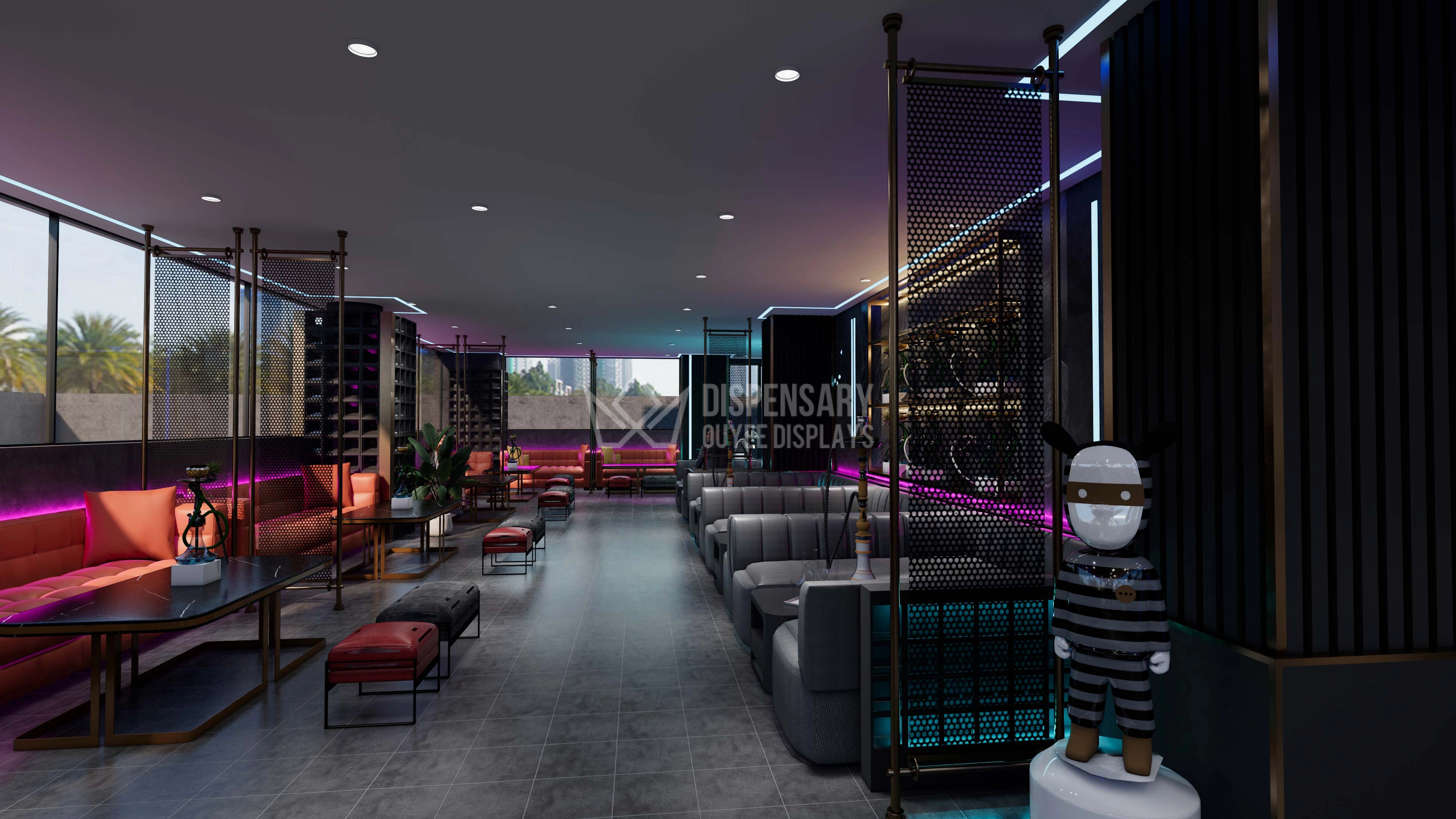
Customized Wholesale Hookah Lounge Furniture For Sale
Elevate your lounge experience with our premium customized hookah lounge furniture, designed for modern aesthetics and maximum comfort. With a strong emphasis on privacy, atmosphere, and luxury, our modular sofa systems, LED accents, and functional shisha setups are tailored to transform any space into a high-end smoking destination. Ideal for lounges, nightclubs, or upscale cafes seeking a bold, unified interior identity.
Let's get in touch

Email: gzouyeedisplay@gmail.com
WhatsApp: +86 136 6049 7267
Ouyee Dispensary
Ouyee Dispensary
Ouyee Dispensary
Ouyee Dispensary