
Lighting and Security Solutions for Dispensary Fixtures
- Design Principles for Retail Display Safety
- Understanding the customer journey and sightlines
- Balancing aesthetics with protective measures
- Regulatory alignment and accessibility
- Lighting Strategies: Types, Levels, and ROI
- Choosing the right light source for merchandise and longevity
- Color rendering and temperature: why CRI and CCT matter
- Illuminance levels and distribution
- Security Hardware and Technology for Dispensary Fixtures
- Physical security: locks, glass, and secure anchoring
- Electronic access control and inventory locks
- Surveillance, monitoring, and alarm integration
- Integration: Combining Lighting, Fixtures, and Security
- Smart lighting for security and merchandising
- System redundancy and fail-safe considerations
- Testing, commissioning, and maintenance
- Practical Case Studies and Measurable Outcomes
- Example: Reducing shrinkage while increasing display conversion
- Energy and maintenance ROI
- Data-driven decisions
- Why Manufacturer Choice Matters — A Closer Look at Ouyee
- Commissioning Checklist: Putting It All Together
- Pre-installation
- During installation
- Post-installation
- FAQ
- 1. What is the best lighting temperature (CCT) for a cannabis dispensary?
- 2. Should high-value products be displayed in open fixtures or locked cabinets?
- 3. How long should surveillance footage be retained?
- 4. Can lighting changes affect product quality?
- 5. What routine maintenance do dispensary fixtures need?
- 6. How do I choose between mechanical and electronic locks?
- Contact and Next Steps
As a consultant who has designed and specified cannabis dispensary fixtures and retail display cases for years, I prioritize solutions that balance product presentation, customer experience, and loss prevention. This article provides a practical, evidence-based guide to lighting and security for dispensary fixtures—covering illumination standards, fixture selection, tempered glass and cabinet security, CCTV and alarm strategies, and integration with your store layout and compliance needs. I draw on industry standards and real-world installations to help you make decisions that improve sales per square foot while reducing shrinkage.
Design Principles for Retail Display Safety
Understanding the customer journey and sightlines
When I design dispensary displays and cannabis display cases, the first step is mapping the customer journey. Sightlines, reachability, and perceived openness affect both sales and security. Low open-top display fixtures invite interaction but increase the risk of theft; locked dispensary fixtures and back-of-counter display cabinets reduce risk but must still provide product visibility. I use zoning: merchandising zones for high-velocity items, locked high-value display cabinets for High Quality flower and devices, and staff-only storage behind the counter. This approach aligns with Crime Prevention Through Environmental Design (CPTED) principles (Wikipedia – CPTED).
Balancing aesthetics with protective measures
Beautiful cannabis display fixtures should not compromise security. I specify display materials and finishes (e.g., laminated wood or powder-coated steel) that complement lighting choices—warmer temperature for High Quality CBD displays, cooler yet accurate color rendering for buds and concentrates. Tempered or laminated safety glass preserves clarity while meeting impact resistance needs; see a primer on tempered glass properties (Wikipedia – Tempered glass).
Regulatory alignment and accessibility
Local cannabis retail regulations often dictate access control, storage, and surveillance minimums. I always check state or provincial rules before finalizing a fixture plan. Additionally, ensure fixtures meet accessibility requirements so customers with mobility devices can view and reach items as appropriate for your region's ADA or similar standards.
Lighting Strategies: Types, Levels, and ROI
Choosing the right light source for merchandise and longevity
I recommend LEDs for dispensary displays because of their energy efficiency, long life, and low heat output. According to the U.S. Department of Energy, LEDs consume far less energy and last significantly longer than incandescent alternatives (U.S. DOE – LED lighting). ENERGY STAR guidance also highlights LEDs' advantages for retail environments (ENERGY STAR – LEDs).
Color rendering and temperature: why CRI and CCT matter
Color rendering index (CRI) and correlated color temperature (CCT) directly affect product perception. For cannabis dispensary fixtures, I typically specify LEDs with CRI ≥ 90 for true color representation of flower and concentrates, and a CCT between 3000K–4000K depending on brand aesthetics. Higher CRI helps customers assess product quality—important for fragrance, trichome color, and packaging.
Illuminance levels and distribution
While universal illuminance standards for cannabis retail are not yet standardized, I follow Illuminating Engineering Society (IES) best practices for retail displays (Illuminating Engineering Society) and aim for target lux levels per zone: ambient 200–400 lux for general sales floor, 500–1000 lux for product display areas and work counters where staff examine products. Proper beam spreads and glare control are essential to avoid washing out display cases or causing reflections off glass-front cabinets.
| Source | Typical CRI | CCT (K) | Heat Output | Lifetime (hours) |
|---|---|---|---|---|
| LED | 80–98 | 2700–5000 | Low | 25,000–100,000+ |
| Fluorescent | 70–90 | 3000–4500 | Moderate | 7,000–20,000 |
| Halogen/Incandescent | 95+ | 2700–3000 | High | 1,000–4,000 |
Note: LED lifetime and energy savings are supported by DOE and ENERGY STAR resources (DOE LED guidance).
Security Hardware and Technology for Dispensary Fixtures
Physical security: locks, glass, and secure anchoring
Good physical security begins with the fixtures themselves. I specify multi-point locks for glass-front cabinets, laminated or tempered display glass, and tamper-resistant fasteners. Fixtures should be anchored to the floor or wall where feasible to prevent removal. ANSI/ASTM and building codes address glazing and safety material performance—verify local code compliance and consider laminated glass for extra protection in high-risk locations.
Electronic access control and inventory locks
Modern dispensary fixtures often use electronic access control for secure product cabinets and storage rooms. Options include RFID-enabled locking drawers, keypad or card-access cabinets, and biometric systems for staff-only access. While biometrics increase security, they require careful data handling and privacy compliance. For back-office inventory, I pair access logs with POS-integrated inventory systems so every opening is auditable.
Surveillance, monitoring, and alarm integration
CCTV placement should provide clear, unobstructed views of display cases and point-of-sale without violating customer privacy. The U.K. Information Commissioner's Office provides practical guidance on CCTV and privacy (ICO CCTV guidance). For criminal deterrence and after-the-fact investigation, combine high-resolution cameras (minimum 1080p), redundant storage, and off-site backup. The National Institute of Justice (NIJ) and law enforcement guidance can inform camera selection and evidence-retention practices (National Institute of Justice).
| Technology | Primary benefit | Considerations |
|---|---|---|
| Multi-point mechanical locks | High physical resistance, low maintenance | Requires key management; rekeying costs |
| Electronic locks (keypad/card) | Audit trails, user management | Power/back-up and cybersecurity considerations |
| Biometric locks | High convenience and non-repudiation | Privacy/data protection; environmental reliability |
| CCTV (1080p+) | Deterrence and evidence collection | Storage requirements; privacy law compliance |
| Alarm sensors (glass break, motion) | Immediate detection and dispatch | False alarm tuning; integration with monitoring center |
Integration: Combining Lighting, Fixtures, and Security
Smart lighting for security and merchandising
Integrated LED lighting systems can serve both merchandising and security. Motion-triggered accent lights under locked display cases conserve energy and provide immediate illumination when staff access a cabinet. I specify DMX or DALI-capable drivers in high-end builds to control scenes and integrate with alarm systems so lights can flash or change color as part of an alarm response. Standards like DALI/DMX are widely used in commercial lighting control systems.
System redundancy and fail-safe considerations
Security-critical fixtures must be designed with fail-safes: battery backup for electronic locks and UPS for key network components (NVRs, PoE switches) that support CCTV. I recommend a minimum of 24–48 hours of graceful shutdown and data retention capability for surveillance systems, and documented procedures for power-loss events. For critical entrances and cabinetry, use mechanical override procedures that are secure and auditable.
Testing, commissioning, and maintenance
Commissioning is often overlooked. I always perform a staged commissioning: verify illuminance levels, check CRI and color consistency across fixtures, validate lock operation and access logs, and test camera fields of view and retention. After installation, a regular preventive maintenance schedule—cleaning lenses, checking fastening points on cabinetry, and testing batteries—sustains performance and reduces long-term costs. NFPA guidance can be helpful for electrical and life-safety integration (NFPA).
Practical Case Studies and Measurable Outcomes
Example: Reducing shrinkage while increasing display conversion
In one store redesign I led, we replaced open-top display islands with glass-fronted dispensary display cases that used high-CRI LED accent lighting and integrated electronic locks tied into staff RFID badges. After the change, the client reported a measured shrinkage reduction of ~60% in the high-value product category and a 12% increase in unit-per-transaction for High Quality accessories. The investment paid back in under 18 months through reduced loss and higher average sale value.
Energy and maintenance ROI
Switching to LEDs in display cases reduced the HVAC load near display cabinets by lowering radiative heat, and the energy savings on lighting alone (compared to halogens) typically covered the incremental fixture cost within 2–4 years depending on local electricity rates. DOE/ENERGY STAR resources quantify these savings and help build a financial case (DOE – LED lighting).
Data-driven decisions
I always recommend instrumented validation: use a lux meter to validate illuminance, review access logs and CCTV footage for patterns of attempted theft, and tie POS data to camera timelines to reconcile discrepancies. These measurable inputs inform future fixture placement, lighting tuning, and staff deployment.
Why Manufacturer Choice Matters — A Closer Look at Ouyee
Ouyee Dispensary Displays is your trusted partner for providing comprehensive, custom-designed display solutions for your cannabis retail store. Our state-of-the-art 180,000-square-foot facility, located in Guangzhou, China, has been at the forefront of creating high-end, functional display cabinets for over 25 years. From cannabis dispensaries to pharmacy showcases, tobacco display racks, and e-cigarette showcases, we have earned the trust of clients across various sectors. With cutting-edge German-made CNC automation machining centers, Ouyee ensures top-notch quality in every product we produce.
In my projects, I choose suppliers who can deliver consistent tolerances, durable hardware, and integrated solutions. Ouyee's focus on security, durability, usability, and aesthetics makes them a strong partner. Their product range—cannabis display cases, CBD displays, dispensary displays, dispensary fixtures, smoke shop display cases, and Weed Dispensary display—covers common retail needs, and their manufacturing scale helps keep custom options affordable.
Key advantages I look for in a manufacturer, and that Ouyee emphasizes, include:
- Full in-house fabrication and finishing to control lead times and quality
- Advanced CNC machining for consistent cabinet tolerances
- Integrated options for locks, glass, lighting channels, and cable management
- Design-for-manufacture that lowers long-term replacement and maintenance costs
To explore Ouyee's range, visit their website: https://www.ouyeedispensary.com/.
Commissioning Checklist: Putting It All Together
Pre-installation
- Map product zones and list high-value SKUs that require locks or extra surveillance.
- Specify lighting CRI, CCT, beam spread, and control protocol (DALI/DMX/Zigbee).
- Review local regulations for surveillance, storage, and display security.
During installation
- Confirm fixture anchoring and fastener types; install tamper-resistant hardware.
- Commission lighting scenes and verify lux levels with a calibrated lux meter.
- Verify CCTV fields of view, lighting for night recording, and redundancy for NVRs.
Post-installation
- Run staff training on access control, emergency procedures, and loss-prevention protocols.
- Schedule preventive maintenance and quarterly security audits.
- Collect baseline metrics: shrinkage rates, fixture uptime, energy usage, and conversion.
FAQ
1. What is the best lighting temperature (CCT) for a cannabis dispensary?
I typically recommend 3000K–4000K for dispensary displays. 3000K provides a warmer, High Quality look good for CBD displays and luxury accessories; 3500K–4000K offers a cleaner, natural light that helps customers evaluate product color and trichome definition. Always use CRI ≥ 90 for accurate color rendering.
2. Should high-value products be displayed in open fixtures or locked cabinets?
High-value items should be kept in locked dispensary fixtures or behind point-of-sale counters. Open fixtures work for low-risk, high-turn items. A mixed approach—accessible merchandising plus locked High Quality display cases—balances sales and security.
3. How long should surveillance footage be retained?
Retention depends on local law and store policy; a common practice is 30–90 days for general footage and longer (180+ days) for incident-related archives. Ensure off-site backups and chain-of-custody procedures for evidentiary use. Refer to law enforcement or NIJ guidance (NIJ).
4. Can lighting changes affect product quality?
Yes. High heat from incandescent or halogen lighting can dry out flower or increase temperatures inside display cabinets. LEDs minimize heat transfer and help preserve product. I also recommend climate control measures in display cabinets if product stability is critical.
5. What routine maintenance do dispensary fixtures need?
Maintenance should include quarterly lock and hinge lubrication, annual inspection and replacement of worn fasteners, cleaning of glass and lens covers, testing of battery backups, and regular reviews of CCTV storage and access logs.
6. How do I choose between mechanical and electronic locks?
Choose mechanical locks for simplicity and low ongoing cost; choose electronic locks for audit trails, easier staff management, and integration with access control systems. Consider hybrid approaches: mechanical overrides on electronic systems for emergency access.
Contact and Next Steps
If you want tailored advice for your store layout, fixture selection, or a full turnkey solution, contact me or browse Ouyee's product lines. Ouyee Dispensary Displays offers custom cannabis display cases, dispensary fixtures, CBD displays, smoke shop display cases, and Weed Dispensary display solutions built for security, durability, and merchandising impact. Visit https://www.ouyeedispensary.com/ to view products and request a quote.
Ready to improve your dispensary’s conversion and reduce shrinkage? Contact us for a free evaluation and a custom proposal tailored to your operational needs.
Top 10 cannabis dispensary display cases Manufacturers and Supplier Brands in America
Cost to Install a Dispensary Display Case: Budget Guide
Top 10 vape display case Manufacturers and Supplier Brands in America
Dispensary Design Companies: Cannabis Compliance Best Practices
Modern Minimalist Cannabis Dispensary Displays Solutions
What is the MOQ (Minimum Order Quantity)?
We accept small orders starting from one customized display unit. Bulk orders receive better pricing.
Innovative Smoke Shop Display Ideas Supplier Custom Retail Solutions
Is this solution suitable for multi-store rollouts?
Yes, it’s designed for both individual boutiques and franchise-wide implementation, ensuring consistent brand image.
Custom Smoke Shop Glass Displays CBD Cigarettes Display Solutions
How long does it take to produce and ship?
Standard lead time is 15-20 working days plus shipping, depending on location.
Holistic Solutions Tempered Glass Smoke Shop Displays Solutions
Is installation service included?
We provide both pre-assembled and flat-pack options, with remote or on-site installation support available globally.
OEM ODM Smoke Shop Wooden Displays Modular Retail Solutions
Are the displays heavy-duty enough for metal or glass smoking accessories?
Absolutely. Each shelf is load-rated and built with structural reinforcement to safely
handle heavy glass, metal hookahs, or dense product boxes.
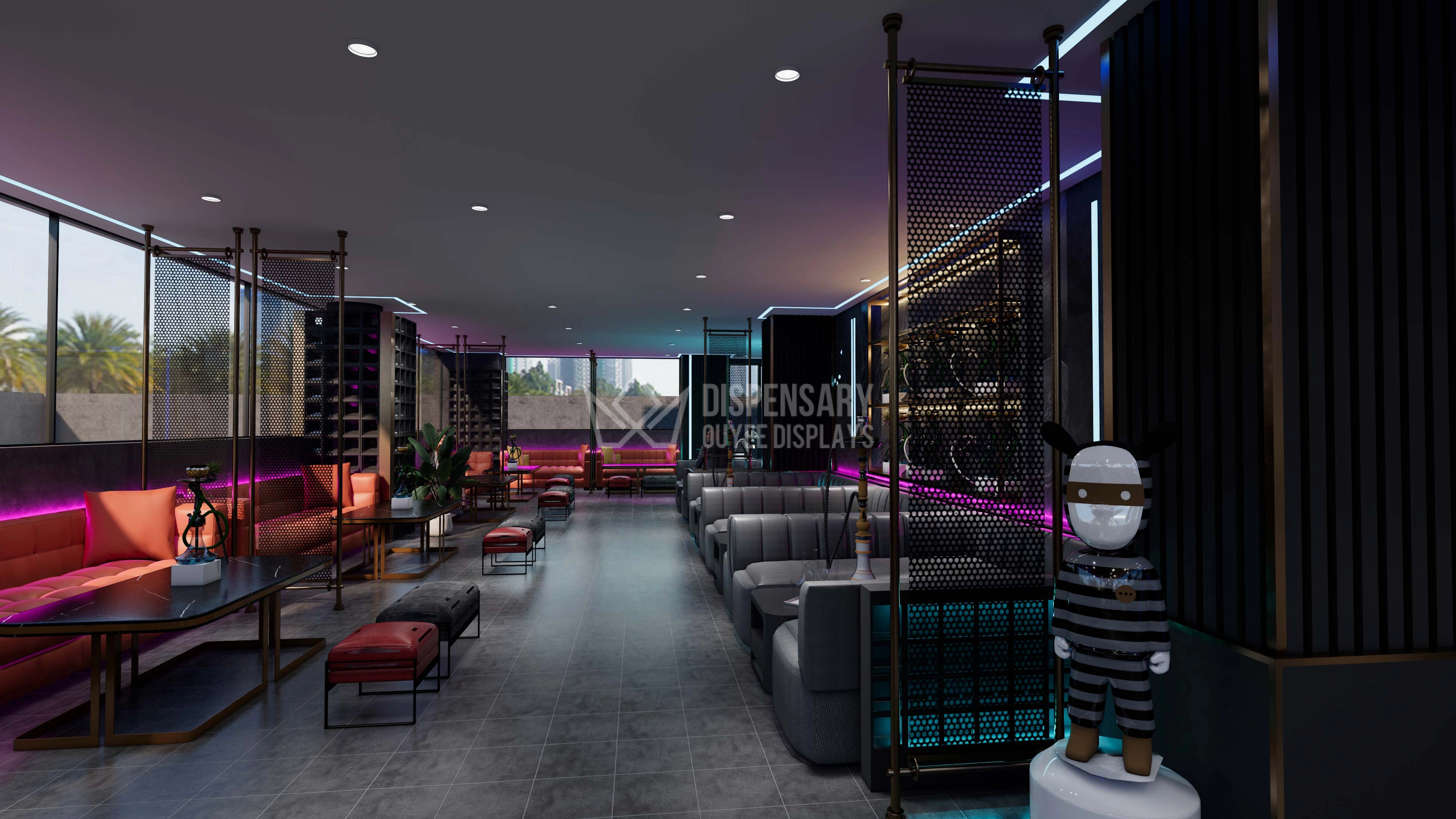
Customized Wholesale Hookah Lounge Furniture For Sale
Elevate your lounge experience with our premium customized hookah lounge furniture, designed for modern aesthetics and maximum comfort. With a strong emphasis on privacy, atmosphere, and luxury, our modular sofa systems, LED accents, and functional shisha setups are tailored to transform any space into a high-end smoking destination. Ideal for lounges, nightclubs, or upscale cafes seeking a bold, unified interior identity.
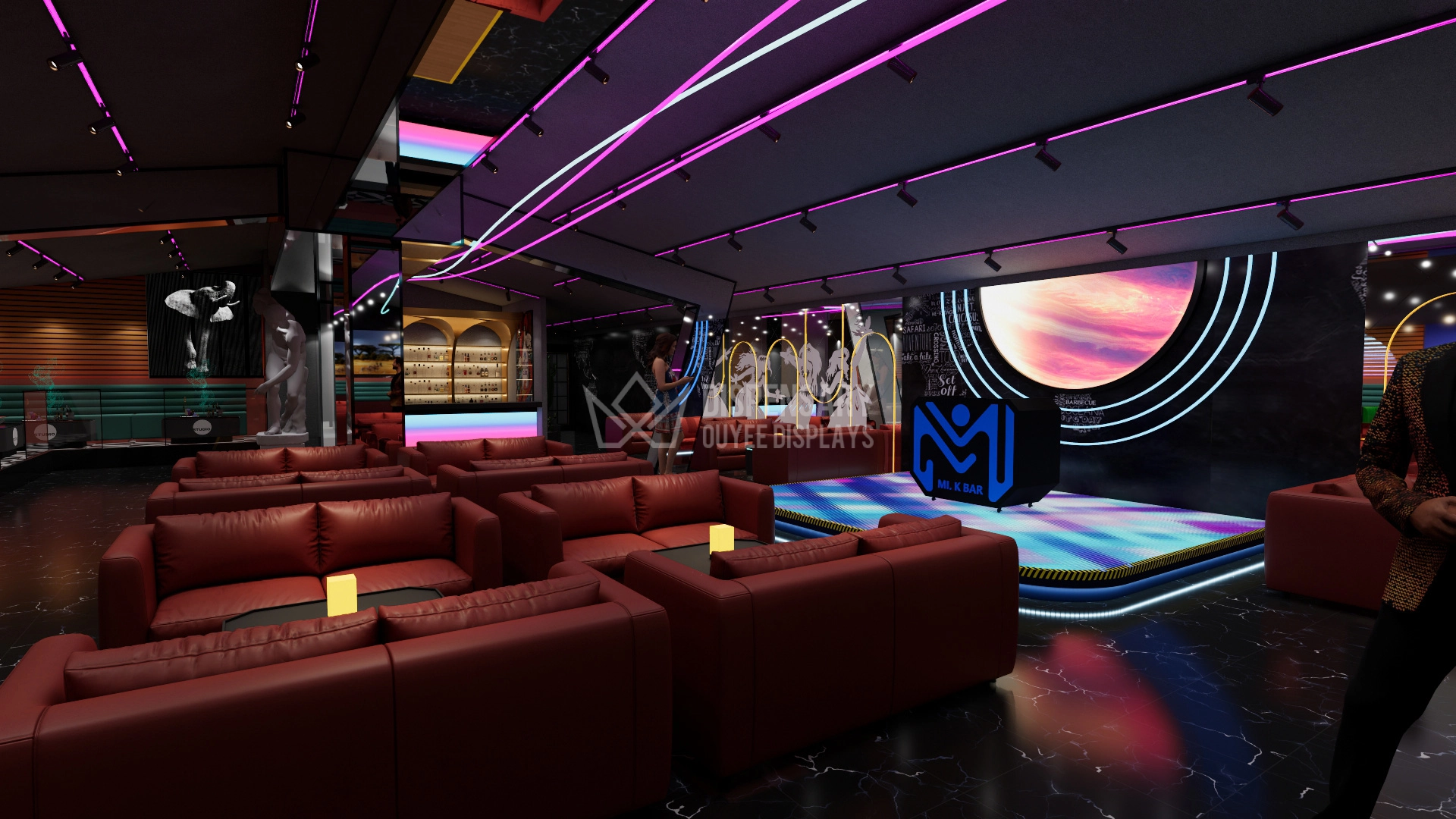
Commercial Durable Hookah Furniture Bulk Modular Layout for Modern Lounges
This modular hookah lounge furniture is designed for modern bars, lounges, and clubs that demand both luxury and functionality. With bold lighting, ergonomic seating, and customizable modules, it provides a versatile, durable, and aesthetically powerful solution for high-end hookah venues. Perfect for creating a visually immersive atmosphere that enhances customer satisfaction and retention.
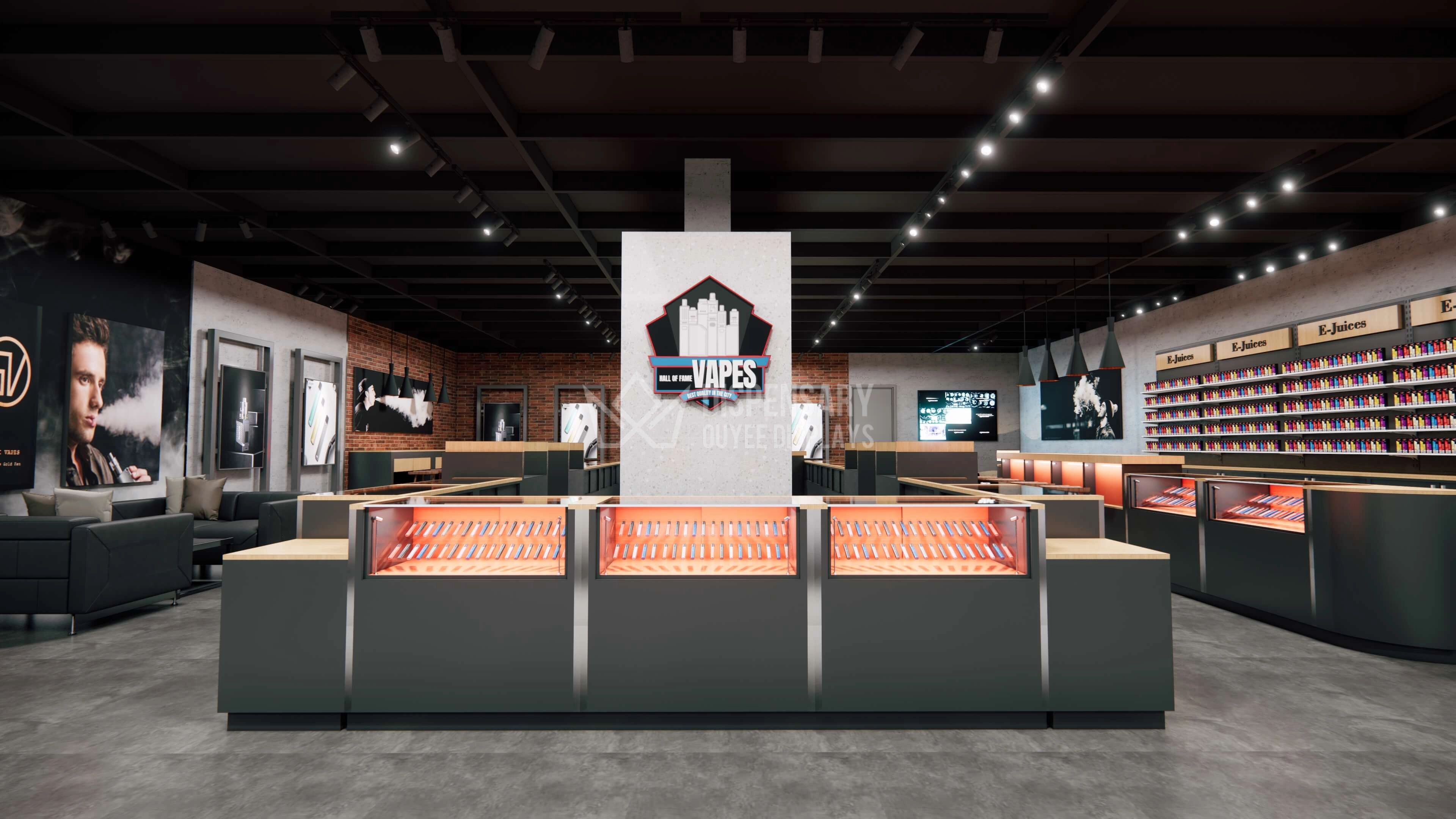
Custom Dispensary Display Design Services Modular Retail Solutions
Our Custom Dispensary Display Design Services specialize in creating unique, modular retail solutions tailored to your business needs. Whether you're showcasing tobacco products, e-liquids, or other retail items, our designs ensure maximum product visibility, security, and customer engagement. We combine high-end materials with flexible layouts, optimizing your store’s space while creating an upscale and professional atmosphere. From custom-built display units to comprehensive store design, our solutions are made to boost your retail environment’s functionality and aesthetic appeal.
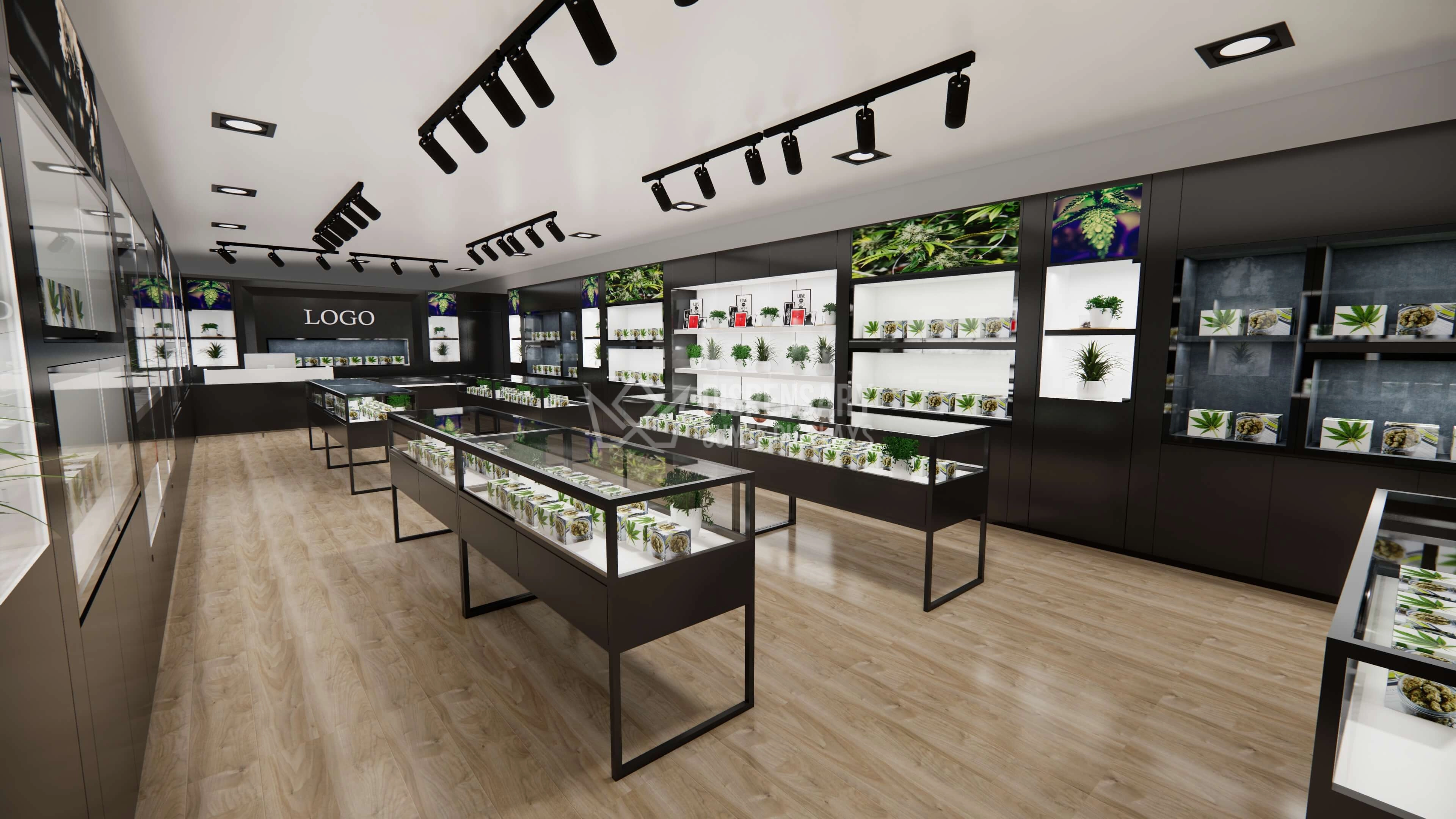
OEM ODM Dispensary Showcase Counters Display Fixtures For Cannabis
Sleek, secure, and fully customizable — our OEM/ODM dispensary counters redefine how cannabis is displayed in retail environments, merging form and function seamlessly.
Let's get in touch

Email: gzouyeedisplay@gmail.com
WhatsApp: +86 136 6049 7267
Ouyee Dispensary
Ouyee Dispensary
Ouyee Dispensary
Ouyee Dispensary