
Installation and Maintenance Tips for Tobacco Fixtures
- Planning Your Tobacco Fixture Installation
- Assessing space, workflow and customer sightlines
- Regulatory and age-restriction considerations
- Choosing the right tobacco fixtures for your store
- Installation Best Practices
- Structural and anchoring requirements
- Electrical, lighting and HVAC integration
- Installation checklist
- Maintenance, Cleaning and Material Compatibility
- Routine cleaning protocols
- Cleaning agents and material table
- Preventive maintenance and spare parts
- Security, Loss Prevention and Operational Policies
- Designing fixtures for security
- The role of staff procedures and training
- Monitoring, audits and compliance checks
- Vendor Selection and Long-Term Procurement
- Evaluating suppliers and custom solutions
- Cost vs. lifetime value: a simple comparison
- Why partner with a full-service manufacturer?
- Ouyee Dispensary Displays — Supplier Spotlight
- How Ouyee supports installation and maintenance
- Warranty, certification and compliance
- Frequently Asked Questions (FAQ)
- 1. What are the most secure display options for high-value tobacco products?
- 2. How often should I service electronic locks and sensors?
- 3. Can I use alcohol-based cleaners on my tobacco display cabinets?
- 4. What fixtures work best for cigar humidification?
- 5. Do tobacco fixtures require special insurance or compliance documentation?
- 6. How can I prolong the life of powder-coated vs. wood veneer fixtures?
- Contact and Next Steps
Installation and maintenance of tobacco fixtures require more than basic carpentry — they demand compliance awareness, security-focused design, material-appropriate cleaning, and an operations plan that balances aesthetics, product accessibility and loss prevention. This guide consolidates best practices, code-aware planning, material selection and maintenance procedures to help retailers, smoke-shop owners and dispensary managers achieve durable, compliant, and attractive tobacco fixture installations that protect product integrity, staff safety and revenue.
Planning Your Tobacco Fixture Installation
Assessing space, workflow and customer sightlines
Before ordering tobacco display racks or cabinets, map customer flow and employee sightlines. Place primary tobacco display cases where staff have unobstructed views to deter theft and to maintain compliance with local rules requiring restricted access or point-of-sale supervision. Consider aisle widths (minimum 36 preferred for ADA access in many jurisdictions) and clearance for restocking carts. For dispensaries and modern smoke shops, modular dispensary fixtures that integrate with point-of-sale (POS) counters simplify transactions and inventory control.
Regulatory and age-restriction considerations
Tobacco product display and storage are subject to national and local regulations — some jurisdictions require covered or out-of-reach displays, sealed cases, or specific signage. Consult authoritative sources such as the World Health Organization (WHO) on tobacco policy context (WHO: Tobacco) and your country's regulatory agency. In the U.S., the Food and Drug Administration (FDA) and Centers for Disease Control and Prevention (CDC) provide guidance on retail tobacco restrictions and compliance monitoring (CDC Tobacco).
Choosing the right tobacco fixtures for your store
Select fixtures based on product mix (cigarettes, cigars, e-cigarettes, smokeless), required security level, and brand presentation. Common options include enclosed tobacco display cabinets, countertop lockboxes, open shelving for permitted products, and specialty cigar humidified cabinets. Materials and locking systems should align with your loss-prevention policy and maintenance capacity.
Installation Best Practices
Structural and anchoring requirements
Large tobacco display cabinets and wall fixtures must be anchored to studs or masonry to prevent tipping and theft. For tall free-standing tobacco display racks, secure anchoring reduces risk of product loss, liability, and vandalism. Follow local building codes for fasteners and load-bearing capacity; when in doubt, consult a licensed contractor or structural engineer.
Electrical, lighting and HVAC integration
Many tobacco fixtures incorporate integrated lighting, refrigeration (for humidors) or lockable powered drawers. Plan dedicated circuits and ensure wiring runs meet electrical code. Use LED lighting to minimize heat output and protect sensitive products like cigars. For cigar cabinets, coordinate with HVAC/humidification requirements to maintain relative humidity (typically 65–72% RH for cigars).
Installation checklist
Use a pre-install checklist to ensure consistent results:
- Verify measurements and clearances against purchase order.
- Confirm anchor locations and fastener types.
- Test locks, hinges and electronic access controls before loading product.
- Validate integrated lighting and electrical components under load.
- Document serial numbers and warranty information for fixtures and locks.
Maintenance, Cleaning and Material Compatibility
Routine cleaning protocols
Establish a daily, weekly and monthly cleaning schedule. Daily tasks include dusting horizontal surfaces and clearing fingerprints on glass. Weekly tasks should include inspecting locks and hinges, vacuuming ventilation grilles and wiping down laminated or painted surfaces. Monthly or quarterly tasks might include polishing hardware, lubricating lock mechanisms and checking dehumidifiers in humidors.
Cleaning agents and material table
Use compatible cleaning agents — abrasive cleaners or high-alcohol solutions can damage wood veneers, powder coat, acrylic and tempered glass over time. The table below summarizes recommended cleaning approaches for common fixture materials.
| Material | Recommended Cleaning | Avoid / Notes |
|---|---|---|
| Powder-coated metal | Microfiber cloth, mild detergent (pH-neutral), rinse with water | Avoid strong solvents, wire brushes; inspect for chips and touch-up promptly |
| Wood veneer / stained wood | Dry dust; occasional wipe with damp cloth and wood-appropriate cleaner; polish sparingly | Avoid excess water, ammonia or bleach (can strip finish) |
| Acrylic / Plexiglass | Microfiber with soapy water or manufacturer-approved plastic cleaner; dry with soft cloth | Avoid alcohol, ammonia, or abrasive pads (cause crazing / scratches) |
| Tempered glass | Glass cleaner or vinegar solution; lint-free cloth | Use glass-safe cleaners; avoid ammonia for coated glass |
| Electronic locks / sensors | Compressed air, soft brush; consult manufacturer for surface wipes | Do not spray liquids directly into mechanisms |
Reference: manufacturers' cleaning instructions and general material care best practices commonly found in display industry guidelines and product manuals. For general display case definitions and considerations see Display case — Wikipedia.
Preventive maintenance and spare parts
Keep a stock of common spare parts: replacement locks, key blanks, hinge sets, light strips and fuses. Maintain a log of maintenance actions, noting dates for lubrication, lock rekeying, and fixture repairs so you can track lifecycle and warranty claims. For electronic or specialty fixtures, maintain contact with a certified technician or your supplier for firmware updates and calibration.
Security, Loss Prevention and Operational Policies
Designing fixtures for security
Security-first fixture design includes shatter-resistant glazing, recessed or internal locks, tamper-resistant hinges and limited public access to high-value items. For High Quality cigar displays and e-cigarette showcases, consider internal lockable trays or glass doors with tempered glass and multi-point locking systems. Integrate fixtures with POS and CCTV systems to create overlapping layers of deterrence.
The role of staff procedures and training
Fixtures alone do not prevent shrinkage. Train staff on standard operating procedures: vendor deliveries, restock protocols, adjacent supervision, and age-verification processes. Encourage staff to report damaged fixtures, malfunctioning locks or suspicious activity and to perform daily fixture checks as part of opening and closing routines.
Monitoring, audits and compliance checks
Run periodic audits of fixture conditions, stock reconciliation, and compliance with local tobacco display rules. Use checklists and photographic records; where applicable, maintain records required by regulators. For broader retail tobacco regulation context, consult national-level resources such as the CDC or local health departments (CDC Tobacco).
Vendor Selection and Long-Term Procurement
Evaluating suppliers and custom solutions
When choosing a supplier for tobacco fixtures, evaluate manufacturing capability, quality control processes, references, and after-sales support. Key indicators of a reliable partner include production capacity, CNC machining capabilities, ISO or similar quality certifications, and a documented warranty and maintenance policy.
Cost vs. lifetime value: a simple comparison
Consider total cost of ownership, not just upfront cost. Higher-quality materials and precision manufacturing often reduce maintenance costs and shrinkage over time. Below is a simplified comparison of fixture investment categories.
| Category | Upfront Cost | Maintenance / Year | Typical Lifetime |
|---|---|---|---|
| Basic modular shelving | Low | Moderate (painting/repair) | 3–7 years |
| Mid-range cabinets (powder coat, tempered glass) | Medium | Low–Moderate | 7–12 years |
| High-end custom fixtures (solid panels, custom locks) | High | Low (durable materials) | 10+ years |
Why partner with a full-service manufacturer?
A full-service, experienced manufacturer can provide turnkey services: CAD design, prototyping, CNC precision machining, quality control and global logistics. They can support custom dimensions, special security features and integrated POS-ready designs — reducing on-site installation time and long-term servicing complexity.
Ouyee Dispensary Displays — Supplier Spotlight
Ouyee Dispensary Displays is your trusted partner for providing comprehensive, custom-designed display solutions for your cannabis retail store. Our state-of-the-art 180,000-square-foot facility, located in Guangzhou, China, has been at the forefront of creating high-end, functional display cabinets for over 25 years. From cannabis dispensaries to pharmacy showcases, tobacco display racks, and e-cigarette showcases, we have earned the trust of clients across various sectors. With cutting-edge German-made CNC automation machining centers, Ouyee ensures top-notch quality in every product we produce.
Our products are designed with a focus on aesthetics, functionality, and most importantly, security, durability, and usability. By continually pushing the boundaries of design and craftsmanship, we provide clients with display solutions that enhance brand identity. Our vision is to become the world's leading cannabis dispensary display manufacturer.
Visit our website: https://www.ouyeedispensary.com/ to explore products such as cannabis display cases, CBD displays, dispensary displays, dispensary fixtures, smoke shop display cases, and Weed Dispensary display solutions. Ouyee's competitive advantages include:
- Large-scale manufacturing capability (180,000 sq ft) enabling quick turnaround and consistent quality control.
- 25+ years' industry experience producing custom, security-focused retail fixtures.
- Advanced German-made CNC automation for tight tolerances and repeatability.
- Comprehensive product range from locked cabinets and humidors to modular tobacco display racks and e-cigarette showcases.
- Global logistics experience supporting international retail rollouts.
How Ouyee supports installation and maintenance
Ouyee offers project consultation, CAD layout support for store planning, on-site installation manuals, and spare-parts programs. Their fixtures are designed for maintainability — with accessible service panels, standardized fasteners and available replacement modules — reducing downtime and simplifying repairs.
Warranty, certification and compliance
Ouyee provides product warranties and can assist with documentation needed for local compliance. When specifying fixtures for regulated products, selecting a supplier that documents material safety, electrical compliance and manufacturing quality helps with inspections and long-term stewardship.
Frequently Asked Questions (FAQ)
1. What are the most secure display options for high-value tobacco products?
Enclosed lockable display cabinets with tempered or laminated glass, multi-point locks, and internally mounted trays are best for high-value items. Pair fixtures with visible staff supervision, CCTV and POS-integrated locks for multi-layered security.
2. How often should I service electronic locks and sensors?
Electronic locks and sensors should be inspected monthly and serviced according to manufacturer guidance — typically every 6–12 months for calibration, batteries and firmware checks. Keep spare batteries and a vendor maintenance contract for rapid response.
3. Can I use alcohol-based cleaners on my tobacco display cabinets?
Alcohol-based cleaners can damage acrylics, painted finishes and some polished surfaces. Use manufacturer-recommended cleaners; for acrylics, use soapy water or dedicated plastic cleaners. For powder-coated metal and glass, mild detergent or standard glass cleaners are usually safe.
4. What fixtures work best for cigar humidification?
Humidor-style cabinets with sealed construction, built-in humidification systems and hygrometers are necessary for High Quality cigars. Maintain 65–72% relative humidity and stable temperature. Choose cabinets with materials that tolerate higher humidity, and schedule regular humidifier maintenance.
5. Do tobacco fixtures require special insurance or compliance documentation?
Depending on your jurisdiction and product types, you may need to provide documentation for secure storage and comply with tobacco retail regulations. Insurance policies may have specific requirements for loss prevention and secure storage of tobacco products. Consult your insurer and local regulatory agency for precise obligations.
6. How can I prolong the life of powder-coated vs. wood veneer fixtures?
For powder-coated fixtures, promptly touch up chips, avoid corrosive cleaners and maintain protective finishes. For wood veneers, avoid moisture exposure, use wood-appropriate cleaners and minimize direct UV exposure. Both benefit from routine inspections and preventive maintenance logs.
Contact and Next Steps
If you need custom tobacco fixtures, retrofit designs, or a full store rollout plan, Ouyee Dispensary Displays provides end-to-end solutions from design to delivery. Visit Ouyee Dispensary Displays to view product lines or contact the sales team for a project quote. For technical inquiries about installation, maintenance programs or spare parts, request a consultation and provide your store layout and product mix to receive tailored recommendations.
References:
How Dispensary Design Companies Use Data and Analytics
OEM/ODM custom cannabis display cases Manufacturers and Suppliers
Top dispensary displays Manufacturers and Suppliers
LED Lighting Tips for Vape Displays
Factory Custom Smoke Shop Showcase Cigarette Display Unit with Cigar Room
What’s the minimum space needed for the cigar room?
A 3m x 2m corner is usually sufficient, but we can adjust to fit your shop.
Is the wooden cigar display area moisture-safe?
Yes, we use humidity-tolerant laminates and can add sealing finishes.
Led Light Strips Cbd Wholesale Display Tobacco Fixtures Manufacturer
Can I request RGB lighting instead of warm white?
Yes, we offer optional RGB lighting systems with remote control for full color adjustment.
About OUYEE
Do you offer installation services?
Yes, Ouyee provides complete installation services to ensure your display cabinets are set up efficiently and correctly.
Aegis Security Checkout Display
Do you offer installation services overseas?
We provide pre-assembled modules, detailed instructions, and video guides. Installation support is also available on request.

Innovative Smoke Shop Display Ideas Supplier Custom Retail Solutions
This modern cannabis dispensary retail layout combines elegant lighting, natural textures, and high-end display craftsmanship to create a luxurious customer experience. Perfect for showcasing cannabis products, accessories, and lifestyle items in a stylish and functional
way.
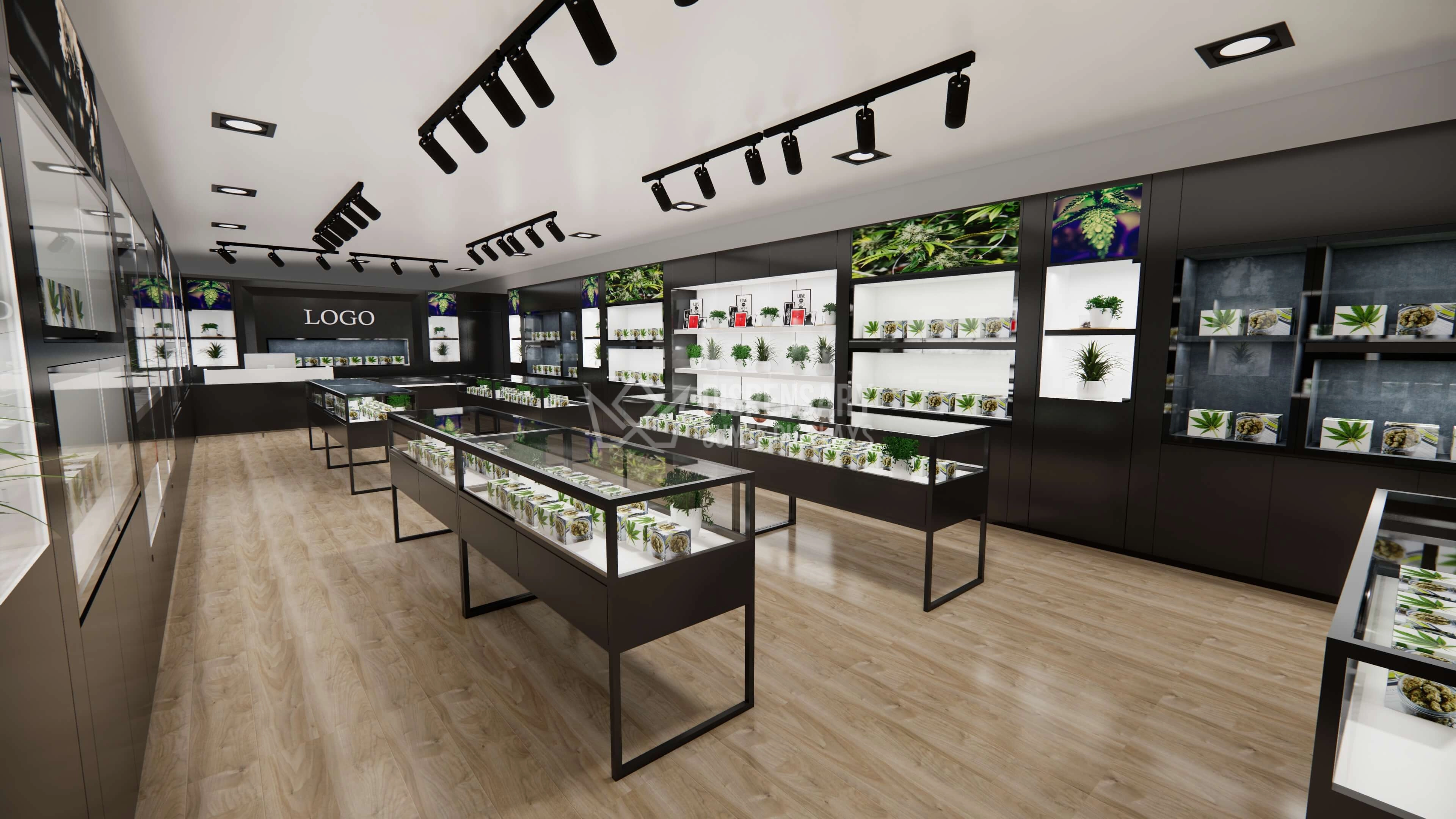
OEM ODM Dispensary Showcase Counters Display Fixtures For Cannabis
Sleek, secure, and fully customizable — our OEM/ODM dispensary counters redefine how cannabis is displayed in retail environments, merging form and function seamlessly.
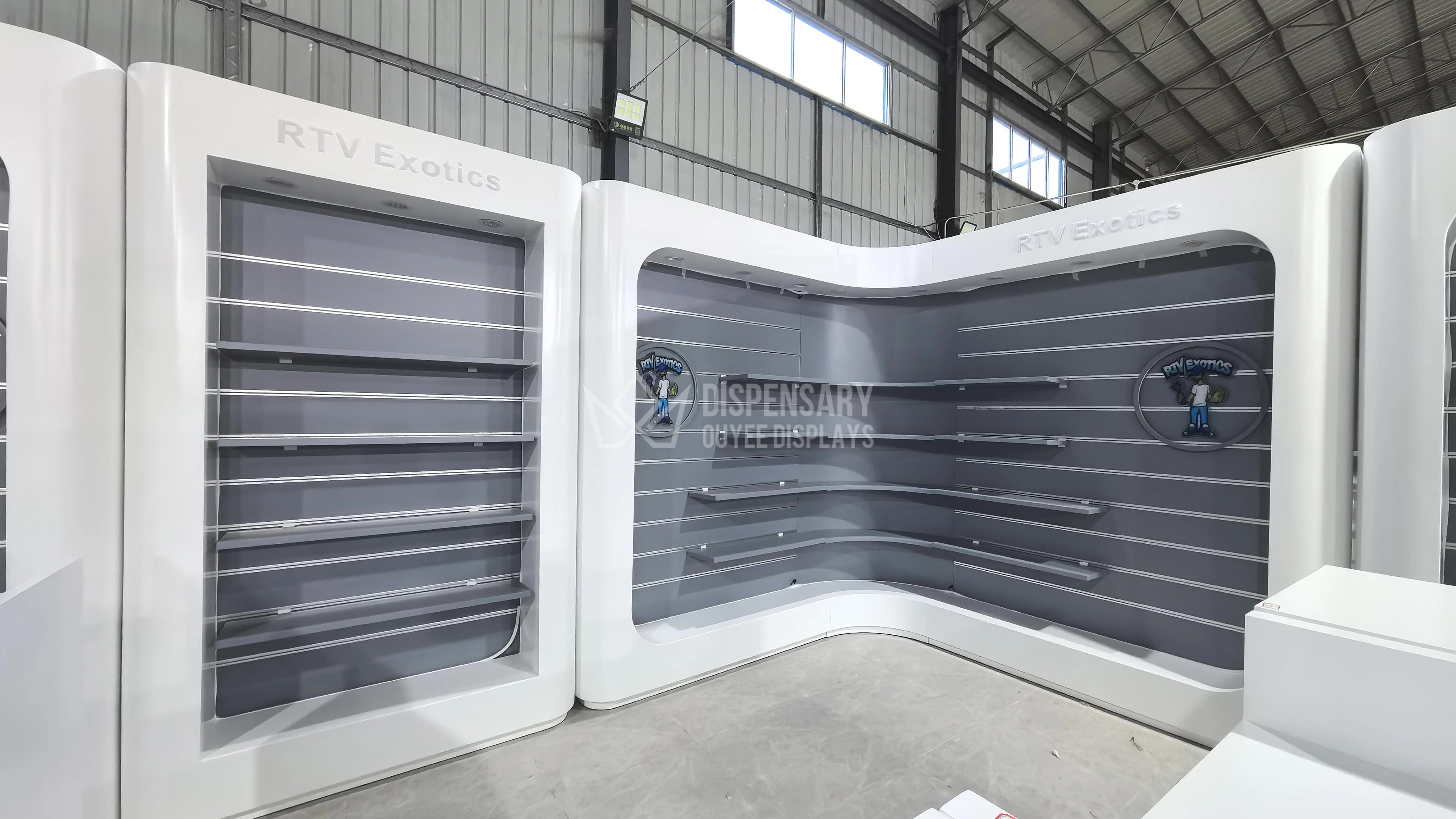
Trendy Custom E Cigarette Display Rack CBD Shop Displays Solutions
Elevate your store’s vibe with our premium custom vape display rack, designed specifically for CBD shops and e-cigarette retailers. The curved wall unit blends futuristic aesthetics with high-functionality shelving, providing a clean, professional layout to attract and convert. Crafted with top-tier materials and integrated LED accent lighting, this fixture turns your product wall into a powerful branding asset.
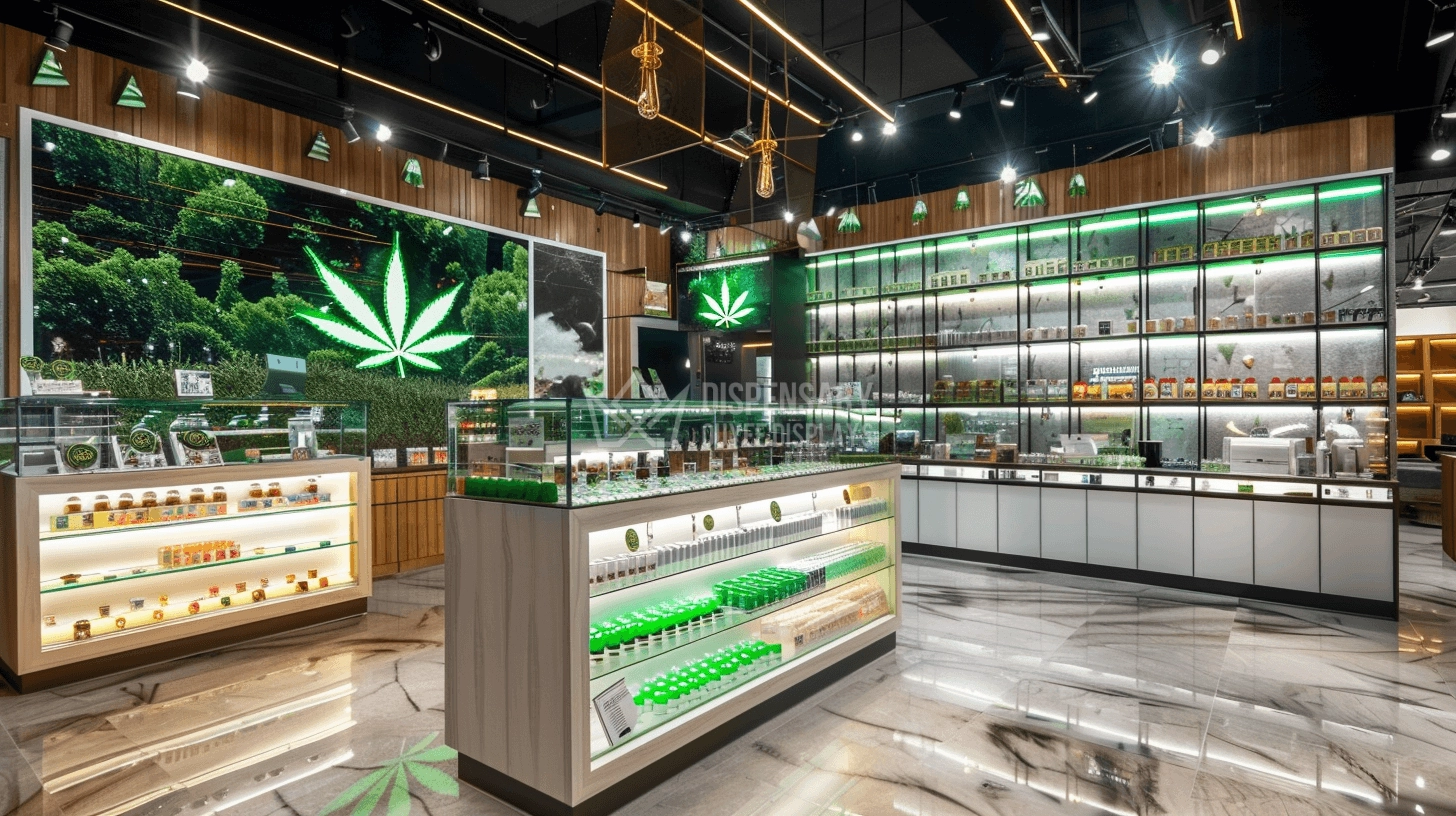
Retail Marijuana Dispensary Fixtures Cannabis Glass Display Cabinet Factory
High-end cannabis display cabinets tailored for retail dispensaries, enhancing product visibility, safety, and store aesthetics while optimizing space usage.
Let's get in touch

Email: gzouyeedisplay@gmail.com
WhatsApp: +86 136 6049 7267
Ouyee Dispensary
Ouyee Dispensary
Ouyee Dispensary
Ouyee Dispensary