
Glass vs Acrylic Dispensary Display Cases: Pros and Cons
- Understanding materials: glass and acrylic
- Composition and manufacturing
- Optical properties and finish
- Strength, impact, and safety differences
- Practical considerations for dispensary display cases
- Security and theft prevention
- Durability and maintenance
- Regulatory compliance and safety
- Aesthetic, brand, and retail experience impact
- Visual clarity and product presentation
- Lighting and temperature considerations
- Customization and modularity
- Cost, lifecycle and sustainability
- Initial cost vs lifecycle cost
- Repairability and recyclability
- Choosing based on store scale and location
- Making the right choice: scenarios and recommendations
- When to choose glass
- When to choose acrylic
- Hybrid and engineered solutions
- Why partner with a specialized display manufacturer?
- Custom engineering and compliance
- Quality control and manufacturing capabilities
- Product portfolio and competitive advantages
- FAQ — Frequently asked questions
- 1. Which material — glass or acrylic — is more secure for high-theft areas?
- 2. Can acrylic yellow over time in my dispensary display?
- 3. How should I clean and maintain each material?
- 4. Are there hybrid options that combine the advantages of both materials?
- 5. How do I decide based on budget?
- 6. What compliance considerations should I check before installation?
Quick summary: A dispensary display case is more than a shelf — it’s security, merchandising, and brand presentation in one. Selecting glass versus acrylic (PMMA) influences visibility, theft resistance, durability, maintenance, and total cost of ownership. This article compares material science, retail performance, lifecycle costs, and practical installation and maintenance considerations for cannabis retail display cases to help retailers choose the best solution for their dispensary display needs.
Understanding materials: glass and acrylic
Composition and manufacturing
Glass is an inorganic, non-crystalline solid typically made from silica (silicon dioxide) mixed with other oxides and melted at high temperatures; it can be annealed, tempered, laminated or coated for specific properties. See the general overview of glass on Wikipedia (Wikipedia: Glass). Acrylic — often sold as PMMA (polymethyl methacrylate) — is a synthetic thermoplastic made by polymerization of methyl methacrylate monomers; it is produced in sheet form and fabricated by cutting, machining, and bonding. More on acrylic: (Wikipedia: Acrylic).
Optical properties and finish
Both materials offer high transparency and can provide excellent product visibility, which is crucial for cannabis display cases where product appearance influences purchasing decisions. Glass typically has slightly higher optical clarity and scratch resistance, while acrylic offers excellent light transmission and can be polished to remove minor abrasions. UV-stabilized variants of acrylic reduce yellowing under sunlight or strong lighting.
Strength, impact, and safety differences
Acrylic is substantially lighter than glass and generally more impact resistant; it will flex rather than shatter. Tempered or laminated glass, however, has proven structural advantages and predictable failure modes (tempered glass breaks into smaller fragments; laminated glass holds shards together). For high-security situations, laminated glass systems can be engineered to meet specific intrusion-resistance standards. See tempered glass information here: (Wikipedia: Tempered glass).
Practical considerations for dispensary display cases
Security and theft prevention
Dispensaries handle high-value inventory, so material choice must align with loss-prevention strategies. Glass (tempered or laminated) combined with reinforced frames, multi-point locks, and sensor integration provides a higher perceived and measurable resistance to forced entry. Acrylic alone can be cut or pried if not secured in robust framing. For many dispensary fixtures, hybrid systems — acrylic interior shelves for lightness and glass fronts with security glazing — provide a balanced approach.
Durability and maintenance
Glass resists scratching better than acrylic but is heavier and more brittle. Acrylic resists impact and will not shatter, but it scratches more easily and attracts static (which can collect dust). Cleaning methods differ: glass tolerates ammonia-based glass cleaners and higher-temperature cleaning, while acrylic requires mild detergents and soft cloths to avoid micro-scratches. Establish a maintenance SOP for cleaning and scratch remediation depending on material.
Regulatory compliance and safety
Local building codes and state cannabis regulations sometimes dictate security measures for retail fixtures. For example, many jurisdictions require dispensaries to secure inventory behind locked counters or display cases during business hours; some auditing standards call for tamper-evident features. Work with local authorities or industry associations like the National Cannabis Industry Association or local cannabis regulators to confirm compliance requirements. Industry press and regulations are helpful references: Cannabis Business Times.
Aesthetic, brand, and retail experience impact
Visual clarity and product presentation
Product presentation is a core function of the dispensary display case. Glass generally offers a High Quality, high-end look—crisp reflections, perceived weight, and traditional retail prestige. Acrylic can achieve a modern, lightweight look and enables creative shapes because it is easier to thermoform. Consider how product labels, terpene information cards, color palettes, and lighting interact with the display material.
Lighting and temperature considerations
Lighting design is critical in cannabis retail: LED accent lights, backlighting, and light temperature affect the perceived quality of cannabis and CBD displays. Glass handles heat from high-intensity lighting better than acrylic; acrylic can soften if exposed to sustained high temperatures near strong LEDs or fixtures not designed for plastics. Specify UV filters and low-heat LEDs where acrylic is used to protect both the material and the product.
Customization and modularity
Acrylic is easier to fabricate into custom shapes and can integrate molded signage, angled shelves, and product-specific inserts. Glass offers a clean, modular aesthetic and is typically used with metal frames and modular systems for interchangeable configurations. For dispensary fixtures that need frequent layout changes or promotional displays, lightweight acrylic shelving reduces labor for reconfiguration.
Cost, lifecycle and sustainability
Initial cost vs lifecycle cost
Initial material cost for acrylic is typically lower for custom-formed pieces (because fabrication is less energy-intensive) while high-quality tempered or laminated security glass can be more expensive. However, lifecycle cost depends on scratch remediation, replacement frequency, and security upgrades. Glass may last longer in high-traffic areas without visible wear, while acrylic may require periodic polishing or replacement if scratched.
Repairability and recyclability
Acrylic is easy to repair for small scratches using polishing compounds; deeper damage often requires part replacement. Glass cannot be polished to remove deep scratches but is often replaced in panels; tempered glass replacement usually requires full panel replacement. In terms of recyclability, glass is highly recyclable in many jurisdictions; acrylic recycling is possible but less commonly available as a municipal stream. Consider environmental policies or brand sustainability goals when selecting materials.
Choosing based on store scale and location
Smaller boutique dispensaries in urban centers often prioritize High Quality glass fixtures to convey brand luxury. High-volume retail, temporary pop-ups, or mobile dispensaries may prefer acrylic for lower weight and easier transport. Climate matters: high-sunlight locations demand UV-stable solutions; high-theft areas might require laminated security glass or polycarbonate reinforcements regardless of aesthetics.
| Attribute | Glass | Acrylic (PMMA) |
|---|---|---|
| Visibility / Clarity | Excellent, High Quality optics; resists yellowing | Excellent initially; may yellow over long UV exposure unless UV-stabilized |
| Scratch Resistance | Higher resistance to scratching | More prone to surface scratches; can be polished |
| Impact Resistance | Brittle unless tempered/laminated; tempered glass has improved impact properties | Better impact resistance; flexes rather than shatters |
| Weight | Heavier — requires stronger frames | Lightweight — easier to move and reconfigure |
| Security | High when using laminated/tempered glazing + reinforced frames | Moderate — must be combined with strong framing and locks for high security |
| Cost | Higher for high-security glazing | Generally lower material cost; fabrication costs vary |
| Maintenance | Easy to clean; resists mild chemicals | Requires non-abrasive cleaners; polishing may be needed |
| Recyclability | Widely recyclable | Recyclable but less commonly accepted |
Sources: material overviews from Wikipedia (Glass) and Wikipedia (Acrylic), and industry reporting from Cannabis Business Times for retail best practices.
Making the right choice: scenarios and recommendations
When to choose glass
Choose glass display cases when you need a High Quality look, high scratch resistance, and the option to specify security glazing (tempered or laminated) to meet strict loss-prevention requirements. Glass is usually the right option for flagship stores, high-end cannabis dispensaries, and situations where fixture longevity and a luxury retail feel are priorities.
When to choose acrylic
Choose acrylic when weight, modularity, and creative shaping are priorities — for pop-ups, portable displays, custom-formed inserts, or where impact resistance (not necessarily forced-entry security) is important. Acrylic is also useful for in-store promotional displays where cost-effective, eye-catching forms are needed.
Hybrid and engineered solutions
Many dispensary fixtures combine materials: glass fronts with acrylic internal trays, or acrylic for signage and glass for the main security front. Polycarbonate is another strong candidate for extremely high-impact or security-specific applications (it has higher impact resistance than acrylic) and can be laminated with glass for specified levels of forced-entry resistance. Work with a fabrication partner to design hybrid solutions that meet security, visual, and operational goals.
Why partner with a specialized display manufacturer?
Custom engineering and compliance
Specialized manufacturers understand the regulatory environment, security standards, and retail workflows for cannabis and CBD retail. They can recommend the right glazing, locking systems, and alarm integration that align with local rules and best practices documented by industry sources like Cannabis Business Times and local regulators.
Quality control and manufacturing capabilities
Precision fabrication, consistent finishes, and integration of security hardware matter. Ouyee Dispensary Displays is your trusted partner for providing comprehensive, custom-designed display solutions for your cannabis retail store. Our state-of-the-art 180,000-square-foot facility, located in Guangzhou, China, has been at the forefront of creating high-end, functional display cabinets for over 25 years. From cannabis dispensaries to pharmacy showcases, tobacco display racks, and e-cigarette showcases, we have earned the trust of clients across various sectors. With cutting-edge German-made CNC automation machining centers, Ouyee ensures top-notch quality in every product we produce.
Product portfolio and competitive advantages
Ouyee specializes in cannabis display cases, CBD displays, dispensary displays, dispensary fixtures, smoke shop display cases, and weed dispensary display solutions. Our products focus on aesthetics, functionality, security, durability, and usability. By continually pushing the boundaries of design and craftsmanship, we provide clients with display solutions that enhance brand identity. Our vision is to become the world's leading cannabis dispensary display manufacturer. Learn more or request a quote at https://www.ouyeedispensary.com/.
FAQ — Frequently asked questions
1. Which material — glass or acrylic — is more secure for high-theft areas?
Security depends on glazing type and framing, not just material. Laminated or multi-layer tempered glass combined with reinforced metal frames and locks typically meets higher forced-entry resistance. Acrylic can be used, but for high-risk locations consider laminated glass or polycarbonate-backed systems.
2. Can acrylic yellow over time in my dispensary display?
Standard acrylic can yellow with long-term UV exposure. Use UV-stabilized acrylic or position fixtures away from direct sunlight and use UV-filtered lighting to minimize yellowing.
3. How should I clean and maintain each material?
Glass: standard glass cleaners (avoid abrasive pads). Acrylic: use mild soap and water or specific plastic cleaners and a soft microfiber cloth; avoid ammonia and abrasive cleaners to prevent scratching.
4. Are there hybrid options that combine the advantages of both materials?
Yes. Many dispensary display cases use glass for fronts (security/perception) and acrylic for shelves or internal components (weight, custom shapes). Polycarbonate can be incorporated for extra impact resistance.
5. How do I decide based on budget?
Factor in initial cost, maintenance, and expected replacement. Acrylic can lower upfront costs and shipping weight; high-security laminated glass increases initial cost but may reduce replacement frequency in high-traffic environments. Request a lifecycle cost estimate from your display partner.
6. What compliance considerations should I check before installation?
Confirm local cannabis retail security rules, building codes, and fire-safety regulations. Some jurisdictions mandate locked display cases for certain products or specific alarm/sensor integrations. Discuss requirements with your local regulator or industry association.
Need help choosing or designing the ideal dispensary display case? Ouyee Dispensary Displays offers custom design, engineering, and manufacturing for cannabis display cases, CBD displays, dispensary fixtures, and smoke shop display cases. Contact us for a consultation or to request samples and drawings: https://www.ouyeedispensary.com/.
References: Material properties and manufacturing references: Wikipedia: Glass, Wikipedia: Acrylic, Wikipedia: Tempered glass. Industry best-practice insights: Cannabis Business Times.
Seasonal and Promotional Dispensary Displays Strategies
Compact Cigarette Displays for Small Retail Spaces
Case Studies: Custom Dispensary Displays That Increased Sales
Top boutique display table Manufacturers and Suppliers
About OUYEE
Do you provide after-sales support?
Yes, Ouyee offers after-sales support, including maintenance, repairs, and upgrades to ensure your displays continue to function at their best.
Smoke Shop Fixtures Multi Tiered Cigarette Display Cabinet Factory
Can the glass doors be frosted or branded?
Yes, we offer both frosted finishes and custom decal application based on your branding.
Wooden Cigarette Fixtures Pipe Tobacco Display Smoke Shop Factory
Is installation support available overseas?
Yes, we offer both remote guidance and on-site installation services for international clients.
Modern Minimalist Cannabis Dispensary Displays Solutions
What materials can I choose?
You can select from tempered glass, metal, acrylic, MDF wood, and eco-friendly panels. Colors and textures can also be customized.
Professional 3D Design Tempered Glass Tobacco Fixture Manufacturer
Can the shelving units support heavy products?
Yes, each shelf is designed to hold up to 30 kg (66 lbs), with reinforced brackets and durable materials.
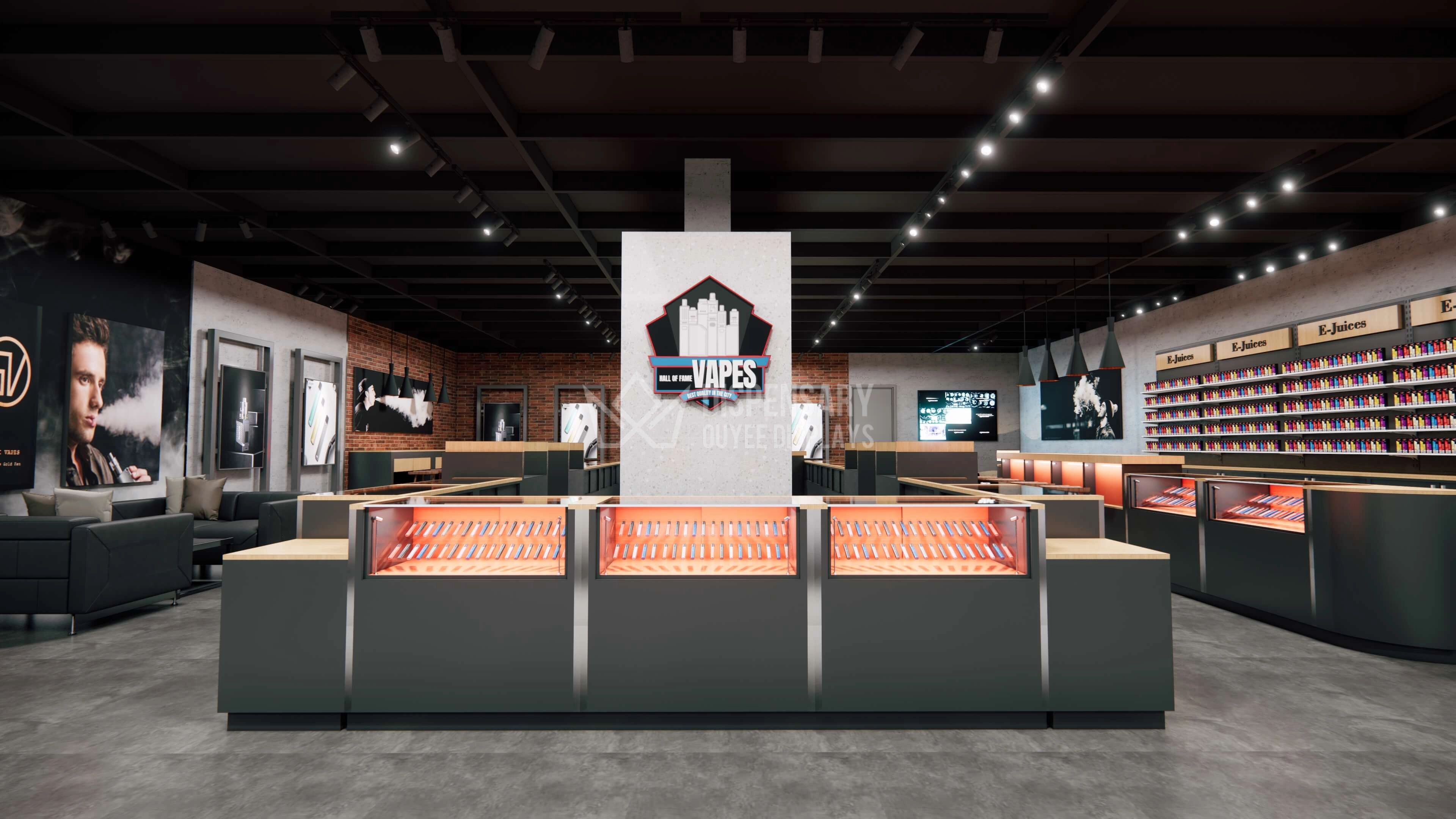
Custom Dispensary Display Design Services Modular Retail Solutions
Our Custom Dispensary Display Design Services specialize in creating unique, modular retail solutions tailored to your business needs. Whether you're showcasing tobacco products, e-liquids, or other retail items, our designs ensure maximum product visibility, security, and customer engagement. We combine high-end materials with flexible layouts, optimizing your store’s space while creating an upscale and professional atmosphere. From custom-built display units to comprehensive store design, our solutions are made to boost your retail environment’s functionality and aesthetic appeal.
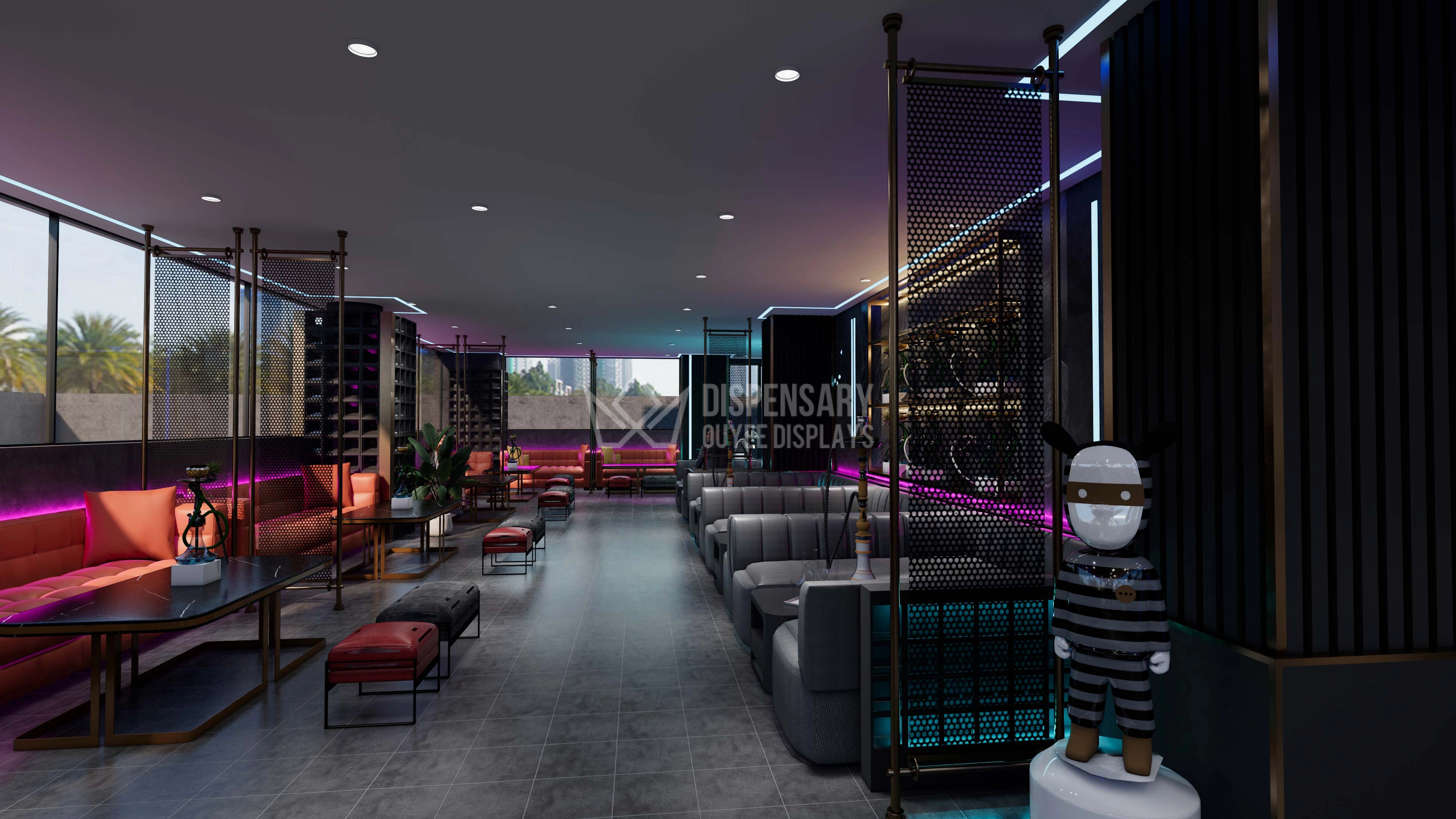
Customized Wholesale Hookah Lounge Furniture For Sale
Elevate your lounge experience with our premium customized hookah lounge furniture, designed for modern aesthetics and maximum comfort. With a strong emphasis on privacy, atmosphere, and luxury, our modular sofa systems, LED accents, and functional shisha setups are tailored to transform any space into a high-end smoking destination. Ideal for lounges, nightclubs, or upscale cafes seeking a bold, unified interior identity.
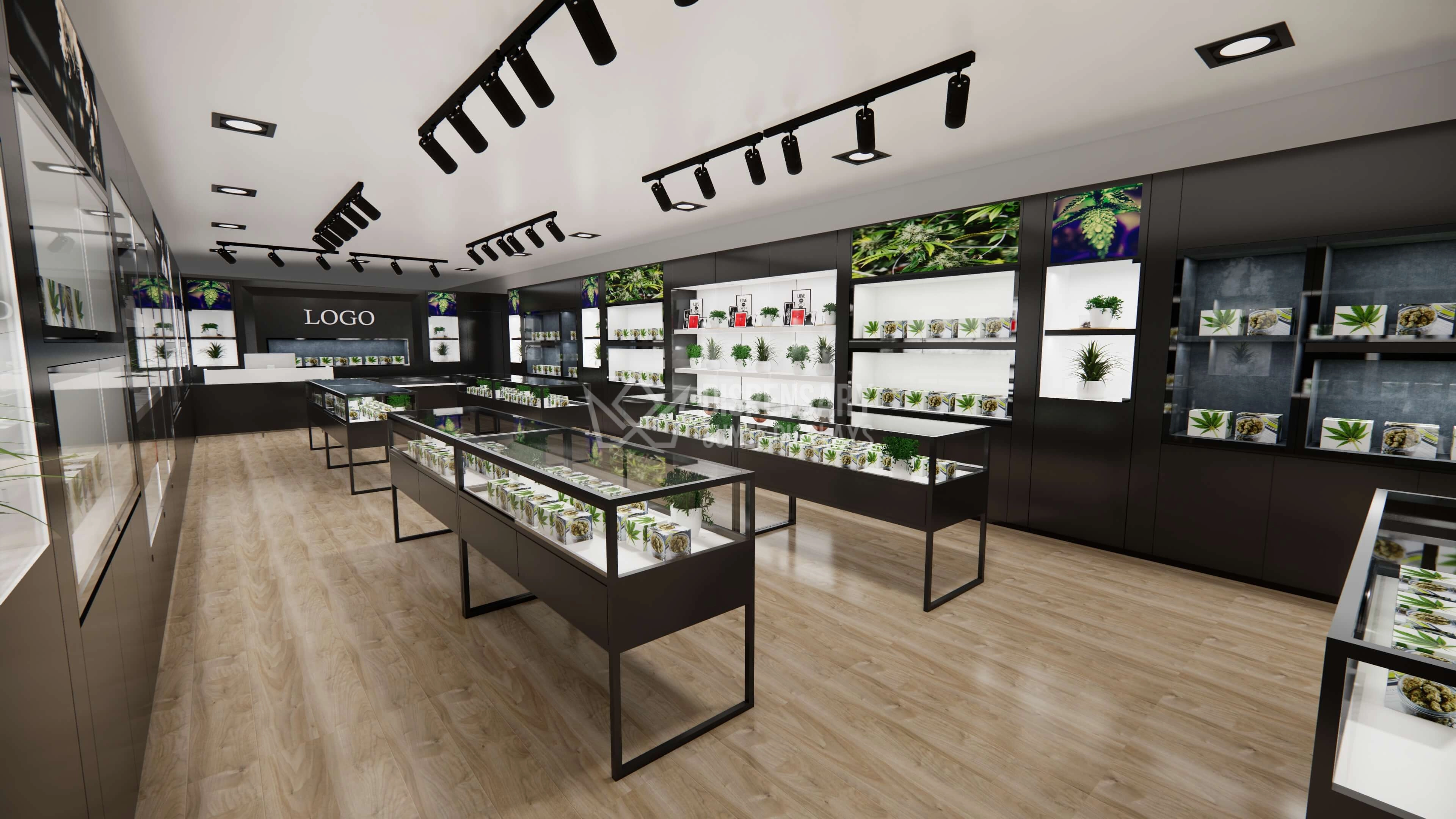
OEM ODM Dispensary Showcase Counters Display Fixtures For Cannabis
Sleek, secure, and fully customizable — our OEM/ODM dispensary counters redefine how cannabis is displayed in retail environments, merging form and function seamlessly.
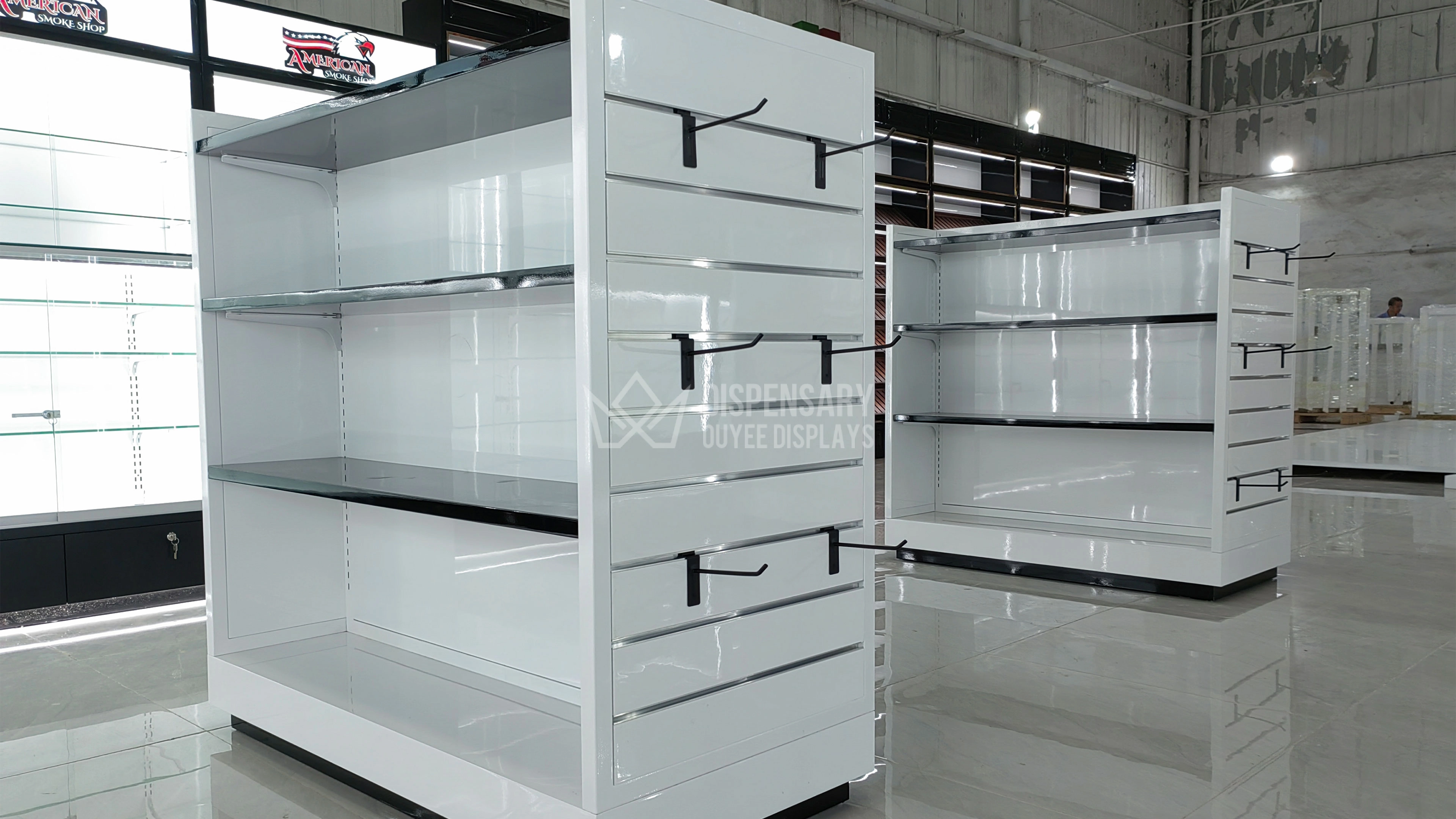
Smoke Shop Fixtures Multi Tiered Cigarette Display Cabinet Factory
Elevate your smoke shop’s merchandising with our multi-tiered cigarette display cabinet, built with premium glass, wood veneer, and integrated LED lighting. This customized setup includes a dedicated cigar room wall system for showcasing high-end cigars, making it the ultimate retail display solution for modern smoke shops.
Let's get in touch

Email: gzouyeedisplay@gmail.com
WhatsApp: +86 136 6049 7267
Ouyee Dispensary
Ouyee Dispensary
Ouyee Dispensary
Ouyee Dispensary