
Comparing Glass vs Acrylic Cigarette Display Cabinets
- Material fundamentals: what glass and acrylic really are
- Composition and manufacturing
- Optical properties and merchandising impact
- Manufacturing tolerances and customization
- Performance comparison in retail environments
- Security and vandal resistance
- Durability and scratch resistance
- Weight, installation, and structural considerations
- Cost, sustainability, and regulatory considerations
- Cost analysis and total cost of ownership
- Sustainability and end-of-life
- Regulatory, health, and fire-safety considerations
- Choosing the right retail cigarette display: practical recommendations
- Use cases by store type
- Customization, lighting, and integrated systems
- Why many retailers choose a hybrid approach
- Ouyee Dispensary Displays — partner for custom retail solutions
- Who we are
- Product range and sector experience
- Technical advantage and quality
- Why choose Ouyee for your retail cigarette display needs
- Implementation checklist for retailers
- Pre-purchase questions
- Specification tips
- Maintenance and lifecycle planning
- Frequently Asked Questions (FAQ)
- 1. Which material is more secure for a retail cigarette display?
- 2. Can acrylic displays be made fire-safe?
- 3. How does maintenance differ between glass and acrylic?
- 4. Is acrylic more cost-effective than glass long-term?
- 5. Can I combine glass and acrylic in the same display?
- 6. Where can I find reliable manufacturers for cigarette display cabinets?
- Contact & next steps
Choosing the right retail cigarette display cabinet affects security, merchandising impact, usability, and long-term return on investment. This article compares glass and acrylic (PMMA) display cabinetry across material properties, retail performance, maintenance, cost, sustainability, and regulatory considerations. It is written for store owners, visual merchandisers, and dispensary managers who need a reliable, professional recommendation when selecting fixtures for cigarettes, tobacco products, or tobacco-adjacent items in a regulated retail environment.
Material fundamentals: what glass and acrylic really are
Composition and manufacturing
Glass is an inorganic, amorphous solid primarily made from silica, soda ash, and limestone. Modern display glass often uses tempered or laminated processes to increase strength and safety. See a technical overview at Wikipedia: Glass.
Acrylic refers to polymethyl methacrylate (PMMA), a thermoplastic made via polymerization of methyl methacrylate. It's manufactured in sheets or molded parts and is prized for optical clarity and light weight. See details at Wikipedia: PMMA.
Optical properties and merchandising impact
Both materials offer high clarity, but acrylic often has slightly higher light transmittance (~92%) compared with typical annealed glass (~90%) depending on thickness and coatings. Acrylic's lighter weight and lower refractive index can enhance perceived brightness under LED merchandising lights, which is a common consideration when designing attractive retail cigarette display setups.
Manufacturing tolerances and customization
Glass is typically cut, tempered, laminated, and can be edge-polished. Complex curvatures and on-site shaping are limited. Acrylic is thermoformable and easier to shape into custom curved showcases or integrated molded pieces. For bespoke counters, acrylic offers faster prototyping and cost-effective low-volume customization.
Performance comparison in retail environments
Security and vandal resistance
Security is paramount for a retail cigarette display due to theft risk and regulatory control of tobacco sales. Tempered or laminated glass provides excellent impact resistance and fracture behavior (laminated glass holds fragments together), commonly used in high-security cabinets. Acrylic is more impact-resistant in terms of not shattering, but it scratches more easily and can be cut or gouged with hand tools.
Durability and scratch resistance
Surface hardness: glass typically rates higher on scratch resistance because it is harder (Mohs hardness ~5.5–6), while acrylic is softer and vulnerable to abrasion from cleaning or contact. However, acrylic can be polished to remove scratches; glass cannot. The trade-off is that small scratches on acrylic can be repaired, whereas damaged glass usually requires replacement.
Weight, installation, and structural considerations
Acrylic is roughly half the weight of equivalent-thickness glass, which simplifies shipping, wall-mounting, and modular installs. For floor-standing display cabinets carrying heavy cigarette stock, glass shelving and panels may require stronger support frames, increasing material and fabrication costs.
Cost, sustainability, and regulatory considerations
Cost analysis and total cost of ownership
Initial material cost: acrylic panels usually cost less than tempered laminated glass per square foot, and shipping/installation costs are typically lower due to reduced weight. However, long-term maintenance (scratch repair, replacement of heavily abraded panels) can add recurring costs.
| Feature | Glass (tempered/laminated) | Acrylic (PMMA) |
|---|---|---|
| Initial material cost | Higher | Lower |
| Weight | Heavier | Lighter (~50% less) |
| Scratch resistance | High | Low (repairable) |
| Impact resistance | High (laminated holds fragments) | Excellent (won't shatter) |
| Security for theft prevention | Better for anti-entry and forced-impact | Good but easier to breach with tools |
| Customization & shaping | Limited, higher cost | High, cost-effective |
| Lifecycle & maintenance | Low maintenance, replace if damaged | Higher maintenance (polish/replace panels) |
Sources for material properties: Wikipedia: Glass and Wikipedia: PMMA. For retail fixture cost guidance and installation considerations, industry case studies from display manufacturers and fixture installers are commonly referenced.
Sustainability and end-of-life
Glass is highly recyclable in established municipal systems and can be remelted into new glass products. Acrylic recycling is more limited; mechanical recycling is possible but less widespread. From a sustainability perspective, choosing recycled glass panels or specifying low-embodied-energy glass can reduce lifecycle carbon footprint. If lightweight shipping and lower initial carbon from manufacturing are priorities, acrylic can offer some benefits—but long-term disposal and recycling infrastructure should be considered.
Regulatory, health, and fire-safety considerations
Local building codes and fire regulations can dictate material choices for retail fixtures especially in public-access areas. Glass is non-combustible; acrylic is combustible and may require specific fire-rating measures depending on jurisdiction. Consult local code authorities and national standards. For example, product safety summaries and material classifications are available on material reference pages like Wikipedia and manufacturer safety data sheets.
Choosing the right retail cigarette display: practical recommendations
Use cases by store type
High-risk urban convenience stores and lottery/tobacco shops often prioritize security above all. For these, laminated tempered glass panels combined with lockable metal frames provide better forced-entry resistance and durability—ideal for high-theft environments. For boutique vape shops, smoke shops, or dispensary-style stores that prioritize aesthetic flexibility and light-weight retail cigarette display counters, acrylic can enable sculpted counters, backlit modules, and frequent layout changes.
Customization, lighting, and integrated systems
If you plan to integrate LED backlighting, digital shelf labels, or internal sensor systems, both glass and acrylic have merits. Acrylic transmits light exceptionally well for edge-lit designs, while glass pairs well with direct downlighting for a High Quality look. Consider the overall visual merchandising strategy: acrylic for diffuse, glowing displays; glass for crystal-clear, reflective showcases.
Why many retailers choose a hybrid approach
A practical solution is hybrid cabinetry: use glass for exterior security panels and high-contact shelving where scratch resistance is critical; use acrylic for internal inserts, curved canopy elements, or backdrops where shaping and lighting improve the brand experience. This balances security, aesthetic flexibility, and cost.
Ouyee Dispensary Displays — partner for custom retail solutions
Who we are
Ouyee Dispensary Displays is your trusted partner for providing comprehensive, custom-designed display solutions for your cannabis retail store and other retail businesses requiring secure and attractive fixtures. Our state-of-the-art 180,000-square-foot facility, located in Guangzhou, China, has been at the forefront of creating high-end, functional display cabinets for over 25 years. Visit our site: ouyeedispensary.com.
Product range and sector experience
We design and manufacture cannabis display cases, CBD displays, dispensary displays, dispensary fixtures, smoke shop display cases, and Weed Dispensary display solutions tailored to regulatory and merchandising needs. Our portfolio spans cannabis dispensaries, pharmacy showcases, tobacco display racks, and e-cigarette showcases—delivering fixtures that balance aesthetics, durability, and security.
Technical advantage and quality
Ouyee leverages cutting-edge German-made CNC automation machining centers and experienced craftsmen to ensure consistent high quality. Our products emphasize security features (lock systems, laminated glass options), material versatility (glass, acrylic, mixed constructions), and finish quality to enhance brand identity. With over two decades delivering custom solutions, Ouyee focuses on long-term partnerships and design-for-manufacture approaches that reduce cost without sacrificing performance.
Why choose Ouyee for your retail cigarette display needs
Key differentiators: deep industry experience across dispensaries and tobacco retail, large-scale manufacturing capacity (180,000 sq ft), advanced CNC capabilities for precise components, customizable security features, and end-to-end service from design to fulfillment. Whether your store requires secure glass-fronted cigarette cabinets or custom-lit acrylic display islands, Ouyee can produce fixtures that align with merchandising goals and regulatory requirements.
Implementation checklist for retailers
Pre-purchase questions
- What is the theft risk in your location (local theft rates, past incidents)?
- Do local codes require non-combustible materials in display areas?
- Will displays be fixed or modular—how often will you reconfigure the floor?
- What lighting and branding effects are critical to your merchandising strategy?
Specification tips
Ask suppliers for: detailed material spec sheets (thickness, tempered/laminated ratings), lock and hinge security ratings, cleaning and maintenance guidelines, and warranty terms. For acrylic, request UV-stable grades if your displays receive sunlight. For glass, request laminated options when safety and fragment retention are necessary.
Maintenance and lifecycle planning
Train staff on proper cleaning agents (avoid abrasive cleaners for acrylic; use ammonia-free glass cleaners for many coated glass surfaces). Establish a lifecycle plan: periodic inspection of locks and hinges, scheduled polishing or replacement of high-contact acrylic panels, and budgeting for eventual glass replacement if damaged by impact.
Frequently Asked Questions (FAQ)
1. Which material is more secure for a retail cigarette display?
For forced-entry resistance, laminated tempered glass is generally more secure because it is harder and can be specified to hold fragments. Acrylic resists shattering but can be breached more easily with hand tools. Consider laminated glass for high-theft locations.
2. Can acrylic displays be made fire-safe?
Acrylic is combustible but fire retardant grades exist. Check local building codes and request fire-rated materials or protective design measures from your supplier.
3. How does maintenance differ between glass and acrylic?
Glass resists scratching and is cleaned with standard glass cleaners; damaged glass usually requires panel replacement. Acrylic is prone to scratching but can be polished; use non-abrasive cleaners and microfiber cloths.
4. Is acrylic more cost-effective than glass long-term?
Initial costs for acrylic tend to be lower and shipping/installation savings can be significant. However, if acrylic panels require frequent replacement or polishing, lifecycle costs can approach or exceed those for glass. Consider your usage profile and risk of abrasion.
5. Can I combine glass and acrylic in the same display?
Yes. Many retailers use glass for exterior security panels and acrylic for internal or decorative components to balance security, aesthetics, and cost.
6. Where can I find reliable manufacturers for cigarette display cabinets?
Look for experienced manufacturers with demonstrable retail experience, ISO or industry certifications, and modern production equipment. Ouyee Dispensary Displays (https://www.ouyeedispensary.com/ target=_blank) is one such provider with 25+ years of experience and advanced CNC capabilities in Guangzhou, China.
Contact & next steps
If you need help specifying a retail cigarette display—whether tempered glass security cabinets, custom acrylic showcases, or hybrid solutions—Ouyee can consult on design, prototyping, and production. Explore our products and request a quote at https://www.ouyeedispensary.com/. Our team can provide layout recommendations, security upgrades, and quoted lead times based on your store size and regulatory requirements.
Relevant references and further reading: Glass — Wikipedia, Poly(methyl methacrylate) — Wikipedia, Display case — Wikipedia.
How to Design High-Converting Cannabis Dispensary Displays
How to Choose a Cannabis Displays Manufacturer: 10 Key Factors
Top 10 custom dispensary displays Manufacturers and Supplier Brands
Top cannabis cabinet Manufacturers and Suppliers
Custom 3D Design Tempered Glass CBD Product Displays Solutions
Can I change the lighting color?
Yes, LED strips can be customized in white, warm, turquoise, or RGB with remote control.
Smoke Shop Fixtures Multi Tiered Cigarette Display Cabinet Factory
Can the cigar wall maintain humidity?
While this display is humidity-ready, we recommend adding built-in or portable humidifiers for full control.
Wooden Marihuana Dispensary Shelves Cannabis Display Case Manufacturer
What’s the production lead time?
Standard manufacturing takes around 4 weeks. Shipping (by sea) takes an additional 4–6 weeks depending on location.
Retail Marijuana Dispensary Fixtures Cannabis Glass Display Cabinet Factory
Can you design the cabinets to match our brand colors?
Yes, we offer full customization including color, materials, and logo placement.
Our Team
How does Ouyee ensure high-quality displays?
We use advanced German CNC automation centers and a rigorous quality control process to ensure every display is of the highest quality.
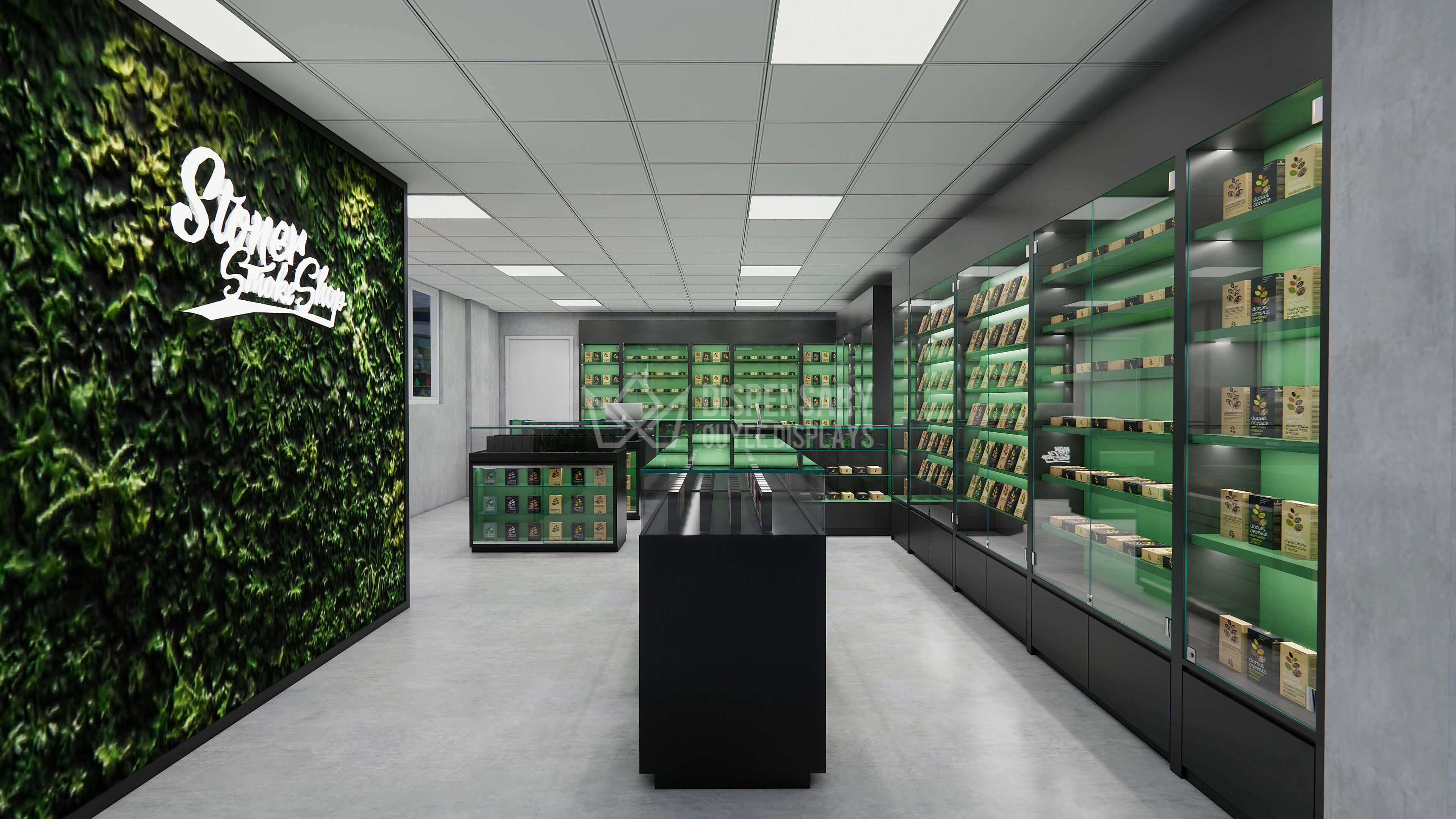
Professional 3D Design Tempered Glass Tobacco Fixture Manufacturer
Engineered for premium retail environments, our custom-built tobacco fixture system integrates tempered glass showcases, modular cabinetry, and ambient shelf lighting. Perfect for displaying packaged tobacco, herbal blends, or accessories, this setup maximizes product visibility, safety, and brand impact—tailored to meet the demands of high-traffic tobacco stores and kiosks.
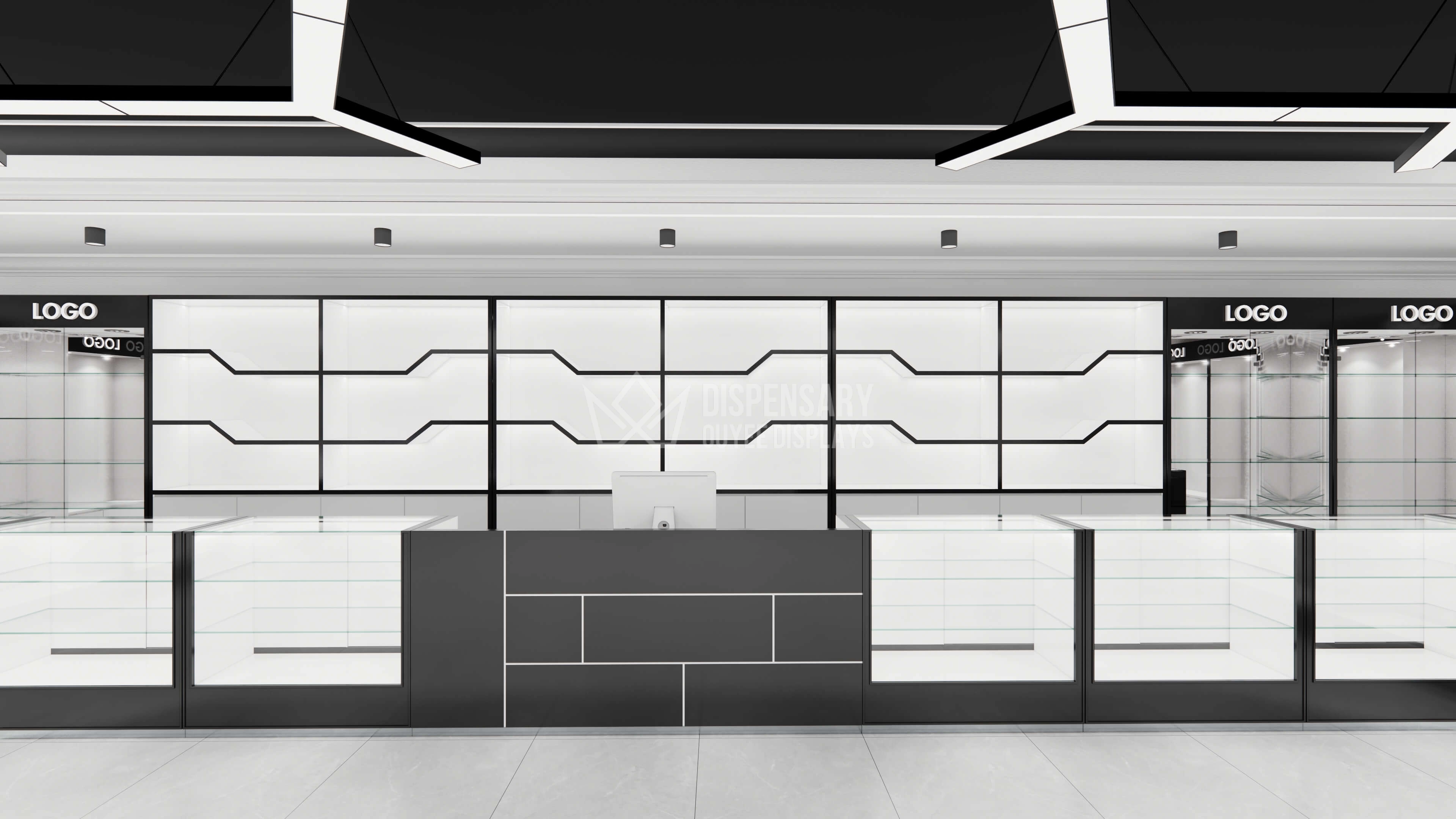
Tempered Glass Vape Shop Fixtures CBD Retail Displays Solutions
High-end CBD retail display fixtures with tempered glass and modular cabinets. Designed for vape shops prioritizing sleek style, product visibility, and premium customer experience.
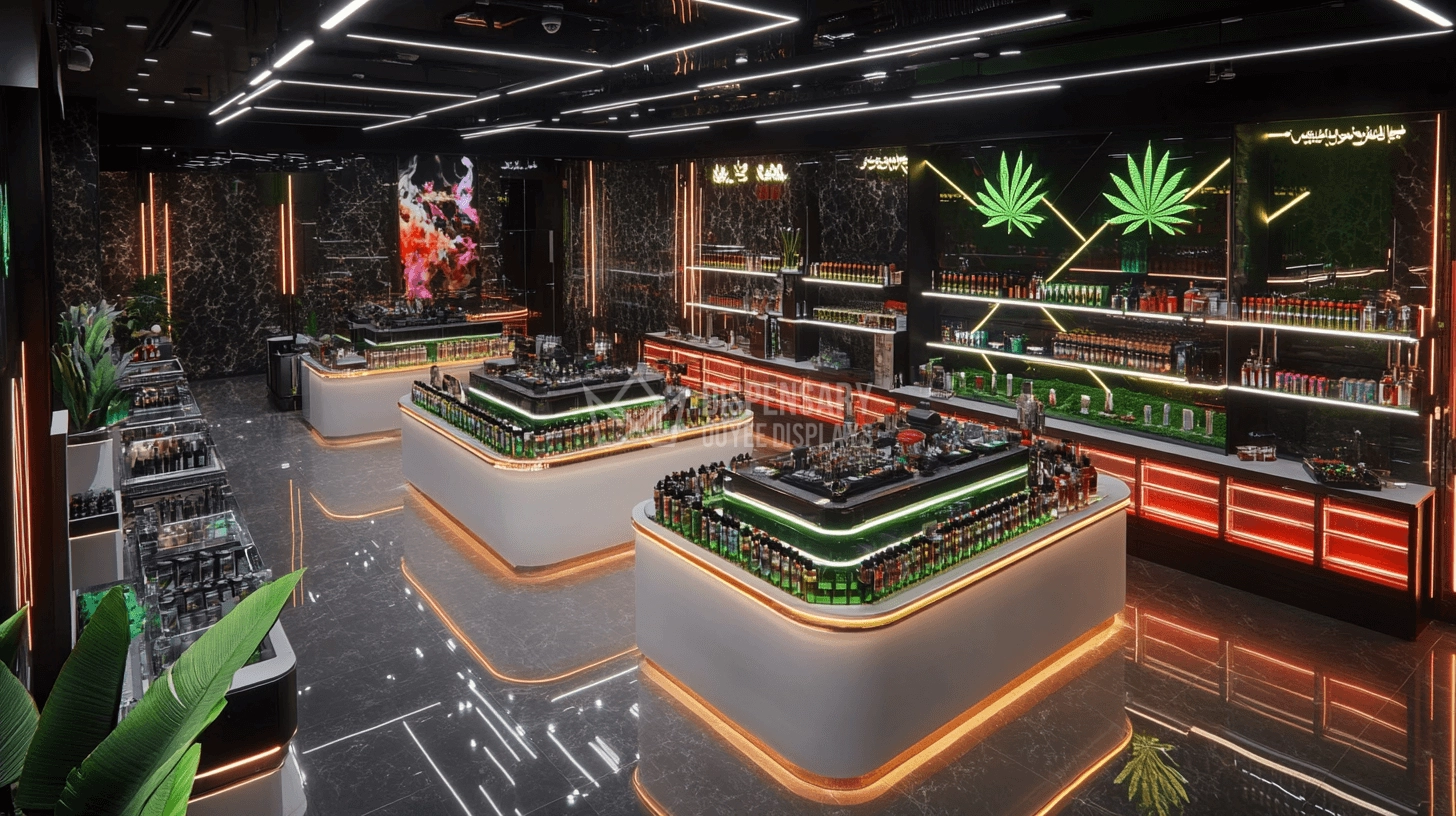
OEM ODM Dispensary Display Showcases Retail Design Cannabis Stores
Explore cutting-edge display showcase solutions for cannabis stores, combining modern retail design with high-end, customizable dispensary furniture.
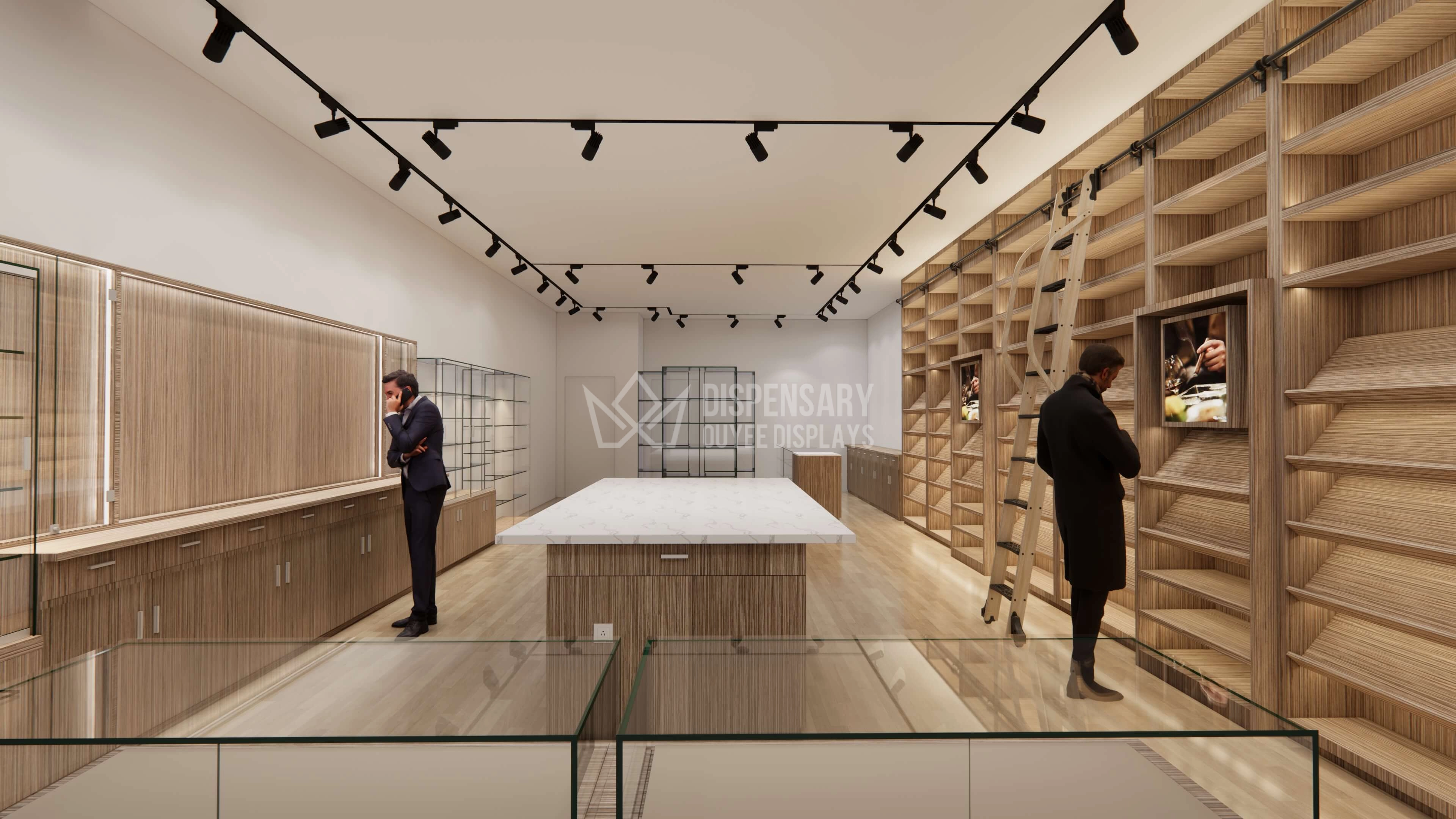
Customized Wooden Cigarette And Tobacco Fixtures Smoke Shop Display Cases
Elegant and highly functional, these custom wooden display fixtures are crafted for smoke shops needing a professional, organized and modular shelving solution. Featuring warm wood grain, integrated lighting, and custom shelving depths, this solution is ideal for showcasing cigarettes, cigars, pipe tobacco, and accessories in a premium atmosphere.
Let's get in touch

Email: gzouyeedisplay@gmail.com
WhatsApp: +86 136 6049 7267
Ouyee Dispensary
Ouyee Dispensary
Ouyee Dispensary
Ouyee Dispensary