
Ergonomic Counter Design for Dispensary Staff
- Designing Counters That Work: Ergonomics, Security, and Sales for Dispensary Staff
- Why ergonomics matters in cannabis retail
- Primary goals for an ergonomic dispensary counter
- Key performance indicators to measure
- Human factors: Heights, reach zones, and posture
- Recommended counter heights and accessibility
- Reach zones and work surfaces
- Seating and task alternation
- Workflow, security, and merchandising integration
- Zoning the counter for tasks and security
- Secure display vs. accessible merchandising
- POS placement and tech ergonomics
- Materials, lighting, and maintenance for durable ergonomic counters
- Material selection: durability, hygiene, and tactile comfort
- Lighting and visual ergonomics
- Cleaning, durability and lifecycle cost
- Comparing counter solutions: options and trade-offs
- Overview of common counter types
- Side-by-side comparison
- Cost vs. benefit: quick metrics table
- Implementation roadmap, measurement and supplier selection
- Step-by-step implementation checklist
- Choosing a supplier: what to require
- Measuring ROI
- Ouyee Dispensary Displays — partner profile and product fit
- Why Ouyee is a strategic partner for ergonomic counter projects
- Manufacturing strength and technical advantage
- Product range and competitive differentiators
- FAQ — Common questions about ergonomic counter design for dispensary staff
- 1. What is the ideal counter height for dispensary staff?
- 2. How should I balance product visibility with security?
- 3. How can counters reduce staff injuries?
- 4. What lighting levels are recommended for ID checks and labeling?
- 5. Are there accessibility requirements I need to follow?
- 6. How do I test an ergonomic counter before full rollout?
- Contact and next steps
- References
Designing Counters That Work: Ergonomics, Security, and Sales for Dispensary Staff
Why ergonomics matters in cannabis retail
Dispensary staff perform repeated, detail-oriented tasks—checking IDs, operating POS, packaging products, and guiding customers through regulated product selections. Poor counter design increases fatigue, slows transactions, raises error rates, and elevates staff injury risk. Well-designed counters improve safety, speed, and customer experience—directly affecting compliance, throughput, and revenue.
Primary goals for an ergonomic dispensary counter
Design must align four core goals: protect staff health (reduce musculoskeletal strain), maintain security (controlled access and visibility), optimize workflow (minimize unnecessary motion and reach), and enhance merchandising (showcase product while preserving compliance). Balancing all four yields a counter that performs operationally and commercially.
Key performance indicators to measure
Trackable KPIs include transaction time, staff-reported discomfort/injury rates, product handling errors, shrink/theft incidents, and sales per square foot near the counter zone. Baselines and regular measurements let you quantify ROI from ergonomic improvements.
Human factors: Heights, reach zones, and posture
Recommended counter heights and accessibility
Standard transaction counter heights in retail commonly range between 36 and 42 (915–1067 mm), with 36 a widely used benchmark for comfortable standing interactions. To comply with accessibility expectations and serve customers using wheelchairs or limited mobility, provide a portion of the counter no higher than 36—this aligns with accessibility guidance used in many jurisdictions. Designing an accessible transaction area is both inclusive and often required by local regulations.
Reach zones and work surfaces
Place high-frequency tools and products within the primary reach zone—roughly 15–20 inches (380–510 mm) from the standing operator—to minimize forward leaning and shoulder strain. Secondary reach (20–28 inches / 510–710 mm) is acceptable for occasional-use items. Keep heavy or frequently handled items low and close to the body to reduce lumbar load.
Seating and task alternation
Offer sit/stand options for tasks like data entry or labelling. Perching stools, adjustable height counters, or motorized sit-stand surfaces let staff alternate postures. A program of task rotation plus short micro-breaks (1–2 minutes every 30–60 minutes) reduces static loading and discomfort.
Workflow, security, and merchandising integration
Zoning the counter for tasks and security
Divide the counter into clearly defined zones: customer-facing transaction area, staff prep and packaging zone behind the counter, secure storage for regulated products, and POS/ID-check station. Clear zoning reduces cross-traffic and streamlines workflow while supporting loss-prevention.
Secure display vs. accessible merchandising
Dispensaries must balance product visibility with security and compliance. Use locked display cabinets with clear sightlines and low-effort locking mechanisms for staff. For high-demand SKUs, employ front-facing display panels at eye level but store inventory in secured compartments accessible from the staff side. This keeps merchandising attractive while minimizing unauthorized access.
POS placement and tech ergonomics
Place POS terminals and signature pads within the primary reach zone and at a slight angle toward the cashier to avoid neck or shoulder twist. Use adjustable mounts for screens to reduce glare and encourage neutral neck posture. Cable management and under-counter routing prevent tripping hazards and cluttered work zones.
Materials, lighting, and maintenance for durable ergonomic counters
Material selection: durability, hygiene, and tactile comfort
Choose wear-resistant, easy-to-clean surfaces (solid surface, high-pressure laminate, or treated wood alternatives). Non-reflective surface finishes reduce glare for staff and customers. Edge treatments (rounded front edges) reduce pressure on forearms when leaning—mitigating contact stress.
Lighting and visual ergonomics
Task lighting at the staff side should provide uniform illumination for ID checks, packaging, and label reading—recommended illuminance for detailed visual tasks is typically higher than general ambient lighting. Use CRI 90+ LEDs for accurate color rendering and adjustable beam angles to prevent shadows. Avoid direct glare into staff vision or reflective hotspots on display cases.
Cleaning, durability and lifecycle cost
Count long-term maintenance in material selection. Antimicrobial coatings, sealed seams, and modular components cut downtime. Durable hardware and replaceable front panels extend service life and reduce total cost of ownership—important when planning capital for fixtures.
Comparing counter solutions: options and trade-offs
Overview of common counter types
Common counter systems include: open counters with behind-counter shelves, locked glass display counters, modular multi-level counters with integrated POS, and sit/stand adjustable counters. Each serves different operational priorities—transparency vs. security vs. flexibility.
Side-by-side comparison
| Counter Type | Ergonomic Pros | Security & Compliance | Best Use Case |
|---|---|---|---|
| Open Counter with Back Shelving | Easy reach to items; simpler workflow | Lower; needs controlled stocking | Small budtenders, low-value inventories |
| Locked Glass Display Counter | Good visibility; reduces bending when elevated | High; controlled access to display items | High-value products, regulated SKUs |
| Modular Multi-level Counter with POS | Integrates task zones; adjustable modules | Moderate; can incorporate locks and drawers | Flexible retail layouts, multi-staff operations |
| Sit/Stand Adjustable Counter | Supports posture variation; reduces fatigue | Depends on design; can include secure drawers | Long-duration tasks (labelling, admin) |
Cost vs. benefit: quick metrics table
| Metric | Low-End Counter | Mid-Range (Modular) | High-End (Custom Secure) |
|---|---|---|---|
| Initial Cost | $ | $$ | $$$ |
| Expected Life (yrs) | 3–5 | 7–12 | 10–20 |
| Security | Low | Medium | High |
| Ergonomic Support | Basic | Good | Optimized |
Implementation roadmap, measurement and supplier selection
Step-by-step implementation checklist
- Perform a task analysis: record typical motions, durations, and pain points.
- Measure anthropometrics of your staff (range of heights) to inform counter height zoning.
- Prototype a counter bay (mockup or modular unit) and run a two-week trial with staff.
- Collect KPI data (transaction times, error rates, staff comfort surveys) and iterate.
- Scale rollout in phases—adjust materials and locking hardware based on real-world wear.
Choosing a supplier: what to require
Prioritize suppliers who provide: custom ergonomic consultation, CAD/prototyping, secure lock systems compliant with local regulations, integrated lighting and POS mounts, and a warranty with clear service-level terms. Ask for case studies in cannabis retail or regulated retail sectors (pharmacies, tobacco shops) to verify relevant experience.
Measuring ROI
Quantify improvements in transaction speed, reduced absenteeism/injury claims, and shrink reduction. Use staff surveys to capture qualitative benefits. A well-documented pilot will provide the evidence needed for capital approval.
Ouyee Dispensary Displays — partner profile and product fit
Why Ouyee is a strategic partner for ergonomic counter projects
Ouyee Dispensary Displays is your trusted partner for providing comprehensive, custom-designed display solutions for your cannabis retail store. Our state-of-the-art 180,000-square-foot facility in Guangzhou, China, has been producing high-end functional display cabinets for over 25 years. With industry experience across cannabis dispensaries, pharmacy showcases, tobacco display racks, and e-cigarette showcases, Ouyee brings deep cross-sector knowledge to ensure compliance, security, and ergonomic performance.
Manufacturing strength and technical advantage
Ouyee employs German-made CNC automation machining centers and advanced finishing processes to deliver consistent tolerances, secure hardware integration, and refined aesthetics. This manufacturing capability supports bespoke counter geometries: adjustable-height sections, integrated locked drawers, tempered glass showcases, anti-fatigue mat recesses, task lighting, and concealed cable management tailored to your floor plan and staff anthropometry.
Product range and competitive differentiators
Key products include cannabis display cases, CBD displays, dispensary displays, dispensary fixtures, smoke shop display cases, and Weed Dispensary display systems. Ouyee differentiates through:
- Extensive custom design support that balances ergonomics, security, and merchandising.
- High-capacity manufacturing with tight quality control and fast lead times.
- Durable materials and replaceable modular components to lower lifecycle costs.
- Experience delivering large-scale projects with compliance-conscious features.
Visit: https://www.ouyeedispensary.com/ to explore products and request a consultation.
FAQ — Common questions about ergonomic counter design for dispensary staff
1. What is the ideal counter height for dispensary staff?
For most standing interactions, 36 (915 mm) is a common and ergonomically comfortable height. Provide an accessible portion of the counter at or below 36 to serve customers with mobility needs. Consider adjustable-height sections if tasks require alternating sit/stand postures.
2. How should I balance product visibility with security?
Use locked glass displays for high-value or regulated SKUs and position high-demand items in staff-accessible secure drawers. Eye-level merchandising is effective, but combine it with controlled access and clear sightlines to minimize theft risk.
3. How can counters reduce staff injuries?
Reduce repetitive reaching and bending by placing frequently used items in the primary reach zone, provide adjustable-height work surfaces, use rounded front edges, and enable micro-breaks or task rotation. Ergonomic training and early reporting of discomfort also help.
4. What lighting levels are recommended for ID checks and labeling?
Task lighting should be brighter than ambient levels—target higher illuminance at work surfaces for detailed tasks. Use high-CRI (90+) LEDs and adjustable fixtures to avoid shadows and glare. Exact lux levels depend on your store’s ambient lighting and the specifics of tasks.
5. Are there accessibility requirements I need to follow?
Yes—many jurisdictions require accessible service counters for customers with disabilities. Provide a portion of the counter no higher than 36 and ensure clear approach space and knee clearance where applicable. Check local building codes and accessibility standards (e.g., ADA in the U.S.) for detailed dimensions and obligations.
6. How do I test an ergonomic counter before full rollout?
Create a prototype bay or modular unit and run a trial with staff for 1–2 weeks. Collect quantitative KPIs (transaction times, errors) and qualitative feedback (comfort surveys). Iterate on height zones, POS placement, and storage before committing to full installation.
Contact and next steps
If you’re planning a remodel or new build and want a partner who understands ergonomic design, security, and cannabis retail compliance, contact Ouyee Dispensary Displays for a consultation and custom solution. Visit https://www.ouyeedispensary.com/ to view our catalog and request a quote.
References
- U.S. Occupational Safety and Health Administration (OSHA), Ergonomics: https://www.osha.gov/ergonomics (accessed 2026-01-07)
- Centers for Disease Control and Prevention (NIOSH), Ergonomics and Musculoskeletal Disorders: https://www.cdc.gov/niosh/topics/ergonomics/ (accessed 2026-01-07)
- Americans with Disabilities Act (ADA) Standards for Accessible Design: https://www.ada.gov/ (accessed 2026-01-07)
- Marijuana Business Daily — retail best practices and dispensary operations: https://mjbizdaily.com/ (accessed 2026-01-07)
- National Center for Biotechnology Information (NCBI) — ergonomics and workplace health literature (example review): https://www.ncbi.nlm.nih.gov/pmc/articles/PMC4776879/ (accessed 2026-01-07)
How to Open a Dispensary in Dubai: A Comprehensive Guide by Ouyee Dispensary Displays
How to Open a Dispensary in France: A Complete Guide by Ouyee Dispensary Displays
Top store display for tobacco products Manufacturers and Suppliers
Smoke Shop Interior Design Trends for Dispensary Retailers
Customized Wooden Cigarette And Tobacco Fixtures Smoke Shop Display Cases
What branding options are available?
You can include laser-engraved logos, LED backlit signage, or digital display screens.
Custom 3D Design Tempered Glass CBD Product Displays Solutions
Can I change the lighting color?
Yes, LED strips can be customized in white, warm, turquoise, or RGB with remote control.
Smoke Shop Fixtures Multi Tiered Cigarette Display Cabinet Factory
Are these units fully assembled upon delivery?
Most components are shipped flat-packed for safety. Assembly instructions and support are provided.
Customized Smoke Shop Showcase Cigarette Display Rack For Sale
Can the shelving angle be adjusted?
Yes, we can customize the shelf pitch depending on your product size and display needs.
Wholesale Modern Commercial Hookah Lounge Furniture Bulk Suppliers
What is the minimum order quantity?
Typically 10 pieces per type, but we accommodate custom bulk requests.
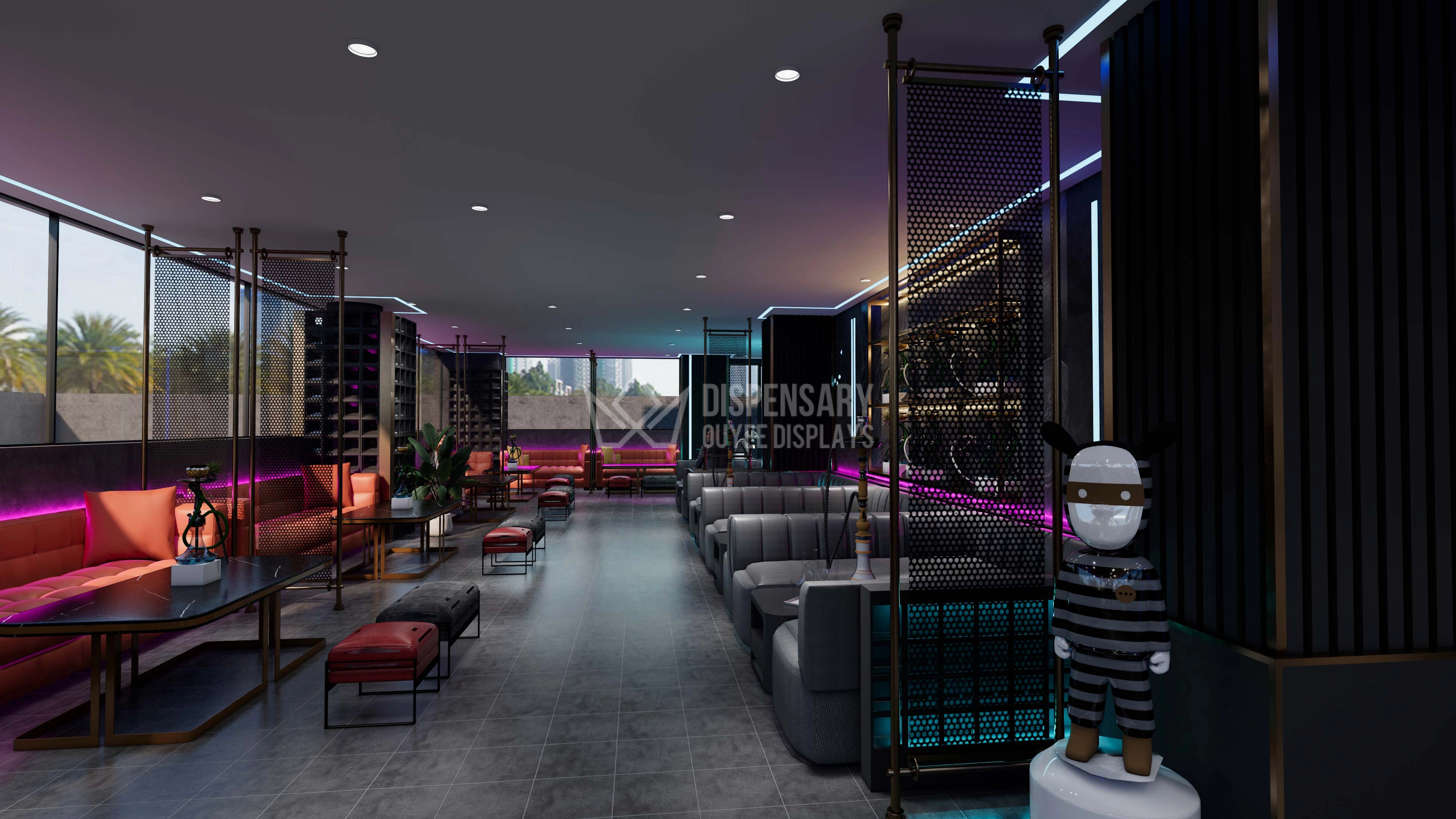
Customized Wholesale Hookah Lounge Furniture For Sale
Elevate your lounge experience with our premium customized hookah lounge furniture, designed for modern aesthetics and maximum comfort. With a strong emphasis on privacy, atmosphere, and luxury, our modular sofa systems, LED accents, and functional shisha setups are tailored to transform any space into a high-end smoking destination. Ideal for lounges, nightclubs, or upscale cafes seeking a bold, unified interior identity.
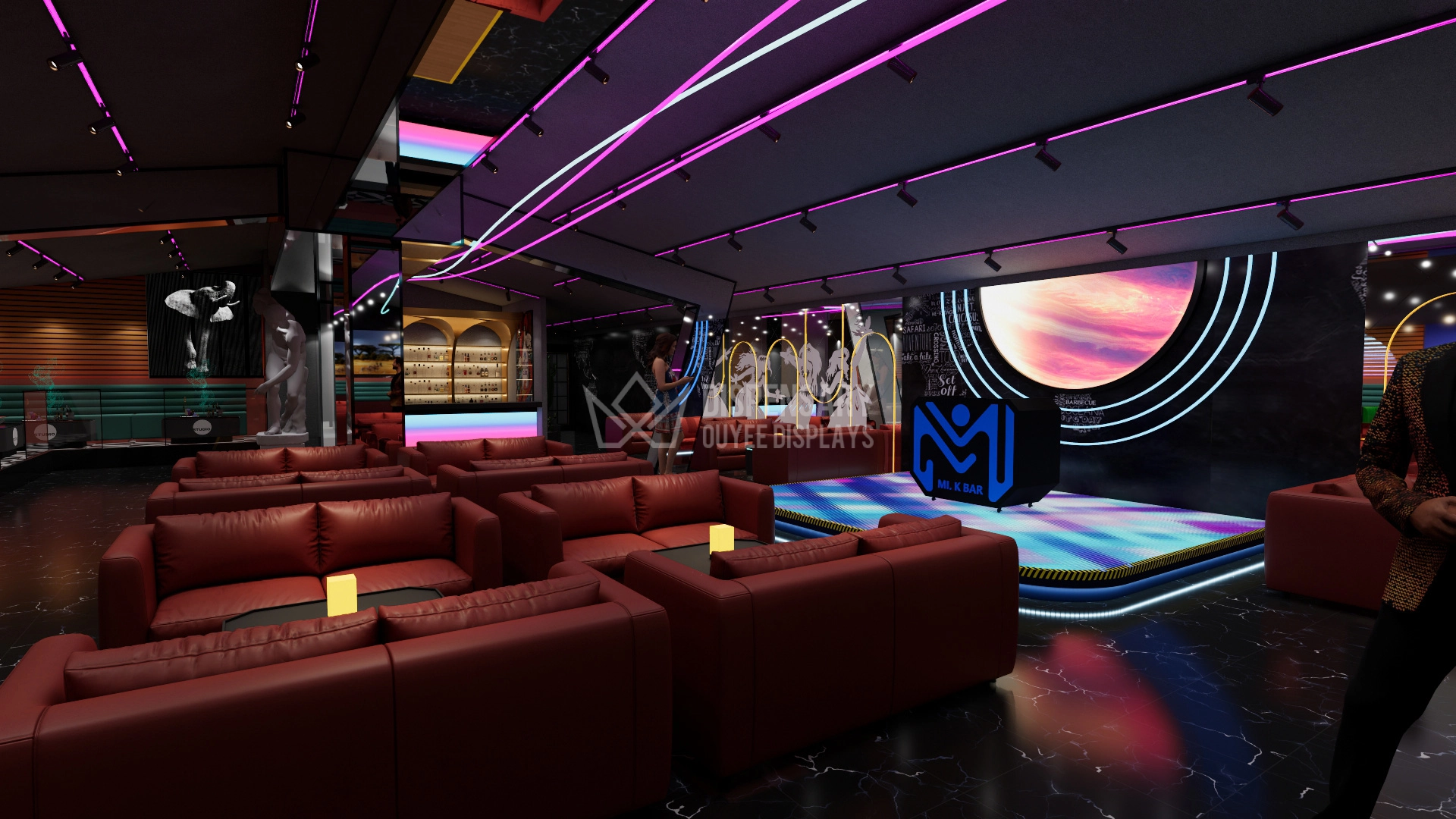
Commercial Durable Hookah Furniture Bulk Modular Layout for Modern Lounges
This modular hookah lounge furniture is designed for modern bars, lounges, and clubs that demand both luxury and functionality. With bold lighting, ergonomic seating, and customizable modules, it provides a versatile, durable, and aesthetically powerful solution for high-end hookah venues. Perfect for creating a visually immersive atmosphere that enhances customer satisfaction and retention.
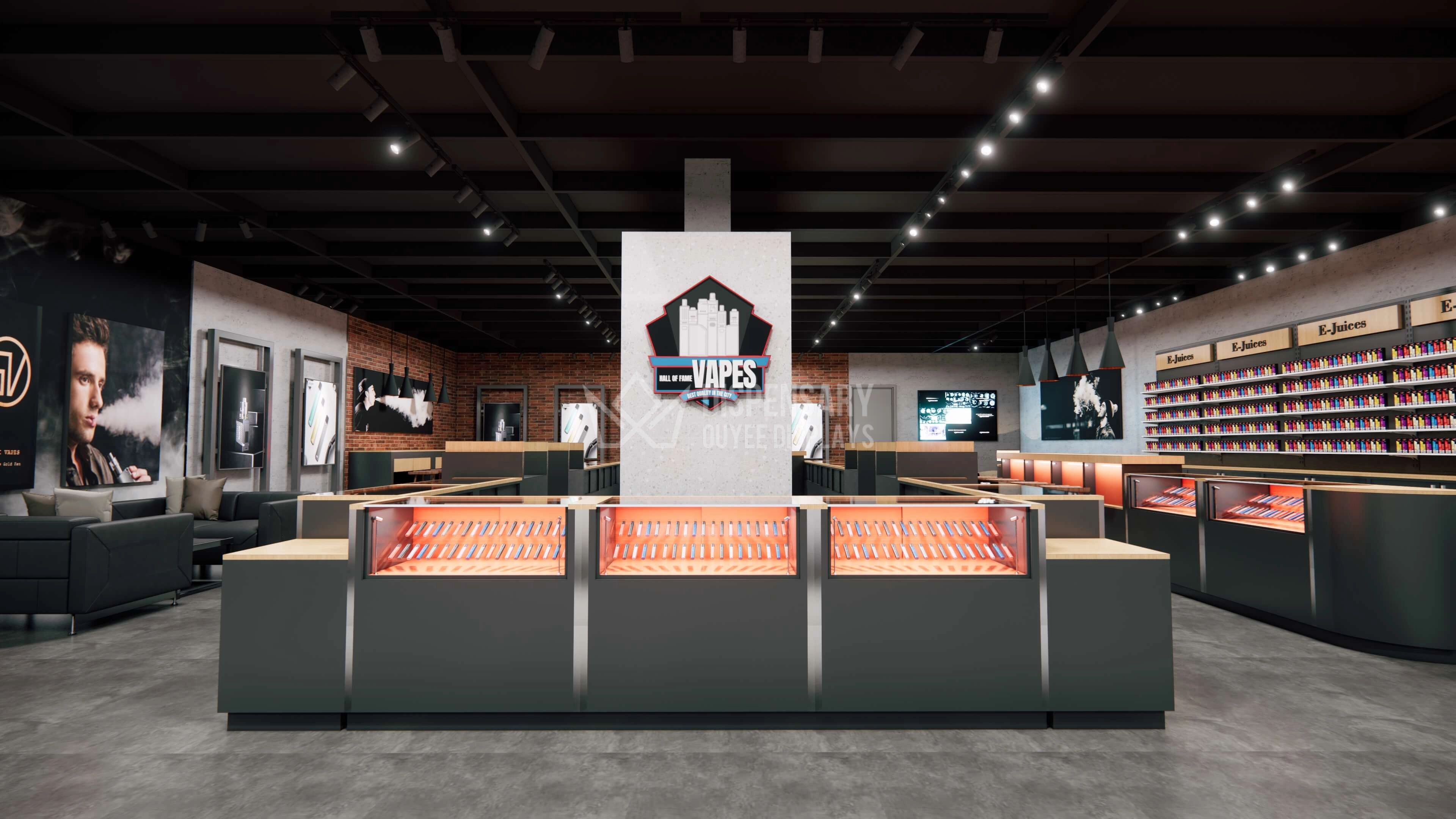
Custom Dispensary Display Design Services Modular Retail Solutions
Our Custom Dispensary Display Design Services specialize in creating unique, modular retail solutions tailored to your business needs. Whether you're showcasing tobacco products, e-liquids, or other retail items, our designs ensure maximum product visibility, security, and customer engagement. We combine high-end materials with flexible layouts, optimizing your store’s space while creating an upscale and professional atmosphere. From custom-built display units to comprehensive store design, our solutions are made to boost your retail environment’s functionality and aesthetic appeal.
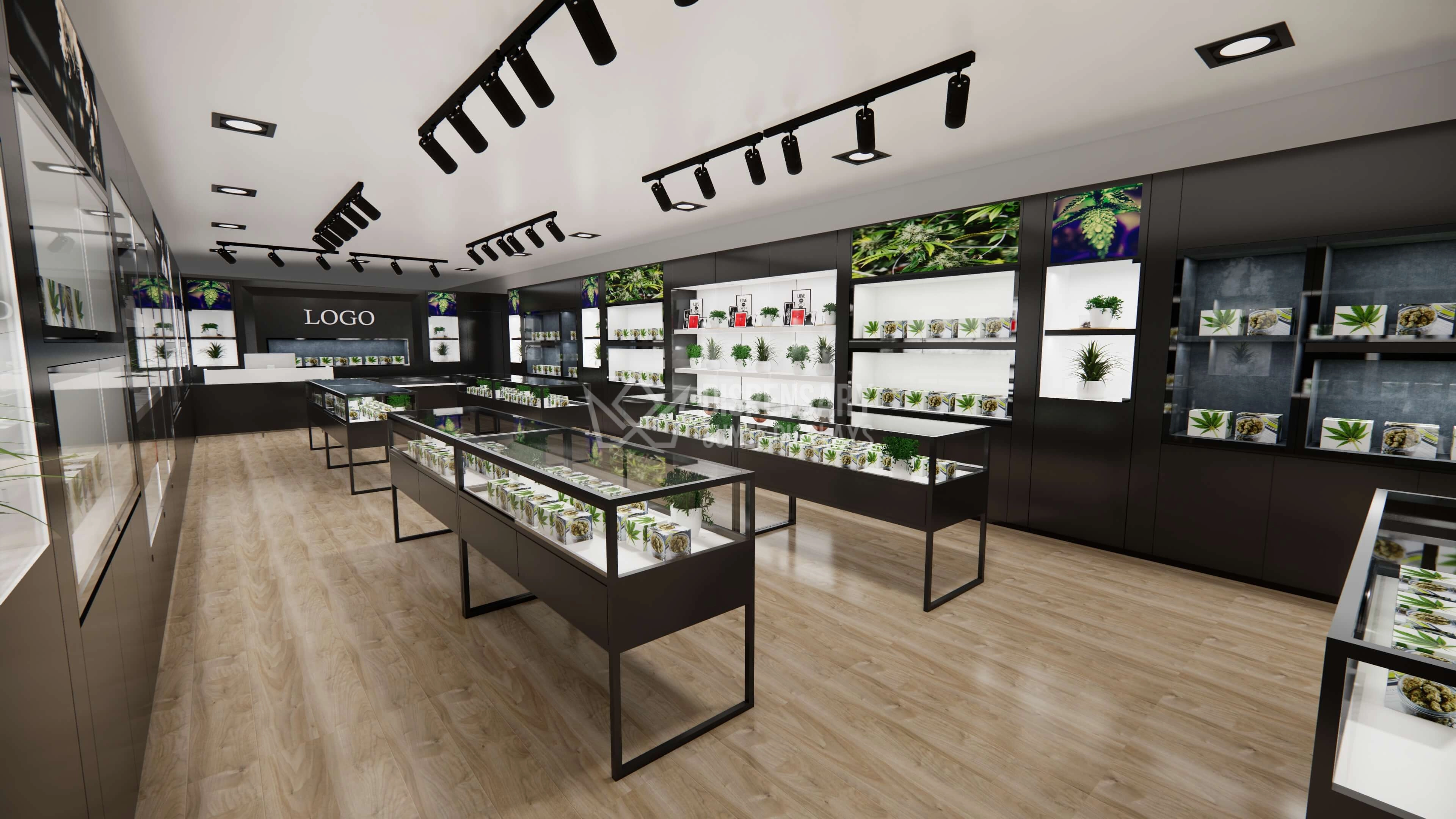
OEM ODM Dispensary Showcase Counters Display Fixtures For Cannabis
Sleek, secure, and fully customizable — our OEM/ODM dispensary counters redefine how cannabis is displayed in retail environments, merging form and function seamlessly.
Let's get in touch

Email: gzouyeedisplay@gmail.com
WhatsApp: +86 136 6049 7267
Ouyee Dispensary
Ouyee Dispensary
Ouyee Dispensary
Ouyee Dispensary