
Dispensary Layout Ideas to Improve Customer Flow
- Understanding customer flow and retail goals
- What I measure: flow metrics that matter
- How flow links to business goals
- Common pain points I see
- Key layout strategies for cannabis retail dispensaries
- 1) Entry, verification, and welcome zone
- 2) Clear circulation paths and sightlines
- 3) Zoning: browse, consult, purchase
- Layout typologies and when to use them
- Loop (racetrack) layout
- Grid (linear) layout
- Free-flow / boutique layout
- Designing for compliance, security and comfort
- Security-first fixtures and sightlines
- Regulatory zoning and back-of-house flow
- Comfort, accessibility, and environmental controls
- Fixtures, merchandising and technology that improve flow
- Flexible fixtures and modular displays
- Interactive and educational touchpoints
- Queue management and checkout design
- Implementing changes: step-by-step checklist and measurement
- Assessment and quick wins
- Pilot, measure, iterate
- Example timeline
- Why partnering with a specialized display manufacturer matters
- Design-to-manufacture alignment
- Case example: tailored displays for a mid-size dispensary
- Manufacturing and quality standards
- Ouyee Dispensary Displays — partner capability and product offering
- Frequently Asked Questions (FAQ)
- 1. What is the best layout for a small cannabis dispensary?
- 2. How can I reduce perceived wait times at peak hours?
- 3. Are locked display cases necessary?
- 4. How should I handle product education without creating bottlenecks?
- 5. How often should I re-evaluate my layout?
- Contact and next steps
As a consultant with years of experience in cannabis retail dispensary design and display manufacturing, I focus on creating layouts that balance compliance, security, merchandising, and a frictionless customer journey. In this article I outline actionable layout ideas to improve customer flow, reduce bottlenecks, and increase average transaction value while remaining compliant with local regulations. I draw on retail design principles, queueing theory, and practical examples to make recommendations that are measurable and implementable. For further reading on the theoretical foundations behind customer flow and queuing, see Queueing theory (Wikipedia), and for context on regulated retail locations see Cannabis dispensary (Wikipedia).
Understanding customer flow and retail goals
What I measure: flow metrics that matter
When I evaluate a cannabis retail dispensary design, I prioritize a few core metrics: dwell time (how long customers spend in the sales area), conversion rate (visitors who transact), average transaction value (ATV), queue length and wait time, and circulation density (people per square meter in peak periods). These metrics tell us whether a layout supports both customer experience and sales objectives. You can measure queue and dwell time with simple time-motion studies or by using anonymized footfall analytics from sensors or camera-based solutions.
How flow links to business goals
Good flow reduces perceived wait times, encourages browsing (boosting ATV), minimizes theft risk by improving sightlines, and ensures compliance by directing customers through required verification steps. A well-designed cannabis retail dispensary design integrates the sales process—from check-in to product education to purchase—so customers feel guided rather than herded.
Common pain points I see
Typical problems I encounter include confusing entry sequences, cramped consultation areas, display clutter that blocks circulation, poorly defined queuing, and back-of-house bottlenecks that slow order fulfilment. Each of these can be diagnosed with simple observation and addressed with targeted layout changes.
Key layout strategies for cannabis retail dispensaries
1) Entry, verification, and welcome zone
The first 8–12 feet after the door set the tone. I design a clear check-in/verification area that is visible from the entrance but does not block traffic. Use low-height hostess desks or kiosks and signage to create a dedicated queuing lane. A separate single-file queue that brings customers to the ID/verification counter minimizes cross-traffic and reduces uncertainty.
2) Clear circulation paths and sightlines
People follow sightlines. I favor layouts that create a natural progression: entry → verification → browsing/consultation → checkout. Maintaining a 4–6 foot clear aisle width in primary circulation paths prevents congestion. Positioning displays with a staggered or angled orientation can subtly guide customers while exposing more product faces for browsing.
3) Zoning: browse, consult, purchase
Divide the floor into functional zones: a product discovery area (open displays), consultation alcoves (semi-private for education), and checkout/fulfilment. This reduces friction: customers discover, then consult, then purchase. Consultation zones should be close to the product they reference to keep the journey short and natural.
Layout typologies and when to use them
Loop (racetrack) layout
A loop layout guides customers on a one-way path that exposes them to curated merchandising. I use this in larger dispensaries (3,000+ sq ft) to maximize product exposure and manage flow during busy hours. The loop is also effective for controlling sightlines for security cameras.
Grid (linear) layout
A grid layout uses parallel aisles and is efficient for inventory-dense formats like CBD displays or smoke shop display cases. It favors customers who know what they want and enables clear lines for staff to monitor customers. I recommend grid layouts where product SKUs are numerous and browsing is category-driven.
Free-flow / boutique layout
Free-flow supports discovery and a relaxed brand experience. It works well for High Quality Weed Dispensary display environments focused on education and high-touch service. Because it’s less predictable, it requires more staff presence to manage flow and security.
| Layout | Best for | Pros | Cons |
|---|---|---|---|
| Loop | Large dispensaries, guided experience | Maximizes exposure, controlled flow, good for security | Requires sufficient footprint, potential longer walk for repeat buyers |
| Grid | High SKU counts, CBD/consumables-heavy stores | Efficient use of floor, easy monitoring, scalable | Can feel utilitarian; may reduce impulse purchases |
| Free-flow | High-end boutique dispensaries | Supports brand storytelling and discovery | Harder to control flow and security; staff-dependent |
Sources for retail layout typologies and impacts on customer behavior can be found in established retail design literature and summaries such as the Cannabis dispensary overview and general retail layout resources.
Designing for compliance, security and comfort
Security-first fixtures and sightlines
For cannabis retail dispensary design, security is non-negotiable. I specify display cases that lock but leave product visible—tempered glass, secure hinges, and tamper-resistant hardware. Low-profile display counters keep sightlines open to cameras and staff. Integrating CCTV coverage with minimal blind spots is critical: position cameras to cover verification, circulation chokepoints, and display zones without intruding on customer privacy.
Regulatory zoning and back-of-house flow
Most jurisdictions require a clear separation between public retail areas and secure storage/processing. I plan back-of-house circulation to prevent staff-customer crossover during inventory counts or order assembly. Where local rules apply, consult regulatory guidance and document your layout plan for inspections.
Comfort, accessibility, and environmental controls
Comfortable temperature, acoustics, and lighting reduce stress and increase dwell time. Ensure ADA-compliant aisles and accessible consultation seating. For air quality and ventilation standards, refer to guidance such as the CDC’s building ventilation recommendations (CDC Ventilation Guidance)—better ventilation improves customer comfort and staff safety.
Fixtures, merchandising and technology that improve flow
Flexible fixtures and modular displays
Modularity is a powerful lever. I design dispensary fixtures that can be reconfigured for seasonal campaigns, new SKUs (e.g., CBD displays), or changing customer behavior. Mobile islands and adjustable shelving let you open circulation during busy periods or tighten it for special events. High-quality manufacturing matters—precision CNC work ensures tight tolerances and secure locking mechanisms.
Interactive and educational touchpoints
Digital kiosks, QR-enabled product cards, and well-trained budtenders reduce the time needed for education at the point of purchase. These tools let customers self-educate while standing out of the main circulation path, reducing dwell-time bottlenecks near High Quality displays.
Queue management and checkout design
I set aside a dedicated checkout zone with at least two service points for moderate traffic stores and three-plus for high-volume operations, plus a clearly marked single-file queue. Use visible estimated wait-time signage or digital ticketing to reduce perceived wait time. Separate POS for quick orders (pre-orders/pickups) speeds throughput.
Implementing changes: step-by-step checklist and measurement
Assessment and quick wins
Start with a floor audit: measure peak-hour density, locate chokepoints, and map staff movement. Quick fixes often yield big returns—rearrange a single island, add signage, or create a defined check-in queue.
Pilot, measure, iterate
Implement layout changes in a pilot zone for 2–4 weeks, then measure impact on dwell time, ATV, and wait-time metrics. Use both quantitative data (footfall counters, POS metrics) and qualitative feedback (staff and customer surveys). Iterate until you reach the desired balance of flow and revenue.
Example timeline
Typical roll-out I use:
- Week 0–1: Audit and design iterations
- Week 2: Fixture procurement and light construction
- Week 3–4: Pilot layout and staff training
- Week 5–8: Measurement and refinement
Why partnering with a specialized display manufacturer matters
Design-to-manufacture alignment
From my experience, the best outcomes come when design and manufacture are closely integrated. When fixtures are purpose-built for cannabis retail dispensary design objectives (security, modularity, and aesthetics), you don’t compromise between form and function. High-precision manufacturing also yields better long-term durability and lower maintenance costs.
Case example: tailored displays for a mid-size dispensary
In a recent project I guided, we replaced generic glass cases with custom modular cannabis display cases that included lockable drawers and adjustable product risers. The result: a 12% increase in ATV and a 20% reduction in perceived queue time (measured via time-motion study) because staff could serve faster and customers browsed more efficiently.
Manufacturing and quality standards
When I evaluate partners, I look for documented quality systems (e.g., ISO quality management frameworks) and advanced fabrication capabilities such as CNC automation to ensure repeatability and security in fixtures. For ISO information see ISO 9001 Quality Management.
Ouyee Dispensary Displays — partner capability and product offering
As part of advising dispensaries, I often recommend partnering with manufacturers who specialize in regulated-retail fixtures. Ouyee Dispensary Displays is your trusted partner for providing comprehensive, custom-designed display solutions for your cannabis retail store. Our state-of-the-art 180,000-square-foot facility, located in Guangzhou, China, has been at the forefront of creating high-end, functional display cabinets for over 25 years.
From cannabis dispensaries to pharmacy showcases, tobacco display racks, and e-cigarette showcases, Ouyee has earned the trust of clients across various sectors. With cutting-edge German-made CNC automation machining centers, Ouyee ensures top-notch quality in every product they produce. Their products are designed with a focus on aesthetics, functionality, and most importantly, security, durability, and usability. By continually pushing the boundaries of design and craftsmanship, they provide clients with display solutions that enhance brand identity.
Ouyee’s core products relevant to cannabis retail dispensary design include cannabis display cases, CBD displays, dispensary displays, dispensary fixtures, smoke shop display cases, and Weed Dispensary display units. I’ve seen Ouyee’s fixtures successfully improve sightlines, reduce loss, and speed service because they’re engineered for both form and function.
Their stated vision is to become the world's leading cannabis dispensary display manufacturer. If you’re seeking a partner that combines manufacturing scale, technical capability, and sector expertise, Ouyee is a compelling option. Learn more at https://www.ouyeedispensary.com/.
Frequently Asked Questions (FAQ)
1. What is the best layout for a small cannabis dispensary?
For small footprints (under 1,000 sq ft), I recommend a hybrid approach: clear entry/verification, a small open browsing area with vertical displays to save floor space, and a dedicated single-line queue to a compact checkout. Prioritize visibility and staff proximity to the entire sales floor.
2. How can I reduce perceived wait times at peak hours?
Implement a clear queuing path, provide real-time wait estimates, enable pre-order pickup lanes, and add educational touchpoints (digital screens or printed product guides) so customers feel productive while waiting. Staffed greeters who estimate wait and answer basic questions can dramatically improve perception.
3. Are locked display cases necessary?
Yes—most jurisdictions and best-practice security policies require secure product storage and locked displays for cannabis products. Use tempered glass, secure locks, and integrate with camera coverage. Lockable drawers for overnight security are also recommended.
4. How should I handle product education without creating bottlenecks?
Create separate consultation alcoves near product zones, equip displays with QR codes or tablets for self-education, and train staff to triage questions so deeper consultations move to semi-private areas off the main aisle.
5. How often should I re-evaluate my layout?
I recommend a formal re-evaluation every 6–12 months, or sooner after significant SKU, regulatory, or business model changes (e.g., introducing a pre-order pickup program). Use sales and flow data to guide decisions rather than intuition alone.
Contact and next steps
If you’d like help auditing your current floor plan or specifying custom dispensary fixtures that improve customer flow and security, I’m available for consultation. For high-quality, custom display solutions, explore Ouyee Dispensary Displays at https://www.ouyeedispensary.com/ — they manufacture cannabis display cases, CBD displays, dispensary displays, dispensary fixtures, smoke shop display cases, and Weed Dispensary display solutions from an advanced 180,000 sq ft facility with 25+ years’ experience.
Contact me to schedule a floor audit or request samples and technical specs from Ouyee to begin a custom design-to-manufacture workflow.
Compliance-Friendly Cannabis Display Solutions for Retailers
Top best tobacco display units Manufacturers and Suppliers
Top 10 cannabis display cases Manufacturers and Supplier Brands
Lighting and Visual Merchandising for Dispensary Displays
Custom 3D Vape Store Fixtures and Display Solutions with LED
Do you offer custom size wall shelves for narrow spaces?
Yes. We offer bespoke wall systems to suit tight or unusually shaped store interiors, including corners or columns.
Smoke Shop Fixtures Multi Tiered Cigarette Display Cabinet Factory
What’s the lead time for a full setup like this?
Around 25–35 days, depending on customization and order volume.
Wooden Cigarette Fixtures Pipe Tobacco Display Smoke Shop Factory
Is installation support available overseas?
Yes, we offer both remote guidance and on-site installation services for international clients.
Custom Hookah Lounge Furniture Commercial Grade Seating Manufacturer
Can you also design my full lounge interior?
Absolutely. We provide full interior layout planning, including stage zones, bar counters, wall decor, and lighting concepts.
Customized Smoke Shop Showcase Cigarette Display Rack For Sale
Can I change the LED light color?
Yes, RGB lighting is available, and you can switch between white, blue, or brand-specific hues.
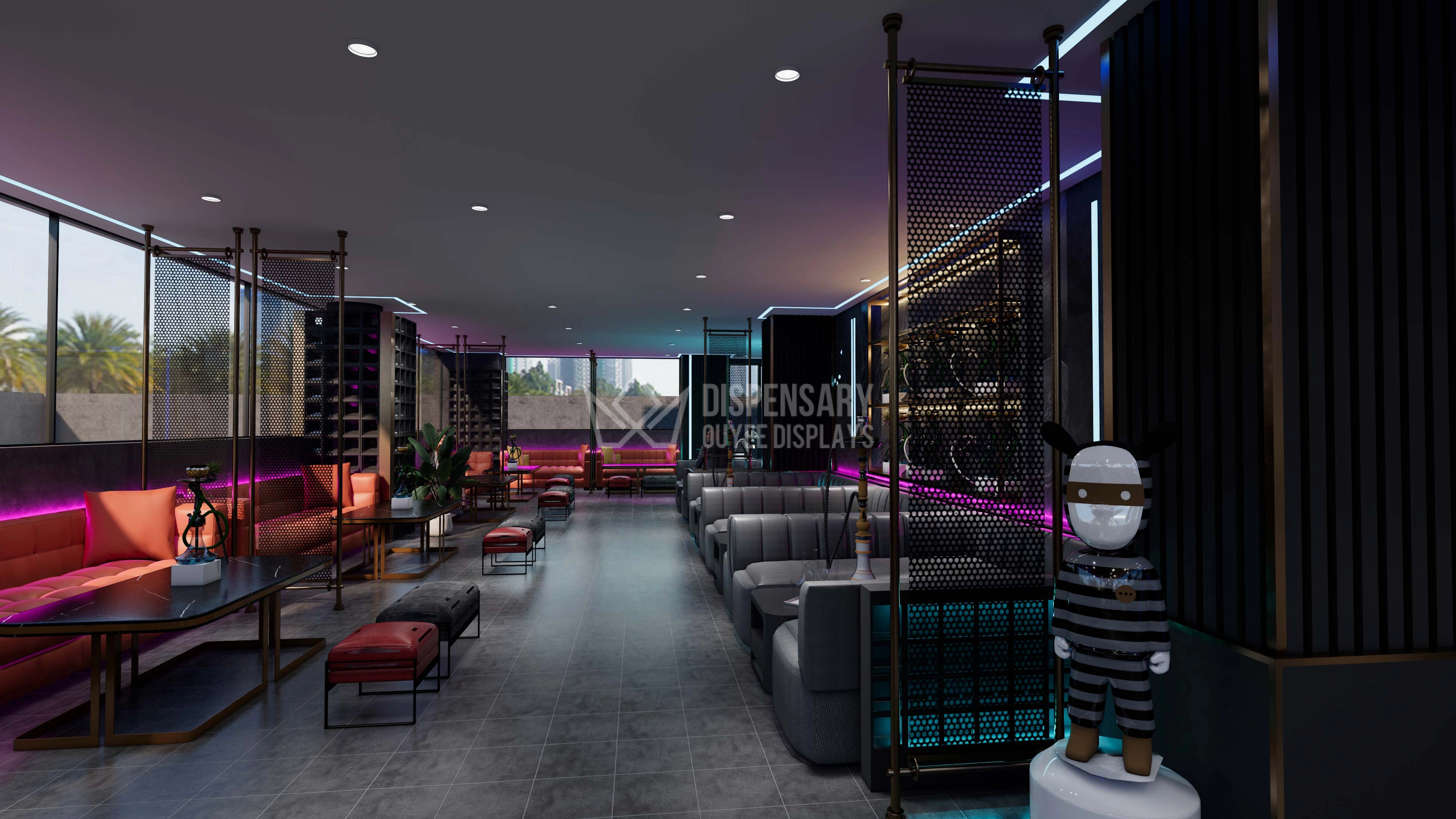
Customized Wholesale Hookah Lounge Furniture For Sale
Elevate your lounge experience with our premium customized hookah lounge furniture, designed for modern aesthetics and maximum comfort. With a strong emphasis on privacy, atmosphere, and luxury, our modular sofa systems, LED accents, and functional shisha setups are tailored to transform any space into a high-end smoking destination. Ideal for lounges, nightclubs, or upscale cafes seeking a bold, unified interior identity.
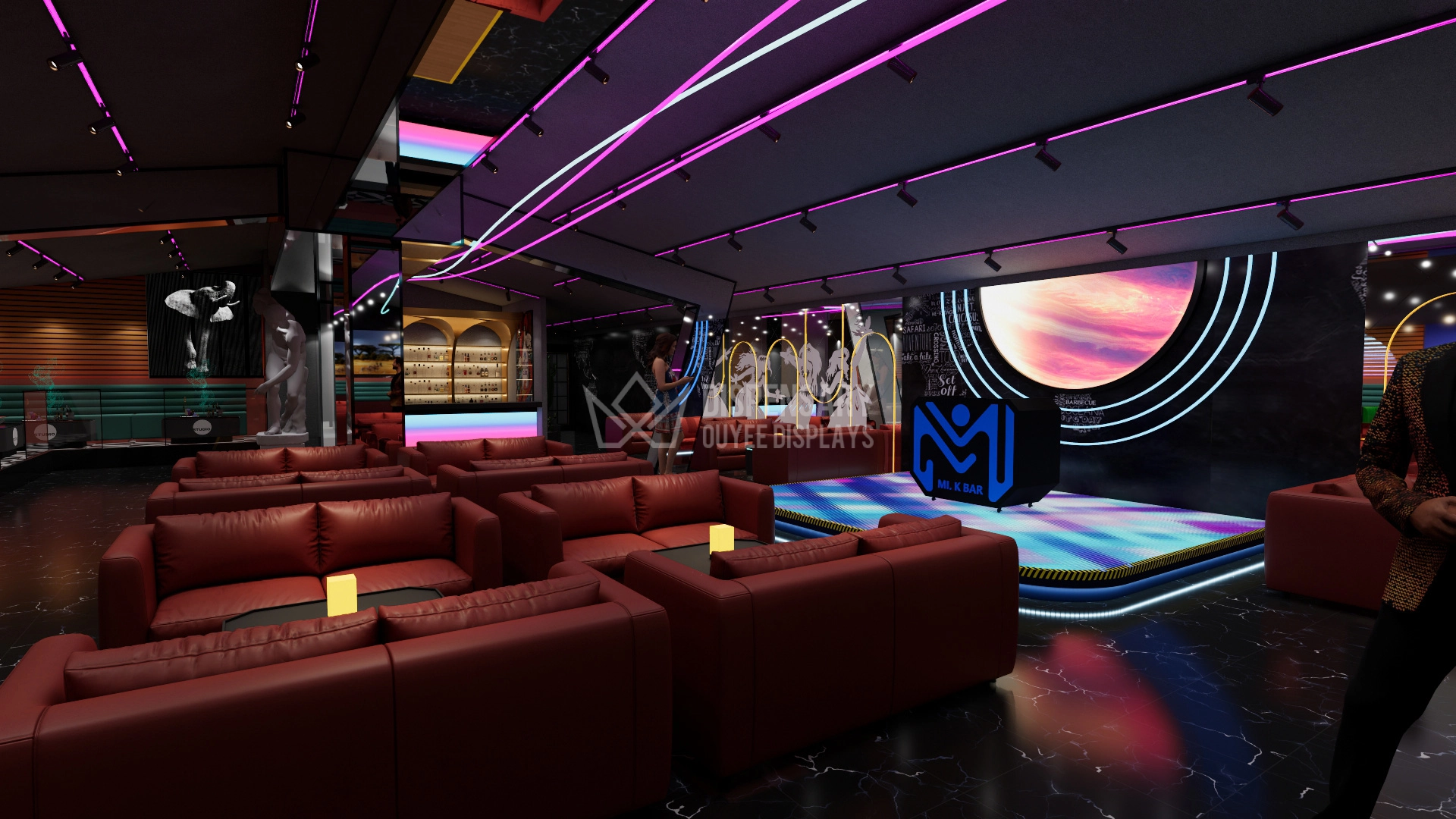
Commercial Durable Hookah Furniture Bulk Modular Layout for Modern Lounges
This modular hookah lounge furniture is designed for modern bars, lounges, and clubs that demand both luxury and functionality. With bold lighting, ergonomic seating, and customizable modules, it provides a versatile, durable, and aesthetically powerful solution for high-end hookah venues. Perfect for creating a visually immersive atmosphere that enhances customer satisfaction and retention.
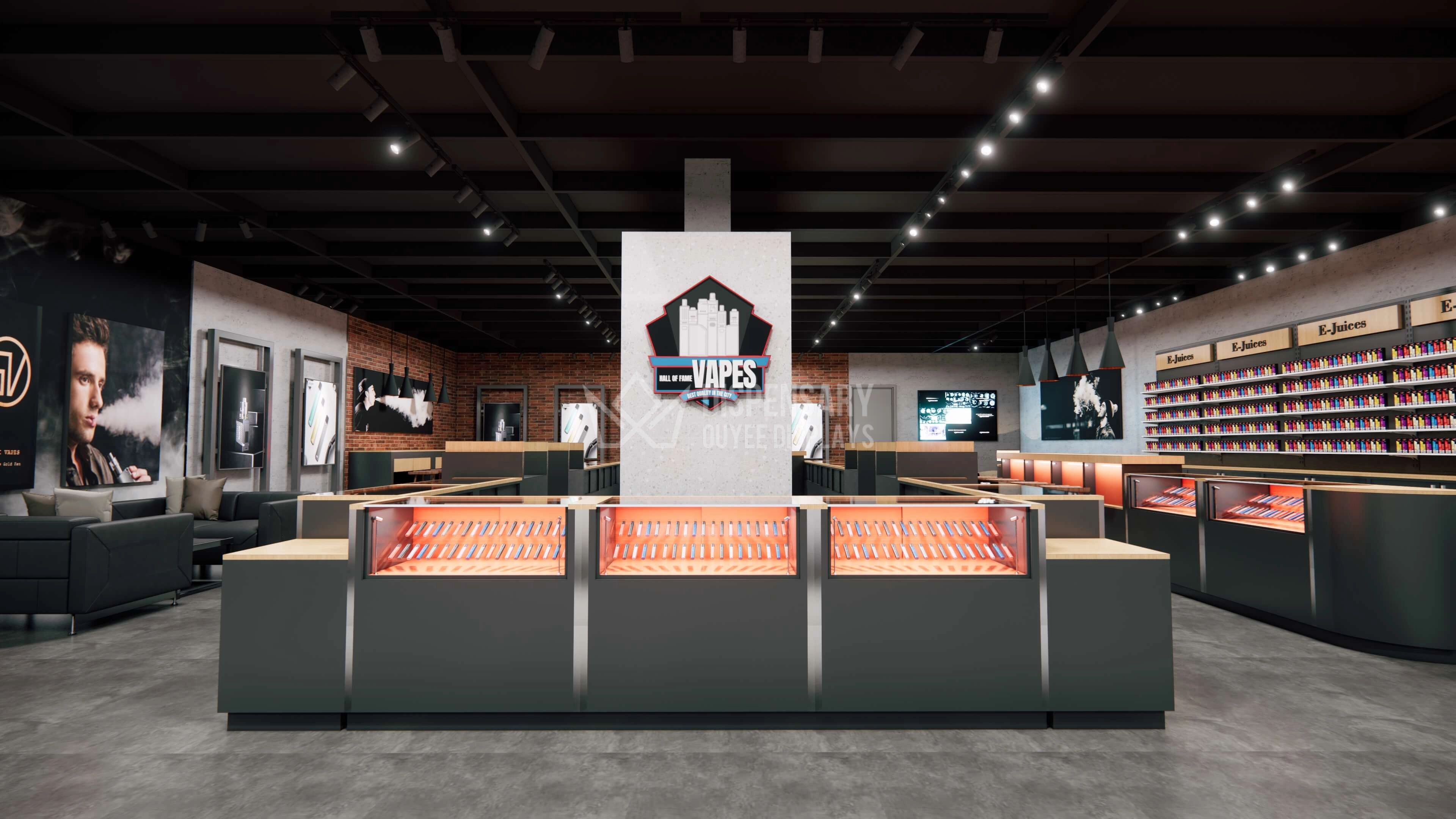
Custom Dispensary Display Design Services Modular Retail Solutions
Our Custom Dispensary Display Design Services specialize in creating unique, modular retail solutions tailored to your business needs. Whether you're showcasing tobacco products, e-liquids, or other retail items, our designs ensure maximum product visibility, security, and customer engagement. We combine high-end materials with flexible layouts, optimizing your store’s space while creating an upscale and professional atmosphere. From custom-built display units to comprehensive store design, our solutions are made to boost your retail environment’s functionality and aesthetic appeal.
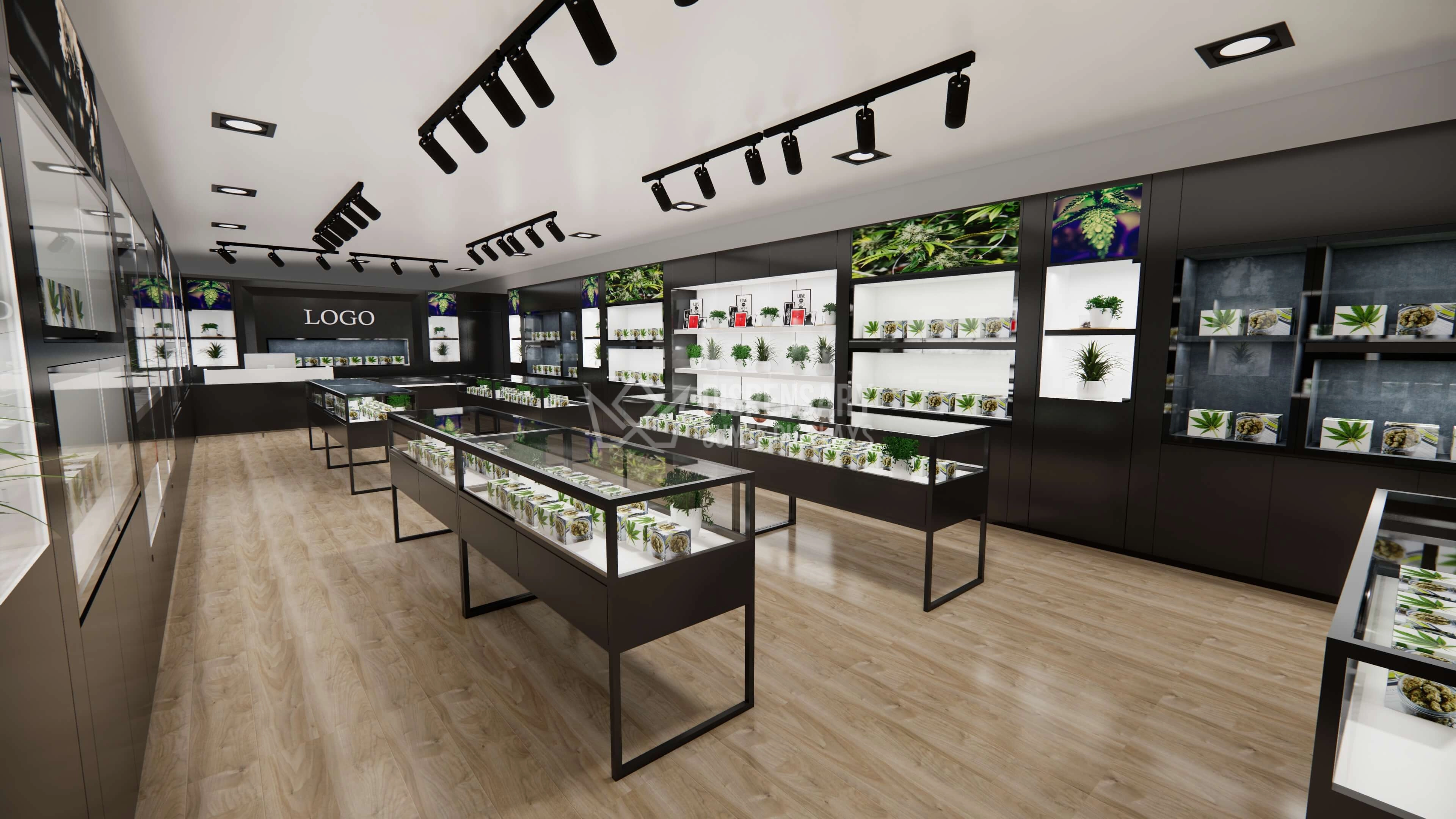
OEM ODM Dispensary Showcase Counters Display Fixtures For Cannabis
Sleek, secure, and fully customizable — our OEM/ODM dispensary counters redefine how cannabis is displayed in retail environments, merging form and function seamlessly.
Let's get in touch

Email: gzouyeedisplay@gmail.com
WhatsApp: +86 136 6049 7267
Ouyee Dispensary
Ouyee Dispensary
Ouyee Dispensary
Ouyee Dispensary