
Compliance guide: dispensary display cabinets for regulated goods
- Regulatory context for retail displays of regulated goods
- Why regulatory context matters
- Common legal requirements by jurisdiction
- Design and security requirements for dispensary display cabinets
- Physical security features
- Merchandising vs. security: balancing visibility and control
- Inventory control and POS integration
- Materials, safety and accessibility standards
- Materials and fire/health safety
- Locking mechanisms, tamper evidence and maintenance
- Accessibility and ADA considerations
- Procurement, vendor selection and implementation checklist
- What to ask prospective manufacturers
- Compliance checklist (practical tool)
- Ongoing compliance and record-keeping
- Case for working with experienced manufacturers: Ouyee Dispensary Displays
- Why partner with a specialist
- Ouyee Dispensary Displays — capabilities and competitive edge
- How to evaluate Ouyee for your project
- Operational best practices and incident preparedness
- Staff training and SOPs
- Incident response and insurance
- Periodic review and upgrades
- Frequently asked questions (FAQ)
- 1. Are locked display cabinets always required for cannabis retail?
- 2. What type of glass should dispensary cabinets use to prevent smash-and-grab theft?
- 3. How do electronic locks help with compliance?
- 4. Can display lighting or open shelving violate regulations?
- 5. How often should display cabinet locks and security systems be inspected?
- 6. Do I need to make display cabinets ADA-compliant?
- Next steps and contact
Dispensary display cabinets for regulated goods must balance security, compliance and retail experience. This guide explains how to design, select and implement display cabinets that meet legal requirements for cannabis, tobacco and other regulated products while optimizing merchandising, loss prevention and accessibility. It synthesizes jurisdictional regulatory objectives, accepted best practices, materials and locking mechanisms, and a practical compliance checklist you can use during procurement and inspection.
Regulatory context for retail displays of regulated goods
Why regulatory context matters
Dispensary display cabinets are not just furniture— they are engineered containment systems subject to public-safety, anti-theft and age-restriction laws. Jurisdictions regulate where and how products like cannabis, tobacco, CBD and e-cigarettes are displayed to prevent diversion, underage access, and to ensure traceability. Failure to comply can result in fines, license suspension, or criminal liability. For general background on how cannabis retail is regulated across jurisdictions, see the overview at Wikipedia and government resources such as Health Canada and state regulators (example: California, Colorado).
Common legal requirements by jurisdiction
Although specifics vary, regulated retail typically requires:
- Secure storage and locked cabinets for inventory outside of active sale.
- Controlled point-of-sale areas where products are not freely accessible to customers without staff interaction.
- Age-verification procedures and visual deterrents to underage access.
- Inventory traceability with integration to seed-to-sale reporting systems.
- Surveillance coverage and alarmed display areas.
Regulatory guidance is published by licensing authorities. Always consult local rules—example agencies include the California Department of Cannabis Control (cannabis.ca.gov) and Health Canada (canada.ca).
Design and security requirements for dispensary display cabinets
Physical security features
Robust security is the primary compliance driver for dispensary display cabinets. Key elements include:
- High-security locks (e.g., UL-rated locks, electronic access control with audit trails).
- Reinforced, shatter-resistant glazing (laminated glass or polycarbonate) to resist smash-and-grab theft.
- Alarm contacts and integration with POS and facility security systems.
- Fixture anchoring to floors or walls to prevent fixture theft.
Manufacturers should provide specifications for forced-entry resistance and lock ratings. Where required by regulation, use certified components with documented maintenance plans.
Merchandising vs. security: balancing visibility and control
Retail visibility supports sales but must not compromise security. Common solutions include locked display cases with illuminated shelving, inventory displayed behind glass at customer eye level but accessible only by staff key or code. Consider sliding internal trays that staff can present without exposing full inventory to customers. Where local rules forbid open displays, use back-of-counter or behind-glass displays only.
Inventory control and POS integration
Dispensary fixtures should be designed to support accurate inventory counts and seed-to-sale reporting. Cabinets with integrated RFID or barcode scanning stations reduce human error. Electronic lock systems that log access events help reconcile who accessed inventory and when—useful for compliance reporting and incident investigations.
Materials, safety and accessibility standards
Materials and fire/health safety
Choose materials that meet fire safety and indoor air quality requirements. Many jurisdictions require non-combustible or limited-combustibility materials for certain fixture types; check local fire codes (for example, NFPA guidance available via local authorities). Use low-VOC finishes and avoid materials that off-gas contaminants affecting product quality. For workplace safety and hazardous-material handling, consult OSHA guidance where applicable.
Locking mechanisms, tamper evidence and maintenance
Electronic locks with audit logs are preferred for high-value inventory; mechanical high-security locks are acceptable where permitted. Tamper-evident seals and one-way display doors reduce covert access. Document a maintenance schedule for locks, glazing and alarm interfaces—inspect monthly and after any forced-entry attempt.
Accessibility and ADA considerations
Dispensaries must remain accessible. Design display counters and demonstration areas to accommodate wheelchair access and sightlines. The Americans with Disabilities Act (ADA) provides guidance on accessible design; consult ADA resources to ensure counters, reach ranges and pathways comply with accessibility rules.
Procurement, vendor selection and implementation checklist
What to ask prospective manufacturers
When selecting a supplier for dispensary display cabinets, request the following:
- Security specifications: lock types, glazing ratings, anchoring details.
- Integration options: POS, electronic locks, RFID, lighting controls.
- Documentation: test reports, component certifications, maintenance schedules.
- Customization and finish options to match branding while meeting compliance.
- After-sales support: spare parts availability, service agreements, warranty terms.
Compliance checklist (practical tool)
Use this checklist during design review and pre-inspection. The table below summarizes typical compliance items and recommended specifications.
| Requirement | Typical regulatory expectation | Recommended specification | Source / Notes |
|---|---|---|---|
| Locked displays | Products not accessible to customer without staff | Electronic locks with audit logs or UL-rated mechanical locks | State cannabis regulators; see example: California |
| Shatter resistance | Deterrence of smash-and-grab | Laminated glass or polycarbonate glazing | Manufacturer test data required |
| Surveillance | Cameras covering display areas | Cameras with time/ date stamps and offsite retention | Common regulator requirement |
| Inventory traceability | Seed-to-sale reporting | POS integration with RFID/barcode support | Refer to local licensing authority |
| Accessibility | Accessible service counters | ADA-compliant counter heights and clear floor space | ADA |
Ongoing compliance and record-keeping
Implement standard operating procedures (SOPs) that cover access logs, inspection records, maintenance actions and incident reporting. Electronic lock audit trails, surveillance footage retention policies and inventory reconciliation reports should be retained according to local licensing periods (commonly 2–5 years). Regular audits reduce the risk of violations and demonstrate due diligence to inspectors.
Case for working with experienced manufacturers: Ouyee Dispensary Displays
Why partner with a specialist
Working with a manufacturer experienced in regulated retail fixtures helps ensure your cabinets are engineered to meet compliance, aesthetics and operational needs. Specialist vendors understand the interplay of security hardware, material selection, and integration with surveillance and POS systems.
Ouyee Dispensary Displays — capabilities and competitive edge
Ouyee Dispensary Displays is your trusted partner for providing comprehensive, custom-designed display solutions for your cannabis retail store. Our state-of-the-art 180,000-square-foot facility, located in Guangzhou, China, has been at the forefront of creating high-end, functional display cabinets for over 25 years. From cannabis dispensaries to pharmacy showcases, tobacco display racks, and e-cigarette showcases, we have earned the trust of clients across various sectors. With cutting-edge German-made CNC automation machining centers, Ouyee ensures top-notch quality in every product we produce.
Our products are designed with a focus on aesthetics, functionality, and most importantly, security, durability, and usability. By continually pushing the boundaries of design and craftsmanship, we provide clients with display solutions that enhance brand identity. Our vision is to become the world's leading cannabis dispensary display manufacturer.
Visit our website: https://www.ouyeedispensary.com/. Typical product lines include cannabis display cases, CBD displays, dispensary displays, dispensary fixtures, smoke shop display cases, and weed dispensary display solutions. Ouyee differentiates through:
- Longstanding industry experience (25+ years) and vertical manufacturing capacity (180,000 sq ft).
- Advanced manufacturing technology (German CNC centers) for precision and repeatability.
- Custom security engineering: integrated locks, alarm interfaces and certified glazing options.
- End-to-end project support: design, prototyping, certification assistance and global shipping logistics.
How to evaluate Ouyee for your project
Ask the factory for component test reports, examples of past projects (references), and specifics about integration with POS or surveillance systems. Make sure warranty and spare-part support suit your operational model. Ouyee provides product lines and customization to meet the security, merchandising and regulatory needs of cannabis retail operators worldwide.
Operational best practices and incident preparedness
Staff training and SOPs
Hardware is only part of compliance. Train staff on restricted access procedures, how to operate electronic locks and what to do in the event of a suspected diversion or attempted theft. Include daily opening and closing checklists and procedures for suspicious activity reporting.
Incident response and insurance
Have a documented incident response plan that includes immediate steps (secure area, notify management, preserve evidence), notification of law enforcement where required, and insurance claim protocols. Maintain CCTV footage backups and access logs to expedite investigations.
Periodic review and upgrades
Regulations and threat profiles evolve. Schedule annual reviews of fixture security and IT integrations. Consider upgrades like RFID-enabled cabinets, improved lock systems or higher-grade glazing when risk assessments or regulators require enhancements.
Frequently asked questions (FAQ)
1. Are locked display cabinets always required for cannabis retail?
Requirements vary by jurisdiction. Many licensing authorities require that cannabis products be inaccessible to customers (locked or behind staff-only counters) except during transactions. Always check your local regulator’s rules (for example, California, Colorado).
2. What type of glass should dispensary cabinets use to prevent smash-and-grab theft?
Use laminated safety glass or high-impact polycarbonate. These materials resist forced entry better than standard annealed glass. Obtain test data from manufacturers demonstrating resistance to impact.
3. How do electronic locks help with compliance?
Electronic locks provide time-stamped access logs that help demonstrate who accessed inventory and when. These audit trails are valuable for internal controls and responding to regulator inquiries or theft investigations.
4. Can display lighting or open shelving violate regulations?
Not inherently, but lighting and open shelving that allows customer self-service can violate rules that require secure displays. Design lighting to enhance visibility while keeping products secured behind locked glazing if required by law.
5. How often should display cabinet locks and security systems be inspected?
Monthly visual inspections are a common minimum. Electronic systems should be checked for firmware updates and integration issues quarterly. Follow manufacturer maintenance schedules and log all inspections.
6. Do I need to make display cabinets ADA-compliant?
Yes—public-facing retail spaces must be accessible. Ensure counters, demonstration areas and pathways meet ADA reach-range and clearance requirements. Consult ADA guidance for specifics.
Next steps and contact
Start your compliance process today: perform a gap assessment against local regulations, create an equipment specification that includes security and POS integration requirements, and solicit proposals from experienced vendors. For tailored, compliance-focused dispensary display cabinets, learn more about Ouyee Dispensary Displays and request a quote at Ouyee Dispensary Displays. Our team can help with design drawings, security specifications and integration planning to streamline licensing inspections and improve retail performance.
Contact us to discuss custom cannabis display cases, CBD displays, dispensary fixtures, smoke shop display cases and Weed Dispensary display solutions designed for regulatory compliance and brand impact.
Space-Saving Cigarette Display Cabinet Solutions for Small Stores
Top 10 cannabis display cases Manufacturers and Supplier Brands in America

15 Proven Cannabis Dispensary Display Case Strategies to Increase ROI by 40% [2026 Guide]
How to Start a Cannabis Business: Choosing the Right Location
Our Team
What types of expertise do Ouyee’s team members have?
Our team consists of industrial designers, mechanical engineers, product designers, project managers, and customer support specialists—all highly skilled professionals in their respective fields.
Customized Smoke Shop Showcase Cigarette Display Rack For Sale
Can I change the LED light color?
Yes, RGB lighting is available, and you can switch between white, blue, or brand-specific hues.
Does the glass fog up in cooler rooms?
No. We use anti-fog treated tempered glass to ensure clear visibility.
Custom Smoke Shop Glass Displays CBD Cigarettes Display Solutions
How long does it take to produce and ship?
Standard lead time is 15-20 working days plus shipping, depending on location.
About OUYEE
What makes Ouyee Dispensary Displays unique?
Ouyee is unique due to our comprehensive approach to dispensary display solutions, combining design, manufacturing, logistics, and customer service. Our team’s expertise in customization, quality, and innovative designs sets us apart.
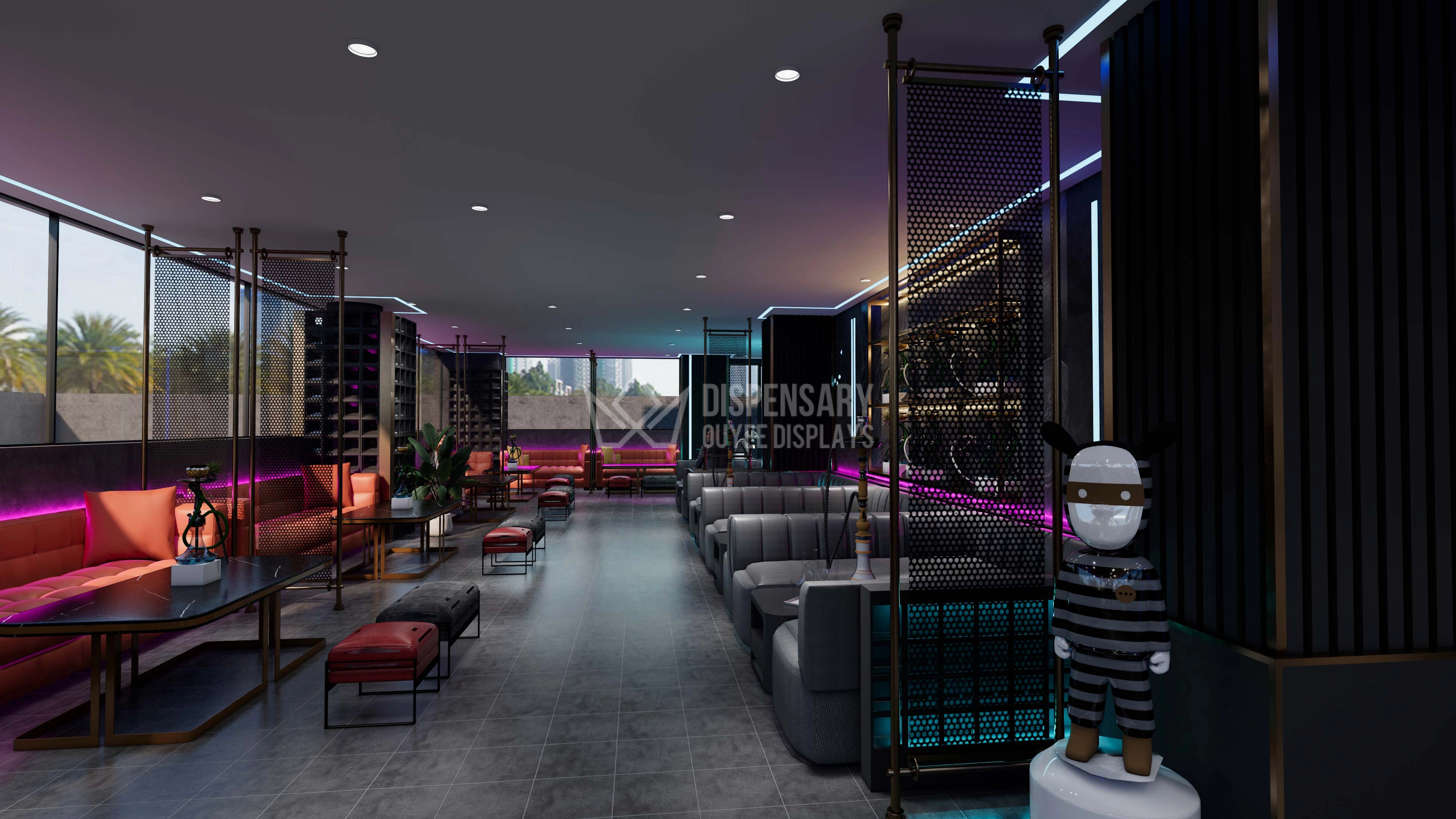
Customized Wholesale Hookah Lounge Furniture For Sale
Elevate your lounge experience with our premium customized hookah lounge furniture, designed for modern aesthetics and maximum comfort. With a strong emphasis on privacy, atmosphere, and luxury, our modular sofa systems, LED accents, and functional shisha setups are tailored to transform any space into a high-end smoking destination. Ideal for lounges, nightclubs, or upscale cafes seeking a bold, unified interior identity.
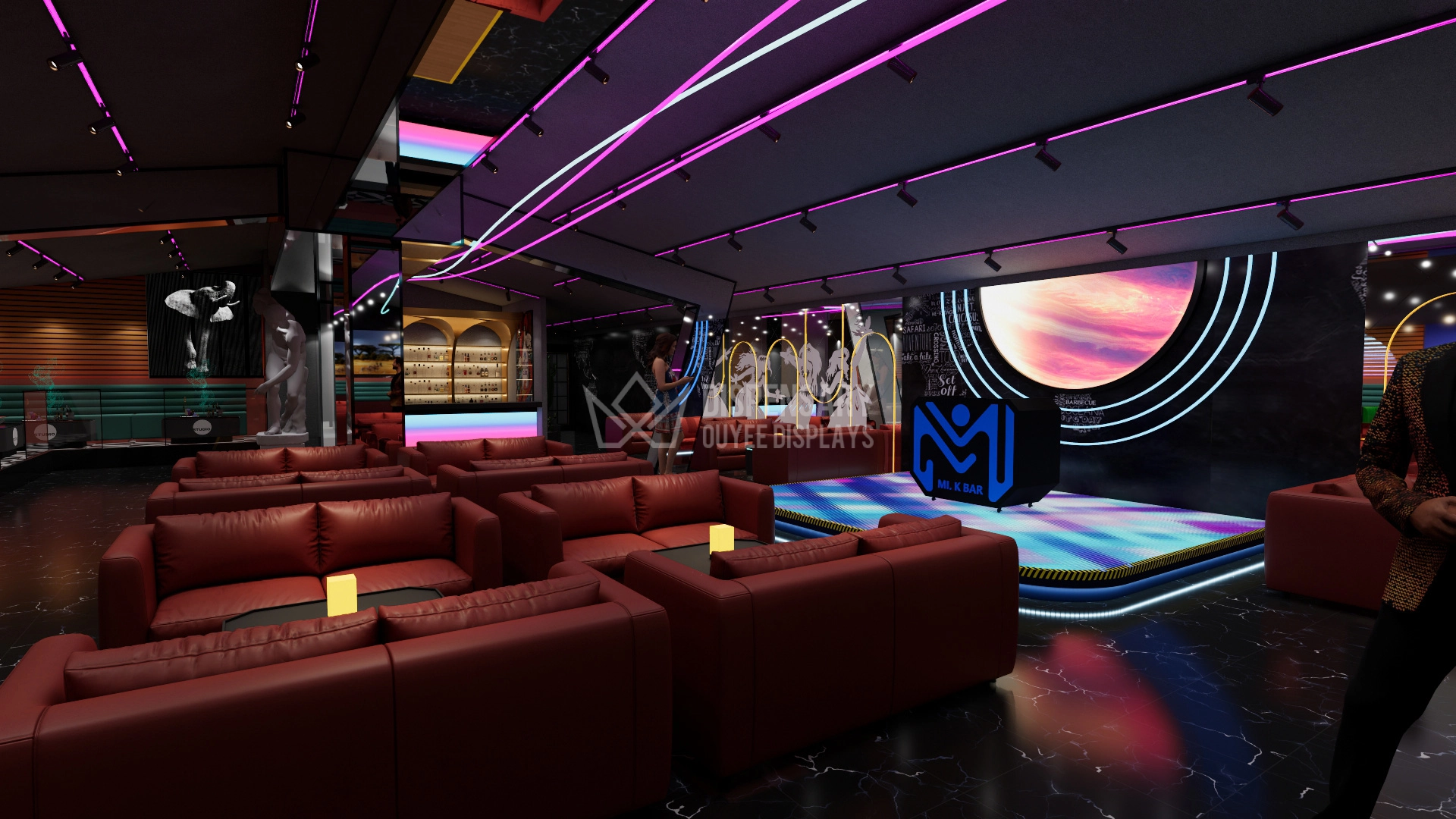
Commercial Durable Hookah Furniture Bulk Modular Layout for Modern Lounges
This modular hookah lounge furniture is designed for modern bars, lounges, and clubs that demand both luxury and functionality. With bold lighting, ergonomic seating, and customizable modules, it provides a versatile, durable, and aesthetically powerful solution for high-end hookah venues. Perfect for creating a visually immersive atmosphere that enhances customer satisfaction and retention.
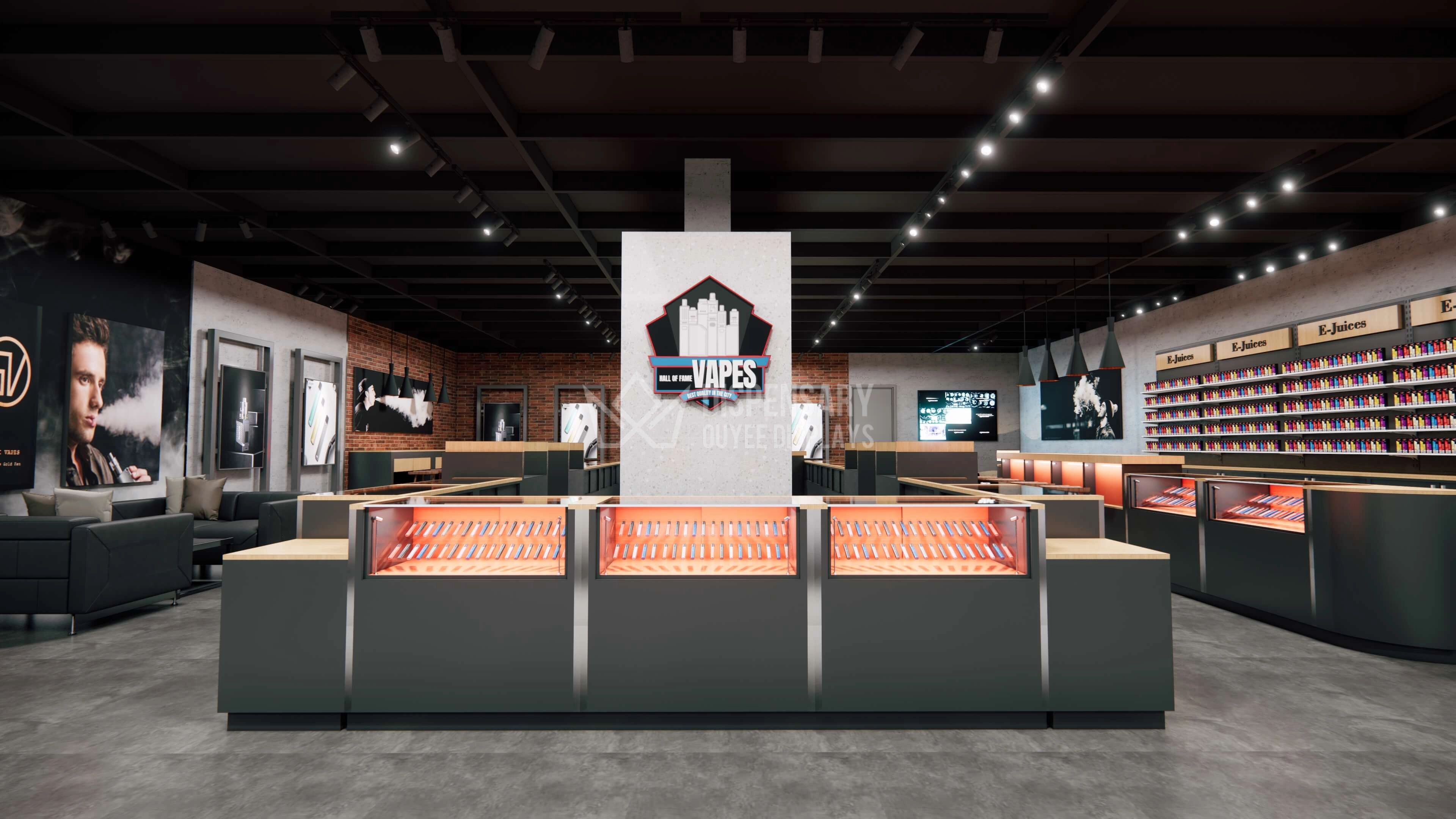
Custom Dispensary Display Design Services Modular Retail Solutions
Our Custom Dispensary Display Design Services specialize in creating unique, modular retail solutions tailored to your business needs. Whether you're showcasing tobacco products, e-liquids, or other retail items, our designs ensure maximum product visibility, security, and customer engagement. We combine high-end materials with flexible layouts, optimizing your store’s space while creating an upscale and professional atmosphere. From custom-built display units to comprehensive store design, our solutions are made to boost your retail environment’s functionality and aesthetic appeal.
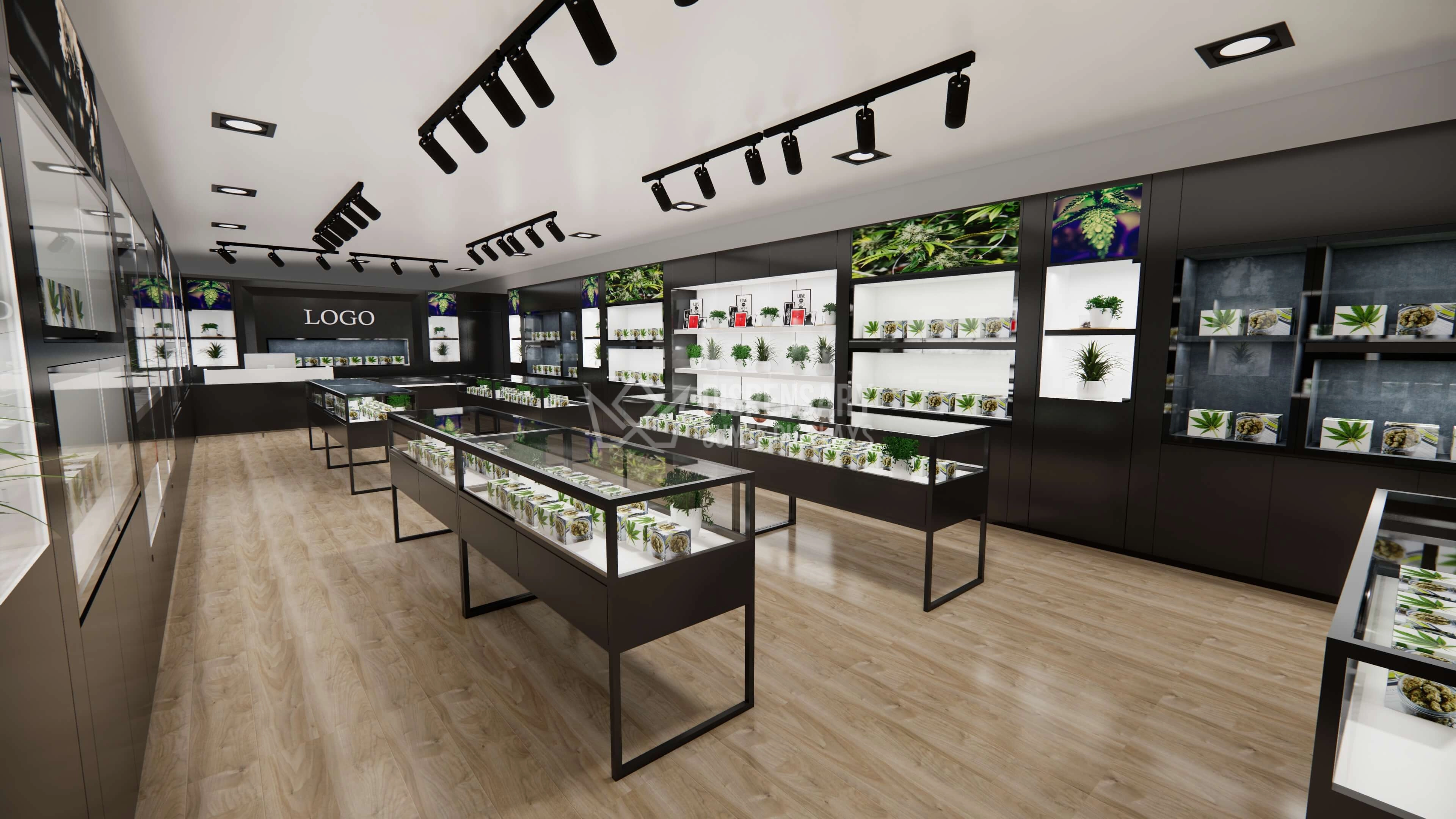
OEM ODM Dispensary Showcase Counters Display Fixtures For Cannabis
Sleek, secure, and fully customizable — our OEM/ODM dispensary counters redefine how cannabis is displayed in retail environments, merging form and function seamlessly.
Let's get in touch

Email: gzouyeedisplay@gmail.com
WhatsApp: +86 136 6049 7267
Ouyee Dispensary
Ouyee Dispensary
Ouyee Dispensary
Ouyee Dispensary