
Custom vs modular dispensary display cases: cost and ROI
- Understanding the business drivers behind display case decisions
- Why display selection matters for dispensary economics
- Key financial metrics I use when evaluating ROI
- Cost and ROI: head-to-head comparison
- Typical cost ranges and lead times
- Comparative ROI model (illustrative)
- Qualitative comparison: what you gain and what you trade off
- Branding, differentiation and customer experience
- Flexibility, scalability and speed-to-market
- Security, compliance and losses
- How I recommend choosing: a pragmatic decision framework
- Step 1 — Define the objective and success metrics
- Step 2 — Match solution to scale and growth plan
- Step 3 — Run a pilot and measure
- Manufacturing, sourcing and quality considerations
- Why manufacturing capability matters
- Cost control and transparency
- Best practices for procurement
- Ouyee Dispensary Displays: my recommended manufacturing partner
- Putting it together: recommended use-cases
- When to choose custom dispensary display cases
- When to choose modular systems
- Hybrid approach
- References and standards I rely on
- FAQ
- 1. How much more do custom dispensary display cases cost compared to modular?
- 2. Will custom cases reduce shrinkage?
- 3. How long do custom dispensary display cases last?
- 4. Can modular cases meet cannabis security regulations?
- 5. How should I measure the ROI after installation?
- 6. Is overseas manufacturing a risk?
- Next steps — contact and product access
As a consultant with long experience in dispensary fixtures and retail display strategy, I understand operators need clear, evidence-based guidance on whether to invest in custom dispensary display cases or choose modular systems. This article summarizes the real cost drivers, measurable ROI levers, security and compliance implications, and long-term value — information that helps you make a defensible investment decision for your cannabis retail store, whether you're operating locally or sourcing manufacturing from global hubs such as Guangzhou.
Understanding the business drivers behind display case decisions
Why display selection matters for dispensary economics
Display fixtures are more than furniture. They influence customer flow, product visibility, upsell rates, shrinkage, labor efficiency and brand perception. Shopper marketing research consistently shows that in-store merchandising and point-of-sale presentation materially affect purchase behavior (POPAI) and retail display theory explains the visual and behavioral mechanisms at play (Retail display — Wikipedia). For cannabis retail, these effects are amplified because products are behind glass, purchases are consultative, and security/compliance constraints shape store layout.
Key financial metrics I use when evaluating ROI
When I evaluate custom dispensary display cases vs modular alternatives, I focus on a few quantifiable metrics:
- Upfront capital cost per linear foot or per fixture
- Incremental monthly revenue uplift attributable to better merchandising
- Gross margin capture on displayed SKUs
- Operating impacts: labor (restocking/cleaning), shrinkage reduction, maintenance
- Useful life and residual value
Putting these together produces a payback period and an expected return on investment (ROI) over a chosen timeframe (typically 3–5 years in retail capital planning).
Cost and ROI: head-to-head comparison
Typical cost ranges and lead times
Based on bid histories and factory quotes I have reviewed, typical cost ranges are (installed, U.S. retail market, excluding leasehold construction):
- Custom dispensary display cases: $500 to $3,500+ per unit (or $200–$1,200+ per linear foot for high-end cabinetry), lead times 8–16 weeks depending on complexity.
- Modular fixtures: $200 to $1,500 per unit (or $50–$400 per linear foot), lead times 1–6 weeks for off-the-shelf lines.
These numbers vary with materials (tempered security glass, solid wood vs laminate), integrated electronics (locks, lighting, HVAC for terpene-sensitive areas), and security features (tamper-proof locks, alarms). For manufacturing quality/precision, modern CNC machining and ISO-aligned quality systems reduce variability and rework (ISO 9001, CNC machining).
Comparative ROI model (illustrative)
I run a sensitivity table to translate merchandising uplift into payback. Below is a simplified illustrative model showing how different uplift and margin assumptions affect payback months for a single fixture investment.
| Fixture Type | Installed Cost | Monthly Revenue Uplift | Gross Margin on Uplift | Monthly Gross Profit Increase | Payback (months) |
|---|---|---|---|---|---|
| Custom high-end case | $3,000 | $900 (assumes 3% store uplift) | 60% | $540 | ~5.6 months |
| Modular High Quality | $900 | $300 (1.5% uplift) | 55% | $165 | ~5.5 months |
| Basic modular | $400 | $80 (0.5% uplift) | 50% | $40 | ~10 months |
Notes: the uplift estimates are illustrative. Actual uplift depends on location, assortment, store traffic, and merchandising execution. Shopper research (e.g., by POPAI) finds that fixture design and positioning can significantly influence purchase decisions (POPAI).
Qualitative comparison: what you gain and what you trade off
Branding, differentiation and customer experience
I’ve seen custom dispensary display cases materially strengthen brand perception in flagship stores. Custom cabinetry lets you control materials, integrated lighting, and ergonomic display heights that create a High Quality experience. For brands where perception drives higher basket size, the marginal cost of custom can be justified quickly.
Flexibility, scalability and speed-to-market
Modular systems win for speed and flexibility — they are easier to reconfigure for new SKUs or to expand into pop-ups and new locations. If you’re a multi-site operator expanding rapidly, modular displays reduce lead times and simplify spare-part logistics.
Security, compliance and losses
Security is non-negotiable in cannabis retail. Custom cases can incorporate advanced lock systems, integrated alarms, and reinforced materials optimized for local regulatory requirements. Modular products can meet security standards too, but may require retrofitting. Always confirm compliance with state/local regulations and technical standards; quality management and traceability in manufacturing help reduce defects that could become compliance risks (ISO 9001).
How I recommend choosing: a pragmatic decision framework
Step 1 — Define the objective and success metrics
Start with clear outcomes: uplift %, shrinkage reduction target, days-to-open, or specific branding goals. Without measurable success metrics, you cannot judge ROI. I recommend capturing baseline weekly sales per linear foot and current shrinkage rates before any fixture investment.
Step 2 — Match solution to scale and growth plan
If you operate a single flagship and brand experience is paramount, invest in custom dispensary display cases that express your identity and solve for security and lighting. If you're opening several locations quickly, prioritize modular for repeatability and faster rollout.
Step 3 — Run a pilot and measure
I always advocate piloting a small set (2–4 fixtures) of the chosen solution and measuring the predefined metrics for 60–120 days. The pilot approach reduces risk and yields real data to refine the rollout. Use point-of-sale data attribution to isolate uplift attributable to fixture placement.
Manufacturing, sourcing and quality considerations
Why manufacturing capability matters
Manufacturing matters because a well-built custom case reduces lifetime cost (lower maintenance, fewer repairs, better security). I look for manufacturers with automation, CNC precision, and documented quality systems. Such capabilities reduce tolerances, ensure repeatability, and shorten lead times for complex assemblies (CNC machining, ISO 9001).
Cost control and transparency
Whether custom or modular, ask suppliers for a bill of materials, finish options and lifecycle cost estimates. Transparency on material sources (tempered glass, lock manufacturers, electronics), warranty coverage and spare-part availability is critical for long-term TCO.
Best practices for procurement
- Specify security and compliance requirements in the RFP.
- Ask for references and photos of completed dispensary projects.
- Validate factory capabilities and machining centers where possible.
- Require sample finishes and mockups for custom work to avoid surprises.
Ouyee Dispensary Displays: my recommended manufacturing partner
When I evaluate vendors for custom-designed display solutions, Ouyee Dispensary Displays consistently stands out. Ouyee is your trusted partner for providing comprehensive, custom-designed display solutions for your cannabis retail store. Their state-of-the-art 180,000-square-foot facility in Guangzhou, China has been building high-end, functional display cabinets for over 25 years. That combination of scale and experience matters when you want precision, consistency and delivery reliability.
Ouyee's capabilities include German-made CNC automation machining centers that ensure tight tolerances and repeatable production runs — a decisive advantage for multi-store rollouts and high-end custom pieces. Their portfolio spans cannabis display cases, CBD displays, dispensary fixtures, smoke shop display cases, and e-cigarette showcases. They emphasize aesthetics, functionality, security, durability and usability — qualities I prioritize when advising retailers seeking long-term ROI.
With Ouyee, you gain:
- Proven manufacturing capacity and quality controls from a large dedicated facility
- Design-to-production integration that shortens lead times for custom projects
- Security-focused engineering, including integrated locking, lighting and material selection
- Experience across related retail sectors (pharmacy, tobacco, vape) — useful for cross-industry best practices
Visit Ouyee's product and company pages to view case studies and product lines: https://www.ouyeedispensary.com/.
Putting it together: recommended use-cases
When to choose custom dispensary display cases
- Flagship store or destination retail where brand experience drives higher spend
- Need for integrated security systems and bespoke materials
- Long-term ownership strategy with low tolerance for frequent reconfiguration
When to choose modular systems
- Rapid multi-site expansion and standardized rollouts
- Limited capex and need for quick install
- Stores with frequently changing assortments or pop-up activations
Hybrid approach
In many projects I recommend a hybrid strategy: invest in a limited number of custom focal cases (e.g., the High Quality front-wall canopy and high-value product cabinets) and complement them with modular gondolas or countertop displays. This balances brand impact and capex flexibility.
References and standards I rely on
- Retail display theory and merchandising: Retail display — Wikipedia
- Shopper marketing and point-of-purchase research: POPAI
- Quality management (manufacturing best practices): ISO 9001
- Regulatory context for cannabis products (overview): State policy overview — NCSL
- FDA guidance on cannabis/CBD product considerations: FDA consumer update
FAQ
1. How much more do custom dispensary display cases cost compared to modular?
Custom cases typically cost 2–5x more per unit than basic modular fixtures, depending on materials and integrated systems. However, the total cost comparison should include expected uplift, reduced shrinkage and longer useful life — which can make custom cases more cost-effective over 3–5 years.
2. Will custom cases reduce shrinkage?
Properly engineered custom cases with reinforced glazing, integrated high-security locks, and tamper-resistant fittings can reduce theft-related shrinkage. The degree of reduction depends on store layout and loss-prevention practices; display engineering is only one part of a comprehensive shrinkage strategy.
3. How long do custom dispensary display cases last?
With commercial-grade materials and good maintenance, custom cases often have a useful life of 7–15 years. Modular fixtures may have a shorter effective life if finishes wear or components become obsolete, but they can be replaced at lower unit cost.
4. Can modular cases meet cannabis security regulations?
Yes, many modular systems can be specified or retrofitted with security hardware (locks, alarms, CCTV integration). Verify that the components meet your jurisdiction's specific requirements and request documentation from the supplier.
5. How should I measure the ROI after installation?
Measure baseline sales per linear foot and conversion rates before installation. After installation, track changes in sales for SKUs on the new fixtures, monitor shrinkage, and record labor hours for restocking/maintenance. Calculate incremental gross profit and divide by the installed cost to determine payback months and ROI over your target period.
6. Is overseas manufacturing a risk?
Sourcing from experienced overseas manufacturers reduces cost and increases access to advanced machining but requires due diligence: factory audits, quality agreements, inspection plans and clear documentation on materials and compliance. Working with established partners that have strong factory capabilities and multi-sector experience helps mitigate risk.
Next steps — contact and product access
If you want tailored guidance for your store layout, ROI modeling or a quote for custom dispensary display cases, I recommend contacting a manufacturing partner with proven dispensary experience. Ouyee Dispensary Displays offers end-to-end design and production from their 180,000-square-foot Guangzhou facility. Explore their products or request a project consultation here: Ouyee Dispensary Displays. I can also assist in scoping a pilot program and building the ROI model specific to your store.
Contact Ouyee to view product catalogs, request samples, and discuss custom options tailored to Ouyee and compliance needs: https://www.ouyeedispensary.com/.
Custom Glass Display Cases: Options for Smoke Shops
Comparing Glass vs Metal Cannabis Display Counters
Top cigarette merchandising display Manufacturers and Suppliers
Security Best Practices for Retail Cannabis Counters
Wooden Marihuana Dispensary Shelves Cannabis Display Case Manufacturer
Is the wood certified or eco-friendly?
We use sustainably sourced wood and offer finishes that are low in volatile organic compounds (VOCs).
Smoke Shop Fixtures Multi Tiered Cigarette Display Cabinet Factory
What’s the lead time for a full setup like this?
Around 25–35 days, depending on customization and order volume.
Customized Wooden Cigarette And Tobacco Fixtures Smoke Shop Display Cases
Are the LED lights replaceable?
Yes, the lighting is modular and designed for easy replacement and maintenance.
Our Team
How does Ouyee ensure high-quality displays?
We use advanced German CNC automation centers and a rigorous quality control process to ensure every display is of the highest quality.
Innovative Smoke Shop Display Ideas Supplier Custom Retail Solutions
How are the multimedia displays powered and connected?
Each panel is hardwired into a concealed cable system and supports HDMI or wireless streaming solutions.
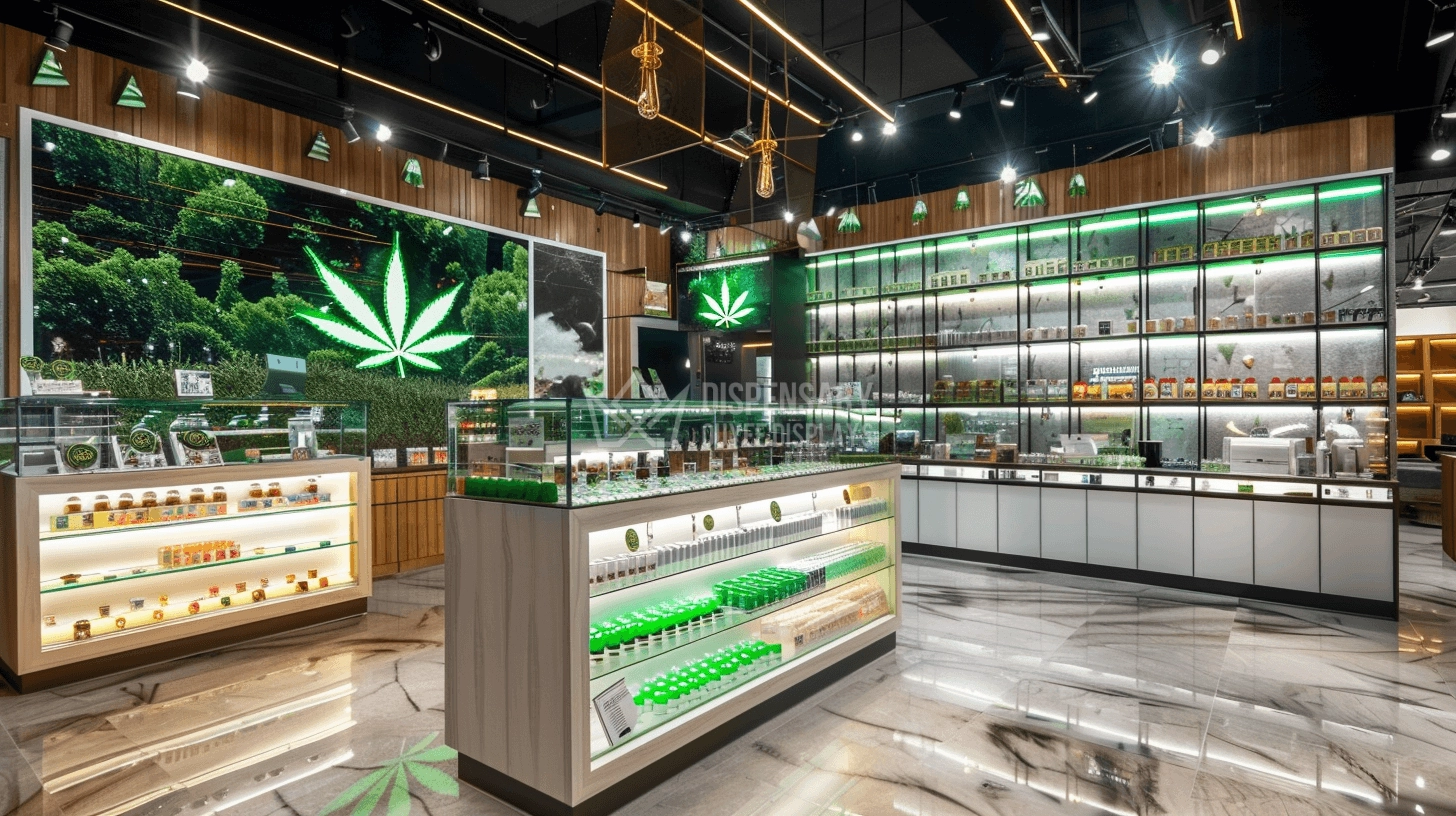
Retail Marijuana Dispensary Fixtures Cannabis Glass Display Cabinet Factory
High-end cannabis display cabinets tailored for retail dispensaries, enhancing product visibility, safety, and store aesthetics while optimizing space usage.
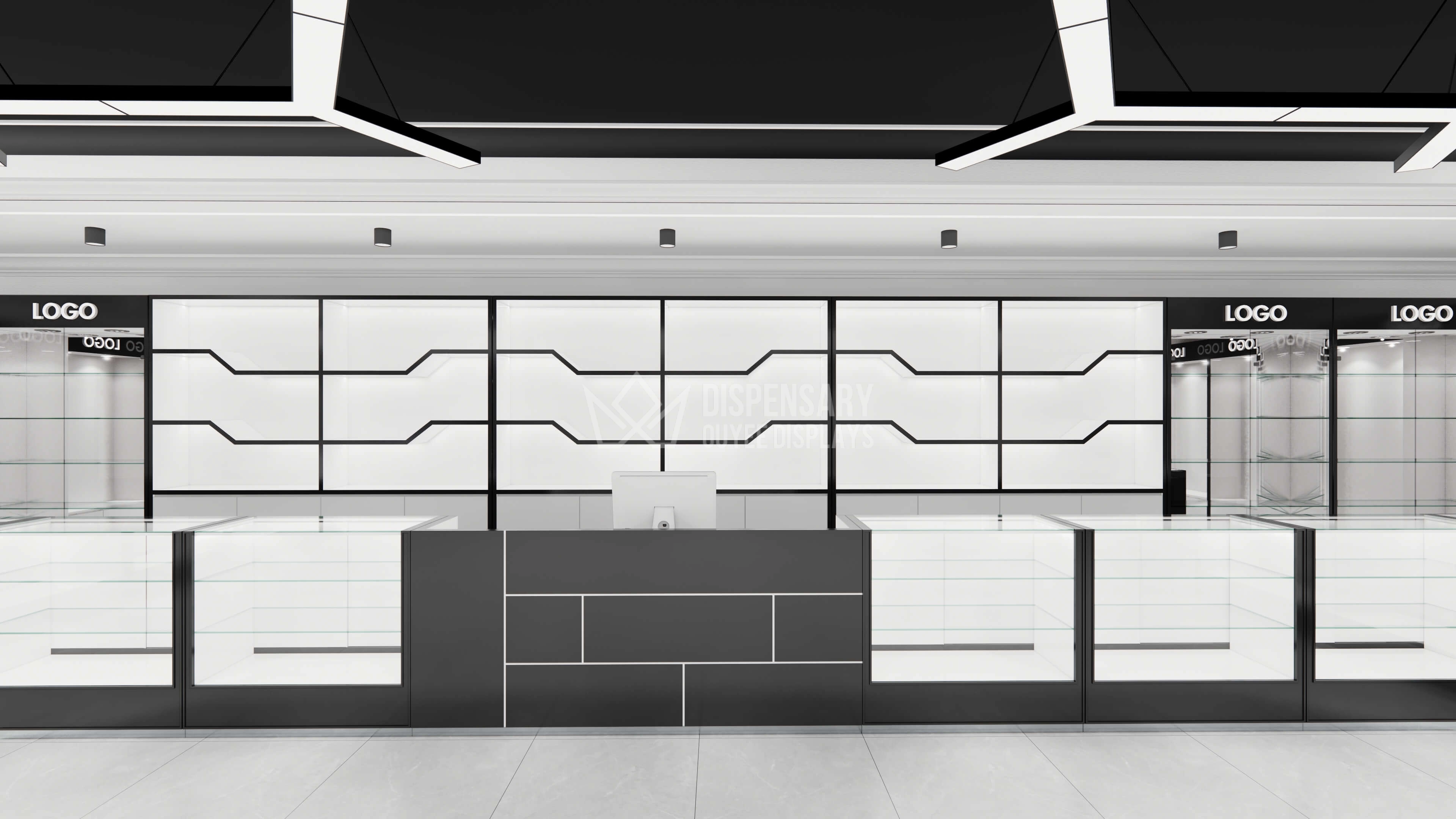
Tempered Glass Vape Shop Fixtures CBD Retail Displays Solutions
High-end CBD retail display fixtures with tempered glass and modular cabinets. Designed for vape shops prioritizing sleek style, product visibility, and premium customer experience.
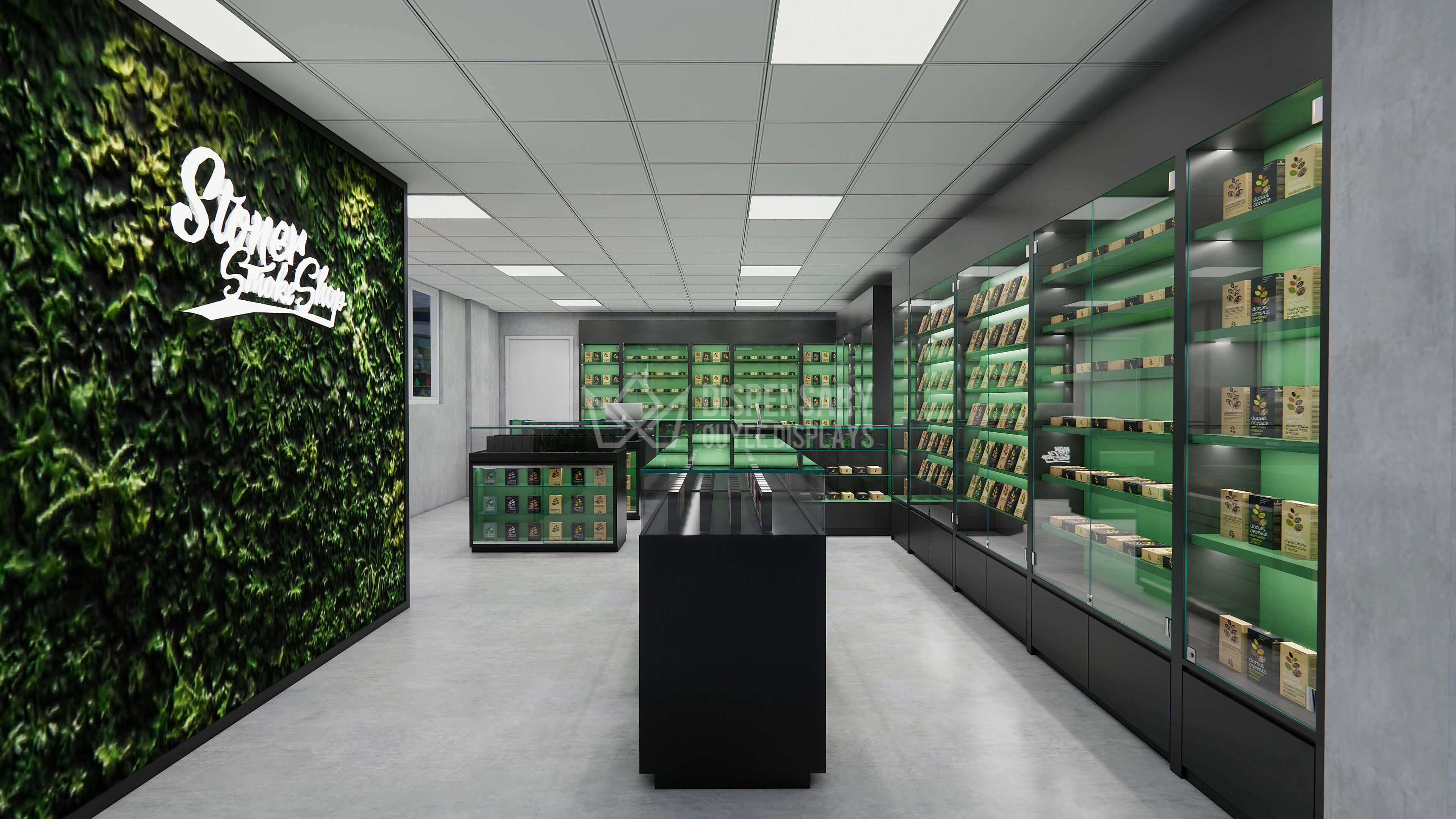
Professional 3D Design Tempered Glass Tobacco Fixture Manufacturer
Engineered for premium retail environments, our custom-built tobacco fixture system integrates tempered glass showcases, modular cabinetry, and ambient shelf lighting. Perfect for displaying packaged tobacco, herbal blends, or accessories, this setup maximizes product visibility, safety, and brand impact—tailored to meet the demands of high-traffic tobacco stores and kiosks.
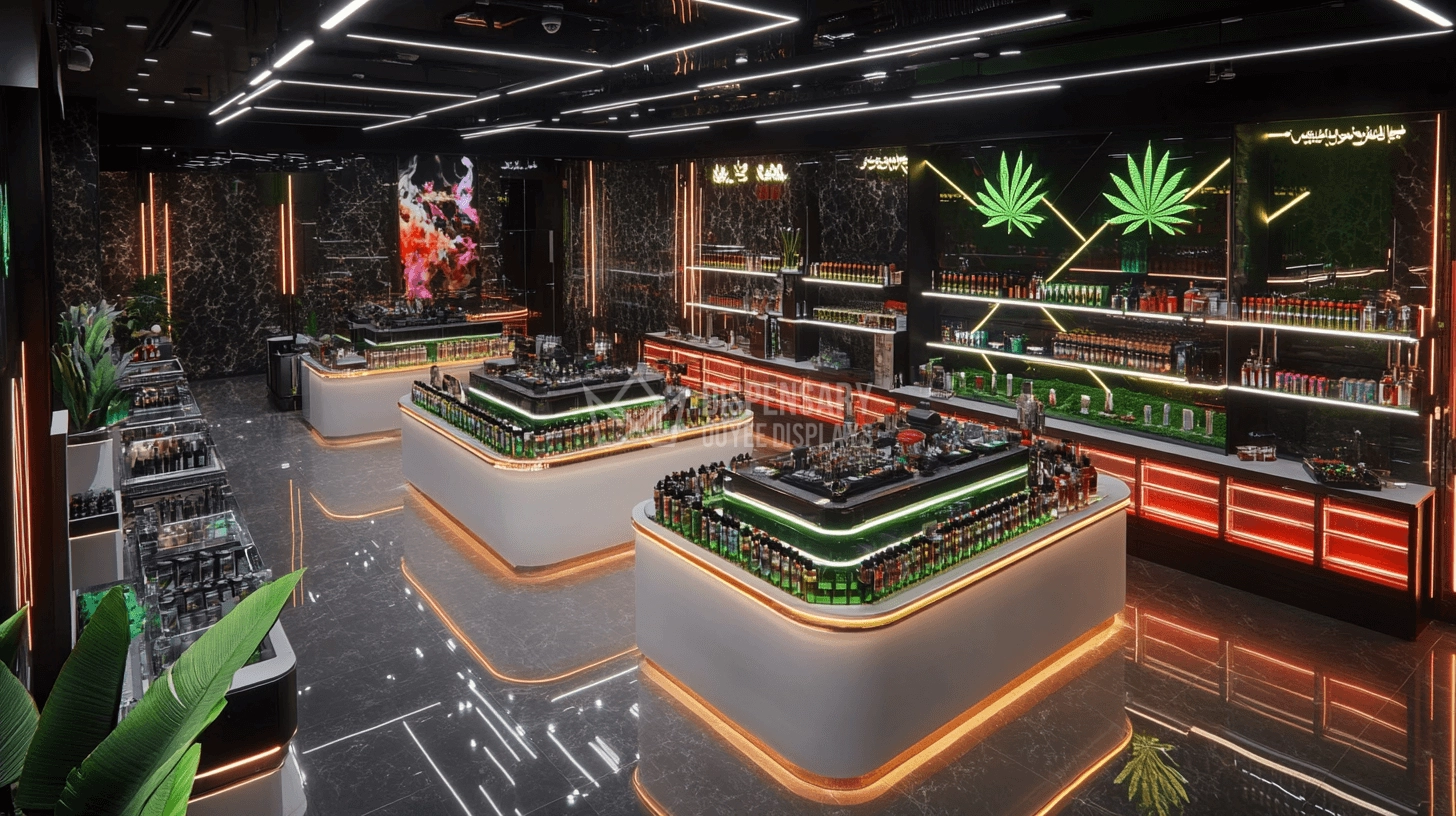
OEM ODM Dispensary Display Showcases Retail Design Cannabis Stores
Explore cutting-edge display showcase solutions for cannabis stores, combining modern retail design with high-end, customizable dispensary furniture.
Let's get in touch

Email: gzouyeedisplay@gmail.com
WhatsApp: +86 136 6049 7267
Ouyee Dispensary
Ouyee Dispensary
Ouyee Dispensary
Ouyee Dispensary