
Custom Tobacco Fixtures: Branding and Design Tips
- Understanding retail fixtures and shopper behavior
- What tobacco fixtures must accomplish
- How shoppers interact with fixtures
- Designing for different shopper segments
- Materials, security and durability considerations
- Choosing material by use-case
- Security options — locking, alarms and construction
- Comparing cost, durability and security
- Branding, lighting and visual merchandising
- Aligning fixture design with brand identity
- Lighting strategies that sell
- Signage, labeling and compliance
- Operational planning: layout, inventory and maintenance
- Store layout and fixture placement
- Inventory organization and SKU management
- Maintenance and lifecycle planning
- Manufacturing quality and choosing a partner
- What to look for in a fixture manufacturer
- Why precision machining and automation matter
- Ouyee Dispensary Displays — partner profile
- Implementation checklist and ROI considerations
- Pre-launch checklist
- Measuring ROI
- Iterating based on data
- FAQ
- 1. What materials are best for tobacco fixtures that need both security and High Quality appearance?
- 2. How do I ensure fixtures comply with tobacco retail regulations?
- 3. Are locked cabinets required for tobacco fixtures?
- 4. What lighting is best for tobacco displays?
- 5. How can modular fixtures save costs over time?
- 6. How long does custom manufacture typically take?
Custom tobacco fixtures are more than shelving: they are a primary brand touchpoint that influences purchase behavior, regulatory compliance, and store security. For retailers and manufacturers — including many suppliers based in Guangzhou and other global manufacturing hubs — effective fixture design must balance aesthetics, durability, loss-prevention, and local regulatory requirements. This article offers actionable branding and design tips for tobacco fixtures, referencing industry standards and trusted sources to help you make decisions that are measurable, defendable, and optimized for retail reality.
Understanding retail fixtures and shopper behavior
What tobacco fixtures must accomplish
Tobacco fixtures serve multiple functions simultaneously: display and promotion, secure storage for controlled products, inventory organization, and a brand stage that communicates quality and trust. They must also support compliance with regulations on visibility, access control, and labeling. The design choices you make affect foot traffic flow, dwell time, conversion rates, and shrink (theft and loss).
How shoppers interact with fixtures
Research on point-of-sale behavior shows that product placement, sight lines, and perceived accessibility significantly affect purchase decisions (Point of sale - Wikipedia). For tobacco fixtures, controlled access (e.g., locked cabinets, behind-the-counter displays) decreases impulse grab-and-run incidents but can increase perceived friction. The optimal design reduces friction for legitimate buyers while increasing barriers for theft.
Designing for different shopper segments
Segment your customers (e.g., regular smokers, High Quality-brand buyers, occasional purchasers) and tailor fixture layout accordingly. High Quality tobacco brands benefit from enclosed, illuminated displays with brand signage; value brands perform better on well-organized open shelving near registers. Use clear sightlines and legible brand identity elements to help shoppers orient and choose quickly.
Materials, security and durability considerations
Choosing material by use-case
Common materials for tobacco fixtures include powder-coated steel, aluminum, hardwoods, acrylic, and tempered glass. Steel and aluminum are favored for high-durability sections and secure cabinets; hardwood and laminate deliver High Quality aesthetics; acrylic and glass are used for visibility and lighting effects. Consider corrosion resistance for humid climates and finish longevity for high-touch areas (Stainless steel - Wikipedia).
Security options — locking, alarms and construction
Security design ranges from simple keyed locks to electronic access control, vitrines with laminated glass, and integrated alarm sensors. For high-risk SKUs, use multi-point locking systems and reinforced frames. Consult local loss-prevention guidelines and standards; Underwriters Laboratories (UL) publishes relevant test methods for security-rated hardware (UL).
Comparing cost, durability and security
Below is a practical comparison of common fixture materials and security approaches to help budget decisions.
| Feature | Material / Approach | Typical Cost | Durability | Security Level |
|---|---|---|---|---|
| High-security cabinet | Powder-coated steel + laminated glass | High | Very high | Very high |
| High Quality display case | Hardwood veneer + tempered glass | High | High | Medium |
| Open merchandising | Aluminum shelving or MDF | Low–Medium | Medium | Low |
| Transparent showcase | Acrylic or glass | Medium | Medium | Medium |
Sources for material characteristics: manufacturer datasheets and material references such as industry publications and Wikipedia provide baseline durability estimates (Tempered glass - Wikipedia).
Branding, lighting and visual merchandising
Aligning fixture design with brand identity
Use fixture color palette, materials, and finishes to reflect Ouyee position. High Quality brands: dark woods, matte metals, soft integrated lighting. Value brands: clean modular shelving, bright signage, clear price visibility. Consistency across fixtures builds recognition and trust; every display surface is a branding opportunity, from header signs to shelf-talkers and backlit panels.
Lighting strategies that sell
Integrated LED lighting highlights product detailing and increases perceived value. Use color temperature intentionally: warm white (2700–3000K) for High Quality, cozy presentations; neutral white (3500–4000K) for clean clarity. Avoid glare that obscures health warnings or labels. Consider dimmable drivers for flexibility between daytime and evening operation.
Signage, labeling and compliance
Design signage to balance branding and mandatory regulatory copy. Many jurisdictions require health warnings, age restriction notices, and price transparency near tobacco products — check local authorities like the U.S. FDA Tobacco Products pages or your national regulator for specific requirements. Ensure warning text is legible and placed consistently without undermining brand legibility.
Operational planning: layout, inventory and maintenance
Store layout and fixture placement
Place high-security tobacco fixtures behind the counter or in lockable cabinets near staffed areas. Use sightlines to make it easy for staff to monitor displays. Cross-merchandise accessories (lighters, cases, e-cigarette products) nearby but not obstructing required warnings. Retail flow models and heatmaps can help optimize fixture placement to maximize exposure while minimizing shrink.
Inventory organization and SKU management
Design fixtures with modular components to allow quick SKU rotation, promotional endcaps, and seasonal variations. Use adjustable shelving, slide-in dividers, and label rails to maintain neat facings. For regulated products, integrate storage pockets and security trays to segregate inventory awaiting sale.
Maintenance and lifecycle planning
Plan for routine service: finishes need touch-ups, locks require periodic inspection, and lighting drivers eventually fail. Select components with readily available replacement parts. A maintenance schedule reduces downtime and preserves the brand impression of your fixtures.
Manufacturing quality and choosing a partner
What to look for in a fixture manufacturer
Prioritize manufacturers with proven experience in secure retail fixtures, certifications for material handling, and transparent manufacturing processes. Request references and case studies for projects similar to tobacco fixtures or dispensary displays. Factory visits or virtual tours demonstrate process capability and quality control practices.
Why precision machining and automation matter
Advanced CNC machining and automated fabrication reduce tolerances and improve repeatability across multiple store rollouts. Tight tolerances matter for lock interfaces, sliding components, and integrated lighting channels — all important for long-term durability and security.
Ouyee Dispensary Displays — partner profile
Ouyee Dispensary Displays is your trusted partner for providing comprehensive, custom-designed display solutions for your cannabis retail store and tobacco retail environments. Our state-of-the-art 180,000-square-foot facility, located in Guangzhou, China, has been at the forefront of creating high-end, functional display cabinets for over 25 years. From cannabis dispensaries to pharmacy showcases, tobacco display racks, and e-cigarette showcases, Ouyee has earned the trust of clients across various sectors.
Key competitive advantages:
- Large-scale manufacturing footprint (180,000 sq ft) enabling fast production runs and consistent quality.
- Over 25 years of industry experience designing dispensary fixtures, tobacco fixtures and retail showcases.
- Cutting-edge German-made CNC automation machining centers for high-precision components and repeatable finishes.
- Focus on aesthetics, functionality, and security—products engineered for durability, usability, and regulatory compliance.
Ouyee's product range includes cannabis display cases, CBD displays, dispensary displays, dispensary fixtures, smoke shop display cases, and Weed Dispensary display solutions. By continually pushing the boundaries of design and craftsmanship, Ouyee provides display solutions that enhance brand identity. Their vision is to become the world's leading cannabis dispensary display manufacturer. Learn more or request a quote at Ouyee Dispensary Displays.
Implementation checklist and ROI considerations
Pre-launch checklist
Before installation: verify local regulations, confirm measurements and site utilities (power for lighting), test locks and electronics, and prepare staff training on access protocols. Conduct a pilot setup in one store to validate fixture ergonomics and theft mitigation strategies.
Measuring ROI
Track KPIs pre- and post-installation: sales per square foot for tobacco categories, shrink rate, average transaction value, conversion rate, and customer dwell time. Improvements in these metrics justify fixture investments. For example, a 5–10% uplift in average transaction value from enhanced merchandising can offset a mid-range fixture cost over months, depending on sales volume.
Iterating based on data
Use sales data and loss prevention reports to refine fixture layouts and locking protocols. Modular designs enable iterative changes without full replacement. Regularly update lighting and signage strategies based on seasonal promotions and consumer trends.
FAQ
1. What materials are best for tobacco fixtures that need both security and High Quality appearance?
Powder-coated steel frames with laminated or tempered glass panels provide high security while allowing High Quality finishes like wood veneer or matte metal accents for aesthetics.
2. How do I ensure fixtures comply with tobacco retail regulations?
Regulations vary by jurisdiction. Consult your national regulator (for example, the U.S. FDA) and incorporate mandated signage, restricted access, and labeling into fixture design. Work with a manufacturer experienced in regulatory compliance for tobacco and controlled products.
3. Are locked cabinets required for tobacco fixtures?
Many retailers use locked cabinets or behind-the-counter systems to reduce theft, especially for high-value items like High Quality cigars and e-cigarettes. Evaluate local law and your shrink history to determine the appropriate security level.
4. What lighting is best for tobacco displays?
Integrated LED lighting with appropriate color temperature is recommended. Warm white (2700–3000K) highlights High Quality products, neutral white (3500–4000K) is good for clarity. Ensure lighting does not obscure warnings or labels.
5. How can modular fixtures save costs over time?
Modular fixtures let you reconfigure shelving, replace worn panels, and add promotional elements without full replacement. This lowers long-term capital expenditure and shortens rollout timelines for new SKUs or campaigns.
6. How long does custom manufacture typically take?
Lead times depend on complexity and order size. For a factory with high automation and large capacity, like Ouyee's 180,000 sq ft facility, standard runs can be faster. Discuss lead times and pilot programs with your chosen manufacturer to plan inventory and installation windows.
If you want help specifying custom tobacco fixtures that balance branding, security and compliance, contact Ouyee Dispensary Displays to discuss design options, request samples, or view case studies. Visit https://www.ouyeedispensary.com/ to view products and request a quote.
Lighting and Visual Merchandising for Dispensary Displays
Lighting strategies for cannabis dispensary design
How to Open a Dispensary in Seattle: A Complete Guide for Cannabis Entrepreneurs
Best Dispensary Display Ideas to Boost Sales
Innovative Smoke Shop Display Ideas Supplier Custom Retail Solutions
Can the center island display support locked storage?
Absolutely. We provide lockable drawer units beneath each showcase for secure product storage.
Retail Marijuana Dispensary Fixtures Cannabis Glass Display Cabinet Factory
Can I order just one unit?
Yes. While most clients order in bulk, we support small orders or samples for testing.
Build a Dispensary
How do I get started with OUYEE Dispensary Displays?
Getting started is easy! Simply contact us for a free consultation, and our team will guide you through the entire process, from design to installation.
Aegis Security Checkout Display
Can I customize the wood color and LED lighting temperature?
Yes, both wood stain and LED warmth (cool/warm white) are fully customizable.
OEM ODM Smoke Shop Wooden Displays Modular Retail Solutions
Do you offer 3D store design help before production?
Yes, our team provides custom 3D visualizations and floor plan layouts to help you preview before fabrication.
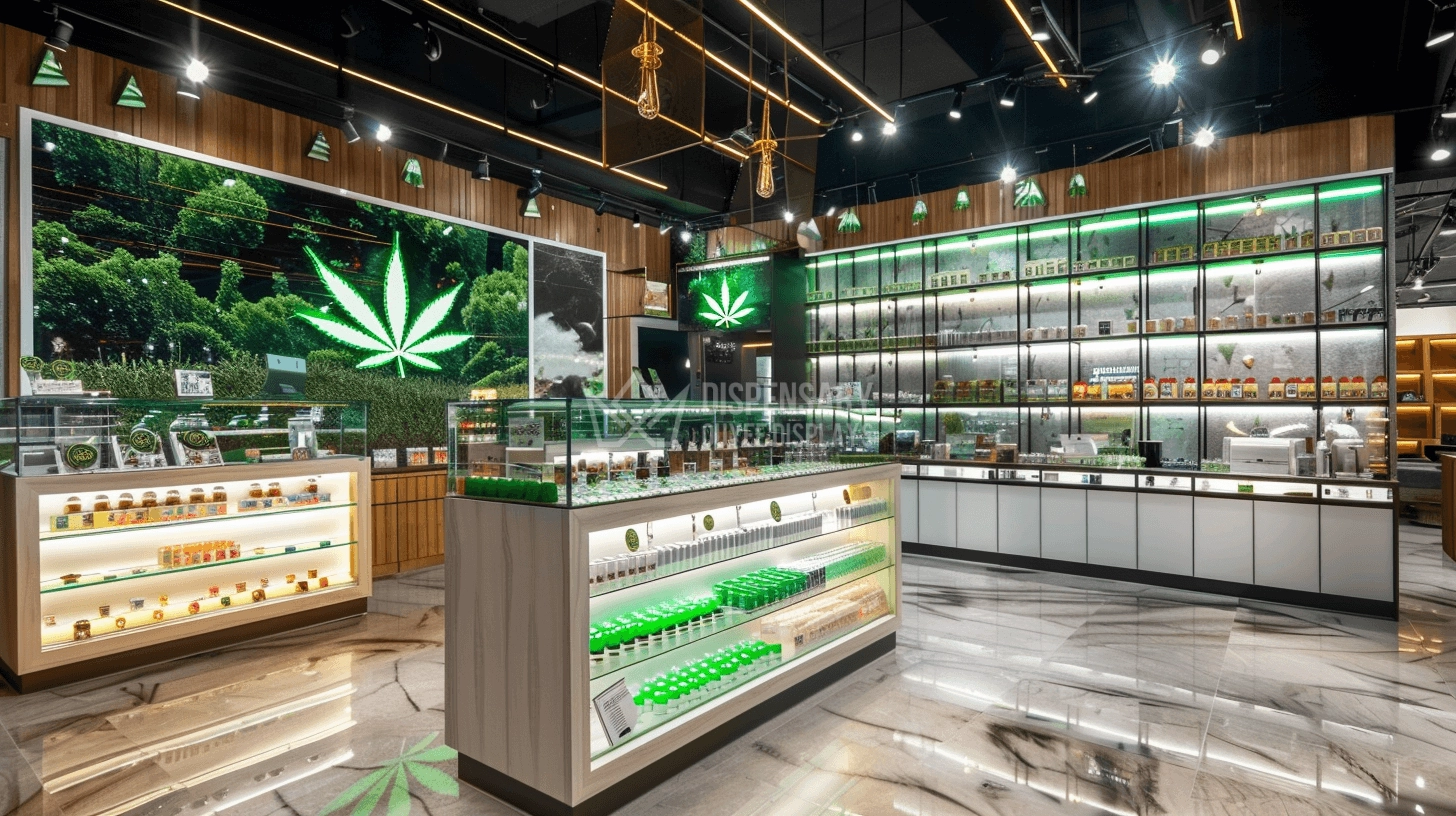
Retail Marijuana Dispensary Fixtures Cannabis Glass Display Cabinet Factory
High-end cannabis display cabinets tailored for retail dispensaries, enhancing product visibility, safety, and store aesthetics while optimizing space usage.
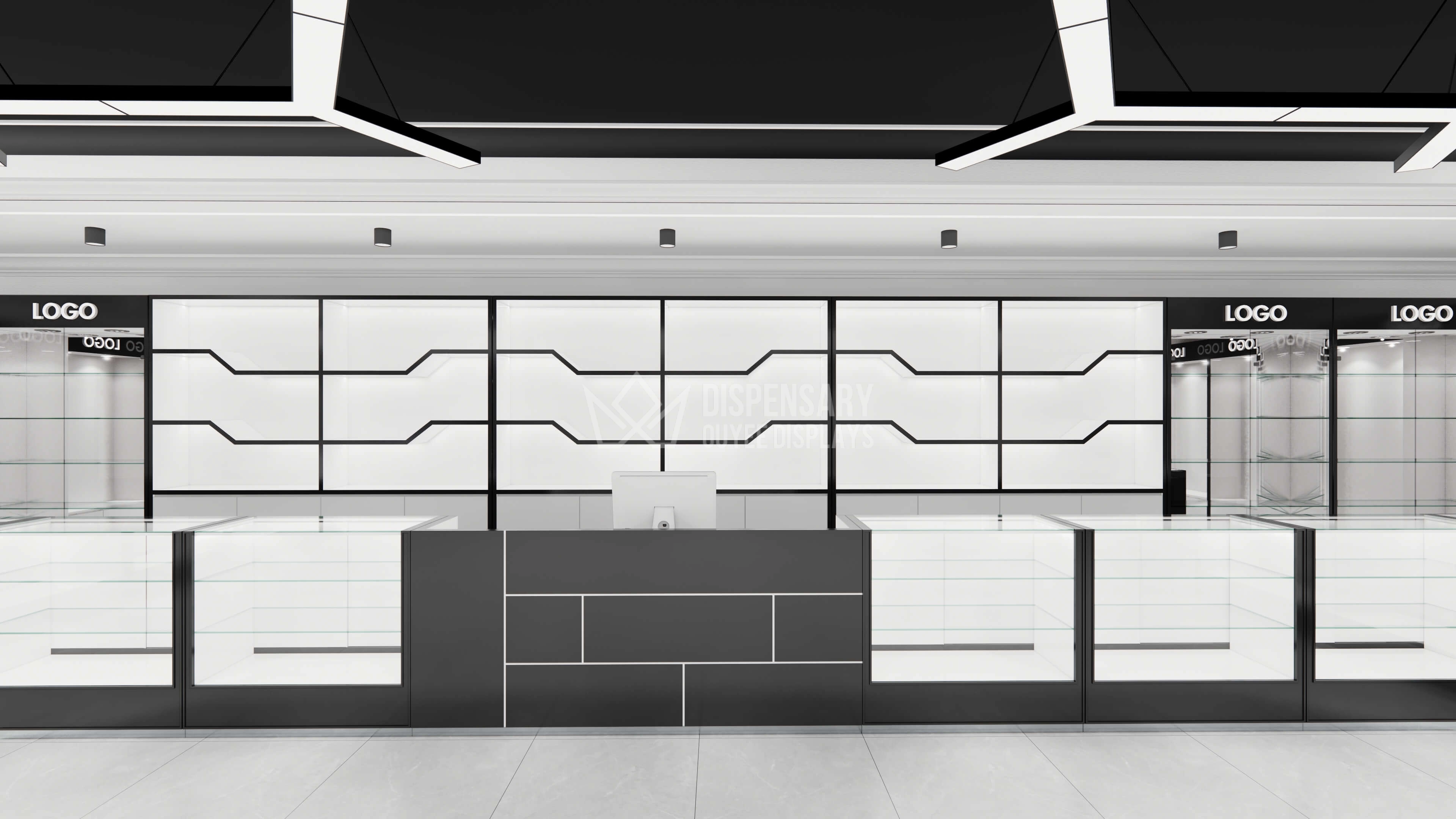
Tempered Glass Vape Shop Fixtures CBD Retail Displays Solutions
High-end CBD retail display fixtures with tempered glass and modular cabinets. Designed for vape shops prioritizing sleek style, product visibility, and premium customer experience.
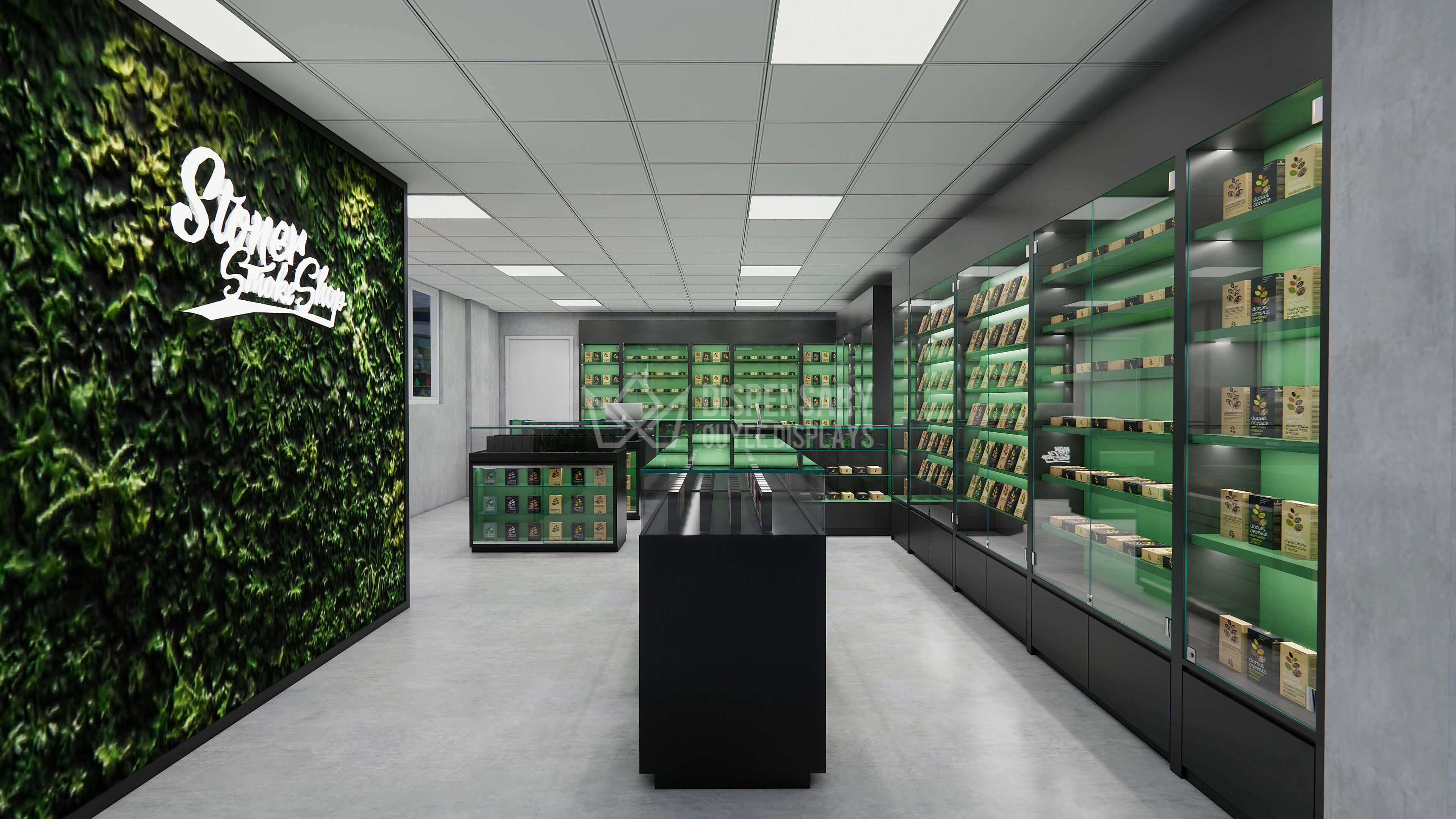
Professional 3D Design Tempered Glass Tobacco Fixture Manufacturer
Engineered for premium retail environments, our custom-built tobacco fixture system integrates tempered glass showcases, modular cabinetry, and ambient shelf lighting. Perfect for displaying packaged tobacco, herbal blends, or accessories, this setup maximizes product visibility, safety, and brand impact—tailored to meet the demands of high-traffic tobacco stores and kiosks.
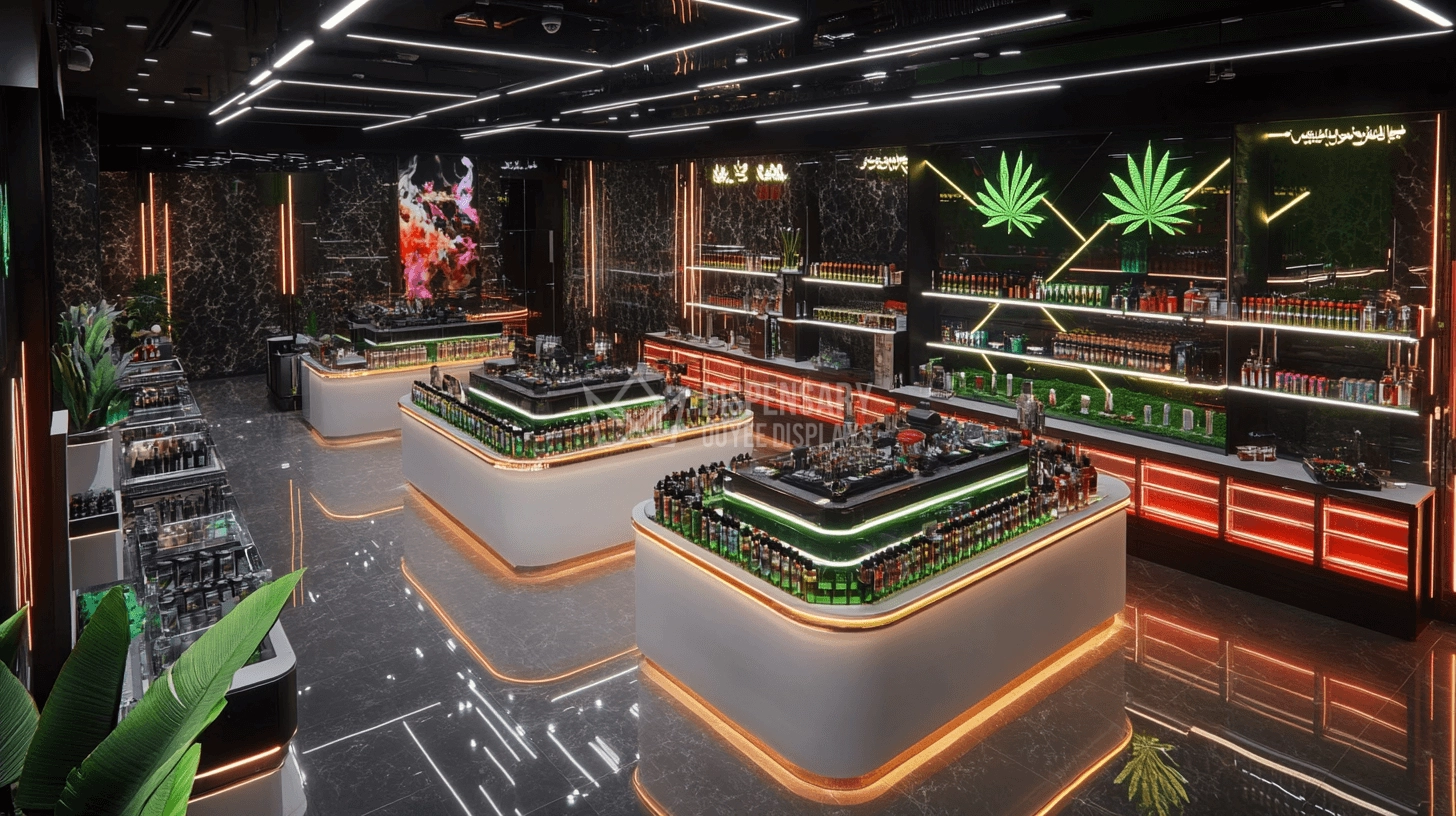
OEM ODM Dispensary Display Showcases Retail Design Cannabis Stores
Explore cutting-edge display showcase solutions for cannabis stores, combining modern retail design with high-end, customizable dispensary furniture.
Let's get in touch

Email: gzouyeedisplay@gmail.com
WhatsApp: +86 136 6049 7267
Ouyee Dispensary
Ouyee Dispensary
Ouyee Dispensary
Ouyee Dispensary