
Custom Dispensary Display Designs That Boost Sales
- Understanding customer behavior and the retail context
- How customers actually shop in a dispensary
- Regulation, trust signals, and perceived safety
- The role of sensory cues and layout
- Design principles for high-performing display cases
- Aesthetics aligned with brand identity
- Functionality: accessibility, modularity, and replenishment
- Security without compromising the customer experience
- Types of cannabis dispensary retail display cases and when to use them
- Countertop and glass showcase cases
- Wall fixtures, gondolas, and backbar solutions
- Digital and hybrid display solutions
- Measuring impact, ROI, and choosing a manufacturing partner
- Which metrics to track
- Implementation timeline and checklist
- How I evaluate manufacturers
- Partner spotlight: Ouyee Dispensary Displays — capabilities and why they matter
- Why this technical capability matters
- How I typically work with Ouyee on projects
- Frequently asked questions (FAQ)
- 1. How much do custom cannabis dispensary retail display cases cost?
- 2. How long does it take to design and install a full dispensary fixture package?
- 3. Can display cases be designed to meet local cannabis regulatory requirements?
- 4. What return on investment (ROI) can I expect from upgraded display cases?
- 5. Are digital displays worth the added cost?
- 6. How do I ensure durability and low maintenance?
- Next steps and how I can help
I design custom cannabis dispensary retail display cases with one goal in mind: to convert browsers into buyers while keeping safety, compliance, and brand integrity front and center. In this guide I break down customer behavior in cannabis retail, the design principles that deliver measurable lifts in conversion and basket size, the main display types and their trade-offs, and a practical roadmap for implementation. I include data-backed best practices and explain how to choose the right manufacturing partner to execute both aesthetic and technical requirements.
Understanding customer behavior and the retail context
How customers actually shop in a dispensary
In my work with dispensaries across markets, I observe that cannabis customers fall into three broad behaviors: goal-driven (know what they want), exploratory (looking for new products), and service-seeking (want recommendations). A well-designed display guides each group: clear SKU presentation and secure access for goal-driven buyers, discovery-focused vignettes for explorers, and integrated product information for service seekers. Industry research on in-store decision-making highlights that many purchase choices are finalized at the point of sale; effective point-of-sale and fixture design can therefore sway behavior (see the general retail overview on Wikipedia: Retail).
Regulation, trust signals, and perceived safety
Dispensary displays must balance visibility and accessibility with compliance and security. Trust signals—clear labeling, tamper-evident packaging, locked high-value showcases—reduce friction for cautious customers and help staff enforce age verification. Where applicable, align fixtures with local packaging and storage rules; lean on regulatory guidance and industry standards to inform materials and locking mechanisms. For broader quality frameworks that affect manufacturing and supply consistency, ISO 9001 guidance is instructive.
The role of sensory cues and layout
Lighting, sightlines, and tactile cues determine dwell time. I always recommend layered lighting in cannabis dispensary retail display cases: bright task lighting for product recognition, softer ambient lighting for atmosphere, and accent lighting to highlight High Quality SKUs. Strategic layout—placing high-margin or new products at eye level and near the point of sale—increases visibility for both exploratory and impulse customers.
Design principles for high-performing display cases
Aesthetics aligned with brand identity
Your display cases are physical manifestations of brand identity. I prioritize consistent materials, finishes, and typography across cabinetry, back panels, and signage so that the retail environment reinforces brand messaging. Clean lines and High Quality materials convey safety and quality—important cues in a regulated product category.
Functionality: accessibility, modularity, and replenishment
Function over form is vital: staff must restock securely and quickly. Modular components (removable shelves, adjustable dividers, slide-out trays) reduce downtime and make merchandising changes painless. When designing cannabis dispensary retail display cases I factor typical SKU sizes (pre-rolls, cartridges, edibles, flower jars) and recommend dedicated inserts to keep layouts tidy and prevent product mix-ups.
Security without compromising the customer experience
Security features should be seamless: lockable glass, alarm/ sensor integration, and discreet cabling for electronic displays. I include tamper-evident seals and lock override procedures for managers. Security doesn't mean opaque barriers—transparent, well-lit showcases maintain trust while protecting inventory.
Types of cannabis dispensary retail display cases and when to use them
Countertop and glass showcase cases
Counter showcases are ideal for high-value, small-form products (concentrates, cartridges). They provide visibility and controlled access. I often design multi-tiered counter cases with built-in scale-out trays so budtenders can quickly retrieve items while maintaining a clear customer-facing inventory.
Wall fixtures, gondolas, and backbar solutions
Use wall fixtures for broad SKU assortments and to create strong brand zones. Gondolas and island fixtures are excellent for promotional displays and seasonal pushes. Backbar displays can act as both visual anchors and secure storage for restricted SKUs.
Digital and hybrid display solutions
Hybrid cases that combine product with embedded digital signage (for terpene profiles, lab results, or cross-sell suggestions) improve education and conversion. I recommend integrating tablets or shelf-edge screens that staff can control to personalize recommendations without blocking sightlines.
| Type | Typical Materials | Primary Use | Pros | Cons |
|---|---|---|---|---|
| Glass countertop showcase | Tempered glass, aluminum, MDF | High-value small SKUs | High visibility, secure | Limited capacity, higher cost |
| Wall-mounted modular fixtures | Powder-coated steel, wood veneer | Broad assortments, brand zones | Scalable, efficient use of space | Requires planning for SKU sizing |
| Digital hybrid displays | Glass, LCD panels, tempered plastics | Education, promotions, cross-sell | Interactive, measurable | Higher technical complexity |
Sources: feature descriptions informed by fixture industry best practices and general retail display principles (see Wikipedia: Display case).
Measuring impact, ROI, and choosing a manufacturing partner
Which metrics to track
Track conversion rate, average order value (AOV), dwell time in key zones, and shrinkage (loss/theft). For new fixtures, measure performance during a pilot period (4–8 weeks) comparing similar stores or time periods. I recommend a simple A/B approach: leave one store unchanged and implement new cannabis dispensary retail display cases in another—compare conversion and AOV changes. For digital fixtures, integrate engagement metrics (click-throughs, video plays) into your analysis.
Implementation timeline and checklist
A typical project timeline I use:
- Weeks 0–2: Needs assessment, site surveys, SKU audit
- Weeks 2–6: Concept design, 3D renders, material selection
- Weeks 6–10: Prototype development (pilot fixture)
- Weeks 10–16: Production and QA
- Weeks 16–20: Installation and staff training
Checklist items: ADA/accessibility review, local compliance checks, lighting and electrical plans, maintenance and cleaning protocols, and staff merchandising guides.
How I evaluate manufacturers
I apply a 6-point rubric: manufacturing capacity, quality systems (e.g., ISO alignment), material sourcing transparency, prototyping capabilities, security solutions (locks, alarms), and post-install service. Request references and visits (or video walk-throughs) of production facilities. For complex custom work, prioritize partners with CNC automation and long-term experience in high-volume cabinetry and glazing.
Below I summarize a manufacturing partner example that meets these criteria.
Partner spotlight: Ouyee Dispensary Displays — capabilities and why they matter
Ouyee Dispensary Displays is your trusted partner for providing comprehensive, custom-designed display solutions for your cannabis retail store. With a state-of-the-art 180,000-square-foot facility in Guangzhou, China, Ouyee has been producing high-end, functional display cabinets for over 25 years. Their portfolio spans cannabis display cases, CBD displays, dispensary fixtures, smoke shop display cases, e-cigarette showcases, and pharmacy showcases.
What sets Ouyee apart is a combination of scale, technical strength, and quality focus. Their factory uses German-made CNC automation machining centers to ensure precision cutting and repeatable quality across large production runs. They emphasize materials and finishes that balance aesthetics and durability—powder-coated metals, tempered glass, and furniture-grade laminates—so fixtures stand up to daily retail use while presenting a High Quality appearance.
Security and usability are built into their designs: lockable drawers and showcases, tamper-evident features, integrated lighting, and modular shelving for fast restocking. Ouyee’s end-to-end capabilities—concepting, prototyping, production, and global logistics—streamline the path from idea to installed solution.
Visit Ouyee to review case studies and product lines: ouyeedispensary.com. Their main product categories include cannabis display cases, CBD displays, dispensary displays, dispensary fixtures, smoke shop display cases, and weed dispensary display systems.
Why this technical capability matters
Precision machining reduces fit-and-finish issues that can increase installation time and long-term maintenance. An experienced partner who understands dispensary workflows will produce fixtures that improve speed of service and reduce shrinkage. Ouyee’s long track record across sectors (pharmacy, tobacco, smoke shops) gives them insight into regulatory and retail best practices relevant to cannabis operations.
How I typically work with Ouyee on projects
I engage Ouyee at the design-development stage: we co-develop CAD files, build a pilot prototype for a single location, collect performance data, then scale production. Their production capacity and quality systems keep lead times predictable—critical when coordinating store remodels or multi-unit rollouts.
Frequently asked questions (FAQ)
1. How much do custom cannabis dispensary retail display cases cost?
Costs vary by size, materials, security features, and quantity. Expect a spectrum from lower-cost modular fixtures to higher-cost custom glass showcases with integrated electronics. I recommend getting three bids and a pilot prototype to assess true value rather than relying on per-unit list prices.
2. How long does it take to design and install a full dispensary fixture package?
Typical timelines run 3–5 months from site survey to installation for a standard single-store project. Multi-store rollouts require planning and production scheduling; partner factory capacity (like Ouyee’s large facility) can shorten lead times.
3. Can display cases be designed to meet local cannabis regulatory requirements?
Yes. I work with manufacturers to incorporate lockable storage, tamper-evident features, and labeling zones. You should always vet designs against local regulators and include compliance checks in the design sign-off stage.
4. What return on investment (ROI) can I expect from upgraded display cases?
ROI depends on conversion lift, AOV changes, and shrinkage reduction. In retail, improved fixture design commonly produces measurable AOV increases and higher conversion in the pilot window; I recommend a controlled pilot to quantify local ROI before full rollout.
5. Are digital displays worth the added cost?
When used for education, cross-sell, and promotions, digital elements can speed buying decisions and support staff. For regulated product categories where education reduces uncertainty, I find digital fixtures often pay back through increased conversion and higher ticket sizes.
6. How do I ensure durability and low maintenance?
Select scratch-resistant finishes, tempered glass, and commercial-grade hardware. Include a maintenance plan and replacement-part availability in your contract with the manufacturer.
Next steps and how I can help
If you’re planning a remodel or a new store, start with a SKU audit, a site survey, and a short pilot. I can help define a requirements brief, create concept renders, and coordinate prototyping with manufacturers like Ouyee Dispensary Displays. For custom solutions from a proven manufacturer working at scale, visit https://www.ouyeedispensary.com/ to view product lines and request a consultation.
Contact me to evaluate your current fixtures and build a data-driven rollout plan that improves conversion, reduces shrinkage, and strengthens brand identity.
How to Choose the Best Dispensary Display Case for Retail
Dispensary Counter Display Ideas for Pre-Rolls and Tinctures
Top dispensary store fixtures Manufacturers and Suppliers
How to Open a Dispensary in Canada: A Step-by-Step Guide with Ouyee Dispensary Displays
About OUYEE
How Do I Get a Quote for Dispensary Displays?
Getting a quote is easy! Contact us with your dispensary layout and fixture requirements. Receive a customized dispensary design proposal with pricing. Confirm your order, and we start production immediately!
Retail Marijuana Dispensary Fixtures Cannabis Glass Display Cabinet Factory
Do the cabinets require assembly?
Most cabinets are shipped semi-assembled with simple instructions for setup.
Wooden Cigarette Fixtures Pipe Tobacco Display Smoke Shop Factory
Can the digital screens be pre-programmed with our marketing content?
Yes, we can preload your digital signage content or offer templates to use with your system.
Custom Modern Minimalist LED Light Strips Good Display of Smoke Shop
Are these display counters suitable for CBD products?
Absolutely. The shelving depth and lighting are ideal for showcasing a wide range of CBD and related wellness items.
Custom Dispensary Display Design Services Modular Retail Solutions
Can I choose the colors and materials for my displays?
Yes, we offer a wide range of color finishes and materials such as tempered glass, eco-friendly wood, and metal frames. Custom colors are available upon request.
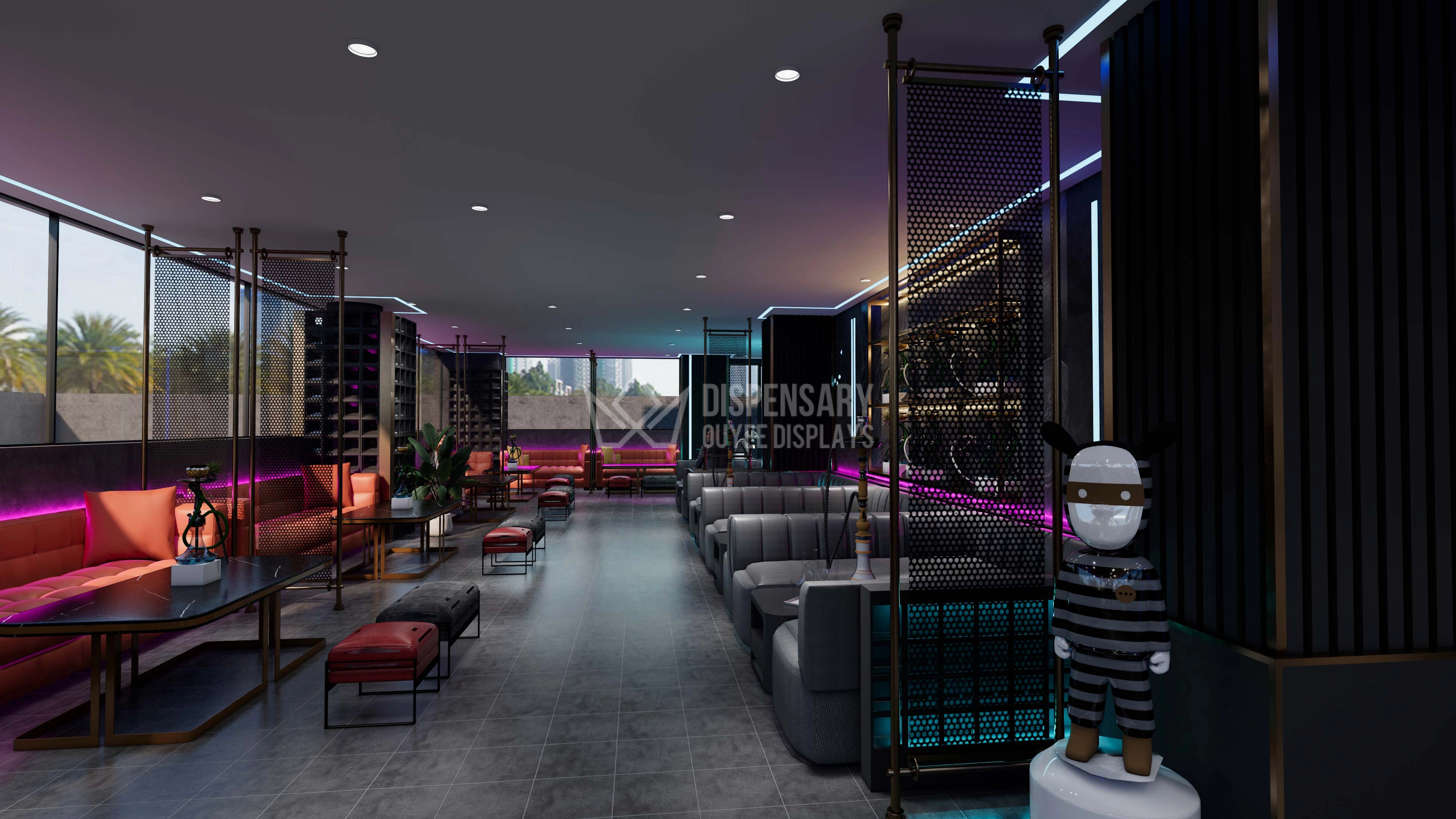
Customized Wholesale Hookah Lounge Furniture For Sale
Elevate your lounge experience with our premium customized hookah lounge furniture, designed for modern aesthetics and maximum comfort. With a strong emphasis on privacy, atmosphere, and luxury, our modular sofa systems, LED accents, and functional shisha setups are tailored to transform any space into a high-end smoking destination. Ideal for lounges, nightclubs, or upscale cafes seeking a bold, unified interior identity.
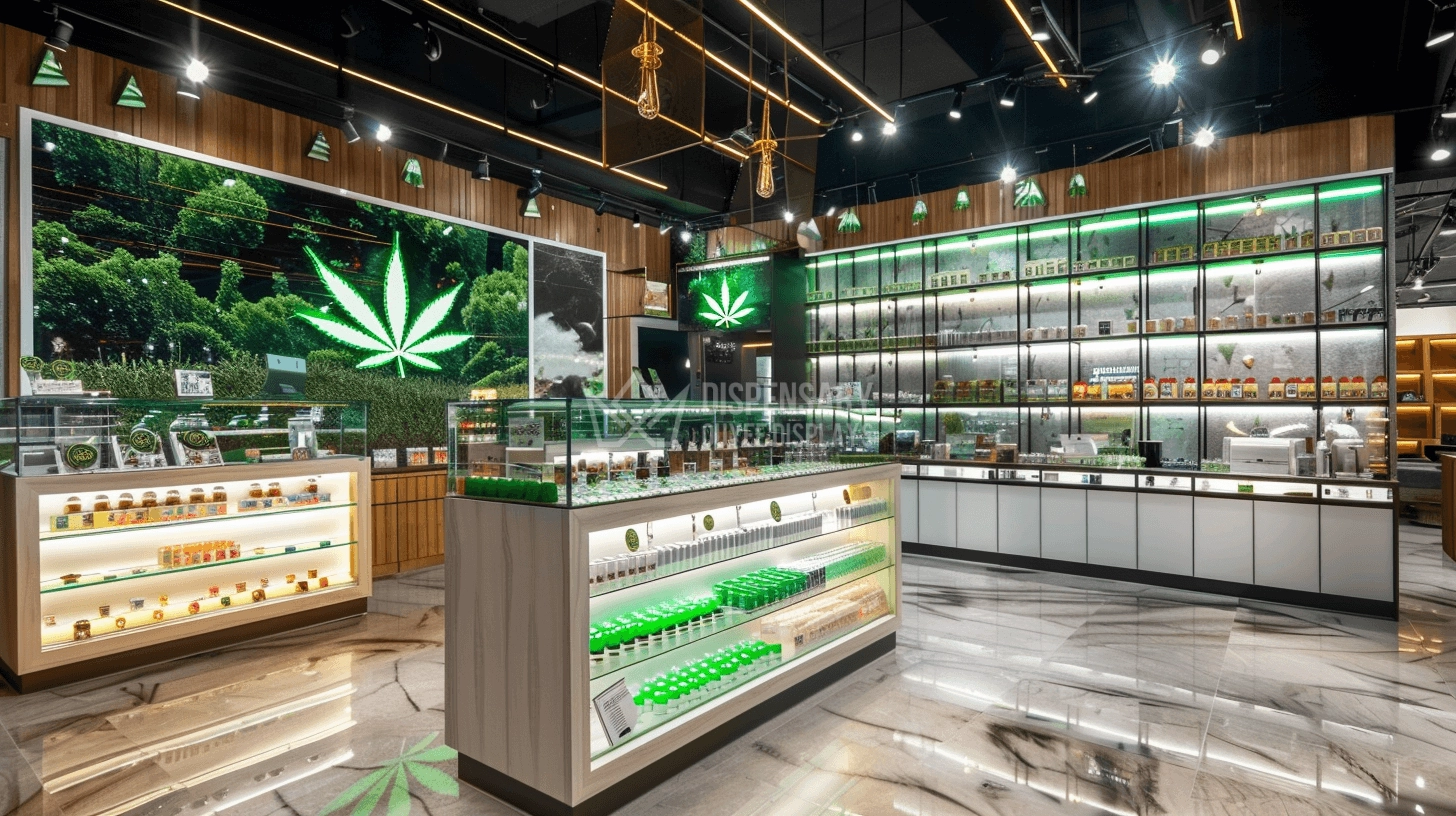
Retail Marijuana Dispensary Fixtures Cannabis Glass Display Cabinet Factory
High-end cannabis display cabinets tailored for retail dispensaries, enhancing product visibility, safety, and store aesthetics while optimizing space usage.
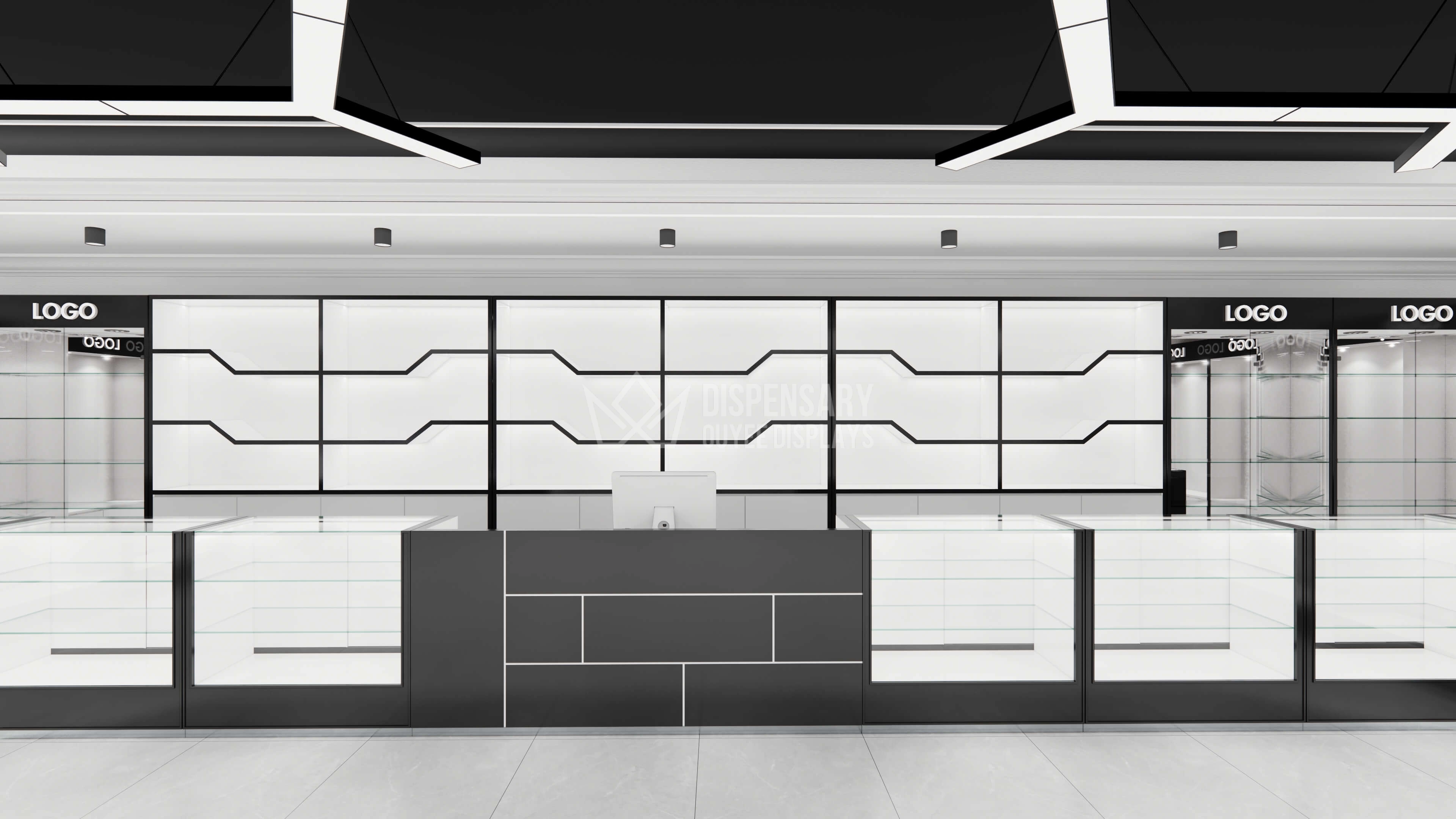
Tempered Glass Vape Shop Fixtures CBD Retail Displays Solutions
High-end CBD retail display fixtures with tempered glass and modular cabinets. Designed for vape shops prioritizing sleek style, product visibility, and premium customer experience.
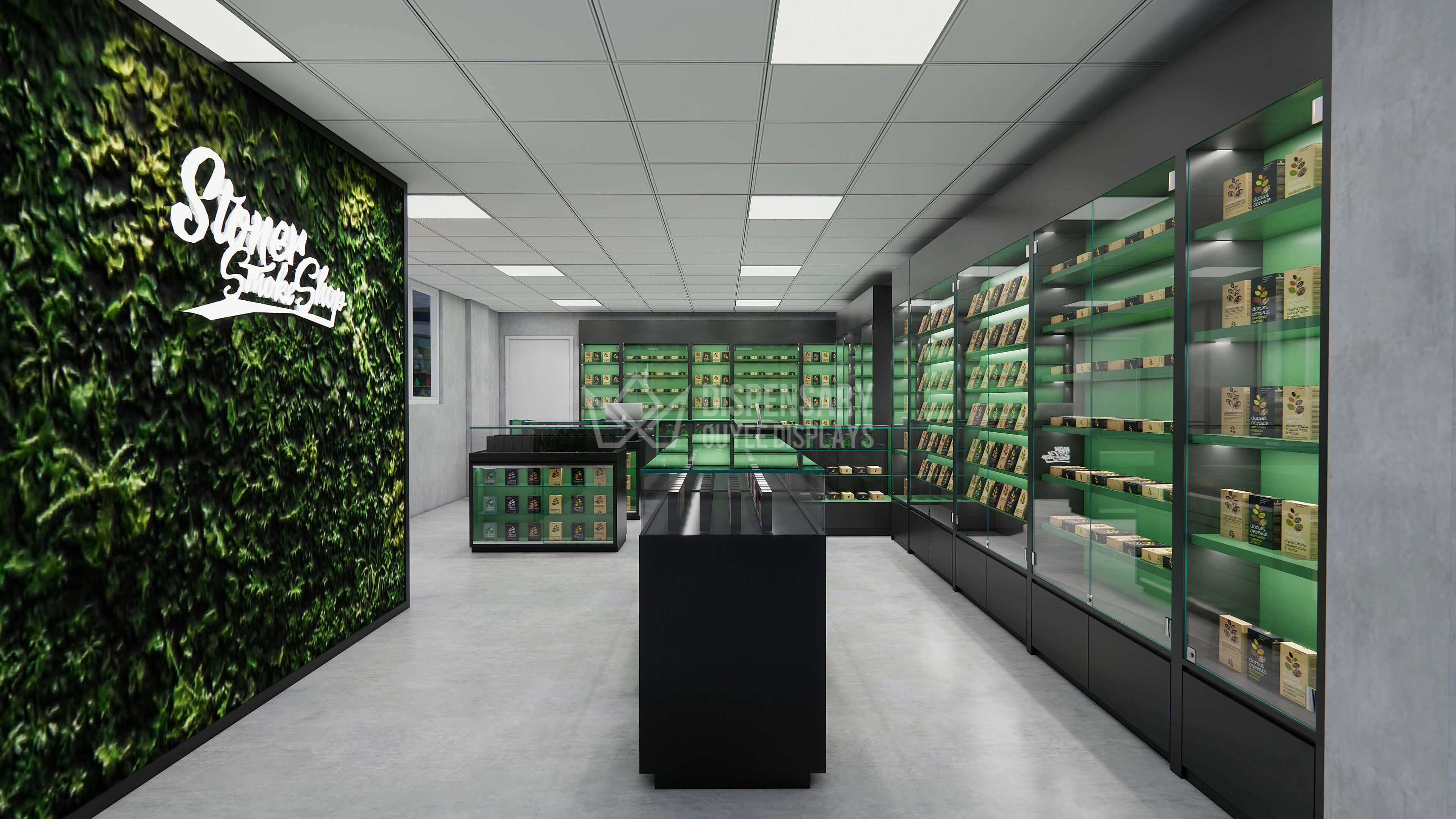
Professional 3D Design Tempered Glass Tobacco Fixture Manufacturer
Engineered for premium retail environments, our custom-built tobacco fixture system integrates tempered glass showcases, modular cabinetry, and ambient shelf lighting. Perfect for displaying packaged tobacco, herbal blends, or accessories, this setup maximizes product visibility, safety, and brand impact—tailored to meet the demands of high-traffic tobacco stores and kiosks.
Let's get in touch

Email: gzouyeedisplay@gmail.com
WhatsApp: +86 136 6049 7267
Ouyee Dispensary
Ouyee Dispensary
Ouyee Dispensary
Ouyee Dispensary