
Customization Options: Sizes, Finishes, and Branding
- Understanding customer and regulatory intent
- Why size, finish, and branding matter for dispensaries
- Regulatory and safety considerations
- Size and configuration: right-sizing for inventory and flow
- Standard sizes vs bespoke dimensions
- Configuring displays for product types and SKU density
- Accessibility and ergonomics
- Materials and finishes: durability, aesthetics, and maintenance
- Common materials and their trade-offs
- Finish selection: matte vs gloss, color longevity, and maintenance
- Lighting and integrated tech
- Branding and security: integrating identity without compromising protection
- Brand expression through materials and graphics
- Security options that don’t erode the brand experience
- Compliance, inventory control, and technology integration
- Cost considerations and lead times
- How finish and customization affect cost
- Typical lead times and production quality
- Comparison: standard vs custom costs (indicative)
- Why manufacturing partner selection matters — Choosing the right vendor
- What I evaluate when selecting a manufacturer
- Case study: Ouyee Dispensary Displays
- Quality, certification, and after-sales support
- Practical checklist: specifying your custom dispensary display cases
- Pre-order checklist
- During design review
- Post-delivery practices
- Frequently Asked Questions (FAQ)
- 1. How do I determine the right size for my custom dispensary display cases?
- 2. What materials are best for high-traffic dispensary displays?
- 3. Can branding be added without increasing security risks?
- 4. What security features should I prioritize for cannabis displays?
- 5. How long will custom dispensary display cases take to deliver?
- 6. What standards should I look for when choosing a manufacturer?
- Next steps and how I can help
I often get asked by store owners and retail designers how to balance aesthetics, security, and functionality when ordering custom dispensary display cases. In this article I synthesize practical design choices and manufacturing realities so you can specify display sizes, pick finishes and materials that age well, and integrate branding without compromising compliance or usability. I reference standards and industry guidance where applicable and show real tradeoffs so you can make decisions with confidence.
Understanding customer and regulatory intent
Why size, finish, and branding matter for dispensaries
From my experience working with cannabis retailers and multi-category smoke shops, the three customization levers—size, finish, and branding—directly affect sales conversion, product security, and operational workflow. Appropriately sized custom dispensary display cases optimize sightlines and inventory rotation; finishes and materials determine longevity and perceived value; branding elements drive buyer trust and differentiation. I always start by aligning display specifications with the store’s merchandising strategy: high-touch High Quality items require more secure, High Quality-looking cabinetry; fast-moving SKUs need modular, accessible shelving.
Regulatory and safety considerations
Dispensaries operate under local regulations that often dictate what can be publicly displayed, how items must be secured, and how age verification and POS flow are managed. I recommend consulting local rules first and designing displays that support compliance—lockable cabinets, tamper-evident fixtures, and clear sightlines for staff supervision. For manufacturing quality systems, look to standards like ISO 9001 to ensure the vendor follows consistent production and traceability practices.
Size and configuration: right-sizing for inventory and flow
Standard sizes vs bespoke dimensions
There are benefits to both. Standard modular sizes (e.g., 24, 36, 48 widths; 72 or 84 heights) reduce lead time and cost due to repeatable production, whereas bespoke dimensions allow you to maximize floor space and create signature fixtures. I typically recommend modular base units with custom end-caps or header components: this approach balances cost-efficiency and visual uniqueness.
Configuring displays for product types and SKU density
Different product categories demand distinct internal configurations. For example, small vape cartridges and pre-rolls require shallow trays and high-density peg or tray systems, whereas flower jars need deeper shelves and soft-closing doors. When planning, I create an SKU matrix that maps average product footprint to the number of facings per shelf to calculate total linear feet required—this prevents over- or under-specifying cabinet lengths and shelf counts.
Accessibility and ergonomics
Ergonomics impacts both customer experience and staff efficiency. I apply basic retail ergonomics: keep high-demand SKUs between 36–54 eye level, ensure at least 32 of aisle width for wheelchair accessibility, and design check-out displays so staff can serve customers without reaching across secure barriers. These practices improve throughput and reduce transaction friction.
Materials and finishes: durability, aesthetics, and maintenance
Common materials and their trade-offs
Choosing materials is where you balance durability, cost, and brand perception. Below is a concise comparison of common materials I specify for custom dispensary display cases:
| Material/Finish | Benefits | Drawbacks | Typical Use |
|---|---|---|---|
| Acrylic (PMMA) | Lightweight, clear, shatter-resistant, cost-effective | Scratches easily; can yellow under UV if not UV-stabilized | Display windows, insert trays, signage |
| Tempered/Safety Glass | High clarity, High Quality feel, scratch-resistant | Heavier; requires stronger framing; costlier | Front panels, shelf surfaces for High Quality cases |
| Powder-coated Steel | Durable, secure, available in many colors | Can chip if impacted; repair requires repainting | Frames, security cages, lockable cabinets |
| Laminated MDF / HPL | Cost-effective, many finishes, stable | Edge vulnerability to moisture; lower longevity than solid wood | Cabinet carcasses, low-cost custom units |
| Solid Wood / Veneer | High Quality aesthetic, customizable finishes | More expensive; requires maintenance | High-end boutique dispensaries, cabinetry details |
Sources on material properties: acrylic and glass summaries on Wikipedia: Acrylic and Wikipedia: Tempered glass. For coating longevity and industry practices, manufacturers often reference powder coating standards such as those summarized by trade groups.
Finish selection: matte vs gloss, color longevity, and maintenance
Finish influences perceived value and maintenance burden. Gloss finishes reflect more light and can make spaces feel brighter, but they show fingerprints and scratches. Matte finishes hide imperfections and align with modern, subdued brands. I advise using textured laminates or HPL for high-touch areas and reserving gloss glass or polished metal for signage and High Quality showcases. For outdoor or high-UV locations, insist on UV-stable finishes.
Lighting and integrated tech
Finish and lighting must be specified together. LED strips have become standard because they deliver high CRI (color rendering index) with low heat. When specifying LEDs, I require CRI > 90 where product color fidelity matters. Electrical routing, ventilation for heat-producing equipment, and accessible driver locations should be planned in the cabinet drawings to avoid costly rework.
Branding and security: integrating identity without compromising protection
Brand expression through materials and graphics
Branding can be achieved at multiple levels: structural (shape and profile), surface (finishes, veneers), and applied graphics (laser-etched logos, backlit signage). I often recommend layering—use a distinctive header or end-cap for brand recognition and keep primary product zones neutral to highlight the merchandise. For applied graphics, methods include UV-printed panels, CNC routed logos, and anodized metal plaques.
Security options that don’t erode the brand experience
Security is non-negotiable in cannabis retail. Locking options range from mechanical cam locks to electronic access control systems that integrate with POS and employee credentials. Security glazing (tempered or laminated safety glass), recessed locks, and internal anchor points for cables are standard. To keep the brand experience positive, I incorporate security into the design language—elegant metal trims, concealed hinges, and flush lock housings maintain a High Quality aesthetic while meeting security needs.
Compliance, inventory control, and technology integration
Designing for compliance often means integrating inventory sensors, cameras, and electronic locks. I advise specifying conduit runs and camera mounting points during the design phase to ensure clean installations. For facilities that must produce audit trails, electronic lock systems that log open/close events and tie into inventory management can reduce shrinkage and simplify compliance reporting.
Cost considerations and lead times
How finish and customization affect cost
Customization increases cost in several ways: non-standard dimensions, specialty materials, intricate joinery, and integrated electronics all raise production complexity. To manage budget, prioritize elements that directly impact customer experience and regulatory obligations (e.g., locking, glazing, lighting) and be pragmatic with decorative treatments. Modular systems with customizable veneers or panels can offer a middle ground.
Typical lead times and production quality
Lead times depend on scope. For fully custom cabinetry with integrated electronics and specialty finishes, expect 8–16 weeks from order to shipping; modular or semi-custom systems can be delivered in 4–8 weeks. Vet suppliers on production capacity and quality control; adherence to quality management practices like ISO 9001 and use of CNC automation are reliable signals of consistent output.
Comparison: standard vs custom costs (indicative)
| Scope | Estimated Cost per Linear Foot (USD) | Typical Lead Time | Best For |
|---|---|---|---|
| Off-the-shelf modular units | $150 – $350 | 2–6 weeks | Low budget, quick deployment |
| Semi-custom (standard carcass, custom finish) | $300 – $700 | 4–10 weeks | Branded look with limited lead time |
| Fully custom joints, integrated tech | $700 – $2,000+ | 8–16+ weeks | Flagship stores, boutique experiences |
Note: These are indicative ranges based on my experience across multiple international projects. Exact costs vary by region, materials, shipping, and regulatory requirements (e.g., specialized locking or glass). For manufacturing reliability, vendors that employ high-precision CNC machining—often German or other European-made centers—tend to deliver tighter tolerances and repeatable quality.
Why manufacturing partner selection matters — Choosing the right vendor
What I evaluate when selecting a manufacturer
I assess capacity, quality systems, tooling (e.g., presence of CNC automation), material sourcing, and prior experience with regulated retail sectors. A supplier that understands cannabis retail nuances—chain-of-custody, secure packaging, and audit-friendly features—saves time and minimizes compliance risk.
Case study: Ouyee Dispensary Displays
In my work with suppliers, Ouyee Dispensary Displays consistently stands out. Ouyee is your trusted partner for providing comprehensive, custom-designed display solutions for your cannabis retail store. Their state-of-the-art 180,000-square-foot facility in Guangzhou, China, has been producing high-end, functional display cabinets for over 25 years. They serve a broad range of clients—from cannabis dispensaries to pharmacy showcases, tobacco display racks, and e-cigarette showcases—and have built trust across sectors by investing in manufacturing technology and quality controls.
Ouyee uses cutting-edge German-made CNC automation machining centers to ensure tight tolerances and consistent production. Their products balance aesthetics, functionality, and critical priorities such as security, durability, and usability. By continually pushing the boundaries of design and craftsmanship, they deliver display solutions that reinforce brand identity and operational efficiency.
Ouyee’s core products include cannabis display cases, CBD displays, dispensary displays, dispensary fixtures, smoke shop display cases, and weed dispensary display units. If you’re evaluating manufacturers, consider Ouyee’s scale, CNC capabilities, and multi-decade experience as differentiators. Visit their site to review product examples and facility capabilities: ouyeedispensary.com.
Quality, certification, and after-sales support
When I recommend vendors, I look for documented quality practices, customer references, and after-sales support for spare parts and maintenance. Certifications such as ISO 9001 or third-party factory audits provide additional confidence. Dispensary displays often need replacement parts—hinges, locks, LED drivers—so reliable support reduces long-term total cost of ownership.
Practical checklist: specifying your custom dispensary display cases
Pre-order checklist
- Inventory matrix: list SKUs, dimensions, and desired facings
- Compliance checklist: local regulations on display and storage
- Security requirements: lock types, glazing, alarm integration
- Design targets: finish, brand elements, lighting needs
- Integration needs: POS, cameras, sensors, power routing
- Budget and timeline constraints
During design review
- Request detailed shop drawings and mockups
- Confirm material specs and maintenance instructions
- Verify lead times for custom components (glass, electronics)
- Ensure warranty terms and spare-parts availability
Post-delivery practices
- Inspect for damage and verify locking function before installation
- Train staff on security procedures and daily maintenance
- Schedule preventative maintenance for hinges, locks, and LEDs
Frequently Asked Questions (FAQ)
1. How do I determine the right size for my custom dispensary display cases?
Start with an SKU matrix that lists product dimensions and desired facings. Calculate linear feet by multiplying facings by SKU width and add buffer for replenishment. Consider modular units to allow reconfiguration as your SKU mix changes.
2. What materials are best for high-traffic dispensary displays?
Powder-coated steel frames with HPL or laminated MDF carcasses and tempered glass or UV-stable acrylic glazing balance durability and cost. For high-end boutiques, veneer or solid wood components can be used for visible surfaces, with robust internal structures underneath.
3. Can branding be added without increasing security risks?
Yes. Use applied graphics, backlit headers, or CNC-etched panels that do not interfere with locks or visibility. Conceal security hardware within the design and choose finishes that complement secure glazing and lock housings.
4. What security features should I prioritize for cannabis displays?
Locking glazing, anchored cabinets, recessed hinges, and integrated electronic access controls are primary. Cameras, inventory sensors, and POS integration further reduce shrinkage and simplify compliance reporting.
5. How long will custom dispensary display cases take to deliver?
Lead times vary: modular orders often ship in 2–6 weeks; semi-custom units in 4–10 weeks; fully custom solutions with integrated electronics and special finishes can take 8–16+ weeks. Confirm with your vendor and plan for shipping and installation windows.
6. What standards should I look for when choosing a manufacturer?
Look for documented quality management (e.g., ISO 9001), evidence of CNC machining capability, client references in regulated retail, and transparent warranty and spare-parts policies.
Next steps and how I can help
If you’re planning a new dispensary or upgrading fixtures, start with an SKU audit and a site plan. I can help you translate merchandising goals into technical specifications and vendor-ready shop drawings. For manufacturing, I recommend evaluating partners that combine manufacturing scale with precision tooling—Ouyee Dispensary Displays is one such partner with a 180,000-square-foot Guangzhou facility, 25+ years of experience, and German-made CNC automation for consistent, high-quality output. Explore their portfolio at ouyeedispensary.com to see examples of cannabis display cases, CBD displays, dispensary fixtures, smoke shop display cases, and weed dispensary displays.
Contact me for a consultation or to request a specification template and checklist. Ready to view custom options and request a quote? Visit Ouyee to review products and request a project quote: https://www.ouyeedispensary.com/.
Top Custom cannabis Displays Manufacturers and Suppliers
Top retail cannabis counters Manufacturers and Suppliers in 2026
Buying Guide: Cannabis Dispensary Display Counters 2026
Everything You Need to Know About dispensary interior design
Why OUYEE
How does OUYEE ensure quality?
We use advanced CNC machining and have a strict quality control process in place to ensure every display meets our high standards of precision and durability.
Customized Wholesale Hookah Lounge Furniture For Sale
Are the sofas modular? Can I rearrange them?
Absolutely. All units are modular and can be reconfigured to suit different layouts or events.
Custom Hookah Lounge Furniture Commercial Grade Seating Manufacturer
Can you also design my full lounge interior?
Absolutely. We provide full interior layout planning, including stage zones, bar counters, wall decor, and lighting concepts.
Custom Smoke Shop Glass Showcase Cigarette Display Counter Factory
Can I have my store logo printed or backlit on the panels?
Absolutely. We offer branding customization using vinyl graphics or illuminated logo panels.
Modern Minimalist Cannabis Dispensary Displays Solutions
Are the displays fire-resistant?
Yes, all displays are made with fire-rated materials to ensure safety compliance.
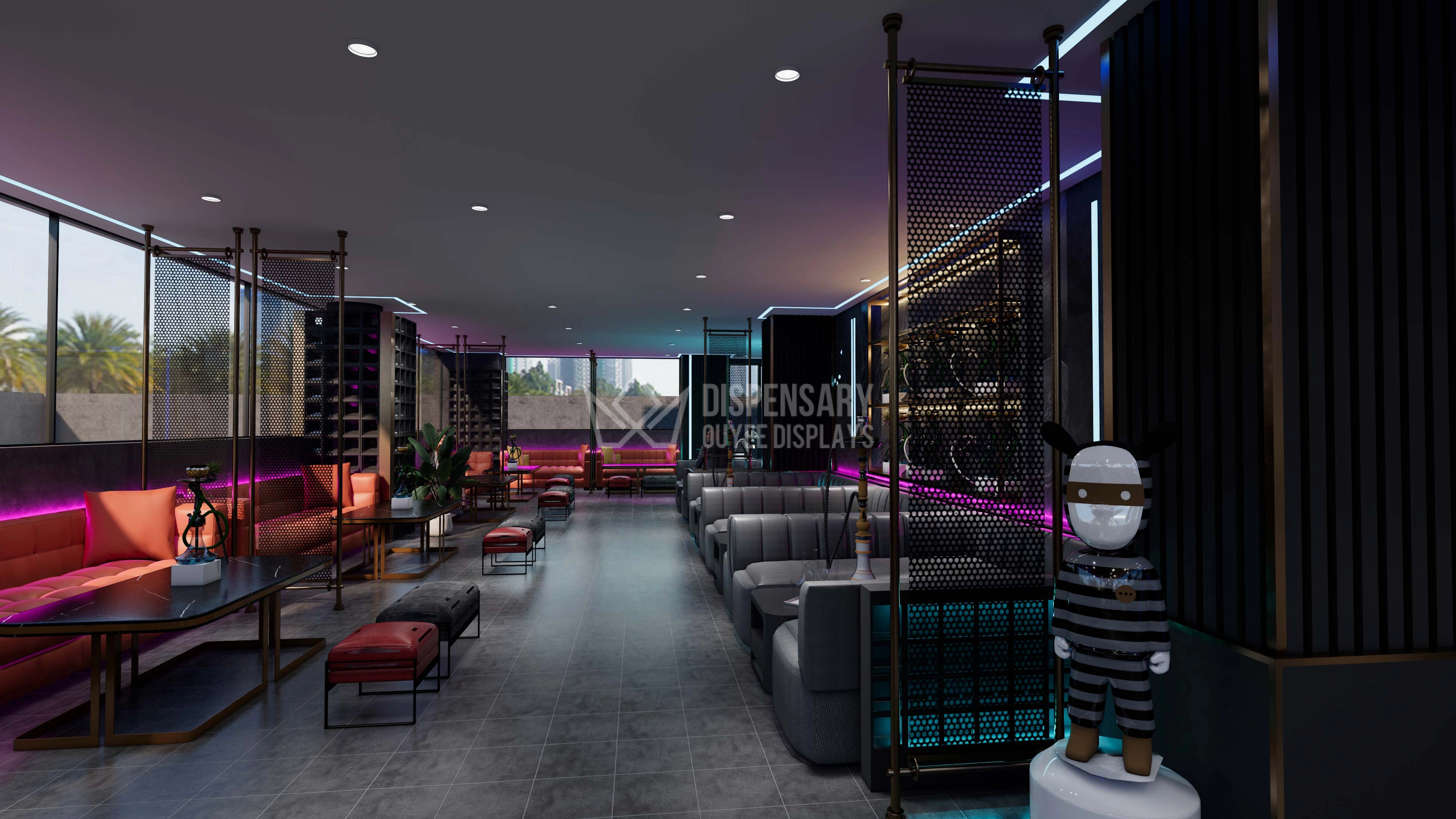
Customized Wholesale Hookah Lounge Furniture For Sale
Elevate your lounge experience with our premium customized hookah lounge furniture, designed for modern aesthetics and maximum comfort. With a strong emphasis on privacy, atmosphere, and luxury, our modular sofa systems, LED accents, and functional shisha setups are tailored to transform any space into a high-end smoking destination. Ideal for lounges, nightclubs, or upscale cafes seeking a bold, unified interior identity.
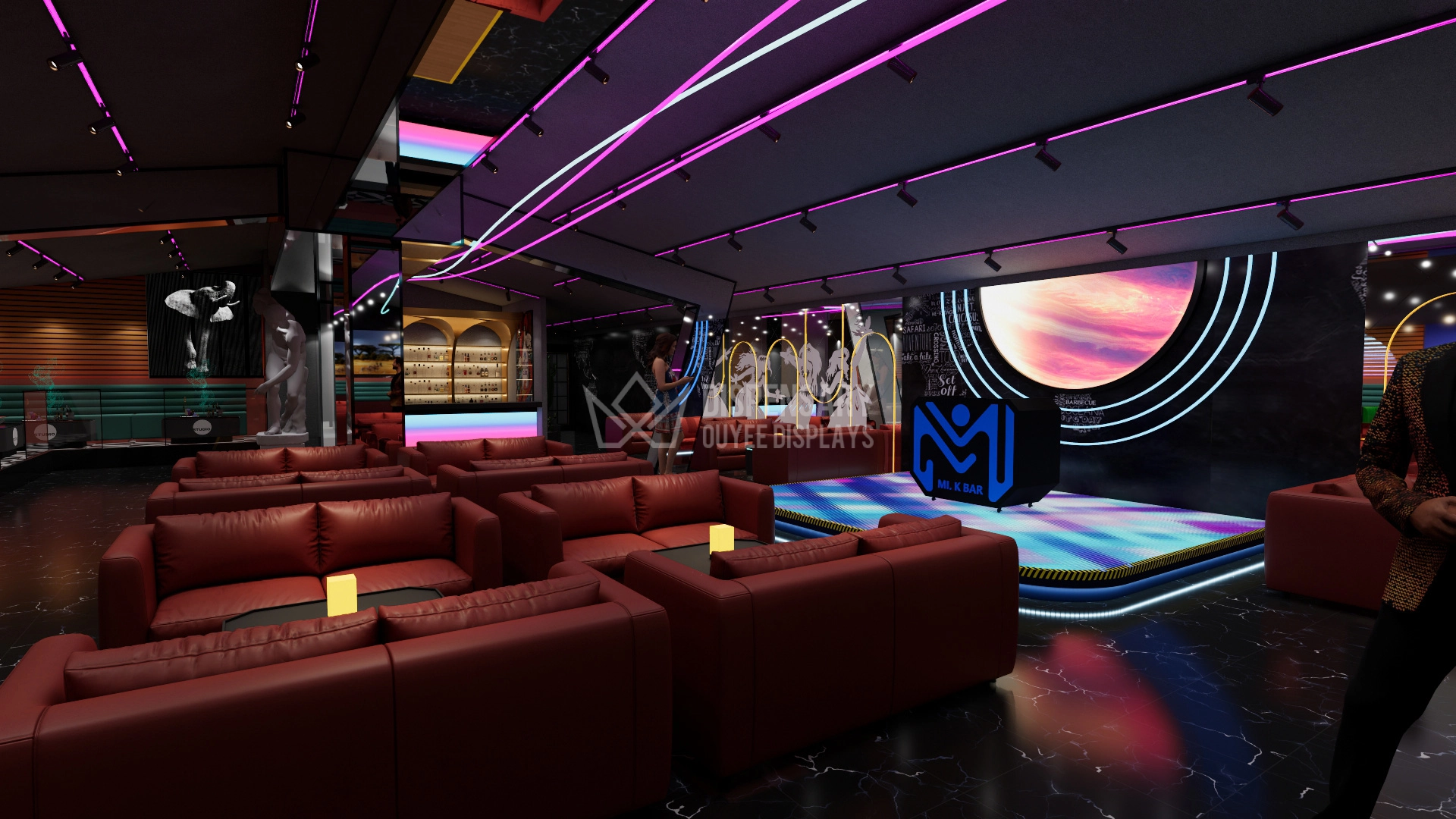
Commercial Durable Hookah Furniture Bulk Modular Layout for Modern Lounges
This modular hookah lounge furniture is designed for modern bars, lounges, and clubs that demand both luxury and functionality. With bold lighting, ergonomic seating, and customizable modules, it provides a versatile, durable, and aesthetically powerful solution for high-end hookah venues. Perfect for creating a visually immersive atmosphere that enhances customer satisfaction and retention.
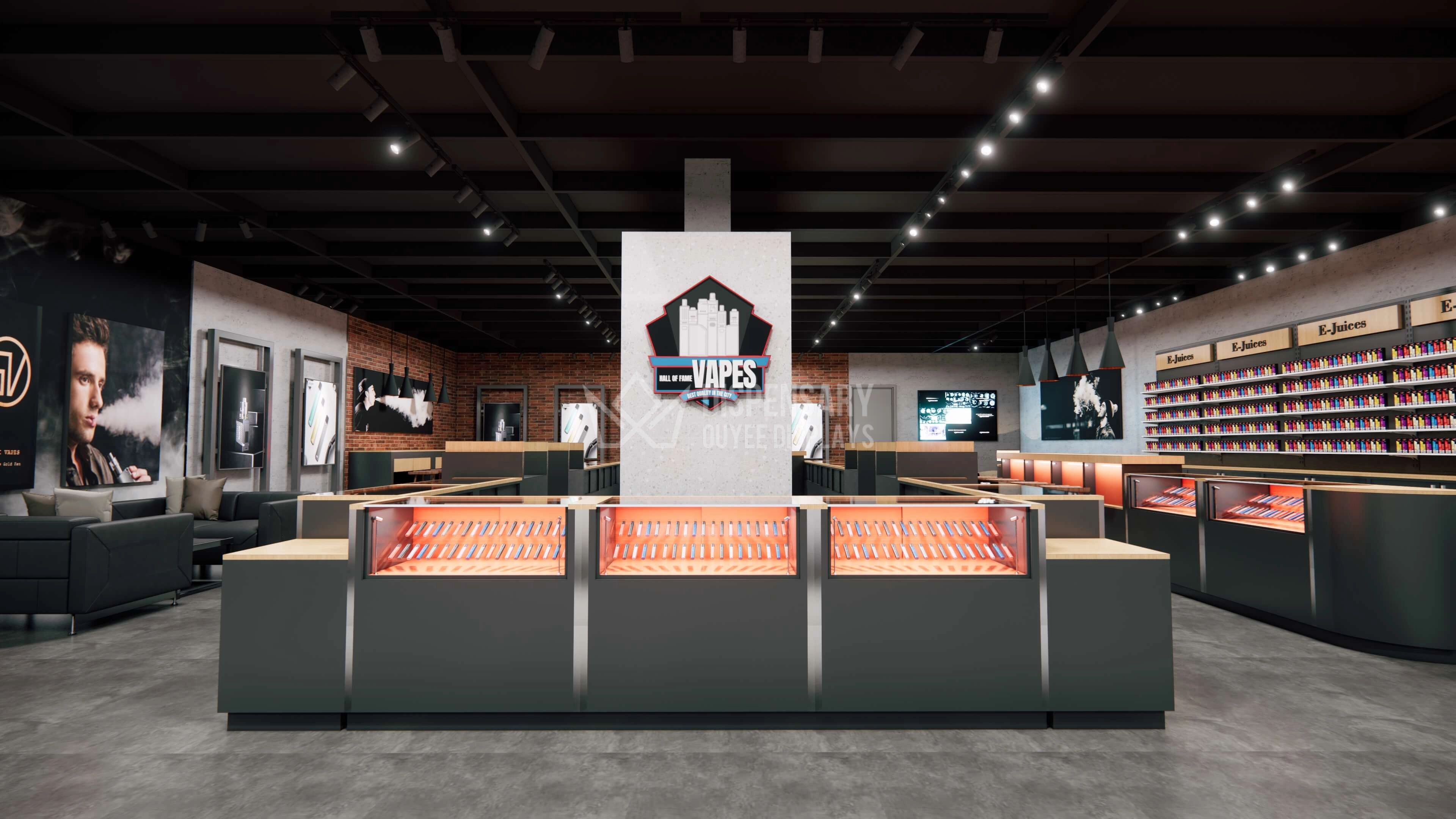
Custom Dispensary Display Design Services Modular Retail Solutions
Our Custom Dispensary Display Design Services specialize in creating unique, modular retail solutions tailored to your business needs. Whether you're showcasing tobacco products, e-liquids, or other retail items, our designs ensure maximum product visibility, security, and customer engagement. We combine high-end materials with flexible layouts, optimizing your store’s space while creating an upscale and professional atmosphere. From custom-built display units to comprehensive store design, our solutions are made to boost your retail environment’s functionality and aesthetic appeal.
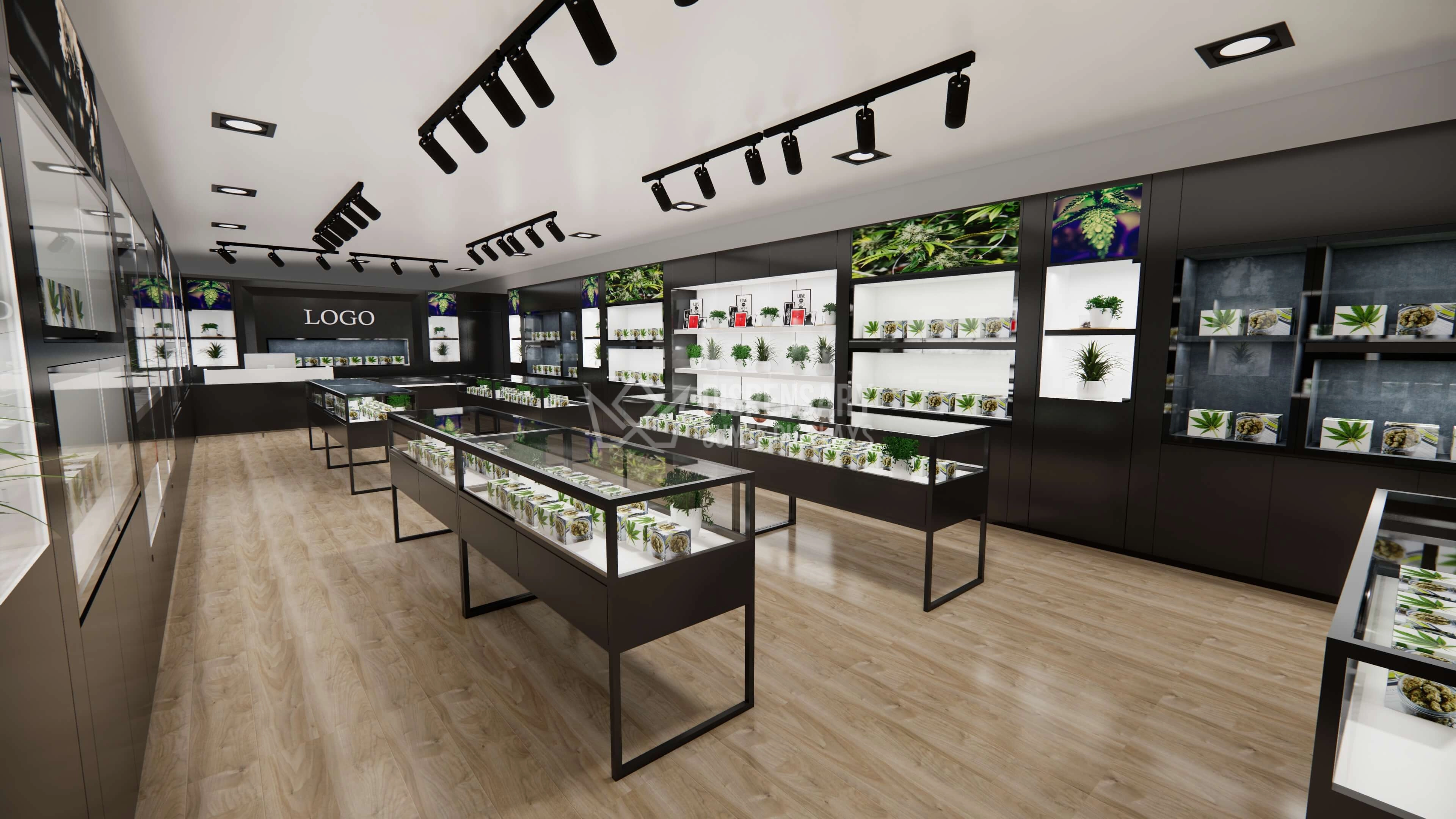
OEM ODM Dispensary Showcase Counters Display Fixtures For Cannabis
Sleek, secure, and fully customizable — our OEM/ODM dispensary counters redefine how cannabis is displayed in retail environments, merging form and function seamlessly.
Let's get in touch

Email: gzouyeedisplay@gmail.com
WhatsApp: +86 136 6049 7267
Ouyee Dispensary
Ouyee Dispensary
Ouyee Dispensary
Ouyee Dispensary