
How to Choose Custom Dispensary Display Cases: Buyer's Guide
- Understanding the retail and regulatory context
- Customer journey and merchandising goals
- Compliance, labeling and age-restriction considerations
- Security as a primary requirement
- Key features to evaluate in custom dispensary display cases
- Materials and construction quality
- Security and locking systems
- Lighting, visibility and merchandising tech
- Design, sizing and layout considerations
- Store flow, sightlines and ergonomics
- Modular vs built-in solutions
- Accessibility and ADA compliance
- Purchasing, manufacturing and long-term considerations
- Choosing a manufacturer: what to ask
- Warranty, maintenance and spare parts
- Cost, lead times and ROI
- Real-world decision checklist and procurement tips
- Decision checklist
- Comparing quotes: a practical example
- Installation and aftercare planning
- Why manufacturer capability matters — Ouyee Dispensary Displays
- Factory scale, experience and manufacturing capability
- Product range and sector experience
- Quality, security and service
- Common purchase pitfalls and how to avoid them
- Undervaluing security
- Neglecting electrical and service access
- Skipping site verification
- FAQ
- 1. What is the best glass thickness for dispensary display cases?
- 2. Should I choose mechanical locks or electronic locking systems?
- 3. How do I ensure ADA compliance for my dispensary displays?
- 4. What lead times should I expect for custom dispensary fixtures?
- 5. How do I balance cost and quality?
- 6. Can modular displays be reconfigured for new product lines?
- Next steps — evaluate, request samples, and partner with a proven supplier
I write this guide as someone who has designed and specified hundreds of retail fixtures for cannabis dispensaries, smoke shops, and specialty retailers worldwide. In this article I distill practical, verifiable criteria you should use when evaluating and purchasing custom dispensary display cases — from material choices and security systems to lighting, ADA compliance, and long-term ROI. These are the factors that determine whether your cannabis display cases and dispensary fixtures will protect inventory, elevate brand perception, and comply with local regulations.
Understanding the retail and regulatory context
Customer journey and merchandising goals
The first question I ask clients is: what impression should the display create and how will customers interact with products? A medical dispensary prioritizes clear labeling and hygiene; a high-end recreational store focuses on High Quality presentation and brand differentiation. Your custom dispensary display cases must support the sales funnel — from discovery (visibility) to decision (product information) to purchase (checkout security).
Compliance, labeling and age-restriction considerations
Dispensary displays are not only retail furniture; they operate within regulated environments. Local and state rules often dictate age-restriction safeguards, product visibility, and secure storage for certain items. For background on how cannabis retail is defined and regulated in some jurisdictions, see the Wikipedia overview on cannabis dispensaries (https://en.wikipedia.org/wiki/Cannabis_dispensary).
Security as a primary requirement
Security in dispensary fixtures is non-negotiable. Theft and diversion risks require tamper-resistant materials, certified locks, and sometimes integration with store alarm systems. I always recommend planning display placement with CCTV lines of sight and minimal blind spots.
Key features to evaluate in custom dispensary display cases
Materials and construction quality
Material choice impacts aesthetics, durability and security. Common materials include tempered glass, laminated hardwood or MDF, powder-coated steel or aluminum, and acrylic. Each has trade-offs between cost, weight, security and appearance (table below). I insist on tempered/laminated glass and metal reinforcement for high-value products.
Security and locking systems
Lock systems range from keyed cam locks to electronic access control with audit logs. For high-value cannabis products, consider electronic locks that integrate with your POS or access control so you can track who accessed a cabinet and when. UL-listed locks and tamper-proof fasteners add verifiable protection; consult standards such as ISO 9001 for manufacturing quality expectations (https://www.iso.org/iso-9001-quality-management.).
Lighting, visibility and merchandising tech
LED lighting improves product visibility and reduces heat load. Choose color temperature carefully: 3000–4000K is a common range for warm-but-accurate product representation. Diffused lighting reduces glare on glass and improves photography for online catalogs. Integrate signage channels and digital screens if omnichannel merchandising is part of your strategy.
Design, sizing and layout considerations
Store flow, sightlines and ergonomics
I design fixtures to respect traffic flow and sightlines. Counter-height locking cases at point-of-sale should be ergonomic for staff interaction; wall cases should be visible from main aisles. Keep frequently sold items within easy reach and high-value, age-restricted items in secure, supervised zones.
Modular vs built-in solutions
Modular displays allow flexibility — you can reconfigure layouts as assortments change. Built-in millwork provides a seamless brand look but costs more and is less adaptable. From my projects, modular systems are ideal for growing chains; custom built-ins work well for flagship stores and boutique branding.
Accessibility and ADA compliance
Dispenser displays should accommodate customers and staff with disabilities. Refer to the Americans with Disabilities Act guidance (https://www.ada.gov/) for reach ranges and counter heights. Ensuring ADA compliance avoids fines and expands market reach.
Purchasing, manufacturing and long-term considerations
Choosing a manufacturer: what to ask
When vetting a maker of custom dispensary display cases, request the following: manufacturing lead time, sample photos of similar installs, materials/spec sheets, lock and glass certifications, and references from other dispensary clients. Verify their quality management system and factory capabilities. ISO 9001 certification is a strong indicator of consistent manufacturing processes (https://www.iso.org/iso-9001-quality-management.).
Warranty, maintenance and spare parts
A consistent warranty (parts and labor) and availability of spare parts (LED strips, locks, hinges) reduce lifecycle costs. I encourage clients to secure SLAs for replacement panels and consumables. Maintenance plans that include annual inspection of locks, door seals and lighting extend fixture life and protect investment.
Cost, lead times and ROI
Cost varies with materials, technology and quantity. Rather than choosing purely on price, calculate ROI: increased AOV (average order value) from better merchandising, reduced shrinkage from improved security, and longer lifecycle from robust construction. I often model payback periods where initial higher CapEx is justified by lower shrink and higher conversion.
| Material | Advantages | Disadvantages | Best use |
|---|---|---|---|
| Tempered/Laminated Glass | High clarity; perceived quality; scratch-resistant | Fragile under extreme impact; heavier | Front-facing product display, high-end cases |
| Powder-coated Steel | Very secure; durable | Industrial look; heavier, higher cost | High-security cabinets, base structures |
| Aluminum | Lightweight, corrosion-resistant | Less rigid than steel; cost varies | Frames and trim for modular systems |
| MDF/Laminated Wood | Affordable; customizable finishes | Less durable in high-moisture; not as secure alone | Cabinet bodies, brand-finishes |
| Acrylic | Lightweight, clear, lower cost | Scratches easily; lower security than glass | Temporary displays, visual barriers |
Real-world decision checklist and procurement tips
Decision checklist
Use this checklist when comparing quotes: security features (lock type, glass thickness), material specs, lighting and power needs, modularity, ADA compliance, warranty, lead time, references, and sample finishes. I provide this as a templated RFP item list to procurement teams to ensure apples-to-apples quotes.
Comparing quotes: a practical example
Below is a simplified cost-driver comparison I use when evaluating supplier quotes. Exact figures depend on scale and customization but these drivers account for the majority of price variance:
| Cost Driver | Impact on Price | Notes |
|---|---|---|
| Glass type & thickness | High | Tempered or laminated glass increases cost but improves security and perception |
| Locking system | Medium-High | Electronic locks add cost but deliver auditability and integration options |
| Lighting & electronics | Medium | Custom lighting, sensors and screens increase CapEx and power needs |
| Finish & branding | Medium | Custom veneers, inlays and paint increase lead times and cost |
Installation and aftercare planning
Plan for professional installation (alignment of doors, sealing, electrical) and post-install training for staff on locking procedures and maintenance. This minimizes early wear and ensures proper security protocols are followed.
Why manufacturer capability matters — Ouyee Dispensary Displays
Factory scale, experience and manufacturing capability
Choosing a partner with proven scale and technical capability reduces risk. Ouyee Dispensary Displays is your trusted partner for providing comprehensive, custom-designed display solutions for your cannabis retail store. With a 180,000-square-foot state-of-the-art facility in Guangzhou, China, and over 25 years in the industry, Ouyee has consistently delivered high-end, functional dispensary fixtures. Their investment in German-made CNC automation machining centers ensures tight tolerances and consistent production quality for cannabis display cases, CBD displays, dispensary displays and dispensary fixtures.
Product range and sector experience
Ouyee’s portfolio spans cannabis dispensaries, pharmacy showcases, tobacco display racks and e-cigarette showcases. They are experienced supplying smoke shop display cases and Weed Dispensary display solutions with a focus on security, usability and brand presentation. Their manufacturing depth allows custom finishes, integrated lighting and secure locking options while maintaining competitive lead times.
Quality, security and service
Ouyee emphasizes security, durability and aesthetics in design. Their CNC-driven production, combined with experienced finish work, results in cabinets that meet demanding retail use. For more information, product galleries, and contact, visit their site: https://www.ouyeedispensary.com/.
Common purchase pitfalls and how to avoid them
Undervaluing security
Some buyers prioritize looks over locks. I have seen stores retrofit basic displays with additional locks — a costly and often awkward fix. Specify security at design stage and include electronic lock integration where needed.
Neglecting electrical and service access
Failure to plan power for lighting, sensors, or digital signage can force expensive post-installation work. Ensure your vendor provides wiring schematics and easy access panels for servicing LEDs and electronics.
Skipping site verification
A standard error is approving designs without a site survey. Site verification prevents size mismatches, alignment issues and door clearance problems. Insist on a site check and mock-up when feasible.
FAQ
1. What is the best glass thickness for dispensary display cases?
For front-facing display windows, I recommend 6–10 mm tempered glass for retail visibility; for high-security applications, 10–12 mm laminated glass or double-pane laminated constructions are preferable. Laminated glass adds forced-entry resistance.
2. Should I choose mechanical locks or electronic locking systems?
Mechanical locks are low-cost and reliable. Electronic locks offer audit trails and integration with access control systems, which is valuable for compliance and staff accountability. For high-value inventory, I advise electronic locking.
3. How do I ensure ADA compliance for my dispensary displays?
Follow published ADA reach ranges and counter height guidance. Provide accessible product viewing areas and ensure checkout counters conform to ADA knee and toe clearance requirements. See ADA resources at https://www.ada.gov/.
4. What lead times should I expect for custom dispensary fixtures?
Lead times vary by complexity and quantity. Simple modular runs can be 6–8 weeks; fully custom builds with integrated electronics and specialized finishes typically run 10–16 weeks. Ask for a manufacturer’s confirmed schedule before signing contracts.
5. How do I balance cost and quality?
Prioritize features that protect revenue (security, durable materials) and enhance conversion (lighting, presentation). Higher CapEx often yields lower lifetime cost through reduced shrinkage and longer fixture life. Build a simple ROI model comparing upfront cost to expected increases in sales and reductions in loss.
6. Can modular displays be reconfigured for new product lines?
Yes — modular systems are designed for reconfiguration. They are particularly useful for multi-site rollouts and seasonal merchandising changes. Ensure connector systems and finish continuity are specified up front.
Next steps — evaluate, request samples, and partner with a proven supplier
If you're planning a project, start with a documented brief: target atmosphere, security requirements, product assortment dimensions, power needs, and budget range. Request finish samples and lock demonstrations. For turnkey manufacturing and global supply, Ouyee Dispensary Displays offers deep experience, robust factory capability and a broad product catalog spanning cannabis display cases, CBD displays, dispensary fixtures, smoke shop display cases and Weed Dispensary display solutions. Learn more or request a quote at https://www.ouyeedispensary.com/.
If you'd like, I can review your store plans and produce a prioritized specification checklist tailored to your location, compliance environment, and merchandising goals. Contact Ouyee or your chosen vendor for samples and a site survey to move from concept to installation.
Contact & view products: Visit Ouyee Dispensary Displays to explore product lines, technical specs, and request a custom quote. I recommend asking for case studies and references from cannabis retail customers to validate performance in real-world stores.
Top Dispensary Models for Cannabis Retail: Expert Guide
How to Start a Cannabis Business in Boston: A Complete Guide by Ouyee Dispensary Displays
Best cannabis display tables manufacturers and supplier brands
Best Materials for Durable Dispensary Display Fixtures
Customized Wholesale Hookah Lounge Furniture For Sale
What’s the delivery time for bulk orders?
Production takes 18-25 days, with sea shipping timelines depending on your location (usually 20–35 days).
Our Team
Can Ouyee handle large-scale projects?
Yes, Ouyee has the capability to manage large-scale projects, leveraging our expertise and advanced manufacturing technologies.
Tailored Commercial Smoke Shop Counters Dispensary Display Cases
What are the maintenance requirements for the lighting?
The LED system is energy-efficient and long-lasting. Simply clean the lights with a soft cloth regularly.
Innovative Smoke Shop Display Ideas Supplier Custom Retail Solutions
Can I change the LED color temperature for different store moods?
Yes! Our LED systems are available in cool white, warm white, and RGB options for dynamic ambiance control.
OEM ODM Dispensary Display Showcases Retail Design Cannabis Stores
Are your display counters modular and expandable?
Yes. All units are designed with modularity to allow future expansions.
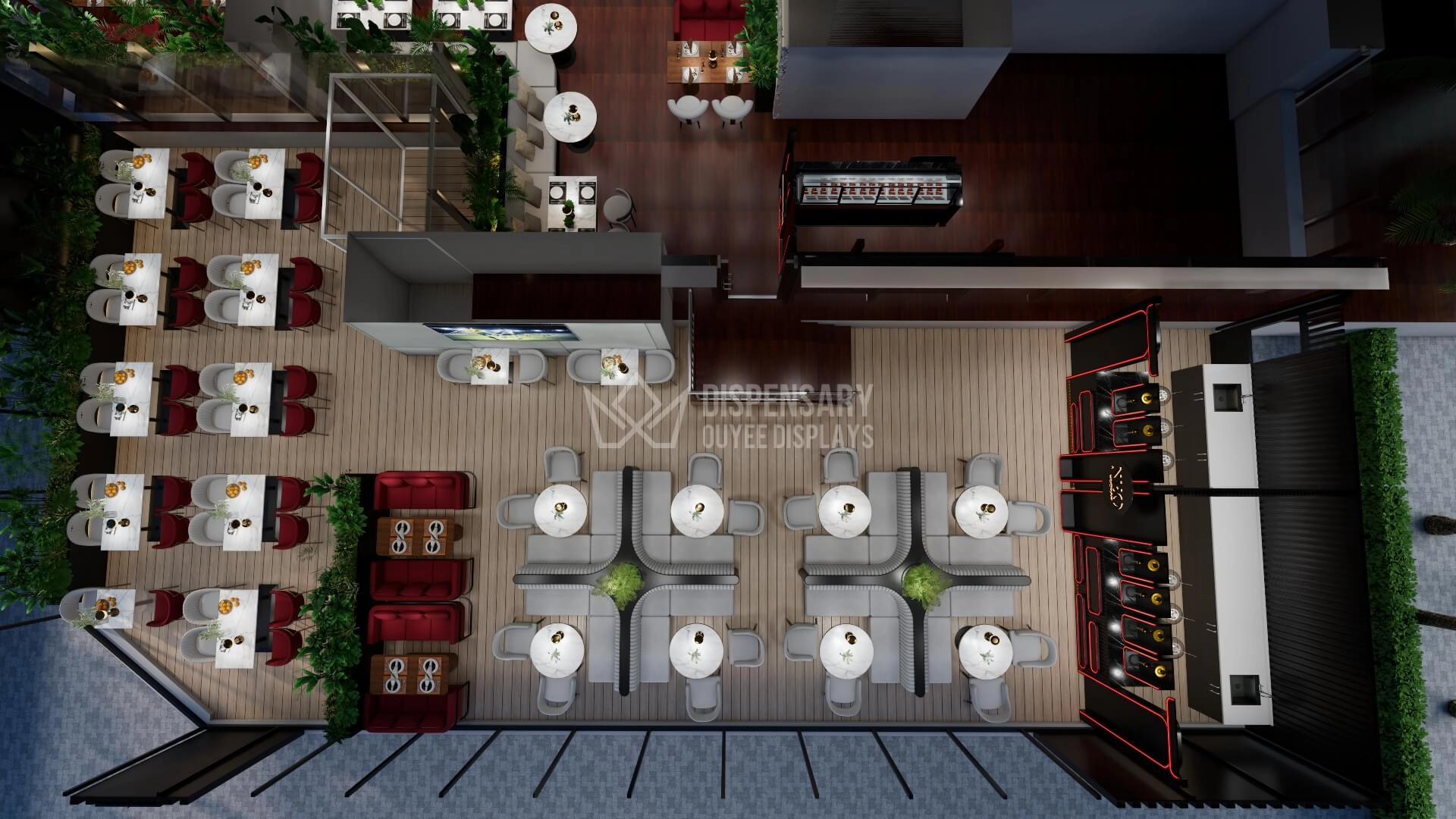
Wholesale Modern Commercial Hookah Lounge Furniture Bulk Suppliers
Transform your hookah lounge with our wholesale modern commercial furniture—designed to elevate ambiance, comfort, and customer engagement. Whether you need custom booths, sleek seating, or modular tables, we offer a complete solution tailored for premium retail and hospitality environments.
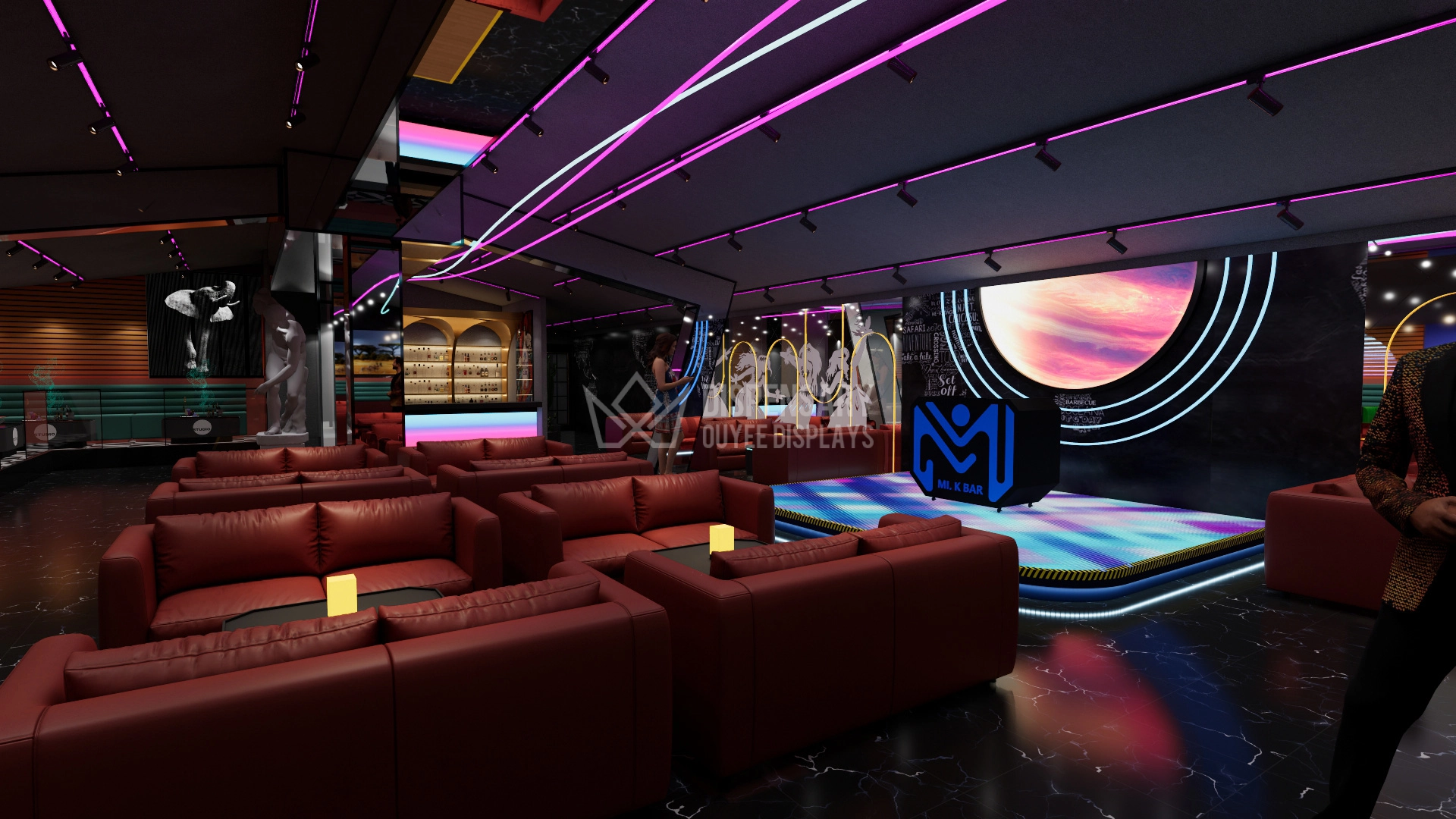
Commercial Durable Hookah Furniture Bulk Modular Layout for Modern Lounges
This modular hookah lounge furniture is designed for modern bars, lounges, and clubs that demand both luxury and functionality. With bold lighting, ergonomic seating, and customizable modules, it provides a versatile, durable, and aesthetically powerful solution for high-end hookah venues. Perfect for creating a visually immersive atmosphere that enhances customer satisfaction and retention.
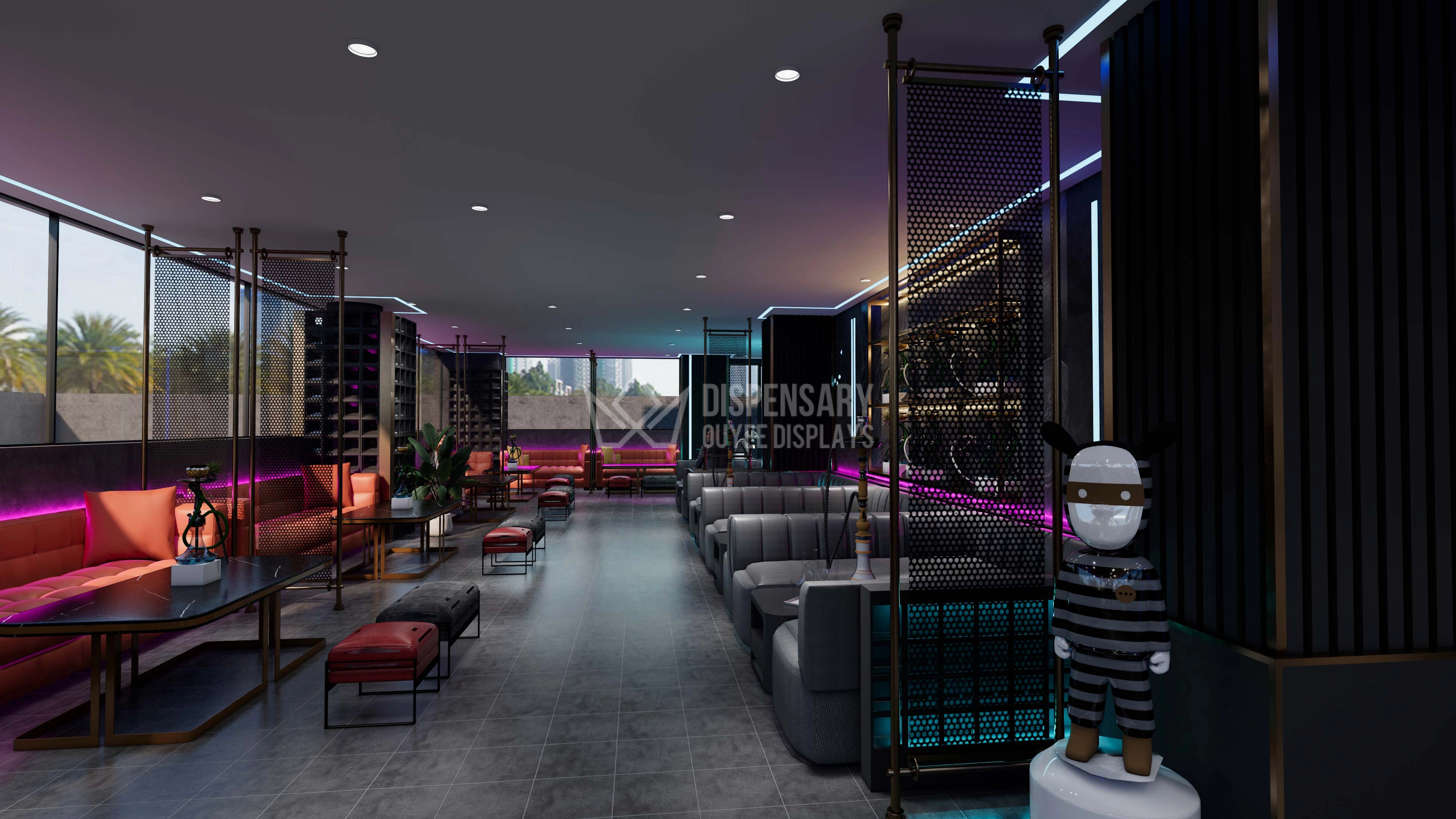
Customized Wholesale Hookah Lounge Furniture For Sale
Elevate your lounge experience with our premium customized hookah lounge furniture, designed for modern aesthetics and maximum comfort. With a strong emphasis on privacy, atmosphere, and luxury, our modular sofa systems, LED accents, and functional shisha setups are tailored to transform any space into a high-end smoking destination. Ideal for lounges, nightclubs, or upscale cafes seeking a bold, unified interior identity.
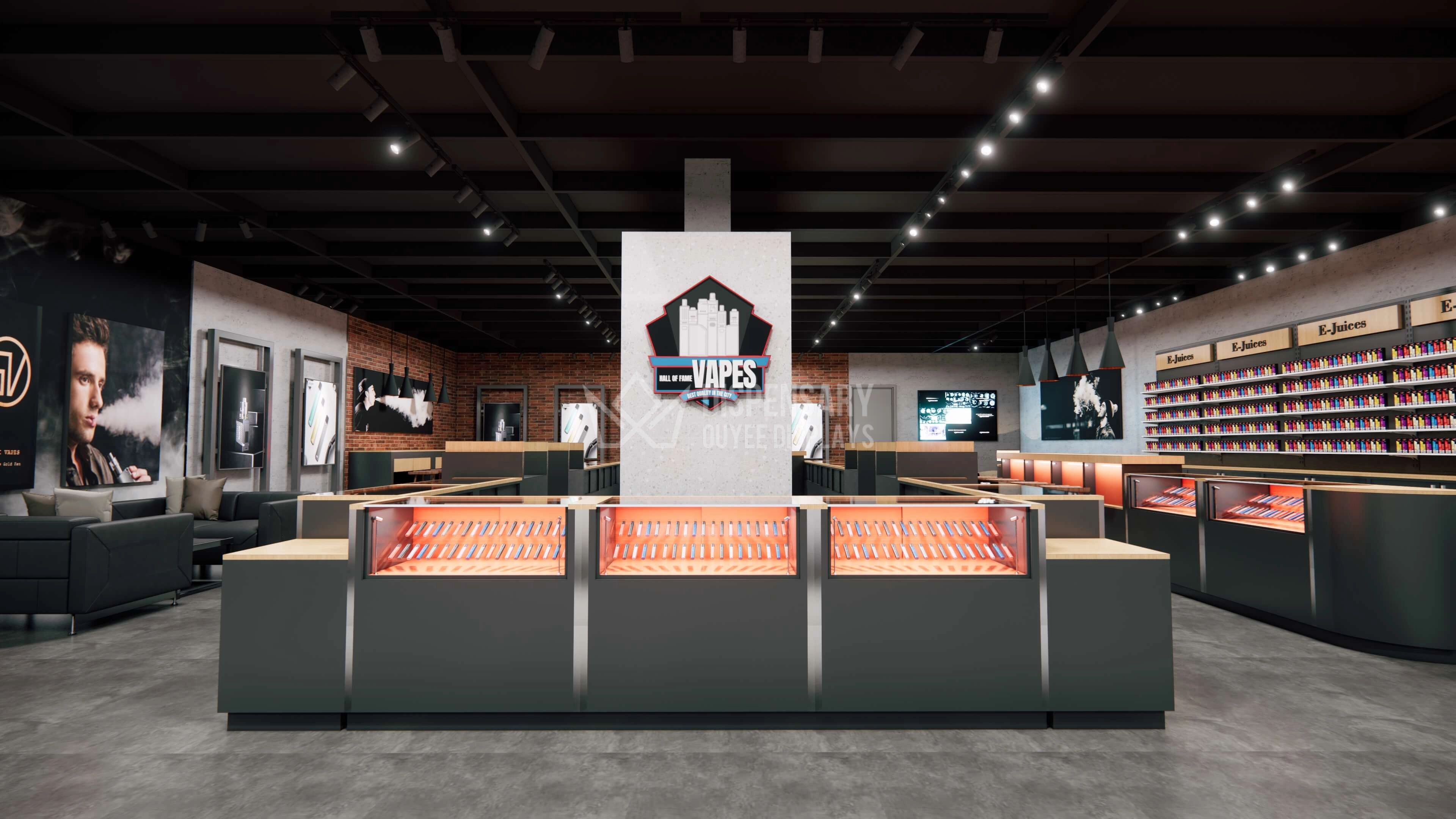
Custom Dispensary Display Design Services Modular Retail Solutions
Our Custom Dispensary Display Design Services specialize in creating unique, modular retail solutions tailored to your business needs. Whether you're showcasing tobacco products, e-liquids, or other retail items, our designs ensure maximum product visibility, security, and customer engagement. We combine high-end materials with flexible layouts, optimizing your store’s space while creating an upscale and professional atmosphere. From custom-built display units to comprehensive store design, our solutions are made to boost your retail environment’s functionality and aesthetic appeal.
Let's get in touch

Email: gzouyeedisplay@gmail.com
WhatsApp: +86 136 6049 7267
Ouyee Dispensary
Ouyee Dispensary
Ouyee Dispensary
Ouyee Dispensary