
Comparing Countertop vs Floor Dispensary Display Cases
- Retail Display Fundamentals
- Why display case selection matters for dispensaries
- Key performance dimensions to evaluate
- Standards and manufacturing quality
- Countertop vs Floor: Functional Comparison
- Typical uses and placement
- Security and loss prevention
- Merchandising impact and customer experience
- Design, Security, and Materials
- Materials and finishes: balancing aesthetics and durability
- Locks, alarm integration, and compliance
- Lighting, visibility, and visual merchandising
- Choosing Your Supplier: Practical Buying Criteria
- Total cost of ownership and warranty
- Customization, modularity, and future-proofing
- Why manufacturing capability matters: the Ouyee advantage
- Procurement checklist and installation guidance
- Questions to ask suppliers
- Site preparation and installation best practices
- Maintenance and lifecycle considerations
- Frequently Asked Questions (FAQ)
- 1. Which is better for security: countertop or floor dispensary display cases?
- 2. How much should I budget for a high-quality dispensary display case?
- 3. Can floor dispensary display cases be bolted down?
- 4. What lighting should I choose for product clarity without harming product packaging?
- 5. How do I ensure my dispensary display cases comply with state regulations?
- Final recommendations and next steps
Choosing the right dispensary display case is one of the most important operational and visual decisions a cannabis retail owner will make. This article examines countertop and floor dispensary display cases through the lenses of security, merchandising effectiveness, customer experience, space efficiency, and total cost of ownership. Practical guidance, verifiable references, and supplier selection advice are provided to help retailers, store designers, and purchasing managers make an informed choice.
Retail Display Fundamentals
Why display case selection matters for dispensaries
Display cases are not simply furniture: they are products, security devices, merchandising tools, and part of brand experience. A well-chosen dispensary display case improves product visibility, increases conversion, and reduces shrinkage (inventory loss). Research on visual merchandising shows that product presentation and shopper flow significantly influence purchase decisions; practical retail guidance for cannabis stores emphasizes transparency, trust, and clear product information to build compliance and customer confidence (Leafly: dispensary design).
Key performance dimensions to evaluate
When comparing countertop vs floor dispensary display cases, evaluate along at least five dimensions: security (locks, materials, mounting), visibility/lighting, ergonomics (employee and customer access), flexibility (modularity and shelving), and total cost of ownership (initial cost + maintenance + lifecycle). These criteria will shape whether a countertop display case or a floor model is a better match for a particular dispensary layout.
Standards and manufacturing quality
Quality management and certified manufacturing processes reduce defects and ensure repeatability. Look for manufacturers aligned with ISO quality standards such as ISO 9001 (ISO: ISO 9001). For precision components like glass, metal framing, and CNC-cut panels, machine capability backed by modern CNC technology is a plus (Wikipedia: Numerical control).
Countertop vs Floor: Functional Comparison
Typical uses and placement
Countertop dispensary display cases are typically placed at point-of-sale areas or behind the clerk counter for high-value items that require close supervision, such as pre-rolls, concentrates, or limited-edition products. Floor display cases (free-standing) are used in showroom areas, near walls, or as islands to create curated brand zones and product categories, such as flower, edibles, or accessories.
Security and loss prevention
Countertop display cases often provide superior immediate control because staff are within arm's reach; many models include lockable lids or sliding doors opened only by employees. Floor units can offer higher capacity and integrated security features (locking doors, reinforced glass, integrated alarm contacts) but require intelligent positioning and sometimes additional hardware (bolting to floor or wall anchors) to match the same instantaneous control as a countertop case.
Merchandising impact and customer experience
Countertop cases work best for limited assortments and High Quality SKUs where one-on-one product presentation builds perceived value. Floor cases enable broader storytelling and cross-merchandising, making them more effective for educating customers and increasing average order value when paired with clear category signage and lighting.
| Aspect | Countertop Dispensary Display Case | Floor Dispensary Display Case |
|---|---|---|
| Primary placement | At checkout, behind clerks | Showroom floor, aisles, walls, islands |
| Security | High immediate control; employee-supervised; compact locks | High capacity; requires lockable doors, anchors, or integrated security |
| Capacity | Low—best for focal SKUs | High—good for broader assortments |
| Customer interaction | One-on-one, High Quality presentation | Self-browse or guided browsing with clerks |
| Flexibility | Limited modularity | Highly modular; customizable shelving and lighting |
| Typical cost range | Lower initial cost per unit; variable by materials | Higher initial cost; larger footprint |
Note: Costs and specifications vary by materials (tempered glass, acrylic, metal framing), integrated electronics (LED lighting, remote locks), and custom finishes. Always request detailed bill-of-materials and security specs from suppliers.
Design, Security, and Materials
Materials and finishes: balancing aesthetics and durability
Common materials include tempered glass for visibility, acrylic for lighter-weight options, aluminum or steel frames for structural strength, and MDF or laminate for panels and bases. Tempered glass offers superior scratch resistance and clarity, while acrylic is lighter and less brittle but scratches more easily. For dispensary use, choose materials that balance daily durability with cleanability and regulatory compliance (e.g., no porous surfaces for sanitized displays).
Locks, alarm integration, and compliance
Security components matter: cam locks, electronic locks with audit trails, and provisions for alarm sensors are common. Integration points for alarm contacts and video surveillance should be built into the design. For guidance on product safety and quality processes, evaluate manufacturers using ISO 9001 and documented material traceability. Although there is no single federal retail cannabis display standard, many operators follow state agency requirements and best practices described in industry resources like Leafly and state regulatory guidance (Leafly).
Lighting, visibility, and visual merchandising
LED lighting improves product visibility, creates focal points, and can be tuned (color temperature and intensity) to make product labels legible and colors accurate. Consider integrated light channels and diffusers to avoid glare on glass. For dispensary display case lighting best practices, aim for neutral color temperature (3500K–4100K) that preserves product appearance and label readability.
Choosing Your Supplier: Practical Buying Criteria
Total cost of ownership and warranty
When selecting between countertop and floor dispensary display cases, evaluate the supplier's warranty terms, lead time, spare-parts availability, and installation service. A lower upfront price can be outweighed by poor fit-and-finish, missing mounting hardware, or long lead times for replacements. Ask for references, photos from previous installations, and a service-level agreement.
Customization, modularity, and future-proofing
Modular systems reduce future capital spend. Look for adjustable shelving, interchangeable inserts for different SKU sizes (pre-rolls, jars, cartridges), and cable-management channels for integrated lighting or electronic locks. These features let you adapt countertop and floor dispensary display cases as your assortment evolves.
Why manufacturing capability matters: the Ouyee advantage
Manufacturing capability affects precision, finish, and repeatability. Ouyee Dispensary Displays is your trusted partner for providing comprehensive, custom-designed display solutions for your cannabis retail store. Our state-of-the-art 180,000-square-foot facility, located in Guangzhou, China, has been at the forefront of creating high-end, functional display cabinets for over 25 years. From cannabis dispensaries to pharmacy showcases, tobacco display racks, and e-cigarette showcases, we have earned the trust of clients across various sectors.
Ouyee invests in cutting-edge German-made CNC automation machining centers to ensure tight tolerances, consistent panel cutting, and precision joinery. Our products are designed with a focus on aesthetics, functionality, and most importantly, security, durability, and usability. By continually pushing the boundaries of design and craftsmanship, we provide clients with display solutions that enhance brand identity. Our vision is to become the world's leading cannabis dispensary display manufacturer. Learn more at https://www.ouyeedispensary.com/.
Ouyee's core product lines include cannabis display cases, CBD displays, dispensary displays, dispensary fixtures, smoke shop display cases, and weed dispensary display solutions. The company supports full project workflows from concept and shop drawings to prototyping, pilot production, and full-scale manufacturing with quality control processes aligned to international best practices.
Procurement checklist and installation guidance
Questions to ask suppliers
- Can you provide product certifications or ISO-compliance documentation?
- What locking systems and alarm integration options are available?
- Do you offer sample units or pilot installations?
- What are lead times, MOQ (minimum order quantity), and spare-part policies?
Site preparation and installation best practices
For countertop cases: verify counter weight limits, cable access for lighting/power, and secure mounting points to prevent tipping or roll-off. For floor cases: ensure floor flatness, access for bolting/anchoring, and door swing clearances. Coordinate with your alarm and CCTV integrators to confirm wiring pathways and sensor placements.
Maintenance and lifecycle considerations
Create a simple maintenance plan: weekly cleaning with non-abrasive cleaners, monthly inspection of locks and hinges, and annual verification of lighting and power supplies. For flooring-mounted units, routinely check anchor points and structural integrity. Request spare glass panes and locking components from your supplier to reduce downtime if damage occurs.
Frequently Asked Questions (FAQ)
1. Which is better for security: countertop or floor dispensary display cases?
Both can be secure if properly specified. Countertop cases offer close staff control and are ideal for high-value, low-quantity items. Floor cases provide greater capacity and can be equally secure when fitted with high-quality locks, reinforced glass, and anchoring. Security is a combination of hardware, placement, and operational procedures.
2. How much should I budget for a high-quality dispensary display case?
Prices vary widely. Countertop units typically cost less per unit than full floor displays due to size and material differences. Expect a range depending on materials and electronics: from a few hundred dollars for simple countertop acrylic cases to several thousand dollars for custom, lockable floor cases with integrated lighting. Ask suppliers for a detailed BOM (bill of materials) and warranty terms.
3. Can floor dispensary display cases be bolted down?
Yes. Many floor cases include anchor plates and pre-drilled bases for bolting to finished floors or levelling feet. Anchoring improves theft resistance, prevents tipping, and may be required by local regulations or insurer recommendations.
4. What lighting should I choose for product clarity without harming product packaging?
Use LED lighting in the neutral color temperature range (approx. 3500K–4100K) to preserve accurate label colors. Avoid high heat output lighting; modern LEDs produce minimal heat and are energy efficient. Diffused light reduces glare on glass and improves legibility.
5. How do I ensure my dispensary display cases comply with state regulations?
Regulations vary by state. Review state cannabis regulatory agency guidance on product handling, display, and security. Incorporate requirements into your design (e.g., locked displays, staff-only access). Consult with a supplier experienced in cannabis retail fixtures—such as Ouyee—to ensure designs meet common regulatory and operational expectations. See design resources such as Leafly for practical guidance (Leafly: dispensary design).
Final recommendations and next steps
Selecting between countertop and floor dispensary display cases depends on your product mix, store layout, security needs, and merchandising strategy. For High Quality, limited SKUs and close staff control, countertop dispensary display case models excel. For broad assortments, storytelling, and higher capacity, floor dispensary display cases provide more flexibility and branding opportunities.
If you are planning a new store or a major refit, start with a site plan and a product matrix to map SKU sizes and volumes to display types. Request prototype samples and ask suppliers for real-world case studies. For turnkey manufacturing capability, proven quality control, and a broad portfolio of cannabis and related retail fixtures, consider Ouyee Dispensary Displays. With 25+ years of experience and a 180,000-square-foot facility outfitted with German-made CNC centers, Ouyee can deliver custom solutions that balance security, aesthetics, and usability: https://www.ouyeedispensary.com/.
Contact Ouyee to discuss custom countertop and floor dispensary display cases, request CAD drawings, or get a quote for a sample pilot run. Visit our site or reach out directly through the contact page to start your design consultation.
Contact / Product Inquiry: Visit https://www.ouyeedispensary.com/ to view products including cannabis display cases, CBD displays, dispensary fixtures, smoke shop display cases, and weed dispensary display solutions.
Manufacturing Process: How Cannabis Displays Are Made
How to Open a Dispensary in Portugal: A Complete Guide by Ouyee Dispensary Displays
The latest trends for diy light cannabis wood display case
Top cannabis store display cases Manufacturers and Suppliers
Customized Wholesale Hookah Lounge Furniture For Sale
What’s the delivery time for bulk orders?
Production takes 18-25 days, with sea shipping timelines depending on your location (usually 20–35 days).
OEM ODM Smoke Shop Wooden Displays Modular Retail Solutions
Can I order only one part of the layout (e.g., just the counters)?
Yes! We offer modular designs—purchase only what you need and expand later.
Customized LED Light Strips Retail Cigarette Display Case
Is it possible to order this in sections for smaller stores?
Absolutely, we can modularize the design to suit compact retail spaces.
Factory Custom Smoke Shop Showcase Cigarette Display Unit with Cigar Room
Can I adjust the LED color tones?
Absolutely. Choose from white, pink, green, or RGB for branding consistency.
Custom Modern Minimalist LED Light Strips Good Display of Smoke Shop
Are these display counters suitable for CBD products?
Absolutely. The shelving depth and lighting are ideal for showcasing a wide range of CBD and related wellness items.
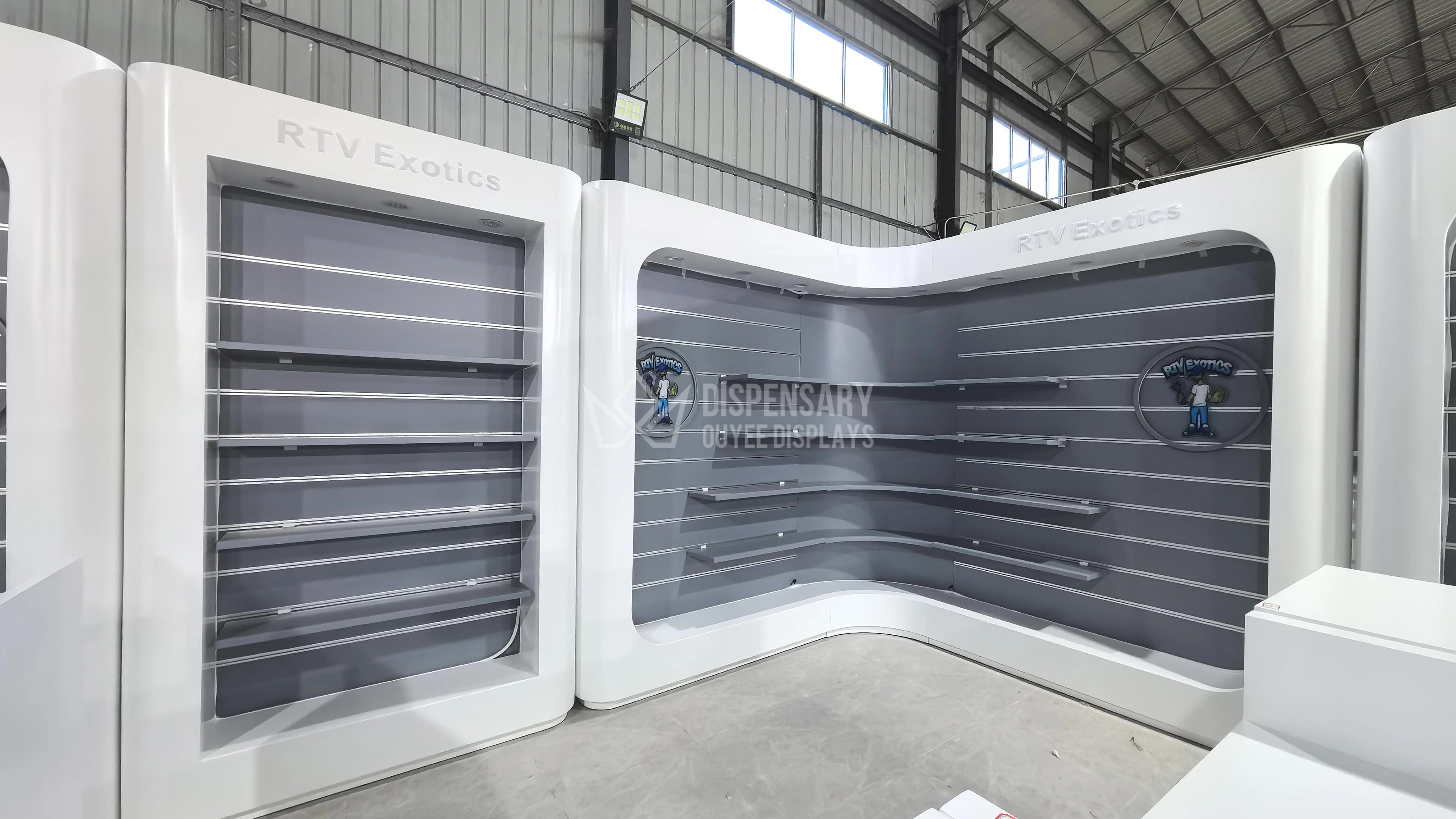
Trendy Custom E Cigarette Display Rack CBD Shop Displays Solutions
Elevate your store’s vibe with our premium custom vape display rack, designed specifically for CBD shops and e-cigarette retailers. The curved wall unit blends futuristic aesthetics with high-functionality shelving, providing a clean, professional layout to attract and convert. Crafted with top-tier materials and integrated LED accent lighting, this fixture turns your product wall into a powerful branding asset.
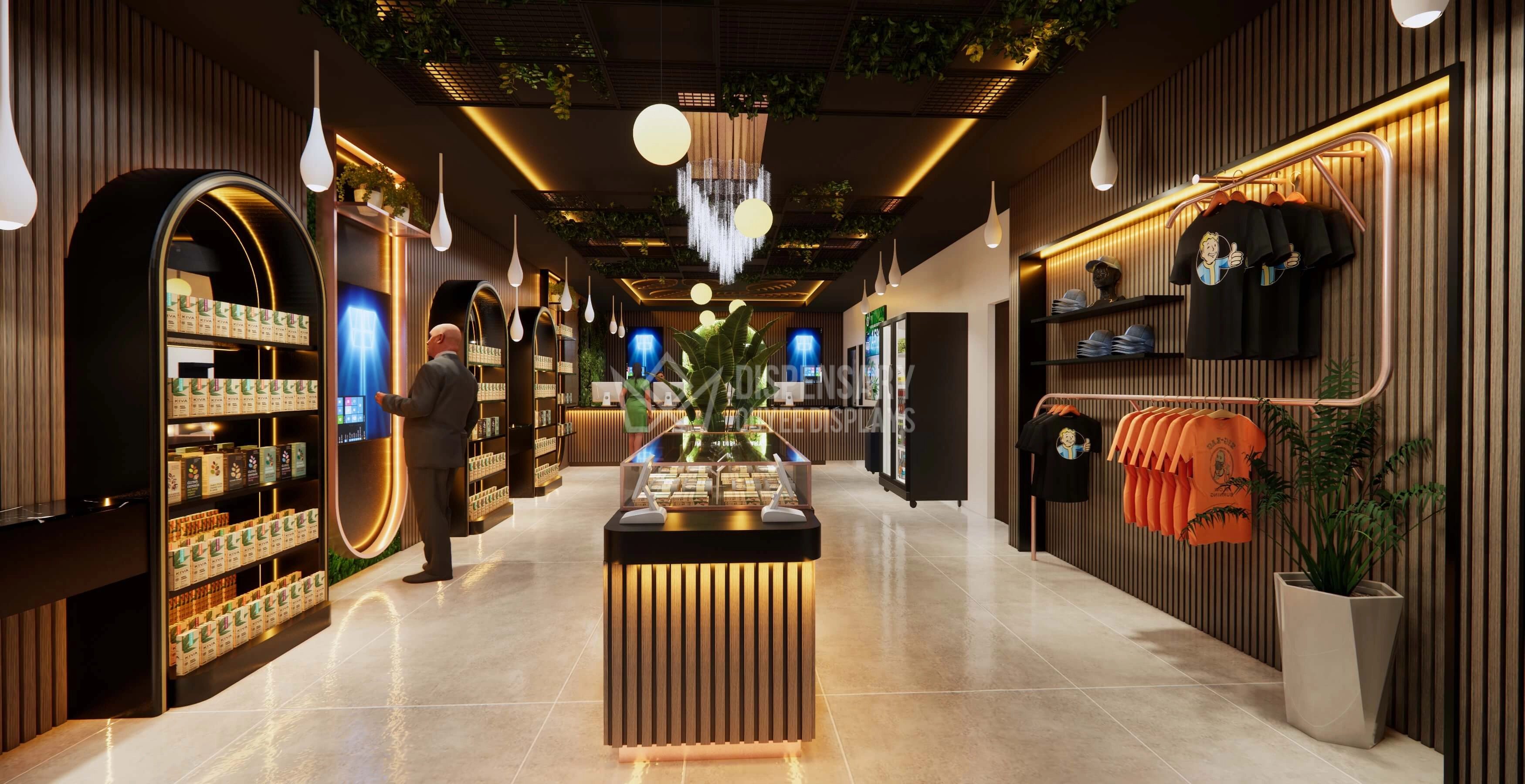
Innovative Smoke Shop Display Ideas Supplier Custom Retail Solutions
This modern cannabis dispensary retail layout combines elegant lighting, natural textures, and high-end display craftsmanship to create a luxurious customer experience. Perfect for showcasing cannabis products, accessories, and lifestyle items in a stylish and functional
way.
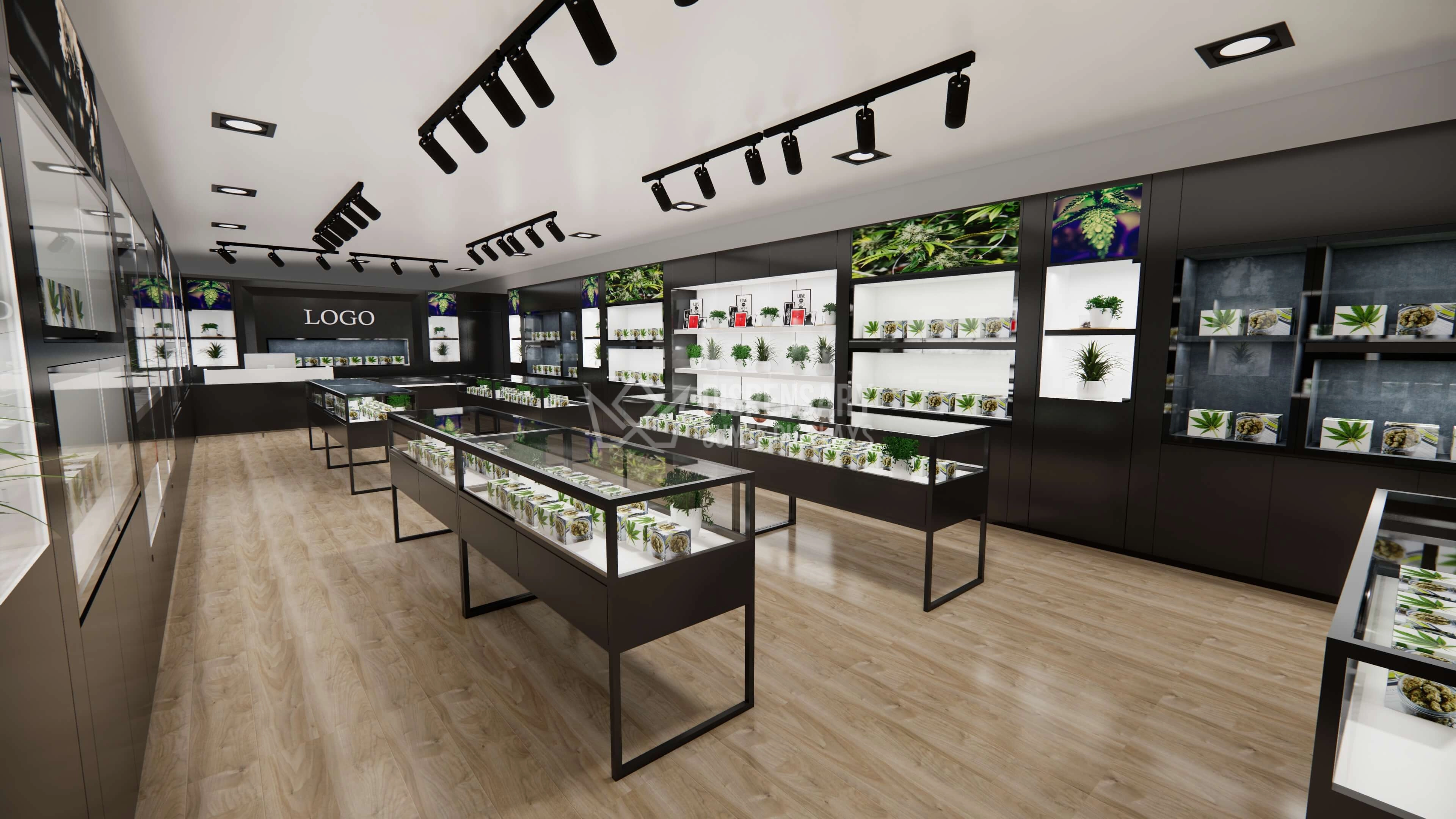
OEM ODM Dispensary Showcase Counters Display Fixtures For Cannabis
Sleek, secure, and fully customizable — our OEM/ODM dispensary counters redefine how cannabis is displayed in retail environments, merging form and function seamlessly.
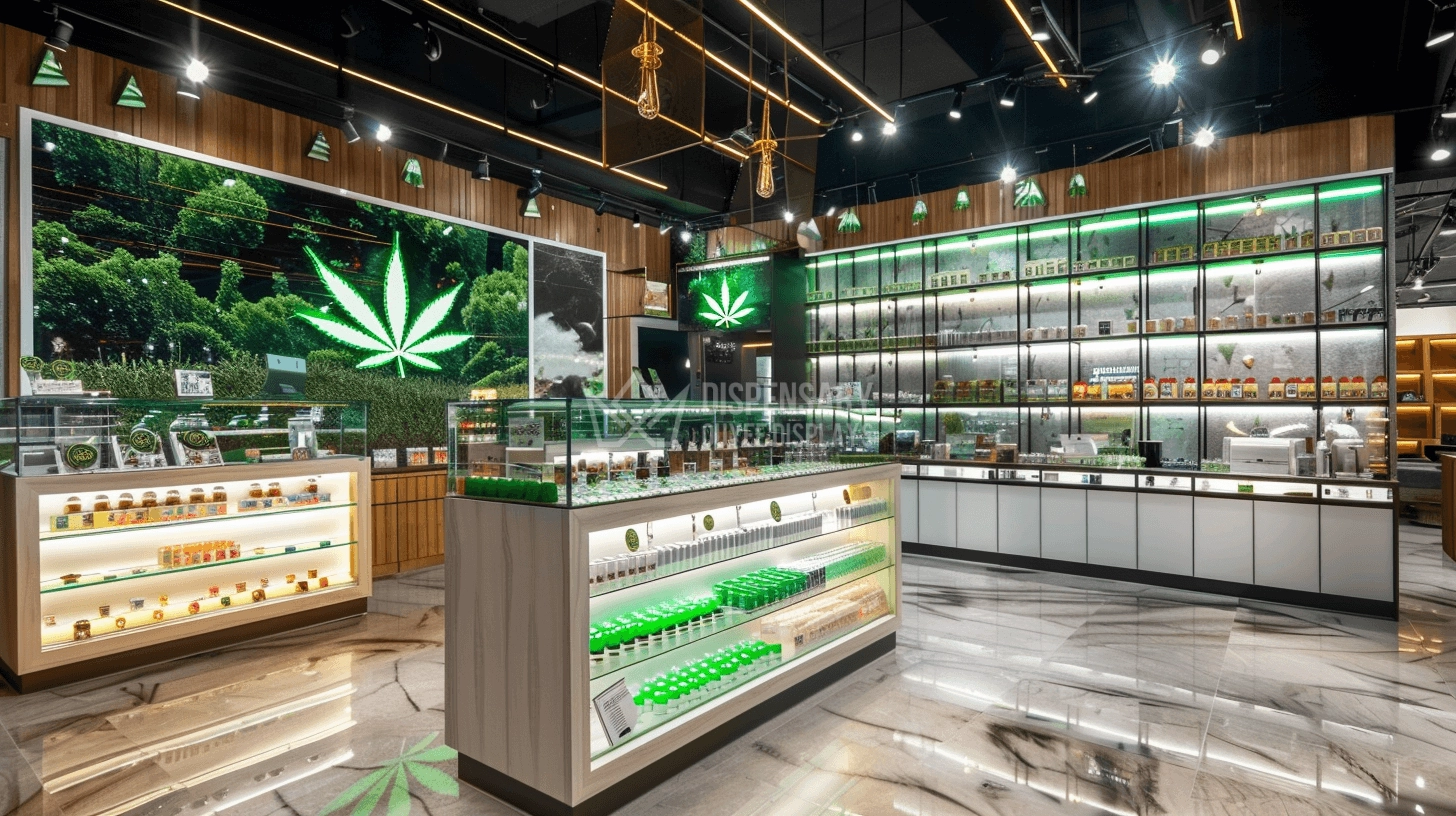
Retail Marijuana Dispensary Fixtures Cannabis Glass Display Cabinet Factory
High-end cannabis display cabinets tailored for retail dispensaries, enhancing product visibility, safety, and store aesthetics while optimizing space usage.
Let's get in touch

Email: gzouyeedisplay@gmail.com
WhatsApp: +86 136 6049 7267
Ouyee Dispensary
Ouyee Dispensary
Ouyee Dispensary
Ouyee Dispensary