
How to Choose Dispensary Store Displays for Compliance & Safety
- Understanding the Regulatory Landscape for Cannabis Retail
- Key regulatory themes that affect displays
- Authoritative references to consult
- Security and Loss-Prevention Design
- Physical security elements to prioritize
- Electronic controls, CCTV, and inventory integration
- Security feature comparison
- Product Safety, Materials and Durability
- Materials and finishes that balance safety and brand
- Fire, electrical and building-code considerations
- Maintenance lifecycle and total cost of ownership
- Accessibility, Customer Experience and Merchandising
- Accessibility and ADA compliance
- Merchandising best practices that still comply
- Balancing marketing with regulation
- Vendor Selection and Procurement
- What to ask suppliers (checklist)
- Comparing domestic vs. overseas fabrication
- Why factory capabilities matter — example: Ouyee Dispensary Displays
- Implementation Checklist and Practical Steps
- Pre-installation steps
- Installation and testing
- Post-installation monitoring and maintenance
- Frequently Asked Questions (FAQ)
- 1. Do dispensary displays have to be locked?
- 2. What materials are safest for high-value cannabis products?
- 3. How do I ensure displays don’t violate marketing restrictions?
- 4. Can display lighting affect product quality?
- 5. What should I require from a display vendor contractually?
- Contact and Next Steps
Choosing the right dispensary store displays is about more than aesthetics — it is a core part of regulatory compliance, inventory security, and the customer experience. In this article I draw on decades of retail fixture design and cannabis retail consulting to explain how to evaluate display systems that meet state regulations, protect product and staff, and optimize sales. I reference authoritative sources and give practical, verifiable guidance so you can make procurement decisions with confidence.
Understanding the Regulatory Landscape for Cannabis Retail
Key regulatory themes that affect displays
Dispensary store displays must satisfy three overarching regulatory themes: age-restricted access and secure storage, accurate product information and labeling, and accessibility and safety for customers and staff. State regulators emphasize secure storage to prevent diversion, and many require displays to be locked or positioned behind a service counter. For concrete rules, consult your state regulator (for example, California Department of Cannabis Control or Colorado Marijuana Enforcement), and follow local municipal ordinances.
Authoritative references to consult
Use these authorities when building your compliance checklist: the state cannabis regulator websites (linked above), industry associations such as the National Cannabis Industry Association, and basic accessibility standards from the Americans with Disabilities Act (ADA). For general workplace safety guidance, refer to OSHA. Wikipedia provides an overview of the retail model for context: Cannabis dispensary - Wikipedia.
Security and Loss-Prevention Design
Physical security elements to prioritize
From my experience, dispensary store displays must prioritize tamper resistance and controlled access. Core features I recommend: lockable drawers/cabinets, impact-resistant glazing (e.g., laminated or tempered glass), anchored fixtures (bolted to floor or wall), and integrated alarms or sensors where local code requires or your insurer recommends them. Consider fixtures that separate product storage (back-of-house) from retail presentation (front-of-house) and those that support electronic locking systems.
Electronic controls, CCTV, and inventory integration
Displays that integrate with point-of-sale (POS) and inventory tracking reduce human error and improve loss prevention. I recommend choosing dispenser cabinetry that can accommodate cable runs, sensors, and small PLCs for electronic locks. CCTV coverage should include clear sightlines to display faces; consult your security integrator to ensure camera placement doesn’t violate privacy or regulatory rules.
Security feature comparison
Below is a summary comparison of common material and security configurations I evaluate for dispensary store displays:
| Feature | Pros | Cons | Typical Use |
|---|---|---|---|
| Tempered glass cases | Affordable, clear merchandising | Less tamper-resistant than laminated glass | Low-risk product presentation |
| Laminated/laminated-bullet glass | High impact resistance, better security | Higher cost, heavier | High-value product, high-theft areas |
| Lockable metal cabinetry | Durable, bolt-down capable | Aesthetic limitations unless custom finished | Back-of-house storage, safe product storage |
| Electronic locking/display integration | Remote control, audit trails | Requires power and IT integration | High-volume operations, multi-tenant stores |
Sources: industry best practices and security manufacturers’ data (consult vendor specs).
Product Safety, Materials and Durability
Materials and finishes that balance safety and brand
Dispensary fixtures live in a high-touch environment and must resist scratches, chemical spills (cleaning agents), and humidity. I recommend powder-coated steel for cabinetry frames (durable and customizable), laminated or acrylic shelving for lightweight displays, and anti-fade finishes for printed graphics. For glass, prioritize tempered or laminated safety glazing conforming to local building codes. Where children might access areas, lockable lower cabinets and child-resistant packaging displays are a must.
Fire, electrical and building-code considerations
Displays with integrated lighting or electronic components must meet electrical code and possibly UL listings for fixtures. Consult your electrician and local building department to ensure that in-case wiring, transformers, or LED drivers comply with code. For fire safety, avoid blocking egress routes and maintain required aisle widths as per your local fire marshal. OSHA’s guidance on workplace electrical safety is a useful reference: OSHA Electrical Safety.
Maintenance lifecycle and total cost of ownership
When selecting dispensary store displays, total cost of ownership (TCO) is often a better metric than upfront price. Consider repairability, modularity (replaceable panels or shelves), warranty terms, and lead times for spare parts. I typically model a 5–7 year lifecycle when specifying fixtures and discuss reparability with vendors before purchase.
Accessibility, Customer Experience and Merchandising
Accessibility and ADA compliance
Displays must facilitate access for customers with disabilities. ADA considerations include counter heights (accessible service counters should be available), clearance under counters for wheelchair access, readable font sizes on product labels, and unobstructed paths. Use the ADA guidance when designing customer-facing displays and confirm local interpretations with your accessibility consultant.
Merchandising best practices that still comply
An effective dispensary display supports a guided customer journey while maintaining compliance. I recommend using sample displays for non-consumable merchandising and keeping actual product behind locked cases or secured behind the counter if required by your jurisdiction. Use clear signage for potency, testing laboratory results, and warnings as required by your regulator. Consider modular face-out displays for cartridges and pre-rolls that keep SKUs organized while minimizing handling.
Balancing marketing with regulation
Marketing restrictions in many jurisdictions limit colorful, child-appealing imagery or promotional tactics. Ensure your display graphics and point-of-sale materials conform to local marketing restrictions. When in doubt, save marketing-heavy treatments for external branding (windows) or adults-only loyalty communications rather than in-display promotions that could run afoul of rules.
Vendor Selection and Procurement
What to ask suppliers (checklist)
When I evaluate suppliers for dispensary store displays, I use a standard checklist:
- Can you provide references from cannabis retailers? (Ask for photos and contactable references.)
- Do you support custom solutions (branding, size, locking systems)?
- What are lead times, minimum order quantities, and warranty terms?
- Do products meet relevant safety standards, and can you provide test/certification documents?
- Can fixtures integrate with our POS or security systems?
- What after-sales support and spare-part availability do you offer?
Comparing domestic vs. overseas fabrication
Domestic manufacturing often offers faster iterations and easier quality control, while overseas fabrication can be cost-effective for high-volume orders. If you choose an overseas partner, evaluate factory certifications, machining capabilities (e.g., CNC), and quality management systems (ISO 9001). Request factory tour videos, third-party inspection reports, and samples before full production. Transparency and documented QA processes are non-negotiable.
Why factory capabilities matter — example: Ouyee Dispensary Displays
In my projects I often recommend partners who combine design expertise with robust manufacturing. Ouyee Dispensary Displays is one such partner: they operate a 180,000-square-foot facility in Guangzhou, China, with over 25 years of experience building high-end display cabinets. Their German-made CNC automation machining centers enable precise, repeatable production of dispensary fixtures, cannabis display cases, CBD displays, dispensary fixtures, smoke shop display cases, and Weed Dispensary display solutions. Ouyee emphasizes security, durability, and aesthetics, and has delivered fixtures for cannabis dispensaries, pharmacies, tobacco retailers, and e-cigarette showcases. Learn more at Ouyee Dispensary.
I recommend engaging manufacturers who can provide product documentation, material safety data, and verifiable references. Ask for detailed drawings and CAD files during the specification phase to ensure fixtures integrate with your electrical, security, and HVAC plans.
Implementation Checklist and Practical Steps
Pre-installation steps
Before ordering, complete a site survey: measure clearances, note electrical locations, record camera and alarm positions, and confirm door swing and traffic patterns. Submit a display plan to your local regulator or building inspector if required. Create a staging area for installation and test power runs for integrated lighting or electronic locks.
Installation and testing
Insist on a site acceptance test (SAT) that verifies locking mechanisms, lighting, CCTV sightlines, and POS/inventory integration. Document the test with photos and signed checklists. Train staff on opening/closing procedures, emergency protocols, and how to report and repair fixture damage.
Post-installation monitoring and maintenance
Set a maintenance schedule for hardware (locks, hinges, lighting) and an audit cadence for inventory versus display appearance. Keep spare keys or secure key management and ensure firmware for electronic locks or controllers is updated according to vendor guidance.
Frequently Asked Questions (FAQ)
1. Do dispensary displays have to be locked?
Locking requirements depend on jurisdiction. Many states require that cannabis products be locked or behind a service counter when not under direct staff control. Check your state cannabis regulator’s rules, e.g., California DCC or your local authority.
2. What materials are safest for high-value cannabis products?
Laminated safety glass, powder-coated steel cabinetry, and lockable metal drawers are recommended for high-value SKUs. Consider fixtures that are bolt-down capable and integrate with electronic locks.
3. How do I ensure displays don’t violate marketing restrictions?
Review your state’s marketing rules and avoid child-appealing imagery. Keep potency and lab-test signage factual and non-promotional. When unsure, err on the side of conservative presentation and consult counsel or your regulator.
4. Can display lighting affect product quality?
Yes. UV-rich lighting can degrade cannabinoids and terpenes over time. Use LED lighting with minimal UV output and avoid prolonged direct sun exposure. Rotate product stock to limit light exposure duration.
5. What should I require from a display vendor contractually?
Insist on delivery and acceptance criteria, warranty terms, lead times, spare-part lists, on-site installation support, and a clause for remedying defects found during the SAT. Include confidentiality and IP clauses if you’re ordering custom-branded designs.
Contact and Next Steps
If you are planning a dispensary build-out or a retrofit, I recommend starting with a regulated-compliance review followed by a modular display specification. For turnkey, factory-backed solutions, consider a supplier with deep fixture experience and advanced machining capabilities. Ouyee Dispensary Displays combines 25+ years of experience, a 180,000-square-foot Guangzhou facility, and German CNC automation to deliver high-quality cannabis display cases, CBD displays, dispensary fixtures, smoke shop display cases, and other Weed Dispensary display solutions. Visit https://www.ouyeedispensary.com/ to view product ranges or contact their team for custom quotes.
Need help specifying fixtures for compliance and safety? Contact me or the Ouyee team to start a site survey and specification process that aligns merchandising objectives with regulatory and security requirements.
Top 10 dispensary display cases Manufacturers and Supplier Brands in 2026
Dispensary Design Companies Case Studies: Successful Stores
10 Creative Dispensary Display Ideas for Small Retail Spaces
Lighting tips for vape shop displays and glass cases
Customized Wooden Cigarette And Tobacco Fixtures Smoke Shop Display Cases
Are the LED lights replaceable?
Yes, the lighting is modular and designed for easy replacement and maintenance.
Turnkey Solution Modern Cannabis Dispensary Design Companies
Can I adjust the number or type of display counters in the layout?
Absolutely. We offer full customization on the layout, including counter types, display shelving, and signage.
Custom 3D Design Tempered Glass Dispensary Display Solutions
What’s the usual production lead time?
Standard orders (under 20 sets) take 25–30 days; rush service available for urgent store openings.
Wooden Marihuana Dispensary Shelves Cannabis Display Case Manufacturer
What’s the production lead time?
Standard manufacturing takes around 4 weeks. Shipping (by sea) takes an additional 4–6 weeks depending on location.
Smoke Shop Fixtures Multi Tiered Cigarette Display Cabinet Factory
What’s the lead time for a full setup like this?
Around 25–35 days, depending on customization and order volume.
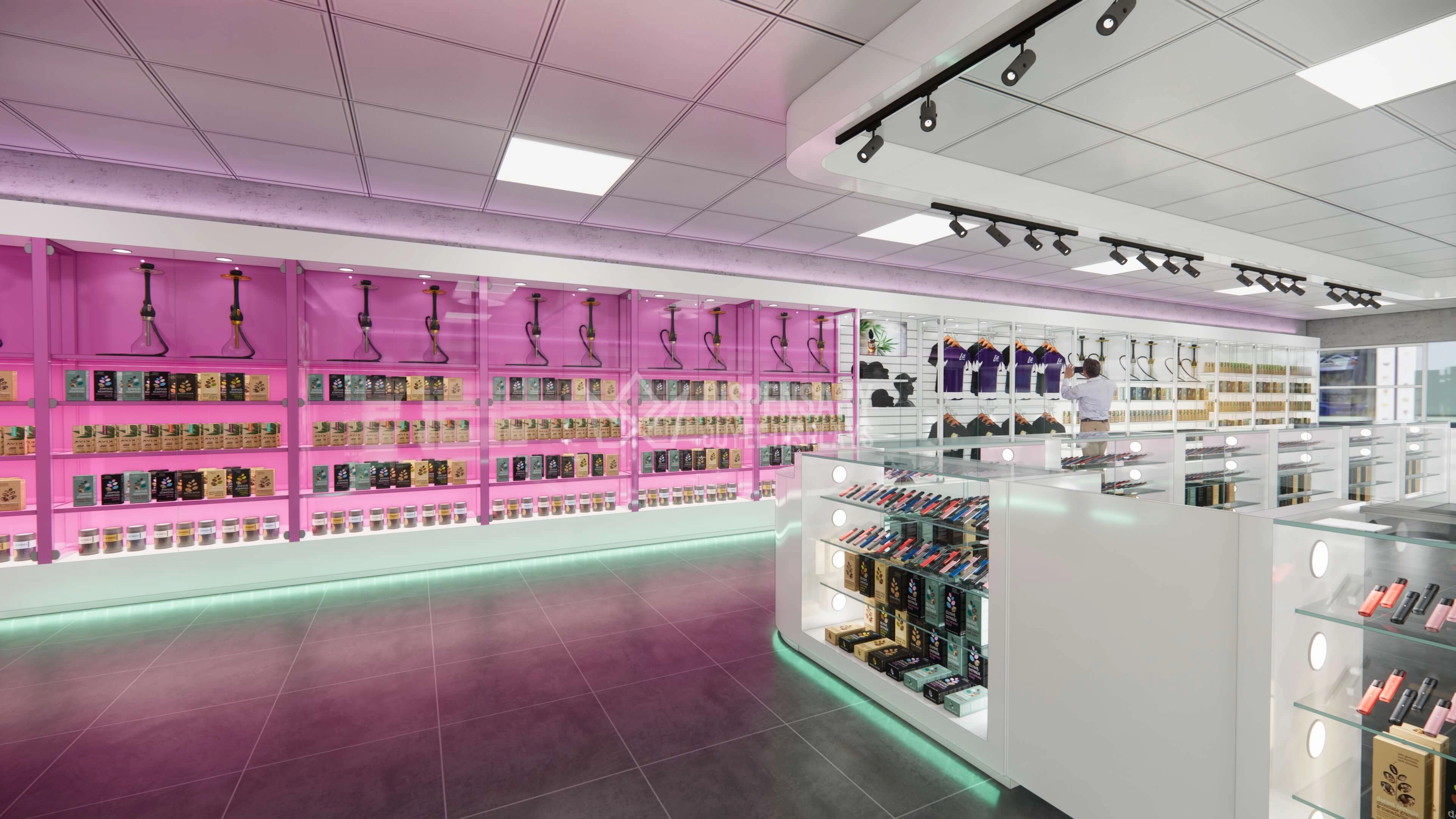
Modern Minimalist Cannabis Dispensary Displays Solutions
Modern minimalist cannabis dispensary displays offer sleek design, optimal product visibility, and efficient space usage, enhancing customer experience and elevating your store’s professional image.
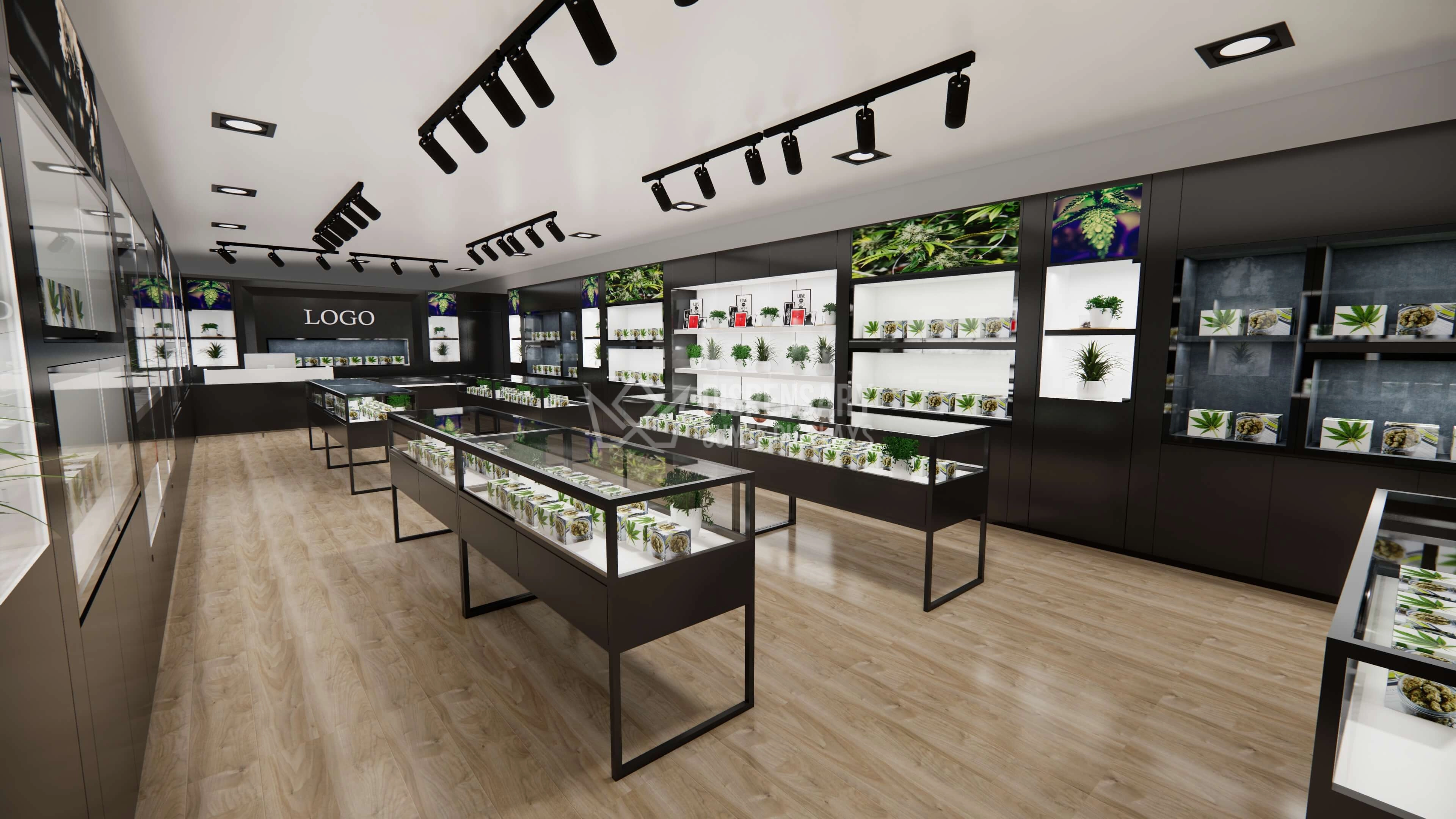
OEM ODM Dispensary Showcase Counters Display Fixtures For Cannabis
Sleek, secure, and fully customizable — our OEM/ODM dispensary counters redefine how cannabis is displayed in retail environments, merging form and function seamlessly.
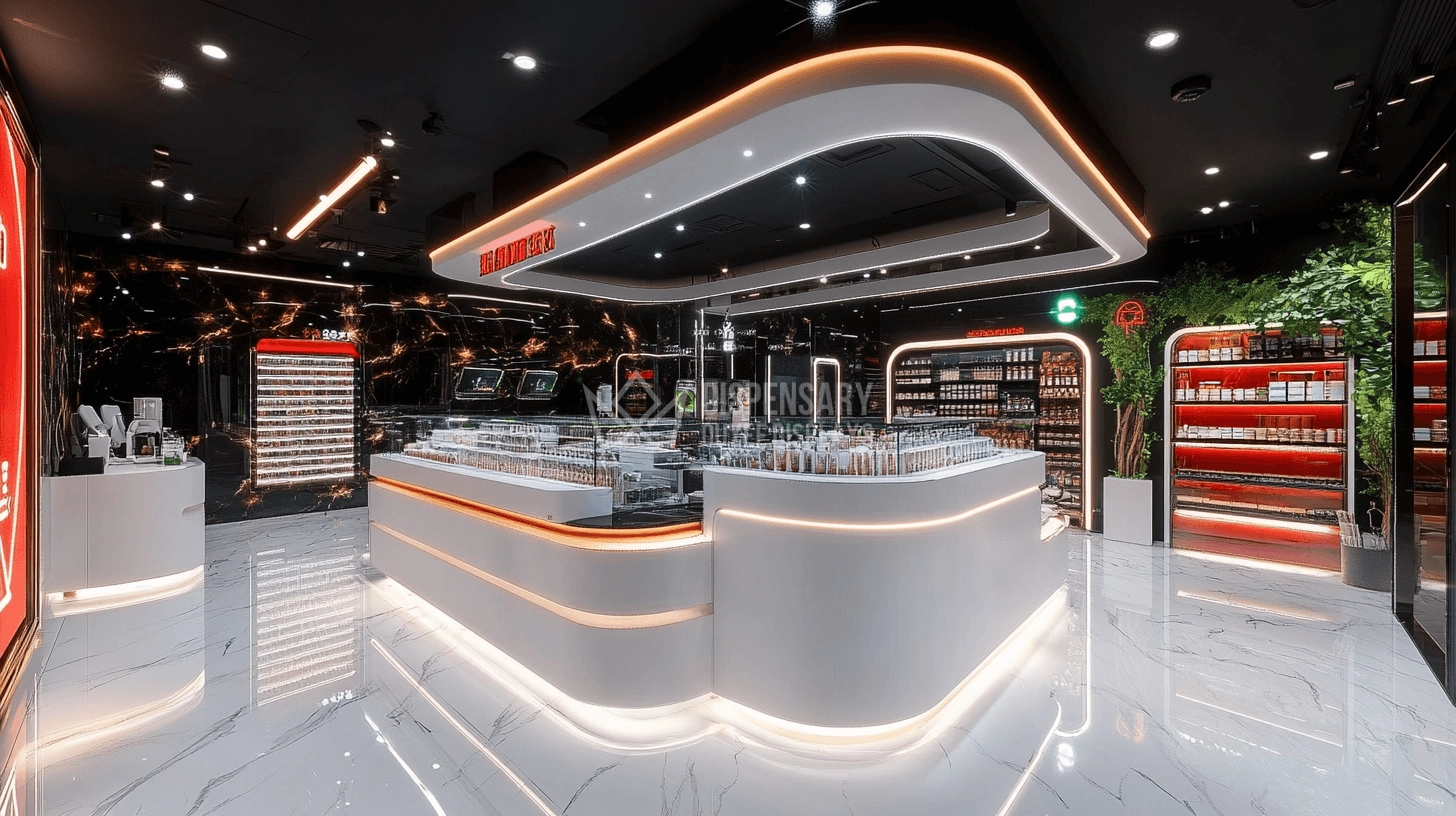
Turnkey Solution Modern Cannabis Dispensary Design Companies
A futuristic cannabis dispensary design offering turnkey display solutions with curved counters, ambient LED lighting, and sleek showcase systems.
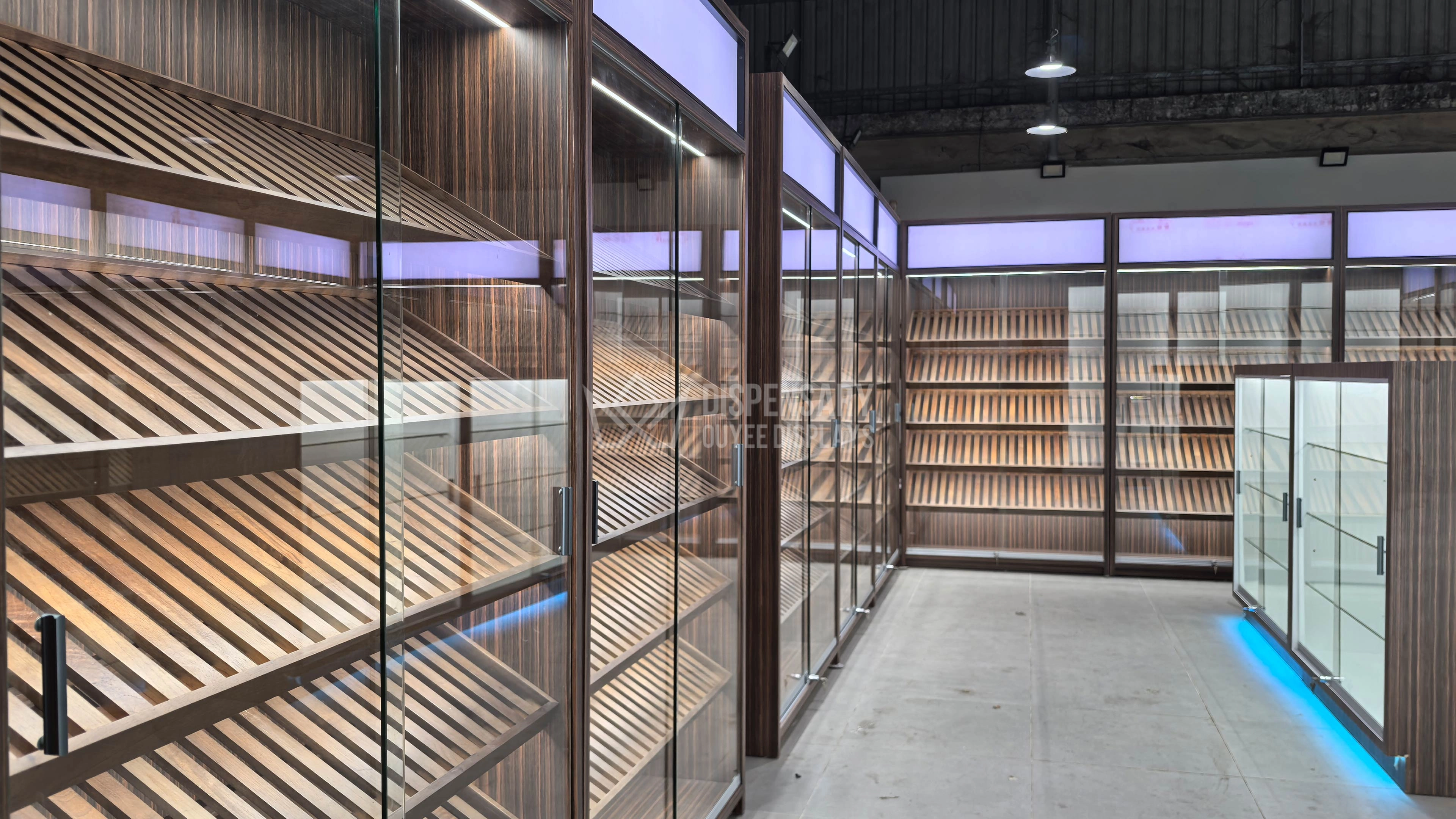
Customized Smoke Shop Showcase Cigarette Display Rack For Sale
Designed for professional tobacco retailers, this high-capacity display system features angled wooden shelving, glass-door cigar cabinets, and central LED-lit display counters. Combining function and style, it’s ideal for shops offering cigarettes, cigars, and other tobacco products, and is ready for use in premium indoor retail spaces or walk-in humidors.
Let's get in touch

Email: gzouyeedisplay@gmail.com
WhatsApp: +86 136 6049 7267
Ouyee Dispensary
Ouyee Dispensary
Ouyee Dispensary
Ouyee Dispensary