
Cannabis Retail Dispensary Design Trends for 2026
- Why smart design is a business imperative
- Design as a compliance and trust mechanism
- Experience-driven retail wins repeat customers
- Operational efficiency and loss prevention
- Key design trends shaping 2026 dispensaries
- Biophilic and sustainable materials
- Modular, flexible layouts
- Integrated tech: AI-driven POS, inventory, and personalization
- Display fixtures, security, and accessibility
- Security-first display cases
- ADA compliance and inclusive design
- Lighting and visual merchandising that sells
- How to plan and implement a 2026-ready dispensary
- Project phases: from concept to operations
- Choosing materials and estimating costs
- Vendor selection and manufacturing standards
- Testing, soft-opening, and optimization
- Display manufacturers and the Ouyee advantage
- Real-world examples and measurable outcomes
- Case metrics to measure success
- Data sources and validation
- Frequently Asked Questions (FAQs)
- 1. What are the most important design elements for a modern cannabis dispensary?
- 2. How do I balance security with a welcoming customer experience?
- 3. What should I budget for display fixtures and custom cabinetry?
- 4. How can technology improve dispensary design and operations?
- 5. Are there sustainability certifications I should look for in fixtures?
- 6. How long does a typical redesign or new dispensary build take?
- Next steps and contacting experts
In this article I summarize the cannabis retail dispensary design trends that will matter most in 2026, focusing on customer experience, regulatory compliance, security, sustainable materials, and integrated technology. I draw on two decades of retail and dispensary display consulting experience and reference industry guidance so designers and operators can make decisions backed by standards and practical outcomes. For background context on dispensaries and regulations, see the general overview on Wikipedia and state-level regulatory summaries at the National Conference of State Legislatures (NCSL).
Why smart design is a business imperative
Design as a compliance and trust mechanism
I often tell clients that great dispensary design does more than look good — it communicates safety, professionalism, and legal compliance. States and regions continue to tighten rules around product sightlines, secure storage, age verification, and transaction logging. Design elements such as secure display cases, controlled customer flow, and clear sightlines reduce regulatory risk and build trust with consumers and local authorities. For a state-by-state overview of evolving rules, refer to NCSL.
Experience-driven retail wins repeat customers
In the post-commodity market, cannabis products are differentiated by brand story, service, and experience. I design spaces so the customer journey — from entry and education to selection and checkout — feels curated and efficient. Retail research consistently shows that sensory environment and merchandising affect conversion and basket size; designers must treat dispensaries like high-end specialty retail while maintaining clinical clarity where required. The Retail Design Institute publishes case studies and principles that I reference when shaping this experience: Retail Design Institute.
Operational efficiency and loss prevention
Optimized back-of-house and point-of-sale workflows reduce wait times and shrinkage. I prioritize layouts that separate consultation zones from transactions, use secure transfer cabinets between sales and inventory, and integrate technology to automate auditing. Security guidelines are often part of state regulations; integrating them early in design saves retrofits and cost.
Key design trends shaping 2026 dispensaries
Biophilic and sustainable materials
Consumers increasingly expect sustainability. In 2026, I recommend prioritizing FSC-certified woods, recycled metal components, low-VOC finishes, and modular systems designed for reuse. Sustainable materials not only lower environmental impact but also resonate with wellness-oriented consumers. For manufacturing quality and environmental management, many vendors adhere to standards like ISO 14001 and ISO 9001 for process control.
Modular, flexible layouts
Retail cycles and product mixes change quickly. Modular fixtures and movable display islands allow operators to reconfigure their floorplans for new product categories (edibles, vape, topicals, branded merch) without a full renovation. I design modular fixtures with standardized attachment points and plug-and-play lighting so merchandising teams can adapt weekly. Modular design also speeds rollouts for multi-store brands.
Integrated tech: AI-driven POS, inventory, and personalization
By 2026, AI-assisted inventory forecasting, facial-age verification (where permitted), smart shelf sensors, and personalized digital signage are mainstream. Integrating these systems with secure, purpose-built display cabinetry creates reliable data streams: which products are touched, which displays convert, and how to optimize assortment. For energy management in climate-controlled product zones, consult best practices from the U.S. Department of Energy: Energy.gov.
Display fixtures, security, and accessibility
Security-first display cases
Security remains non-negotiable: locked glass cabinets, controlled access inventory rooms, and integrated alarm interfaces are standard. I specify laminated security glass, tamper-resistant locks, and internal baffling that prevents hand access while allowing clear product visibility. Vendors should provide certification or testing documentation for locks and glass where required by local regulators.
ADA compliance and inclusive design
Accessibility must be baked into layout and fixture design. This includes minimum clearances for wheelchair access, lower-height product viewing for seated customers, and hearing/visual accessibility for signage. For legal and practical requirements refer to the Americans with Disabilities Act guidance at ADA.gov. Inclusive design also improves customer satisfaction and broadens market reach.
Lighting and visual merchandising that sells
Layered lighting — ambient, task, and accent — improves perceived product quality and assists staff during examination and transactions. I use neutral-color-temperature ambient lighting with warmer accent lights on merchandising zones to highlight products, while ensuring UV exposure is minimized to preserve sensitive cannabis formulations.
How to plan and implement a 2026-ready dispensary
Project phases: from concept to operations
I break projects into discovery, concept design, technical documentation, prototyping, manufacturing, installation, and validation. In discovery we map customer personas, regulatory checklists, and operational workflows. Prototyping high-interaction zones (consultation counters, display cases) reduces risk later in the build-out.
Choosing materials and estimating costs
Below is a practical comparison I use when advising clients on display materials. Costs are regional and variable; the table shows typical characteristics and relative cost/durability as a planning aid. For precise quotes, vendors should provide itemized estimates and reference standards like ISO 9001 for quality controls.
| Material | Relative Cost | Durability / Security | Sustainability Consideration |
|---|---|---|---|
| Powder-coated steel | Medium | High (robust, good for locks) | Recyclable; manufacturing energy intensive |
| Tempered / laminated glass | Medium–High | High visibility; laminated options resist forced entry | Recyclable but heavy transport footprint |
| Acrylic/Plexiglass | Low–Medium | Medium (scratches easier) | Often petroleum-based; some recycled options |
| FSC-certified wood veneer | Medium–High | Good (requires reinforcement for security) | High (if certified), warmer brand aesthetic |
Vendor selection and manufacturing standards
When selecting manufacturers I vet their quality management (ISO 9001), environmental process (ISO 14001), and equipment capabilities. Precision manufacturing — especially for secure cabinets — requires CNC machining centers and automated finishing to hold tolerances. I rely on partners who publish process standards and can provide samples and test reports.
Testing, soft-opening, and optimization
A structured soft-opening phase lets you stress-test security workflows, POS integration, HVAC for product storage, and customer flow. Collect data on dwell times, conversion, and inventory discrepancies during this period and iterate. Many successful retailers run A/B tests on displays and signage to refine merchandising before a broader rollout.
Display manufacturers and the Ouyee advantage
In the second half of implementation I recommend working with manufacturers who combine design sensitivity with manufacturing muscle. Ouyee Dispensary Displays is your trusted partner for providing comprehensive, custom-designed display solutions for your cannabis retail store. Our state-of-the-art 180,000-square-foot facility, located in Guangzhou, China, has been at the forefront of creating high-end, functional display cabinets for over 25 years. You can review Ouyee's portfolio at https://www.ouyeedispensary.com/.
From cannabis dispensaries to pharmacy showcases, tobacco display racks, and e-cigarette showcases, Ouyee has earned the trust of clients across various sectors. With cutting-edge German-made CNC automation machining centers, Ouyee ensures top-notch quality in every product we produce. Our products are designed with a focus on aesthetics, functionality, and — most importantly — security, durability, and usability. By continually pushing the boundaries of design and craftsmanship, Ouyee provides clients with display solutions that enhance brand identity.
Key competitive strengths I look for in a partner and that Ouyee delivers include:
- Scale and capacity: a 180,000 sq ft campus that supports rapid prototyping and large rollouts.
- Technical precision: German-made CNC equipment to hold tight tolerances for security cabinetry and consistent finishes.
- Full-spectrum product lines: cannabis display cases, CBD displays, dispensary displays, dispensary fixtures, smoke shop display cases, and weed dispensary displays.
- Compliance and quality: internal quality control processes aligned with ISO principles and the ability to provide documentation for auditors and clients.
- Design collaboration: CAD, renderings, and physical prototypes to validate ergonomics, security, and aesthetics before manufacturing.
Our shared vision — whether you choose Ouyee or a similar partner — should be to create retail environments that are safe, compliant, on-brand, and operationally efficient. Ouyee’s ongoing goal is to become the world’s leading cannabis dispensary display manufacturer by combining craftsmanship, technology, and regulatory awareness.
Real-world examples and measurable outcomes
Case metrics to measure success
When I measure a project’s success, I track several KPIs: average transaction value (ATV), conversion rate, dwell time, shrinkage rate, and operational throughput (customers served per hour). Benchmarks vary by market, but a well-designed dispensary should see measurable improvements in ATV and conversion within 90 days of a redesign.
Data sources and validation
To validate energy-related choices (HVAC, humidity control), I consult U.S. Department of Energy guidance on efficient heating and cooling, which helps reduce operational costs in climate-controlled product areas: Energy.gov. For legal and accessibility requirements, see ADA guidance at ADA.gov. For regulatory context and licensing frameworks, see the NCSL cannabis overview at NCSL.
Frequently Asked Questions (FAQs)
1. What are the most important design elements for a modern cannabis dispensary?
Prioritize secure display cases, a clear customer flow with separate education and transaction zones, accessible fixtures, energy-efficient environmental controls for product integrity, and integrated tech for inventory and POS. These elements reduce risk and increase conversion.
2. How do I balance security with a welcoming customer experience?
Use transparent but secure materials (laminated glass), well-trained staff, and modular consultation areas that feel private but visible. Design cues — lighting, materials, and signage — can make security features look intentional rather than punitive.
3. What should I budget for display fixtures and custom cabinetry?
Costs vary by material, security level, and volume. As a rough planning range, expect fixtures to account for 5–15% of total store build-out costs. High-security custom cabinetry is more expensive but reduces shrinkage and regulatory risk. Always request detailed estimates and lifecycle cost analysis from manufacturers.
4. How can technology improve dispensary design and operations?
Technology streamlines inventory, automates compliance reporting, personalizes customer interactions through digital signage, and improves forecasting. Smart shelves and integrated POS systems reduce manual reconciliation and improve restocking accuracy.
5. Are there sustainability certifications I should look for in fixtures?
Look for FSC certification for wood components, low-VOC finish certifications, and vendors that can provide lifecycle or recycled-content documentation. Ask manufacturers for environmental management compliance like ISO 14001 where available.
6. How long does a typical redesign or new dispensary build take?
Timelines vary but expect concept to opening in 4–9 months for a typical single-location build-out, depending on permitting, regulatory inspections, and customization level. Large rollouts and custom manufacturing can extend timelines.
Next steps and contacting experts
If you’re planning a build-out or refresh, begin with a discovery workshop to map customer journeys, regulatory requirements, and product mix. I recommend prototyping high-interaction elements early and choosing a manufacturing partner that can provide documented quality control and secure cabinetry. For complete, custom-designed dispensary display solutions, visit Ouyee Dispensary Displays at https://www.ouyeedispensary.com/ — they specialize in cannabis display cases, CBD displays, dispensary displays, dispensary fixtures, smoke shop display cases, and weed dispensary displays and combine design, precision machining, and long-term manufacturing reliability.
To discuss a project or request a quote, contact Ouyee through their website or consult with a design professional who understands regulatory needs and retail strategy. The right combination of design, technology, and manufacturing partner will make your dispensary both compliant and commercially successful in 2026.
Contact / View Products: For custom display solutions, product samples, and technical documentation, visit Ouyee Dispensary Displays and request a consultation.
Modular Display Counters for Scalable Dispensaries
Modular vs Built-In Cigarette Display Cabinets: Pros
Top 10 cannabis store fixtures Manufacturers and Supplier Brands
Top tobacco and vape display solutions Manufacturers and Suppliers
Smoke Shop Fixtures Multi Tiered Cigarette Display Cabinet Factory
Can the cigar wall maintain humidity?
While this display is humidity-ready, we recommend adding built-in or portable humidifiers for full control.
Custom 3D Vape Store Fixtures and Display Solutions with LED
How are the tempered glass islands shipped?
The islands are sent in knock-down (KD) format, with glass panels, bases, and lighting modules packed separately in foam-lined wooden crates.
Do you offer custom size wall shelves for narrow spaces?
Yes. We offer bespoke wall systems to suit tight or unusually shaped store interiors, including corners or columns.
Factory Customized Commercial Hookah Lounge Furniture Manufacturer
What if I have a very specific floor layout?
Our design team will help you create a furniture layout that perfectly fits your space. We support CAD-based planning and visualization.
Wooden Marihuana Dispensary Shelves Cannabis Display Case Manufacturer
Is the wood certified or eco-friendly?
We use sustainably sourced wood and offer finishes that are low in volatile organic compounds (VOCs).
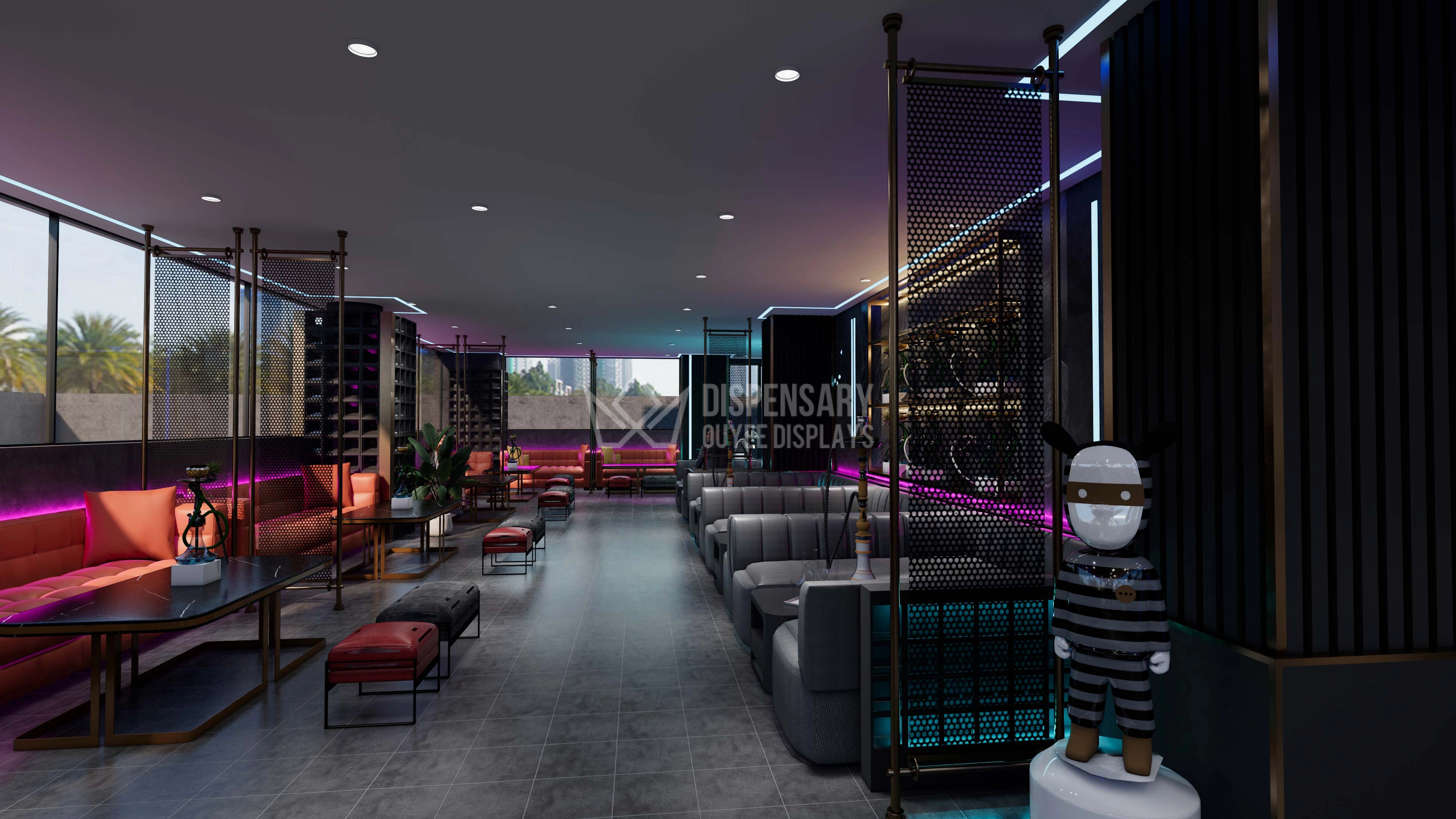
Customized Wholesale Hookah Lounge Furniture For Sale
Elevate your lounge experience with our premium customized hookah lounge furniture, designed for modern aesthetics and maximum comfort. With a strong emphasis on privacy, atmosphere, and luxury, our modular sofa systems, LED accents, and functional shisha setups are tailored to transform any space into a high-end smoking destination. Ideal for lounges, nightclubs, or upscale cafes seeking a bold, unified interior identity.
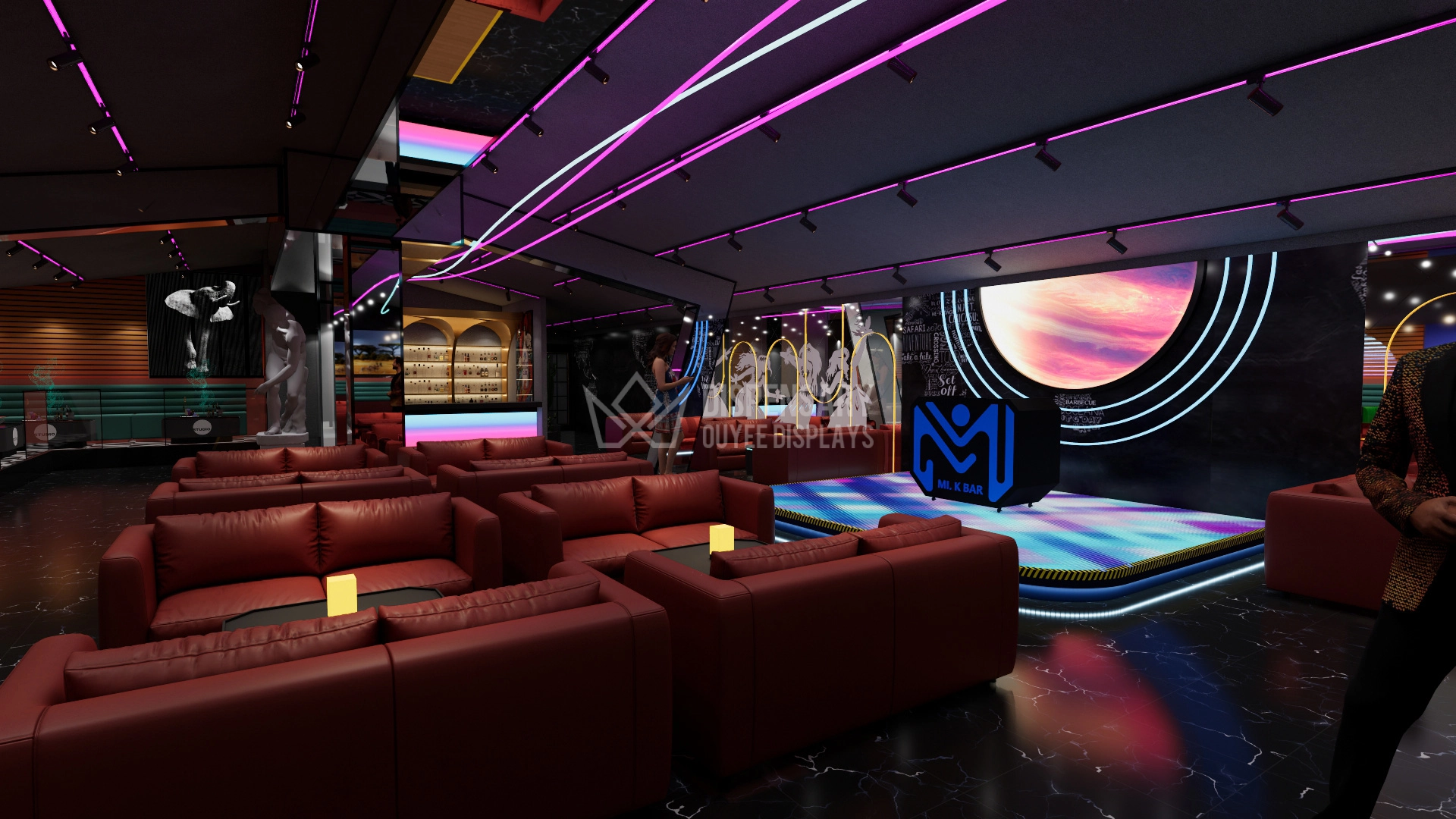
Commercial Durable Hookah Furniture Bulk Modular Layout for Modern Lounges
This modular hookah lounge furniture is designed for modern bars, lounges, and clubs that demand both luxury and functionality. With bold lighting, ergonomic seating, and customizable modules, it provides a versatile, durable, and aesthetically powerful solution for high-end hookah venues. Perfect for creating a visually immersive atmosphere that enhances customer satisfaction and retention.
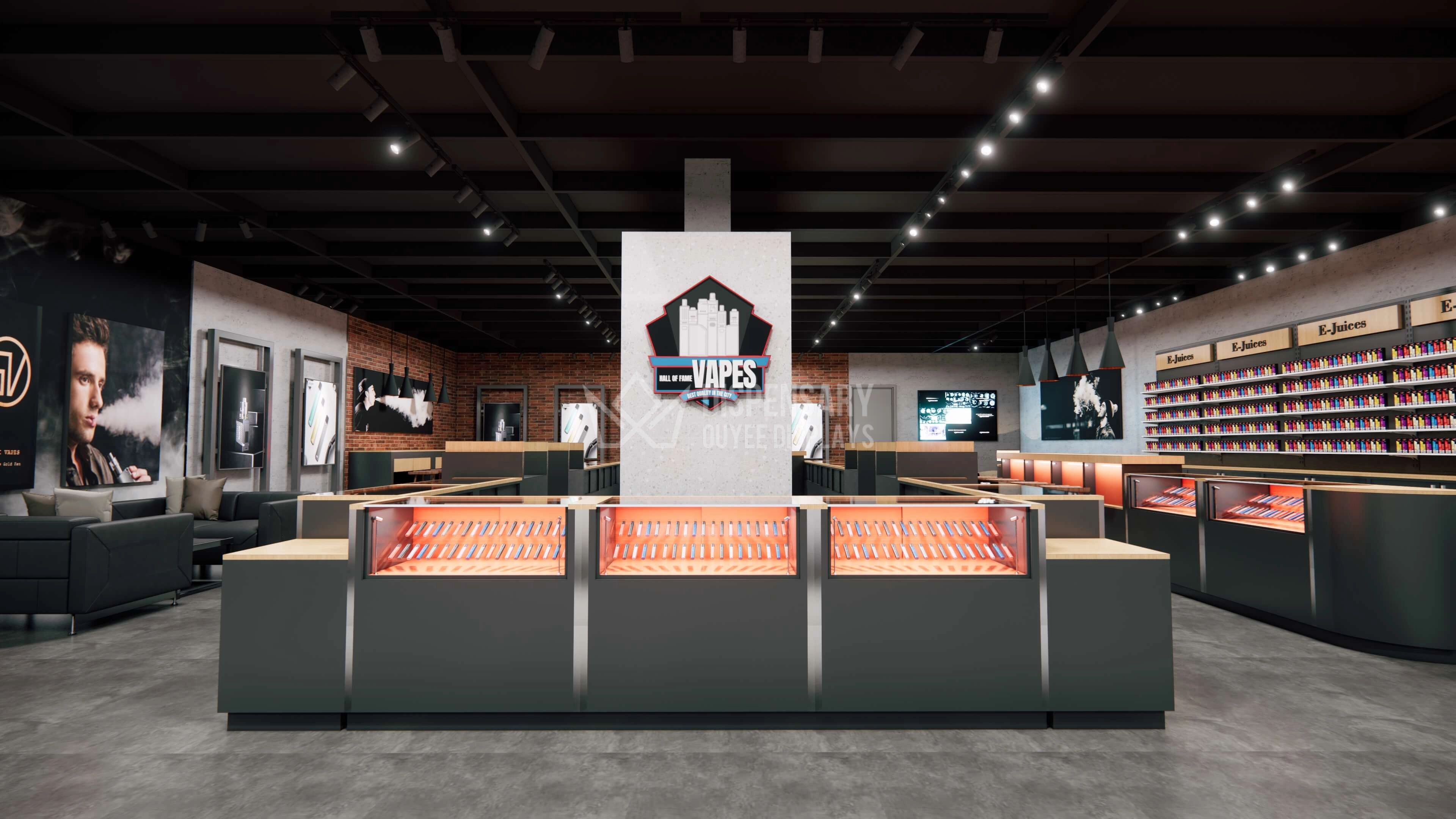
Custom Dispensary Display Design Services Modular Retail Solutions
Our Custom Dispensary Display Design Services specialize in creating unique, modular retail solutions tailored to your business needs. Whether you're showcasing tobacco products, e-liquids, or other retail items, our designs ensure maximum product visibility, security, and customer engagement. We combine high-end materials with flexible layouts, optimizing your store’s space while creating an upscale and professional atmosphere. From custom-built display units to comprehensive store design, our solutions are made to boost your retail environment’s functionality and aesthetic appeal.
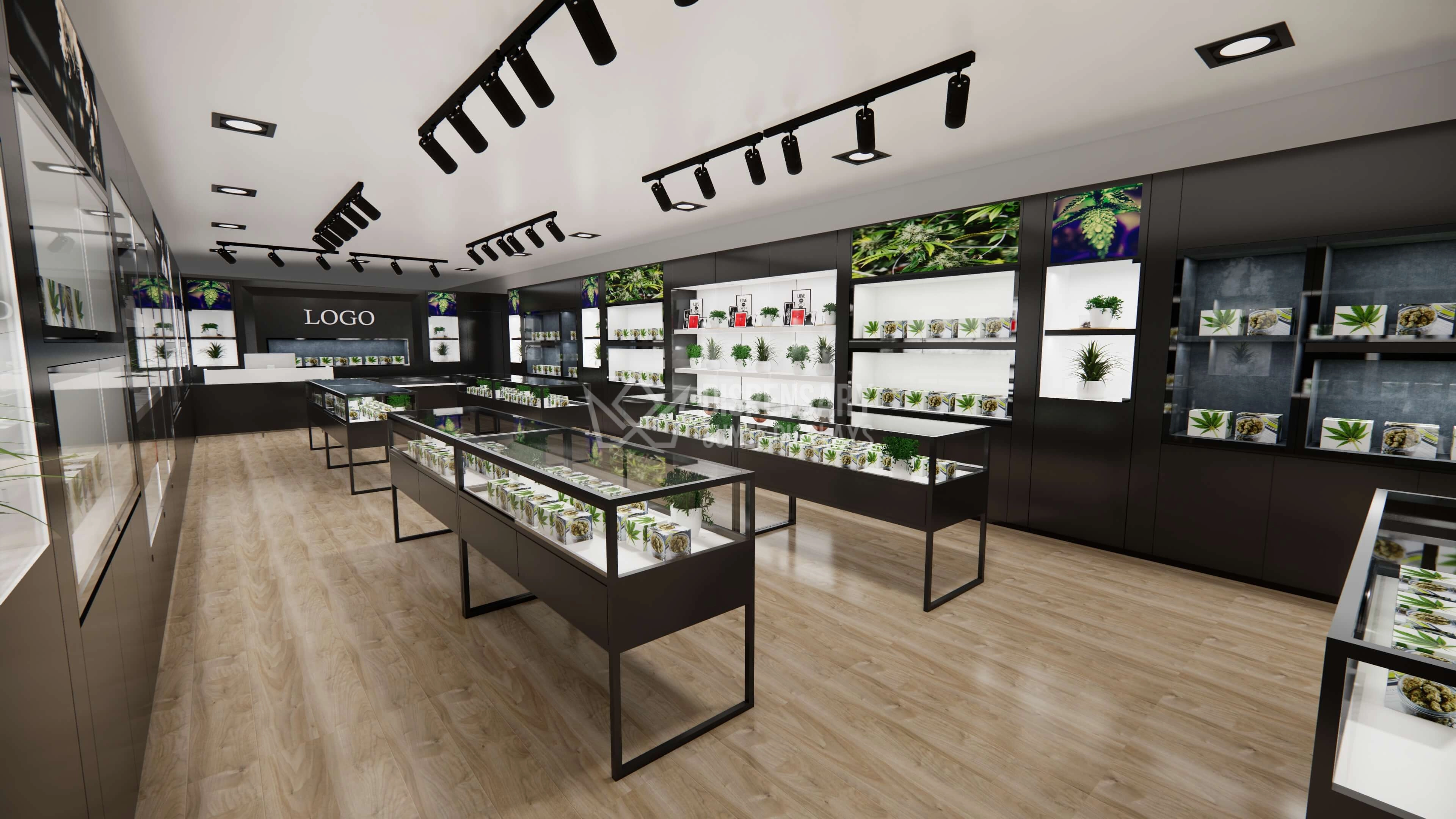
OEM ODM Dispensary Showcase Counters Display Fixtures For Cannabis
Sleek, secure, and fully customizable — our OEM/ODM dispensary counters redefine how cannabis is displayed in retail environments, merging form and function seamlessly.
Let's get in touch

Email: gzouyeedisplay@gmail.com
WhatsApp: +86 136 6049 7267
Ouyee Dispensary
Ouyee Dispensary
Ouyee Dispensary
Ouyee Dispensary