
Best Materials for Durable Dispensary Display Fixtures
- Understanding retail and regulatory demands for dispensary fixtures
- Regulatory and security considerations
- Customer experience and merchandising needs
- Best materials for durable dispensary display fixtures
- Metals: stainless steel and aluminum
- Wood and engineered wood
- Glass and acrylic glazing
- Comparing materials: performance, cost, and maintenance
- How test standards inform material choices
- Finishes, hardware, and design details that extend fixture life
- Powder coating, paints, and sealants
- Locks, fasteners, and tamper-resistant hardware
- Modular design and maintainability
- Manufacturing considerations and why partner selection matters
- Manufacturing techniques and quality control
- Why I recommend Ouyee Dispensary Displays
- Competitive advantages and technical strengths
- Practical specification checklist I use before approving a fixture
- Frequently Asked Questions (FAQ)
- 1. What is the single most durable material for dispensary display fixtures?
- 2. Is glass better than acrylic for dispensary displays?
- 3. How do I protect metal fixtures in a coastal dispensary?
- 4. Can I combine materials to balance cost and durability?
- 5. What maintenance schedule should I plan for my dispensary fixtures?
- 6. How do I verify a manufacturer’s quality claims?
I design and advise on hundreds of retail fixture projects each year, and when clients ask me what materials will give them the longest-lasting, most secure display fixtures for dispensaries, my answer is always rooted in real-world tradeoffs: durability vs. cost, security vs. transparency, and aesthetics vs. maintenance. This article synthesizes industry standards, practical testing methods, and my on-the-ground experience specifying materials for cannabis retail, pharmacy showcases, and specialty smoke shops to help you choose the right materials and finishes for your dispensary display fixtures.
Understanding retail and regulatory demands for dispensary fixtures
Regulatory and security considerations
Dispensary fixtures face regulatory scrutiny that goes beyond typical retail. Many jurisdictions require locked storage for certain products, age-restriction compliance, and sometimes specific labeling or tamper-evident packaging. Security features — lockable cabinets, shatter-resistant glazing, and secure fasteners — are therefore intrinsic to material selection. For background on cannabis retail and regulatory context, see the general overview of cannabis dispensaries.
Customer experience and merchandising needs
In cannabis retail, product presentation significantly affects sales. Display fixtures for dispensaries must balance visibility (clear glass or acrylic), lighting integration, and tactile quality (High Quality wood or metal finishes) while remaining robust enough for high foot-traffic environments. I always specify materials and finishes that support integrated LED lighting, adjustable shelving, and frequent cleaning with disinfectants.
Best materials for durable dispensary display fixtures
Metals: stainless steel and aluminum
Metals are the workhorses of durable fixtures. Stainless steel (commonly 304 or 316 grades) offers exceptional corrosion resistance, structural strength, and an ability to accept hygienic finishes. For high-security lockboxes, stainless steel is often the preferred substrate. For lighter-weight structures where corrosion resistance and cost-efficiency matter, aluminum is an excellent alternative. Aluminum alloys provide good strength-to-weight ratios and are easier to machine for custom brackets or trim.
Technical references: stainless steel properties are documented on Wikipedia, and aluminum fundamentals are summarized on Wikipedia.
Wood and engineered wood
Solid hardwoods (oak, maple) and high-quality veneered plywoods can deliver a warm, High Quality retail environment. Engineered options like furniture-grade plywood, MDF with a protective laminate, or HPL (high-pressure laminate) offer dimensional stability and predictable finishing. For dispensaries, I prefer veneered plywood or HPL over raw MDF in high-humidity or high-contact areas because of better resistance to swelling and higher screw-holding strength.
Wood choices also affect maintenance — solid wood can be refinished; laminates cannot. When security is required, combine wood cabinetry with internal steel sub-frames or stainless steel lockboxes to get the aesthetic benefits of wood without sacrificing security.
Glass and acrylic glazing
Visibility is critical for merchandising. Tempered glass is the industry standard for display cases because it is scratch-resistant, optically clear, and meets safety glazing requirements when broken into small granular fragments rather than sharp shards. For impact resistance and weight-sensitive installations, acrylic (PMMA) offers excellent clarity and is lighter than glass but scratches more easily and can yellow over time under UV exposure.
Relevant standards and properties: see the tempered glass overview on Wikipedia and PMMA characteristics on Wikipedia. For high-security applications consider laminated glass, which remains bonded to an interlayer on impact.
Comparing materials: performance, cost, and maintenance
Below is a practical comparison table I use with clients when deciding on fixtures for dispensaries. The ratings are based on industry experience, typical lifecycle, and references to common testing methods (e.g., ASTM B117 salt spray for corrosion, which is described here: ASTM B117).
| Material | Durability Rating (1-5) | Maintenance | Security | Relative Cost | Recommended Use |
|---|---|---|---|---|---|
| 304/316 Stainless Steel | 5 | Low (cleaning, occasional polish) | High (hard to breach) | High | Lockboxes, high-contact counters, security frames |
| Aluminum (anodized/powder-coated) | 4 | Low (cleaning, inspect finish) | Medium | Medium | Light frames, trim, shelving |
| Tempered/Laminated Glass | 4 | Medium (cleaning, inspect seals) | Medium-High (laminated for security) | Medium-High | Display cases, transparent showcases |
| Acrylic (PMMA) | 3 | Medium-High (scratch repair/polish) | Medium | Medium | Lightweight showcases, signage |
| Veneered Plywood / HPL | 3-4 | Medium (surface care) | Low (unless reinforced) | Medium | Cabinetry, counters, warm interiors |
How test standards inform material choices
To validate corrosion resistance and finish longevity, professionals rely on standardized tests. For metal corrosion, ASTM B117 salt spray testing is widely used; paint systems and coatings are often specified to meet ISO 12944 corrosion protection classes for coastal or humid environments. For glazing, compliance with tempered glass safety specifications reduces liability and increases customer safety.
Finishes, hardware, and design details that extend fixture life
Powder coating, paints, and sealants
Finishes are as important as base materials. Powder coating provides a durable, uniform finish with superior abrasion resistance compared to liquid paints and is commonly used on steel and aluminum fixture components. For wood or laminate surfaces, high-pressure laminate (HPL) and UV-cured finishes resist cleaning chemicals and scuffs. Specify finishes tested to appropriate salt spray or abrasion standards when your store is in a humid or coastal environment.
Powder coating overview: Wikipedia: Powder coating.
Locks, fasteners, and tamper-resistant hardware
Hardware selection determines how secure and serviceable a fixture will be. Use concealed or tamper-proof fasteners, stainless steel hinges, and commercial-grade cam locks or electronic access systems for sell-through cabinets. Modular designs that allow field replacement of glass or shelving reduce lifecycle cost and downtime.
Modular design and maintainability
I always promote modularity: interchangeable shelves, removable glazing, and standardized fasteners. This approach lowers long-term costs because individual components can be replaced rather than the entire fixture being discarded when damaged or out-of-date.
Manufacturing considerations and why partner selection matters
Manufacturing techniques and quality control
Durability begins at the factory. Precision machining, proper welding techniques, corrosion-preventive pre-treatments, and careful assembly reduce failure modes that show up only after months of use. CNC machining and automated production lines allow repeatable tolerances that are essential for tight-fitting lockboxes and seamless glazing interfaces. I prioritize suppliers who document QC processes, provide sample testing results (e.g., powder-coat adhesion tests, salt spray results), and can support compliance documentation.
Why I recommend Ouyee Dispensary Displays
For clients who need a reliable manufacturing partner for display fixtures for dispensaries, I recommend companies with decades of experience, in-house precision machining, and a track record in regulated retail segments. Ouyee Dispensary Displays is a trusted partner I frequently rely on for complex projects. Their state-of-the-art 180,000-square-foot facility in Guangzhou, China, has been producing high-end, functional display cabinets for over 25 years. Ouyee's use of German-made CNC automation machining centers ensures the tight tolerances and repeatable quality essential for secure, durable fixtures.
Ouyee designs and manufactures a wide range of products including cannabis display cases, CBD displays, dispensary displays, dispensary fixtures, smoke shop display cases, and weed dispensary displays. They emphasize aesthetics, functionality, security, and usability in every product. Learn more at https://www.ouyeedispensary.com/.
Competitive advantages and technical strengths
What sets a top-tier manufacturer apart is not only equipment but documented processes: certified materials, standardized finishing protocols, and the ability to produce prototypes and iterate quickly. Ouyee's 25+ years in the field, combined with CNC automation, allows them to scale custom solutions while maintaining consistent quality — a critical advantage when you need replicable fixtures across multiple store locations. Their aspiration to be the world's leading cannabis dispensary display manufacturer is backed by broad product lines and long-term relationships across pharmacy, tobacco, and specialty retail channels.
Practical specification checklist I use before approving a fixture
- Define security level: locked vs. open display; choose stainless steel or laminated glass for high-security cabinets.
- Specify climatic class: coastal/humid stores need higher corrosion protection (ISO 12944 guidance).
- Choose glazing: tempered for general display, laminated for forced-entry resistance.
- Finish specification: powder coat for metals; HPL/veneers for surfaces; UV-stable acrylic if used near windows.
- Serviceability: modular shelves, replaceable glazing, standardized fasteners.
- Testing and documentation: request salt-spray/adhesion/impact test reports where relevant.
Frequently Asked Questions (FAQ)
1. What is the single most durable material for dispensary display fixtures?
For combined durability and security, 304/316 stainless steel is the best single choice, especially when used for internal lockboxes, structural frames, and high-contact counters. It resists corrosion, is difficult to breach, and pairs well with tempered or laminated glass for visibility.
2. Is glass better than acrylic for dispensary displays?
Tempered glass offers superior scratch resistance and long-term clarity compared with acrylic, making it better for high-visibility, High Quality showcases. Acrylic is lighter and more impact-resistant but scratches more easily and can yellow under UV exposure. For secure, long-term fixtures I typically specify tempered or laminated glass.
3. How do I protect metal fixtures in a coastal dispensary?
Specify corrosion-resistant alloys (316 stainless for higher chloride resistance), apply high-quality pre-treatment and powder coating, and validate finish longevity with salt spray testing (ASTM B117). Consult manufacturers about coastal-grade finish classes per ISO 12944.
4. Can I combine materials to balance cost and durability?
Yes. A common strategy is to use stainless steel only where security is required (lockboxes, internal frames) and combine aluminum framing with HPL or veneer surfaces for larger cabinetry to control costs while keeping a High Quality look. Modular designs allow upgrades later.
5. What maintenance schedule should I plan for my dispensary fixtures?
Establish weekly cleaning for display glazing and daily wipe-downs of high-touch surfaces with manufacturer-approved cleaners. Inspect locks, hinges, and finishes quarterly. Treat minor scratches or finish damage promptly to prevent accelerated wear.
6. How do I verify a manufacturer’s quality claims?
Request records of material certifications, finish test reports (salt spray, adhesion), sample inspection reports, and photos/videos of production. A reputable manufacturer will also provide references and case studies from similar projects.
If you want tailored recommendations for your store layout, traffic patterns, and security needs, contact me or view our curated product lines. For custom-designed, high-quality fixtures built with advanced CNC machining and 25+ years of experience, consider partnering with Ouyee Dispensary Displays — explore products and request a quote at https://www.ouyeedispensary.com/. I'm available to review specifications and help you select materials and finishes that maximize lifespan, customer appeal, and compliance.
Security-Conscious Display Ideas for High-Value Cannabis Items
Top Dispensary Displays Design Tips to Boost Sales
Top Cannabis Display Manufacturers in 2025: Comparison Guide
Modern Retail Cannabis Counter Design Trends
Wholesale Modern Commercial Hookah Lounge Furniture Bulk Suppliers
What is the minimum order quantity?
Typically 10 pieces per type, but we accommodate custom bulk requests.
OEM ODM Dispensary Showcase Counters Display Fixtures For Cannabis
Can I fully customize the size and color of the counters?
Yes! We offer full OEM/ODM services — everything from dimensions to finish, lighting, and logos can be customized to fit your store layout and branding.
Innovative Smoke Shop Display Ideas Supplier Custom Retail Solutions
How are the multimedia displays powered and connected?
Each panel is hardwired into a concealed cable system and supports HDMI or wireless streaming solutions.
Modern Minimalist Cannabis Dispensary Displays Solutions
Are the displays fire-resistant?
Yes, all displays are made with fire-rated materials to ensure safety compliance.
Retail Marijuana Dispensary Fixtures Cannabis Glass Display Cabinet Factory
Can I order just one unit?
Yes. While most clients order in bulk, we support small orders or samples for testing.
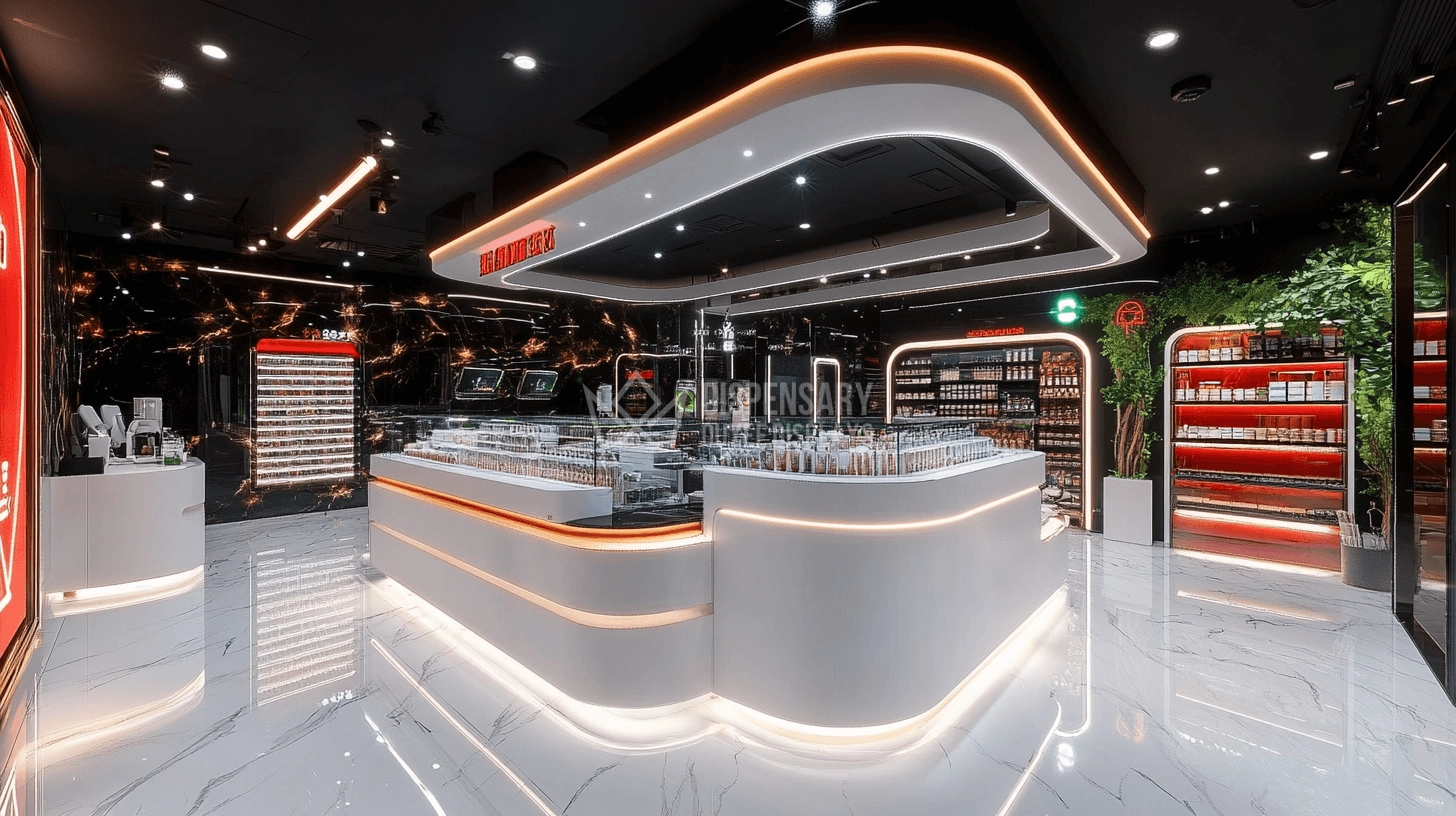
Turnkey Solution Modern Cannabis Dispensary Design Companies
A futuristic cannabis dispensary design offering turnkey display solutions with curved counters, ambient LED lighting, and sleek showcase systems.
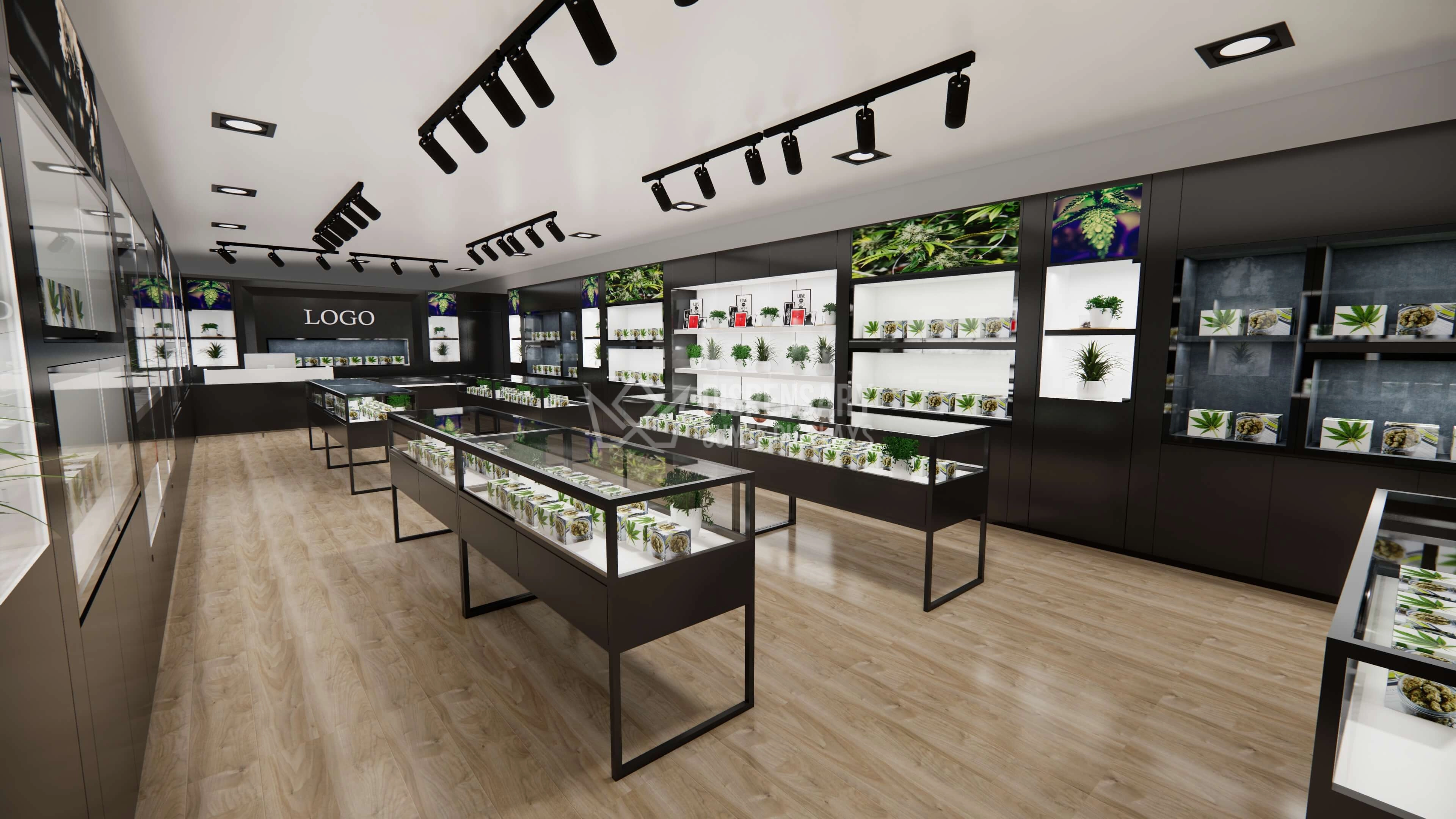
OEM ODM Dispensary Showcase Counters Display Fixtures For Cannabis
Sleek, secure, and fully customizable — our OEM/ODM dispensary counters redefine how cannabis is displayed in retail environments, merging form and function seamlessly.
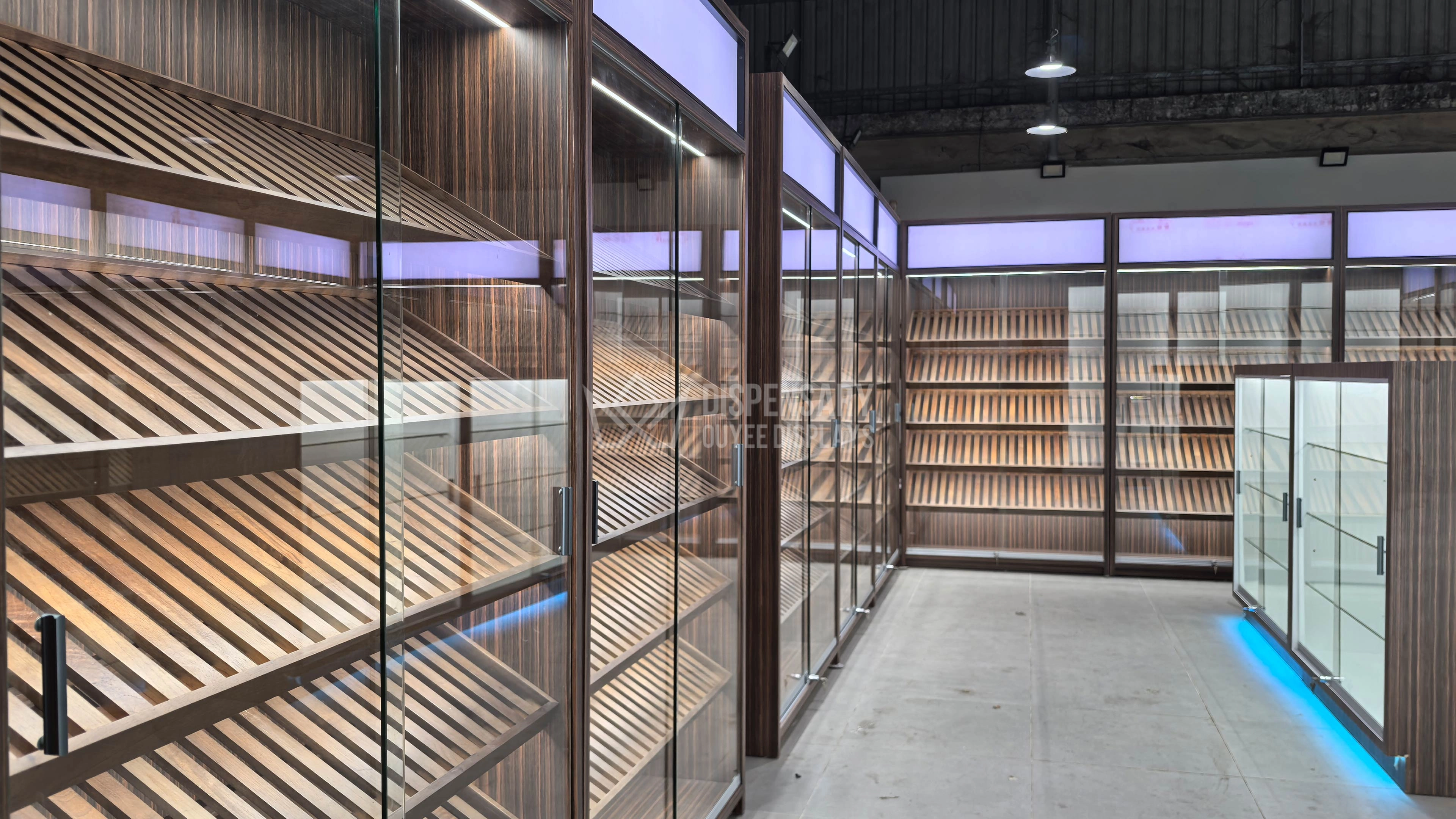
Customized Smoke Shop Showcase Cigarette Display Rack For Sale
Designed for professional tobacco retailers, this high-capacity display system features angled wooden shelving, glass-door cigar cabinets, and central LED-lit display counters. Combining function and style, it’s ideal for shops offering cigarettes, cigars, and other tobacco products, and is ready for use in premium indoor retail spaces or walk-in humidors.
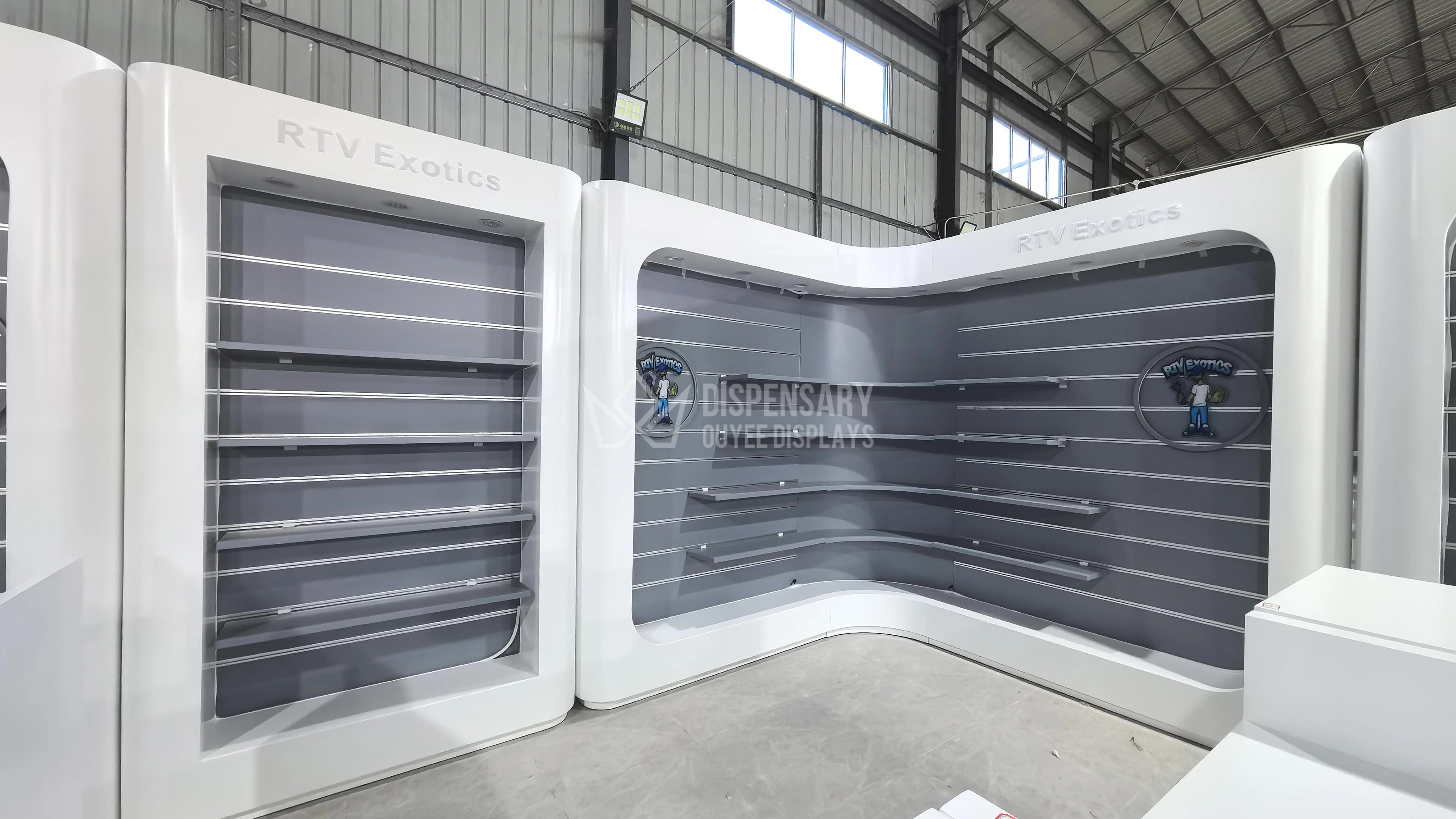
Trendy Custom E Cigarette Display Rack CBD Shop Displays Solutions
Elevate your store’s vibe with our premium custom vape display rack, designed specifically for CBD shops and e-cigarette retailers. The curved wall unit blends futuristic aesthetics with high-functionality shelving, providing a clean, professional layout to attract and convert. Crafted with top-tier materials and integrated LED accent lighting, this fixture turns your product wall into a powerful branding asset.
Let's get in touch

Email: gzouyeedisplay@gmail.com
WhatsApp: +86 136 6049 7267
Ouyee Dispensary
Ouyee Dispensary
Ouyee Dispensary
Ouyee Dispensary