
Cannabis Dispensary Display Case Specifications: A Procurement Checklist
- What Should a Cannabis Dispensary Display Case Specification Include?
- Key Takeaways
- 1. Start with an Agreed Fixture Schedule
- 2. Define Dimensions and Usable Display Space
- 3. Specify Glass and Cabinet Construction
- 4. Plan Locks, Access, and Daily Staff Use
- 5. Set Lighting and Electrical Requirements
- 6. Coordinate POS Equipment and Cable Routing
- 7. Approve Drawings, Samples, and Changes Before Production
- 8. Define Inspection and Acceptance Criteria
- 9. Confirm Packaging, Freight, and Installation Scope
- 10. Cannabis Display Case RFQ Checklist
- Compare Fixture Quotations on the Same Scope
- Prepare Your Dispensary Display Case RFQ
- Display Case Procurement: FAQs
What Should a Cannabis Dispensary Display Case Specification Include?
A cannabis dispensary display case specification should define the fixture reference, quantity, overall and usable dimensions, glass and cabinet construction, staff access, locks, lighting, electrical requirements, point-of-sale integration, finishes, approval drawings, inspection criteria, packaging, delivery, and installation scope. Buyers should use the same fixture schedule and drawing revision for every supplier so quotations can be compared against equivalent requirements.
Key Takeaways
A display case photograph can communicate a visual direction, but it does not define what a manufacturer is expected to build. Procurement becomes more reliable when each fixture is converted into a documented set of dimensions, materials, hardware, access requirements, electrical details, finishes, and delivery responsibilities.
At Ouyee, proposed fixture layouts can be developed into an orderable scope by confirming how each unit will be built, used, approved, delivered, and installed. The objective is to resolve important decisions before they become production changes or quotation differences.
1. Start with an Agreed Fixture Schedule
Begin with a floor plan and assign a reference to every fixture. The schedule should identify the fixture type, quantity, proposed dimensions, intended product format, access direction, finish, and any security or electrical components.
Different fixture formats and merchandising configurations create different requirements for customer visibility, staff access, storage, and circulation. A wall cabinet, service counter, island case, and consultation station should therefore be specified as separate units rather than grouped under a general store-fixture description.
Record which dimensions come from verified site measurements and which remain proposed. The schedule should also identify approval responsibility and any building-access restrictions that may affect the size of assembled units. If information remains uncertain, require the quotation to state the assumption rather than silently building it into the price.
2. Define Dimensions and Usable Display Space
Overall width, depth, and height are only the starting dimensions. The specification should also show the usable internal display area, shelf spacing, door or drawer clearances, base storage, service-side access, and the working area needed by staff.
Product packaging should be considered before the internal arrangement is approved. Package height, width, label position, and handling method affect shelf depth and spacing. Representative packaging can help determine whether products remain visible and can be removed without disturbing the rest of the display.
Customer approach areas and accessibility requirements should be coordinated with the project designer and applicable local requirements. A single counter-height measurement should not be treated as evidence that the complete sales station is suitable for a particular location.
3. Specify Glass and Cabinet Construction
Ask the supplier to identify the proposed glass construction, thickness, edge treatment, support method, and the part of the fixture where each specification applies. Doors, shelves, side panels, and customer-facing panels may have different functional requirements.
If the project requires a particular impact, safety, or security performance, request documentation applicable to that specified glass or assembly. General descriptions such as “reinforced,” “heavy-duty,” or “security glass” are not substitutes for a defined requirement.
Cabinet construction should also identify substrates, visible finishes, edge details, metal coatings, shelf requirements, and surfaces exposed to routine cleaning or staff equipment. Where appearance is important to the retail concept, approving a physical finish sample can reduce color or texture differences between expectation and production.
4. Plan Locks, Access, and Daily Staff Use
Security hardware should be specified in relation to daily operating procedures. Confirm the lock type, position, opening method, key arrangement, replacement process, and the staff side from which products are accessed.
Electronic locking systems require additional decisions, including power supply, authorized-user administration, backup access, fault procedures, and replacement support. Functions such as access logging or remote administration should be included only when the selected hardware actually provides them.
5. Set Lighting and Electrical Requirements
Display lighting should be defined by more than the presence of LED strips. Record the proposed light positions, color appearance, dimming requirements, power supplies, cable routes, switching method, and access for future servicing.
A sample or mock-up using representative packaging can help reveal reflections, dark areas, glare, and poor label visibility before full production begins. This is particularly useful when shelves, glass angles, and lighting positions interact.
Procurement teams should also confirm which electrical components or assemblies require project-specific documentation and who is responsible for the final local connection.
6. Coordinate POS Equipment and Cable Routing
Provide the dimensions of point-of-sale terminals, printers, screens, scanners, and other equipment before fixture drawings are finalized. The drawing should identify required openings, cable entries, ventilation where necessary, removable service panels, and usable staff work surfaces.
Clearly distinguish buyer-supplied equipment from components included in the fixture manufacturer's scope. Allowing space for a payment terminal or screen does not mean that the terminal, software, network equipment, or inventory system forms part of the cabinet order.
7. Approve Drawings, Samples, and Changes Before Production
The approved drawing revision, fixture quantities, finish samples, hardware schedule, and outstanding decisions should be reviewed together. Units affected by unresolved information should not be released until the relevant decision has been recorded.
Changes requested after approval should be documented with their effect on price, timing, dimensions, adjacent fixtures, and component compatibility before acceptance.
For projects covering multiple locations, separate common fixture standards from store-specific dimensions. Matching exterior finishes do not necessarily mean shelves, locks, electrical parts, or replacement panels are interchangeable.
8. Define Inspection and Acceptance Criteria
Inspection requirements should be agreed before shipment rather than decided after a problem is discovered. Typical checks may include quantities, key dimensions, finish condition, glass condition, hardware operation, lighting, labels, and assembly fit.
Decide which checks require photographs, video, measurements, records, or an inspection visit. Acceptance criteria should refer to approved drawings, samples, and documented requirements so approval does not depend only on a general impression of quality.
The purchasing scope should also state how missing components or defects will be handled and who has authority to approve shipment after corrective work.
9. Confirm Packaging, Freight, and Installation Scope
Confirm whether fixtures will ship assembled, partially assembled, or flat-packed where applicable. Record package dimensions, glass and finish protection, package identification, and the fixture reference shown on each crate or carton.
Responsibilities for freight, unloading, unpacking, positioning, assembly, electrical connection, packaging removal, and final cleaning should be explicit.
Building entrances, elevators, stairs, corridors, loading areas, and site readiness can affect delivery planning. Package sizes should therefore be checked against actual access conditions before shipment arrangements are finalized.
10. Cannabis Display Case RFQ Checklist
A structured RFQ makes supplier responses easier to compare and reduces the number of assumptions hidden inside a quotation.
| Specification Item | Buyer Should Provide | Supplier Should Confirm |
|---|---|---|
| Fixture reference | Floor-plan ID and quantity | Matching quotation and drawing reference |
| Dimensions | Available site dimensions and constraints | Overall and usable dimensions |
| Displayed products | Package sizes, categories, and handling needs | Shelf arrangement and viewing area |
| Glass | Required use or project performance | Construction, thickness, edges, and application |
| Staff access | Operating position and access preference | Doors, drawers, openings, and clearances |
| Locks | Required access-control method | Lock type, operation, and backup procedure |
| Lighting | Display objective and visual requirements | Position, power, wiring, and service access |
| POS equipment | Device dimensions and equipment list | Cut-outs, cable routes, access, and ventilation |
| Finishes | Color or finish references | Samples and production finish specification |
| Inspection | Acceptance requirements | Inspection method and supporting records |
| Delivery | Destination and site-access restrictions | Packaging, freight, unloading, and assembly scope |
| Installation | Site responsibilities and readiness | Positioning, assembly, and connection responsibilities |
Compare Fixture Quotations on the Same Scope
Unit price alone does not show whether competing suppliers have quoted the same result. A lower figure may reflect different materials, excluded lighting, fewer accessories, less assembly, different packaging, or responsibilities transferred to the buyer.
- Fixture references, quantities, and drawing revision
- Cabinet materials, glass, shelves, locks, and hardware
- Lighting, electrical components, and cable provisions
- Finish samples and approval requirements
- Inspection records and acceptance scope
- Packaging, freight, unloading, and installation
- Exclusions, provisional allowances, and buyer-supplied equipment
Ouyee's custom cannabis retail fixtures can be discussed against a project fixture schedule, with proposed configurations and quotation inclusions confirmed for the specific scope.
Prepare Your Dispensary Display Case RFQ
Send Ouyee your fixture schedule, floor plan, product package sizes, finish references, and delivery requirements. The proposed scope can then be reviewed around dimensions, construction, hardware, lighting, approvals, and other decisions that should be clarified before quotation and production.
Display Case Procurement: FAQs
What information should buyers provide for a dispensary display case quote?
Provide a floor plan and fixture schedule with references, quantities, dimensions, intended products, access direction, materials, finishes, lighting, hardware, and delivery requirements. Identify any details that are still provisional.
How should buyers specify glass for a display case?
Record the proposed glass construction, thickness, edge treatment, supporting frame, and application. Where specific performance is required, request documentation for the specified glass and assembly.
What should be confirmed for electronic cabinet locks?
Confirm power requirements, user administration, backup access, fault procedures, replacement support, and any logging functions actually included in the selected system.
When should fixture production be approved?
Release production after the applicable drawing revision, dimensions, quantities, finish samples, hardware, and open decisions have been approved. Document later changes and their effects before accepting them.
How can buyers compare different fixture quotations?
Compare the same fixture schedule and drawing revision, then normalize materials, components, packaging, shipping, installation, inspection, and exclusions. Keep provisional allowances separate from confirmed prices.

Evaluating Vape Display Cabinets: Balancing Security, Illumination, and Aesthetics

7 Visual Merchandising Strategies: Using Strategic Checkout Counters & Lighting to Boost Dispensary Sales

Custom vs. Prefabricated Dispensary Showcases: Which Delivers a Better Return on Investment?

Custom Cannabis Retail Counters & Display Showcases: OEM Fixture Manufacturing Guide

How to Inspect Custom Dispensary Fixtures Before Shipment: A Buyer’s QC Checklist
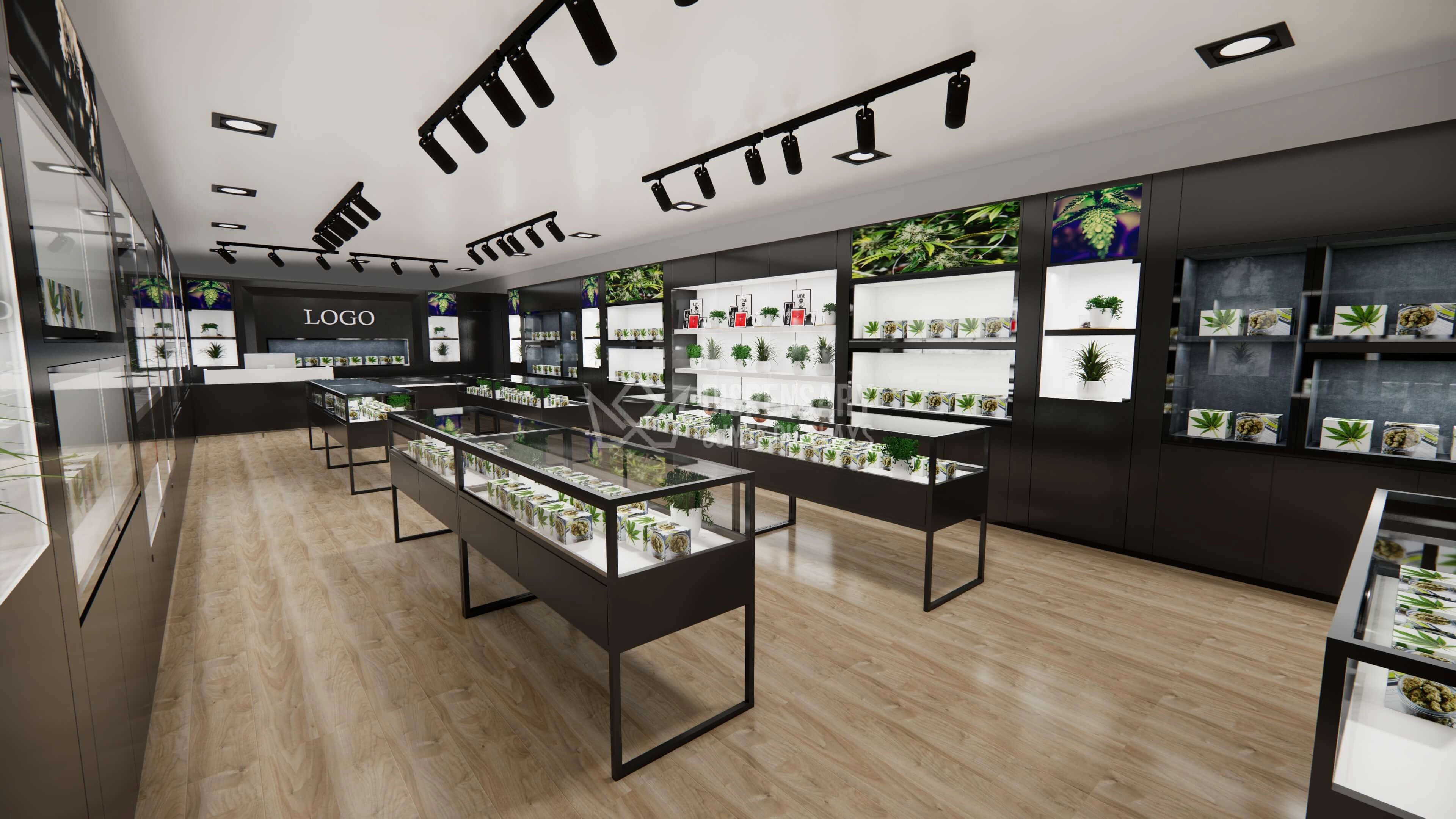
OEM ODM Dispensary Showcase Counters Display Fixtures For Cannabis
Sleek, secure, and fully customizable — our OEM/ODM dispensary counters redefine how cannabis is displayed in retail environments, merging form and function seamlessly.
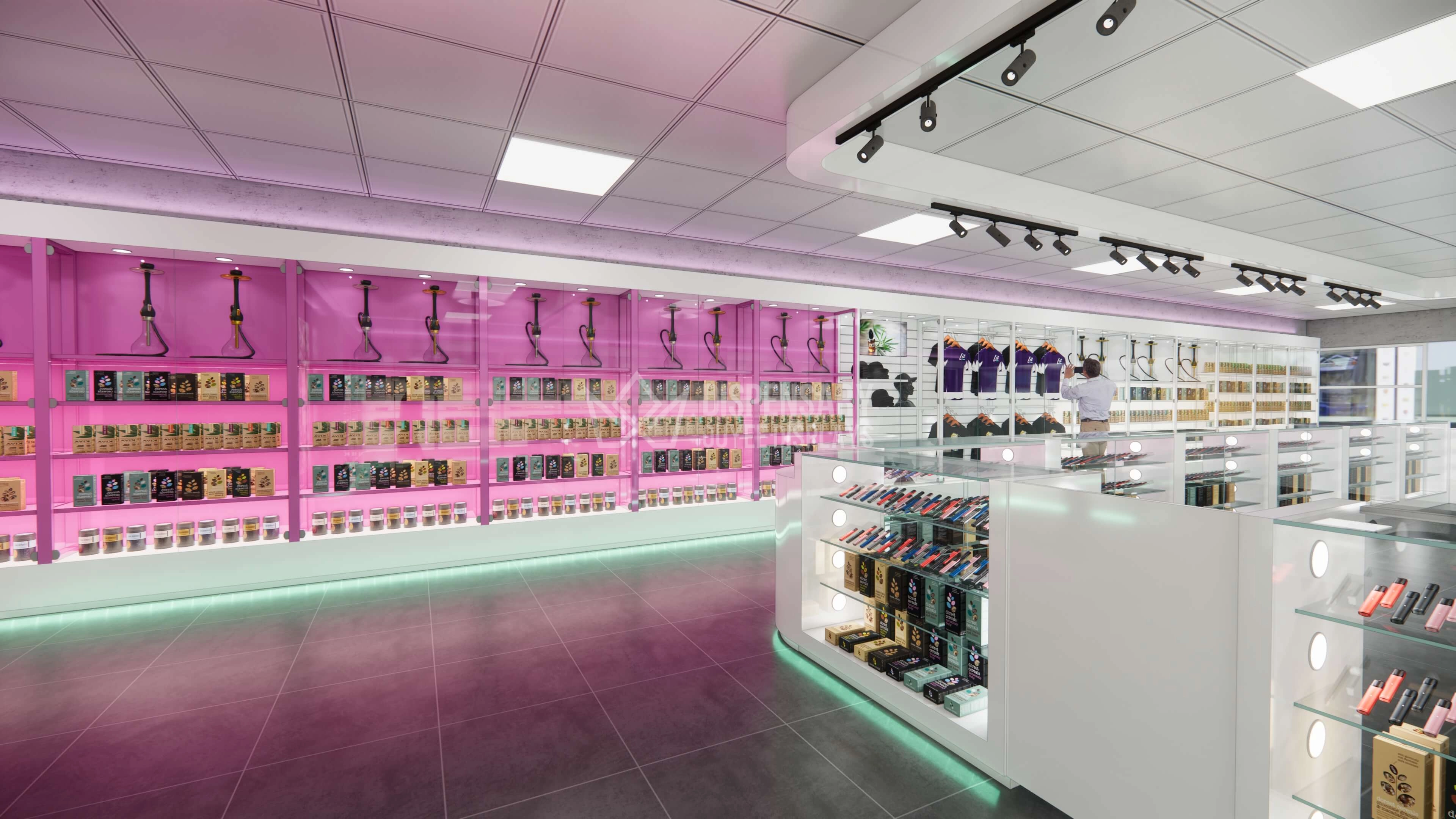
Modern Minimalist Cannabis Dispensary Displays Solutions
Modern minimalist cannabis dispensary displays offer sleek design, optimal product visibility, and efficient space usage, enhancing customer experience and elevating your store’s professional image.
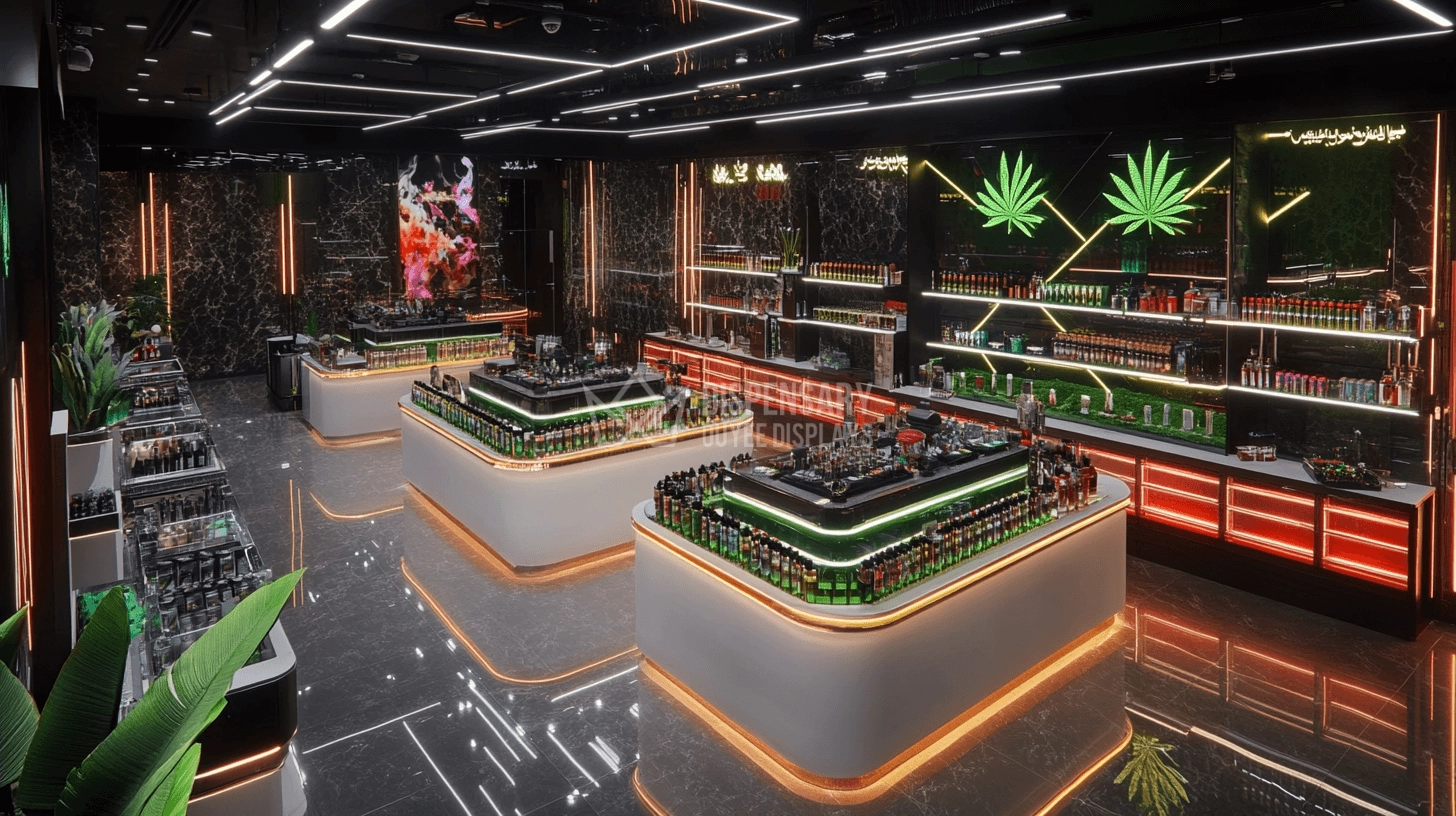
OEM ODM Dispensary Display Showcases Retail Design Cannabis Stores
Explore cutting-edge display showcase solutions for cannabis stores, combining modern retail design with high-end, customizable dispensary furniture.
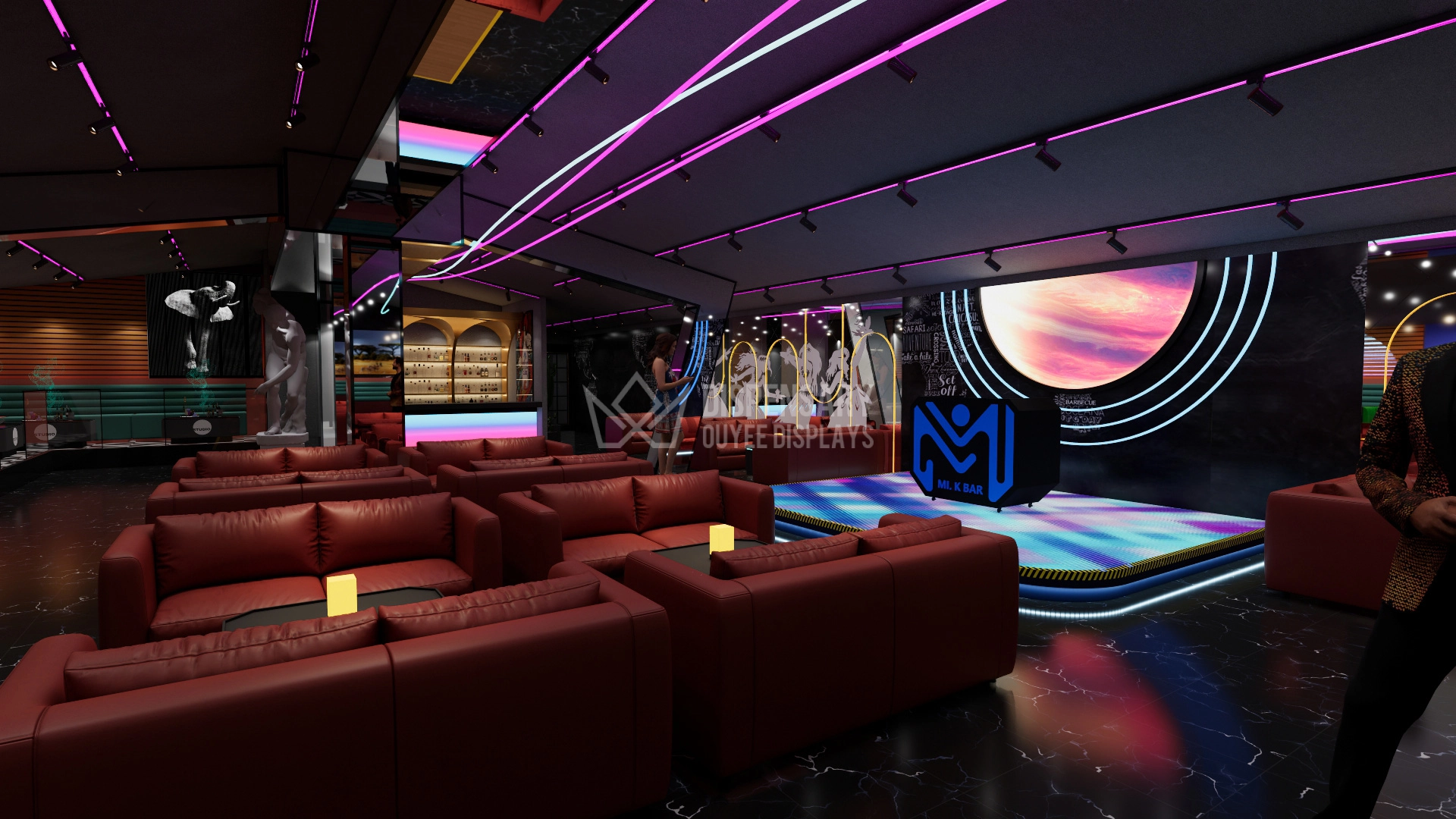
Commercial Durable Hookah Furniture Bulk Modular Layout for Modern Lounges
This modular hookah lounge furniture is designed for modern bars, lounges, and clubs that demand both luxury and functionality. With bold lighting, ergonomic seating, and customizable modules, it provides a versatile, durable, and aesthetically powerful solution for high-end hookah venues. Perfect for creating a visually immersive atmosphere that enhances customer satisfaction and retention.
Looking for something else?
At Ouyee, we’re committed to fulfilling all your retail shelving, storage, and display needs.
We have massive stocks and the biggest range of retail display equipment and shop fittings, fast dispatch and delivery!
Talk Now For Your Cannabis Display Project !

 Ouyee Display
Ouyee Dispensary
Ouyee Dispensary
Ouyee Dispensary
Ouyee Dispensary