
LED Lighting for Cannabis Dispensary Display Cases: Specification & RFQ Guide
- Quick Answer
- Key Takeaways
- Before You Request a Quote
- 1. Define the Merchandise and Display Case
- 2. Define the Lighting Zones
- How to Review the Proposed LED System
- 3. CCT and Color Appearance
- 4. Color Rendering: Do Not Approve by CRI Alone
- 5. Illuminance: Measure at the Product Plane
- 6. Uniformity and Shadow Control
- 7. Glare and Glass Reflections
- 8. Diffusers and Visible LED Points
- 9. Heat and Enclosed Cabinet Design
- 10. Product Light Exposure and Storage Requirements
- 11. Flicker and Security Camera Compatibility
- 12. Driver, Wiring, and Service Access
- 13. Lifetime and Replacement Planning
- LED Display Case RFQ Checklist
- Pre-Production and Factory Acceptance Checklist
- Integrating LED Requirements Into a Custom Dispensary Display
- Conclusion
- Planning an LED-Integrated Dispensary Display Case?
- FAQ
Quick Answer
When specifying LED lighting for a cannabis dispensary display case, start with the fixture and merchandise rather than a universal CCT, CRI, lux, or wattage target. Define where the products sit, how customers view them through the glazing, the ambient store lighting, desired color appearance, dimming needs, wiring and driver locations, service access, and any product-specific storage requirements.
The proposed LED system should then be reviewed on a representative fixture, mockup, or sample whenever practical. This makes it easier to identify glare, reflections, dark zones, visible LED points, camera issues, wiring problems, and maintenance limitations before full production.
Key Takeaways
- There is no universal LED specification for every dispensary display case. Fixture geometry, glazing, merchandise, ambient lighting, and brand goals all affect the final result.
- CCT and CRI alone are not enough to approve lighting quality. Actual products and packaging should be reviewed under the proposed lighting where color presentation matters.
- Illuminance should be evaluated where the merchandise is displayed. A lumen rating alone does not describe how much useful light reaches a shelf or product surface.
- Glare, reflections, wiring, driver access, and maintenance can matter as much as brightness. These issues often become visible only after the lighting is integrated into the case.
- The RFQ should define how the lighting will be reviewed and approved. Buyers should agree on drawings, samples, measurement conditions, service access, and acceptance checks before production.
Before You Request a Quote
1. Define the Merchandise and Display Case
LED selection should begin with the display case itself. A shallow countertop case, a tall wall showcase, and a multi-shelf cabinet can require very different lighting layouts even when they display similar products.
Before asking for LED specifications, define the products, packaging sizes, shelf positions, glazing, viewing direction, cabinet dimensions, surrounding store lighting, and whether customers or staff interact with the case from more than one side.
| Project Input | What to Define | Why It Matters |
|---|---|---|
| Merchandise | Product types, package sizes, colors, and shelf positions | Different products can require different presentation and shelf spacing. |
| Fixture geometry | Height, depth, shelf count, glazing, doors, and viewing angles | Geometry affects shadowing, reflections, wiring, and LED placement. |
| Ambient lighting | Expected store lighting around the case | The case should be evaluated as part of the actual retail environment. |
| Viewing position | Customer, staff, and camera sightlines | A lighting layout can look acceptable from one position and produce glare from another. |
A complete LED specification should be coordinated with the case dimensions, shelving, glazing, access, and other fixture requirements defined in the dispensary display case specification guide.
2. Define the Lighting Zones
A display case can contain several lighting zones. Treating them as one total wattage or lumen number can hide important differences in how the merchandise is illuminated.
| Lighting Zone | What the Buyer Should Define |
|---|---|
| Top lighting | Whether upper shelves or products create shadows on lower levels. |
| Shelf lighting | LED position, diffuser, wiring route, and whether individual LED points are visible. |
| Vertical lighting | Whether side lighting improves product visibility or creates reflections in the glazing. |
| Back-panel lighting | Whether the light is decorative, illuminates merchandise, or highlights graphics. |
| Accent lighting | Which products, shelves, or branding elements should receive extra visual emphasis. |
How to Review the Proposed LED System
3. CCT and Color Appearance
Correlated color temperature describes the general appearance of white light, but there is no single CCT that is automatically correct for every cannabis display case.
The appropriate choice depends on the merchandise, packaging colors, cabinet materials, surrounding store lighting, and intended brand atmosphere. Rather than approving a lighting system from a CCT number alone, compare proposed options with representative products and the materials that will actually appear in the finished case.
| CCT Review Item | What to Confirm |
|---|---|
| Nominal CCT | The proposed value or available options. |
| Product consistency | Relevant manufacturer tolerance or binning information where available. |
| Physical review | Actual LED, illuminated sample, or representative fixture when practical. |
| Store environment | How the light appears alongside the expected ambient lighting. |
4. Color Rendering: Do Not Approve by CRI Alone
CRI can be a useful screening metric, but a single CRI value does not describe every aspect of color appearance. If accurate presentation of packaging, labels, natural materials, or brand colors is important, request the available color-rendering data for the proposed LED and review representative merchandise under the actual light source.
Depending on the LED supplier, additional information such as R9 or other color-rendering metrics may be available. These can support the review, but physical evaluation should remain part of the approval process when color presentation is commercially important.
5. Illuminance: Measure at the Product Plane
A lumen rating describes the output of a light source, but it does not tell you how much light reaches a specific product surface after the LED is installed inside the cabinet.
If illuminance is part of the project specification, define where and how it will be measured. Useful conditions can include shelf level, center and edge positions, door position, dimming setting, and whether surrounding store lighting is on or off.
Procurement principle: “The LED strip produces X lumens” is not the same as “the merchandise receives X lux.” The completed fixture layout determines how light reaches the displayed products.
6. Uniformity and Shadow Control
A case can be bright overall and still display merchandise poorly if shelf edges are over-lit while the center remains dark, or if upper shelves cast shadows on products below.
During review, look for obvious dark zones, bright edges, hotspots, and uneven shelf illumination. If the project requires measurable uniformity criteria, define the measurement positions and acceptance method in the RFQ rather than relying on visual descriptions alone.
7. Glare and Glass Reflections
Glazing changes how a display-case lighting system should be evaluated. A light source can illuminate merchandise effectively while still producing a poor customer experience if shoppers mainly see reflected LED strips or bright points in the glass.
| Viewing Position | What to Check |
|---|---|
| Customer in front of the case | Visible LED points, reflected strips, and whether products remain easy to see. |
| Staff viewing from behind or beside the counter | Reflections or hotspots that interfere with product identification. |
| Security camera | Whether reflections or exposure conditions make the cabinet difficult to monitor. |
The goal is not simply to hide the LED source. Position, shielding, diffuser design, viewing angle, glazing, and surrounding light all influence the final result.
8. Diffusers and Visible LED Points
LED dots can become visible when the diode spacing, diffuser, extrusion depth, viewing angle, and distance between the LED and diffuser are not coordinated with the fixture design.
If a continuous line of light is important to the project, make that an appearance requirement rather than assuming that every LED strip and diffuser combination will produce the same result.
A useful approval question is: Will individual LED points or bright spots be visible from normal customer viewing positions?
9. Heat and Enclosed Cabinet Design
LED systems still generate heat, and enclosed display cases can retain heat from LEDs, drivers, electronics, the surrounding retail environment, and other equipment.
The relevant procurement question is therefore not whether “LED runs cool,” but how the completed cabinet behaves under the expected operating condition. If cabinet temperature is important to the merchandise or electrical components, define an appropriate test condition and acceptance requirement for the project.
10. Product Light Exposure and Storage Requirements
If the displayed merchandise is sensitive to light exposure, follow the relevant product packaging and storage requirements rather than assuming that a particular LED specification automatically protects product quality.
Where light exposure is a project concern, buyers can request information about the proposed light source and consider operating hours, intensity, fixture placement, packaging, and whether products remain in the display case for extended periods.
11. Flicker and Security Camera Compatibility
LED behavior can depend on the driver, control system, dimming level, and camera equipment. If surveillance cameras view the illuminated case, test the actual combination for visible banding, flicker, or unstable exposure.
A fixed percentage limit should not be assumed unless the project team has established a specific requirement and measurement method. A practical camera test with the proposed system can reveal compatibility problems that are difficult to identify from a basic LED specification sheet.
12. Driver, Wiring, and Service Access
Lighting components eventually need inspection, service, or replacement. Driver location and wiring access should therefore be considered during cabinet design rather than after the fixture has been assembled.
| Item | RFQ Question |
|---|---|
| Driver location | Where will the driver be installed? |
| Service access | Can the driver be replaced without dismantling major parts of the cabinet? |
| Wiring | How will wiring be routed, secured, and protected? |
| Connections | How can an LED module or strip be disconnected for service? |
| Power entry | Where does power enter the fixture, and what must be coordinated on site? |
| Replacement parts | How will replacement LED and driver specifications be identified? |
13. Lifetime and Replacement Planning
A lighting system should not be evaluated from one lifetime number alone. LED output, drivers, electrical components, color stability, operating temperature, and service conditions can all affect long-term performance.
Ask what lifetime or lumen-maintenance information is available for the proposed LED source and how drivers or lighting modules can be replaced if a component fails. For multi-store programs, also consider whether replacement components can be consistently identified across future orders.
LED Display Case RFQ Checklist
A useful RFQ should give every shortlisted supplier the same lighting and fixture requirements. This makes technical and commercial comparisons more meaningful.
| Specification | Buyer Should Provide or Request |
|---|---|
| Display-case drawing | Dimensions, shelf layout, doors, glazing, and key construction details |
| Merchandise | Representative product and packaging information |
| Lighting zones | Top, shelf, vertical, back-panel, or accent lighting requirements |
| CCT | Proposed value, available options, and sample-review requirement |
| Color rendering | Available LED color-rendering data and physical merchandise review if required |
| Illuminance | Measurement position, operating condition, and acceptance method if specified |
| Uniformity | Expectations for dark zones, hotspots, and shelf-to-shelf consistency |
| Diffuser | Type, appearance, and requirement regarding visible LED points |
| Glare | Customer, staff, and camera viewing-position review |
| Dimming | Whether required, control method, and intended operating range |
| Driver | Model/specification, location, access, and replacement method |
| Wiring | Voltage, route, protection, connectors, and power entry |
| Camera compatibility | Test requirement if surveillance cameras view the illuminated case |
| Thermal review | Completed-case operating condition if heat is project-relevant |
| Service access | Method for LED and driver inspection or replacement |
| Documentation | Relevant LED, driver, wiring, and installation information |
| Sample approval | Whether a lighting sample, prototype, or first article must be approved before production |
These lighting requirements can be added to the wider fixture information in the dispensary display RFQ guide so each shortlisted supplier receives the same project scope.
Pre-Production and Factory Acceptance Checklist
The lighting specification is more useful when it includes a clear approval process. Depending on the project, the following checks can be performed on a prototype, sample, first article, or completed production unit.
| Check | Acceptance Question |
|---|---|
| Power-on | Do all specified lighting zones operate? |
| Dimming | If dimming is required, is operation stable through the agreed range? |
| Color appearance | Does the installed lighting match the approved sample or agreed specification? |
| Shelf visibility | Are there obvious dark zones, bright edges, or hotspots? |
| Glare | Are LED points or reflected strips distracting from normal viewing positions? |
| Camera test | If relevant, does surveillance footage show banding, flicker, or unstable exposure? |
| Thermal behavior | Does the completed case behave acceptably under the agreed operating condition? |
| Wiring | Is wiring secured, protected, and routed as agreed? |
| Driver access | Can service components be reached without unnecessary cabinet disassembly? |
| Documentation | Are the relevant LED and driver specifications identifiable for future service? |
The exact tests and acceptance criteria should be agreed for the individual project rather than assumed to apply universally.
Integrating LED Requirements Into a Custom Dispensary Display
LED lighting is easier to coordinate when it is specified together with the display case instead of being treated as a last-minute accessory. LED position can affect shelves, glazing, wiring routes, driver access, cabinet construction, appearance, and future maintenance.
Ouyee manufactures cannabis display cases, dispensary fixtures, and related retail displays in Guangzhou, China. Current company information identifies a 180,000-square-foot manufacturing facility equipped with German-made CNC automation machining centers.
For a custom display project, buyers can include lighting zones, LED position, wiring routes, driver access, shelf layout, glazing, materials, finishes, and other fixture requirements in the project specification. The exact lighting components, electrical requirements, and performance criteria should be confirmed for the individual project.
Explore Ouyee LED-lit cannabis display cabinets or review the broader dispensary display range.
Conclusion
A good LED specification for a cannabis dispensary display case is not a list of universal CCT, CRI, lux, or lifetime numbers. It is a coordinated fixture specification that explains what must be illuminated, how customers view the merchandise, how the lighting is installed, how components can be serviced, and how the finished system will be reviewed.
Buyers can reduce ambiguity by defining lighting zones, color expectations, product-plane measurements, glare review, wiring, driver access, camera testing, maintenance requirements, and acceptance conditions before approving production.
Planning an LED-Integrated Dispensary Display Case?
Prepare your display-case dimensions, shelf layout, product types, desired lighting zones, materials, glazing, electrical requirements, branding details, quantities, and delivery scope for a project-specific fixture discussion.
FAQ
What LED specifications should I include in a dispensary display case RFQ?
Define the display-case dimensions and shelf layout first, then specify the required lighting zones, proposed color appearance, available color-rendering data, illuminance measurement conditions if applicable, diffuser requirements, glare review, dimming, driver location, wiring, service access, camera compatibility where relevant, and the sample or approval process.
What color temperature is best for a cannabis dispensary display case?
There is no single color temperature that is best for every display case. The appropriate choice depends on the merchandise, packaging colors, cabinet materials, ambient store lighting, and desired visual direction. Compare the proposed lighting with representative products and the expected store environment before approving it.
Is CRI 90 required for dispensary display case lighting?
Not universally. CRI can be a useful screening metric, but it should not be the only approval criterion. If color presentation is important, review the available color-rendering data for the proposed LED and evaluate representative merchandise or packaging under the actual light source.
How should illuminance be measured inside a dispensary display case?
Measure illuminance at the product or shelf plane rather than relying only on the LED source's lumen rating. The RFQ should define the measurement positions, shelf level, door condition, dimming setting, and whether surrounding store lighting is on or off.
How can I reduce LED glare and reflections in a glass display case?
Review LED position, shielding, diffuser design, glazing, and normal viewing angles together. Check the completed case from customer, staff, and camera positions because a lighting layout can illuminate merchandise well while still creating distracting reflections in the glass.
What should I check before approving an LED-lit display case for production?
Check that all lighting zones operate correctly, the agreed color appearance is maintained, shelves do not have obvious dark zones or hotspots, glare is acceptable, dimming works as specified, camera compatibility is acceptable where required, wiring is secured, service components are accessible, and relevant LED and driver documentation is available.
Custom cannabis dispensary retail counters Manufacturers and Suppliers
OEM/ODM Custom cannabis display cases Manufacturers and Suppliers
Top cannabis display case Manufacturers and Suppliers
How To Find A Reliable Hookah Lounge Furniture Manufacturer
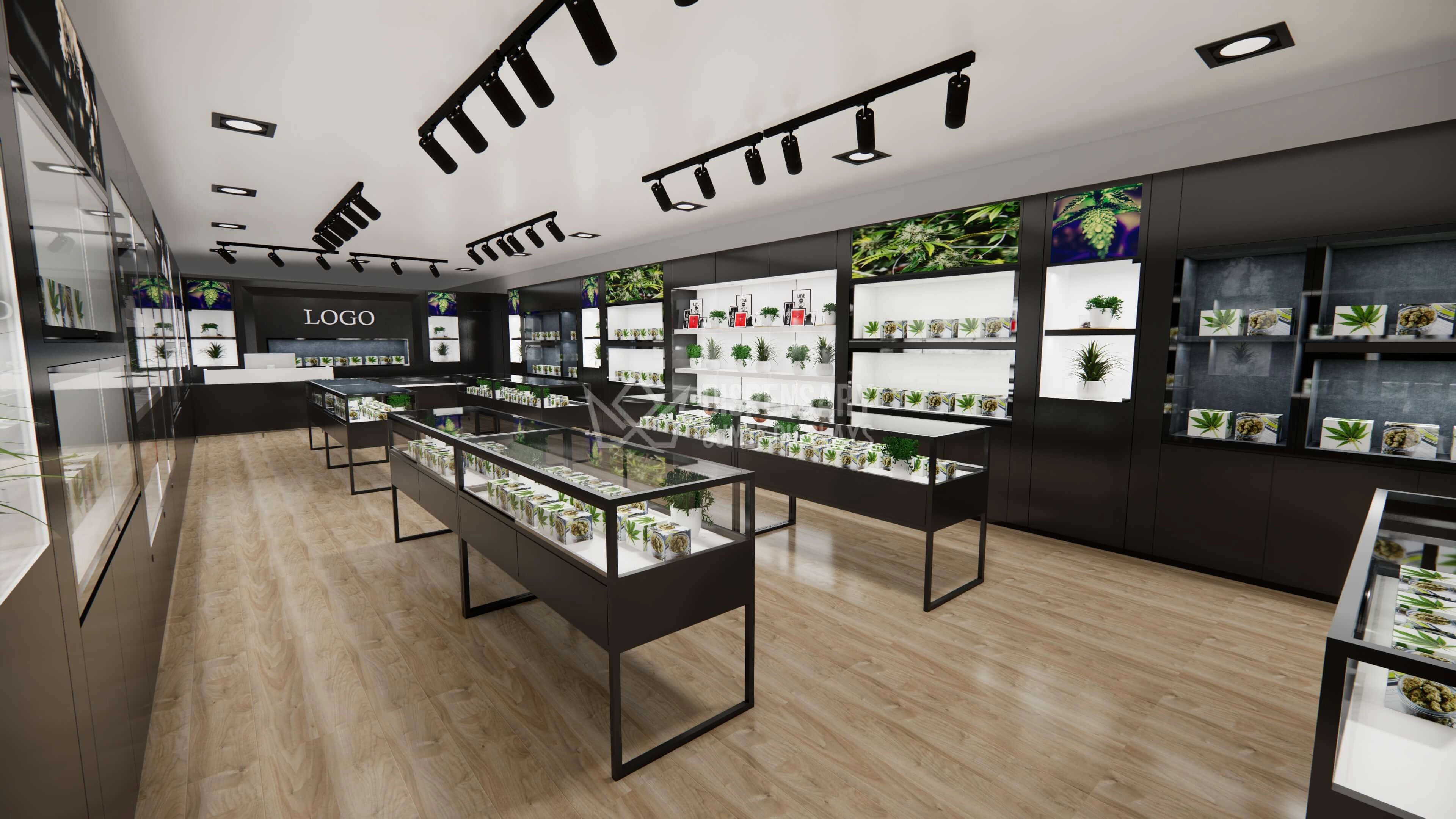
OEM ODM Dispensary Showcase Counters Display Fixtures For Cannabis
Sleek, secure, and fully customizable — our OEM/ODM dispensary counters redefine how cannabis is displayed in retail environments, merging form and function seamlessly.
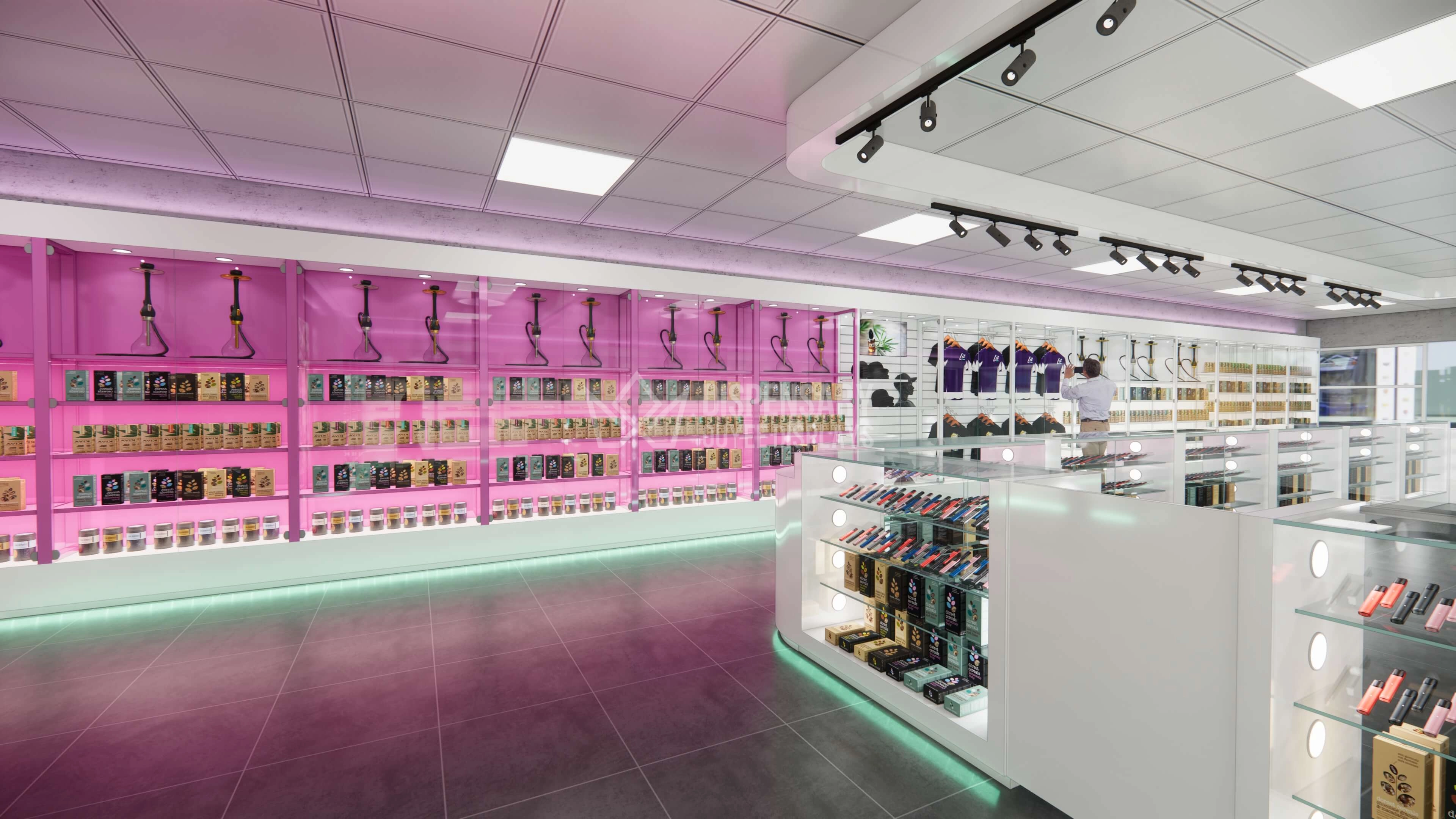
Modern Minimalist Cannabis Dispensary Displays Solutions
Modern minimalist cannabis dispensary displays offer sleek design, optimal product visibility, and efficient space usage, enhancing customer experience and elevating your store’s professional image.
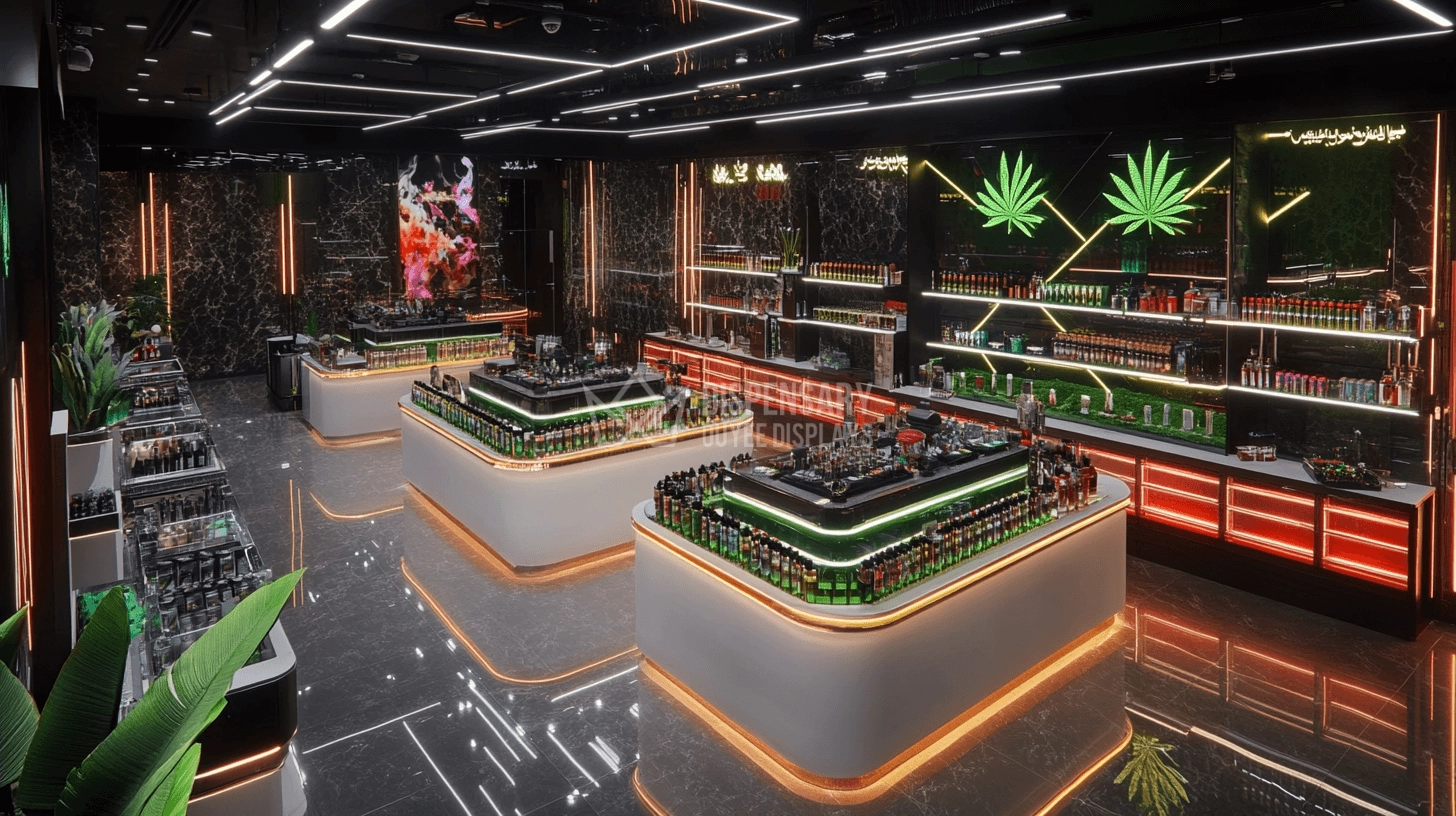
OEM ODM Dispensary Display Showcases Retail Design Cannabis Stores
Explore cutting-edge display showcase solutions for cannabis stores, combining modern retail design with high-end, customizable dispensary furniture.
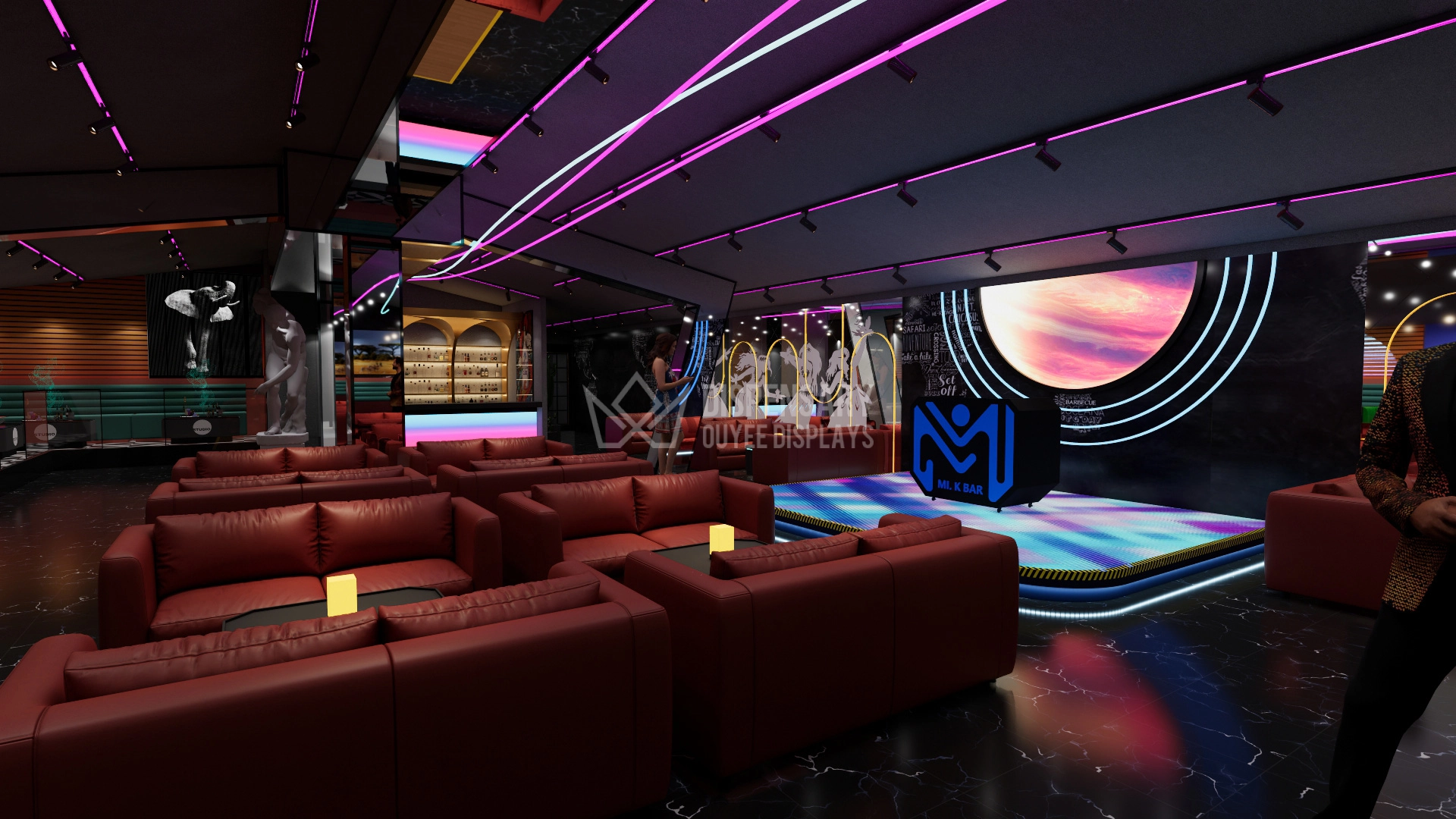
Commercial Durable Hookah Furniture Bulk Modular Layout for Modern Lounges
This modular hookah lounge furniture is designed for modern bars, lounges, and clubs that demand both luxury and functionality. With bold lighting, ergonomic seating, and customizable modules, it provides a versatile, durable, and aesthetically powerful solution for high-end hookah venues. Perfect for creating a visually immersive atmosphere that enhances customer satisfaction and retention.
Looking for something else?
At Ouyee, we’re committed to fulfilling all your retail shelving, storage, and display needs.
We have massive stocks and the biggest range of retail display equipment and shop fittings, fast dispatch and delivery!
Talk Now For Your Cannabis Display Project !

 Ouyee Display
Ouyee Dispensary
Ouyee Dispensary
Ouyee Dispensary
Ouyee Dispensary