
Custom Dispensary Display Case Production: From CAD Drawing to Shipping
- The 8-Stage Manufacturing Process at a Glance
- Stage 1: Convert the Retail Brief into Measurable Requirements
- Stage 1 approval checklist
- Stage 2: Develop CAD Drawings and Review Manufacturability
- CAD release questions
- Stage 3: Approve Materials, Finishes and Hardware
- Stage 4: Approve a Prototype or First Article
- Prototype inspection checklist
- Stage 5: Fabricate Panels, Frames and Components
- In-process quality controls
- Stage 6: Assemble and Test Functional Performance
- Stage 7: Perform Final QC and Approve Export Packaging
- Pre-shipment release checklist
- Stage 8: Manage Shipping, Import and Installation Handover
- Receiving checklist
- Production Risks and Preventive Controls
- B2B RFQ Checklist for Custom Dispensary Display Cases
- Ouyee Manufacturing Background and Project Enquiries
- Discuss a Custom Display Case Project
- Frequently Asked Questions
Quick answer: A custom dispensary display case typically moves through eight controlled stages: project brief, CAD engineering, material approval, prototype, fabrication, assembly, final inspection and export packing, and shipping. At each stage, buyers should agree on deliverables, evidence and acceptance criteria before authorizing the next step.
The custom dispensary display case manufacturing process converts a store concept into a fixture that fits the space, supports merchandise presentation and allows efficient staff access. B2B procurement teams can manage design changes, manufacturing checks and finished-goods acceptance through documented specifications and approval milestones.
Manufacturing stages and inspection requirements vary by design, order size and destination. The quotation, approved drawings and purchase agreement should define the applicable steps, testing scope and commercial commitments.
The 8-Stage Manufacturing Process at a Glance
| Stage | Workstream | Buyer approval or evidence |
|---|---|---|
| 1. Project brief | Store layout, product categories, operating and security needs | Signed-off requirements and fixture schedule |
| 2. CAD engineering | Shop drawings, tolerances, design-for-manufacture review | Revision-controlled drawings |
| 3. Materials and hardware | Panels, metal, glazing, finishes, locks and lighting | Approved samples and component schedule |
| 4. Prototype or first article | Trial assembly and usability checks | Documented sample acceptance |
| 5. Fabrication | Cutting, CNC work, metalwork and finishing | In-process quality records |
| 6. Assembly and testing | Doors, drawers, locks, lighting and fit | Functional inspection checklist |
| 7. Final QC and export packing | Acceptance inspection, protection and labeling | QC report, photos and packing list |
| 8. Shipping and handover | Transport documents, receiving and installation | Shipment records and receiving checklist |
Stage 1: Convert the Retail Brief into Measurable Requirements
Start with a floor plan, fixture quantities, cabinet dimensions, merchandise categories, package sizes, access routes and operational workflow. A display for flower, pre-rolls, accessories or CBD products may require different shelving, drawers and product sightlines. Document staff replenishment needs, intended locking arrangements, lighting, branding, cleaning and maintenance access.
Also review door clearance, aisle width, floor conditions, power locations and delivery access. Site-specific building, fire, accessibility, electrical and cannabis retail requirements must be verified by the project team with relevant authorities or qualified advisers.
Stage 1 approval checklist
- Floor plan and dimensioned fixture schedule
- Merchandise and shelving requirements
- Security, staff access and lighting brief
- Site delivery and installation constraints
- Agreed responsibilities for local compliance review
Stage 2: Develop CAD Drawings and Review Manufacturability
A rendering communicates appearance, but manufacturing requires dimensioned shop drawings. The drawing package should identify cabinet geometry, material thicknesses, panel joints, glass edges, shelf supports, hinge positions, door swing, locks, LED channels, cable access, leveling and assembly interfaces. A design-for-manufacturing review tests whether the proposed details can be cut, drilled, finished, assembled and packed reliably.
Use revision numbers and approval dates. If a drawing, component or finish changes, the supplier should identify the affected revision, proposed substitute and any impact on cost, schedule or installation before the buyer approves it.
CAD release questions
- Are overall and critical dimensions clearly specified?
- Are glass, locks and electrical components identified?
- Can doors and drawers open within the installed footprint?
- Can lighting drivers and hardware be serviced later?
- Are the approved drawings suitable for future reorders?
The choice between OEM and ODM cannabis display case production can influence drawing ownership, customization boundaries and the approval process before fabrication begins.
Stage 3: Approve Materials, Finishes and Hardware
Material selection should reflect traffic, cleaning routines, load requirements, durability and desired visual identity. Buyers may evaluate coated metal frames, engineered wood panels, laminates, safety glazing, hardware and lighting systems, but suitability depends on the actual specification and use case.
| Item | Specify before production | Evidence to request |
|---|---|---|
| Panels | Material, thickness, edges and finish | Material schedule and approved sample |
| Frames | Material, joints, coating and anchoring | Detailed drawing and finish reference |
| Glass | Type, thickness, edges and fixing method | Glazing specification and approval |
| Locks and hinges | Type, keying, access and serviceability | Hardware list and functional sample |
| Shelves and drawers | Dimensions, intended loading and movement | Shop drawing and agreed test |
| Lighting | Voltage, driver, light appearance and cable routing | Electrical schedule and working sample |
| Brand details | Artwork, color, location and production method | Signed-off artwork or physical proof |
Where project or destination-market requirements call for product testing or certification, ask for evidence applicable to the actual component and configuration. Company-level certifications alone do not establish that a custom display meets every local requirement.
Stage 4: Approve a Prototype or First Article
A prototype or first-article review can expose dimension, access, finish and lighting problems before full production. Confirm whether the sample uses production-equivalent materials and hardware, and document which corrections must be completed before release. A full prototype may not be necessary for every repeat order, but the acceptance method should still be agreed in writing.
Prototype inspection checklist
- Overall dimensions and visible panel alignment
- Door swing, drawer movement and lock operation
- Glass fit, edges and clearances
- Shelving access, product visibility and staff workflow
- LED operation, glare and maintenance access
- Finish color, surface quality and brand artwork
- Installation feasibility and component identification
Photograph deviations, reference the relevant drawing revision and record corrective action. Do not assume that issues identified during sampling will be resolved automatically during mass production.
Stage 5: Fabricate Panels, Frames and Components
Depending on the approved design, production may involve panel cutting, CNC routing and drilling, edge finishing, metal forming, welding, coating, glass preparation and hardware fitting. CNC equipment can help achieve repeatable components, but accurate output still depends on the correct drawing files, tool setup, material control and inspection.
Ouyee’s verified site profile describes German-made CNC automation machining centers at its Guangzhou manufacturing facility. Buyers should still request evidence of project-specific dimensional and finish controls rather than assuming that equipment alone guarantees results.
In-process quality controls
- Confirm that manufacturing files match the approved drawing revision
- Measure critical cut dimensions and fixing locations
- Check surface finishes and exposed edges against approved samples
- Identify nonconforming parts before final assembly
- Maintain component identification for multi-unit or multi-store orders
Stage 6: Assemble and Test Functional Performance
During assembly, small deviations can cause uneven gaps, binding drawers, stressed glass or inconsistent lighting. Functional checks should reflect everyday retail use and the written specification. Test requirements should be set before inspection, not invented after a dispute.
| Inspection area | Typical check | Agreed acceptance basis |
|---|---|---|
| Dimensions | Overall size, level and alignment | Drawing tolerances |
| Doors and drawers | Travel, closure, gaps and interference | Functional pass/fail criteria |
| Locks | Operation and staff-access sequence | Approved hardware specification |
| Shelving | Support, stability and access | Intended loading and installation plan |
| Lighting | Activation, consistency and cable protection | Approved electrical and visual specification |
| Finish | Scratches, dents, seams and logo placement | Approved samples and cosmetic criteria |
The fixture’s security features should be considered alongside the store’s wider access-control and regulatory requirements. A functioning lock does not, by itself, establish compliance.
Stage 7: Perform Final QC and Approve Export Packaging
Final inspection should compare completed fixtures with the purchase order, approved drawings, samples and agreed acceptance limits. Inspect product quantity, appearance, functionality, accessories and identification. Packing should then protect glass, corners, finished surfaces, doors, drawers and lighting components from handling damage.
The appropriate packaging may include cushioning, dividers, corner protection, surface film, cartons, pallets or crates depending on the route and handling environment. Each carton should be traceable to a cabinet, assembly group or store location where relevant.
Pre-shipment release checklist
- Final inspection record and closure of critical issues
- Finished-product and packaging photographs
- Packing list, component count and spare-hardware schedule
- Crate or carton identification and handling instructions
- Installation drawings and assembly hardware
- Written process for reporting shortages or transit damage
Stage 8: Manage Shipping, Import and Installation Handover
The quotation should identify the agreed Incoterm and responsibilities for freight, insurance, customs clearance, destination handling and local delivery. Total landed cost may include more than the factory price: transport, duties, storage, installation and replacements can materially affect the budget.
Confirm the commercial invoice, packing list, transport documents and any jurisdiction-specific records with the freight forwarder or customs adviser. Oversized crates or deliveries to multiple sites may require a separate unloading and installation plan.
Receiving checklist
- Inspect and photograph the outer packaging before unpacking
- Count packages and components against the packing list
- Check glass, finished panels, locks, lighting and hardware
- Confirm site access, floor conditions and assembly instructions
- Record transit damage and outstanding corrective actions
Shipping completion is not the same as installation acceptance. Agree on the handover and defect-reporting procedure before dispatch.
Production Risks and Preventive Controls
| Risk | Warning sign | Buyer control |
|---|---|---|
| Specification drift | Untracked revisions or substitutions | Written change requests and drawing control |
| Prototype mismatch | Sample differs from intended production materials | Production-equivalent sample agreement |
| Finish inconsistency | Color described only as “black” or “wood” | Approved physical finish reference |
| Functional defects | No agreed lock, drawer or lighting tests | Functional acceptance checklist |
| Transit damage | Packing discussed only at dispatch | Preapproved protective packing plan |
| Installation delays | Missing assembly documents or unidentified cartons | Carton map and installation handover pack |
B2B RFQ Checklist for Custom Dispensary Display Cases
Comparable supplier quotations depend on consistent technical requirements. Buyers can request itemized assumptions, exclusions, optional charges and acceptance milestones in writing.
- Project location, store type and number of sites
- Floor plans, cabinet dimensions and quantities
- Product categories, merchandising needs and staff-access requirements
- Preferred panel, metal, glass, lock and lighting specifications
- Finish samples, brand assets and design ownership expectations
- CAD deliverables, prototype review and approval milestones
- Inspection scope, acceptance criteria and supporting records
- Export packaging, delivery destination and preferred Incoterm
- Target schedule and the milestone that starts production lead time
- Spare parts, warranty scope, maintenance and reorder needs
Supplier evaluation should cover wholesale cannabis display case supplier qualifications, production documentation and after-sales responsibilities. International projects also require planning for custom dispensary display case sourcing from China, including export packing, freight responsibilities and import coordination.
Ouyee Manufacturing Background and Project Enquiries
Ouyee provides custom-designed display solutions for cannabis dispensaries and related specialty retail environments. Its verified site profile describes a 180,000-square-foot manufacturing facility in Guangzhou, more than 25 years of display cabinet experience and German-made CNC automation machining centers. Its product categories include cannabis display cases, CBD displays, dispensary fixtures and smoke shop display cases.
Project-specific capacity, delivery dates, certifications, warranty terms and production requirements should be confirmed in the quotation and purchase agreement, together with material specifications and inspection criteria.
Discuss a Custom Display Case Project
Share your store plan, cabinet dimensions, estimated quantities, finish requirements and destination market to discuss a project-specific quotation.
Custom display case quotationFrequently Asked Questions
What should be approved before manufacturing starts?
Buyers should approve revision-controlled shop drawings, the material and hardware schedule, finishes, critical dimensions, prototype requirements and inspection criteria. The exact deliverables depend on the project.
Does every custom display case require a prototype?
Not necessarily. Prototypes or first-article reviews are especially valuable for new designs, complex hardware, unfamiliar materials or multi-location rollouts. Repeat orders may use a different documented acceptance method.
How can buyers verify display case quality before shipping?
Use an agreed inspection checklist covering dimensions, finishes, doors, drawers, locks, lighting, quantities, accessories, labeling and protective packaging, with photographs or reports as appropriate.
What if a CAD drawing changes after approval?
Use a written change request identifying the revised drawing, affected components, any cost or schedule impact and the approval required before production continues.
How does CNC machining support consistent quality?
CNC machining can support repeatability, while consistent quality also depends on approved files, machine setup, tooling, materials, operators and inspection.
What information is needed for a manufacturing quotation?
Provide plans, quantities, dimensions, product display requirements, materials, hardware, finishes, lighting, security expectations, delivery destination and target schedule.
Top dispensary display case Manufacturers and Suppliers in 2026
Top Secure Locking Display Cases for Cannabis Retailers
Top cigarette merchandising display Manufacturers and Suppliers
Seasonal Campaigns Using Custom Cannabis Display Units: Planning, Creative, and Merchandising Tips
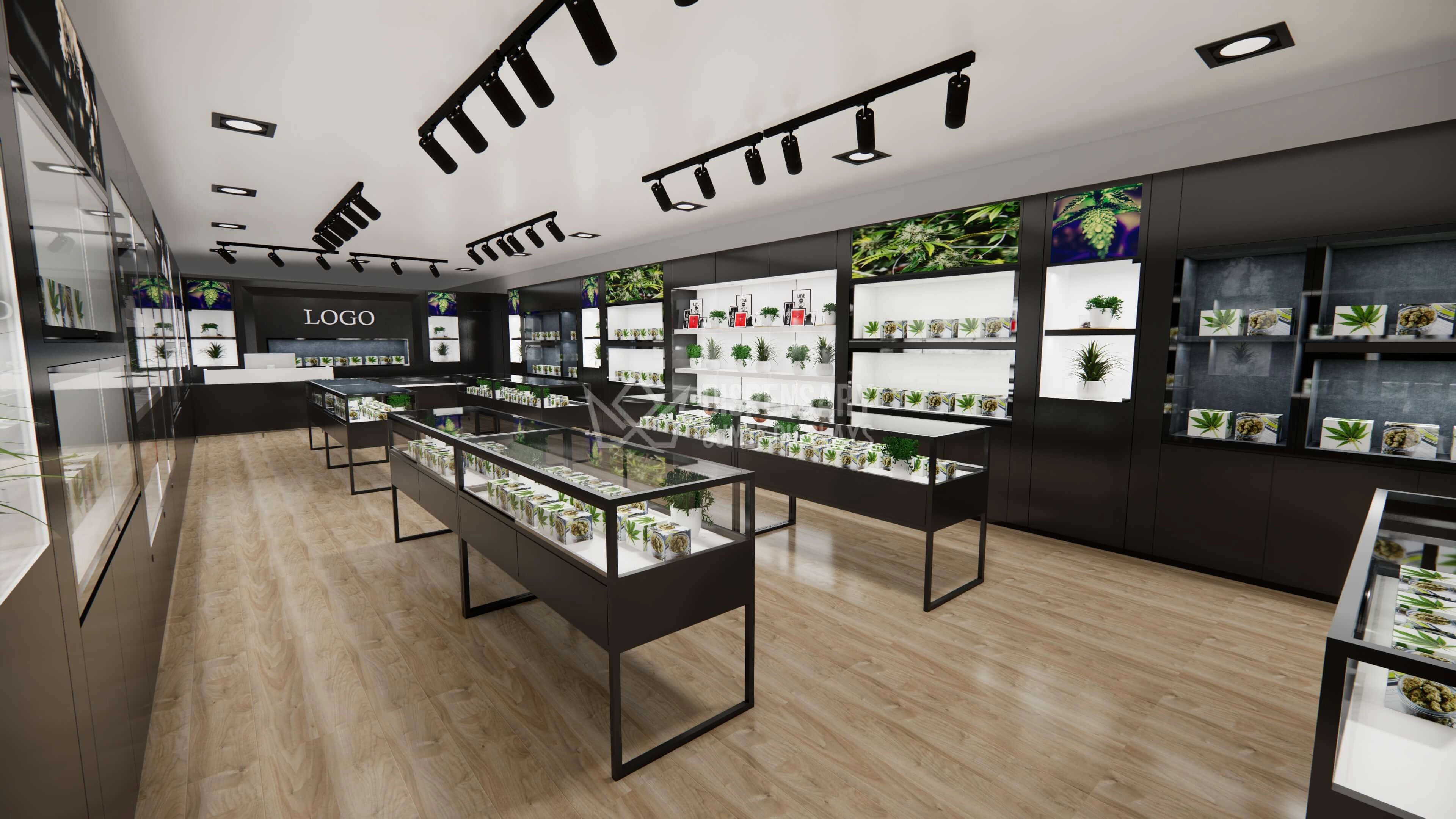
OEM ODM Dispensary Showcase Counters Display Fixtures For Cannabis
Sleek, secure, and fully customizable — our OEM/ODM dispensary counters redefine how cannabis is displayed in retail environments, merging form and function seamlessly.
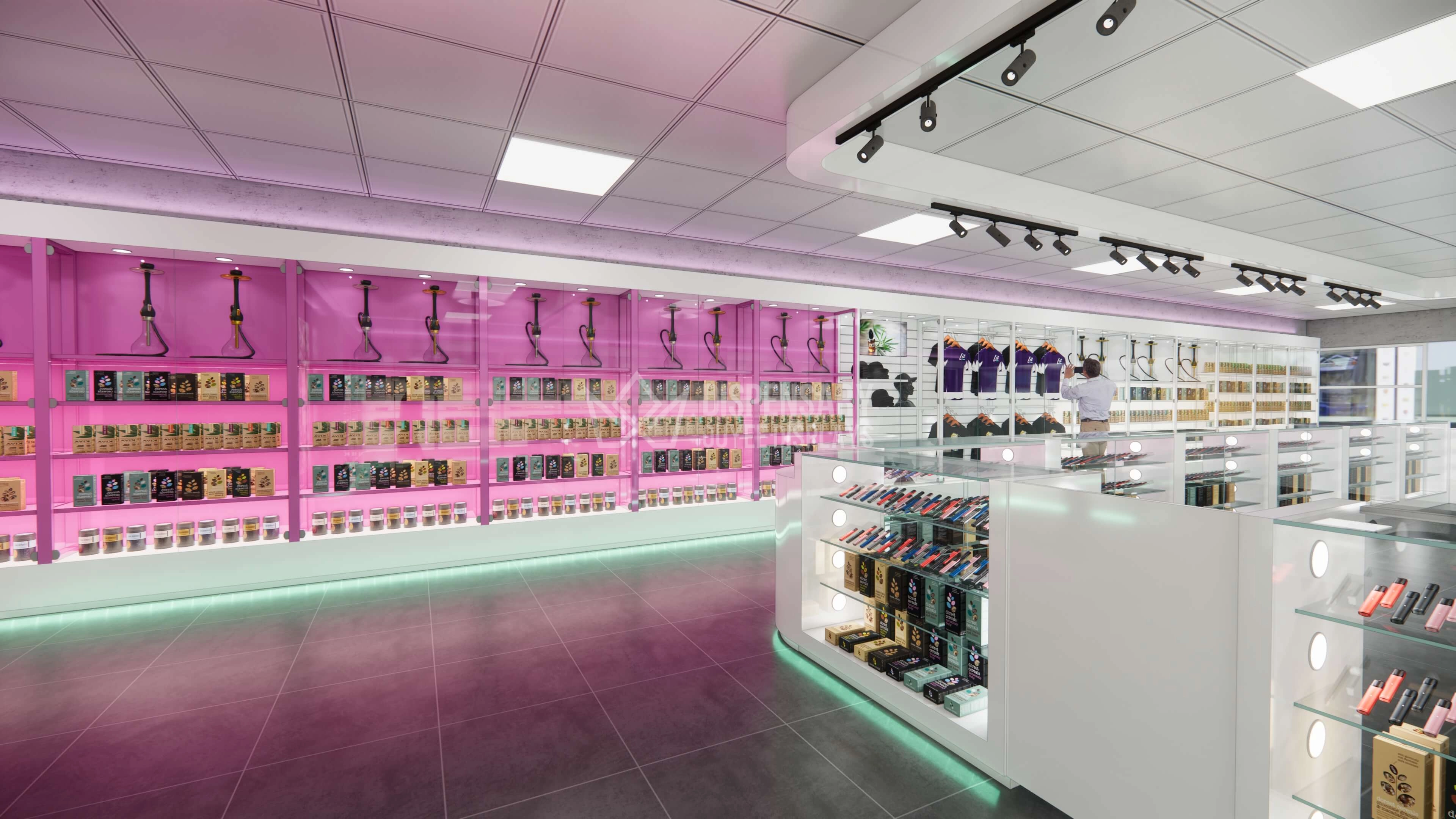
Modern Minimalist Cannabis Dispensary Displays Solutions
Modern minimalist cannabis dispensary displays offer sleek design, optimal product visibility, and efficient space usage, enhancing customer experience and elevating your store’s professional image.
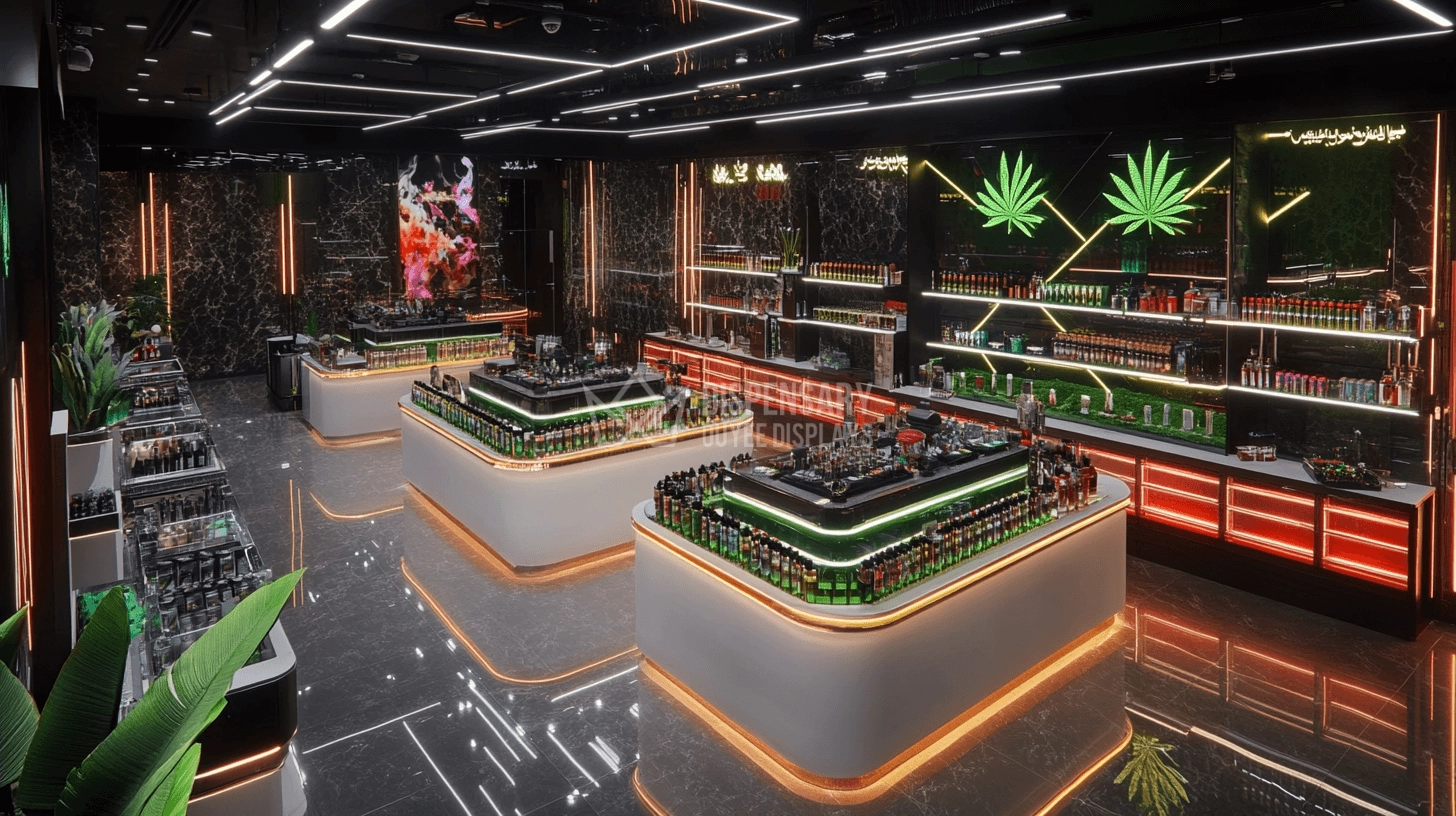
OEM ODM Dispensary Display Showcases Retail Design Cannabis Stores
Explore cutting-edge display showcase solutions for cannabis stores, combining modern retail design with high-end, customizable dispensary furniture.
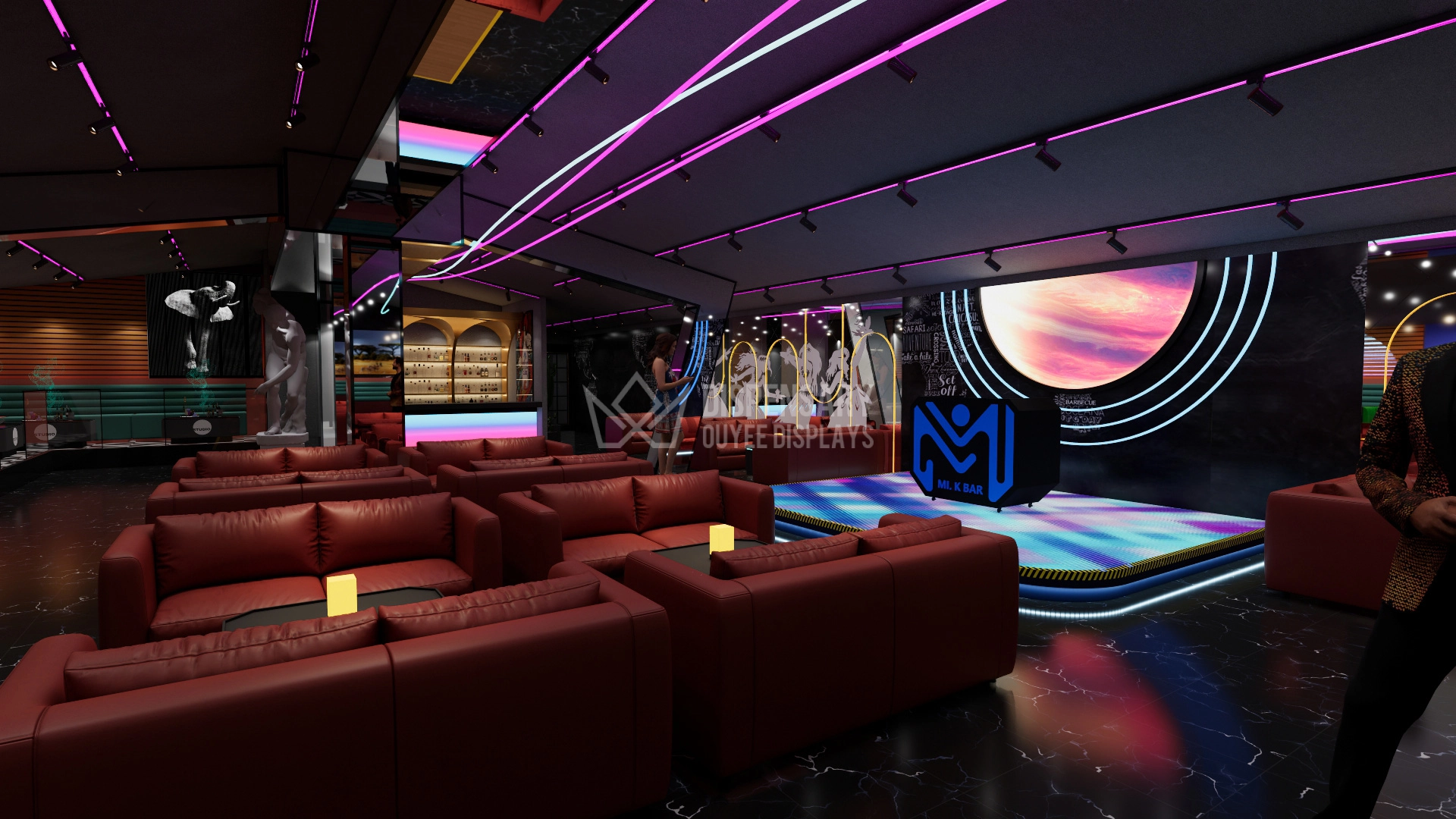
Commercial Durable Hookah Furniture Bulk Modular Layout for Modern Lounges
This modular hookah lounge furniture is designed for modern bars, lounges, and clubs that demand both luxury and functionality. With bold lighting, ergonomic seating, and customizable modules, it provides a versatile, durable, and aesthetically powerful solution for high-end hookah venues. Perfect for creating a visually immersive atmosphere that enhances customer satisfaction and retention.
Looking for something else?
At Ouyee, we’re committed to fulfilling all your retail shelving, storage, and display needs.
We have massive stocks and the biggest range of retail display equipment and shop fittings, fast dispatch and delivery!
Talk Now For Your Cannabis Display Project !

 Ouyee Display
Ouyee Dispensary
Ouyee Dispensary
Ouyee Dispensary
Ouyee Dispensary